Kelzy pr
Poland
Table of Contents
- 1. NAME OF THE MEDICINAL PRODUCT
- 2. QUALITATIVE AND QUANTITATIVE COMPOSITION
- 3. PHARMACEUTICAL FORM
- 4.2 Dosage and method of administration
- 4.3 Contraindications
- 4.4 Special warnings and precautions for use
- 4.5 Interactions with other medicinal products and other forms of interaction
- 4.6 Fertility, pregnancy and lactation
- 4.7 Effects on ability to drive and use machines
- 4.8 Undesirable effects
- 4.9 Overdose
- 5.2 Pharmacokinetic properties
- 5.3 Preclinical safety data
- 6.2 Pharmaceutical incompatibilities
- 6.3 Shelf life
- 6.4 Special precautions during storage
- 6.5 Type and content of container
- 6.6 Special precautions for disposal
- 7. MARKETING AUTHORISATION HOLDER
- 8. MARKETING AUTHORISATION NUMBER
- 9. DATE OF FIRST AUTHORISATION AND DATE OF RENEWAL OF THE AUTHORISATION
- 10. DATE OF ADOPTION OR PARTIAL CHANGE OF THE TEXT
SUMMARY OF PRODUCT CHARACTERISTICS
1. NAME OF THE MEDICINAL PRODUCT
Kelzy PR, 2 mg + 0.02 mg, prolonged-release tablets
2. QUALITATIVE AND QUANTITATIVE COMPOSITION
White prolonged-release tablets: Each tablet contains 2 mg dienogest and 0.02 mg
ethinylestradiol.
Green placebo tablets: The tablet contains no active substance.
Excipient with known effect:
Each prolonged-release coated tablet containing active substances contains 19 mg lactose
(as lactose monohydrate).
Each green coated placebo tablet contains 56 mg lactose (as lactose monohydrate).
For a complete list of excipients, see section 6.1.
3. PHARMACEUTICAL FORM
Prolonged-release tablet
The active tablet is a white, round tablet with a diameter of approximately 5 mm.
The placebo tablet is a green, round tablet with a diameter of approximately 5 mm.
4. CLINICAL PARTICULARS
4.1 Therapeutic Indications
- Oral hormonal contraception
- Treatment of hirsutism in women with polycystic ovary syndrome (PCOS)
The decision to prescribe the medicinal product Kelzy PR should be based on an individual assessment of risk factors in women, particularly the risk of venous thromboembolism (VTE) and the risk of VTE associated with the use of the medicinal product Kelzy PR in relation to other combined hormonal contraceptives (CHCs) (see sections 4.3 and 4.4).
4.2 Dosage and method of administration
Method of administration
Oral administration.
Dosage
Tablets should be taken daily, approximately at the same time each day, in the order indicated on the blister pack, swallowing with a small amount of liquid if necessary. The tablets are taken continuously. For 24 consecutive days, one white tablet should be taken daily, followed by one green tablet daily for the next 4 consecutive days. Each new pack should be started the day after taking the last tablet from the previous pack. Withdrawal bleeding usually begins on the 2nd to 3rd day after starting the green placebo tablets (last row of tablets) and may not end before the next pack is started.
Treatment of hirsutism should be periodically evaluated every 6–12 months to verify the justification for its continuation, and if no improvement is observed, treatment should be discontinued.
How to start taking the medicinal product Kelzy PR for hormonal contraception
- No prior hormonal contraception in the previous month: Treatment should begin on the first day of the woman's natural menstrual cycle (i.e., the first day of menstrual bleeding). If tablet intake is initiated between day 2 and day 5 of the menstrual cycle, an additional non-hormonal contraceptive method (mechanical method) should be used during the first 7 days of tablet intake.
- Switching from a combined hormonal contraceptive (combined oral contraceptive, vaginal contraceptive system, or transdermal system): The woman should start taking the medicinal product Kelzy PR preferably the day after taking the last active tablet (tablet containing active substances) of the previous combined contraceptive, but no later than the day after the usual tablet-free interval or after taking the placebo tablets of the previous combined contraceptive. If the patient has been using a vaginal contraceptive system or transdermal system, the medicinal product Kelzy PR should preferably be started on the day of removal of the vaginal or transdermal system, but no later than the day when reapplication would have occurred.
- Switching from a progestogen-only medicinal product (progestogen-only oral contraception, implants, injections) or an intrauterine system (IUS) releasing progestogen: A woman using progestogen-only oral contraception may switch to the medicinal product Kelzy PR on any day of the cycle (in the case of an implant or IUS, on the day of removal; in the case of an injectable product, on the day when the next injection would have been administered). However, in all these cases, an additional mechanical method of contraception should be used during the first 7 days of taking the medicinal product Kelzy PR tablets.
- After first-trimester abortion: The woman may immediately start taking the medicinal product Kelzy PR. In this case, additional contraceptive methods are not required.
- After childbirth or second-trimester abortion: Women should be advised to start taking tablets between 21 and 28 days after childbirth or second-trimester abortion. If tablet intake is started later, women should be informed about the need to use an additional mechanical method of contraception during the first 7 days of tablet intake. If sexual intercourse occurred before starting the combined oral contraceptive, pregnancy should be excluded or the woman should wait until the first menstrual bleeding occurs.
For breastfeeding women, see section 4.6.
How to start taking the medicinal product Kelzy PR for the treatment of hirsutism in women with polycystic ovary syndrome
Treatment of hirsutism in women with PCOS may be initiated on any day of the menstrual cycle.
If hormonal contraception is also desired, follow the recommendations provided in the section "How to start taking the medicinal product Kelzy PR for hormonal contraception".
Management of missed tablets when used for hormonal contraception
If white tablets are missed, particularly those at the beginning of the pack, contraceptive efficacy may be reduced.
If less than 24 hours have passed since the scheduled time of taking the active white tablet, contraceptive protection is not reduced. The woman should take the missed tablet as soon as possible and continue taking subsequent tablets at the usual time.
If more than 24 hours have passed since the scheduled time of taking any active white tablet, contraceptive efficacy may be reduced. In this case, the following two basic principles should be followed:
- The recommended hormone-free interval is 4 days; do not extend the break from active tablets beyond 4 days.
- A 7-day uninterrupted period of taking the active white tablets is required to adequately suppress the hypothalamic-pituitary-ovarian axis.
Considering the above information, the following advice may be given in daily medical practice:
- Days 1–7: Take the last missed tablet as soon as possible, even if this means taking two tablets at the same time. Continue taking subsequent tablets at the usual time. Additionally, use a mechanical contraceptive method (e.g., condom) for the next 7 consecutive days of taking active white tablets. If sexual intercourse occurred within the previous 7 days, consider the possibility of pregnancy. The greater the number of missed doses and the closer to the placebo tablet period, the higher the risk of pregnancy.
- Days 8–14: Take the last missed tablet as soon as possible, even if this means taking two tablets simultaneously. Continue taking subsequent tablets at the usual time. If correct dosing was maintained in the 7 days prior to the missed tablet, there is no need for additional contraceptive measures. However, if more than one tablet was missed, an additional contraceptive method should be used for the next 7 consecutive days of taking active white tablets.
- Days 15–24: There is a significant risk of reduced efficacy due to the approaching placebo tablet period. However, by appropriately adjusting the tablet-taking schedule, a reduction in contraceptive efficacy can be prevented. Using one of the two options below eliminates the need for additional contraceptive methods, provided correct dosing was maintained during the 7 days prior to the missed tablet. Otherwise, women should be advised to use the first of the two options below and to use an additional contraceptive method for the next 7 consecutive days of taking active white tablets:
- Take the last missed tablet as soon as possible, even if this means taking two tablets at the same time. Then continue taking tablets at the usual time until all active white tablets are used. Discard the 4 green placebo tablets from the last row of the blister. Immediately start taking tablets from the next blister pack. Withdrawal bleeding should not occur until after all active white tablets from the second pack have been used, although breakthrough bleeding or intermenstrual spotting may occur during active tablet intake.
- Alternatively, discontinue taking the active white tablets from the current pack. Take the green placebo tablets from the last row of the blister for up to 4 days, including the days on which tablets were missed, then start a new pack.
If the patient has missed several tablets and withdrawal bleeding does not occur during the placebo tablet period, consider the possibility of pregnancy.
Missing one or more green placebo tablets has no consequences, provided the interval between taking the last active white tablet of the current pack and the first active white tablet of the next pack does not exceed four days. Missed placebo tablets should be discarded to avoid a hormone-free interval longer than 4 days.
Management of missed tablets in the treatment of hirsutism in women with polycystic ovary syndrome
If doses of the medicinal product are missed, the efficacy of hirsutism treatment may be reduced. If one or more tablets are missed, the woman should take one tablet as soon as possible after remembering the missed dose, then continue taking tablets at the usual time the next day.
Missing one or more green placebo tablets has no consequences, provided the interval between the last active white tablet of the current pack and the first active white tablet of the next pack does not exceed four days.
If hormonal contraception is also desired, follow the recommendations in the section "Management of missed tablets when used for hormonal contraception".
Management in case of gastrointestinal disturbances
In cases of severe gastrointestinal disturbances (e.g., vomiting, diarrhea), absorption may be incomplete. If the medicinal product Kelzy PR is used for hormonal contraception, additional contraceptive methods should be used.
If vomiting occurs within 3 to 4 hours after taking an active white tablet, another (additional) tablet should be taken as soon as possible, regardless of the indication. The additional active white tablet should be taken, if possible, within 24 hours of the usual dosing time. If more than 24 hours have passed, follow the recommendations for missed doses outlined in section 4.2 "Management of missed tablets", regardless of indication. If the woman does not wish to alter her current dosing schedule, she should take an additional (additional) active white tablet(s) from a new pack.
How to delay withdrawal bleeding
To delay the onset of withdrawal bleeding, start taking the medicinal product Kelzy PR from the next pack without taking the green placebo tablets from the current pack. Tablet intake may continue as needed, even until the end of the second pack. During intake of tablets from the second pack, breakthrough bleeding or intermenstrual spotting may occur. Regular intake of the medicinal product Kelzy PR should be resumed after a normal 4-day break during which placebo tablets are taken.
To change the day of withdrawal bleeding to another day of the week than in the current dosing schedule, the placebo tablet phase may be shortened by any number of days. The shorter the break, the greater the risk that withdrawal bleeding will not occur, while breakthrough bleeding or spotting may occur during intake of tablets from the next pack (similar to delaying withdrawal bleeding).
Additional information for special populations
Children and adolescents
The medicinal product Kelzy PR is indicated only after the onset of menstruation (see section 5.1).
Elderly patients
Not applicable. The medicinal product Kelzy PR is not indicated in postmenopausal women.
Patients with hepatic impairment
The medicinal product Kelzy PR is contraindicated in women with severe liver disease (see section 4.3).
Patients with renal impairment
No specific studies have been conducted with the medicinal product Kelzy PR in patients with renal impairment. Available data do not indicate a need for dosage adjustment in this patient group.
4.3 Contraindications
Combined hormonal contraceptives must not be used in the following conditions. If any of the conditions listed below occurs for the first time during the use of a combined hormonal contraceptive, treatment must be discontinued immediately.
-
Hypersensitivity to the active substances or to any of the excipients listed in section 6.1;
-
Presence or risk of venous thromboembolism (VTE)
-
Active venous thromboembolism (treated with anticoagulant medicinal products) or history of venous thromboembolism (e.g. deep venous thrombosis (DVT), pulmonary embolism (PE));
-
Known hereditary or acquired predisposition to venous thromboembolism, e.g. activated protein C (APC) resistance (including factor V Leiden), antithrombin III deficiency, protein C deficiency, protein S deficiency;
-
Major surgery with prolonged immobilization (see section 4.4);
-
High risk of venous thromboembolism due to the presence of multiple risk factors (see section 4.4);
-
Presence or risk of arterial thromboembolism (ATE)
-
Arterial thromboembolic disease – current or past (e.g. myocardial infarction) or prodromal symptoms (e.g. angina pectoris);
-
Cerebrovascular disease – active stroke, history of stroke or prodromal symptoms (e.g. transient ischaemic attack (TIA));
-
Diagnosed hereditary or acquired tendency to arterial thromboembolic disease, e.g. hyperhomocysteinaemia and presence of antiphospholipid antibodies (antibodies to cardiolipin, lupus anticoagulant);
-
History of migraine with focal neurological symptoms;
-
High risk of arterial thromboembolic disease due to the presence of multiple risk factors (see section 4.4) or presence of one of the serious risk factors such as:
- Diabetes mellitus with vascular complications
- Severe hypertension
- Severe dyslipoproteinaemia;
-
Active or previous severe liver disease until liver function tests have returned to normal;
-
Active or previous benign or malignant liver tumours;
-
Occurrence or suspicion of steroid hormone-dependent malignant neoplasms (e.g. genital organs or breast cancer);
-
Unexplained vaginal bleeding.
Concomitant use of Kelzy PR with medicinal products containing ombitasvir, paritaprevir and ritonavir, medicinal products containing dasabuvir, medicinal products containing glecaprevir and pibrentasvir, as well as sofosbuvir with velpatasvir and voxilaprevir is contraindicated (see section 4.5).
4.4 Special warnings and precautions for use
Warnings
If any of the following conditions or risk factors are present, the appropriateness of using the medicinal product Kelzy PR should be discussed with the patient.
If any of the listed conditions or risk factors worsen or occur for the first time, the woman should consult her physician, who will decide whether treatment with the medicinal product Kelzy PR should be discontinued.
In case of suspected or confirmed venous thromboembolic disease or arterial thromboembolic disorders, combined hormonal contraceptives should be discontinued. If anticoagulant therapy is initiated, an appropriate alternative method of contraception should be used due to the teratogenic effects of anticoagulant medicinal products (coumarins).
Circulatory disorders
Risk of venous thromboembolic disease (VTE)
The use of any combined hormonal contraceptives is associated with an increased risk of venous thromboembolic disease compared to non-use. Medicinal products containing levonorgestrel, norgestamate, or norethisterone are associated with the lowest risk of venous thromboembolic disease. Other combined hormonal contraceptives, including the medicinal product Kelzy PR, may carry a slightly higher risk. The decision to prescribe a medicinal product outside the group known to have the lowest risk of venous thromboembolic disease should only be made after discussing with the patient to ensure she understands the risk of venous thromboembolic disease associated with the use of Kelzy PR, how her individual risk factors affect this risk, and that the risk of venous thromboembolic disease is highest during the first year of use.
There is some evidence suggesting that the risk increases when combined hormonal contraceptives are restarted after a break of four weeks or more.
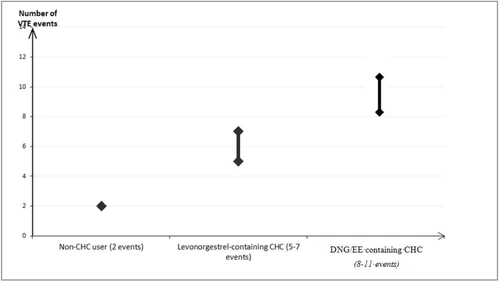
Approximately 2 out of 10,000 women who do not use combined contraceptives and are not pregnant will develop venous thromboembolic disease within one year. However, this risk may be considerably higher depending on individual risk factors present in a given patient (see below).
Epidemiological studies in women using combined oral contraceptives (<50 μg ethinylestradiol) have shown that approximately 6 to 12 out of 10,000 women will develop venous thromboembolic disease within one year.
It is estimated that among 10,000 women using low-dose combined hormonal contraceptives containing levonorgestrel, approximately 6 women will develop venous thromboembolic disease within one year.
It is estimated that among 10,000 women using combined hormonal contraceptives containing dienogest and ethinylestradiol (2 mg + 0.03 mg), 8 to 11 women will develop venous thromboembolic disease within one year.
The above number of venous thromboembolic disease cases per 10,000 women per year is lower than the expected number of cases in pregnant women or in the postpartum period.
Venous thromboembolic disease can be fatal in 1–2% of cases.
Number of cases of venous thromboembolic disease per 10,000 women per year
Very rare cases of thrombosis in other vessels, such as hepatic, mesenteric, renal veins, or retinal veins and arteries, have been reported in women using combined hormonal contraceptives.
Risk factors for venous thromboembolic disease
The risk of venous thromboembolic complications in women using combined hormonal contraceptives may be significantly increased by the presence of additional risk factors, especially when multiple risk factors coexist (see Table 1).
The use of the medicinal product Kelzy PR is contraindicated if the patient has several concomitant risk factors that increase the risk of venous thrombosis (see section 4.3).
If a woman has more than one risk factor, the increase in risk may be greater than the sum of the individual factors—in such cases, the overall risk of venous thromboembolic disease should be assessed. If the benefit-risk assessment is negative, combined hormonal contraceptives should not be prescribed (see section 4.3).
Table 1: Risk factors for venous thromboembolic disease
| Risk factor | Comments |
| Obesity (body mass index - BMI - above 30 kg/m2) | Risk increases significantly with rising BMI. This is particularly important to assess when other risk factors are also present. |
| Long-term immobilization, major surgery, any surgery on the lower limbs or pelvis, neurosurgical procedure or major trauma Note: temporary immobilization, including air travel >4 hours, may also constitute a risk factor for venous thromboembolic disease, especially in women with concomitant other risk factors. | In these situations, it is recommended to discontinue the use of tablets (at least 4 weeks before planned surgery) and not to resume use of the product until two weeks after regaining full mobility. An alternative method of contraception should be used to avoid unintended pregnancy. Consider antithrombotic treatment if use of Kelzy PR medicinal product has not been discontinued sufficiently early. |
| Positive family history (venous thromboembolic disorders in siblings or parents, particularly at a relatively young age, e.g. before age 50). | If a genetic predisposition is suspected, the woman should be referred to a specialist consultation prior to deciding on the use of a combined hormonal contraceptive. |
| Other conditions associated with venous thromboembolic disease | Cancer, systemic lupus erythematosus, hemolytic-uremic syndrome, chronic inflammatory bowel diseases (e.g. Crohn's disease or ulcerative colitis), and sickle cell anemia. |
| Age | Particularly above 35 years of age. |
There is no consensus regarding the possible role of varicose veins and superficial thrombophlebitis in the occurrence or progression of venous thromboembolic disease.
The increased risk of thromboembolic disease during pregnancy should be taken into account, particularly during the 6-week postpartum period ("Effect on pregnancy and lactation", see section 4.6).
Symptoms of venous thromboembolic disease (deep vein thrombosis and pulmonary embolism)
Patients should be informed that if any of the following symptoms occur, they must seek immediate medical help and inform healthcare professionals that they are using combined hormonal contraceptives.
Symptoms of deep vein thrombosis (DVT) may include:
- Swelling of one leg and (or) foot, or swelling along a vein in the leg;
- Pain or tenderness in the leg, which may occur only when standing or walking;
- Increased warmth in the affected leg;
- Red or discolored skin on the leg.
Symptoms of pulmonary embolism (PE) may include:
- Sudden onset of unexplained shortness of breath or rapid breathing;
- Sudden cough, which may be associated with hemoptysis;
- Sharp chest pain;
- Severe dizziness or lightheadedness;
- Rapid or irregular heartbeat.
Some of these symptoms (e.g., "shortness of breath", "cough") are nonspecific and may be misinterpreted as more common or less serious conditions (e.g., respiratory tract infections).
Other symptoms of vascular occlusion may include: sudden pain, swelling, and slightly bluish discoloration of limbs.
If vascular occlusion occurs in the eye, symptoms may include painless visual disturbances, which may progress to vision loss. In some cases, vision loss may occur almost immediately.
Risk of arterial thromboembolic disease
Epidemiological studies have shown an association between the use of hormonal contraceptive products and an increased risk of arterial thromboembolic disease (myocardial infarction) or cerebrovascular events (e.g., transient ischemic attack, stroke). Cases of arterial thromboembolic disorders may be fatal.
Risk factors for arterial thromboembolic disease
The risk of arterial thromboembolic disease or cerebrovascular events in women using combined hormonal contraceptives is increased in those with risk factors (see Table 2). The use of the medicinal product Kelzy PR is contraindicated if the patient has one serious or multiple risk factors for arterial thromboembolic disease, placing her in a high-risk group for arterial thrombosis (see section 4.3). If a woman has more than one risk factor, the increase in risk may be greater than the sum of individual factors—in such cases, the overall risk should be assessed. If the benefit-risk assessment is unfavorable, combined hormonal contraceptives should not be prescribed (see section 4.3).
Table 2: Risk factors for arterial thromboembolic disease
| Risk factor | Comments |
| Age | Particularly age over 35 years |
| Smoking | Women should be clearly advised not to smoke if they intend to use combined hormonal contraceptives. Women over the age of 35 who do not stop smoking should be strongly advised to use an alternative method of contraception. |
| Arterial hypertension | |
| Obesity (body mass index - BMI - above 30 kg/m2). | Risk increases significantly with rising BMI. This is particularly important for women who also have other risk factors. |
| Positive family history (occurrence of arterial thromboembolic disorders in siblings or parents, especially at a relatively young age, e.g. before age 50). | If a genetic predisposition is suspected, the woman should be referred for specialist consultation before deciding on the use of a combined hormonal contraceptive. |
| Migraine | An increase in frequency or severity of migraine during use of combined hormonal contraceptives (which may herald a cerebrovascular event) may be a reason for immediate discontinuation. |
| Other conditions associated with vascular adverse events. | Diabetes mellitus, hyperhomocysteinemia, cardiac valve disorders, atrial fibrillation, dyslipoproteinemia, and systemic lupus erythematosus. |
Symptoms of arterial thromboembolic disease
Patients should be informed that if any of the symptoms listed below occur, they should seek immediate medical attention and inform healthcare professionals that they are using combined hormonal contraceptives.
Symptoms of stroke may include:
- sudden numbness or weakness of the face, arm, or leg, especially on one side of the body;
- sudden difficulty walking, dizziness, loss of balance or coordination;
- sudden confusion, difficulty speaking or understanding speech;
- sudden vision disturbances in one or both eyes;
- sudden severe or prolonged headache with no known cause;
- loss of consciousness or fainting with or without seizures.
Transient nature of symptoms suggests a transient ischemic attack (TIA).
Symptoms of myocardial infarction (MI) may include:
- pain, discomfort, heaviness, squeezing, or fullness in the chest, arm, or below the sternum;
- discomfort radiating to the back, jaw, throat, arm, or stomach;
- feeling of fullness, indigestion, or choking;
- sweating, nausea, vomiting, or dizziness;
- extreme weakness, anxiety, or shortness of breath;
- rapid or irregular heartbeat.
Other factors affecting cardiovascular risk
It should be noted that women with PCOS more frequently present with cardiovascular risk factors such as obesity, insulin resistance, dyslipidemia, and increased initial risk of venous thromboembolic disease.
Cancer
Some epidemiological studies have shown an increased risk of cervical cancer in women who have used combined oral contraceptives for a long time. However, there is still controversy regarding the extent to which behavioral factors such as sexual behavior or other factors, including human papilloma virus (HPV), influence this risk.
A meta-analysis of 54 epidemiological studies demonstrated a slightly increased relative risk (RR = 1.24) of breast cancer among women currently using combined oral contraceptives. This increased risk gradually disappears within 10 years after discontinuation of combined oral contraceptives. Since breast cancer is rare in women under 40 years of age, the additional number of breast cancer diagnoses among women currently or previously using combined oral contraceptives is small compared to the overall risk of developing breast cancer. These studies do not provide evidence of a causal relationship. The observed increased risk of breast cancer may be related to earlier detection in women using combined oral contraceptives, a biological effect of combined oral contraceptives, or a combination of these factors. Breast cancers diagnosed in women who have used combined oral contraceptives are usually less clinically advanced than in women who have never used these products.
Rarely, benign or, even more rarely, malignant liver tumors have been reported during use of combined oral contraceptives. In isolated cases, these tumors have led to life-threatening intra-abdominal hemorrhage. In women using combined oral contraceptives, liver tumor should be considered in the differential diagnosis of acute upper abdominal pain, hepatomegaly, or signs of intra-abdominal bleeding.
Malignant tumors may be life-threatening or lead to death.
Other conditions
Women with hypertriglyceridemia or a positive family history may have an increased risk of pancreatitis while using combined oral contraceptives.
Many women using combined oral contraceptives have shown a slight increase in blood pressure, although clinically significant hypertension is rarely diagnosed. However, if persistent and marked hypertension develops during treatment with a combined oral contraceptive, the physician should consider discontinuing the combined oral contraceptive and initiate antihypertensive therapy. If blood pressure returns to normal with this treatment, resumption of combined oral contraceptives may be considered.
Cholestatic jaundice and/or pruritus associated with cholestasis, porphyria, systemic lupus erythematosus, hemolytic uremic syndrome, Sydenham's chorea, herpes gestationis, hearing loss associated with otosclerosis have been reported during use of combined oral contraceptives and during pregnancy, although a definitive causal link has not been established.
Exogenous estrogens may cause or exacerbate symptoms of hereditary or acquired angioedema.
Acute or chronic liver dysfunction may require discontinuation of the combined oral contraceptive until liver function parameters return to normal. Recurrent cholestatic jaundice that first occurred during pregnancy or previous use of sex hormone steroids necessitates discontinuation of combined oral contraceptives. Combined oral contraceptives may affect peripheral insulin resistance and glucose tolerance; however, there is no evidence confirming the need to change treatment in women with diabetes who are using low-dose estrogen combined oral contraceptives (< 0.05 mg ethinylestradiol). Nevertheless, diabetic women should be carefully monitored.
Use of combined oral contraceptives may be associated with Crohn's disease or ulcerative colitis.
Melasma may occasionally occur, especially in women who previously experienced chloasma of pregnancy. Women prone to melasma should avoid exposure to sunlight or ultraviolet radiation during treatment with this medicinal product.
Depressed mood and depression are well-known adverse effects of hormonal contraceptives (see section 4.8). Depression can be severe and is a well-known risk factor for suicidal behavior and suicide. If mood changes or symptoms of depression occur, even shortly after starting treatment, patients should be advised to consult their physician.
Required examinations or medical consultation
Before starting treatment with Kelzy PR for the first time or after a break in use, a thorough medical history (including family history) should be taken and pregnancy excluded. Blood pressure should be measured and a medical examination performed to rule out diseases that are contraindications (see section 4.3) or warnings for use (see section 4.4). When using this medicinal product for the treatment of hirsutism, differential diagnosis should be performed to exclude other diseases presenting with hyperandrogenism. It is important to inform the woman about information regarding venous and arterial thromboembolic disease, including the risk associated with using Kelzy PR compared to other combined hormonal contraceptives, symptoms of venous and arterial thromboembolic disease, known risk factors, and what to do if thrombosis is suspected.
The physician should advise the patient to read the package leaflet carefully and follow the instructions provided. Frequency and extent of examinations should be determined based on current practice and individually tailored for each patient.
Patients should be informed that hormonal contraceptives do not protect against HIV (AIDS) and other sexually transmitted infections.
Reduced efficacy
The effectiveness of combined hormonal contraceptives may be reduced if tablets are missed (see section 4.2.4), in the presence of gastrointestinal disturbances (see section 4.2), or when certain medicinal products are used concomitantly (see section 4.5).
Menstrual cycle control
Irregular bleeding (spotting or intermenstrual bleeding) may occur during use of all combined oral contraceptives, especially during the first few months of tablet use. Therefore, evaluation of irregular bleeding should only be considered after an adaptation period of approximately three cycles.
If irregular bleeding persists or occurs in a woman who previously had regular cycles, non-hormonal causes should be considered and appropriate diagnostic tests performed to exclude malignancy or pregnancy. Diagnostic procedures may include endometrial curettage.
Some women do not experience withdrawal bleeding during placebo tablet intake. If combined oral contraceptives have been taken according to the instructions in section 4.2, the likelihood of pregnancy is low. However, if the product has not been taken according to these instructions before the first missed withdrawal bleed, or if withdrawal bleeding does not occur twice consecutively, pregnancy must be ruled out before continuing use of the combined oral contraceptive.
Data from patient diaries in clinical trials show that the proportion of women using Kelzy PR who experienced unscheduled bleeding in cycles 2–6 was 50.5% per cycle. The proportion of women using Kelzy PR who experienced unscheduled bleeding in cycles 2–9 was 41.7% per cycle. The proportion of women who discontinued participation in the Phase III studies LPRI424-301 and 302 conducted in the European Union due to an adverse event related to bleeding was 1.7%.
The proportion of patients experiencing prolonged bleeding (>10 consecutive days) while using Kelzy PR was 5.6% in cycles 2–9.
Women using Kelzy PR may not have a menstrual period despite not being pregnant. According to patient diaries from a comparative clinical trial, absence of menstruation occurred in approximately 10.5% of patients in cycles 2–9.
Kelzy PR contains lactose
This medicinal product should not be used in patients with rare hereditary problems of galactose intolerance, lactase deficiency, or glucose-galactose malabsorption.
4.5 Interactions with other medicinal products and other forms of interaction
Information regarding other medicinal products used concomitantly should be reviewed to identify possible interactions.
Effect of other medicinal products on Kelzy PR
Interactions may occur with medicinal products that induce microsomal enzymes, resulting in increased clearance of sex hormones, which may lead to intermenstrual bleeding and/or reduced contraceptive efficacy.
Management
Enzyme induction may occur after a few days of treatment. Maximum enzyme induction is reached within a few weeks. After discontinuation of treatment, enzyme induction may persist for approximately 4 weeks.
Short-term treatment
Women taking enzyme-inducing medicinal products should temporarily use an additional mechanical contraceptive method or another contraceptive method. The mechanical contraceptive method must be used throughout the entire duration of concomitant treatment and for 28 days after its completion. If the treatment lasts longer than the duration of active tablets in the current oral combined contraceptive pack, placebo tablets should be omitted and tablets from the next pack should be started.
Long-term treatment
For women taking enzyme-inducing medicinal products long-term, use of an alternative, non-hormonal method of contraception is recommended.
Substances increasing the clearance of combined oral contraceptives (reducing efficacy via enzyme induction), e.g.:
Barbiturates, carbamazepine, phenytoin, primidone, rifampicin, and possibly oxcarbazepine, topiramate, felbamate, griseofulvin, as well as herbal products containing St John's wort (Hypericum perforatum).
Substances with variable effects on the clearance of combined oral contraceptives
Concomitant use of combined oral contraceptives with HIV/HCV protease inhibitors and non-nucleoside reverse transcriptase inhibitors, including combinations of both medicinal products, may increase or decrease plasma concentrations of estrogens or progestogens. In some cases, these changes may be clinically significant. Therefore, information on concomitantly prescribed HIV/HCV medicinal products should be reviewed to identify possible interactions and appropriate recommendations. In case of doubt, women undergoing treatment with protease inhibitors or non-nucleoside reverse transcriptase inhibitors should use an additional mechanical contraceptive method.
Substances decreasing the clearance of combined oral contraceptives (enzyme inhibitors)
Dienogest is a substrate of cytochrome P450 (CYP) 3A4. The clinical significance of potential interactions with enzyme inhibitors is unknown. Concomitant use of strong CYP3A4 inhibitors may increase plasma concentrations of estrogen, progestogen, or both.
It has been demonstrated that etoricoxib doses of 60 to 120 mg per day result in a 1.4- to 1.6-fold increase in plasma concentrations of ethinylestradiol when co-administered with a combined oral contraceptive containing 0.035 mg ethinylestradiol.
Effect of Kelzy PR on other medicinal products
Combined oral contraceptives may affect the metabolism of certain other active substances, thereby increasing (e.g., cyclosporine) or decreasing (e.g., lamotrigine) their plasma and tissue concentrations.
Clinical data indicate that ethinylestradiol inhibits the clearance of CYP1A2 substrates, leading to slight (e.g., theophylline) or moderate (e.g., tizanidine) increases in their plasma concentrations.
Pharmacodynamic interactions
In clinical trials among patients treated for hepatitis C virus (HCV) infection with medicinal products containing ombitasvir with paritaprevir and ritonavir, and medicinal products containing dasabuvir with or without ribavirin, elevations in aminotransferase (ALT) activity to more than 5 times the upper limit of normal occurred significantly more frequently in women using medicinal products containing ethinylestradiol, such as combined hormonal contraceptives. Additionally, increased ALT activity has also been observed in patients treated with glecaprevir with pibrentasvir or sofosbuvir with velpatasvir and voxilaprevir, when women were using medicinal products containing ethinylestradiol, such as combined hormonal contraceptives (see section 4.3).
Therefore, women taking Kelzy PR must use an alternative method of contraception (e.g., progestogen-only contraception or non-hormonal methods) prior to initiating treatment with medicinal products containing these antiviral combinations. Resumption of Kelzy PR may be considered two weeks after discontinuation of these antiviral combinations.
Other forms of interaction
Laboratory tests
The use of steroid contraceptives may affect the results of certain laboratory tests, including biochemical parameters of liver, thyroid, adrenal, and kidney function, plasma protein (carrier) concentrations, e.g., corticosteroid-binding globulin, lipid or lipoprotein fractions, carbohydrate metabolism parameters, and coagulation and fibrinolysis parameters. Altered laboratory test results usually remain within normal reference ranges.
4.6 Fertility, pregnancy and lactation
Pregnancy
The medicinal product Kelzy PR is not indicated for use during pregnancy.
If a woman becomes pregnant while taking Kelzy PR, treatment should be discontinued immediately.
Extensive epidemiological studies have shown no increased risk of congenital malformations in children of women who used combined oral contraceptives prior to becoming pregnant, nor any teratogenic effects in children of women who inadvertently used combined oral contraceptives during pregnancy.
Animal studies have shown adverse effects during pregnancy and lactation (see section 5.3). Based on available data from animal studies, adverse effects cannot be excluded due to the hormonal activity of the active substances. However, extensive clinical experience with the use of combined oral contraceptives during pregnancy does not indicate any actual adverse effects in humans.
When considering restarting treatment with the medicinal product Kelzy PR, the increased risk of venous thromboembolic disease in the postpartum period should be taken into account (see sections 4.2 and 4.4).
Breast-feeding
Combined oral contraceptives may affect lactation by reducing the quantity and altering the composition of breast milk. Small amounts of steroid contraceptives and/or their metabolites may pass into breast milk in women using combined oral contraceptives. These amounts may affect the infant. Therefore, Kelzy PR should generally not be used until breastfeeding has been discontinued.
Fertility
The medicinal product Kelzy PR is indicated for the prevention of pregnancy. For information on return of fertility, see section 5.1.
4.7 Effects on ability to drive and use machines
Studies on the influence of the product on the ability to drive and operate machinery have not been conducted.
In women using combined oral contraceptives, no effect on the ability to drive and operate machinery has been observed.
4.8 Undesirable effects
In clinical studies (involving 1953 women), the most frequently reported undesirable effects associated with the use of the medicinal product containing 2 mg dienogest and 0.02 mg ethinylestradiol were intermenstrual bleeding (8.9%), breast discomfort (4.5%) and headache (4.2%).
A commonly occurring undesirable effect reported in clinical studies was changes in bleeding pattern (see section 5.1).
Tabulated list of undesirable effects
The table below presents undesirable effects according to MedDRA System Organ Classes (MedDRA SOC). The frequency of occurrence was estimated based on data obtained from clinical studies. All undesirable effects reported in clinical studies of the medicinal product containing 2 mg dienogest and 0.02 mg ethinylestradiol are listed.
All undesirable effects listed in the "rare" category occurred only once (in 1 subject), corresponding to a frequency of <0.1%.
The frequency of undesirable effects is defined using the following categories: Very common (≥1/10), Common (≥1/100 to <1/10), Uncommon (≥1/1000 to <1/100), Rare (≥1/10 000 to <1/1000), Very rare (<1/10 000) and Not known (frequency cannot be estimated based on available data).
| MedDRA System Organ Classes | Common (≥1/100 to <1/10) | Uncommon (≥1/1000 to <1/100) | Rare (≥1/10,000 to <1/1000) | Frequency not known |
| Infections and infestations | Vaginal infection1 | Urinary tract infection2 | Genital herpes Otitis media | |
| Benign, malignant and unspecified neoplasms (incl. cysts and polyps) | Fibroadenoma of breast | |||
| Blood and lymphatic system disorders | Leukopenia | |||
| Immune system disorders | Exacerbation of symptoms of hereditary and acquired angioedema | |||
| Endocrine disorders | Hypothyroidism | Hyperthyroidism | ||
| Metabolism and nutrition disorders | Appetite disorders3 Fluid retention Hyperglycaemia Insulin resistance | Dyslipidaemia | ||
| Psychiatric disorders | Libido disorders4 Mood disorders5 | Anxiety6 Depression Sleep disorders7 Psychiatric disorder8 | ||
| Nervous system disorders | Headache9 | Migraine10 Dizziness | Taste disturbances Hypoesthesia Paresthesia | |
| Eye disorders | Eye pruritus Vision disorders | |||
| Ear and labyrinth disorders | Dizziness | |||
| Cardiac disorders | Palpitations | |||
| Vascular disorders | Thrombotic events11 Hypertension Hot flush | Fluctuations in blood pressure Ecchymosis Telangiectasia Varicose veins | ||
| Respiratory, thoracic and mediastinal disorders | Epistaxis | |||
| Gastrointestinal disorders | Nausea Abdominal pain12 | Vomiting Diarrhoea Flatulence Abdominal distension | Constipation Dyspepsia Gastroesophageal reflux disease Dental hypersensitivity | |
| Skin and subcutaneous tissue disorders | Acne | Excessive hair loss (alopecia) Pruritus Dermatitis13 Hyperhidrosis14 | Chills Urticaria | |
| Rash15 Dry skin Skin disorders16 | ||||
| Musculoskeletal and connective tissue disorders | Limb pain | Arthralgia | ||
| Renal and urinary disorders | Haematuria Leukocyturia | |||
| Reproductive system and breast disorders | Intermenstrual bleeding17 Breast discomfort18 Dysmenorrhoea19 | Amenorrhoea Menstrual disorders20 Vaginal haemorrhage21 Ovarian cyst Vulvar and vaginal dryness Pelvic pain22 Vulvar and vaginal pruritus Cervical dysplasia Dyspareunia Vaginal discharge Vulvovaginitis | Endometrial hyperplasia Discomfort in genital organs | |
| General disorders and administration site conditions | Fatigue23 Oedema24 Peripheral oedema | Feeling unwell Lethargy General physical health deterioration | ||
| Investigations | Increased body weight25 Increased blood thyroid-stimulating hormone concentration | Increased blood triglycerides concentration Increased liver enzyme activity26 Increased blood creatine phosphokinase activity Increased blood cholesterol concentration Increased blood lactate dehydrogenase activity Increased blood prolactin concentration | Increased blood fibrin D-dimer concentration Abnormal blood pressure |
Description of selected adverse reactions
In women using combined hormonal contraceptives, an increased risk of arterial and venous thrombotic and thromboembolic events has been observed, including myocardial infarction, stroke, transient ischaemic attacks, deep vein thrombosis, and pulmonary embolism. This issue is discussed in more detail in section 4.4.
The following serious adverse reactions have been reported in women using combined oral contraceptives, as described in section 4.4:
Neoplasms
- A slightly increased incidence of breast cancer has been observed among women using combined oral contraceptives. Since breast cancer is rare in women under 40 years of age, the additional risk is small in relation to the overall risk of developing breast cancer. A causal relationship with the use of combined oral contraceptives has not been established.
- Liver tumours.
- Cervical cancer.
Other conditions
- Women with hypertriglyceridaemia (increased risk of pancreatitis during use of combined oral contraceptives).
- Arterial hypertension.
- Conditions whose occurrence or worsening in relation to the use of combined oral contraceptives is not clearly established: cholestatic jaundice, gallstone formation, porphyria, systemic lupus erythematosus, haemolytic uraemic syndrome, Sydenham's chorea, herpes gestationis.
- Liver function disorders.
- Changes in glucose tolerance or effects on insulin resistance.
- Crohn's disease, ulcerative colitis.
- Depression.
Interactions
Intermenstrual bleeding and/or reduced contraceptive efficacy may result from interactions between other medicinal products (enzyme inducers) and combined oral contraceptives (see section 4.5).
Reporting suspected adverse reactions
Following marketing authorisation of a medicinal product, it is important to report suspected adverse reactions. This enables continuous monitoring of the benefit-risk balance of the medicinal product. Healthcare professionals should report any suspected adverse reactions via the Department of Monitoring Adverse Drug Reactions at the Office for Registration of Medicinal Products, Medical Devices and Biocidal Products: Al. Jerozolimskie 181C; 02-222 Warsaw; tel.: +48 22 49 21 301; fax: +48 22 49 21 309; website: https://smz.ezdrowie.gov.pl.
Adverse reactions may also be reported to the marketing authorisation holder.
4.9 Overdose
Acute toxicity after oral administration of ethinylestradiol and dienogest is very low. For example,
if a child accidentally ingests several tablets of the medicinal product Kelzy PR at once,
the occurrence of toxic symptoms is unlikely. In such cases, symptoms such as nausea, vomiting,
or unexpected vaginal bleeding may occur. Vaginal bleeding may even occur in girls before their
first menstruation if they accidentally ingest this medicinal product. Usually, specific treatment
is not necessary. If required, supportive treatment should be administered.
5. PHARMACOLOGICAL PROPERTIES
5.1 Pharmacodynamic properties
Pharmacotherapeutic group: Sex hormones and modulators of the reproductive system, hormonal
contraceptives for systemic use, progestogens and estrogens, fixed combination products,
ATC code: G03AA16.
Mechanism of action
The contraceptive effect of the medicinal product Kelzy PR is based on the interaction of several
factors, the most important of which is the inhibition of ovulation.
The medicinal product Kelzy PR contains dienogest and ethinylestradiol. Dienogest is a derivative
of nortestosterone that does not exhibit androgenic activity but demonstrates antiandrogenic activity
approximately one-third that of cyproterone acetate. Dienogest binds to the human uterine
progesterone receptor with an affinity of only 10% compared to the relative affinity of progesterone.
Despite its weak affinity for the progesterone receptor, dienogest exhibits strong progestogenic
activity in vivo. Dienogest does not show significant in vivo androgenic, mineralocorticosteroid,
or glucocorticosteroid activity.
Ethinylestradiol is a potent, orally active synthetic estrogen widely used in contraceptive agents.
In the treatment of hirsutism in women with polycystic ovary syndrome (PCOS), the combination
of dienogest and ethinylestradiol regulates androgenic effects leading to hirsutism by increasing
the concentration of sex hormone-binding globulin (SHBG) and decreasing the concentration of
androgenic hormones.
Clinical efficacy and safety in hormonal contraception
Two multicentre, European phase III clinical trials were conducted to evaluate the use of the
medicinal product Kelzy PR for hormonal contraception. In the pooled analysis of these two
trials, the Pearl Index was calculated as follows (upper limit of the 95% confidence interval (CI)):
Pearl Index (18–35 years), patient error + method failure: 0.2 (upper limit of 95% CI 0.77).
Pearl Index (18–45 years), patient error + method failure: 0.2 (upper limit of 95% CI 0.64).
The Pearl Index was calculated based on the number of exposure cycles in phase III clinical trials
conducted in the European Union. An exposure cycle was defined as a 28-day cycle during which
at least one entry was recorded in the treatment diary regarding the intake of the medicinal product
Kelzy PR. Additionally, an exposure cycle also included any cycle during which a participant became
pregnant, regardless of whether it was a 28-day cycle or not.
Pearl Index values in women using the medicinal product Kelzy PR in combined trials
LPRI-424/301 and LPRI-424/302
In trials LPRI-424/301 and LPRI-424/302, conducted in women taking the medicinal product
Kelzy PR for 13 × 28-day cycles, a total of two confirmed pregnancies occurred during treatment,
including one pregnancy due to method failure and one due to patient error. Both pregnancies were
reported in women aged ≤ 35 years. The table below presents an overview of the number of cycles
and overall Pearl Index values, Pearl Index values determined in evaluable cycles, and Pearl Index
values in cases of method failure (confirmed pregnancies) for all women and for women aged ≤ 35
years.
The cumulative pregnancy rate after 13 cycles (95% CI) in all women using the medicinal product
Kelzy PR (FAS) in both clinical trials was 0.15 (0.00; 0.36), and in the subgroup aged ≤ 35 years,
it was 0.18 (0.00; 0.43).
Clinical efficacy and safety in the treatment of hirsutism in women with polycystic ovary syndrome (PCOS)
One multicentre, randomized, double-blind phase III clinical trial (LPRI-424/304) was conducted to
evaluate the medicinal product Kelzy PR in the treatment of hirsutism in women with polycystic
ovary syndrome (PCOS). A total of 305 women with PCOS, who had experienced at least two years
since their first menstruation, were enrolled and randomly assigned (in a 4:1 ratio) to receive either
the medicinal product Kelzy PR (n = 244) or placebo (n = 61) for 9 cycles of 28 days each. The study
also included a subgroup of 25 adolescents aged 14 to 17 years. At the start of the study, in the Safety
Set (i.e., all study participants who received at least one dose of the investigational medicinal product),
the mean age of the population (n = 291) was 25 years. In 80.5% of study participants, body mass
index (BMI) was ≤ 30 kg/m², and in 19.6%, BMI was > 30 kg/m².
A modified, adapted Ferriman-Gallwey scale (mFG) was used in the study. The adapted scoring
did not include assessment of hair growth above the upper lip and on the chin. Furthermore, study
participants were required to refrain from shaving with a razor for at least 15 days before each
assessment. This was intended to facilitate patient participation in the study and ensure a uniform
assessment method. As a result, the results obtained with the adapted mFG scale in this study are not
directly comparable to standard mFG scores used in routine clinical practice. At baseline, in the full
analysis set (FAS), 80.9% of women had a total score on the adapted mFG scale of < 14 (mild
hirsutism), 16.8% had a total score of 14–19 (moderate hirsutism), and 2.3% had a total score > 19
(severe hirsutism).
After nine 28-day treatment cycles, women receiving the medicinal product Kelzy PR showed
greater reduction in the adapted, modified Ferriman-Gallwey scale (mFG) score compared to women
in the placebo group. Results are presented in the tables below.
Changes in score on the adapted mFG scale – Full Analysis Set (FAS)
Treatment response analysis – Full Analysis Set (FAS)
Children and adolescents
There are limited clinical data on the efficacy and safety of combined oral contraceptives in
adolescents under 18 years of age.
The European Medicines Agency has waived the obligation to submit results of studies with the
medicinal product Kelzy PR in one or more subgroups of the paediatric population in the approved
indication, in accordance with the conditions set out in the decision on the paediatric investigation
plan (PIP) (use in children and adolescents, see section 4.2).
5.2 Pharmacokinetic properties
Ethinylestradiol
Absorption
The mean bioavailability of ethinylestradiol is approximately 45%, with high interindividual variability ranging from about 20–65%. Plasma concentration profiles after multiple daily doses of the prolonged-release medicinal product (2 mg dienogest and 20 µg ethinylestradiol) showed a mean C(\text{max}) of 64 pg/mL for ethinylestradiol, observed at a t(\text{max}) of 3.8 hours. The observed AUC value was 706 pg×h/mL for ethinylestradiol. In comparison with the immediate-release formulation, t(_\text{max}) was observed later, at 3.8 hours (prolonged-release formulation) versus 1.3 hours (immediate-release formulation). Food has no influence on the pharmacokinetic profile of the medicinal product Kelzy PR.
Distribution
Ethinylestradiol is highly (approximately 98%), but non-specifically, bound to serum albumin and has an effect on increasing serum levels of sex hormone-binding globulin (SHBG). The apparent volume of distribution after a single 0.03 mg oral dose is 576–625 L.
Metabolism
Ethinylestradiol undergoes pre-systemic conjugation in the intestinal mucosa and liver. It is metabolized mainly via aromatic hydroxylation, although numerous different hydroxylated and methylated metabolites are formed. These metabolites occur in both free and conjugated forms (with glucuronides and sulfate).
Elimination
Serum concentrations of ethinylestradiol decrease in two phases. The respective half-lives are approximately 1 hour and 10 to 20 hours. Ethinylestradiol is not excreted unchanged. The ratio of urinary to biliary excretion of ethinylestradiol metabolites is 4:6. The elimination half-life of metabolites is approximately one day.
Dienogest
Absorption
The oral bioavailability of dienogest is high, approximately 90%. Plasma concentration profiles after multiple daily doses of the prolonged-release medicinal product (2 mg dienogest and 20 µg ethinylestradiol) showed a mean C(\text{max}) of 59 pg/mL for dienogest, observed at a t(\text{max}) of 3.8 hours. The observed AUC value was 732 pg×h/mL for dienogest. After repeated administration of the prolonged-release formulation, the AUC was similar to that of the immediate-release formulation, but C(_\text{max}) was lower and occurred later.
Food has no influence on the pharmacokinetic profile of the medicinal product Kelzy PR.
Distribution
Dienogest binds to serum albumin, but does not bind to sex hormone-binding globulin (SHBG) or corticoid-binding globulin (CBG). Approximately 10% of the total drug concentration in serum exists as free steroid. 90% binds non-specifically to albumin. The increase in SHBG induced by ethinylestradiol does not affect dienogest binding to serum proteins. The apparent volume of distribution after a single 1 mg oral dose is approximately 40 L.
Metabolism
Dienogest is metabolized primarily through hydroxylation and conjugation reactions; the resulting metabolites generally lack endocrine activity. Metabolites are very rapidly cleared from plasma, so no significant metabolites other than unchanged dienogest have been detected in human plasma.
Elimination
After oral administration of dienogest at a dose of 0.1 mg/kg body weight, the ratio of urinary to fecal excretion is 3:1. The serum clearance of dienogest is ~64 mL/min, and the elimination half-life of metabolites in urine is ~14 hours. Most metabolites are eliminated within the first 24 hours, and approximately 86% of the administered dose is eliminated within 6 days.
5.3 Preclinical safety data
Non-clinical studies of ethinylestradiol and dienogest have confirmed the expected estrogenic and progestogenic effects.
Non-clinical data from conventional repeated-dose toxicity studies, genotoxicity, potential carcinogenic effects, and toxic effects on fertility have not revealed any specific hazard for humans.
However, it should be borne in mind that steroid sex hormones may stimulate the growth of certain hormone-dependent tissues and tumours.
Environmental risk assessment studies have shown that ethinylestradiol and dienogest may pose a risk to the aquatic environment (see section 6.6).
6. PHARMACEUTICAL DATA
6.1 List of excipients
White tablets (containing active substances):
Monohydrate lactose
Hypromellose
Povidone K-30
Magnesium stearate
Colloidal anhydrous silica
Coating
Polyvinyl alcohol, partially hydrolysed
Titanium dioxide (E 171)
Macrogol 3350
Talc
Polyethylene glycol
Green tablets (placebo):
Monohydrate lactose
Corn starch
Povidone K-30
Colloidal silica
Magnesium stearate
Coating
Hypromellose 2910
Triacetin
Polysorbate 80
Titanium dioxide (E 171)
Indigo carmine, aluminium lake (E 132)
Yellow iron oxide (E 172)
6.2 Pharmaceutical incompatibilities
Not applicable.
6.3 Shelf life
2 years.
6.4 Special precautions during storage
No special requirements regarding storage temperature of the medicinal product.
Keep the blister in the outer packaging to protect from light.
6.5 Type and content of container
PVC-PE-PVDC/Aluminum foil blister containing 24 white tablets and 4 green tablets.
Pack sizes: 1 x 28, 3 x 28, 6 x 28 and 13 x 28 prolonged-release tablets.
Additionally, a cardboard blister holder is included in the cardboard box.
Not all pack sizes may be marketed.
6.6 Special precautions for disposal
Any unused residues of the medicinal product or its waste must be disposed of in accordance
with local regulations.
7. MARKETING AUTHORISATION HOLDER
EXELTIS POLAND SP. Z O.O.
Ul. Szamocka 8
01-748 Warsaw
Poland
8. MARKETING AUTHORISATION NUMBER
Authorisation number 28402
9. DATE OF FIRST AUTHORISATION AND DATE OF RENEWAL OF THE AUTHORISATION
Date of first authorisation: 13.05.2024.
10. DATE OF ADOPTION OR PARTIAL CHANGE OF THE TEXT
SUMMARY OF PRODUCT CHARACTERISTICS
04.03.2026
Detailed information on this medicinal product is available on the website of the
Office for Registration of Medicinal Products, Medical Devices and Biocidal Products:
www.urpl.gov.pl