Ipratropium /salbutamol cipla
Poland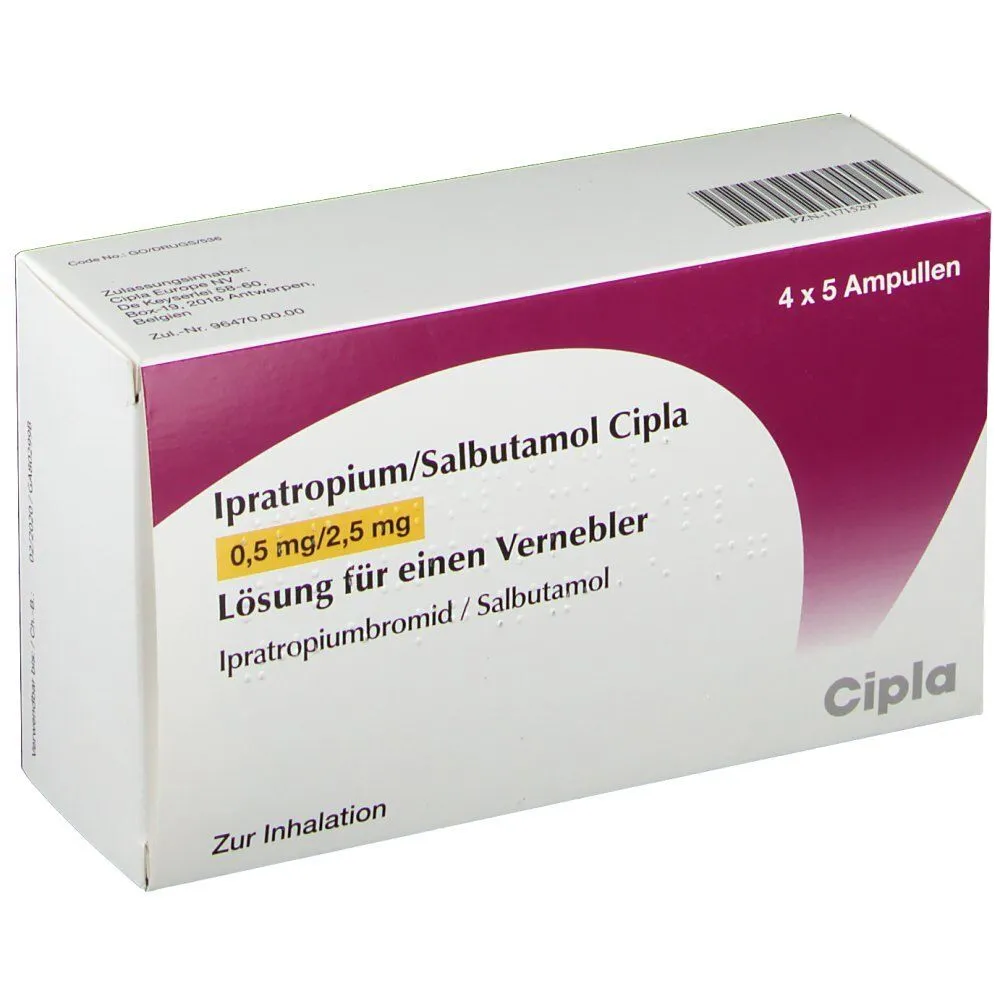
Table of Contents
- Package leaflet: Information for the user
- 1. What Ipratropium /Salbutamol Cipla is and what it is used for
- 2. Important information before using Ipratropium /Salbutamol Cipla
- 3. How to use Ipratropium /Salbutamol Cipla
- 4. Possible adverse reactions
- 5. How to store Ipratropium /Salbutamol Cipla
- 6. Contents of the pack and other information
Package leaflet: Information for the user
Ipratropium /Salbutamol Cipla, (0.5 mg + 2.5 mg)/2.5 ml, solution for nebulization
Ipratropii bromidum + Salbutamolum
Please read all of this leaflet carefully before using this medicine, because it contains
important information for you.
- Keep this leaflet. You may need to read it again.
- If you have any further questions, ask your doctor or pharmacist.
- This medicine has been prescribed for a specific individual. Do not pass it on to others. It may harm them even if their symptoms are the same.
- If you experience any side effects, including any not listed in this leaflet, tell your doctor or pharmacist. See section 4.
Leaflet contents
- What Ipratropium /Salbutamol Cipla is and what it is used for
- What you need to know before using Ipratropium /Salbutamol Cipla
- How to use Ipratropium /Salbutamol Cipla
- Possible side effects
- How to store Ipratropium /Salbutamol Cipla
- Contents of the pack and other information
1. What Ipratropium /Salbutamol Cipla is and what it is used for
The name of the medicine is Ipratropium /Salbutamol Cipla. The active substances are ipratropium bromide and salbutamol sulfate. Ipratropium bromide and salbutamol belong to a group of medicines called bronchodilators, which help breathing by widening the airways. This occurs by preventing the contraction of smooth muscles in the airways, thus keeping them open. Ipratropium bromide works by blocking nerve signals reaching the muscles surrounding the airways, while salbutamol acts by stimulating beta receptors in these muscles.
Ipratropium /Salbutamol Cipla is used to treat breathing problems in patients aged 12 years and older with chronic breathing disorders (chronic obstructive pulmonary disease such as chronic bronchitis, emphysema). Ipratropium /Salbutamol Cipla reduces wheezing, breathlessness, and chest tightness.
The medicine is used with a device called a nebulizer. The nebulizer turns the medicine into an aerosol which the patient inhales.
2. Important information before using Ipratropium /Salbutamol Cipla
When not to use Ipratropium /Salbutamol Cipla:
- if the patient is allergic to salbutamol, ipratropium bromide, atropine (including drugs similar to atropine), or any of the other ingredients of this medicine (listed in section 6);
- if the patient has been diagnosed with an enlarged heart or a condition called hypertrophic cardiomyopathy with outflow tract obstruction;
- if the patient has a very rapid heartbeat (called tachyarrhythmia).
Warnings and precautions
Before starting treatment with Ipratropium /Salbutamol Cipla, discuss the following with your doctor:
- if the patient has or is suspected of having glaucoma (increased pressure in the eye) or any other eye disorders. The doctor may recommend protecting the eyes during treatment with Ipratropium /Salbutamol Cipla;
- if the patient (male) has benign prostatic hyperplasia or experiences problems with urination;
- if the patient has recently had a heart attack;
- if the patient has arterial disease or experiences leg pain when walking;
- if the patient has heart disease, irregular heartbeat, or angina pectoris (inform the doctor before starting treatment with this medicine);
- if the patient has diabetes;
- if the patient has hyperthyroidism;
- if the patient has cystic fibrosis;
- if the patient has been diagnosed with a tumour of the adrenal gland;
- if the patient has ever been diagnosed with a phaeochromocytoma – a rare type of benign tumour. Using an inhaler may worsen its symptoms;
- if the solution or the resulting aerosol accidentally gets into the eyes, painful stinging or redness of the eyes, dilated pupils, blurred vision, seeing coloured halos around lights, or coloured spots may occur. In such a case, medical advice should be sought. If eye problems occur at any other time, medical advice should be sought.
Dental caries has been reported following the use of salbutamol. It is recommended, especially in children, to maintain good oral hygiene and regular dental check-ups.
Cases of lactic acidosis have been reported in association with high therapeutic doses of salbutamol, mainly in patients treated for acute bronchospasm (see section 3 and 4). Elevated lactate levels may cause breathlessness and hyperventilation, even if wheezing has decreased. If the patient notices that the medicine is not working as effectively as usual and needs to use the nebuliser more frequently than prescribed, they should consult their doctor immediately.
Contact the doctor immediately if breathing problems suddenly worsen or if the prescribed dose does not produce the usual effect. Do not increase the dose of the medicine without consulting the doctor.
If the patient uses high doses of Ipratropium /Salbutamol Cipla for a prolonged period, blood potassium levels should be monitored, especially if the patient is also taking certain other medicines such as: steroids (corticosteroids), diuretics (medicines that increase urine production), or other medicines that dilate the airways, such as theophylline (xanthine).
Children and adolescents
Ipratropium /Salbutamol Cipla must not be used in children under 12 years of age.
Ipratropium /Salbutamol Cipla and other medicines
Tell your doctor or pharmacist about all medicines the patient is currently taking or has recently taken, as well as any medicines the patient plans to take.
Some medicines may interact with Ipratropium /Salbutamol Cipla and may increase side effects or reduce the effectiveness of Ipratropium /Salbutamol Cipla. Always inform the doctor if any of the following medicines are being taken:
- other medicines that make breathing easier, such as salbutamol, or anti-inflammatory medicines such as beclometasone dipropionate. These may enhance the effect of Ipratropium /Salbutamol Cipla and increase side effects;
- beta-blockers, i.e. medicines usually used to treat heart conditions such as angina pectoris (chest pain), irregular heartbeat or heart rhythm disorders, and high blood pressure (called hypertension). These include medicines such as propranolol, which may reduce blood potassium levels if given together with Ipratropium /Salbutamol Cipla (beta-blockers may reduce the effect of salbutamol);
- certain antidepressant medicines. This group includes monoamine oxidase inhibitors (e.g. phenelzine) or tricyclic antidepressants (e.g. amitriptyline);
- digoxin (used in heart conditions) given simultaneously with Ipratropium /Salbutamol Cipla may cause heart rhythm disturbances;
- medicines called anticholinergics. These may be used to treat abdominal colic pain, Parkinson's disease, urinary problems, or lack of control over bladder or bowel activity;
- salbutamol, a component of Ipratropium /Salbutamol Cipla, may cause a decrease in blood potassium levels (hypokalaemia). This is more likely if the patient is taking ipratropium bromide and salbutamol together with certain other medicines used to treat asthma, inhaled or oral steroids (such as prednisolone), or diuretics. Low potassium levels may cause muscle weakness, tremors, or heart rhythm disturbances. The doctor may recommend periodic blood tests to monitor potassium levels;
- anaesthetics may increase the heart's sensitivity to salbutamol – the patient should be closely monitored. The doctor may recommend discontinuing Ipratropium /Salbutamol Cipla if the patient is undergoing surgery.
Before planned general anaesthesia in hospital, inform the anaesthetist about all medicines being taken.
Ipratropium /Salbutamol Cipla with food and drink
Food and drink do not affect the action of Ipratropium /Salbutamol Cipla.
Pregnancy and breastfeeding
If the patient is pregnant or breastfeeding, suspects she may be pregnant, or is planning to have a baby, she should consult her doctor or pharmacist before using this medicine.
Ipratropium /Salbutamol Cipla should not be used during pregnancy unless the doctor determines that the benefits to the mother outweigh the risks to the foetus.
Ipratropium /Salbutamol Cipla may be used during breastfeeding. If the patient is breastfeeding, she should consult her doctor or pharmacist before using this medicine.
Driving and operating machinery
Avoid potentially hazardous activities such as driving or operating machinery if the patient experiences side effects such as dizziness, difficulty concentrating, or blurred vision while using Ipratropium /Salbutamol Cipla.
Ipratropium /Salbutamol Cipla contains sodium
This medicine contains less than 1 mmol (23 mg) of sodium per dose, meaning the medicine is considered "sodium-free".
3. How to use Ipratropium /Salbutamol Cipla
Ipratropium /Salbutamol Cipla is intended for inhalation use. The solution is for inhalation through the mouth during nebulisation.
This medicine should always be used as prescribed by a doctor or pharmacist. If in doubt, consult a doctor or nurse.
Ipratropium /Salbutamol Cipla should be used when needed, not on a regular basis.
If asthma is active (for example, frequent symptoms or exacerbations such as breathlessness making speaking, eating or sleeping difficult, coughing, wheezing, chest tightness or reduced physical performance), the patient should inform their doctor immediately. The doctor may then initiate or increase treatment with a medicine that helps maintain asthma symptoms under control, such as an inhaled corticosteroid.
If the patient feels that the medicine is not working as well as usual, they should inform their doctor as soon as possible (for example, if higher doses are needed to relieve breathing difficulties, or if asthma symptoms do not improve within at least 3 hours after using the inhaler), because asthma may be worsening and another treatment may be necessary.
If the patient uses Ipratropium /Salbutamol Cipla more than twice a week to relieve asthma symptoms, excluding prophylactic use before physical exertion, this indicates poorly controlled asthma and increases the risk of severe asthma attacks (asthma exacerbations), which may lead to serious complications, be life-threatening, or even result in death. The patient should contact their doctor promptly to review their asthma treatment.
If the patient is taking a medicine with anti-inflammatory action in the lungs, such as an "inhaled corticosteroid", it is important to continue using it regularly, even if they feel better.
The recommended dose for adults and children aged 12 years and older is the contents of one ampoule three or four times daily.
Elderly patients should take the dose recommended for adults.
Use in children and adolescents
Ipratropium /Salbutamol Cipla is not recommended for use in children under 12 years of age.
Do not swallow the solution or administer it by injection.
The dose to be taken and the frequency of administration are indicated on the label.
Never use a higher dose than that prescribed by the doctor. If breathing difficulties worsen, or if the medicine does not provide sufficient relief, or if a short-acting inhaled bronchodilator needs to be used more frequently than usual, inform the doctor immediately.
Ipratropium /Salbutamol Cipla should be administered using an appropriate nebuliser, such as the PARI LC PLUS nebuliser or a jet nebuliser. Before starting inhalation, carefully read the instructions for using the nebuliser provided in the leaflet accompanying the PARI LC PLUS nebuliser.
Instructions for use
- Prepare the nebuliser for use according to the manufacturer's instructions and the doctor's advice.
- Open the sachet and remove the blister containing the dose ampoules.
- Carefully detach the ampoule from the marked soft blister by twisting and pulling. Never use an ampoule if it has been previously opened or if the solution has changed colour (Figure A).
- Do not use an ampoule that has been opened previously or contains discoloured liquid.
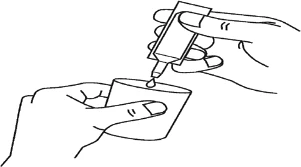
- Hold the ampoule vertically and twist off the top part (Figure B).
- Squeeze the contents into the nebuliser chamber (Figure C).
- Follow the manufacturer's instructions and the doctor's advice regarding assembly and use of the nebuliser.
- If the doctor has advised the patient to dilute the medicine, the patient will receive sterile 0.9% sodium chloride solution. The doctor will instruct the patient on how to perform the dilution.
- After using the nebuliser, discard any remaining solution in the chamber. Any solution remaining in the ampoule should also be discarded.
- Clean the nebuliser thoroughly according to the manufacturer's instructions.
A B C



Do not dilute the solution or mix it with other medicines unless otherwise instructed by the doctor.
Ampoules containing a single dose of Ipratropium /Salbutamol Cipla do not contain preservatives, so it is essential to use the medicine immediately after opening the ampoule.
Each time Ipratropium /Salbutamol Cipla is used with a nebuliser, a new ampoule must be used.
Partially used, opened or damaged ampoules must be discarded. Never use a previously opened ampoule.
It is important to follow the above instructions to avoid contamination of the nebulised solution in the ampoule.
Do not swallow the solution or administer it by injection.
Take care to avoid the solution or the generated aerosol entering the eyes. If the solution or aerosol accidentally gets into the eyes, painful stinging, redness, pupil dilation, blurred vision, coloured halos around light sources or coloured spots may occur. In such a case, consult a doctor. If eye problems occur at any other time, consult a doctor.
Use of more than the recommended dose of Ipratropium /Salbutamol Cipla
If a slightly higher than recommended dose is used, symptoms such as increased heart rate (palpitations) or muscle tremors may occur. Other symptoms may include chest pain, changes in blood pressure, flushing, restlessness or dizziness. These symptoms usually resolve within a few hours. A decrease in blood potassium levels may occur, so the doctor may recommend periodic monitoring of blood potassium levels, including blood tests for this purpose. Inform the doctor if the patient is concerned about any of these symptoms or if symptoms persist.
If more than the recommended dose of the medicine is used, contact a doctor immediately or go to the nearest hospital. If a doctor's visit or hospital admission is necessary, bring all medicines being used, including those available without a prescription; if possible, they should be in their original packaging. Bring this leaflet with you to show the doctor.
Missed dose of Ipratropium /Salbutamol Cipla
If a dose is missed at the scheduled time, take it as soon as possible. Do not use a double dose to make up for a missed dose.
Stopping Ipratropium /Salbutamol Cipla
The doctor will advise the patient on how long to use Ipratropium /Salbutamol Cipla. Do not stop using Ipratropium /Salbutamol Cipla without first consulting the doctor.
If there are any further doubts regarding the use of this medicine, consult a doctor or pharmacist.
4. Possible adverse reactions
Like all medicines, this medicine can cause adverse reactions, although not everybody will experience them.
Some adverse reactions may be serious and may require medical attention.
Serious adverse reactions
-
If, immediately after inhaling Ipratropium /Salbutamol Cipla, asthma symptoms or wheezing worsen or breathing becomes difficult and the patient experiences shortness of breath, the use of Ipratropium /Salbutamol Cipla must be stopped and a short-acting inhaled bronchodilator should be used immediately. Discontinue use of Ipratropium /Salbutamol Cipla and contact a doctor immediately. The doctor may recommend an alternative treatment for the condition.
-
If the patient suspects hypersensitivity to Ipratropium /Salbutamol Cipla or believes they may have experienced an allergic reaction to the solution, including swelling of the tongue, lips, or face, the use of Ipratropium /Salbutamol Cipla must be stopped immediately and medical advice must be sought without delay.
Other adverse reactions, occurring with the following frequencies:
Common, may affect fewer than 1 in 10 people
- dry mouth
- nausea
- irritation of the oral and pharyngeal mucosa
Uncommon, may affect fewer than 1 in 100 people
- headache
- dizziness
- feeling of nervousness
- tremor
- sensation of dizziness or spinning (vertigo)
- palpitations (awareness of heartbeat)
- rapid heartbeat
- cough
- throat irritation
- speech disorders
- difficulty in urination
- skin reactions
Rare, may affect fewer than 1 in 1000 people
- severe allergic reactions which may cause difficulty in breathing or dizziness
- allergic reactions such as urticaria or itching
- swelling of the face, lips, and tongue
- decreased potassium levels in the blood
- psychiatric disorders
- sweating
- eye pain or other eye-related symptoms, including blurred vision, pupil dilation (excessive dilation of the eye pupil), and glaucoma (increased intraocular pressure)
- heart rhythm disturbances
- decreased blood pressure
- heart failure
- breathing difficulties and shortness of breath
- throat swelling
- diarrhoea, constipation, vomiting, or other gastrointestinal disorders
- altered taste
- dental caries
- muscle pain
- muscle weakness and cramps
- dry throat
- oral cavity swelling
- inflammation of the oral mucosa
- feeling of weakness
- mood changes
- difficulty in urination
Very rare, may affect fewer than 1 in 10,000 people
- increased blood pressure
Frequency not known (frequency cannot be estimated from available data)
A condition called lactic acidosis, which may cause stomach pain, hyperventilation, and shortness of breath, even if wheezing has improved, cold hands and feet, irregular heartbeat, or thirst.
Chest pain (due to conditions such as angina) may occur in some patients, although the exact frequency of this symptom is unknown. If such symptoms occur during treatment with Ipratropium /Salbutamol Cipla, the doctor should be informed as soon as possible, but treatment should not be discontinued unless otherwise advised by the doctor.
A marked decrease in potassium levels in the blood (hypokalaemia) may occur. In such cases, the doctor may recommend blood tests to monitor potassium levels.
Reporting of adverse reactions
If any adverse reactions occur, including any adverse reactions not listed in this leaflet, inform a doctor, pharmacist, or nurse. Adverse reactions can be reported directly to the Department of Monitoring Adverse Drug Reactions, Office for Registration of Medicinal Products, Medical Devices and Biocidal Products, Al. Jerozolimskie 181C, 02-222 Warsaw, Tel.: +48 22 49 21 301, Fax: +48 22 49 21 309, Website: https://smz.ezdrowie.gov.pl
Adverse reactions can also be reported to the marketing authorization holder.
Reporting adverse reactions helps to provide more information on the safety of this medicine.
5. How to store Ipratropium /Salbutamol Cipla
Keep this medicine out of the sight and reach of children.
Do not use this medicine after the expiry date stated on the carton, sachet, and label of the ampoule after: EXP. The expiry date refers to the last day of the stated month.
Do not store above 25°C. Do not store in a refrigerator or freeze.
For single use only. Use immediately after first opening the ampoule. Discard immediately after first use.
Partially used, opened, or damaged ampoules should be disposed of according to local regulations.
Store ampoules in the outer sachet or cardboard carton to protect from light.
Do not use this medicine if the solution appears cloudy.
Medicines should not be disposed of via wastewater or household waste. Ask your pharmacist how to dispose of medicines no longer required. Such measures help protect the environment.
6. Contents of the pack and other information
What Ipratropium /Salbutamol Cipla contains
- The active substances are ipratropium bromide and salbutamol. Each 2.5 ml ampoule providing one dose contains 0.5 mg ipratropium bromide (as 525 micrograms of ipratropium bromide monohydrate) and 2.5 mg salbutamol (as salbutamol sulphate).
- The other components are: sodium chloride, water for injections, and 1 N sulphuric acid (to adjust pH).
What Ipratropium /Salbutamol Cipla looks like and contents of the pack
Ampoules made of LDPE, packed in laminated pouches of Polyester/Aluminium/Polyethylene, with 5 ampoules per pouch, placed in a cardboard box. The pack contains 10, 20, 40, 60, 80 or 100 ampoules of 2.5 ml each, containing a clear, colourless solution for nebulisation.
Marketing Authorisation Holder
Cipla Europe NV,
De Keyserlei 58-60,
Box-19, 2018 Antwerp,
Belgium
Importer
Cipla Europe NV, De Keyserlei 58-60, Box-19, 2018 Antwerp, Belgium
ALTERNO LABS d.o.o., Brnčičeva ulica 29, Ljubljana-Črnuče, 1231, Slovenia
This medicinal product is authorised in the member states of the European Economic Area under the following names:
Spain: Ipratropio bromuro/Salbutamol Cipla 0.5 mg/2.5 mg solución para inhalación por nebulizador
Netherlands: Zerseos 0.5 mg/2.5 mg per 2.5 ml, verneveloplossing
Ireland: Zerseos 0.5 mg/2.5 mg per 2.5 ml nebuliser solution
Germany: Ipratropium /Salbutamol Cipla 0.5 mg / 2.5 mg Lösung für einen Vernebler
Poland: Ipratropium /Salbutamol Cipla, (0.5 mg + 2.5 mg)/2.5 ml, roztwór do nebulizacji