Inhibace plus
Poland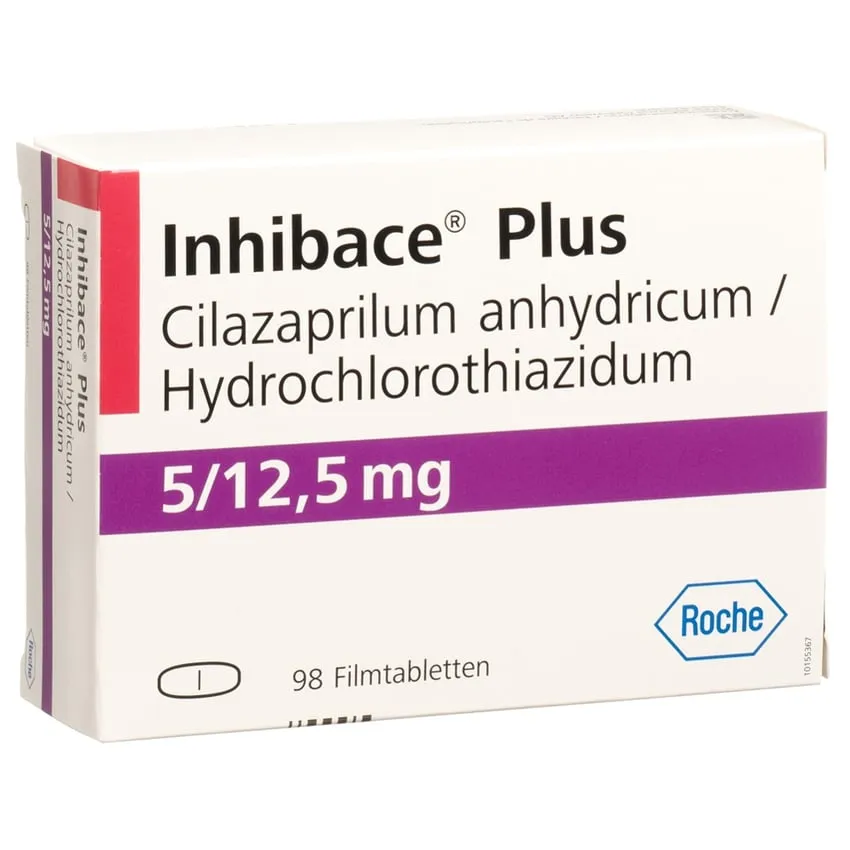
Table of Contents
Package leaflet: Information for the patient
Inhibace Plus, 5 mg+12.5 mg, film-coated tablets
Cilazapril + Hydrochlorothiazide
Please read all of this leaflet carefully before taking this medicine, because it contains
important information for the patient.
- Keep this leaflet, as you may need to read it again.
- If you have any further questions, please ask your doctor or pharmacist.
- This medicine has been prescribed for a specific individual. Do not pass it on to others. This medicine may harm others, even if their symptoms are the same.
- If you experience any adverse reactions, including any not listed in this leaflet, inform your doctor or pharmacist. See section 4.
Contents of the leaflet:
- What Inhibace Plus is and what it is used for
- Important information before taking Inhibace Plus
- How to take Inhibace Plus
- Possible side effects
- How to store Inhibace Plus
- Contents of the pack and other information
1. What Inhibace Plus is and what it is used for
Inhibace Plus contains a combination of two medicines: cilazapril and hydrochlorothiazide.
Inhibace Plus is used to treat high blood pressure. The two active substances work together to lower
blood pressure. They are used in combination when treatment with either one of these substances alone
is insufficient.
Cilazapril belongs to a group of medicines called ACE inhibitors (angiotensin-converting enzyme
inhibitors). It works by relaxing and widening blood vessels. This helps to lower blood pressure and
makes it easier for the heart to pump blood to all parts of the body.
Hydrochlorothiazide belongs to a group of medicines called thiazide diuretics or water tablets. It works
by increasing the amount of urine produced. This helps to lower blood pressure.
2. Important information before using Inhibace Plus
When not to use Inhibace Plus:
-
if the patient is allergic (hypersensitive) to cilazapril, hydrochlorothiazide, or any of the other ingredients of this medicine (listed in section 6).
-
if the patient is allergic (hypersensitive) to medicines similar to Inhibace Plus, such as: other ACE inhibitors, other thiazide diuretics, or sulfonamides.
-
if the patient has previously experienced a serious adverse reaction called angioedema after taking other ACE inhibitors, or if the patient has hereditary angioedema or angioedema of unknown cause. Symptoms include swelling of the face, lips, oral cavity, or tongue. Patients taking certain oral antidiabetic medicines or immunosuppressive drugs have an increased risk of developing angioedema.
-
if the patient has severe kidney disease (creatinine clearance less than 30 ml/min) or anuria (lack of urine output).
-
after the third month of pregnancy (Inhibace Plus should also be avoided during early pregnancy – see sections "Pregnancy" and "Breast-feeding").
-
if the patient has diabetes or kidney dysfunction and is being treated with a blood pressure-lowering medicine containing aliskiren.
-
if the patient has taken or is currently using sacubitril with valsartan, a medicine used to treat certain types of chronic (long-term) heart failure in adults, because this increases the risk of angioedema (rapid swelling of tissues beneath the skin, such as in the throat).
If any of the above situations apply, Inhibace Plus must not be taken. If in doubt, consult a doctor or pharmacist before using Inhibace Plus.
Warnings and precautions
Before starting treatment with Inhibace Plus, consult a doctor, pharmacist, or nurse if:
- the patient has heart disease. Inhibace Plus should not be used in patients with certain heart conditions.
- the patient has previously had a stroke or impaired blood flow to the brain.
- the patient is taking any of the following medicines used to treat high blood pressure:
- an angiotensin II receptor antagonist (also known as sartans – for example, valsartan, telmisartan, irbesartan), especially if the patient has kidney dysfunction related to diabetes.
- aliskiren. The treating physician may monitor kidney function, blood pressure, and blood electrolyte levels (e.g. potassium) at regular intervals. See also information under the heading "When not to use Inhibace Plus";
- the patient is taking immunosuppressive medicines.
- if the patient previously experienced breathing or lung problems (including pneumonia or fluid accumulation in the lungs) after taking hydrochlorothiazide. If the patient develops severe shortness of breath or difficulty breathing after taking Inhibace Plus, seek immediate medical help.
- the patient has previously had skin cancer or if unexpected skin changes occur during treatment. Treatment with hydrochlorothiazide, especially in high doses over a long period, may increase the risk of certain types of non-melanoma skin cancer and lip cancer. During treatment with Inhibace Plus, protect the skin from sunlight and UV radiation.
- the patient has severe liver disease or jaundice.
- the patient has kidney disease or impaired blood flow to the kidneys, known as renal artery stenosis.
- the patient is undergoing dialysis.
- the patient has recently experienced vomiting or diarrhoea.
- the patient is on a low-salt (low-sodium) diet.
- the patient is undergoing desensitisation treatment for bee or wasp venom.
- the patient is scheduled for surgery (including dental surgery). Some anaesthetics may lower blood pressure, potentially causing it to drop too low.
- the patient has fluid accumulation in the abdominal cavity (ascites).
- the patient has diabetes or is taking antidiabetic medicines.
- the patient has vascular collagenosis.
- the patient is undergoing low-density lipoprotein (LDL) apheresis using dextran sulfate.
- the patient has gout.
- the patient has porphyria.
- the patient experiences blurred vision or eye pain. These may be symptoms of fluid accumulation in the vascular layer surrounding the eye (excessive fluid buildup between the choroid and sclera) or increased intraocular pressure – these may occur from several hours to weeks after taking Inhibace Plus. This may lead to permanent vision loss if not treated. Patients who previously had an allergy to penicillin or sulfonamides may be at higher risk of developing this condition (see also information in the section “When not to use Inhibace Plus”).
The risk of angioedema may be increased if the patient is taking any of the following medicines:
- racecadotril, a medicine used to treat diarrhoea;
- medicines used to prevent organ transplant rejection and in cancer treatment (e.g. sirolimus, everolimus, temsirolimus);
- vildagliptin, a medicine used to treat diabetes.
If any of the above situations apply to the patient or if there is any uncertainty, consult a doctor or pharmacist before using Inhibace Plus.
Inform the doctor if pregnancy is suspected (or planned). Inhibace Plus is not recommended during early pregnancy and must not be used after the third month of pregnancy, as it may seriously harm the unborn child (see sections “Pregnancy” and “Breast-feeding”).
Children and adolescents
Inhibace Plus is not recommended for use in children and adolescents under 18 years of age.
Inhibace Plus and other medicines
Tell your doctor or pharmacist about all medicines currently taken, recently taken, or planned to be taken, including over-the-counter medicines and herbal supplements. This is because Inhibace Plus may affect the action of other medicines, and some medicines may affect the action of Inhibace Plus.
The treating doctor may need to adjust the dose and/or take additional precautions if the patient is taking an angiotensin II receptor antagonist (ARB) or aliskiren (see also information under the headings “When not to use Inhibace Plus” and “Warnings and precautions”).
In particular, inform your doctor or pharmacist if the patient is currently taking, has recently taken, or might take any of the following medicines:
-
all medicines used to treat high blood pressure;
-
medicines known as non-steroidal anti-inflammatory drugs (NSAIDs). These include, for example, acetylsalicylic acid, indomethacin, and ibuprofen;
-
insulin or other medicines used in diabetes;
-
lithium (used to treat depression);
-
steroid medicines (such as hydrocortisone, prednisolone, and dexamethasone) or other immunosuppressive medicines;
-
potassium supplements (including salt substitutes), potassium-sparing diuretics, and other medicines that increase blood potassium levels (e.g. trimethoprim and co-trimoxazole, used in bacterial infections; cyclosporine, an immunosuppressive medicine used to prevent organ transplant rejection; and heparin, a medicine used to thin the blood to prevent clots);
-
aldosterone antagonists;
-
sympathomimetics;
-
anaesthetics, narcotic medicines;
-
tricyclic antidepressants, antipsychotic medicines;
-
gold compounds (used in the treatment of rheumatoid arthritis);
-
medicines used in heart failure or cardiac arrhythmias;
-
calcium and vitamin D supplements;
-
cholestyramine/colestipol (used to reduce blood lipid levels);
-
anticholinergic medicines;
-
cytotoxic medicines (e.g. methotrexate, cyclophosphamide);
-
cyclosporine (used to prevent rejection of transplanted organs);
-
iodine-containing contrast agents (given to patients before certain radiological examinations).
Inhibace Plus with food and drink
Inhibace Plus may be taken with or without food.
Inform your doctor or pharmacist if you are taking potassium supplements.
Pregnancy
Before taking this medicine, consult a doctor if the patient suspects she is pregnant or plans to become pregnant. The doctor will usually advise stopping treatment with Inhibace Plus before a planned pregnancy or immediately after pregnancy is confirmed, and will recommend an alternative medicine. Inhibace Plus is not recommended during early pregnancy and must not be used after the third month of pregnancy, as it may seriously harm the unborn child.
Breast-feeding
Before taking this medicine, consult a doctor if the patient is breast-feeding or plans to breast-feed. Inhibace Plus is not recommended during breast-feeding, especially when breast-feeding a newborn or premature infant. The doctor may recommend an alternative medicine.
Driving and using machines
Dizziness may occur while taking Inhibace Plus. This is more likely at the beginning of treatment. If the patient experiences dizziness, do not drive, operate tools, or use machinery.
Inhibace Plus contains lactose
Inhibace Plus contains lactose, which is a type of sugar. If the doctor has diagnosed a sugar intolerance in the patient, consult the doctor before taking this medicine.
Inhibace Plus contains sodium
This medicine contains less than 1 mmol of sodium (23 mg) per tablet, which means it is essentially "sodium-free".
3. How to use Inhibace Plus
This medicine should always be taken exactly as directed by your doctor. If in doubt, consult your doctor or pharmacist.
The recommended dose is one tablet per day.
How to take the medicine
- Swallow the tablet with water.
- The time of day when the Inhibace Plus tablet is taken does not matter. However, the tablet should be taken at the same time each day.
- Inhibace Plus may be taken before or after food.
- The tablet may be divided into equal doses. Tablets should not be crushed or chewed.
Taking more Inhibace Plus than prescribed
If you take more than the prescribed dose of Inhibace Plus or if someone else takes the medicine, contact your doctor immediately or go to the nearest hospital. Take the medicine packaging with you. The following symptoms may occur: dizziness, feeling of "emptiness" in the head, shallow breathing, cold and clammy skin, inability to move or speak, and slow or irregular heartbeat.
If you miss a dose of Inhibace Plus
- If you miss a dose, skip the missed dose. Then take the next dose at your usual time.
- Do not take a double dose (two doses at the same time) to make up for a missed dose.
If you have any further questions about the use of this medicine, consult your doctor or pharmacist.
4. Possible adverse effects
Like all medicines, this one can also cause adverse effects, although they do not occur in
everyone.
Some side effects may be serious and may require immediate medical attention.
If a severe reaction called angioedema or an allergic reaction occurs, treatment with Inhibace Plus must be discontinued and medical advice should be sought immediately. Symptoms include:
- Sudden swelling of the face, throat, lips or mouth. This swelling may cause difficulty breathing or swallowing.
If any of the following blood disorders occur, consult a doctor immediately:
- Low number of red blood cells (anaemia). Symptoms include feeling tired, paleness, rapid or irregular heartbeat (palpitations), and shortness of breath.
- Low number of all types of white blood cells (neutropenia, agranulocytosis). Symptoms include increased frequency of infections, for example in the mouth, gums, throat and lungs.
- Low number of platelets (thrombocytopenia). Symptoms include easy bruising and nosebleeds.
Other possible adverse effects
Common (occur in less than 1 in 10 people)
- dizziness
- cough
- nausea
- fatigue
- headache
Uncommon (occur in less than 1 in 100 people)
- low blood pressure. This may cause weakness, dizziness or a "blank" feeling in the head, blurred vision and fainting. Excessive reduction in blood pressure in some patients may increase the risk of myocardial infarction or stroke
- rapid heartbeat
- weakness
- chest pain
- breathing difficulties, including shortness of breath and chest tightness
- runny or blocked nose and sneezing (rhinitis)
- dryness or swelling of the oral mucosa
- loss of appetite
- altered taste
- loose stools and vomiting
- rash (which may be severe)
- muscle cramps or muscle or joint pain
- impotence
- excessive sweating
- sudden flushing (especially of the face)
- sleep disturbances
- blood test results indicating reduced numbers of red blood cells, white blood cells or platelets (anaemia, neutropenia, agranulocytosis and thrombocytopenia)
- blood test results indicating abnormal electrolyte levels (sodium, potassium, chloride, magnesium, calcium, bicarbonate) or increased levels of glucose, uric acid, cholesterol and triglycerides
- a type of severe allergic reaction (anaphylaxis)
- cerebral ischaemia, transient ischaemic attack, ischaemic stroke (may occur when blood pressure is too low)
- myocardial infarction (may occur when blood pressure is too low)
- heart rhythm disturbances
- interstitial lung disease
- lupus-like disorder
- tingling or numbness in hands or feet
- wheezing
- feeling of fullness or pulsating pain behind the nose, cheeks and eyes (sinusitis)
- irritation of the tongue
- pancreatitis. Symptoms include severe abdominal pain radiating to the back
- changes in kidney or liver function (shown in blood and urine tests)
- liver disorders, such as hepatitis or liver damage
- severe skin reactions, including blisters or skin peeling
- increased sensitivity to light
- hair loss (which may be temporary)
- loosening or separation of the nail from the nail bed
- breast enlargement in men
- depression
- confusion
- dry eyes
- yellow vision
Very rare (occur in less than 1 in 10,000 people)
- acute respiratory failure (symptoms include severe shortness of breath, fever, weakness and confusion).
Frequency not known (frequency cannot be determined from available data)
- malignant skin and lip tumours (non-melanoma skin cancers)
- Impaired vision or eye pain due to increased pressure (possible symptoms of fluid accumulation in the vascular membrane surrounding the eye - excessive accumulation of fluid between choroid and sclera - or acute angle-closure glaucoma).
Reporting of adverse effects
If any adverse effects occur, including any adverse effects not listed
in this leaflet, inform your doctor or pharmacist. Adverse effects can be reported
directly to the Department of Monitoring Adverse Drug Reactions of the Office for Registration of Medicinal Products, Medical Devices and Biocidal Products
Al. Jerozolimskie 181C
02-222 Warsaw
Tel.: + 48 22 49 21 301
Fax: + 48 22 49 21 309
Website: https://smz.ezdrowie.gov.pl
Adverse effects can also be reported to the marketing authorisation holder.
Reporting adverse effects helps to provide more information on the safety of the medicine.
5. How to store Inhibace Plus
Keep out of the sight and reach of children.
Do not store above 25°C.
Do not use the medicine after the expiry date stated on the packaging and blister after EXP.
Medicines should not be disposed of via wastewater or household waste. Ask your pharmacist
how to dispose of medicines no longer required. This will help protect the environment.
6. Contents of the pack and other information
What Inhibace Plus contains
- The active substances in this medicine are: cilazapril and hydrochlorothiazide.
- Each coated tablet contains 5.22 mg of cilazapril, equivalent to 5 mg of anhydrous cilazapril, and 12.5 mg of hydrochlorothiazide.
- Other ingredients of the medicine are: monohydrate lactose; maize starch; sodium stearyl fumarate; hypromellose 3 cP; hypromellose 6 cP; talc; titanium dioxide; iron oxide red (See section 2: Inhibace Plus contains monohydrate lactose).
What Inhibace Plus looks like and contents of the pack
Light red, oval, biconvex coated tablets.
Pack of Inhibace Plus contains 28 coated tablets in blisters.
Marketing Authorisation Holder
CHEPLAPHARM Arzneimittel GmbH
Ziegelhof 24
17489 Greifswald
Germany
Manufacturer
CHEPLAPHARM Arzneimittel GmbH
Ziegelhof 23-24
17489 Greifswald
Germany
This medicinal product is authorised in the European Economic Area member states under the following names:
Belgium: Co-Inhibace
Greece: Vascace Plus
Austria, Czech Republic, Hungary, Poland, Spain: Inhibace Plus
Germany: Dynorm Plus
Italy: Inibace Plus