Imovane
Poland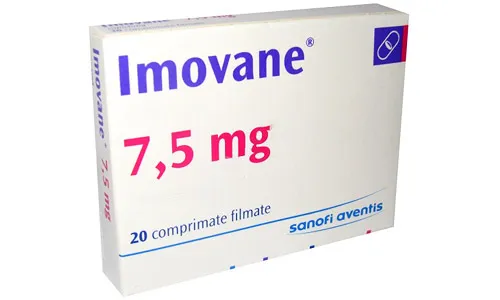
Table of Contents
Patient Information Leaflet
Warning! Please keep this leaflet. The packaging label is in a foreign language.
Imovane
7.5 mg, coated tablets
(Zopiclone)
Please read this leaflet carefully before taking this medicine, as it contains
important information for the patient.
- Keep this leaflet for future reference.
- If you have any questions, please consult your doctor or pharmacist.
- This medicine has been prescribed for a specific individual. Do not share it with others. This medicine may harm other people, even if their symptoms are identical.
- If you experience any adverse reactions, including any not listed in this leaflet, inform your doctor, pharmacist, or nurse. See section 4.
Table of Contents:
- What Imovane is and what it is used for
- Important information before taking Imovane
- How to take Imovane
- Possible side effects
- How to store Imovane
- Contents of the pack and other information
1. What Imovane is and what it is used for
Imovane is available as coated tablets and contains the active substance zopiclone.
Zopiclone belongs to a group of medicines known as hypnotics.
Imovane helps to initiate sleep, reduces the number of nocturnal awakenings, prolongs total sleep duration, and improves both sleep quality and the feeling upon waking.
Imovane is indicated for the short-term treatment of insomnia in adults—transient, short-term, or chronic insomnia (including difficulty falling asleep, fragmented sleep, and early morning awakening).
Do not use for prolonged periods. Treatment should be as short as possible, since the risk of developing dependence increases with the duration of treatment.
2. Important information before using Imovane
When not to use Imovane:
- if the patient is allergic to zopiclone or any of the other ingredients of this medicine (listed in section 6);
- if the patient has myasthenia gravis (muscle weakness);
- in case of respiratory insufficiency;
- in severe cases of sleep apnoea syndrome;
- in severe hepatic insufficiency;
- if the patient has experienced sleepwalking or other unusual behaviours (such as driving, eating, making phone calls or sexual activity, etc.) while not being fully awake after taking Imovane.
Warnings and precautions
In every case, before prescribing a hypnotic medicine, the doctor should, if possible, determine the cause of insomnia and, whenever feasible, eliminate the factors causing it.
Since hypnotic medicines have the ability to suppress the respiratory centre, caution should be exercised when prescribing zopiclone to patients with impaired respiratory function.
Psychomotor disturbances
Like other hypnotic medicines, zopiclone has a central nervous system depressant effect.
The risk of psychomotor disturbances, including impaired ability to drive vehicles, increases if:
-
zopiclone is taken within 12 hours before performing activities requiring concentration,
-
a higher than recommended dose of the medicine is used,
-
or if zopiclone is taken together with other medicines that depress the central nervous system, with alcohol, or with other medicines that increase zopiclone blood levels.
During treatment with Imovane, patients should avoid engaging in activities requiring high attention or motor coordination, such as operating machinery or driving vehicles, after taking zopiclone and especially within 12 hours after administration.
Risk associated with concomitant use of opioids
Concomitant use of opioids with benzodiazepines or other sedative or hypnotic medicines, including zopiclone, may result in sedation, respiratory depression, coma and death.
Due to these risks, simultaneous prescription of opioids and benzodiazepines should only be considered by the physician in patients for whom alternative treatment options are insufficient.
If a decision is made to prescribe zopiclone together with opioids, both medicines should be prescribed at the lowest effective dose and for the shortest duration possible.
Dependence
Use of Imovane may lead to the development of abuse and/or psychological or physical dependence.
Inform your doctor before taking Imovane if you have ever had psychiatric disorders, or have abused or been dependent on alcohol, illicit substances or medicines.
The risk of dependence increases with higher doses and longer duration of treatment, and is greater when Imovane is used for longer than 4 weeks. The risk of dependence is higher in patients with psychiatric disorders and/or a history of alcohol, illicit substance or medicine abuse.
In cases where physical dependence has developed, abrupt discontinuation of treatment may lead to withdrawal symptoms. These may include headache and muscle pain, increased anxiety and tension, restlessness, confusion and irritability. In severe cases, symptoms such as: derealisation, depersonalisation, increased auditory sensitivity, numbness and tingling in the limbs, hypersensitivity to light, noise and touch, hallucinations and seizures may occur.
Withdrawal symptoms may develop within a few days after stopping zopiclone. During regular use of the medicine, withdrawal symptoms may occur between doses, especially if the dose was high.
Rebound insomnia
After stopping zopiclone, transient rebound insomnia may occur, characterised by a worsening of symptoms that initially led the doctor to prescribe the hypnotic. Other symptoms may also occur, such as mood changes, restlessness and agitation.
Since the risk of rebound insomnia is greater after abrupt discontinuation of Imovane, especially after long-term use or high-dose treatment, gradual dose reduction is recommended.
Tolerance
With repeated use of hypnotic medicines, a reduction in their effect may occur. However, with Imovane, no significant tolerance has been observed during treatment lasting up to 4 weeks.
Amnesia
Anterograde amnesia may occur, particularly if sleep is interrupted or if the patient does not go to bed immediately after taking the medicine.
To reduce the risk of anterograde amnesia, patients should ensure: -
taking the tablet immediately before going to bed,
-
having the possibility of uninterrupted sleep throughout the night.
Psychiatric and paradoxical reactions
Use of sedative and hypnotic medicines such as zopiclone may be associated with reactions such as: anxiety, agitation, irritability, aggression, hallucinations, anger, nightmares, hallucinations, inappropriate behaviour and other behavioural disturbances. In such cases, treatment should be discontinued. These reactions are more likely to occur in elderly patients (see section 4. Possible side effects).
Sleepwalking and similar behaviours
Inform your doctor before taking Imovane if you have previously experienced sleepwalking or other unusual behaviours (such as driving, eating, making phone calls or sexual activity, etc.) while not being fully awake after taking Imovane.
Imovane may cause sleepwalking or other unusual behaviours (such as driving while asleep, eating, making phone calls or sexual activity, etc.) while the patient is not fully awake. The patient may not remember the next morning that they did anything during the night. These behaviours may occur regardless of whether the patient drinks alcohol or takes other sedative medicines in combination with Imovane. However, alcohol consumption or concomitant use of other central nervous system depressant medicines with zopiclone appears to increase the risk of such behaviours, as does using zopiclone at doses exceeding the maximum recommended dose. Treatment should be stopped immediately and the patient should contact their doctor if any of the above symptoms occur.
Suicidal thoughts, suicide attempts, suicide and depression
Some studies have shown an increased risk of suicidal thoughts, suicide attempts and suicide in patients taking certain sedative and hypnotic medicines, including this medicine. However, it has not been established whether this is caused by the medicine or whether other factors are involved. If the patient has suicidal thoughts, they should contact their doctor as soon as possible for medical advice.
As with other sedative or hypnotic medicines, caution should be exercised when using Imovane in patients with symptoms of depression. Such patients may have suicidal tendencies; therefore, the doctor will prescribe the smallest possible dose of Imovane to prevent intentional overdose. During treatment with Imovane, pre-existing depression may become apparent. Insomnia may be a symptom of depression; therefore, if insomnia persists, the doctor should re-evaluate the patient.
Children and adolescents
Zopiclone should not be used in children and adolescents under 18 years of age. The safety and efficacy of zopiclone have not been established in children and adolescents under 18 years of age.
Imovane and other medicines
Tell your doctor about all medicines you are currently taking, have recently taken or plan to take.
Combinations not recommended
Do not take alcohol at the same time. When taken together with alcohol, the sedative effect of Imovane may be intensified. This may affect the ability to drive vehicles and operate machinery.
Combinations to be considered
Medicines with central nervous system depressant effects:
The central nervous system depressant effect may be intensified when zopiclone is taken together with antipsychotics (neuroleptics), other hypnotics, anxiolytics and sedatives, antidepressants, opioid analgesics, antiepileptic medicines, general anaesthetics and sedative antihistamines.
With opioid analgesics, euphoria may be intensified, which may lead to increased psychological dependence.
When taken concomitantly with medicines such as erythromycin, clarithromycin, ketoconazole, itraconazole and ritonavir, zopiclone blood levels may increase, intensifying the hypnotic effect of Imovane.
Medicines such as rifampicin, carbamazepine, phenobarbital, phenytoin and St John’s wort preparations may decrease zopiclone blood levels. When used concomitantly with these medicines, the doctor may need to increase the zopiclone dose.
Concomitant use of benzodiazepines and other sedative or hypnotic medicines, including zopiclone, and opioids increases the risk of sedation, respiratory depression, coma and death due to enhanced central nervous system depressant effects.
Imovane with food and drink
The medicine should be taken immediately before going to bed or in bed, regardless of meals.
Pregnancy and breastfeeding
Pregnancy
Imovane is not recommended during pregnancy. If the patient is pregnant, suspects she may be pregnant or is planning to become pregnant, she should consult her doctor before using this medicine.
The medicine may affect the unborn child when used during pregnancy.
Some studies have shown an increased risk of cleft lip and palate (sometimes called "harelip") in newborns.
Reduced fetal movement and variable fetal heart rate may occur if the mother takes Imovane during the second and/or third trimester of pregnancy.
If the patient takes Imovane late in pregnancy or during delivery, her baby may show muscle weakness ("floppy infant syndrome"), low body temperature, feeding difficulties and breathing problems (respiratory depression).
If the patient regularly takes Imovane late in pregnancy, the baby may develop physical dependence and withdrawal symptoms such as agitation or seizures may occur. In such cases, the newborn should be closely monitored in the postnatal period.
Breastfeeding
Although zopiclone passes into breast milk in very small amounts, Imovane should not be used by breastfeeding women.
Driving and operating machinery
Due to its effect on the central nervous system, Imovane may have an adverse effect on the ability to drive vehicles and operate machinery. The risk is increased if:
- Imovane is taken within 12 hours before performing activities requiring concentration,
- a higher than recommended dose of the medicine is taken,
- or if it is taken together with other medicines that depress the central nervous system, alcohol is consumed, or medicines that increase zopiclone blood levels are used concomitantly (see section: Warnings and precautions).
During treatment with Imovane, patients should avoid engaging in activities requiring high attention or motor coordination, such as operating machinery or driving vehicles.
Imovane contains lactose monohydrate
Imovane contains lactose monohydrate. If the patient has been told by their doctor that they have an intolerance to certain sugars, the patient should consult their doctor before taking Imovane.
Imovane contains sodium
This medicine contains less than 1 mmol (23 mg) of sodium per tablet, i.e. the medicine is considered "sodium-free".
3. How to use Imovane
Imovane should be used as directed by the physician. In case of any doubts, please contact your doctor again.
General information
Use the lowest effective dose. Imovane should be taken as a single dose; the medication should not be administered again during the same night.
Treatment should last as short as possible, no longer than 4 weeks, including the period of gradual dose reduction. Only a physician, after careful assessment of the patient's condition, may recommend a longer duration of treatment.
The medicine should be taken immediately before bedtime.
Duration of treatment:
Transient insomnia: 2–5 days.
Short-term insomnia: 2–3 weeks.
Adults:
The recommended dose is 7.5 mg, taken orally before bedtime. This dose should not be exceeded.
Elderly patients:
Treatment should be initiated at a dose of 3.75 mg (1/2 tablet) in elderly patients. The dose may be increased to 7.5 mg (1 tablet) only if necessary and if the patient tolerates the drug well.
Patients with hepatic impairment:
Treatment should be initiated at a dose of 3.75 mg (1/2 tablet) in patients with hepatic impairment. The dose may be increased to 7.5 mg (1 tablet).
Patients with renal impairment:
Although zopiclone does not accumulate in the body in renal impairment, treatment should be initiated at a dose of 3.75 mg (1/2 tablet) per day.
Patients with chronic respiratory insufficiency:
Treatment should be initiated at a dose of 3.75 mg (1/2 tablet) in patients with chronic respiratory insufficiency. The dose may be increased to 7.5 mg (1 tablet).
Use in children and adolescents
Zopiclone should not be used in children and adolescents under 18 years of age. Safety and efficacy of zopiclone have not been established in children and adolescents under 18 years of age.
If you feel that the effect of Imovane is too strong or too weak, consult your doctor.
Taking a higher than recommended dose of Imovane
Symptoms of overdose usually involve varying degrees of central nervous system depression, ranging from drowsiness to coma, depending on the amount ingested. In mild cases, symptoms include somnolence, confusion, and lethargy; in more severe cases, symptoms may include impaired motor coordination, reduced muscle tone, hypotension, respiratory depression, and coma. Overdose is generally not life-threatening. An exception is when other substances with central nervous system depressant effects, including alcohol, are taken concomitantly. Other risk factors, such as the presence of concomitant disease or poor general condition of the patient, may contribute to worsening of symptoms. Very rarely, these may lead to death.
Treatment
Symptomatic and supportive treatment in hospital is recommended. Attention should be paid to respiratory and cardiovascular function. Gastric lavage may be useful only if performed immediately after ingestion of the drug. Hemodialysis is not effective. Flumazenil may be a useful antidote.
In case of ingestion of a higher than recommended dose of Imovane, seek immediate medical advice from a doctor or pharmacist.
Missed dose of Imovane
Take the medicine the next day at the usual time. Do not take two doses at the same time or in close succession.
If you have any further doubts about the use of this medicine, consult your doctor.
4. Possible adverse reactions
Like all medicines, Imovane may cause adverse reactions, although not everyone experiences them.
The following adverse reactions may occur:
Common (may affect up to 1 in 10 people):
- taste disturbances (bitter taste), drowsiness
- dry mouth
Uncommon (may affect up to 1 in 100 people):
- nightmares, restlessness
- headache, dizziness
- nausea
- fatigue
Rare (may affect up to 1 in 1,000 people):
- confusion, libido disorders, irritability, aggression, hallucinations
- anterograde amnesia (memory disturbances)
- dyspnoea
- rash, itching
- falls (mainly in elderly patients)
Very rare (may affect up to 1 in 10,000 people):
- swelling of the skin or mucous membranes known as angioedema, immediate-type allergic reactions occurring upon re-exposure to the allergen known as anaphylactic reactions
- slight to moderate increase in serum liver enzyme activity
Frequency not known (frequency cannot be estimated from available data):
- anxiety, delusions, anger, inappropriate behaviour, somnambulism (sleepwalking), dependence, withdrawal symptoms
- delirium (sudden and severe change in mental status, which may cause a combination of confusion, disorientation and/or attention deficit)
- ataxia (impaired body movement coordination), paresthesia (tingling, numbness of the skin), cognitive disturbances such as memory impairment, concentration difficulties, speech disturbances
- double vision
- breathing disturbances
- indigestion
- muscle weakness
- sleepwalking or other unusual behaviours (such as driving, eating food, making phone calls or engaging in sexual activity, etc.) while the patient is not fully awake
After discontinuation of Imovane, withdrawal symptoms have been reported (see section 2. Important information before taking Imovane). Withdrawal symptoms vary and may include: insomnia, muscle pain, anxiety, tremor, sweating, restlessness, confusion (disorientation), headache, palpitations, tachycardia, delirium, nightmares, irritability. In severe cases, derealization (altered perception of the surrounding world), depersonalization (feeling of loss of self-identity), hypersensitivity to sound, light and touch, numbness and tingling of limbs, and delusions may occur. Seizures may occur in very rare cases.
Reporting of adverse reactions
If any adverse reactions occur, including any adverse reactions not listed in this leaflet, inform your doctor, pharmacist or nurse. Adverse reactions can be reported directly to the Department for Monitoring Adverse Drug Reactions, Office for Registration of Medicinal Products, Medical Devices and Biocidal Products, Al. Jerozolimskie 181C, 02-222 Warsaw, tel.: +48 (22) 4921301, fax: +48 (22) 4921309, website: https://smz.ezdrowie.gov.pl
Reporting adverse reactions helps provide more information on the safety of this medicine.
5. How to store the medicine Imovane
Store below 30°C. Keep in a dry place.
Keep the medicine out of sight and reach of children.
Do not use the medicine after the expiry date stated on the packaging. The expiry date refers to the last day of the stated month.
Medicines must not be disposed of via wastewater or household waste. Ask your pharmacist what to do with medicines no longer required. This will help protect the environment.
6. Contents of the pack and other information
What Imovane contains
One coated tablet contains the active substance: zopiclone 7.5 mg
and excipients: monohydrate lactose, calcium hydrogen phosphate dihydrate, maize starch,
sodium carboxymethyl starch, magnesium stearate; coating composition: hypromellose,
titanium dioxide (E 171).
What Imovane looks like and contents of the pack
The pack contains 20 coated tablets.
For more detailed information, please contact the marketing authorisation holder or the parallel importer.
Marketing authorisation holder in Greece, the country of export:
Meda Pharmaceuticals A.E.
Agiou Dimitriou 63, 174 56 Alimos, Greece
Manufacturer:
Madaus GmbH
Lütticher Straße 5, 53842 Troisdorf, Germany
Parallel importer:
Delfarma Sp. z o.o.
ul. Św. Teresy od Dzieciątka Jezus 111, 91-222 Łódź, Poland
Repackaged in:
Delfarma Sp. z o.o.
ul. Św. Teresy od Dzieciątka Jezus 111, 91-222 Łódź, Poland
Marketing authorisation number in Greece, the country of export: 26853/29-5-2003
40004/07/09-05-2008
Parallel import authorisation number: 119/14