Gynoxin optima
Poland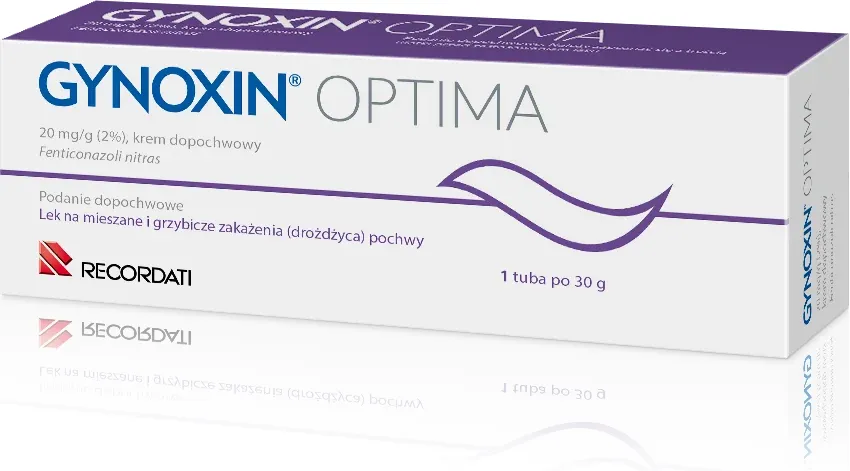
Table of Contents
Package leaflet: Information for the patient
Warning! Keep this leaflet! Information on the immediate packaging in a foreign language
Gynoxin Optima (Gynoxin), 20 mg/g (2%), vaginal cream
Fenticonazole nitrate
Gynoxin Optima and Gynoxin are different trade names for the same medicine.
Please read this leaflet carefully before using the medicine, as it contains
important information for the patient.
This medicine should always be used exactly as described in this patient leaflet or as directed by
your doctor or pharmacist.
- Keep this leaflet so that you can read it again if necessary.
- If you need advice or further information, please consult your pharmacist.
- If you experience any adverse reactions, including any possible side effects not listed in this leaflet, inform your doctor or pharmacist. See section 4.
- If there is no improvement after 7 days, or if you feel worse, contact your doctor.
Table of contents
- What Gynoxin Optima is and what it is used for
- Important information before using Gynoxin Optima
- How to use Gynoxin Optima
- Possible side effects
- How to store Gynoxin Optima
- Contents of the pack and other information
1. What Gynoxin Optima is and what it is used for
Gynoxin Optima contains the active substance fenticonazole, which is an imidazole derivative with
broad-spectrum antifungal activity, including against yeasts. Fenticonazole also has antibacterial
activity against Gram-positive and Gram-negative bacteria.
Indications
Fungal infection of the genital mucous membranes (vulvovaginal candidiasis, vaginitis, vaginal discharge).
Treatment of mixed vaginal infections.
Gynoxin Optima is intended for use in adults and adolescents over 16 years of age.
Patients over 60 years of age should consult their doctor before use.
Gynoxin Optima is intended for topical use only.
Only a doctor can reliably diagnose fungal infection and determine microbial sensitivity to fenticonazole. Please refer to section 2 of this leaflet for information on when to speak with your doctor before using this medicine.
2. Important information before using Gynoxin Optima
When not to use Gynoxin Optima:
- if the patient is allergic to the active substance or to any of the other ingredients of this medicine (listed in section 6).
Warnings and precautions
The use of Gynoxin Optima should be discussed with a doctor or pharmacist if:
- the patient is pregnant or breastfeeding (see "Pregnancy, breastfeeding and fertility"),
- mechanical contraceptive methods made of latex are being used simultaneously (see "Gynoxin Optima and other medicines"). During treatment with this medicine, alternative contraceptive methods are recommended,
- the patient is using spermicides, vaginal douches, or other vaginal products (see "Gynoxin Optima and other medicines"),
- allergic reactions to the medicine occur,
- symptoms do not improve within 7 days or worsen,
- the partner is also infected,
- the patient has experienced more than two infections within the past 6 months,
- the patient or her partner has ever had a sexually transmitted infection,
- the patient is allergic to imidazole or other vaginal antifungal medicines,
- the patient is over 60 years old,
- the patient experiences any of the following symptoms:
- abnormal or irregular bleeding,
- bloody vaginal discharge,
- lesions of the vagina and vulva, including ulcers and blisters,
- pain in the lower abdomen or back, or pain during urination,
- adverse effects such as: redness, itching, or rash related to treatment.
Contact of the medicine with the eyes must be avoided.
If the partner is also infected, simultaneous treatment is recommended.
Children and adolescents
Gynoxin Optima is not intended for use in children and adolescents under 16 years of age.
Gynoxin Optima and other medicines
Gynoxin Optima contains fats and oils which may damage mechanical contraceptives made of latex (condoms, vaginal diaphragms) (see "Warnings and precautions").
Concurrent use with spermicides (vaginal agents that immobilize sperm and are used as contraception alone or together with, for example, a diaphragm) is not recommended. Any local vaginal treatment may inactivate locally applied spermicidal contraceptives.
Pregnancy, breastfeeding and fertility
If the patient is pregnant or breastfeeding, suspects she may be pregnant, or is planning to become pregnant, she should consult her doctor before using this medicine. Gynoxin Optima should be used during pregnancy and breastfeeding only under medical supervision. The applicator should not be used during pregnancy.
Driving and using machines
Gynoxin Optima has no influence on the ability to drive or operate machinery.
Gynoxin Optima contains:
- hydrogenated lanolin and cetyl alcohol, which may cause local skin reactions (e.g. contact dermatitis). This medicine contains 50 mg of propylene glycol per 1 g of cream.
3. How to use Gynoxin Optima
This medicine should always be used exactly as described in this patient leaflet or as directed by your doctor. If in doubt, consult your doctor or pharmacist.
Insert the entire contents of the applicator (approximately 5 g) deep into the vagina. The cream should be administered using the applicator (which, after washing, can be reused). Apply once daily deep into the vagina in the evening before bedtime for 6 consecutive days, or twice daily – in the evening before bedtime and in the morning – for 3 consecutive days.
Children and adolescents
The recommended dose for adolescents aged 16 years and older is the same as for adults.
Instructions for cream administration
Use only a clean applicator. After each use, wash the applicator with warm water and soap.
Your doctor may exceptionally recommend sterilizing the applicator.
Do not use water hotter than 50°C or organic solvents.
After washing, dry the applicator thoroughly and store it in the provided container.
Follow the instructions below (see also the figure below).
- After unscrewing the cap, screw the applicator onto the cream tube.
- Gently squeeze the tube from the bottom to fill the applicator. If resistance is encountered when pushing the plunger, gently pull it back slightly. Unless otherwise instructed, fill the applicator completely.
- Remove the applicator from the tube, which should then be tightly closed.
- The patient should lie down with knees bent and apart; insert the applicator deeply into the vagina. Empty the applicator completely by pressing the plunger. Remove the applicator from the vagina without moving the plunger.
1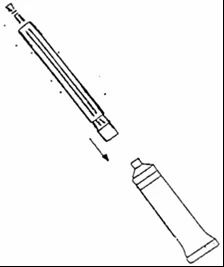 | 2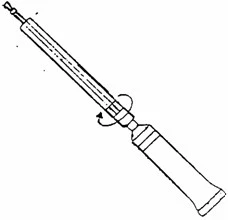 |
3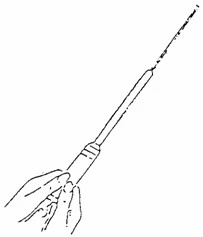 | 4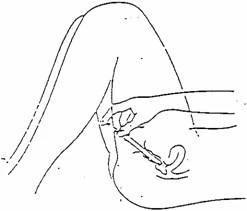 |
In appropriate cases, the cream may be used by the sexual partner (see "Warnings and precautions" in section 2).
Use of more than the recommended dose of Gynoxin Optima
If the vaginal cream is swallowed, seek medical advice immediately or go to the nearest hospital.
Missed dose of Gynoxin Optima
Do not use a double dose to make up for a missed dose.
Stopping Gynoxin Optima
If you have any further questions regarding the use of this medicine, consult your doctor or pharmacist.
4. Possible adverse reactions
Like all medicines, this medicine can cause adverse reactions, although not everybody will experience them.
After insertion of the cream into the vagina, mild, transient burning sensation may occur.
When Gynoxin Optima is used as recommended, the active substance is poorly absorbed
and the occurrence of systemic adverse reactions is unlikely.
Topically applied medicines, particularly when used long-term, may cause sensitisation (see "Warnings and precautions" in section 2).
The following adverse reactions have been observed with this medicine:
Very rare (less than 1 in 10,000):
- burning sensation of the vulva and vagina,
- erythema,
- itching,
- rash.
Unknown (frequency cannot be estimated from the available data):
- hypersensitivity at the application site.
Reporting of adverse reactions
If any adverse reactions occur, including any adverse reactions not listed in this leaflet, inform a doctor or pharmacist. Adverse reactions can be reported directly to the Department of Monitoring Adverse Drug Reactions of the Office for Registration of Medicinal Products, Medical Devices and Biocidal Products, Al. Jerozolimskie 181C, 02-222 Warsaw, tel.: + 48 22 49 21 301, fax: + 48 22 49 21 309, website: https://smz.ezdrowie.gov.pl.
Reporting adverse reactions helps to provide more information on the safety of the medicine.
5. How to store Gynoxin Optima
Keep this medicine out of sight and reach of children.
Do not use this medicine after the expiry date stated on the packaging. The expiry date refers to the last day of the stated month.
No special storage instructions apply.
Medicines must not be disposed of via wastewater or household waste. Ask your pharmacist how to dispose of medicines no longer required. This will help protect the environment.
6. Contents of the packaging and other information
What Gynoxin Optima contains
- The active substance is fenticonazole. 100 g of vaginal cream contains 2 g of fenticonazole nitrate.
- The other ingredients (excipients) are: polyglycol esters of fatty acids, almond oil, propylene glycol, cetyl alcohol, glycerol monostearate, hydrogenated lanolin, disodium edetate, purified water.
What Gynoxin Optima looks like and contents of the pack
Tube in a cardboard box. The pack contains 35 g of cream in a tube and 7 applicators (for single use).
For more detailed information, please contact the marketing authorisation holder or the parallel importer.
Marketing authorisation holder in Belgium, the country of export:
Recordati Industria Chimica e Farmaceutica S.p.A.
Via Matteo Civitali 1
20148 Milan, Italy
Manufacturer:
Recordati Industria Chimica e Farmaceutica S.p.A.
Via Matteo Civitali 1
20148 Milan, Italy
VAMFARMA S.R.L.
Via Kennedy, 5
26833 Comazzo (Lodi)
Italy
Parallel importer:
InPharm Sp. z o.o.
ul. Strumykowa 28/11
03-138 Warsaw
Repackaged in:
InPharm Sp. z o.o. Services sp. k.
ul. Chełmżyńska 249
04-458 Warsaw
Marketing authorisation number in Belgium, the country of export: BE162504
Parallel import authorisation number: 130/24