Gopten 0.5
Poland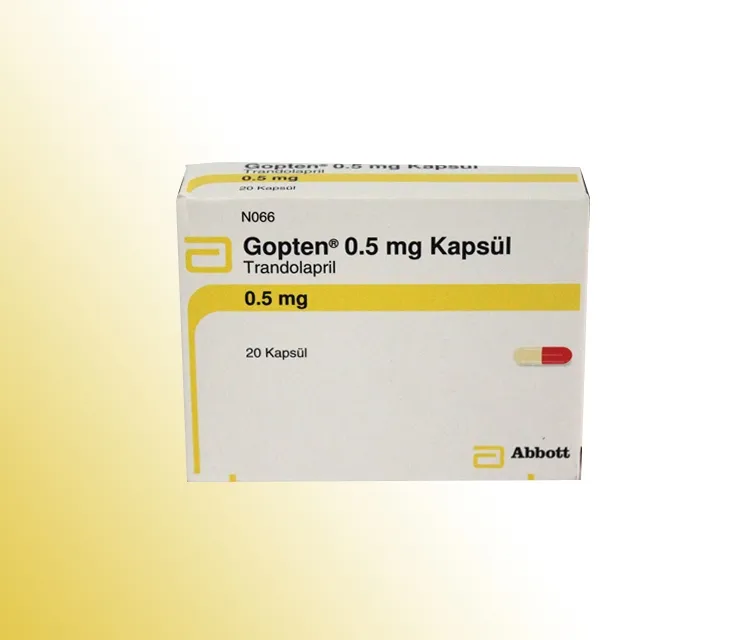
Table of Contents
Patient Information Leaflet
Warning! Keep this leaflet! The information on the immediate packaging is in a foreign language.
Gopten 0.5 (Gopten 0.5 mg capsule)
0.5 mg, hard capsules
Trandolaprilum
Gopten 0.5 and Gopten 0.5 mg capsule are different trade names for the same medicinal product.
Please read this leaflet carefully before using this medicine, as it contains
important information for you.
- Keep this leaflet so that you can read it again if necessary.
- If you have any questions, consult your doctor or pharmacist.
- This medicine has been prescribed for a specific individual. Do not pass it on to others. It may harm someone else, even if their symptoms are the same.
- If you experience any adverse reactions, including any not listed in this leaflet, inform your doctor or pharmacist. See section 4.
Leaflet Contents
- What Gopten 0.5 is and what it is used for
- Important information before taking Gopten 0.5
- How to take Gopten 0.5
- Possible side effects
- How to store Gopten 0.5
- Contents of the pack and other information
1. What Gopten 0.5 is and what it is used for
The active substance in Gopten 0.5 hard capsules is trandolapril. This medicine belongs to a group of drugs known as angiotensin-converting enzyme (ACE) inhibitors. Trandolapril is rapidly absorbed from the gastrointestinal tract and subsequently converted in the liver into its active metabolite, trandolaprilat, which is potent and long-acting.
Administration of trandolapril at therapeutic doses to patients with arterial hypertension results in a significant reduction in arterial blood pressure measured in both the supine and standing positions. The blood pressure-lowering effect becomes apparent within one hour after administration, lasts for 24 hours, and reaches its maximum between 8 and 12 hours after dosing.
Gopten 0.5 is used in the treatment of:
- mild to moderate arterial hypertension,
- left ventricular dysfunction following myocardial infarction,
- symptomatic heart failure.
2. Important information before using Gopten 0.5
When not to use Gopten 0.5
- If the patient is allergic to trandolapril or any of the other ingredients of this medicine (listed in section 6) or to another angiotensin-converting enzyme (ACE) inhibitor.
- If the patient has previously experienced angioedema (swelling of any body area, which, if affecting the throat or larynx, may impair swallowing and breathing) after taking another medicine belonging to the same class as Gopten 0.5.
- If the patient has hereditary or idiopathic (of unknown cause) angioedema.
- In women after the third month of pregnancy. Use of Gopten 0.5 should also be avoided in early pregnancy (see section "Pregnancy and breastfeeding").
- If the patient has diabetes or kidney dysfunction and is being treated with a blood pressure-lowering medicine containing aliskiren.
- If the patient has taken or is currently taking a combination medicine containing sacubitril and valsartan (used in the treatment of certain types of chronic heart failure in adults), because this increases the risk of angioedema (rapid swelling of the subcutaneous tissue, e.g. in the throat area).
Warnings and precautions
Before starting treatment with Gopten 0.5, discuss this with your doctor, pharmacist, or nurse.
- If the patient is undergoing or scheduled for desensitization therapy to animal venoms (including insect stings), temporary discontinuation of the medicine should be considered.
- If the patient is undergoing dialysis (hemodialysis or LDL apheresis).
- If the patient has liver impairment.
- If the patient has kidney dysfunction, congestive heart failure, unilateral or bilateral renal artery stenosis, stenosis of the renal artery of a single functioning kidney, or has undergone kidney transplantation, as there is a risk of worsening kidney function.
- If the patient with kidney dysfunction develops increased serum potassium concentration (hyperkalaemia).
- If the patient has risk factors for hypotension, such as hypovolemia (reduced blood volume), sodium deficiency due to prolonged diuretic therapy, low-sodium diet, dialysis, diarrhoea, or vomiting. In such patients, the doctor may consider discontinuing diuretics and/or replenishing fluid volume and (or) sodium before initiating Gopten 0.5. Similar precautions should be taken in patients with ischaemic heart disease or cerebrovascular disorders, in whom excessive reduction in blood pressure may lead to myocardial infarction or cerebrovascular events.
- In patients with kidney dysfunction, especially those with collagen vascular diseases (e.g. systemic lupus erythematosus or systemic sclerosis), because treatment with medicines from the same class as Gopten 0.5 may cause agranulocytosis (a decrease in granulocytes, a type of white blood cell) and bone marrow suppression. Granulocyte reduction is transient and resolves after discontinuation of the ACE inhibitor.
- In patients with collagen vascular diseases, especially those complicated by kidney dysfunction and those receiving concomitant glucocorticoids and antimetabolites, the doctor may recommend regular monitoring of white blood cell count and urinary protein levels.
- If the patient develops acute allergic reaction—angioedema of the face, extremities, tongue, glottis, and/or larynx—after taking Gopten 0.5, seek immediate medical attention. The medicine should be discontinued immediately and the patient monitored until symptoms resolve. Facial angioedema alone usually resolves spontaneously. Angioedema involving the face and glottis may be life-threatening due to the risk of airway obstruction. Caution is advised in patients with hereditary or idiopathic angioedema.
- If the patient develops abdominal pain (with or without nausea or vomiting) after taking Gopten 0.5, because medicines from the same class may cause intestinal angioedema. If such symptoms occur, immediate medical attention is required, as prompt treatment may be necessary.
- In patients with renovascular hypertension.
- If the patient develops increased serum potassium concentration (hyperkalaemia) after taking Gopten 0.5, regular monitoring of serum potassium levels is recommended. Risk factors for hyperkalaemia include kidney dysfunction, use of potassium-sparing diuretics, concomitant use of drugs used to treat hypokalaemia, diabetes, and/or left ventricular dysfunction after myocardial infarction.
- If the patient is scheduled for surgery or anaesthesia with medicines that may cause hypotension.
- If the patient is taking any of the following medicines used to treat high blood pressure:
- an angiotensin II receptor antagonist (AIIRA), also known as a sartan—e.g. valsartan, telmisartan, irbesartan—especially if the patient has kidney dysfunction related to diabetes,
- aliskiren.
- If the patient is taking any of the following medicines, as they may increase the risk of angioedema (rapid swelling of tissue, e.g. in the throat area):
- racecadotril, a medicine used to treat diarrhoea,
- medicines used to prevent organ transplant rejection and in cancer treatment (e.g. temsirolimus, sirolimus, everolimus),
- vildagliptin, a medicine used to treat diabetes. The doctor may recommend regular monitoring of kidney function, blood pressure, and blood electrolyte levels (e.g. potassium).
See also the section "When not to use Gopten 0.5".
Important information
- Gopten 0.5 should not be used in patients with main artery stenosis or outflow tract obstruction.
- Inform your doctor if the patient is taking diuretics, especially if recently initiated, as concomitant use with Gopten 0.5 may cause a marked drop in blood pressure.
- Inform your doctor if pregnancy is suspected (or planned). Use of Gopten 0.5 is not recommended during the first three months of pregnancy and must not be used after the 3rd month of pregnancy, as it may seriously harm the unborn child (see section "Pregnancy and breastfeeding").
- In patients taking medicines from the same class as Gopten 0.5, a dry, persistent cough without sputum production may occur. This symptom resolves after discontinuation of treatment with these medicines.
- Use of Gopten 0.5 during breastfeeding is not recommended, especially in newborns or preterm infants. The doctor will recommend an alternative medicine during breastfeeding. Children The safety and efficacy of Gopten 0.5 in children have not been established, and therefore its use is not recommended.
Gopten 0.5 and other medicines
Tell your doctor or pharmacist about all medicines the patient is currently taking or has recently taken, as well as any medicines the patient plans to take.
Inform your doctor if any of the following medicines are being used, as special precautions may be necessary:
- neprilysin inhibitors, such as racecadotril, due to increased risk of angioedema (sudden swelling of the skin, e.g. in the throat area)
- diuretics
- potassium-sparing diuretics, such as spironolactone, canrenone, amiloride, triamterene, eplerenone
- potassium supplements (including salt substitutes), potassium-sparing diuretics, and other medicines that increase blood potassium levels (e.g. trimethoprim and cotrimoxazole, used for bacterial infections; cyclosporine, an immunosuppressive medicine used to prevent organ transplant rejection; and heparin, a medicine used to thin the blood to prevent clots)
- antidiabetic medicines (insulin or oral antidiabetic medicines)
- lithium
- anaesthetics
- allopurinol (used in the treatment of gout)
- procainamide (used to treat cardiac arrhythmias)
- cytostatic medicines (used in cancer treatment)
- immunosuppressive medicines (acting on the immune system)
- systemic glucocorticoids (anti-inflammatory medicines)
- sympathomimetic medicines (vasoconstrictors)
- antipsychotics and tricyclic antidepressants
- non-steroidal anti-inflammatory drugs (including acetylsalicylic acid used in high doses as an anti-inflammatory, e.g. to relieve pain)
- medicines that reduce gastric acid
- gold preparations for injection (used in the treatment of rheumatoid arthritis)
No clinically significant interactions were observed in patients with left ventricular dysfunction after myocardial infarction when Gopten 0.5 was administered concomitantly with:
- thrombolytic medicines (used in thrombosis and arterial/venous embolism)
- acetylsalicylic acid
- β-adrenolytic medicines (used in the treatment of heart disease and hypertension)
- calcium channel blockers (used in the treatment of hypertension and heart disease)
- nitrates (used in ischaemic heart disease)
- anticoagulant medicines (medicines that inhibit blood clotting)
- digoxin (a medicine used in the treatment of congestive heart failure)
- cimetidine (a medicine used in peptic ulcer disease and reflux oesophagitis)
The doctor may recommend dose adjustment and/or additional precautions:
- If the patient is taking an angiotensin II receptor antagonist (AIIRA) or aliskiren (see also sections "When not to use Gopten 0.5" and "Warnings and precautions"). Gopten 0.5 with food and drink Alcohol increases the risk of hypotension.
Pregnancy and breastfeeding
If the patient is pregnant or breastfeeding, suspects she may be pregnant, or is planning to become pregnant, she should consult her doctor or pharmacist before using this medicine.
Inform your doctor if pregnancy is suspected (or planned). The doctor will usually recommend discontinuing Gopten 0.5 before planned pregnancy or immediately after pregnancy is confirmed, and will recommend an alternative medicine.
Gopten 0.5 is not recommended during the first three months of pregnancy and must not be used after the 3rd month of pregnancy, as it may seriously harm the unborn child.
Inform your doctor if you are breastfeeding or plan to breastfeed. Gopten 0.5 is not recommended during breastfeeding, especially when breastfeeding a newborn or preterm infant. The doctor may recommend an alternative medicine.
Driving and operating machinery
In some individuals, this medicine may affect the ability to drive or operate machinery, particularly at the beginning of treatment, after switching from a previously used medicine, or when alcohol is consumed concurrently.
It is not advisable to drive or operate machinery for several hours after taking the first dose or after increasing the dose.
Gopten 0.5 contains lactose monohydrate and sodium
If the patient has previously been diagnosed with intolerance to certain sugars, the patient should consult a doctor before taking this medicine.
The medicine contains less than 1 mmol (23 mg) of sodium per tablet, meaning it is considered "sodium-free".
3. How to use Gopten 0.5
This medicine should always be taken exactly as directed by your doctor or pharmacist.
In case of doubt, consult your doctor or pharmacist.
Oral administration
Adults
Hypertension
In adult patients not taking diuretics, without congestive heart failure, and without renal or hepatic impairment, the recommended initial dose is 0.5 mg to 2 mg once daily. The 0.5 mg dose is effective in only a small number of patients. In patients of Black race, the initial dose is usually 2 mg. The dose should be gradually doubled every one to four weeks, depending on the patient's response to the drug, until the maximum dose of 4 mg/day to 8 mg/day is reached.
The maintenance dose is usually 1 mg to 4 mg once daily. If the response to 4 mg to 8 mg of trandolapril daily is inadequate, your doctor may consider combining the drug with diuretics and/or calcium antagonists.
Left ventricular dysfunction following myocardial infarction
Treatment with this medicine may be initiated as early as the third day after myocardial infarction, starting with a single daily dose of 0.5 mg to 1 mg. The dose should be gradually increased up to a maximum of 4 mg once daily. Depending on the patient's response to the drug (e.g. occurrence of symptomatic hypotension), increasing the dose may be temporarily suspended.
In case of hypotension, your doctor may recommend, if possible, reducing the dose of concomitantly administered vasodilators (including nitrates) and diuretics. The dose of Gopten 0.5 may be reduced only if the above measures prove ineffective or cannot be applied.
Elderly patients
In elderly patients with normal renal and hepatic function, there is no need to reduce the dose.
Caution should be exercised in elderly patients receiving concomitant diuretic therapy, or those with congestive heart failure or impaired renal or hepatic function. Dose adjustment should be based on blood pressure values.
Patients taking diuretics
In patients who are dehydrated or have sodium depletion, your doctor may discontinue the diuretic 2–3 days before initiating treatment with Gopten 0.5 to reduce the risk of symptomatic hypotension. If necessary, diuretic therapy may be resumed later.
Heart failure
Treatment should be initiated with trandolapril at a dose of 0.5 mg to 1 mg once daily, under strict medical supervision.
Patients with impaired renal function
In patients with creatinine clearance (a laboratory marker of kidney function measured in blood) between 30 and 70 ml/min, the same dosing as in adults, including elderly patients, is recommended.
In patients with creatinine clearance below 30 ml/min, a reduced initial dose of trandolapril is recommended (i.e. initial dose of 0.5 mg once daily), followed by gradual dose escalation to achieve the desired therapeutic effect. These patients should be closely monitored by a physician.
In patients with creatinine clearance above 30 ml/min, no change in the initial dose is necessary.
Patients undergoing dialysis
In dialyzed patients, blood pressure should be closely monitored and the dose of the medicine adjusted accordingly if necessary.
Patients with impaired hepatic function
Treatment should be initiated with a dose of 0.5 mg once daily and conducted under strict medical supervision.
Use in children
The safety and efficacy of this medicine in children have not been established, and therefore its use is not recommended.
Taking more Gopten 0.5 than prescribed
In case of overdose, the following symptoms may occur: severe hypotension (low blood pressure), shock, stupor, bradycardia (slow heart rate), disturbances in blood electrolyte concentrations, and renal failure. After an overdose, the patient should be closely monitored, preferably in an intensive care unit. Your doctor should frequently monitor serum electrolyte and creatinine levels. Treatment depends on the severity of symptoms. If the drug has been taken recently, your doctor will take measures to remove the drug (e.g. induced vomiting, gastric lavage, administration of adsorbents and sodium sulfate).
In case of symptomatic hypotension, the patient should be placed immediately in a shock position. Your doctor should initiate appropriate treatment as quickly as possible.
If you miss a dose of Gopten 0.5
Do not take a double dose to make up for a missed dose.
4. Possible adverse effects
Like all medicines, this medicine can cause adverse effects, although not everyone will experience them.
During clinical trials and after the marketing of Gopten 0.5 for various indications, the following adverse effects have been observed:
Common (in 1 to 10 patients out of 100 patients):
- headache, centrally-mediated dizziness
- hypotension
- cough
- fatigue Uncommon (in 1 to 10 patients out of 1,000 patients):
- upper respiratory tract infection
- insomnia, decreased libido
- somnolence
- peripherally-mediated dizziness
- palpitations (awareness of irregular or rapid heartbeat)
- sudden skin flushing with sensation of warmth
- upper respiratory tract inflammation, hyperaemia of upper respiratory tract
- nausea, diarrhoea, stomach and intestinal pain, constipation, gastrointestinal disorders
- rash, pruritus
- back pain, muscle cramps, limb pain
- erectile dysfunction
- malaise, chest pain, peripheral oedema, feeling unwell Rare (in 1 to 10 patients out of 10,000 patients):
- urinary tract infection, bronchitis, pharyngitis
- leucopenia (reduced number of white blood cells in blood), anaemia, platelet disorders, white blood cell disorders
- hypersensitivity
- abnormal laboratory test results: increased blood glucose concentration (hyperglycaemia), decreased blood sodium concentration (hyponatraemia), increased blood cholesterol concentration (hypercholesterolaemia), increased blood triglyceride and cholesterol concentration (hyperlipidaemia), increased blood uric acid concentration (hyperuricaemia)
- gout, loss of appetite, increased appetite, abnormal enzyme activity
- hallucinations, depression, sleep disorders, anxiety, restlessness, apathy
- cerebrovascular incident, fainting, clonic muscle seizures, paraesthesia (numbness, tingling in one or more limbs), migraine, migraine without aura, taste disturbances
- eyelid inflammation, conjunctival oedema, visual disturbances, eye disorders
- tinnitus
- myocardial infarction, myocardial ischaemia, angina pectoris, heart failure, ventricular tachycardia, tachycardia, bradycardia
- hypertension, pathological changes in cerebral vessels (angiopathy), orthostatic hypotension (sudden drop in blood pressure upon changing from lying to standing position), peripheral vascular disorders, varicose veins
- dyspnoea, epistaxis, pharyngitis, pain in the throat, cough with expectoration, breathing disorders
- haematemesis, gastric mucositis, abdominal pain, vomiting, dyspepsia, dryness of oral mucosa, flatulence
- hepatitis
- angioedema, psoriasis, excessive sweating, rash, acne, dry skin, skin disorders
- joint pain, bone pain, osteoarthritis
- renal failure, azotaemia (increased concentration of nitrogen compounds in blood), polyuria, pollakiuria
- congenital arterial malformation, ichthyosis
- oedema, feeling of fatigue
- increased bilirubin concentration (bile pigment)
- injury
Very rare (in less than 1 patient out of 10,000 treated):
- cholestasis
- dermatitis
- abnormal diagnostic test results (increased blood γ-glutamyltransferase activity, increased lipase activity, increased immunoglobulin concentration) Adverse effects occurring with unknown frequency (frequency cannot be estimated from available data):
˗ sinusitis*, rhinitis*, glossitis*
˗ pancytopenia (reduction in red blood cells, white blood cells and platelets), agranulocytosis (severe, rapidly progressing reduction in granulocytes), thrombocytopenia, haemolytic anaemia*
˗ increased serum potassium concentration (hyperkalaemia)
˗ confusion*
˗ transient ischaemic attack, cerebral haemorrhage, balance disorders
˗ blurred vision*
˗ atrioventricular block, cardiac arrhythmias, cardiac arrest
- bronchospasm
˗ intestinal obstruction, pancreatitis, angioedema of the intestine*
˗ yellowing of the skin or eyes (jaundice)
˗ Stevens-Johnson syndrome, erythema multiforme*, toxic epidermal necrolysis*, urticaria, alopecia, psoriasiform dermatitis*
˗ muscle pain
˗ fever
˗ abnormal diagnostic test results (abnormal liver function tests, thrombocytopenia, increased blood creatinine concentration, increased blood urea concentration, increased lactate dehydrogenase activity, increased alkaline phosphatase activity, increased aspartate aminotransferase activity, increased alanine aminotransferase activity, increased liver enzyme activity, decreased haemoglobin concentration, decreased haematocrit value, abnormal ECG recording)
*Adverse effects associated with angiotensin-converting enzyme inhibitors as a group of medicines.
Reporting of adverse effects
If any adverse effects occur, including any not listed in this leaflet, inform your doctor or pharmacist. Adverse effects can be reported directly to the Department of Monitoring Adverse Drug Reactions of the Office for Registration of Medicinal Products, Medical Devices and Biocidal Products, Al. Jerozolimskie 181C, 02-222 Warsaw, tel.: 22 49 21 301, fax: 22 49 21 309, website: https://smz.ezdrowie.gov.pl
Reporting adverse effects helps to provide more information on the safety of the medicine.
5. How to store Gopten 0.5
Store below 25°C, in the original packaging.
Keep the medicine out of sight and reach of children.
Do not use this medicine after the expiry date stated on the packaging. The expiry date refers to the last day of the stated month.
Medicines must not be disposed of via wastewater or household waste. Ask your pharmacist how to dispose of medicines no longer in use. This will help protect the environment.
6. Contents of the packaging and other information
What Gopten 0.5 contains
- The active substance is trandolapril. Each hard capsule contains 0.5 mg of trandolapril.
- The other ingredients are: maize starch, monohydrate lactose, povidone, sodium stearyl fumarate, and for the capsule cap: gelatin, titanium dioxide (E 171), yellow iron oxide (E 172), sodium lauryl sulfate; and for the capsule body: gelatin, titanium dioxide (E 171), erythrosine (E 127), yellow iron oxide (E 172), sodium lauryl sulfate.
What Gopten 0.5 looks like and contents of the pack
Gopten 0.5 is available as hard capsules. The capsule cap is yellow and the body is red.
Pack: 30 capsules.
PVC-PVDC/Al blisters in a cardboard carton.
Also marketed are Gopten 2.0, hard capsules, 2 mg and Gopten 4.0, hard capsules, 4 mg.
For more detailed information, please contact the marketing authorization holder or the parallel importer.
Marketing Authorization Holder in Romania, country of export:
MYLAN HEALTHCARE GmbH
Lütticher Straße 5, 53842 Troisdorf, Germany
Manufacturer:
MYLAN HUNGARY Kft. / MYLAN HUNGARY Ltd.
Mylan utca 1., Komárom, 2900, Hungary
Parallel importer:
Aga Kommerz spol. s r.o.
Frydecka 2006
737 01 Český Těšín
Czech Republic
Repackaged in:
Pharma Innovations Sp. z o.o.
ul. Jagiellońska 76
03-301 Warsaw
CEFEA Sp. z o.o. Sp. komandytowa
ul. Działkowa 56
02-234 Warsaw
Euceryn Manufacturing Site – Pharmaceutical Laboratory COEL S.J. E.Z.M. KONSTANTY
ul. Wł. Żeleńskiego 45
31-353 Kraków
Medezin Sp. z o.o.
ul. Zbąszyńska 3
91-342 Łódź
Marketing Authorization Number in Romania, country of export: 11131/2018/01
Parallel Import Authorization Number: 238/22