Furosemide polpharma
Poland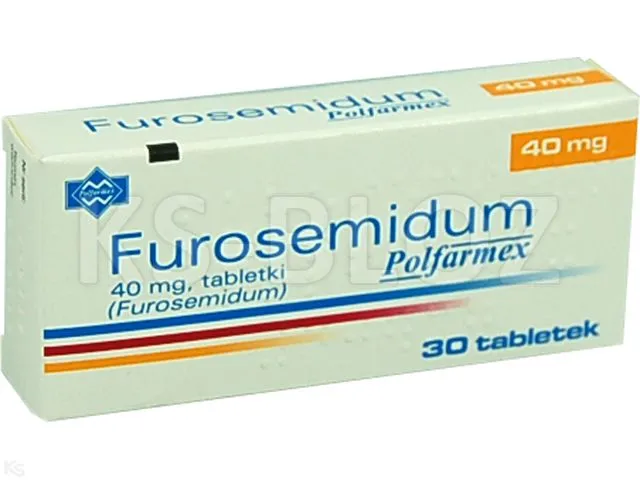
Table of Contents
Patient Information Leaflet
Furosemidum Polpharma, 40 mg, tablets
Furosemidum
Please read all of this leaflet carefully before taking this medicine, because it contains
important information for you.
- Keep this leaflet. You may need to read it again.
- If you have any further questions, please ask your doctor or pharmacist.
- This medicine has been prescribed for a specific individual. Do not pass it on to others. It may harm them even if their symptoms are the same.
- If you experience any side effects, including any not listed in this leaflet, tell your doctor or pharmacist. See section 4.
Leaflet Contents
- What Furosemidum Polpharma is and what it is used for
- What you need to know before taking Furosemidum Polpharma
- How to take Furosemidum Polpharma
- Possible side effects
- How to store Furosemidum Polpharma
- Contents of the pack and other information
1. What Furosemidum Polpharma is and what it is used for
The active substance in Furosemidum Polpharma is furosemide, which belongs to a group of medicines called diuretics. Furosemide increases the amount of urine produced by the body, helping to relieve symptoms caused by excessive fluid in the body.
Furosemide is used in adults and children for the treatment of oedema associated with congestive heart failure, liver cirrhosis, and kidney diseases, when treatment with strongly and rapidly acting diuretics is indicated.
Furosemide is also used in the treatment of hypertension in adults.
2. Important information before using Furosemidum Polpharma
When not to take Furosemidum Polpharma:
- if the patient is allergic to furosemide, sulfonamides, or any of the other ingredients of this medicine (listed in section 6);
- if the patient has renal failure and anuria despite administration of furosemide;
- if the patient has low intravascular volume (reduced blood vessel filling) or is dehydrated (significant fluid loss, e.g. due to severe diarrhoea or vomiting);
- if the patient has kidney failure caused by substances toxic to the kidneys and liver, or kidney failure associated with hepatic coma;
- if the patient has low blood potassium or sodium levels;
- if the patient is in pre-coma or coma state due to liver failure;
- if the patient is breastfeeding.
Warnings and precautions
Before starting treatment with Furosemidum Polpharma, discuss this with your doctor.
Exercise particular caution:
- if the patient has benign prostatic hyperplasia or other disorders causing difficulty in urination, due to increased risk of acute urinary retention during furosemide treatment;
- if urine output significantly decreases – in such case, discontinue the medicine and contact your doctor;
- if the patient has liver disease;
- if the patient has severe renal failure or is concurrently taking furosemide and aminoglycoside antibiotics, ethacrynic acid, or other drugs that may damage hearing, as tinnitus, ringing in the ears, and hearing loss occur more frequently – inform your doctor immediately if any of these or similar symptoms occur;
- if the patient is allergic to sulfonamides, as hypersensitivity reactions to furosemide may occur;
- if the patient has systemic lupus erythematosus, as symptoms of this disease may worsen during furosemide treatment;
- if the patient has diabetes, as blood glucose levels may increase during furosemide treatment – diabetic patients should monitor blood and/or urine glucose levels more frequently;
- if the patient has porphyria (a disorder characterized by impaired oxygen binding by red blood cells and violet-colored urine);
- if the patient is elderly, takes other medicines causing hypotension, or has other medical conditions associated with risk of low blood pressure.
During furosemide treatment, dehydration and electrolyte disturbances may occur.
Therefore, your doctor will more frequently monitor serum electrolyte levels, especially potassium, as well as creatinine and urea levels, and acid-base balance parameters.
Your doctor will closely monitor the patient in case of:
- hypotension – severe hypotension may lead to fainting and even shock;
- patients at risk of myocardial infarction or stroke due to significant drop in blood pressure (patients with cerebral circulation disorders or ischemic heart disease);
- patients with gout;
- patients with hepatorenal syndrome (liver cirrhosis with concomitant deterioration of kidney function);
- patients with low blood protein levels (hypoproteinemia), for example associated with nephrotic syndrome (furosemide effect may be reduced, and its ototoxic effect may be intensified).
Children
Furosemidum Polpharma tablets should not be used in infants and children who cannot swallow tablets.
Furosemidum Polpharma and other medicines
Tell your doctor or pharmacist about all medicines you are currently taking, have recently taken, or plan to take.
In particular, inform your doctor or pharmacist if you are taking any of the following medicines:
-
diuretics from other pharmacological groups, as they enhance the diuretic effect of furosemide;
-
potassium-sparing diuretics, as their concomitant use with furosemide reduces potassium excretion in urine, which may alleviate hypokalemia (low potassium levels);
-
theophylline (a medicine used in asthma treatment), as furosemide may enhance its effect;
-
digitalis glycosides and drugs causing QT interval prolongation, as toxicity of these medicines may increase and life-threatening cardiac arrhythmias may occur;
-
neuromuscular blocking agents (e.g. tubocurarine);
-
antibiotics (e.g. cephalosporins or aminoglycosides);
-
sucralfate (a stomach mucosa-protecting agent) – furosemide should be taken orally at least two hours apart, as sucralfate reduces furosemide absorption from the gastrointestinal tract, thereby weakening its effect;
-
systemic corticosteroids, carbenoxolone (a medicine used in peptic ulcer treatment), liquorice, β-sympathomimetics used in high doses, long-term use of laxatives, reboxetine (used in the treatment of severe depression), corticotropin (a pituitary hormone), and amphotericin B (an antifungal antibiotic), due to increased risk of hypokalemia (low potassium levels);
-
medicines increasing blood pressure, such as noradrenaline, dopamine, and adrenaline (catecholamines), as furosemide may reduce their effect on arterial smooth muscle;
-
lithium – a medicine used in psychiatric disorders. Concomitant use of lithium with furosemide is not recommended. Your doctor may prescribe both medicines together only if necessary. In such case, blood lithium levels will be monitored and the lithium dose adjusted accordingly;
-
cyclosporine (a medicine used to prevent transplanted organ rejection), as concomitant use with furosemide increases the risk of gout;
-
antihypertensive medicines (e.g. enalapril, captopril, valsartan, telmisartan), as furosemide may cause excessive drop in blood pressure. Your doctor may reduce the furosemide dose or discontinue it at least three days before starting or increasing the dose of antihypertensive medicine;
-
aliskiren (a medicine used in the treatment of hypertension) – your doctor may recommend dose adjustment and/or other precautions;
-
insulin and oral antidiabetic medicines, as furosemide may weaken their effect;
-
indomethacin and other non-steroidal anti-inflammatory drugs (NSAIDs), as they may weaken the diuretic and antihypertensive effects of furosemide. Concomitant use increases the risk of acute kidney failure;
-
phenytoin and its derivatives (used in epilepsy treatment), as long-term use may weaken the diuretic effect of furosemide;
-
salicylates, as furosemide enhances their effect;
-
cisplatin (a medicine used in cancer treatment), as furosemide may intensify cisplatin's adverse effects;
-
carbamazepine (used in epilepsy treatment) or aminoglutethimide (used in Cushing's syndrome treatment), as concomitant use with furosemide may increase the risk of hyponatremia (low blood sodium levels);
-
probenecid (a medicine used in gout treatment), as it may weaken the effect of furosemide;
-
methotrexate (a medicine used in severe arthritis and cancer treatment), as it may weaken the effect of furosemide;
-
risperidone (a medicine used in the treatment of certain psychiatric disorders) – your doctor will assess the benefit-risk ratio of treatment.
Pregnancy and breastfeeding
If the patient is pregnant or breastfeeding, suspects she may be pregnant, or is planning to have a child, she should consult her doctor or pharmacist before using this medicine.
This medicine may be used in pregnant women only if the doctor considers it absolutely necessary.
Furosemide may inhibit lactation. Furosemide passes into breast milk; therefore, breastfeeding is contraindicated.
Driving and operating machinery
Some adverse effects observed in patients taking furosemide, such as dizziness, excessive drowsiness, and blurred vision, may impair psycho-motor performance to a minor or moderate degree. If such symptoms occur, do not drive or operate machinery. In case of doubt, consult your doctor.
Furosemidum Polpharma contains lactose
Each tablet contains 30 mg of monohydrated lactose.
If the patient has previously been diagnosed with intolerance to certain sugars, he/she should contact the doctor before taking this medicine.
3. How to use Furosemidum Polpharma
This medicine should always be taken exactly as directed by the physician. In case of doubts, consult
your doctor.
Adults
The initial single dose taken in the morning is 40 to 80 mg (1 to 2 tablets).
Your doctor may recommend taking a maintenance dose once or twice daily, every other day, or for 2 to 4 consecutive days each week.
In long-term treatment of edema, the usual daily maintenance dose is typically 40 mg to 80 mg. In treatment of severe edema, the maximum daily dose is 600 mg, administered in 3 or 4 divided doses.
Children and adolescents
Due to the pharmaceutical form of the medicine - tablets, Furosemidum Polpharma should not be used in infants and children who cannot swallow tablets.
The usual dose is 1 mg to 3 mg/kg body weight once daily. Doses exceeding 40 mg per day should not be used regardless of the child's body weight.
Elderly patients
Dosage adjustment in elderly patients is usually not necessary.
Method of administration
The medicine can be taken independently of meals.
Use of a higher than recommended dose of Furosemidum Polpharma
If a higher than recommended dose is taken, seek immediate medical advice or go to the nearest hospital emergency department.
Symptoms of overdose are related to intensified diuretic action, leading to dehydration, reduced arterial blood pressure, dizziness, blurred vision, and fainting.
Treatment consists of increasing circulating blood volume and correcting electrolyte deficiencies.
Missed dose of Furosemidum Polpharma
If a dose is missed, take it as soon as possible. Do not take a double dose to make up for the missed dose.
If you have any further questions regarding the use of this medicine, consult your doctor or pharmacist.
4. Possible adverse reactions
Like all medicines, this medicine can cause adverse reactions, although not everyone will experience them.
Furosemide is generally well tolerated. Adverse reactions are usually mild in intensity, most often resolve without treatment, and only rarely lead to discontinuation of the medicine.
You should stop taking Furosemidum Polpharma and contact your doctor immediately if any of the following symptoms occur:
- difficulty breathing, swelling of the face or lips – these may be symptoms of a severe allergic reaction
- skin rash, itching
- severe upper abdominal pain radiating to the back, which may indicate pancreatitis
- easy bruising, frequent infections, weakness or fatigue – these may be symptoms of blood disorders
- intense thirst, pain and dizziness, fainting, confusion, muscle or joint pain or weakness, muscle cramps, irregular heartbeat – these may be symptoms of dehydration and electrolyte disturbances
- yellowing of the skin or eyes and dark urine – these may be symptoms of liver disorders
- blistering and peeling of the skin, especially around the lips and eyes, with fever and flu-like symptoms – these may be severe skin reactions (Stevens-Johnson syndrome, toxic epidermal necrolysis).
The following adverse reactions have been observed during treatment with furosemide.
Adverse reactions occurring very commonly (in more than 1 in 10 patients):
- fluid and electrolyte disturbances (including symptomatic), dehydration, hypovolemia (reduced blood vessel filling), particularly in elderly patients, increased creatinine concentration, increased blood triglyceride levels
- hypotension, including orthostatic hypotension.
Adverse reactions occurring commonly (in less than 1 in 10 patients):
- blood concentration
- hyponatremia (decreased sodium concentration in blood), hypochloremia (decreased chloride concentration in blood), hypokalemia (decreased potassium concentration in blood), increased cholesterol levels, increased blood uric acid levels and gout attacks, increased urine volume
- hepatic encephalopathy in patients with liver failure.
Adverse reactions occurring uncommonly (in less than 1 in 100 patients):
- decreased platelet count
- impaired glucose tolerance
- deafness, sometimes irreversible, hearing disturbances
- nausea
- itching, urticaria, rash, bullous dermatitis, erythema multiforme, autoimmune blistering skin disease (pemphigoid), exfoliative dermatitis, purpura, photosensitivity.
Adverse reactions occurring rarely (in less than 1 in 1,000 patients):
- decreased white blood cell count, increased eosinophil granulocytes
- severe allergic reactions
- tingling or numbness (paresthesia)
- vasculitis
- vomiting, diarrhea
- interstitial nephritis
- fever.
Adverse reactions occurring very rarely (in less than 1 in 10,000 patients):
- decreased granulocyte count (agranulocytosis), anemia
- tinnitus
- acute pancreatitis
- cholestasis, increased liver enzyme activity in blood.
Adverse reactions with unknown frequency (frequency cannot be estimated from available data):
- bone marrow suppression
- exacerbation or activation of systemic lupus erythematosus (SLE)
- hypocalcemia (decreased calcium concentration in blood), hypomagnesemia (decreased magnesium concentration in blood), increased blood urea concentration, metabolic alkalosis (acid-base imbalance), pseudohyperaldosteronism (hypokalemic alkalosis due to high doses of diuretics), loss of appetite, hyperglycemia (increased blood glucose concentration)
- headache, dizziness, fainting and loss of consciousness (due to symptomatic hypotension), motor restlessness
- blurred vision, yellow vision
- thrombosis
- cramping abdominal pain, constipation, gastric irritation
- yellowing of the skin and eyes (jaundice)
- Stevens-Johnson syndrome, toxic epidermal necrolysis, acute generalized exanthematous pustulosis (acute febrile drug eruption), drug rash with eosinophilia and systemic symptoms (DRESS)
- increased sodium concentration in urine, increased chloride concentration in urine, urinary retention (in patients with impaired urine outflow from the bladder), renal failure, frequent urination, presence of glucose in urine (glucosuria)
- weakness
- increased risk of premature closure of a major blood vessel in the newborn, known as the ductus arteriosus Botalli, which normally closes only after birth (if Furosemidum Polpharma was administered to premature infants during the first weeks of life).
Reporting of adverse reactions
If any adverse reactions occur, including those not listed in this leaflet, inform your doctor or pharmacist. Adverse reactions can be reported directly to the Department of Monitoring Adverse Reactions to Medicinal Products at the Office for Registration of Medicinal Products, Medical Devices and Biocidal Products
Al. Jerozolimskie 181C
02-222 Warsaw
Phone: +48 22 49 21 301
Fax: +48 22 49 21 309
Website: https://smz.ezdrowie.gov.pl
Adverse reactions can also be reported to the marketing authorization holder.
Reporting adverse reactions helps to provide more information on the safety of the medicine.
5. How to store Furosemidum Polpharma
Keep this medicine out of sight and reach of children.
Store below 25°C.
Do not use this medicine after the expiry date stated on the packaging. The expiry date refers to the last day of the stated month.
The marking on the packaging following the abbreviation EXP indicates the expiry date, and following the abbreviation Lot/LOT indicates the batch number.
Medicines must not be disposed of via wastewater or household waste. Ask your pharmacist how to dispose of medicines no longer required. This will help protect the environment.
6. Contents of the pack and other information
What Furosemidum Polpharma contains
- The active substance is furosemide. Each tablet contains 40 mg of furosemide.
- The other ingredients are: monohydrate lactose, potato starch, gelatin, talc, magnesium stearate.
What Furosemidum Polpharma looks like and contents of the pack
White or yellowish-white, round, biconvex tablets.
The pack contains 30 tablets.
Marketing Authorisation Holder and Manufacturer
Zakłady Farmaceutyczne POLPHARMA S.A.
ul. Pelplińska 19, 83-200 Starogard Gdański
tel. +48 22 364 61 01