Furosemide polpharma
Poland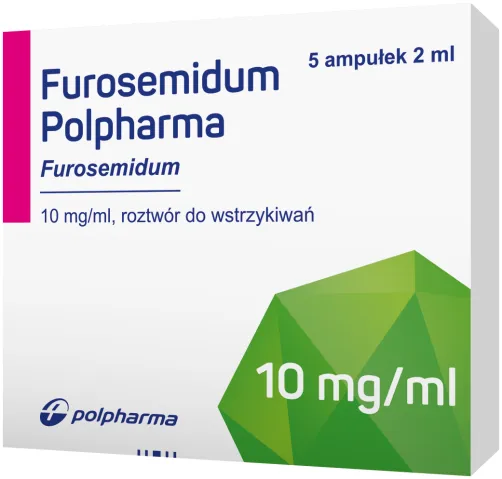
Table of Contents
- Package leaflet: Information for the user
- 1. What Furosemidum Polpharma is and what it is used for
- 2. Information before using Furosemidum Polpharma
- 3. How to use Furosemidum Polpharma
- 4. Possible adverse reactions
- 5. How to store Furosemidum Polpharma
- 6. Contents of the package and other information
- Information intended exclusively for medical professionals:
Package leaflet: Information for the user
Furosemidum Polpharma, 10 mg/ml (20 mg/2 ml), solution for injection
Furosemidum
Please read this leaflet carefully before using this medicine because it contains important information for you.
- Keep this leaflet as you may need to read it again.
- If you have any further questions, please consult your doctor or nurse.
- This medicine has been prescribed for a specific individual. Do not pass it on to others. It may harm other people, even if their symptoms are the same.
- If you experience any adverse reactions, including any not listed in this leaflet, inform your doctor or nurse. See section 4.
Table of contents
- What Furosemidum Polpharma is and what it is used for
- Important information before using Furosemidum Polpharma
- How to use Furosemidum Polpharma
- Possible side effects
- How to store Furosemidum Polpharma
- Contents of the pack and other information
1. What Furosemidum Polpharma is and what it is used for
Furosemidum is a potent diuretic.
The antihypertensive effect of furosemidum is due to a reduction in circulating blood volume. Furosemidum also reduces vascular wall tension.
After intravenous administration, the diuretic effect of furosemidum begins within 5 minutes and lasts approximately 2 hours, with peak effect occurring between 20 and 60 minutes after administration.
Furosemidum Polpharma is indicated for the treatment of:
- Edema associated with congestive heart failure, liver cirrhosis, and kidney diseases, including pulmonary edema, when potent and rapidly acting diuretics are indicated;
- Acute hemodynamic pulmonary edema – including that associated with hypertensive crisis or acute renal failure; in hypertensive crisis, furosemidum is used in combination with other rapidly acting antihypertensive agents;
- Elevated blood calcium levels (hypercalcemia); furosemidum is used together with isotonic sodium chloride solution to increase urine output (diuresis) and enhance urinary excretion of calcium ions.
2. Information before using Furosemidum Polpharma
When not to use Furosemidum Polpharma
- if the patient is allergic to furosemide, sulfonamides, or any of the other ingredients of this medicine (listed in section 6);
- if the patient has anuria or renal failure with anuria unresponsive to furosemide;
- if the patient has hypovolemia (a condition of reduced blood vessel filling)
or is dehydrated;
- if the patient has renal failure caused by nephrotoxic or hepatotoxic substances, or renal failure associated with hepatic coma;
- if the patient has severe hypokalemia or severe hyponatremia;
- if the patient is in pre-coma or coma state related to hepatic encephalopathy;
- if the patient is breastfeeding.
Warnings and precautions
Before starting treatment with Furosemidum Polpharma, discuss this with your doctor.
Exercise particular caution:
- if the patient has benign prostatic hyperplasia or other disorders causing difficulty in urination, due to increased risk of acute urinary retention during furosemide treatment;
- if urine output significantly decreases, the medicine should be discontinued and the patient should contact a doctor;
- if the patient has liver cirrhosis; Patients with liver cirrhosis should initiate furosemide treatment in hospital.
- if the patient has severe renal impairment or is concurrently receiving furosemide and aminoglycoside antibiotics, ethacrynic acid, or other medicines that may impair hearing, as tinnitus, ringing in the ears, and hearing loss may occur more frequently; Inform the doctor immediately if any of these or similar symptoms occur.
- if the patient is allergic to sulfonamides, as hypersensitivity reactions to furosemide may occur; During furosemide treatment, symptoms of systemic lupus erythematosus may worsen.
- if the patient has diabetes, as blood glucose levels may increase during furosemide treatment; Diabetic patients should monitor blood and/or urine glucose levels more frequently.
- if furosemide is administered to newborns, as it increases the risk of patent ductus arteriosus;
- if the patient is elderly, taking other medicines that may lower blood pressure, or has other medical conditions associated with risk of hypotension.
During furosemide treatment, dehydration and electrolyte imbalances in blood serum may occur. Frequent monitoring of serum electrolytes (especially potassium), creatinine, urea, and acid-base balance parameters is required.
Close monitoring of health status is necessary:
- in patients with hypotension;
- in patients at risk of significant blood pressure drop;
- in patients with gout;
- in patients with hepatorenal syndrome;
- in patients with hypoproteinemia, for example associated with nephrotic syndrome (furosemide effect may be reduced and ototoxic effects may be intensified); Caution is required when adjusting the dose.
- in preterm infants (due to the risk of nephrocalcinosis/renal calculi, kidney function should be monitored and renal ultrasound performed).
Excessive dehydration may lead to circulatory disturbances (e.g., fainting).
In edema treatment, the patient's weight reduction should not exceed 1 kg per day.
If indicated, hypotension and hypovolemia should be corrected before starting therapy.
Furosemide should not be used as a diuretic agent to increase diuresis in patients at high risk of contrast-induced nephropathy during radiological procedures.
Furosemidum Polpharma and other medicines
Inform your doctor about all medicines currently or recently used, as well as any medicines the patient plans to use.
- Diuretics from other pharmacological groups used with furosemide enhance its diuretic effect.
- Potassium-sparing diuretics administered concurrently with furosemide reduce potassium excretion in urine and prevent hypokalemia (low potassium levels). Some electrolyte disturbances (e.g., hypokalemia, hypomagnesemia) may increase the toxicity of certain medicines (e.g., digitalis glycosides and drugs causing prolonged QT interval syndrome).
- Furosemide prolongs the duration of neuromuscular blockade induced by neuromuscular blocking agents (e.g., tubocurarine).
- Furosemide may reduce the effect of catecholamine amines on arterial smooth muscle.
- Concurrent administration with corticosteroids may cause sodium retention.
- Systemic corticosteroids, carbenoxolone, liquorice, high-dose β-sympathomimetics, prolonged use of laxatives, reboxetine, corticotropin, and amphotericin B increase the risk of hypokalemia.
- Furosemide increases lithium toxicity when used concomitantly. Concomitant use is not recommended. If such treatment is necessary, hospitalize the patient and monitor serum lithium levels.
- Furosemide reduces the effectiveness of insulin and oral antidiabetic drugs.
- Furosemide enhances the effect of other antihypertensive drugs, salicylates, and increases the ototoxic effects of aminoglycoside antibiotics, cisplatin, and other ototoxic drugs.
- When adding ACE inhibitors or angiotensin II receptor antagonists to furosemide therapy or increasing their dose, a marked drop in blood pressure and worsening of renal function may occur. The furosemide dose should be reduced or the drug discontinued at least three days before starting treatment or increasing the dose of ACE inhibitors or angiotensin II receptor antagonists.
- Indomethacin and other non-steroidal anti-inflammatory drugs may weaken the diuretic and antihypertensive effects of furosemide. Concurrent use increases the risk of acute renal failure.
- Phenytoin and its derivatives, when used long-term, reduce the diuretic effect of furosemide.
- Concurrent use of furosemide with antibiotics that are nephrotoxic (toxic to the kidneys) increases their nephrotoxicity.
- Concurrent use with carbamazepine or aminoglutethimide may increase the risk of hyponatremia (low sodium levels).
- Probenecid, methotrexate, and other drugs, like furosemide, significantly excreted via renal tubules, may reduce furosemide's effect. Conversely, furosemide may reduce tubular excretion of these drugs. Concurrent use of high doses (both furosemide and other drugs) may lead to increased serum concentrations and risk of adverse effects associated with furosemide or other concomitantly administered drugs.
- Oral administration of furosemide and sucralfate should be separated by at least a two-hour interval, as sucralfate reduces gastrointestinal absorption of furosemide, thereby reducing its effect.
- When used concomitantly with risperidone, caution is required and benefit-risk ratio should be assessed due to increased mortality risk.
- In patients receiving high doses of certain cephalosporins together with furosemide, impaired kidney function may occur.
- Concurrent administration of cyclosporine and furosemide carries a risk of gout.
- When furosemide injection is administered together with low pH solutions (e.g., glucose solutions), precipitation of furosemide may occur.
- The medicine must not be mixed in a syringe with other medicines.
Pregnancy and breastfeeding
If the patient is pregnant or breastfeeding, suspects she may be pregnant, or plans to become pregnant, she should consult a doctor before using this medicine.
Pregnancy
Furosemide may be used during pregnancy only for short-term treatment if the benefits to the mother outweigh the risk of fetal harm.
Furosemide use during pregnancy requires fetal monitoring.
Breastfeeding
Furosemide use during breastfeeding is contraindicated.
Furosemide passes into breast milk and may suppress lactation.
Driving and operating machinery
Some adverse effects observed in patients taking furosemide, such as dizziness, excessive drowsiness, and blurred vision, may slightly or moderately impair psycho-physical performance. If in doubt, consult a doctor.
Sodium content of the medicine
The medicine contains 3.83 mg of sodium (main component of table salt) per 1 ml of solution. 2 ml of solution (one ampoule) contains 7.66 mg of sodium, equivalent to 0.38% of the maximum recommended daily sodium intake in adults.
The medicine may be diluted. The sodium content from the diluent should be considered when calculating the total sodium content in the prepared diluted solution. For accurate information on sodium content in the diluent used, refer to the leaflet of the diluent. In patients with reduced kidney function and in patients monitoring dietary sodium intake, the sodium content in the final administered medicine should be taken into account.
3. How to use Furosemidum Polpharma
This medicine should always be used as directed by the physician. In case of doubt, consult your doctor.
The physician determines the dose individually for each patient.
Detailed dosage instructions, method of administration, and preparation of the medicine for use are provided at the end of this leaflet under the section "Information intended exclusively for healthcare professionals".
Use of a higher than recommended dose of Furosemidum Polpharma
If the patient suspects having received too high a dose of the medicine, the doctor should be informed immediately.
Symptoms of an overdose primarily depend on the extent and consequences of electrolyte and fluid loss, e.g. hypovolemia (a condition of reduced blood vessel filling), dehydration, hemoconcentration, cardiac arrhythmias caused by excessive diuretic action. Severe hypotension (leading to shock), acute renal failure, thrombosis, seizures, flaccid paralysis, apathy, and fatigue may occur.
Treatment aims to restore fluid volume and correct electrolyte imbalances. The doctor will also recommend close monitoring of the patient's health status.
Missed dose of Furosemidum Polpharma
If the patient suspects that a dose has been missed, inform the doctor as soon as possible.
If there are any further doubts regarding the use of this medicine, consult your doctor or nurse.
4. Possible adverse reactions
Like all medicines, this medicine can cause adverse reactions, although not everyone will experience them.
Furosemide is generally well tolerated. Adverse reactions are usually mild in severity, most often resolve without treatment, and only rarely lead to discontinuation of the medicine.
Furosemide may cause the following adverse reactions:
- haemolytic anaemia, thrombocytopenia (reduced platelet count), anaemia, aplastic anaemia, leukopenia (reduced white blood cell count), agranulocytosis (reduced neutrophil count), eosinophilia (reduced eosinophil count);
- bone marrow suppression, in which case administration of the medicine should be discontinued;
- skin rash, photosensitivity, vasculitis, fever, interstitial nephritis, shock; If any of the above reactions occur, furosemide administration should be discontinued.
- severe anaphylactic or anaphylactoid reactions;
- loss of appetite, marked dehydration, hyperglycaemia;
- feeling of restlessness;
- headache, dizziness, paraesthesia (abnormal sensations);
- hearing disturbances and tinnitus, although usually transient, may rarely occur, usually in patients with renal impairment, hypoproteinaemia (e.g. in nephrotic syndrome) and (or) when furosemide has been administered intravenously too rapidly;
- orthostatic hypotension, intensified by alcohol, barbiturates or opioid analgesics;
- cramp-like abdominal pain, diarrhoea, constipation, gastric irritation, nausea, vomiting; rarely, during long-term use – acute pancreatitis;
- jaundice, intrahepatic cholestasis (biliary stasis);
- in patients with impaired liver cells, hepatic encephalopathy may occur;
- exfoliative dermatitis, purpura, erythema multiforme, bullous pemphigoid, urticaria, rash, pruritus, Stevens-Johnson syndrome, toxic epidermal necrolysis;
- polyuria;
- in preterm infants, nephrocalcinosis/renal calculi have been observed.
- increased urine production may cause or exacerbate symptoms in patients with impaired urine outflow. Therefore, in patients with bladder emptying disorders, benign prostatic hyperplasia or urethral stricture, acute urinary retention may occur, with a risk of secondary complications.
- feeling of weakness, fever;
- pain at the injection site after intramuscular administration.
Adverse reactions occurring not very often (in less than 1 in 100 patients):
- deafness, sometimes irreversible.
Adverse reactions with unknown frequency (frequency cannot be estimated from the available data):
- acute generalized exanthematous pustulosis (AGEP, acute generalised exanthematous pustulosis);
- dizziness, fainting and loss of consciousness (due to symptomatic hypotension).
Like other diuretics, furosemide during long-term use may disturb electrolyte and water balance. Furosemide causes increased excretion of sodium and chloride, and consequently water. In addition, during furosemide therapy, excretion of other electrolytes increases (particularly potassium, calcium and magnesium). Symptoms of electrolyte imbalance and metabolic alkalosis may develop as gradually increasing electrolyte deficiency or (e.g. when higher doses of furosemide are administered to patients with normal kidney function) acute and severe electrolyte loss. Symptoms accompanying electrolyte deficiency include increased thirst, headache, hypotension, confusion, muscle cramps, tetany, muscle weakness, cardiac arrhythmias and gastrointestinal disturbances.
During treatment with furosemide, pre-existing metabolic alkalosis may worsen (e.g. in decompensated liver cirrhosis).
The diuretic effect of furosemide may lead to or contribute to hypovolaemia and dehydration, particularly in elderly patients. Significant fluid loss may lead to blood concentration with a risk of thrombosis.
Furosemide administered to preterm infants in the first weeks of life may increase the persistence of the patent ductus arteriosus.
Diagnostic tests
Glucosuria, increased hepatic aminotransferase activity, serum calcium concentration may decrease; tetany has been observed in very rare cases.
During furosemide therapy, serum cholesterol and triglyceride concentrations may increase. After long-term furosemide therapy, their levels return to normal within six months.
Furosemide administration may reduce glucose tolerance. In diabetic patients, this may lead to metabolic disturbances and may also reveal symptoms of latent diabetes.
As with other diuretics, furosemide administration may lead to transient increases in serum creatinine and blood urea levels. Serum uric acid concentration may increase, leading to an attack of gout.
If any of the following symptoms are observed: fever, skin rash, weakness, dizziness, drowsiness, blurred vision, discontinue Furosemidum Polpharma and contact a doctor immediately.
Reporting of adverse reactions
If any adverse reactions occur, including any adverse reactions not listed in this leaflet, inform your doctor or nurse. Adverse reactions can be reported directly to the Department of Monitoring Adverse Drug Reactions of the Office for Registration of Medicinal Products, Medical Devices and Biocidal Products
Al. Jerozolimskie 181C
02-222 Warszawa
Tel.: +48 22 49 21 301
Fax: +48 22 49 21 309
Website: https://smz.ezdrowie.gov.pl
Adverse reactions can also be reported to the marketing authorisation holder.
Reporting adverse reactions helps to provide more information on the safety of the medicine.
5. How to store Furosemidum Polpharma
Keep the medicine out of the sight and reach of children.
Store below 25°C. Keep in the original packaging.
Do not use this medicine after the expiry date stated on the packaging. The expiry date refers to the last day of the stated month.
The marking on the packaging following the abbreviation EXP indicates the expiry date, and following the abbreviation Lot indicates the batch number.
Medicines must not be disposed of via wastewater or household waste. Ask your pharmacist how to dispose of medicines no longer required. This will help protect the environment.
6. Contents of the package and other information
What Furosemidum Polpharma contains
- The active substance is furosemide. Each ampoule (2 ml of solution) contains 20 mg of furosemide.
- Other ingredients are: sodium hydroxide, disodium edetate, sodium chloride, water for injections.
What Furosemidum Polpharma looks like and contents of the pack
A clear, colourless solution for intravenous or intramuscular injection in 2 ml amber glass ampoules.
The pack contains 5 or 50 ampoules of 2 ml.
Marketing Authorisation Holder and Manufacturer
Zakłady Farmaceutyczne POLPHARMA S.A.
ul. Pelplińska 19, 83-200 Starogard Gdański
tel. + 48 22 364 61 01
Information intended exclusively for medical professionals:
Furosemidum Polpharma, 10 mg/ml (20 mg/2 ml), solution for injection
Furosemidum
Information for patients on a low-sodium diet and with impaired renal function
The medicinal product contains 3.83 mg of sodium per 1 ml of solution. 2 ml of solution (one ampoule) contains 7.66 mg of sodium, corresponding to 0.38% of the WHO-recommended maximum daily sodium intake of 2 g in adults.
The product may be diluted. The sodium content originating from the diluent should be taken into account when calculating the total sodium content in the prepared diluted solution. For precise information regarding sodium content in the solution used for dilution, refer to the package leaflet or the characteristics of the diluent used.
The sodium content in the final ready-to-administer formulation should be considered in patients with impaired renal function and in patients controlling sodium intake in their diet.
Route of administration
Intravenous or intramuscular administration.
Furosemidum Polpharma should be administered as a slow intravenous injection, intravenous infusion (at a rate not exceeding 4 mg per minute), or intramuscular injection.
Intramuscular administration of furosemide should be restricted to exceptional situations when neither oral nor intravenous administration can be performed. It should be noted that intramuscular administration is not recommended for the treatment of acute conditions such as pulmonary edema.
The product can be diluted with the following infusion solutions:
- 0.9% sodium chloride solution,
- Ringer's solution,
- Ringer's solution with lactate,
within concentration ranges from 0.02 mg/ml to 5 mg/ml. The dilution must be prepared under controlled and validated aseptic conditions.
Furosemidum Polpharma has been shown to be compatible with:
- syringes made of siliconized polypropylene (PP) (BD Plastipak syringes),
- polyethylene (PE) tubing,
- PE and PP bags, when used with the above-mentioned infusion solutions.
After dilution, the product is a clear, colorless solution.
Do not use the medicinal product if the solution changes color or if particulate matter is visible to the naked eye.
Stability after dilution
Chemical and physical stability of the product after dilution has been demonstrated when stored protected from light:
- in an infusion bag for 24 hours at 30°C,
- in a syringe for 24 hours at 25°C.
However, from a microbiological standpoint, the product should be used immediately after preparation unless dilution or opening occurred under controlled and validated aseptic conditions. If not used immediately, the responsibility for storage conditions and duration prior to use lies with the user.
Use in adults
Edema associated with congestive heart failure, hepatic cirrhosis, and renal diseases:
20–40 mg of furosemide (1–2 ampoules) administered as a single intravenous dose at a rate not exceeding 4 mg/minute or intramuscularly. Depending on clinical need, additional 20 mg doses may be administered every 2 hours until the desired therapeutic effect is achieved. If a higher dose is required, the drug should be administered as an intravenous infusion.
The maximum recommended daily intravenous dose of furosemide in adults is 1500 mg.
Furosemide in injectable form should be used only for short-term treatment.
When administering high doses or prolonged treatment with furosemide, frequent monitoring of serum electrolytes, acid-base balance, and serum creatinine and urea levels is required.
Pulmonary edema
The initial dose is usually 40 mg (2 ampoules) of furosemide administered intravenously. If necessary, a dose of 40–80 mg may be given after 30 minutes.
Hypertensive crisis
In patients with normal renal function, the initial dose is usually 40–80 mg (2 to 4 ampoules) administered intravenously, together with other fast-acting antihypertensive agents.
In patients with concomitant pulmonary edema or acute renal failure, 100–200 mg (5 to 10 ampoules) of furosemide.
Hypercalcemia
Intravenous administration of 80–100 mg (4 to 5 ampoules) every 2–12 hours over 24 hours, together with isotonic sodium chloride solution. Hypokalemia induced by furosemide administration may occur after termination of hypercalcemia treatment and should be corrected.
Use in elderly patients
In elderly patients, furosemide is eliminated more slowly from the body, which may necessitate dose reduction.
Use in infants and children
In infants and children, furosemide is administered at a dose of 0.5–1.5 mg/kg body weight per day. The maximum daily dose is 20 mg, regardless of the child's body weight.
Use in acute and chronic renal failure
In these conditions, the usual daily dose is 80–120 mg (4 to 6 ampoules).
In patients with severe renal failure (serum creatinine concentration >5 mg/dl), the infusion rate should not exceed 2.5 mg per minute.