Furosemid laboratórios basi
Poland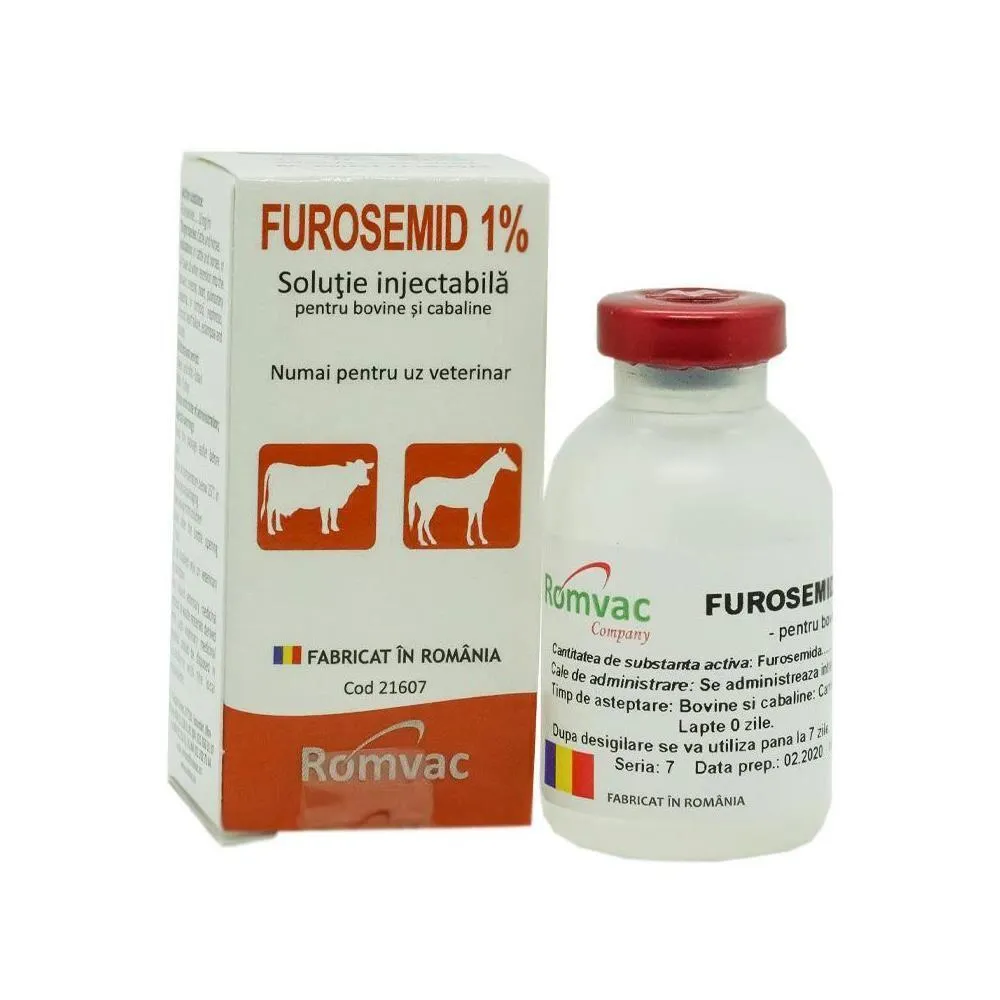
Table of Contents
- Package leaflet: Information for the user
- 1. What Furosemid Laboratórios Basi is and what it is used for
- 2. Important information before receiving Furosemid Laboratorios Basi
- 4. Possible adverse reactions
- 5. How to store Furosemid Laboratórios Basi
- 6. Contents of the pack and other information
- Information intended exclusively for medical professionals:
Package leaflet: Information for the user
Furosemid Laboratórios Basi, 10 mg/mL, solution for injection/infusion
Furosemidum
Please read all of this leaflet carefully before this medicine is administered, as it contains
important information for the patient.
- Keep this leaflet, so that you can read it again if necessary.
- If you have any further questions, please ask your doctor, pharmacist or nurse.
- This medicine has been prescribed for a specific individual. Do not pass it on to others. This medicine may harm other people, even if their symptoms are the same.
- If you experience any side effects, including any not listed in this leaflet, please tell your doctor, pharmacist or nurse. See section 4.
Leaflet contents
- What Furosemid Laboratórios Basi is and what it is used for
- Important information before receiving Furosemid Laboratórios Basi
- How Furosemid Laboratórios Basi is administered
- Possible side effects
- How to store Furosemid Laboratórios Basi
- Contents of the pack and other information
1. What Furosemid Laboratórios Basi is and what it is used for
Furosemid Laboratórios Basi 10 mg/mL solution for injection/infusion contains the active substance furosemid. Furosemid belongs to a group of medicines called diuretics. Furosemid Laboratórios Basi is used:
- To treat oedema (fluid retention) in patients with:
- liver disease
- heart disease (e.g. pulmonary oedema)
- kidney disease
- To treat extremely high blood pressure (hypertensive crisis).
Furosemid Laboratórios Basi is indicated for use in adults and adolescents aged 15 years and older. The medicine may be used in infants and children under 15 years of age only exceptionally.
How Furosemid Laboratórios Basi solution for injection/infusion works
- Furosemid Laboratórios Basi solution for injection/infusion helps the body to eliminate more water (urine) than usual. If excess fluid is not removed from the body, it may cause excessive strain on the heart, blood vessels, lungs, kidneys or liver.
2. Important information before receiving Furosemid Laboratorios Basi
Do not administer Furosemid Laboratorios Basi
- if the patient is allergic to furosemide or any of the other ingredients of this medicine (listed in section 6);
- if the patient is allergic to sulphonamide antibiotics, such as sulfadiazine and co-trimoxazole;
- if the patient has kidney problems. In some types of kidney failure, this medicine may still be given. Your doctor will determine whether the patient can receive this medicine;
- if the patient does not produce urine;
- if the patient has severe liver disease;
- if the patient has very low levels of potassium or sodium in the blood (confirmed by blood tests);
- if the patient has low blood volume (hypovolemia) or dehydration;
- if the patient is breastfeeding (see section “Pregnancy and breastfeeding”).
Warnings and precautions
Before receiving Furosemid Laboratorios Basi, discuss with your doctor or nurse if:
- the patient has low blood pressure;
- the patient has diabetes;
- the patient has gout (pain associated with joint inflammation) caused by high levels of uric acid in the blood;
- the patient has urinary tract obstruction (e.g. enlarged prostate gland, kidney swelling due to urine accumulation, ureter narrowing);
- the patient has very low levels of protein in the blood, e.g. in nephrotic syndrome;
- the patient has liver disease;
- the patient has rapidly progressing kidney dysfunction associated with severe liver disease (e.g. liver cirrhosis);
- the patient is at risk of severe hypotension (e.g. if the patient has circulatory disorders in cerebral or coronary arteries);
- the patient has an inflammatory disease called systemic lupus erythematosus (SLE);
- elderly patients who are also taking other medicines that may cause low blood pressure, or if other conditions associated with risk of low blood pressure are present.
Especially during long-term treatment, the doctor may regularly monitor blood levels of potassium,
sodium, calcium, bicarbonate, creatinine, urea, uric acid and glucose.
Body weight loss due to fluid loss should not exceed 1 kg per day.
Children
When administered to premature infants, furosemide may cause urinary stones or calcifications.
In premature infants, the ductus arteriosus connecting the pulmonary artery and aorta, which is open
in the unborn child, may remain open.
Furosemid Laboratorios Basi and other medicines
Inform your doctor about all medicines the patient is currently taking or has recently taken, as well as
any medicines the patient plans to take.
This is important because some medicines should not be taken together with furosemide, or the dose
of furosemide or the other medicine may need to be adjusted.
In particular, inform your doctor or nurse if the patient is taking:
- lithium (used to treat mood disorders);
- cardiac glycosides (e.g. digoxin);
- terfenadine (used to treat allergies);
- levothyroxine (used to treat hypothyroidism);
- medicines used for high blood pressure, including thiazide diuretics (e.g. bendroflumethiazide or hydrochlorothiazide), angiotensin-converting enzyme inhibitors (e.g. lisinopril), angiotensin II receptor antagonists (e.g. losartan);
- medicines used for diabetes (e.g. metformin and insulin);
- anti-inflammatory medicines, including NSAIDs (used to treat pain and inflammation, such as diclofenac, ibuprofen, indomethacin, celecoxib) and high-dose acetylsalicylic acid (aspirin);
- corticosteroids (medicines used to treat inflammation or allergies, e.g. prednisolone, dexamethasone);
- carbenoxolone (used to treat stomach ulcers);
- chloral hydrate (used to treat sleep problems);
- phenytoin (used to treat epilepsy);
- theophylline (used to treat asthma);
- probenecid (used to treat gout);
- methotrexate (used to treat certain cancers or severe arthritis);
- cyclosporine (used to prevent transplant rejection);
- medicines that increase blood pressure (pressurizing amines, such as adrenaline, noradrenaline), as they may not work properly when taken with furosemide;
- antibiotics (such as cephalosporins, aminoglycosides, polymyxins, quinolones). The ototoxic effect of aminoglycoside antibiotics (e.g. kanamycin, gentamicin, tobramycin) may be enhanced by furosemide, especially in patients with kidney problems;
- foscarnet (used to treat diseases caused by unicellular organisms known as protozoa);
- iodinated contrast agents;
- cisplatin (used in anticancer chemotherapy);
- risperidone (used to treat psychiatric disorders).
Furosemid Laboratorios Basi and food
Large amounts of liquorice in combination with furosemide may lead to increased potassium loss.
Pregnancy and breastfeeding
If the patient is pregnant or breastfeeding, suspects she may be pregnant, or is planning to have a
child, she should consult her doctor before taking this medicine.
Furosemide should not be used during pregnancy unless there are clear medical reasons, as furosemide
crosses the placental barrier. Administration of furosemide during pregnancy may lead to increased
bilirubin levels in the fetus, resulting in jaundice and brain damage in the newborn. This medicine may
also lead to increased urine production in the fetus.
Furosemide passes into breast milk. Breastfeeding should not be performed during treatment with
furosemide.
Driving and operating machinery
This medicine may affect reaction ability to such an extent that the ability to drive, operate machinery
or perform hazardous tasks may be impaired. This is particularly relevant at the beginning of
treatment, when increasing the dose or changing medicines, and when alcohol is consumed.
Furosemid Laboratorios Basi contains sodium
This medicine contains less than 1 mmol (23 mg) of sodium per ampoule, meaning the medicine is
considered “sodium-free”.
3. How to administer Furosemid Laboratorios Basi
The doctor will decide how much medicine the patient needs, when it should be administered, and how
long treatment should last. This will depend on the patient’s age, body weight, medical history, other
medicines being taken, and the nature and severity of the disease. The lowest effective dose will
always be used.
Furosemide injection is usually administered by a doctor or nurse:
- as a slow intravenous injection, or
- exceptionally, intramuscularly.
In some cases, instead of injections, the doctor may recommend continuous intravenous infusion (drip).
When the patient’s condition allows, oral administration will be initiated.
Adults
For the treatment of fluid retention in tissues (edema) and (or) fluid accumulation in the abdominal
cavity (ascites) due to heart or liver disease, edema caused by kidney disease, and pulmonary
edema, the initial dose is 20 mg to 40 mg of furosemide.
The dose may then be gradually increased up to a maximum of 1500 mg per day.
For the treatment of severely high blood pressure, the single dose is 20 mg to 40 mg of furosemide.
In adults, the maximum daily dose of furosemide should not exceed 1500 mg.
Elderly patients
The usual initial dose in elderly patients is 20 mg per day.
Adults with kidney dysfunction
In patients with severe kidney dysfunction (serum creatinine concentration >5 mg/dL), the infusion
rate should not exceed 2.5 mg of furosemide per minute.
Use in children
The usual average dose in children is 0.5 mg of furosemide per kg body weight per day.
Exceptionally, up to 1 mg of furosemide per kg body weight per day may be administered.
Accidental overdose of Furosemide
If the patient believes they have received too high a dose of this medicine, they should immediately
inform the doctor. Symptoms of acute or chronic overdose depend on the degree of salt and fluid loss.
Symptoms of overdose include dry mouth, increased thirst, irregular heartbeat, mood changes, muscle
cramps or pain, nausea or vomiting, unusual tiredness or weakness, weak pulse, or loss of appetite.
If you have any further questions about the use of this medicine, please consult your doctor or nurse.
4. Possible adverse reactions
Like any medicine, this medicine can cause adverse reactions, although not everyone will experience them.
In patients treated with furosemide, low blood pressure may occur, accompanied by dizziness,
fainting or loss of consciousness.
If any of the following adverse reactions occur, immediately contact your
doctor or nurse:
- Severe allergic reaction, which may cause skin rash, swelling of the face, lips, tongue or throat, difficulty breathing and loss of consciousness (anaphylactic or anaphylactoid reaction) (may occur in less than 1 in 1,000 people);
- Stevens-Johnson syndrome, toxic epidermal necrolysis; symptoms include initially red, target-like spots or round lesions, often with central blisters on the trunk. There may also be ulceration of the mouth, throat, nose, genital organs and eyes (red and swollen eyes). These severe skin reactions may be preceded by fever and flu-like symptoms. Skin rashes may lead to extensive skin peeling and life-threatening complications or even death (frequency unknown).
- Rhabdomyolysis: a rare condition characterized by muscle pain, tenderness and weakness; such muscle damage is often associated with severe potassium deficiency (frequency unknown).
Other adverse reactions
Very common (may affect more than 1 in 10 people)
- Electrolyte disturbances (including symptomatic), dehydration and reduced blood volume, especially in elderly patients (symptoms such as increased thirst, headache, dizziness, fainting, disorientation, joint or muscle pain or weakness, cramps or spasms, restlessness, rapid or irregular heartbeat); increased levels of certain blood fats (triglycerides)
- Low blood pressure, including circulatory disturbances upon changing position from lying to standing (with intravenous administration)
- Increased blood creatinine levels
Common (may affect less than 1 in 10 people)
- Blood concentration (in case of excessive urine excretion)
- Decreased blood sodium and chloride levels, low blood potassium, increased blood cholesterol levels, increased blood uric acid levels and exacerbation of gout
- Impaired brain function in patients with severe liver dysfunction (hepatic encephalopathy)
- Increased urine output
Uncommon (may affect less than 1 in 100 people)
- Low platelet count (thrombocytopenia)
- Impaired glucose tolerance. This may worsen the metabolic state in patients with existing diabetes (overt diabetes). It may also reveal previously unrecognized diabetes (latent diabetes).
- Hearing disturbances, although usually transient, especially in patients with kidney dysfunction or low blood protein levels (e.g. in nephrotic syndrome) and (or) if the intravenous medicine is injected too rapidly
- Deafness (sometimes irreversible)
- Malaise
- Itching, urticaria, rash, skin
- Mucosal reactions with redness, blistering or peeling (e.g. bullous dermatitis, erythema multiforme, pemphigoid, exfoliative dermatitis, purpura)
- Increased sensitivity of the skin to sunlight
Rare (may affect less than 1 in 1,000 people)
- Increased number of certain types of white blood cells (eosinophilia)
- Decreased white blood cell count (leukopenia)
- Tingling, numbness or painful burning sensations in the limbs
- Ringing in the ears (tinnitus)
- Vasculitis
- Vomiting, diarrhea
- Kidney damage (interstitial nephritis)
- Fever
Very rare (may affect less than 1 in 10,000 people)
- Anemia caused by abnormal breakdown of red blood cells (hemolytic anemia)
- A condition in which the bone marrow stops producing enough new blood cells (aplastic anemia)
- Severe reduction in certain types of white blood cells (agranulocytosis). Symptoms may include: fever with chills, mucosal changes and sore throat
- Acute pancreatitis
- Liver disorder known as "intrahepatic cholestasis"
- Increased liver enzyme activity in blood, which may cause jaundice (yellowing of the skin, dark urine, fatigue)
Not known (frequency cannot be estimated from available data)
- Systemic lupus erythematosus (SLE) may worsen or become activated.
- Low blood calcium, low blood magnesium, decreased blood pH (metabolic acidosis), pseudo-Bartter syndrome (kidney dysfunction associated with improper and/or prolonged use of furosemide).
Commonly observed symptoms of low blood sodium include apathy, calf cramps, loss of appetite, weakness, drowsiness, vomiting and disorientation.
Low blood potassium may manifest as muscle weakness, sensory disturbances in the limbs (tingling, numbness or painful burning), inability to move part of the body (paresis), gastrointestinal symptoms (vomiting, constipation, excessive gas accumulation in the gastrointestinal tract), kidney-related symptoms (excessive urine excretion, abnormally increased thirst), and cardiac symptoms (slow or irregular heartbeat). Severe potassium loss may lead to intestinal paralysis (paralytic ileus) or disturbances in consciousness, even coma.
Low blood calcium may, in rare cases, lead to tetany. As a result of low blood magnesium, tetany or cardiac arrhythmias may rarely occur.
- Dizziness, fainting and loss of consciousness, headache
- Thrombosis, especially in elderly patients
- Excessive urine excretion, especially in elderly patients and children
- Circulatory problems (up to circulatory collapse) may occur, mainly presenting as headache, dizziness, blurred vision, dry mouth and thirst, low blood pressure and circulatory disturbances upon changing position from lying to standing.
- Severe skin reactions (may also affect mucous membranes), such as acute generalized exanthematous pustulosis (AGEP), drug rash with eosinophilia and systemic symptoms (DRESS), and lichenoid reactions, characterized by small, itchy, reddish-purple skin lesions, genital organs or in the mouth.
- Increased sodium in urine, increased chloride in urine, increased blood urea levels, symptoms of urinary tract obstruction, and even urine retention;
- Calcium deposition in the kidneys and (or) urinary stones in premature infants, kidney failure
- Increased risk of patent ductus arteriosus in premature infants treated with furosemide during the first weeks of life
- Pain at the injection site after intramuscular injection
Reporting of adverse reactions
If any adverse symptoms occur, including any adverse reactions not listed
in this leaflet, inform your doctor, pharmacist or nurse. Adverse reactions
can be reported directly to the Department of Monitoring Adverse Drug Reactions of the Office for Registration of Medicinal Products, Medical Devices and Biocidal Products
Al. Jerozolimskie 181C
PL-02-222 Warsaw
Tel: +48 22 49 21 301
Fax: +48 22 49 21 309
Website: https://smz.ezdrowie.gov.pl
Adverse reactions can also be reported to the marketing authorization holder.
Reporting adverse reactions helps to gather more information on the safety of the medicine.
5. How to store Furosemid Laboratórios Basi
Keep the medicine out of the sight and reach of children.
Do not store above 25°C.
Store in the original packaging to protect from light.
Do not use this medicine after the expiry date stated on the carton: "EXP". The expiry date refers to the last day of the stated month.
Medicines must not be disposed of via wastewater or household waste. Ask your pharmacist how to dispose of medicines no longer required. Such measures help protect the environment.
6. Contents of the pack and other information
What Furosemid Laboratórios Basi contains
- The active substance is furosemid. Each 1 mL of solution contains 10 mg of furosemid. Each 2 mL ampoule contains 20 mg of furosemid.
- The other components are sodium chloride, sodium hydroxide (for pH adjustment) and water for injections.
What Furosemid Laboratórios Basi looks like and contents of the pack
A clear, colourless solution, free from solid particles.
Ampoule made of orange type I glass with OPC point, containing 2 mL of solution for injection / for infusion, in a cardboard box.
Pack size: 50 ampoules
Marketing Authorisation Holder
Laboratórios Basi – Indústria Farmacêutica, S.A.
Parque Industrial Manuel Lourenço Ferreira, Lote 15
3450-232 Mortágua, Portugal
Tel.: +351 231 920 250
Fax: +351 231 921 055
e-mail: [email protected]
Manufacturer
Laboratórios Basi – Indústria Farmacêutica SA
Parque Industrial Manuel Lourenço Ferreira Lotes 8, 15 and 16
3450-232 Mortágua
Portugal
This medicinal product is authorised in the Member States of the European Economic Area under the following names:
Portugal Furosemida Basi
Czech Republic Furosemid Basi
Poland Furosemid Laboratórios Basi
Bulgaria Furosemid Basi 10 mg//mL Injection/infusion solution
Lithuania Furosemide Basi 10 mg//mL Injekcinis ar infuzinis tirpalas
Romania Furosemid Basi 10 mg//mL soluţie injectabilă/perfuzabilă
Sweden Furosemide Basi 10 mg//mL Injektions-/infusionsvätska, lösning
Finland Furosemide Basi 10 mg//mL Injektio-/infuusioneste, liuos
Denmark Furosemid Basi
Norway Furosemide Basi 10 mg//mL Injeksjons-/infusjonsvæske, oppløsning
Germany Furosemid Basi 10 mg//mL Injektions-/Infusionslösung
Estonia Furosemide Basi
Latvia Furosemide Basi 10 mg//mL šķīdums injekcijām/infūzijām
Information intended exclusively for medical professionals:
Pharmaceutical incompatibilities
Injectable/infusion solutions exhibiting an acidic or slightly acidic reaction and significant
buffering capacity in the acidic range must not be mixed with Furosemid Laboratórios Basi 10 mg/mL
injection/infusion solution. In such mixtures, the pH shifts toward the acidic range, causing the poorly soluble furosemid to precipitate as a crystalline deposit.
Furosemid Laboratórios Basi 10 mg/mL injection/infusion solution must not be administered together with other medicinal products in the same syringe.
Instructions for dilution of the medicinal product prior to administration are provided in the section "Instructions for removal and preparation of the medicinal product for use".
In nephrotic syndrome, dosage should be carefully adjusted due to the risk of increasing adverse effects.
Shelf life
After first opening:
From a physical and chemical standpoint, the medicinal product has demonstrated stability for 24 hours at room temperature.
From a microbiological perspective, the product should be used immediately. Otherwise, the user is responsible for the period of suitability for administration and storage conditions prior to use.
Shelf life after dilution:
Chemical and physical stability has been demonstrated for 24 hours at 25 °C.
From a microbiological standpoint, the product should be used immediately. If not used immediately, the user is responsible for the duration and storage conditions during use.
Instructions for removal and preparation of the medicinal product for use
For single use only.
The medicinal product should be used immediately after opening the ampoule. Any remaining content after use must be discarded.
The medicinal product should be inspected visually before use. The product must not be used if signs of deterioration are apparent (e.g. particles or discoloration).
Dilution is permitted with:
- sodium chloride 9 mg/mL (0.9%) solution for injection,
- Ringer's solution,
- Ringer's solution with lactates.
Care should be taken to ensure that the pH of the diluent used is in the range from slightly alkaline to neutral (pH not lower than 7). Acidic solutions must not be used, as precipitation of the active substance may occur (see section "Pharmaceutical incompatibilities").
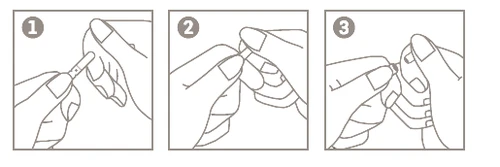
Instructions for opening ampoules (scored at one point)
- Hold the body of the ampoule between thumb and index finger with the tip pointing upwards;
- Place the index finger of the other hand to support the upper part of the ampoule. Position the thumb over the scored point;
- Bringing the index fingers together, press the area marked by the point to open the ampoule.
Any unused medicinal product or waste material must be disposed of in accordance with local regulations.