Furosemide hameln
Poland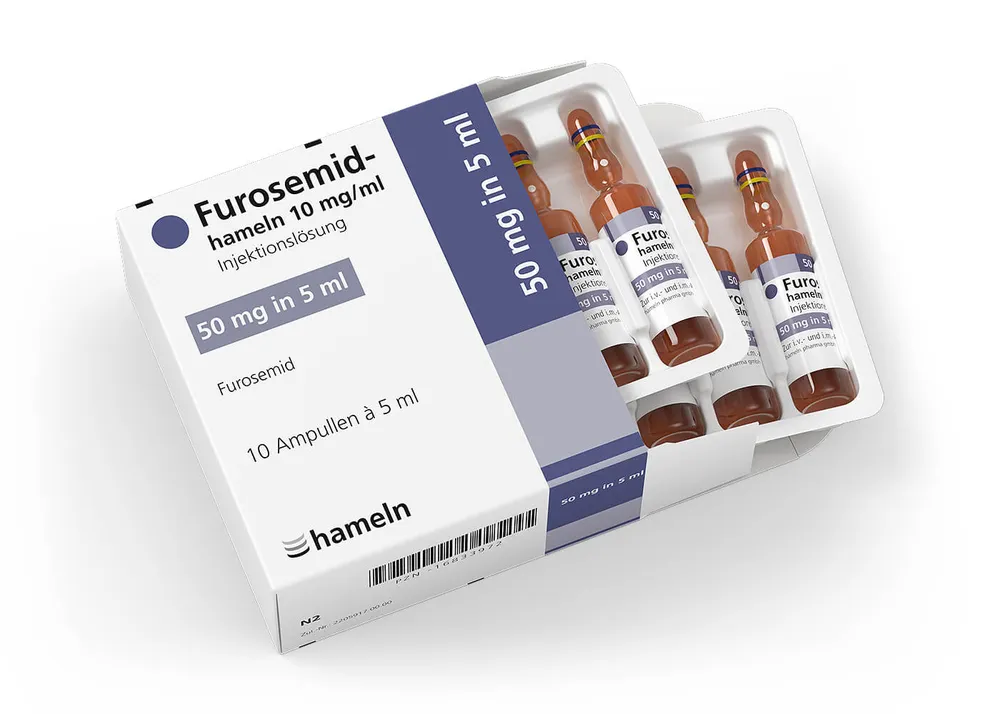
Table of Contents
Package leaflet: Information for the patient
Furosemid hameln, 10 mg/ml, solution for injection/infusion
Furosemidum
Please read all of this leaflet carefully before using this medicine, because it contains
important information for the patient.
- Keep this leaflet for future reference.
- If you have any questions, please consult your doctor or nurse.
- If you experience any adverse reactions, including any not listed in this leaflet, inform your doctor or nurse. See section 4.
Contents of the leaflet
- What Furosemid hameln is and what it is used for
- Important information before using Furosemid hameln
- How to use Furosemid hameln
- Possible side effects
- How to store Furosemid hameln
- Contents of the pack and other information
1. What Furosemid hameln is and what it is used for
Furosemid hameln contains the active substance furosemid, which belongs to a group of medicines known as diuretics or water tablets.
Furosemid hameln is used to rapidly remove excess fluid from the body. It is administered when the patient cannot take oral tablets or when there is a very large amount of fluid in the body. Furosemid hameln is commonly used when excess fluid accumulates around the heart, lungs, liver, or kidneys.
2. Important information before using Furosemid hameln
When not to use Furosemid hameln
- If the patient is allergic to furosemide or any of the other ingredients of this medicine (listed in section 6). If the patient is allergic to sulphonamide drugs (e.g. co-trimoxazole, sulfadiazine), sulphonamide derivatives or amiloride, an allergic reaction to Furosemid hameln may also occur.
- If the patient is dehydrated, has low circulating blood volume (which may cause dizziness, fainting or pale skin) or if the patient is unable to pass urine.
- If the patient has low blood potassium or sodium levels, or other electrolyte imbalances in the blood (detected in blood tests).
- If the patient has severe liver disease (cirrhosis) affecting consciousness.
- If the patient has previously been given certain medicines that caused liver or kidney damage.
- If the patient previously used furosemide to treat difficulty passing urine or kidney failure, or if the patient has kidney failure due to liver dysfunction.
- If the patient has Addison's disease, which may cause fatigue and weakness.
- If the patient is taking digitalis preparations, digoxin, or cardiac glycosides for heart disease.
- If the patient has porphyria, which may present with abdominal pain, vomiting or muscle weakness.
- If the patient is breastfeeding.
Warnings and precautions
Before starting treatment with Furosemid hameln, discuss with the doctor or nurse:
- If the patient has hypotension (low blood pressure) or experiences dizziness when standing up.
- If the patient feels dizzy or is dehydrated. These symptoms may occur due to excessive fluid loss from vomiting, diarrhoea or frequent urination. They may also occur if the patient has difficulty eating or drinking.
- If the elderly patient with dementia is taking risperidone.
- If the patient is elderly, taking other medicines that may lower blood pressure, or has other conditions that increase the risk of low blood pressure.
- If the patient has (or may develop) diabetes.
- If the patient has gout.
- If the patient has (or has had) liver or kidney problems.
- If the patient has difficulty passing urine, for example due to benign prostatic hyperplasia.
- If the patient has low blood protein levels (hypoproteinaemia), as this may reduce the effectiveness of the medicine and increase the risk of hearing damage.
- If the patient has high blood calcium levels.
- If furosemide is to be given to a premature infant, as preterm babies are more prone to developing kidney stones and therefore require close monitoring during treatment.
Do not use Furosemid hameln if the patient is scheduled to receive radiographic contrast agents (because Furosemid hameln may increase the risk of kidney damage).
During treatment, the patient's condition must be monitored, including complete blood count to detect possible blood composition disorders, measurement of sodium, potassium, magnesium, calcium, chloride, bicarbonate levels, kidney function tests (blood urea nitrogen and creatinine levels), and determination of glucose and uric acid levels.
Furosemid hameln and other medicines
Inform the doctor about all medicines currently or recently taken by the patient, as well as any medicines the patient plans to take.
This especially applies to any of the following medicines, as they may interact with Furosemid hameln:
- Medicines supporting heart function (e.g. cardiac glycosides such as digoxin). The doctor may adjust the dose if necessary.
- Medicines used for heart rhythm disorders (e.g. amiodarone, flecainide, lidocaine, mexiletine, disopyramide, beta-blockers (sotalol)).
- Medicines lowering blood pressure, especially so-called ACE inhibitors (ramipril, enalapril, perindopril), angiotensin II receptor antagonists (losartan, candesartan, irbesartan), and renin inhibitors (aliskiren).
- Other medicines used to lower blood pressure or treat heart disease, including diuretics increasing urine output (metolazone), calcium antagonists, hydralazine, minoxidil, trimethaphan, nitrates, prazosin, clonidine, methyldopa, moxonidine, sodium nitroprusside.
- Lithium, used e.g. in the treatment of psychiatric disorders.
- Medicines used to treat pain or inflammatory conditions (e.g. indomethacin, ketorolac, acetylsalicylic acid).
- Antibiotics belonging to the aminoglycoside group, polymyxins, vancomycin (risk of hearing or kidney damage), or cephalosporins, e.g. cephalexin and ceftriaxone. With trimethoprim, there is a risk of low sodium levels.
- Cisplatin used in cancer treatment (increased risk of kidney damage).
- Methotrexate used in cancer, arthritis, psoriasis or other autoimmune diseases – increased risk of furosemide toxicity.
- Cyclosporine used to prevent or treat organ transplant rejection.
- Aldesleukin used in kidney cancer treatment.
- Medicines used to treat epilepsy, e.g. phenytoin, carbamazepine.
- Antihistamines (used to treat allergies).
- Corticosteroids used to treat inflammatory conditions.
- Muscle relaxants such as baclofen and tizanidine, or curare-like medicines.
- Antipsychotics (used to treat psychiatric disorders) (pimozide, amisulpride, sertindole or phenothiazines), tricyclic antidepressants and monoamine oxidase inhibitors (medicines used to treat depression), sleeping pills and anxiolytics (chloral hydrate, trichlorfon), risperidone used in dementia treatment, medicines used to treat attention deficit hyperactivity disorder (ADHD), such as atomoxetine (increased risk of hypokalaemia and heart rhythm disturbances).
- Medicines used in general anaesthesia to induce unconsciousness.
- Antidiabetic medicines.
- Antifungal medicines, e.g. amphotericin (risk of potassium loss).
- Levodopa used in Parkinson's disease treatment (increased risk of low blood pressure).
- Concurrent use of oral contraceptives and estrogen-containing medicines may block the effect of furosemide.
- Medicines used to treat erectile dysfunction, such as alprostadil.
- Theophylline used for wheezing and breathing difficulties associated with asthma.
- Probenecid used in gout treatment.
- Anti-asthma medicines used in high doses, such as salbutamol, terbutaline, salmeterol, formoterol or bambuterol.
- Nasal decongestants such as ephedrine and xylometazoline.
- Aminoglutethimide used in breast cancer treatment.
- Laxatives used to treat constipation, e.g. bisacodyl, senna.
Furosemid hameln with food and alcohol
During treatment with Furosemid hameln, alcohol consumption should be avoided, as it may lead to excessive lowering of blood pressure. Liquorice taken together with Furosemid hameln may increase the risk of potassium loss.
Pregnancy and breastfeeding
If the patient is pregnant, breastfeeding, suspects she may be pregnant, or is planning to have a child, she should consult a doctor or pharmacist before using this medicine.
The doctor will decide whether Furosemid hameln is suitable for the patient.
Furosemide passes into breast milk and may suppress milk secretion. Breastfeeding should be avoided during treatment with Furosemid hameln.
Driving and operating machinery
If administration of Furosemid hameln causes adverse effects, driving vehicles or operating machinery should not be undertaken.
Furosemid hameln contains sodium
This medicine contains up to 100 mg of sodium (the main component of table salt) in each 25 ml of solution (up to 4 mg of sodium in each 1 ml of solution). This corresponds to 5% of the maximum recommended daily sodium intake in the diet of adults.
3. How to use Furosemid hameln
The injection will be administered by a nurse or doctor.
The doctor will determine the appropriate dose, route, and timing of administration for the patient.
During treatment with Furosemid hameln, the doctor may recommend blood tests to monitor
whether fluid and electrolyte balance is maintained in the body.
If Furosemid hameln is being used in a premature newborn infant (preterm infant),
the doctor will monitor kidney function to ensure that Furosemid hameln does not
have an adverse effect on the kidneys.
Administration of a higher than recommended dose of Furosemid hameln
Since the injection is administered by a doctor or nurse, it is unlikely that the patient will receive an excessive dose. However, if the patient believes that an excessive dose has been administered, they should inform the person administering the injection immediately.
Symptoms of furosemide overdose include: low blood pressure (which may cause dizziness, fainting, or pale skin), dehydration, hemoconcentration, and decreased concentrations of sodium and potassium (detected in blood tests).
As a result of fluid loss and electrolyte imbalances, the following may occur: significant drop in arterial blood pressure leading to shock, cardiac arrhythmias, severe impairment of kidney function, thrombosis, reduced mental capacity, paralysis with loss of muscle tone, apathy, and confusion.
After administration of high doses of furosemide, transient hearing loss or an attack of gout may also occur.
If there are any further doubts regarding the use of this medicine, the patient should consult a doctor or nurse.
4. Possible adverse reactions
Like any medicine, this one may cause adverse reactions, although not everyone experiences them.
If any of the serious adverse reactions listed below occur, contact your doctor or nurse immediately – urgent medical care may be necessary.
Allergic reactions.
Allergic reactions may be severe and may include (intense) itching, rash, hives, (high) fever, difficulty breathing, cold and clammy skin, paleness, rapid heartbeat, light sensitivity, red spots on the skin, joint pain and (or) eye inflammation, or conditions such as acute generalized exanthematous pustulosis (AGEP) or drug reaction with eosinophilia and systemic symptoms (DRESS), characterized by a severe acute (allergic) reaction with fever, formation of blisters on the skin / peeling of the epidermis, and small spots resulting from bleeding within the skin. Blistering or peeling of the skin around the lips, eyes, mouth, nose, and genital organs, flu-like symptoms, and fever may be signs of a condition called Stevens-Johnson syndrome. In its more severe form, known as toxic epidermal necrolysis (or Lyell’s syndrome), layers of the epidermis may peel off, leaving large areas of exposed dermis across the body.
Adverse reaction of unknown frequency: Lichenoid reaction with small, itchy, red-violet, polygonal skin lesions, affecting genital organs or the oral cavity.
Severe upper abdominal pain radiating to the back – this may be a sign of pancreatitis.
Symptoms of kidney inflammation, such as blood in urine, pain in the lower back.
Acute kidney failure.
Easy bruising or bleeding, frequent infections (e.g. sore throat, oral mucosal ulcers, fever), unusual weakness or fatigue. Furosemid may affect blood cell counts, causing serious blood disorders.
Increased thirst, headache, dizziness or feeling lightheaded, fainting, confusion, muscle or joint pain or weakness, cramps, stomach discomfort, or irregular heartbeat. These may be symptoms of dehydration or electrolyte imbalance. Significant dehydration may lead to blood clots (especially in elderly patients) or gout attacks.
Symptoms of metabolic acidosis, such as chest pain, irregular heartbeat, nausea, vomiting, weakness.
Yellowing of the skin or eyes and darker urine. These may be signs of liver disorders. In patients with existing liver disease, a more severe condition called hepatic encephalopathy may occur. Symptoms include memory disturbances, seizures, mood changes, and coma.
Life-threatening loss of consciousness.
Contact your doctor as soon as possible if any of the following adverse reactions occur.
Hearing disturbances or ringing in the ears (tinnitus) – particularly in patients with existing kidney problems.
Skin numbness, itching, tingling sensations without cause, or skin tingling.
Minor mood changes, such as restlessness or anxiety.
Dizziness, fainting, and loss of consciousness (caused by postural hypotension), as well as headaches, difficulty concentrating, slowed reactions, drowsiness or fatigue, visual disturbances, dryness of the oral mucosa. These may be symptoms of low blood pressure.
Visual disturbances (blurred vision).
Vasculitis (inflammation of blood vessels).
- Furosemid may cause significant loss of fluids (e.g. due to more frequent urination) and electrolytes (sodium, potassium, magnesium, calcium) – frequency unknown (frequency cannot be estimated from available data).
- Symptoms of sodium deficiency: dizziness, drowsiness, confusion, feeling weak, apathy, loss of appetite, calf muscle cramps.
- Symptoms of potassium deficiency: muscle weakness and loss of muscle tone in one or more muscles (paralysis), increased urination, heart disturbances; in severe cases – intestinal dysfunction or confusion leading to coma.
- Symptoms of magnesium and calcium deficiency: increased muscle irritability, irregular heartbeat.
Inform your doctor or pharmacist if any of the following adverse reactions worsen, persist for more than a few days, or if any adverse reactions not listed in this leaflet occur.
Nausea or general malaise, diarrhoea, vomiting, and constipation.
Pain during urination in patients with bladder or prostate disorders. This is due to increased urine output.
If the patient has diabetes, it may be difficult to control blood glucose levels.
Increased urine output, typically occurring 1 or 2 hours after taking the medicine.
Pain at the injection site following intramuscular injection.
Hearing loss (deafness), which may sometimes be irreversible.
Blood tests
Furosemid may affect liver enzyme activity or blood lipid levels (cholesterol and triglycerides), but these usually return to normal within 6 months.
Additional adverse reactions in children
In preterm infants, cases of calcium salt deposition in the kidneys and heart defects such as patent ductus arteriosus have been reported after furosemid administration.
If you have any doubts about using the medicine, speak to your doctor or nurse.
Reporting of adverse reactions
If any adverse symptoms occur, including any not listed in this leaflet, inform your doctor, pharmacist, or nurse.
Adverse reactions can be reported directly to:
Department of Monitoring of Adverse Drug Reactions
Office for Registration of Medicinal Products, Medical Devices and Biocidal Products
Al. Jerozolimskie 181C, 02-222 Warsaw
Tel.: +48 22 49 21 301 Fax: +48 22 49 21 309, Website: https://smz.ezdrowie.gov.pl
Adverse reactions can also be reported to the marketing authorization holder.
Reporting adverse reactions helps provide more information on the safety of the medicine.
5. How to store Furosemid hameln
Keep this medicine out of sight and reach of children.
Do not use this medicine after the expiry date stated on the ampoule or carton.
The expiry date refers to the last day of the specified month.
Store below 25°C. Keep in the original packaging to protect from light.
Do not use this medicine if visible particles are present in the injection/infusion solution or if there has been a change in its colour.
Medicines must not be disposed of via wastewater. Ask your pharmacist how to dispose of medicines no longer required. These measures will help protect the environment.
6. Contents of the pack and other information
What Furosemid hameln contains
- The active substance is furosemide. Each 1 ml of solution contains 10 mg of furosemide. Each 2 ml of solution contains 20 mg of furosemide. Each 4 ml of solution contains 40 mg of furosemide. Each 5 ml of solution contains 50 mg of furosemide. Each 25 ml of solution contains 250 mg of furosemide.
- The excipients are sodium chloride, sodium hydroxide (for pH adjustment) and water for injections.
What Furosemid hameln looks like and contents of the pack
Furosemid hameln is a clear, colourless to slightly brownish-yellow solution, free from visible particles.
The 2 ml, 4 ml, 5 ml or 25 ml solution is supplied in type I amber glass ampoules with one point (OPC).
Available pack sizes of Furosemid hameln:
5 or 10 ampoules of 2 ml in a cardboard box
5 or 10 ampoules of 4 ml in a cardboard box (in 5 ml ampoules)
5 or 10 ampoules of 5 ml in a cardboard box
5 or 10 ampoules of 25 ml in a cardboard box
Not all pack sizes may be marketed.
Marketing Authorisation Holder and Manufacturer
Marketing Authorisation Holder:
hameln pharma gmbh, Inselstraße 1, 317 87 Hameln, Germany
Tel.: +49 171 766 2789
Manufacturer / Importer:
Siegfried Hameln GmbH, Langes Feld 13, 317 89 Hameln, Germany
HBM Pharma s.r.o., Sklabinská 30, 036 80 Martin, Slovakia
hameln rds s.r.o., Horná 36, 900 01 Modra, Slovakia
Zakłady Farmaceutyczne POLPHARMA S.A., ul. Pelplińska 19, 83-200 Starogard Gdański, Poland
This medicinal product is authorised in the European Economic Area and the United Kingdom (Northern Ireland) under the following names:
| BG | Furosemid hameln 10 mg/ml injection solution |
| CZ | Furosemid hameln |
| DE | Furosemid-hameln 10 mg/ml injection solution |
| DK | Furosemid hameln |
| FI | Furosemid hameln, 10 mg/ml injection solution, solution |
| HR | Furosemid hameln 10 mg/ml solution for injection |
| HU | Furosemid hameln 10 mg/ml solution for injection |
| IE | Furosemide 10mg/ml solution for injection |
| PL | Furosemid hameln |
| RO | Furosemid hameln 10 mg/ml solution for injection |
| SI | Furosemid hameln 10 mg/ml solution for injection |
| SK | Furosemid hameln 10 mg/ml injection solution |
| UK (NI) | Furosemide 10 mg/ml solution for injection |
-----------------------------------------------------------------------------------------------------------------------
Information intended exclusively for medical professionals:
INSTRUCTIONS FOR PRODUCT PREPARATION:
Furosemid hameln, 10 mg/ml, solution for injection/infusion
Furosemid hameln is a clear, colourless to slightly brownish-yellow solution without visible particles.
pH 8.0–9.3
For intravenous or intramuscular administration.
Pharmaceutical incompatibilities
Furosemide must not be mixed in the same syringe with other medicinal products, as precipitation occurs when mixed with dobutamine, diazepam, doxorubicin, droperidol, gentamicin, glucose, mannitol, metoclopramide, potassium chloride, tetracycline, vincristine, and vitamins.
Furosemide must not be administered simultaneously via the same infusion line with adrenaline, isoprenaline, lidocaine, or pethidine.
Dilution
Furosemid hameln may be diluted with 5% glucose solution (50 mg/ml), 0.9% sodium chloride solution (9 mg/ml), or Ringer's solution.
Shelf life
Unopened ampoules: 3 years.
Opened ampoules: the medicinal product should be used immediately after opening the ampoule.
Prepared infusion solutions: chemically and physically stable for 72 hours at 25°C when diluted with 5% glucose solution (50 mg/ml), 0.9% sodium chloride solution (9 mg/ml), or Ringer's solution.
From a microbiological standpoint, the product should be used immediately. If not used immediately, the storage time and conditions prior to use are the responsibility of the user. Normally, this period should not exceed 24 hours at a temperature of 2°C to 8°C, unless the solution was prepared under controlled and validated aseptic conditions.