Extraneal peritoneal dialysis set
Poland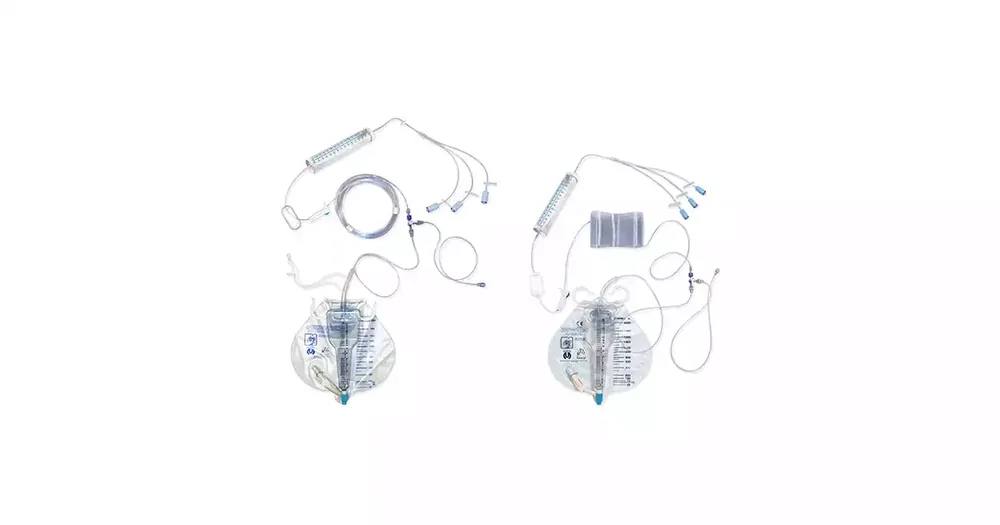
Table of Contents
Package leaflet: Information for the user
EXTRANEAL Peritoneal Dialysis Set
Peritoneal dialysis solution
Please read all of this leaflet carefully before using this medicine because it contains important information for you.
- Keep this leaflet. You may need to read it again.
- If you have any further questions, ask your doctor.
- If you get any side effects, including any not listed in this leaflet, tell your doctor. See section 4.
Contents of the leaflet:
- What EXTRANEAL is and what it is used for
- What you need to know before you use EXTRANEAL
- How to use EXTRANEAL
- Possible side effects
- How to store EXTRANEAL
- Contents of the pack and other information
1. WHAT EXTRANEAL IS AND WHAT IT IS USED FOR
EXTRANEAL is a peritoneal dialysis solution. The peritoneal cavity is the space inside the abdomen located between the parietal peritoneum and the visceral peritoneum. The peritoneum is the membrane lining the internal organs such as the intestines and liver. EXTRANEAL solution is introduced into the peritoneal cavity, where it removes water and waste products from the blood. It also corrects abnormal levels of various blood components.
Your doctor may prescribe EXTRANEAL if:
- you are an adult with permanent kidney failure requiring peritoneal dialysis;
- standard glucose-containing peritoneal dialysis solutions do not remove enough fluid.
2. IMPORTANT INFORMATION BEFORE USING EXTRANEAL
During the first administration of this medicinal product, the patient must remain under medical supervision.
When NOT to use EXTRANEAL
- if the patient is allergic to icodextrin, starch and its derivatives (e.g. corn starch), or any of the other components of EXTRANEAL;
- if the patient has malto- or isomaltose intolerance (a sugar derived from starch);
- if the patient has a disorder characterized by abnormal glycogen storage;
- if the patient has previously experienced severe lactic acidosis (excess acid in the blood);
- if the patient has a non-operable defect of the abdominal wall or abdominal cavity, or uncorrectable conditions increasing the risk of intra-abdominal infections;
- if the patient has documented loss of peritoneal function due to severe peritoneal fibrosis.
Warnings and precautions
Before starting treatment with EXTRANEAL, discuss this with your doctor.
- if the patient is elderly. There is a risk of dehydration.
- if the patient has diabetes and is using this solution for the first time. Insulin dosage adjustments may be necessary.
- if the patient needs to measure blood glucose levels (e.g. due to diabetes). The doctor will advise which test kit should be used (see “Other types of interactions”).
- if the patient is at increased risk of developing severe lactic acidosis (excess acid in the blood). Increased risk of lactic acidosis may occur due to:
- profound drop in blood pressure or blood infection, which may be associated with acute kidney failure;
- inherited metabolic disorders;
- use of metformin (a drug used in the treatment of diabetes);
- use of drugs used in HIV treatment, especially drugs known as NRTIs (nucleoside reverse transcriptase inhibitors).
- if the patient experiences abdominal pain or notices cloudiness, lack of clarity, or sediment in the drained fluid. These may be symptoms of peritonitis or infection. Contact the treating medical team immediately. Record the batch number and bring the bag containing the drained fluid. The doctors will decide whether treatment should be discontinued or corrective treatment initiated. For example, in case of infection, the doctor may order certain tests to determine the best antibiotic choice. Before identifying the type of infection, the doctor may administer an antibiotic effective against many different bacteria. Such a drug is called a broad-spectrum antibiotic.
- during peritoneal dialysis, the body may lose protein, amino acids, and vitamins. The doctor will decide when supplementation is required.
- if the patient has diseases of the abdominal wall or abdominal cavity, such as hernia, chronic infections, or intestinal inflammation.
- if the patient has an implanted aortic vascular prosthesis.
- if the patient has severe lung disease, e.g. pulmonary emphysema.
- if the patient has respiratory disorders.
- if the patient has disorders precluding normal nutrition.
- if the patient has potassium deficiency.
Also consider the following:
- a condition called encapsulating peritoneal sclerosis (EPS) is a known, rare complication of peritoneal dialysis treatment. The patient, together with the doctor, should be aware of the possibility of this complication. EPS causes:
- inflammation of the abdominal cavity;
- development of a fibrous tissue layer covering and binding organs, impairing their natural movement. In rare cases, this has been fatal.
- the patient – possibly together with the doctor – should record data regarding fluid balance and body weight. The doctor will regularly monitor blood parameters;
- the doctor will regularly monitor potassium levels. If the level is too low, the doctor may administer potassium chloride to correct the deficiency.
Sometimes use of this medicinal product is not recommended, e.g.:
- if the patient has acute kidney disease.
Children
The safety and efficacy of EXTRANEAL in children under 18 years of age have not been established.
EXTRANEAL and other medicinal products
Inform your doctor about all medicinal products currently used, recently used, or planned for use.
- If the patient is taking other medicinal products, the doctor may increase their dosage, as peritoneal dialysis increases the elimination of certain drugs.
- Patients taking heart medications called cardiac glycosides (e.g. digoxin) should exercise caution. The cardiac medication may be less effective or its toxicity may be enhanced. In the patient:
- potassium and calcium levels may require supplementation;
- cardiac arrhythmias may develop. During treatment, the doctor will carefully monitor the patient’s condition, especially potassium levels.
Other types of interactions
EXTRANEAL interferes with blood glucose measurement performed using certain test kits. If blood glucose measurement is necessary, ensure that the test kit used is glucose-specific. The doctor will advise which test kit to use.
Using an inappropriate test may yield falsely high blood glucose readings. This may lead to administration of excessive insulin, causing hypoglycaemia (low blood glucose), which may result in loss of consciousness, coma, neurological damage, and death. Additionally, a falsely high glucose reading may also mask actual hypoglycaemia, which, if untreated, may lead to similar consequences.
For up to two weeks after discontinuation of EXTRANEAL, glucose measurements may yield falsely high results. If the patient is admitted to hospital, they should inform doctors about the possibility of this interaction, and the doctors, after carefully reviewing the test kit information, must ensure that the test kit used is glucose-specific.
Pregnancy and breastfeeding
If the patient is pregnant or breastfeeding, suspects she may be pregnant, or is planning to have a child, she should consult her doctor before using this medicinal product. EXTRANEAL is not recommended during pregnancy or breastfeeding unless otherwise decided by the doctor.
Driving and operating machinery
This type of treatment may cause fatigue, weakness, blurred vision, or dizziness. Do not drive or operate machinery if such symptoms occur.
3. HOW TO USE EXTRANEAL
EXTRANEAL is intended for administration into the peritoneal cavity located in the
abdomen, between the layers of the peritoneum. The peritoneum is a membrane surrounding internal organs,
such as the intestines and liver.
This medicine should always be used exactly as directed by healthcare professionals
specializing in peritoneal dialysis. If in doubt, consult your
physician.
Recommended dose
- One bag per day during the exchange with the longest dwell time, i.e.:
- overnight in the case of continuous ambulatory peritoneal dialysis (CAPD);
- during the day in the case of automated peritoneal dialysis (APD).
- The recommended volume should be administered over approximately 10 to 20 minutes.
- The dwell time of EXTRANEAL ranges from 6–12 hours in CAPD and 14–16 hours in APD.
Method of administration
Before use,
- Warm the bag to a temperature of 37°C. Use heating plates specifically designed for this purpose. Never immerse the bag in water for warming.
- During administration of the solution, follow aseptic techniques as instructed during training.
- Before starting the exchange, ensure that hands and the area where the exchange will be performed are clean.
- Before opening the protective bag, check the solution type, expiration date, and quantity (volume). Lift the dialysis bag and inspect for leakage (presence of fluid in the protective bag). Do not use if the bag is leaking.
- After removing the protective bag, check the container for leakage by firmly squeezing the bag. Do not use if the bag is leaking.
- Check whether the solution is clear. Do not use the bag if the solution is cloudy or contains particles.
- Before starting the exchange, ensure that all connections are secure.
- Consult your physician if you have any questions or doubts regarding this product or its use.
The bag must be used only once. Any unused portion of the solution must be discarded.
After use, check whether the drained fluid is cloudy.
Compatibility with other medicines
Your physician may prescribe additional injectable medicines to be administered directly into the
EXTRANEAL solution bag. In such cases, add the medicine through the medication port (access port)
located at the bottom of the bag. The product should be used immediately after adding the medicine. In
case of doubt, consult your physician.
If more than one bag of EXTRANEAL is used within 24 hours
If too much EXTRANEAL is administered, the following may occur:
- abdominal distension;
- sensation of fullness, and/or
- shortness of breath.
Contact your physician immediately. The physician will advise on the appropriate course of action.
Discontinuation of EXTRANEAL treatment
Do not discontinue peritoneal dialysis without consulting your physician. Stopping treatment may
lead to life-threatening consequences for the patient.
4. POSSIBLE ADVERSE REACTIONS
Like all medicines, EXTRANEAL may cause adverse reactions, although not everyone will
experience them.
If any adverse reactions occur, including those not listed in this leaflet, inform your doctor.
If any of the following adverse reactions occur, tell your doctor immediately or contact the
peritoneal dialysis centre without delay:
- hypertension (blood pressure higher than usual);
- swelling of ankles or legs, puffy eyes, breathlessness, or chest pain (hypervolemia);
- hypersensitivity (allergic reaction), which may present as facial or throat swelling, or swelling around the eyes (angioedema);
- abdominal pain;
- chills (chills/flu-like symptoms). These may be signs of serious adverse reactions. Urgent medical care may be required.
Adverse reactions that are common (occurring in 1 out of 10 people) in patients
using EXTRANEAL:
- redness and peeling of the skin, rash, itching (pruritus);
- feeling of emptiness in the head or dizziness, thirst (dehydration);
- reduced blood volume (hypovolemia);
- abnormal laboratory test results;
- weakness, headache, feeling of fatigue;
- swelling of ankles or legs;
- low blood pressure (hypotension);
- ringing in the ears;
Other adverse reactions associated with peritoneal dialysis procedure or commonly
occurring after administration of other peritoneal dialysis solutions:
- cloudy dialysate drained from the peritoneal cavity, abdominal pain;
- bleeding from the peritoneal cavity, presence of pus, swelling, pain or infection around the catheter exit site, catheter blockage, trauma, catheter-related interactions;
- low blood sugar (hypoglycemia);
- shock or coma due to low blood sugar;
- high blood sugar (hyperglycemia);
- nausea, vomiting, loss of appetite, dry mouth, constipation, diarrhea, bloating (gas), gastrointestinal disorders such as intestinal obstruction, gastric ulcer, gastritis, indigestion;
- abdominal swelling, abdominal hernia (causing groin lumps);
- changes in blood test results;
- abnormal liver function tests;
- weight gain or weight loss;
- pain, fever, malaise;
- heart disease, rapid heartbeat, breathlessness or chest pain;
- anemia (reduced number of red blood cells, which may cause paleness of the skin, breathlessness, and weakness); increased or decreased white blood cell count; reduced platelet count, increasing the risk of bleeding or bruising;
- numbness, tingling, or burning sensation;
- hyperkinesia (increased motor activity and inability to remain still);
- blurred vision;
- loss of taste;
- fluid in the lungs (pulmonary edema), breathlessness, difficulty breathing or wheezing, cough, hiccups;
- kidney pain;
- nail disorders;
- skin disorders such as urticaria, psoriasis, skin ulcers, skin eruptions, dry skin, skin discoloration, blistering of the skin, allergic or contact dermatitis, rashes or itching;
- rashes possibly with itching, with red spots covered with papules or lesions, or skin peeling. Three types of severe skin reactions may occur:
- toxic epidermal necrolysis (TEN). This causes:
- red rash affecting multiple areas of the body
- peeling of the outer layer of skin
- erythema multiforme. An allergic skin reaction characterized by spots with red borders or purple areas, or areas covered with blisters. It may also affect the mouth, eyes, and other mucous membranes;
- vasculitis. Inflammation of certain blood vessels. Clinical manifestations depend on the body parts involved, but may present on the skin as red or purple nodules or spots, or resemble an allergic reaction, including rash, joint pain, and fever.
- muscle cramps, bone, joint, muscle, back, neck pain;
- drop in blood pressure upon standing (orthostatic hypotension);
- peritonitis, including peritonitis caused by fungal or bacterial infections;
- infections, including flu-like syndrome, boils;
- disturbances in thinking, anxiety, nervousness.
Reporting of adverse reactions
If any adverse reactions occur, including those not listed in this leaflet, inform your doctor, pharmacist, or nurse.
Adverse reactions can be reported directly to the Department of Monitoring Adverse Drug Reactions at the Office for Registration of Medicinal Products, Medical Devices and Biocidal Products
Al. Jerozolimskie 181C
02-222 Warszawa
Tel.: + 48 22 49 21 301
Fax: + 48 22 49 21 309
Website: https://smz.ezdrowie.gov.pl
Adverse reactions can also be reported to the marketing authorization holder.
Reporting adverse reactions helps provide more information on the safety of the medicine.
5. HOW TO STORE EXTRANEAL
- Keep the medicine out of the sight and reach of children.
- Store in the original packaging.
- Do not store at temperatures below 4°C.
- Do not use EXTRANEAL after the expiry date. The expiry date is stated on the carton and on the bag following the abbreviation "Exp." and the symbol . The expiry date refers to the last day of the specified month.
- EXTRANEAL should be disposed of according to the instructions received during training.
6. CONTENTS OF THE PACKAGE AND OTHER INFORMATION
The leaflet does not contain all information about the medicine. If you have any questions or doubts,
you should consult your doctor.
What the medicine EXTRANEAL contains
The active substances of the medicine are:
| Icodextrin | 75 g/l |
| Sodium chloride | 5.4 g/l |
| Sodium S-lactate | 4.5 g/l |
| Calcium chloride 2H2O | 0.257 g/l |
| Magnesium chloride 6H2O | 0.051 g/l |
| Sodium | 133 mmol/l |
| Calcium | 1.75 mmol/l |
| Magnesium | 0.25 mmol/l |
| Chloride | 96 mmol/l |
| Lactate | 40 mmol/l |
Other ingredients of the medicinal product are:
- water for injections;
- sodium hydroxide or hydrochloric acid.
What EXTRANEAL looks like and contents of the pack
- EXTRANEAL is packed in flexible plastic bags with a capacity of 1.5 litres, 2.0 litres or 2.5 litres.
- The solution in the bags is clear and colourless.
- Each bag is contained within an outer protective bag and supplied in a cardboard box.
| Volume | Number of bags per box | Type of bag | Connector type |
| 1.5 l | 6 | Single bag (ADO) | Luer |
| 1.5 l | 6 | Double bag (CADO) | Luer |
| 1.5 l | 8 | Single bag (ADO) | Luer |
| 1.5 l | 8 | Double bag (CADO) | Luer |
| 2.0 l | 5 | Single bag (ADO) | Luer |
| 2.0 l | 5 | Double bag (CADO) | Luer |
| 2.0 l | 6 | Single bag (ADO) | Luer |
| 2.0 l | 6 | Double bag (CADO) | Luer |
| 2.0 l | 8 | Single bag (ADO) | Luer |
| 2.0 l | 8 | Double bag (CADO) | Luer |
| 2.5 l | 4 | Single bag (ADO) | Luer |
| 2.5 l | 4 | Double bag (CADO) | Luer |
| 2.5 l | 5 | Single bag (ADO) | Luer |
| 2.5 l | 5 | Double bag (CADO) | Luer |
Not all pack sizes may be marketed.
Marketing Authorisation Holder
Vantive Belgium SRL
Boulevard d’Angleterre 2
1420 Braine-l’Alleud
Belgium
Manufacturer
Vantive Manufacturing Limited
Moneen Road
Castlebar, County Mayo
Ireland
Vantive and Extraneal are trademarks of Vantive Health LLC or its affiliated companies.