Endoxan
Poland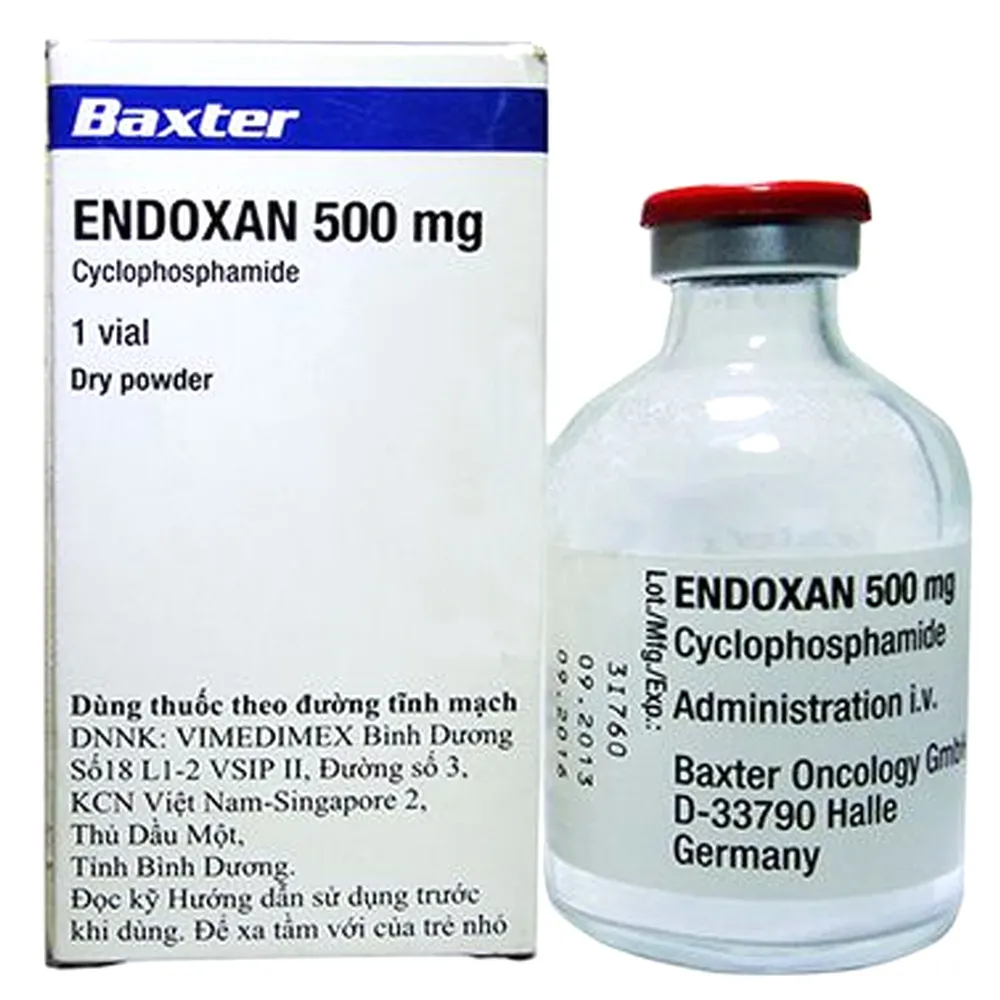
Table of Contents
Patient Information Leaflet
Endoxan, 200 mg, powder for solution for injection
Please read all of this leaflet before taking this medicine, as it contains important information
for you.
- Keep this leaflet, as you may need to read it again.
- Ask your doctor or pharmacist if you have any further questions.
- This medicine has been prescribed for you personally. Do not pass it on to others.
- It may harm them, even if their symptoms are the same as yours.
- If any side effects worsen or if you notice any side effects not listed in this leaflet, inform your doctor or pharmacist.
Important information about Endoxan
Endoxan is prescribed for the treatment of cancer.
Endoxan is a very potent medicine that destroys cancer cells, but it also attacks healthy
cells in the body. Therefore, Endoxan may cause many serious side effects.
Your doctor has decided to prescribe this medicine because the risk posed by the cancer is greater
than the potential risks of side effects. Your doctor will carry out regular check-ups and, whenever possible, treat any side effects that occur.
Endoxan
- may reduce the number of blood cells, which can cause fatigue and increase susceptibility to infections.
- may affect the function of the kidneys and urinary bladder. Your doctor may prescribe another medicine, Uromitexan (containing mesna), to prevent damage to the urinary bladder. If you notice blood in your urine, inform your doctor immediately.
- like most anticancer medicines, may cause hair loss (ranging from thinning hair to complete baldness), although hair should regrow after treatment ends. The medicine may also cause nausea or vomiting. Your doctor will provide advice and prescribe appropriate medicines to help relieve these symptoms. Men and women should not father or conceive a child during treatment with cyclophosphamide or for at least 6 months after treatment ends. Patients should use effective contraception during this time. Please consult your doctor for advice.
Please read the rest of this leaflet. It contains important information about the use of
Endoxan that may be particularly relevant to you.
Contents of this leaflet:
- What Endoxan is and what it is used for
- What you need to know before you use Endoxan
- How to use Endoxan
- Possible side effects
- How to store Endoxan
- Contents of the pack and other information
1. What Endoxan is and what it is used for
Endoxan is a cytotoxic medicine, also known as an anticancer agent. It works by destroying cancer cells (a process known as "chemotherapy").
Endoxan is used in the treatment of many different types of cancer. It is often used in combination
with other anticancer medicines or radiotherapy. Occasionally, doctors may prescribe this medicine for conditions not related to cancer; in such cases, your doctor will inform you why this medicine has been prescribed.
2. Important information before using Endoxan
When not to use Endoxan
- if the patient is allergic to Endoxan (cyclophosphamide). An allergic reaction may present with symptoms such as: shortness of breath, wheezing, rash, itching, or swelling of the face and lips;
- if the patient has bone marrow dysfunction (especially in patients previously treated with chemotherapy or radiotherapy). The doctor will order blood tests to assess bone marrow function;
- if the patient has a urinary tract infection, manifesting as pain during urination (cystitis);
- if the patient has difficulty urinating (cystitis);
- if the patient currently has an infection;
- if the patient has previously experienced kidney or bladder problems due to prior chemotherapy or radiotherapy;
- if the patient has limited ability to urinate (urinary outflow obstruction).
Please inform your doctor if:
- the patient is currently undergoing or has recently undergone radiotherapy or chemotherapy;
- the patient has diabetes;
- the patient has liver or kidney problems. The doctor will check liver and kidney function with blood tests;
- the patient has had adrenal glands removed;
- the patient has heart problems or has undergone radiotherapy to the chest area;
- the patient’s general health is poor or the patient is weakened;
- the patient is elderly.
Warnings and precautions
- Cyclophosphamide may affect blood and the immune system.
- Blood cells are produced in the bone marrow. There are three types of blood cells:
- red blood cells, which carry oxygen throughout the body;
- white blood cells, which fight infections;
- platelets, which help blood clotting.
- After taking cyclophosphamide, the number of all three types of blood cells decreases. This is an unavoidable effect of cyclophosphamide. The lowest blood cell counts occur 5–10 days after starting treatment and may persist for several days after the end of a treatment cycle. In most people, blood cell counts return to normal within 21 to 28 days. However, in patients previously treated multiple times with chemotherapy, normalization may take longer.
- When blood cell counts are low, the patient may be more susceptible to infections. Close contact with people who have coughs, colds, or other infections should be avoided. The doctor will initiate appropriate treatment if infection is suspected or develops.
- Before starting cyclophosphamide and during treatment, the doctor will monitor whether red blood cell, white blood cell, and platelet counts are sufficiently high. It may be necessary to reduce the dose or delay the next dose.
- Cyclophosphamide may affect wound healing. All cuts and wounds should be kept clean, dry, and monitored for proper healing.
- It is important to maintain good oral hygiene, as mouth ulcers and infections may occur. Consult your doctor if in doubt.
- Cyclophosphamide may damage the lining of the bladder, causing bleeding in the urine and pain during urination. The doctor is aware of this risk and may prescribe mesna, which protects the bladder.
- Mesna may be administered either as a short intravenous injection, added to the cyclophosphamide infusion, or taken orally as tablets.
- More information about mesna can be found in the patient leaflet provided with mesna injections and tablets.
- Most patients receiving cyclophosphamide together with mesna do not experience bladder problems, but the doctor may decide to
- perform urine tests for blood using dipstick tests or microscopy.
- If blood is detected in the urine, the doctor must be informed immediately, as treatment with cyclophosphamide may need to be discontinued.
- Anticancer drugs and radiotherapy may increase the risk of developing other cancers, which may occur even years after treatment ends. Cyclophosphamide increases the risk of bladder cancer.
- Cyclophosphamide may damage the heart or affect heart rhythm. This risk increases with high doses of cyclophosphamide, in patients undergoing radiotherapy or receiving other chemotherapy drugs, and in elderly patients. The doctor will closely monitor heart function during treatment.
- Cyclophosphamide may cause lung infection or scarring. This may occur more than 6 months after treatment ends. If breathing difficulties occur, the doctor must be informed immediately.
- Cyclophosphamide may have life-threatening effects on the liver.
- If sudden weight gain, liver pain, or jaundice occur, the doctor must be informed immediately.
- Hair loss may occur, leading to thinning or complete hair loss. Hair will regrow normally, although it may have a different texture or color.
- Cyclophosphamide may cause nausea and vomiting. This may last for about 24 hours after administration. The patient may require anti-nausea medication. Please consult your doctor.
Other medicines and Endoxan
Tell your doctor or nurse about all medicines you are currently taking or have recently taken, including those available without a prescription. Inform your doctor or nurse especially if you are taking or have received the following medicines or treatments, as they may interfere with cyclophosphamide:
Medicines that reduce the effectiveness of cyclophosphamide:
- aprepitant (used to prevent vomiting)
- bupropion (an antidepressant)
- busulfan, thiotepa (used in cancer treatment)
- ciprofloxacin, chloramphenicol (used to treat bacterial infections)
- fluconazole, itraconazole (used to treat fungal infections)
- prasugrel (used to thin the blood)
- sulfonamides, such as sulfadiazine, sulfasalazine, sulfamethoxazole (used to treat bacterial infections)
Medicines that increase cyclophosphamide toxicity:
- allopurinol (used to treat gout)
- azathioprine (used to suppress immune system activity)
- chloral hydrate (used to treat insomnia)
- cimetidine (used to treat stomach acidity)
- disulfiram (used to treat alcoholism)
- glyceryl aldehyde (used to treat delirium tremens)
- protease inhibitors (used to treat viral infections)
- ondansetron (used to prevent vomiting)
- medicines that increase liver enzyme activity, such as:
- rifampicin (used to treat bacterial infections)
- carbamazepine, phenobarbital, phenytoin (used to treat epilepsy)
- St. John's wort (a herbal remedy for mild depression)
- corticosteroids (used to treat inflammatory conditions)
- medicines that increase toxic effects on blood cells and the immune system:
- angiotensin-converting enzyme (ACE) inhibitors (used to treat high blood pressure)
- natalizumab (used to treat multiple sclerosis)
- paclitaxel (used to treat cancer)
- thiazide diuretics such as hydrochlorothiazide or chlorthalidone (used to treat high blood pressure or fluid retention)
- zidovudine (used to treat viral infections)
- clozapine (used to treat symptoms of certain psychiatric disorders)
- medicines that increase toxic effects on the heart:
- anthracycline antibiotics, such as bleomycin, doxorubicin, epirubicin, mitomycin (used in cancer treatment)
- cytarabine, pentostatin, trastuzumab (used in cancer treatment)
- radiotherapy to the chest area
- medicines that increase toxic effects on the lungs:
- amiodarone (used to treat heart rhythm disorders)
- G-CSF, GM-CSF hormones (used to increase white blood cell count after chemotherapy)
- medicines that increase toxic effects on the kidneys:
- amphotericin B (used to treat fungal infections)
- indomethacin (used to treat pain and inflammation)
Other medicines that interfere with cyclophosphamide or whose effects are altered by cyclophosphamide:
- etanercept (used to treat rheumatoid arthritis)
- metronidazole (used to treat bacterial and protozoal infections)
- tamoxifen (used to treat breast cancer)
- bupropion (used as an aid to quit smoking)
- coumarins such as warfarin (used to thin the blood)
- cyclosporine (used to suppress the immune system)
- succinylcholine (used to relax muscles during medical procedures)
- digoxin, β-acetyldigoxin (used to treat heart conditions)
- vaccines
- verapamil (used to treat high blood pressure, angina, or heart rhythm disorders)
Endoxan with food and drink
Alcohol may worsen nausea and vomiting caused by cyclophosphamide.
Pregnancy, breastfeeding, and contraception
Do not become pregnant during treatment with cyclophosphamide. It may cause miscarriage or harm the unborn child. If the patient is pregnant, suspects she may be pregnant, or is planning a pregnancy, she must inform her doctor.
- Men and women should not attempt to conceive a child during treatment or for at least 6 to 12 months after treatment ends. Effective contraception methods should be used. Consult your doctor for advice.
- Cyclophosphamide may affect future fertility. Consider discussing with your doctor the possibility of sperm or egg freezing before starting treatment. Do not breastfeed while taking cyclophosphamide. Consult your doctor.
Driving and using machines
Some side effects of cyclophosphamide may affect the ability to drive safely or operate machinery. Your doctor will decide whether it is safe for you to perform these activities.
What to do when visiting another doctor or hospital during treatment
If you visit another doctor or hospital during treatment, regardless of the reason, inform the medical staff about all medicines you are taking. Do not take any other medicines without first informing your doctor that you are receiving cyclophosphamide.
3. How to use Endoxan
Cyclophosphamide is administered by a doctor or nurse.
- Endoxan may be given as an infusion.
- Endoxan is delivered from a large bag via a slow intravenous drip (infusion) directly into a vein. The infusion may be administered through a small needle inserted into the arm or hand. In some patients, a central venous catheter is inserted into the subclavian vein, and Endoxan may be administered through this catheter. The infusion usually lasts from several minutes to one hour, depending on the dose.
- Cyclophosphamide is often administered together with other anticancer drugs or in combination with radiotherapy.
Typical dosage
- The doctor will determine the appropriate dose required for each individual patient and the timing of administration.
- The dose of cyclophosphamide depends on:
- the type of disease;
- body size (height and weight);
- the patient's general health;
- the use of other anticancer drugs or radiotherapy.
Cyclophosphamide is usually administered in a series of treatment cycles. After each treatment cycle, a break (a period without cyclophosphamide administration) follows before the next cycle begins.
The doctor may consider it necessary to adjust the dose of the administered drug and closely monitor the patient if:
- the patient has liver or kidney problems;
- the patient is elderly.
Overdose of Endoxan
In case of overdose or accidental ingestion of any tablets by a child, contact a doctor or the local hospital emergency department immediately. Specialist treatment may be required.
4. Possible adverse reactions
Endoxan is a very potent anticancer medicine. Like all medicines, Endoxan may
cause adverse reactions, although not everyone will experience them.
If any of the following serious adverse reactions occur, contact your doctor immediately:
- allergic reactions, with symptoms such as shortness of breath, wheezing, rash, itching, or swelling of the face and lips;
- appearance of bruises without injury or bleeding from the gums. This may be a sign indicating too low a blood cell count;
- decrease in white blood cells, which your doctor will monitor during treatment. This will not cause any visible symptoms, but the patient will be more susceptible to infections. If an infection is suspected (high temperature, chills or fever, sweating, or any sign of infection such as cough or burning pain during urination), the patient may require antibiotics to treat the infection, as the number of blood cells is lower than normal;
- marked paleness, lethargy, fatigue. These may be signs of low red blood cell count (anaemia). Usually no treatment is required, as the body will eventually produce red blood cells again. If anaemia is severe, blood transfusion may be necessary;
- blood in the urine, pain or reduced amount of urine passed.
Other possible adverse reactions that may occur:
Immune system
- allergic reactions, with symptoms such as shortness of breath, wheezing, rash, itching, or swelling of the face and lips.
Gastrointestinal system
- nausea and vomiting. These may last for about 24 hours after administration of cyclophosphamide. The patient may require anti-nausea and anti-vomiting medication. Please consult your doctor;
- inflammation of the mucous membrane of the mouth, including ulcers;
- severe abdominal and back pain (pancreatitis).
Skin and hair
- hair loss. The patient may notice slightly increased hair shedding during combing or washing, or may lose most or all of their hair. The degree of hair loss depends on the dose of cyclophosphamide, hair density, and concomitant use of other anticancer drugs. When cyclophosphamide is used in combination with other anticancer drugs, the likelihood of hair loss is significantly higher compared to using cyclophosphamide alone;
- yellowing of the skin or whites of the eyes (jaundice), caused by liver problems;
- paleness (anaemia), caused by low red blood cell count. Your doctor will monitor this during treatment;
- increased tendency to bruising, caused by slow blood clotting;
- changes in nail and skin colour.
Urinary system
- burning sensation or pain during urination;
- scarring and shrinkage of the urinary bladder (pain and frequent need to urinate);
- blood cancer (leukaemia);
- kidney problems, including kidney failure.
Chest
- shortness of breath;
- lung inflammation, causing shortness of breath, cough, and fever;
- lung fibrosis, causing shortness of breath.
Heart and circulatory system
- rapid heartbeat, heart attack;
- changes in heart rhythm and function at higher doses, which will be visible to the doctor in an ECG (electrocardiogram).
Reproductive system
- absence of sperm in semen (in some cases irreversible);
- increased menstrual bleeding in women;
- absence of menstruation (in some cases irreversible).
General
- weakness;
- loss of appetite;
- secondary tumours (sometimes in the urinary bladder);
- bloating and oedema (fluid retention in the body);
- high blood sugar levels (thirst, easy fatigue, nervousness);
- low blood sugar levels (confusion, excessive sweating);
- enlarged red blood cells.
Changes in certain blood laboratory test results may also occur:
- increased levels of certain chemicals called enzymes;
- low sodium levels in the blood.
If any adverse reactions occur, including any not listed
in this leaflet, consult your doctor or nurse.
Reporting of adverse reactions
If any adverse reactions occur, including those not listed
in this leaflet, inform your doctor, pharmacist, or nurse. Adverse reactions
can be reported directly to the Department of Monitoring Adverse Drug Reactions of the Office for Registration of Medicinal Products, Medical Devices and Biocidal Products
Al. Jerozolimskie 181C
PL 02-222 Warsaw
Tel.: + 48 22 49 21 301
Fax: + 48 22 49 21 309
e-mail: [email protected]
Adverse reactions can also be reported to the marketing authorisation holder.
Reporting adverse reactions helps provide more information on the safety of the medicine.
- How to store Endoxan
Since Endoxan is usually administered in a hospital, it is safely and properly stored by hospital staff. The following are the storage conditions:
- Keep out of the sight and reach of children.
- Do not use Endoxan after the expiry date stated on the label after: Exp. The expiry date refers to the last day of the specified month.
- Store below 25 °C. Store in the original packaging.
6. Contents of the package and other information
What Endoxan contains
The active substance in this medicine is cyclophosphamide; each vial contains 200 mg of this substance.
The medicine does not contain any other substances.
What Endoxan looks like and contents of the pack
Endoxan is a white, dry powder supplied in colourless glass vials. Each carton contains either 1 vial or 10 vials.
Marketing Authorisation Holder and Manufacturer:
Marketing Authorisation Holder
Baxter Polska Sp. z o.o.
ul. Kruczkowskiego 8
00-380 Warsaw
Poland
Manufacturer
Baxter Oncology GmbH
Kantstrasse 2
D-33790 Halle
Germany
Date of last revision of the leaflet: 28.03.2016