Diphereline sr 22.5 mg
Poland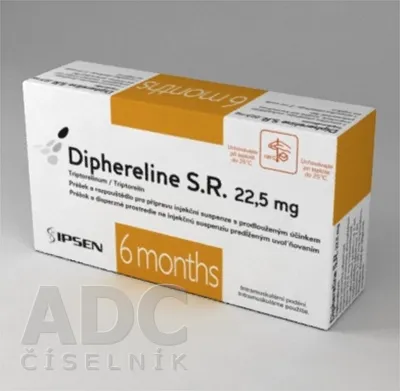
Table of Contents
- 1. What Diphereline SR 22.5 mg is and what it is used for
- 2. Important information before using Diphereline SR 22.5 mg
- 3. How to use Diphereline SR 22.5 mg
- 4. Possible adverse effects
- 5. How to store Diphereline SR 22.5 mg
- 6. Contents of the pack and other information
- Information intended exclusively for medical professionals
Diphereline SR 22.5 mg
22.5 mg, powder and solvent for the preparation of a prolonged-release injectable suspension
Triptorelinum
Please read the entire leaflet carefully before using the medicine, as it contains important information for the patient.
- Keep this leaflet, so you can read it again if necessary.
- If you have any doubts, please consult your doctor or pharmacist.
- This medicine has been prescribed for a specific individual. Do not pass it on to others. The medicine may harm another person, even if their symptoms are identical.
- If the patient experiences any adverse reactions, including any not listed in this leaflet, inform the doctor or pharmacist. See section 4.
Table of contents
- What Diphereline SR 22.5 mg is and what it is used for
- Important information before using Diphereline SR 22.5 mg
- How to use Diphereline SR 22.5 mg
- Possible side effects
- How to store Diphereline SR 22.5 mg
- Contents of the pack and other information
1. What Diphereline SR 22.5 mg is and what it is used for
Diphereline SR 22.5 mg contains triptorelin, a substance similar to gonadotropin-releasing hormone (GnRH analog). It is a prolonged-release medicine designed to deliver 22.5 mg of triptorelin over a 6-month period (twenty-four weeks).
In men, triptorelin lowers testosterone levels. In women, it lowers estrogen levels.
In adult men, Diphereline SR 22.5 mg is used to treat organ-confined or locally advanced hormone-dependent prostate cancer that has spread within the body (metastatic cancer). The medicine, in combination with radiotherapy, is also used in the treatment of prostate cancer with a high risk of recurrence.
In children aged 2 years and older, Diphereline SR 22.5 mg is used to treat central precocious puberty, a condition characterized by early onset of puberty in very young children—girls under the age of 8 and boys under the age of 10. This condition will be referred to as "precocious puberty" throughout the remainder of this leaflet.
2. Important information before using Diphereline SR 22.5 mg
When not to use Diphereline SR 22.5 mg
- If the patient is allergic to triptorelin, gonadotropin-releasing hormone (GnRH), other GnRH analogs, or any of the other ingredients of this medicine (listed in section 6).
- If the patient is pregnant or breastfeeding.
Warnings and precautions
Before starting treatment with Diphereline SR 22.5 mg, discuss the following with your doctor or
pharmacist:
- if the patient experiences depressive mood. Cases of depression, including severe depression, have been reported in patients receiving Diphereline SR 22.5 mg. The doctor may recommend monitoring for depression during treatment.
- if the patient is concurrently using anticoagulant (blood-thinning) medications. There is a potential risk of hematoma at the injection site when intramuscular injections are administered.
- if seizures occur, inform the doctor immediately. Seizures have been reported in patients receiving triptorelin or similar medicines, occurring both in patients with and without a prior history of epilepsy.
This medicine must be administered only by intramuscular injection.
Men:
- In adults, Diphereline SR 22.5 mg may cause bone weakening (osteoporosis), increasing the risk of bone fractures. Inform the doctor if the patient has any of the following risk factors, as the doctor may recommend bisphosphonates (medicines used to treat osteoporosis) to manage bone loss. Risk factors may include:
- personal or family history of osteoporosis;
- excessive alcohol consumption and/or smoking, and/or a poorly balanced diet;
- long-term use of medicines that may cause bone loss, such as antiepileptic drugs or corticosteroids (e.g. hydrocortisone, prednisolone).
- If the patient has heart or blood vessel disease, including heart rhythm disorders (arrhythmia), or is taking medicines for heart rhythm disorders. The risk of cardiac arrhythmias may be increased during treatment with Diphereline SR 22.5 mg.
- If the patient has diabetes, or heart or blood vessel disease.
- At the beginning of treatment, testosterone levels in the body will temporarily increase. This may worsen symptoms of cancer. If symptoms worsen, contact the treating doctor. The doctor may prescribe an additional medicine (antiandrogen) to prevent further worsening of symptoms.
- As with other GnRH analogs, during the first weeks of treatment, symptoms caused by spinal cord compression (e.g. pain, numbness, or weakness in the lower limbs) or urinary obstruction (difficulty urinating) may occur. If any of these symptoms appear, contact the doctor immediately. The doctor will examine the patient and initiate appropriate treatment. After surgical castration, triptorelin does not further reduce testosterone levels and therefore should not be used following this procedure.
- Diagnostic tests assessing pituitary gonadal function and reproductive organs performed during or after treatment with Diphereline SR 22.5 mg may yield misleading results.
- If the patient has an undiagnosed pituitary enlargement (benign tumor), it may be detected during treatment with Diphereline SR 22.5 mg. Symptoms include sudden headache, vomiting, visual disturbances, and eye muscle paralysis.
- Medicines that lower testosterone levels may cause ECG changes related to cardiac rhythm disturbances (prolongation of the QT interval).
- Treatment with GnRH analogs, including Diphereline SR 22.5 mg, may increase the risk of anemia (defined as a reduction in red blood cells).
Children:
- If the child has a progressive brain tumor, inform the doctor. This may influence the doctor’s decision on initiating treatment.
- In girls with precocious puberty, vaginal bleeding may occur during the first month of treatment.
- If the child experiences severe or recurring headaches, vision problems, or ringing or buzzing in the ears, contact the doctor immediately (see section 4).
- After stopping treatment, signs of puberty will reappear. In girls, menstruation usually returns about one year after discontinuation of treatment.
The doctor should rule out the possibility that precocious puberty is caused by other diseases.
Mineral content in bones decreases during treatment but returns to normal values after treatment is discontinued.
- After stopping treatment, a hip joint disorder (juvenile femoral head epiphysiolysis) may occur, causing hip stiffness, weakness, and/or severe groin pain radiating to the thigh. In such a case, consult a doctor.
Contact your doctor if you have any doubts regarding the above information.
Diphereline SR 22.5 mg and other medicines
Inform your doctor or pharmacist about all medicines currently used, recently used, or planned for use.
Diphereline SR 22.5 mg may affect the action of other medicines used to treat heart rhythm disorders (e.g. quinidine, procainamide, amiodarone, sotalol) or may increase the risk of cardiac arrhythmias when taken together with other medicines such as methadone (used for pain treatment and as part of detoxification in drug addiction), moxifloxacin (an antibiotic), or antipsychotics (used to treat severe mental illnesses).
Pregnancy and breastfeeding
If the patient is pregnant or breastfeeding, suspects she may be pregnant, or is planning to have a child, she should consult her doctor before using this medicine.
Diphereline SR 22.5 mg must not be used in pregnant women.
Diphereline SR 22.5 mg must not be used in breastfeeding women.
Driving and operating machinery
Even when used as recommended, Diphereline SR 22.5 mg may alter reactions to an extent that impairs the ability to drive or operate machinery.
This is particularly relevant when the medicine is combined with alcohol. Dizziness, fatigue, or visual disturbances such as blurred vision may occur. These are possible adverse effects related to treatment or symptoms arising from the underlying disease. If any of these adverse effects occur, the patient should not drive or operate machinery.
Diphereline SR 22.5 mg contains sodium, but in an amount less than 1 mmol (23 mg) of sodium per vial. This medicine is considered "sodium-free" and may be used by individuals controlling sodium intake in their diet.
3. How to use Diphereline SR 22.5 mg
Diphereline SR 22.5 mg will be administered under the supervision of a doctor.
Men
Treatment of prostate cancer with Diphereline SR 22.5 mg requires long-term therapy.
For organ-confined or locally advanced hormone-dependent prostate cancer with a high risk of recurrence in combination with radiotherapy, the recommended duration of treatment is 2–3 years.
The usual dose is 1 vial of Diphereline SR 22.5 mg administered as an intramuscular injection every 6 months (every 24 weeks). Diphereline SR 22.5 mg is intended for intramuscular injection only.
Blood tests may be ordered by the doctor to assess the effectiveness of treatment.
Children
The usual dose is one intramuscular injection every 6 months (every 24 weeks). Diphereline SR 22.5 mg is intended for intramuscular injection only. The doctor will decide when treatment should be discontinued (usually around 12–13 years of age in girls and around 13–14 years of age in boys).
If you feel that the effect of Diphereline SR 22.5 mg is too strong or too weak, tell your doctor or pharmacist.
If you have further questions about the use of this medicine, consult your doctor or pharmacist.
4. Possible adverse effects
Like all medicines, this medicine can cause adverse effects, although not everyone will experience them.
You should contact your doctor immediately if you experience any of the following
adverse effects: difficulty swallowing or breathing, swelling of the lips,
face, throat or tongue, or hives. These may be symptoms of a rare but serious
allergic reaction or angioedema (which may occur in 1 out of 1000 people).
Other adverse effects may also occur:
Men:
As with treatment using other GnRH agonists or surgical castration, the most frequently observed
adverse reactions associated with triptorelin treatment were due to the expected pharmacological action.
These included hot flushes and decreased libido.
An increase in lymphocyte count has been reported in patients treated with GnRH analogues.
All adverse effects, except immunological-allergic reactions and injection site reactions, are related to changes in testosterone levels.
Very common (may occur in more than 1 out of 10 patients):
- Hot flushes
- Weakness
- Excessive sweating
- Back pain
- Tingling sensation in the lower limbs
- Decreased libido
- Impotence
Common (may occur in up to 1 out of 10 patients):
- Nausea, dry mouth
- Pain, bruising, redness and swelling at the injection site, muscle and bone pain, pain in arms and legs, swelling (fluid accumulation in tissues), lower abdominal pain, high blood pressure
- Allergic reaction
- Increased body weight
- Dizziness, headache
- Loss of libido, depression, mood changes
Uncommon (may occur in up to 1 out of 100 patients):
- Increased platelet count
- Palpitations
- Tinnitus, dizziness, blurred vision
- Abdominal pain, constipation, diarrhoea, vomiting
- Lethargy, intense chills with sweating and fever, somnolence, pain
- Changes in results of certain laboratory tests (including increased values indicating liver function), elevated blood pressure
- Weight loss
- Loss of appetite, increased appetite, gout (severe pain and swelling in joints, most commonly affecting the big toe), diabetes, high blood lipid levels
- Joint pain, muscle cramps, muscle weakness, muscle pain, swelling and tenderness, bone pain
- Tingling and numbness
- Sleep disturbances, irritability
- Breast enlargement in men, breast tenderness (breasts), reduced testicular size, testicular pain
- Shortness of breath
- Acne, hair loss, itching, rash, skin redness, urticaria
- Frequent urination at night, urinary disorders
- Nosebleeds
Rare (may occur in up to 1 out of 1000 patients):
- Red or purple skin discoloration
- Unusual sensations in the eye, blurred or disturbed vision
- Feeling of fullness in the abdomen, bloating, taste disturbances
- Chest pain
- Difficulty maintaining a standing position
- Influenza-like symptoms, fever, nasal mucositis/sore throat
- Increased body temperature
- Joint stiffness, joint swelling, musculoskeletal stiffness, degenerative joint disease
- Memory loss
- Feeling confused, decreased activity, excitement
- Shortness of breath when lying down
- Skin blisters
- Low blood pressure
Frequency unknown (cannot be estimated from available data):
- Changes in ECG (prolongation of QT interval)
- General discomfort
- Restlessness
- Urinary incontinence
- In patients with an existing pituitary tumour, increased risk of pituitary haemorrhage
- Anaemia (reduction in red blood cell count)
Children:
Very common (may occur in more than 1 out of 10 patients):
- Vaginal bleeding may occur in girls during the first month of treatment
Common (may occur in up to 1 out of 10 patients):
- Abdominal pain
- Pain, redness and swelling at the injection site
- Headache
- Hot flushes
- Increased body weight
- Acne
- Hypersensitivity reactions
Uncommon (may occur in up to 1 out of 100 patients):
- Blurred vision
- Vomiting
- Constipation
- Nausea
- General discomfort
- Overweight
- Neck pain
- Mood changes
- Breast pain
- Nosebleeds
- Itching
- Rash or skin urticaria
Frequency not known (cannot be estimated from available data):
- Hypertension
- Visual disturbances
- Severe allergic reaction causing difficulty swallowing, breathing difficulties, swelling of lips, face, throat or tongue, or hives
- Seizures
- Abnormal results of certain laboratory tests, including hormone levels
- Sudden formation of blisters due to swelling of the skin or mucous membranes
- Muscle pain
- Mood disorders
- Depression
- Nervousness
- Idiopathic intracranial hypertension (increased pressure inside the skull around the brain, characterized by headache, double vision and other visual disturbances, and ringing or buzzing in the ears)
Your doctor will decide on the appropriate course of action.
Reporting of adverse effects
If any adverse effects occur, including any not listed in this leaflet, inform your doctor or pharmacist. Adverse effects can be reported directly to the Department of Monitoring Adverse Drug Reactions of the Office for Registration of Medicinal Products, Medical Devices and Biocidal Products
Al. Jerozolimskie 181C
02-222 Warsaw
Tel.: + 48 22 49 21 301
Fax: + 48 22 49 21 309
Website: https://smz.ezdrowie.gov.pl
Adverse effects can also be reported to the marketing authorisation holder or its representative.
Reporting adverse effects helps provide more information on the safety of this medicine.
5. How to store Diphereline SR 22.5 mg
Keep this medicine out of sight and reach of children.
Do not use Diphereline SR 22.5 mg after the expiry date stated on the carton.
The expiry date refers to the last day of the stated month.
The prepared suspension should be used immediately after preparation.
Do not store above 25 °C.
Medicines must not be disposed of via wastewater or household waste. Ask your pharmacist how to dispose of medicines no longer required. Such measures help protect the environment.
6. Contents of the pack and other information
What Diphereline SR 22.5 mg contains
The active substance is triptorelin.
One vial contains 22.5 mg of triptorelin in the form of triptorelin pamoate.
After reconstitution with 2 ml of solvent, 1 ml of the prepared suspension contains 11.25 mg of triptorelin.
The other ingredients are:
Powder: copolymer of lactic and glycolic acid (PLG 75/25 COOH), copolymer of lactic and glycolic acid (PLG 85/15 Lauryl ester), mannitol, sodium carboxymethylcellulose, polysorbate 80
Solvent: water for injections
What Diphereline SR 22.5 mg looks like and contents of the pack
This medicine is in the form of a powder and solvent for the preparation of a suspension for injection with prolonged release. The powder is white to off-white, and the solvent is a clear solution.
The pack contains 1 vial of powder, 1 ampoule of solvent, and a set with 1 blister containing 1 syringe and 2 injection needles.
Marketing Authorisation Holder and Manufacturer
Marketing Authorisation Holder
Ipsen Pharma
70 rue Balard
75015 Paris
France
Manufacturer
Ipsen Pharma Biotech
Parc d'Activités du Plateau de Signes
Chemin départemental no 402
F - 83870 Signes
France
This medicinal product is authorised in the European Economic Area countries under the following names:
AT, DE: Pamorelin LA 22.5 mg
BE, LU: Decapeptyl Sustained Release 22.5 mg
CZ, PL, SK: Diphereline SR 22.5 mg
DK, FI, NL, NO, SE: Pamorelin 22.5 mg
EL: Arvekap 22.5 mg
ES: Decapeptyl Semestral 22.5 mg
FR: Decapeptyl LP 22.5 mg
LV: Diphereline 22.5 mg
SI: Pamorelin 22.5 mg prašek in vehikel za suspenzijo za injiciranje s podaljšanim sproščanjem
HU: Diphereline SR 22,5 mg por és oldószer retard szuszpenziós injekcióhoz
For further information about this medicinal product, please contact the local representative of the Marketing Authorisation Holder:
Ipsen Poland Sp. z o.o.
ul. Chmielna 73
00-801 Warszawa
tel.: 22 653 68 00
fax: 22 653 68 22
<------------------------------------------------------------------------------------------------------------------------>
Information intended exclusively for medical professionals
RECONSTITUTION INSTRUCTIONS FOR THE MEDICINAL PRODUCT
| 1 – PATIENT PREPARATION BEFORE DRUG RECONSTITUTION | |
| Patient preparation involves disinfecting the site planned for injection on the buttock. The patient should be prepared for injection prior to drug reconstitution, as the drug must be administered immediately after reconstitution. | |
2 – PREPARING THE MEDICINE FOR INJECTION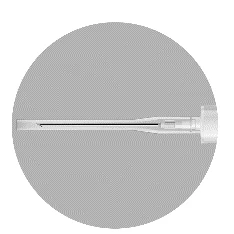 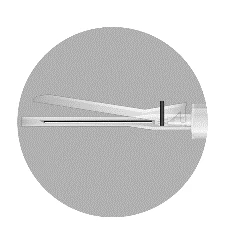 | |
| The package contains two needles: • Needle 1: 20 G needle (38 mm in length) without safety device, for reconstitution • Needle 2: 20 G needle (38 mm in length) with safety device, for injection Needle 1: 38 mm Needle 2: 38 mm The presence of bubbles on the surface of the lyophilized product is normal. The following steps must be performed continuously without interruption. | 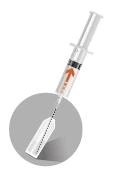 |
| 2a • Remove the vial containing the solvent. Gently tap the vial with your finger to move the liquid from the upper part to the main part of the vial. • Attach Needle 1 (without safety device) to the syringe. Do not remove the needle shield yet. • Open the vial by snapping off the top (dot facing upwards). • Remove the shield from Needle 1. Insert the needle into the vial and draw the entire volume of solvent into the syringe. • Set aside the syringe with solvent. | |
| 2b • Remove the vial containing the powder. Gently tap the vial with your finger to move the powder from the upper part to the main part of the vial. • Remove the plastic cap from the vial. • Take the syringe with solvent again, insert the needle vertically through the rubber stopper of the vial. Slowly inject the solvent into the vial, preferably washing down the entire inner upper surface of the vial. | 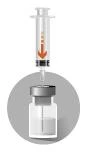 |
| 2c • Pull Needle 1 above the fluid level. Do not remove the needle from the vial. Prepare the suspension for injection by gently moving the vial from side to side. Do not invert the vial. • Ensure that mixing continues for a sufficient duration (at least 30 seconds) to obtain a uniform, milky suspension for injection. • Important: Check that no undissolved powder remains in the vial (if powder clumps are present, continue mixing until they disappear). | 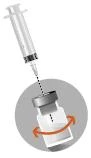 |
| 2d • After obtaining a uniform suspension for injection, insert the needle fully and, without inverting the vial, withdraw the entire volume of suspension into the syringe. A small amount of suspension will remain in the vial—this should be left behind. The intended overfill in the vial accounts for this residual volume. • Holding the colored hub, unscrew the needle. Remove and discard used Needle 1. Attach and screw on Needle 2 onto the syringe tip. • Slide the safety shield away from the needle and direct it toward the syringe barrel. The safety shield will remain in this position. • Remove the needle cap. • Hold the syringe with needle vertically to expel air, then administer the injection immediately. | 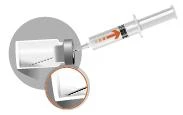 |
| 3 – Intramuscular administration | 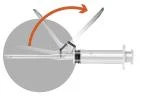 |
| • To avoid precipitation, inject immediately into the disinfected site as quickly as possible (within 1 minute after reconstitution). | 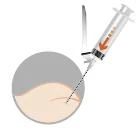 |
| 4 – AFTER USE | 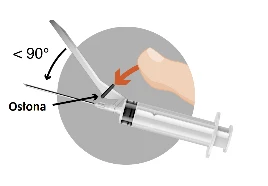 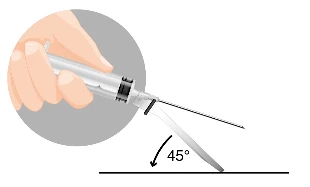 |
| • With one hand, activate the safety shield. • Warning: Keep your finger behind the shield at all times. Two alternative methods for activating the safety shield are possible. • Method A: push the shield toward the needle or • Method B: push the shield against a flat surface. • In both cases, press down firmly and decisively until a distinct click is heard. • Check that the entire needle is enclosed and locked under the shield. • Used needles, unused suspension, and all waste materials must be disposed of according to applicable regulations. | or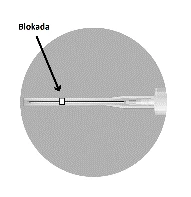 |