Diphereline sr 11.25 mg
Poland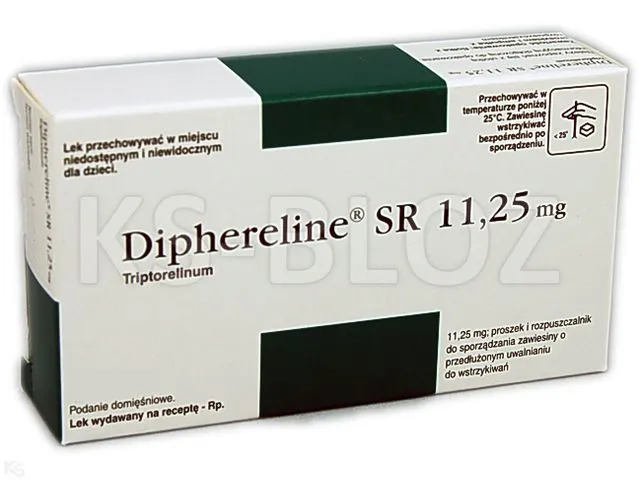
Table of Contents
Package leaflet: Information for the user
Diphereline SR 11.25 mg
11.25 mg
powder and solvent for prolonged-release suspension for injection
Triptorelinum
Please read all of this leaflet carefully before using this medicine because it contains
important information for you.
- Keep this leaflet. You may need to read it again.
- If you have any further questions, ask your doctor or pharmacist.
- This medicine has been prescribed for you only. Do not pass it on to others. It may harm other people even if their symptoms are the same as yours.
- If you experience any side effects, including any not listed in this leaflet, tell your doctor or pharmacist. See section 4.
Contents of the leaflet
- What Diphereline SR 11.25 mg is and what it is used for
- What you need to know before using Diphereline SR 11.25 mg
- How to use Diphereline SR 11.25 mg
- Possible side effects
- How to store Diphereline SR 11.25 mg
- Contents of the pack and other information
1. What Diphereline SR 11.25 mg is and what it is used for
This medicine contains triptorelin. Triptorelin belongs to a group of medicines known as analogues of gonadotropin-releasing hormone (GnRH). One of its actions is to reduce the production of sex hormones in the body.
Long-term administration of triptorelin, after an initial stimulation, leads to suppression of gonadotropin secretion, resulting in suppression of gonadal function (testes and ovaries).
This medicine is used:
- In the treatment of prostate cancer. Treatment of prostate cancer when reduction of testosterone levels to castration levels is required. Patients who have not previously received hormonal therapy respond better to triptorelin treatment.
- In children for the treatment of sexual development occurring at a very early age, i.e. before the age of 8 in girls and before the age of 10 in boys (central precocious puberty).
2. What you need to know before using Diphereline SR 11.25 mg
When not to use Diphereline SR 11.25 mg
- if you are allergic to triptorelin, gonadorelin (GnRH), other GnRH analogues, or any of the other ingredients of Diphereline SR 11.25 mg,
- during pregnancy or breastfeeding.
Warnings and precautions
Before starting treatment with Diphereline SR 11.25 mg, discuss this with your doctor or pharmacist.
Patients receiving this medicine should remain under strict medical supervision with regular monitoring of biochemical parameters, clinical and radiological examinations if necessary.
There have been reports of depression, including severe depression, in patients receiving Diphereline SR 11.25 mg. If depressive moods occur during treatment with Diphereline SR 11.25 mg, inform your doctor.
In patients receiving anticoagulant therapy, bruising may occur at the injection site. In men, the medicine may be administered intramuscularly or subcutaneously.
In adults, long-term treatment with triptorelin may cause bone weakening (osteoporosis) associated with an increased risk of bone fractures. Inform your doctor if you have any of the following risk factors, as your doctor may recommend bisphosphonates (medicines used in the treatment of osteoporosis) to treat bone loss.
Risk factors may include:
- presence of osteoporosis in the patient or in the patient's immediate family;
- alcohol abuse, smoking, malnutrition;
- long-term use of medicines that may cause bone loss, such as antiepileptic drugs or corticosteroids (e.g. hydrocortisone, prednisolone).
During treatment with Diphereline SR 11.25 mg, an enlargement (benign tumour) of the pituitary gland, previously unknown to the patient, may become apparent. Symptoms include sudden headache, vomiting, visual disturbances, and eye muscle paralysis.
If seizures occur, inform your doctor immediately. Seizures have been reported in patients receiving triptorelin or similar medicines. They occurred in patients with previously diagnosed epilepsy and in those without it.
Men
At the beginning of treatment, increased testosterone levels in the body have been observed. This may lead to worsening of symptoms related to the tumour. In such a case, contact your doctor. Your doctor may prescribe an additional medicine (antiandrogen) to prevent worsening of these symptoms.
If the patient develops urinary obstruction or spinal cord compression due to tumour spread, the doctor will closely monitor the patient during the first few weeks of treatment. If difficulty urinating, bone pain, weakness of the lower limbs, or tingling sensations occur, contact your doctor immediately for assessment and appropriate treatment.
Triptorelin does not induce further reduction in testosterone levels in patients after orchidectomy (removal of the testes).
Diagnostic test results for pituitary and gonadal function performed during or after discontinuation of treatment with Diphereline SR 11.25 mg may be misleading.
Inform your doctor if you have heart or blood vessel diseases, including cardiac arrhythmias, or if you are taking medicines used to treat cardiac arrhythmias. The risk of cardiac arrhythmias may be increased during treatment with Diphereline SR 11.25 mg.
Inform your doctor if you have diabetes and/or heart disease.
Medicines that lower testosterone levels may cause ECG changes related to cardiac arrhythmias (prolongation of the QT interval).
Treatment with GnRH analogues, including Diphereline SR 11.25 mg, may increase the risk of anaemia (defined as a reduction in red blood cell count).
Children
In girls with precocious puberty, vaginal bleeding may occur during the first month of treatment.
Inform your doctor if the patient has a progressive brain tumour. This may influence the doctor's decision on treatment.
After discontinuation of treatment with Diphereline SR 11.25 mg, signs of puberty will reappear in the patient. In girls, menstruation usually occurs about one year after stopping treatment.
The doctor should exclude the possibility that precocious puberty is caused by other diseases.
The mineral content of bones decreases during treatment but returns to normal values after treatment is stopped.
After stopping treatment, a hip joint disorder (juvenile femoral head osteochondritis) may occur, causing hip stiffness, weakness, and/or severe groin pain radiating to the thigh. In such a case, consult your doctor.
If a child experiences severe or recurrent headaches, visual problems, and ringing or buzzing in the ears, contact the doctor immediately (see section 4).
If you have concerns related to the situations described above, discuss them with your doctor.
Diphereline SR 11.25 mg and other medicines
Tell your doctor or pharmacist about all medicines you are currently taking, have recently taken, or plan to take.
Men:
Diphereline SR 11.25 mg may affect the action of other medicines used to treat cardiac arrhythmias (e.g. quinidine, procainamide, amiodarone, sotalol) or may increase the risk of cardiac arrhythmias when taken together with other medicines (e.g. methadone used for pain treatment and as part of detoxification in drug addiction), moxifloxacin (antibiotic), antipsychotic medicines (used to treat severe mental illnesses).
Pregnancy and breastfeeding
This medicine must not be used during pregnancy or breastfeeding.
Driving and using machines
During treatment, dizziness, fatigue, or visual problems such as blurred vision may occur. These symptoms may be side effects of treatment or related to the underlying disease. If any of these side effects occur, do not drive or operate machinery.
Diphereline SR 11.25 mg contains sodium
This medicine contains less than 1 mmol (23 mg) of sodium per dose, i.e. it is considered "sodium-free".
3. How to use Diphereline SR 11.25 mg
One prolonged-release injection every 3 months.
Method of administration
- In MEN: intramuscular or subcutaneous administration.
- In CHILDREN: intramuscular administration only.
The medicine will be administered by a doctor or nurse.
Do not stop treatment without consulting your doctor.
Overdose of Diphereline SR 11.25 mg
In case of overdose, symptomatic treatment is indicated.
4. Possible side effects
Like all medicines, Diphereline SR 11.25 mg can cause side effects, although not everybody will experience them.
In rare cases, a severe allergic reaction may occur. If symptoms such as difficulty swallowing or breathing, swelling of the lips, face, throat, or tongue, rash, or dizziness develop, inform your doctor immediately.
Men
Many of the side effects are expected to be due to changes in testosterone levels in the body. These include: hot flushes, impotence, and decreased libido.
Very common – side effects occurring in more than 1 in 10 patients:
- Hot flushes
- Weakness
- Excessive sweating
- Back pain
- Tingling sensation in the lower limbs
- Decreased sexual drive
- Impotence
Common – side effects occurring in not more than 1 in 10 patients:
- Nausea, dry mouth
- Pain, bruising, redness, and swelling at the injection site
- Muscle and bone pain, pain in arms and legs, oedema (fluid accumulation in tissues)
- Lower abdominal pain
- High blood pressure
- Allergic reaction
- Increased body weight
- Dizziness, headache
- Loss of sexual drive, depression, mood changes
Uncommon – side effects occurring in not more than 1 in 100 patients:
- Increased platelet count
- Palpitations
- Tinnitus, dizziness, blurred vision
- Abdominal pain, constipation, diarrhoea, vomiting
- Lethargy, chills, somnolence, pain
- Changes in results of certain tests (including increased values of parameters indicating liver function), elevated blood pressure
- Decreased body weight
- Loss of appetite, increased appetite, gout (severe pain and swelling of joints, most commonly affecting the big toe), diabetes, high blood lipid levels
- Joint pain, muscle cramps, muscle weakness, muscle pain, tenderness and stiffness, bone pain, swelling of ankles, feet, and toes
- Tingling and numbness
- Sleep problems, irritability
- Breast gland enlargement in men, breast pain (breasts), reduced testicular size, testicular pain
- Dyspnoea
- Acne, hair loss, pruritus, rash, skin redness, urticaria
- Frequent urination at night, urinary disorders
- Nosebleeds
Rare – side effects occurring in not more than 1 in 1000 patients
- Red or purplish skin discolouration
- Unusual eye sensations, blurred or disturbed vision
- Feeling of fullness in the abdomen, bloating, taste disturbances
- Chest pain
- Difficulty maintaining a standing position
- Influenza-like symptoms, fever
- Severe allergic reaction (anaphylactic reaction) which may cause dizziness or breathing difficulties, facial or throat swelling
- Nasal mucositis, pharyngitis
- Joint stiffness, joint swelling, musculoskeletal stiffness, osteoarthritis
- Memory loss
- Confusion, decreased activity, excitement
- Dyspnoea in the lying position
- Skin blisters
- Low blood pressure
Side effects reported after marketing authorization (frequency not known):
- Severe allergic reaction causing facial, tongue, and neck swelling, dizziness, or breathing difficulties (Quincke's oedema, anaphylactic shock)
- General malaise, anxiety
- Urinary incontinence
- Changes in ECG (prolongation of QT interval)
- In patients with existing pituitary tumour, increased risk of pituitary haemorrhage
- Anaemia (reduction in red blood cell count)
As with other GnRH analogues, an increase in white blood cell count may be observed in patients treated with Diphereline SR 11.25 mg.
In patients receiving long-term treatment with a GnRH analogue in combination with radiotherapy, more side effects may occur, mainly gastrointestinal and those related to radiotherapy.
Children
Very common – side effects occurring in more than 1 in 10 patients
- In girls, vaginal bleeding may occur during the first month of treatment
Common – side effects occurring in not more than 1 in 10 patients
- Abdominal pain
- Pain, bruising
- Redness and swelling at the injection site
- Headache
- Hot flushes
- Increased body weight
- Acne
- Hypersensitivity reactions
Uncommon – side effects occurring in not more than 1 in 100 patients
- Blurred vision
- Vomiting, constipation, nausea
- General discomfort
- Obesity
- Neck pain, chest pain
- Mood changes
- Nosebleeds
- Itching, rash, or urticaria on the skin
Long-term studies (up to 4 years) have not revealed any new significant safety data.
Side effects reported after marketing authorization (frequency not known):
- High blood pressure
- Seizures
- Visual disturbances
- Severe allergic reaction causing facial, tongue, and neck swelling, dizziness, or breathing difficulties (Quincke's oedema, anaphylactic shock)
- Changes in certain blood test results, including hormone levels
- Muscle pain
- Mood disturbances, depression, nervousness
- Idiopathic intracranial hypertension (increased intracranial pressure around the brain, characterized by headache, double vision and other visual disturbances, and ringing or buzzing in the ears)
Reporting of side effects
If you experience any side effects, including any not listed in this leaflet, tell your doctor, pharmacist, or nurse. Side effects can be reported directly to the Department of Monitoring of Adverse Drug Reactions, Office for Registration of Medicinal Products, Medical Devices and Biocidal Products
Al. Jerozolimskie 181C
02-222 Warsaw
Tel.: + 48 22 49 21 301
Fax: + 48 22 49 21 309
Website: https://smz.ezdrowie.gov.pl
Side effects can also be reported to the marketing authorization holder.
By reporting side effects, you help provide more information on the safety of this medicine.
5. How to store Diphereline SR 11.25 mg
Keep this medicine out of the sight and reach of children.
Do not use this medicine after the expiry date stated on the packaging. The expiry date refers to the last day of the stated month.
Expiry date (EXP)
Batch number (Lot)
Store below 25°C.
The suspension should be administered immediately after reconstitution.
6. Contents of the packaging and other information
What Diphereline SR 11.25 mg contains
The active substance is triptorelin in the form of triptorelin pamoate. One vial contains 11.25 mg of triptorelin.
The other ingredients are:
- vial with powder contains: lactide-co-glycolide copolymer, mannitol, sodium carmellose, polysorbate 80
- ampoule with solvent contains: mannitol, water for injections.
What Diphereline SR 11.25 mg looks like and contents of the pack
Powder and solvent for prolonged-release suspension for injection.
Vial with powder and ampoule with solvent.
The pack contains: 1 vial with powder, 1 ampoule with solvent, 1 syringe (made of polypropylene), and 3 needles.
Marketing Authorisation Holder and Manufacturer
Marketing Authorisation Holder
Ipsen Pharma
70 rue Balard
75015 Paris
France
Manufacturer
Ipsen Pharma Biotech
Parc d’Activités du Plateau de Signes
Chemin départemental No. 402
83870 Signes
France
For further information about this medicinal product, please contact the local representative of the Marketing Authorisation Holder:
Ipsen Poland Sp. z o.o.
ul. Chmielna 73
00-801 Warsaw
tel.: 22 653 68 00
fax: 22 653 68 22
<-------------------------------------------------------------------------------------------------------------------------
Information intended exclusively for healthcare professionals:
Dosage and method of administration
Prostate cancer
One intramuscular or subcutaneous injection of the prolonged-release formulation every 3 months.
| In patients with metastatic castration-resistant prostate cancer who are not amenable to surgical treatment and who are receiving triptorelin and qualify for treatment with androgen biosynthesis inhibitors, triptorelin therapy should be continued. | ||
| leczeniu operacyjnemu, otrzymujących tryptorelinę oraz kwalifikujących się do leczenia inhibitorami | ||
| biosyntezy androgenów, leczenie tryptoreliną powinno być kontynuowane. | ||
Central Precocious Puberty
Treatment of children with triptorelin should be carried out under comprehensive supervision by a pediatric endocrinologist or a pediatrician or endocrinologist experienced in the treatment of central precocious puberty.
Children with body weight above 20 kg: one intramuscular injection of Diphereline SR 11.25 mg administered every 3 months.
Treatment should be discontinued around the time of normal physiological pubertal development in both boys and girls. Treatment should not be continued in girls whose bone age exceeds 12 years. Limited data are available regarding the optimal time to discontinue treatment based on bone age in boys; however, it is recommended to stop treatment in boys when bone age reaches 13–14 years.
RECONSTITUTION INSTRUCTIONS FOR THE MEDICINAL PRODUCT
1 – PATIENT PREPARATION PRIOR TO RECONSTITUTION
Patient preparation involves disinfecting the planned injection site on the buttock. The patient should be prepared for injection before reconstituting the medicinal product, as the drug must be administered immediately after reconstitution. Injection site:
- In MEN: buttock (intramuscular administration) or abdomen or thigh (subcutaneous administration)
- In CHILDREN: buttock only (intramuscular administration)
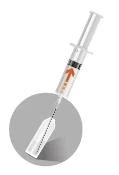
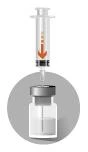
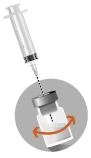
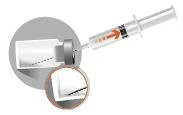
2 – PREPARATION OF THE MEDICINAL PRODUCT FOR INJECTION
- The package contains 3 needles. Depending on the recommended route of administration, ONLY TWO of them should be used:
- Needle 1: Long needle 20 G (38 mm length) without safety device, for reconstitution of the medicinal product in all cases
- Needle 2: Long needle 20 G (38 mm length) with safety device, for intramuscular injection (men, children)
- Needle 3: Short needle 20 G (25 mm length) with safety device, for subcutaneous injection (men only)
Needle 1: 38 mm
Needle 2: 38 mm
Needle 3: 25 mm
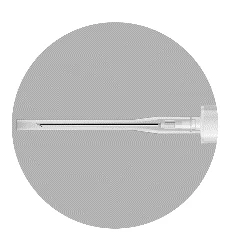
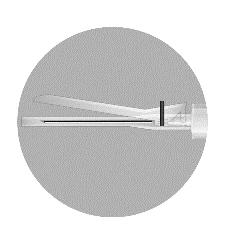
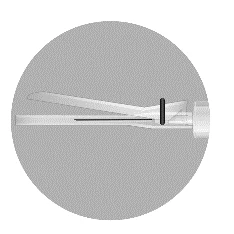
The presence of bubbles on the surface of the lyophilisate is a normal appearance of the product.
The following steps must be performed continuously without interruption.
2a
|  |
2b
|  |
2c
|  |
2d
|  |
| 3 – INJECTION | 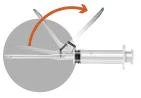 |
To avoid precipitation, inject immediately into a disinfected site as quickly as possible (within 1 minute after reconstitution).
| Men, children:
intramuscularly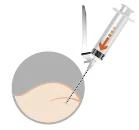 |
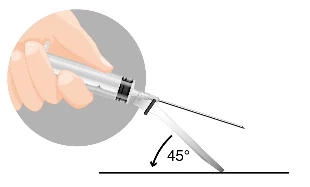
| o using Needle 3 (short needle), administer subcutaneous injection into the abdominal wall or lateral parts of the thigh. Grasp the skin of the abdomen or thigh, lift the subcutaneous tissue, and insert the needle at an angle between 30 and 45 degrees. | or in men only:
subcutaneously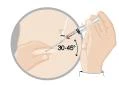 |
| 4 – AFTER USE | 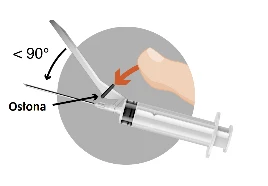 |
| Method A
Method B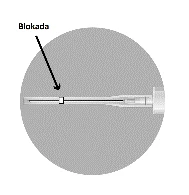 |