Dicloberl 50
Poland
Table of Contents
Package leaflet: Information for the patient
Dicloberl 50
50 mg, suppositories
Diclofenacum natricum
Please read carefully the entire leaflet before use, as it contains
important information for the patient.
- Keep this leaflet for future reference
- If you have any questions, please consult your doctor or pharmacist.
- This medicine has been prescribed for a specific individual. Do not pass it on to others. The medicine may harm someone else, even if their symptoms are identical.
- If you experience any adverse reactions, including any not listed in this leaflet, inform your doctor or pharmacist. See section 4.
Table of contents of the leaflet
- What Dicloberl 50 is and what it is used for
- Important information before using Dicloberl 50
- How to use Dicloberl 50
- Possible side effects
- How to store Dicloberl 50
- Contents of the package and other information
1. What Dicloberl 50 is and what it is used for
Dicloberl 50 is an analgesic and anti-inflammatory medicine (a non-steroidal anti-inflammatory drug).
It is used for symptomatic treatment of pain and inflammation in:
- acute joint inflammation (including gout attacks);
- chronic joint inflammation, particularly rheumatoid arthritis (chronic polyarthritis);
- ankylosing spondylitis (spinal arthritis) and other rheumatic inflammatory conditions of the spine;
- exacerbations of osteoarthritis and degenerative spinal disease;
- inflammation or painful swelling of soft tissues associated with rheumatic disorders;
- painful swelling or inflammation following injuries.
If there is no improvement, or if the patient feels worse, medical advice should be sought.
2. Important information before using Dicloberl 50
When not to use Dicloberl 50
- if the patient is allergic to diclofenac or any of the other ingredients of this medicine (listed in section 6);
- if the patient has previously experienced breathing problems (bronchospasm), asthma attacks, chest pain, nasal mucosal swelling, or skin reactions after taking acetylsalicylic acid or another non-steroidal anti-inflammatory drug (NSAID);
- if the patient has non-specific blood disorders;
- if the patient currently has gastric or intestinal ulcers, bleeding, or perforation (this may include bloody vomiting, blood during defecation, fresh blood in stool, or black stool, tarry stools);
- if the patient has active or recurrent history of peptic ulcer disease of the stomach and/or duodenum or bleeding (two or more separate episodes of confirmed ulceration or bleeding);
- if the patient has a history of gastrointestinal bleeding or perforations associated with previous use of NSAIDs;
- if the patient has cerebral haemorrhage or any other active bleeding;
- if the patient has severe renal or hepatic insufficiency;
- if the patient has heart disease and/or cerebrovascular disease, e.g. after myocardial infarction, stroke, transient ischaemic attack (mini-stroke), or vascular procedures such as angioplasty or bypass surgery;
- if the patient has current or past circulatory disorders (peripheral vascular disease);
- during the last three months of pregnancy;
- if the patient has proctitis or anal mucosal inflammation;
- in children and adolescents under 18 years of age due to excessive content of the active substance.
Warnings and precautions
The following situations apply when Dicloberl 50 may be used only under certain conditions (e.g. with longer intervals between doses or using lower doses under medical supervision). You should consult your doctor. This also applies to past medical conditions.
Before starting treatment with Dicloberl 50, discuss this with your doctor or pharmacist.
General information
Avoid concomitant use of Dicloberl 50 with other NSAIDs, including so-called COX-2 inhibitors (selective cyclooxygenase-2 inhibitors), due to lack of evidence for superior therapeutic benefit and potential for increased number or severity of adverse effects.
Using the lowest effective dose for the shortest duration necessary to relieve symptoms may reduce the risk of adverse effects (see section 3 "How to use Dicloberl 50").
Gastrointestinal bleeding, ulceration, and perforation
Gastrointestinal bleeding, gastric and/or duodenal ulceration, and perforation, sometimes fatal, have been reported with all NSAIDs, including during treatment with or without warning symptoms or prior serious gastrointestinal adverse events.
The risk of gastrointestinal bleeding, gastric and/or duodenal ulceration or perforation increases with higher NSAID doses, is greater in patients with a history of peptic ulcer disease, especially if complicated by bleeding or perforation, and in elderly patients. In such patients, treatment should be initiated and maintained at the lowest available dose.
In such patients and in those requiring concomitant low-dose acetylsalicylic acid or other drugs that may increase gastrointestinal risk, consider concomitant use of gastroprotective agents (e.g. misoprostol or proton pump inhibitors).
Patients with a history of gastrointestinal adverse effects, particularly the elderly, should report any abnormal abdominal symptoms (especially gastrointestinal bleeding), particularly at the beginning of treatment.
Caution is advised when taking concomitant medications that may increase the risk of gastric and/or duodenal ulceration or bleeding, such as systemic corticosteroids, anticoagulants like warfarin, selective serotonin reuptake inhibitors (SSRIs) used in depression treatment, or antiplatelet drugs such as acetylsalicylic acid (see section 2 "Dicloberl 50 and other medicines").
If gastrointestinal bleeding or gastric and/or duodenal ulceration occurs during treatment with Dicloberl 50, the drug should be discontinued. The patient should be instructed to stop the medication and consult a doctor if severe upper abdominal pain, tarry stools, or bloody vomiting occur (see section 4 "Possible side effects").
NSAIDs should be used cautiously and under strict medical supervision in patients with symptoms indicating gastrointestinal disorders, history of gastric or duodenal ulceration, bleeding or perforation, or history of gastrointestinal diseases (ulcerative colitis, Crohn's disease), as these conditions may worsen (see section 4 "Possible side effects").
Before using Dicloberl 50, inform your doctor if the patient has recently undergone or is scheduled for stomach or gastrointestinal surgery, as Dicloberl 50 may occasionally impair intestinal wound healing after surgery.
Effects on the circulatory system
Use of drugs such as Dicloberl 50 may be associated with an increased risk of myocardial infarction ("heart attack") or stroke.
Before using Dicloberl 50, inform your doctor:
- if the patient smokes;
- if the patient has diabetes;
- if the patient has angina pectoris, thrombosis, hypertension, elevated cholesterol, or elevated triglycerides.
Using the lowest effective dose for the shortest duration necessary to relieve symptoms reduces the risk of adverse effects.
In case of heart disease or previous stroke, discuss treatment options with your doctor or pharmacist.
Skin reactions
Rarely, severe skin reactions with redness and blistering, some fatal, have been reported with NSAID use (e.g. exfoliative dermatitis, Stevens-Johnson syndrome, toxic epidermal necrolysis/Lyell's syndrome) (see section 4 "Possible side effects"). The highest risk appears to occur early in treatment: most cases begin within the first month of therapy.
Before using Dicloberl 50, inform your doctor if the patient has ever experienced severe skin rash, skin peeling, blistering, or oral ulcers after taking Dicloberl 50 or other painkillers.
If the first signs of skin rash, mucosal changes (e.g. in mouth or nose), or other hypersensitivity symptoms occur, discontinue Dicloberl 50 immediately and contact a doctor.
Effects on the liver
Exercise caution before initiating diclofenac in patients with liver function disorders (discuss with doctor or pharmacist), as it may exacerbate the condition. As with other non-steroidal anti-inflammatory drugs (NSAIDs), including diclofenac, one or more liver enzymes may become elevated. If diclofenac is to be used long-term or repeatedly, regular monitoring of liver function parameters is recommended as a precaution. Dicloberl 50 should be discontinued immediately if clinical signs of liver dysfunction occur.
Hepatitis without preceding warning symptoms may occur during diclofenac treatment.
Exercise caution when using Dicloberl 50 in patients with hepatic porphyria (a blood disorder), as the product may trigger disease exacerbation.
Effects on the kidneys
Since fluid retention and oedema have been reported with NSAID treatment, including diclofenac, particular caution is required in patients with renal impairment, history of hypertension, elderly patients, those taking diuretics or other drugs significantly affecting kidney function, and those with marked reduction in extracellular fluid volume for any reason, e.g. before or after major surgery. In such cases, as a precaution, kidney function should be monitored by the doctor after diclofenac administration.
Discontinuation of treatment usually leads to return to pre-treatment condition.
Other
Dicloberl 50 should be used only after careful benefit-risk assessment:
- in certain inherited blood disorders (e.g. acute intermittent porphyria);
- in certain autoimmune diseases (systemic lupus erythematosus, mixed connective tissue disease).
Dicloberl 50 mg may be used only under strict medical supervision:
- in patients with allergies (e.g. skin reactions to other drugs, asthma, hay fever), chronic nasal mucosal oedema, or chronic respiratory diseases with airway constriction or chronic respiratory infections, due to increased risk of allergic reactions.
Severe, acute hypersensitivity reactions (e.g. anaphylactic shock) may rarely occur. If the first symptoms of hypersensitivity occur after taking Dicloberl 50, discontinue the drug. Healthcare professionals will initiate appropriate symptomatic treatment.
Diclofenac may transiently inhibit platelet aggregation. Therefore, patients with coagulation disorders should be carefully monitored.
Like other NSAIDs, diclofenac may mask signs of infection. If signs of infection (e.g. redness, swelling, warmth, pain, fever) appear or worsen during Dicloberl 50 treatment, the patient should contact a doctor immediately.
If the patient is taking anticoagulants or glucose-lowering drugs, coagulation parameters or blood glucose levels should be monitored preventively.
During prolonged use of Dicloberl 50, regular monitoring of liver function, kidney function, and blood morphology is required.
Inform your doctor or dentist about taking Dicloberl 50 before surgical procedures.
During prolonged use of analgesics, headache may occur, which should not be treated by increasing the dose of these drugs. Consult a doctor if the patient frequently experiences headaches despite using Dicloberl 50.
Chronic use of analgesics, especially combinations of multiple active substances, may cause irreversible kidney damage, increasing the risk of renal failure (analgesic nephropathy).
Children and adolescents
Dicloberl 50 is not suitable for use in children and adolescents under 18 years of age due to insufficient data on diclofenac use in paediatric rheumatic diseases.
Elderly patients
Due to the risk of adverse effects, elderly patients should be monitored particularly closely. Caution is advised in elderly patients due to comorbidities.
In particular, frail elderly patients or those with low body weight should receive the lowest effective dose. The frequency of adverse effects during NSAID treatment, especially gastrointestinal bleeding, ulceration, and perforation, which may be fatal, is higher in the elderly. These gastrointestinal reactions usually have more serious consequences in the elderly and may lead to death.
Dicloberl 50 and other medicines
Inform your doctor or pharmacist about all medicines currently or recently taken, and any medicines planned for use.
Other NSAIDs (including acetylsalicylic acid) and corticosteroids
Concomitant use of Dicloberl 50 with other anti-inflammatory and analgesic NSAIDs or corticosteroids (anti-inflammatory drugs or used in hormone replacement therapy) increases the risk of gastric and/or duodenal ulceration and gastrointestinal bleeding. Do not take diclofenac with other NSAIDs.
Digoxin, phenytoin, and lithium
Concomitant use of Dicloberl 50 with digoxin (used in cardiac arrhythmia treatment), phenytoin (used in epilepsy treatment), or lithium (used in psychiatric disorders) may increase blood levels of these drugs. Blood lithium monitoring is necessary. Serum monitoring of digoxin and phenytoin is recommended.
Diuretics, beta-blockers, ACE inhibitors, and angiotensin II antagonists
Dicloberl 50 may reduce the effect of diuretics and antihypertensive drugs (diuretics and blood pressure-lowering drugs, e.g. beta-blockers, ACE inhibitors, angiotensin II antagonists). Therefore, blood pressure should be monitored periodically.
Dicloberl 50 may reduce the effectiveness of ACE inhibitors and angiotensin II antagonists (drugs used in heart disease and blood pressure reduction). Concomitant use with Dicloberl 50 may increase the risk of kidney function disorders. Patients should be adequately hydrated, and kidney function should be monitored periodically after starting treatment and at appropriate intervals.
Concomitant use of Dicloberl 50 with potassium-sparing diuretics (some diuretics) may lead to increased blood potassium levels. Therefore, regular potassium monitoring is recommended.
Selective serotonin reuptake inhibitors (SSRIs)
Some antidepressants (selective serotonin reuptake inhibitors [SSRIs]) may increase the risk of gastrointestinal bleeding and ulceration.
Methotrexate
Taking Dicloberl 50 within 24 hours before or after methotrexate (used in inflammatory diseases and treatment of certain cancers) may increase methotrexate blood levels and adverse effects.
Cyclosporine
Non-steroidal anti-inflammatory drugs (including diclofenac) may increase cyclosporine's (used to prevent transplant rejection and in rheumatic diseases) nephrotoxic effects. The patient should use a lower dose of diclofenac.
Anticoagulants and antiplatelet drugs
NSAIDs may enhance the effects of antiplatelet and anticoagulant drugs (used to prevent blood clotting), such as warfarin. More frequent doctor visits may be necessary.
Probenecid
Drugs containing probenecid (used in gout treatment) may slow diclofenac elimination, potentially increasing adverse effects.
Antidiabetic drugs
During use of glucose-lowering drugs (antidiabetics), isolated cases of diclofenac affecting blood glucose levels have been reported, requiring dose adjustment of antidiabetic drugs. Therefore, as a precaution, blood glucose should be monitored at the same times when used concomitantly.
Antibacterial quinolones
Quinolones (certain types of antibiotics) may cause seizures when used concomitantly with NSAIDs.
Colestipol and cholestyramine
These drugs (used to lower blood lipid levels) may delay or reduce diclofenac absorption. Therefore, Dicloberl 50 should be taken at least 1 hour before or 4 to 6 hours after colestipol or cholestyramine.
Strong CYP2C9 inhibitors
Voriconazole (used in severe fungal infections) and sulfinpyrazone (used in gout treatment) may increase diclofenac blood levels when used concomitantly. This may lead to diclofenac accumulation and increased adverse effects.
Tenofovir
Concomitant use of tenofovir (used in hepatitis B and HIV/AIDS prevention and treatment) with NSAIDs (such as diclofenac) may increase blood urea nitrogen and creatinine levels (kidney function parameters). Kidney function should therefore be monitored to check for possible parameter increases.
Deferasirox
Concomitant use of deferasirox (used in patients receiving multiple blood transfusions due to various anaemias) with NSAIDs (such as diclofenac) may increase the risk of gastrointestinal adverse effects. Therefore, physicians should closely monitor patients taking deferasirox with NSAIDs.
Mifepristone
Used for medical abortion. Do not use NSAIDs for 8–12 days after mifepristone administration due to theoretical risk that prostaglandin synthesis inhibitors may alter mifepristone's effectiveness.
Pemetrexed
Concomitant use of pemetrexed and NSAIDs may enhance pemetrexed's effects; therefore, particular caution is required when administering higher NSAID doses.
Dicloberl 50 and alcohol
Do not consume alcohol during treatment with Dicloberl 50.
Pregnancy, breastfeeding, and effects on fertility
If the patient is pregnant or breastfeeding, suspects she may be pregnant, or plans to become pregnant, she should consult her doctor or pharmacist before using this medicine.
Pregnancy
Inform your doctor if pregnancy is detected during treatment with Dicloberl 50.
Dicloberl 50 may be used during the first and second trimesters of pregnancy only after consultation with a doctor.
Do not take Dicloberl 50 during the last three months of pregnancy, as it may harm the unborn child or cause delivery complications. Dicloberl 50 may cause kidney and heart function disorders in the unborn child. It may increase bleeding tendency in both mother and child and delay or prolong labour. Dicloberl 50 should not be used during the first 6 months of pregnancy unless the doctor considers it absolutely necessary. If treatment is required during this period or when trying to conceive, use the lowest possible dose for the shortest possible time.
From week 20 of pregnancy, Dicloberl 50, if taken for longer than a few days, may cause kidney function disorders in the unborn child—this may lead to reduced amniotic fluid volume (oligohydramnios) or narrowing of blood vessels (ductus arteriosus) in the child's heart. If treatment longer than a few days is required, the doctor may recommend additional monitoring.
Breastfeeding
Like other NSAIDs, diclofenac passes into breast milk in small amounts. To avoid adverse effects in the infant, diclofenac should not be used during breastfeeding.
Effects on fertility
Like other drugs inhibiting prostaglandin synthesis, Dicloberl 50 may impair fertility. If the patient plans to become pregnant or has difficulty conceiving, she should inform her doctor.
Driving and operating machinery
During use of high doses of Dicloberl 50, adverse effects on the central nervous system such as fatigue and dizziness may occur. In individual cases, ability to drive and operate machinery may be impaired, especially when the drug is taken concomitantly with alcohol. The patient may have reduced ability to react quickly and appropriately to unexpected or sudden events. If the above symptoms occur, do not drive or operate machinery. Do not use tools or operate machinery. Do not work without proper foot support.
3. How to use Dicloberl 50
This medicine should always be used as directed by a physician. If in doubt, consult a doctor or pharmacist.
Dosage
If the doctor has not advised otherwise, the medicine should be used as follows:
Diclofenac is dosed according to the severity of the disease. The recommended daily dose for adults is 50 to 150 mg of sodium diclofenac, divided into 1 to 3 doses.
| Age: | Single dose: | Daily dose: |
| Adults | 1 suppository (corresponding to 50 mg of sodium diclofenac) | 1 to 3 suppositories (corresponding to 50 mg to 150 mg of sodium diclofenac) |
Method of administration
To remove the suppository from the packaging, detach one suppository compartment from the rest of the blister by repeatedly bending it at the perforation line or cut along the perforation line using scissors.
Then, holding the free ends of the foil located at the top of the suppository between thumbs and index fingers, carefully tear open both foil flaps until the suppository can be removed (see figure).
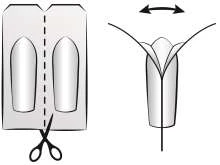
Dicloberl 50 should be inserted deeply into the rectum, preferably after defecation.
To improve lubrication, the suppository may be warmed in the hand or briefly immersed in hot water.
Duration of treatment
The treating physician decides on the duration of treatment.
In rheumatic diseases, long-term use of Dicloberl 50 may be required.
Using the medicine at the lowest effective dose for the shortest necessary period to relieve symptoms reduces the risk of adverse effects (see "Warnings and precautions").
If you feel that the effect of Dicloberl 50 is too strong or too weak, consult your doctor.
Use in children and adolescents
Use of Dicloberl 50 in children and adolescents is not recommended.
Use of a higher than recommended dose of Dicloberl 50
Dicloberl 50 should be used according to the doctor's recommendations or dosage instructions provided in the leaflet. If the patient feels that the analgesic effect of the medicine is insufficient, the dose should not be increased; instead, contact your doctor.
There are no characteristic clinical symptoms specifically associated with diclofenac overdose.
Symptoms of overdose may include central nervous system disturbances such as headache, dizziness, feeling of drowsiness and loss of consciousness (in children, also myoclonic seizures), as well as abdominal pain, nausea and vomiting. Additionally, gastrointestinal bleeding and disturbances in liver and kidney function may occur. Sudden drop in blood pressure, breathing difficulties (respiratory depression) and blue-red discoloration of the skin and mucous membranes (cyanosis) may also occur.
There is no specific antidote.
In case of suspected overdose, inform your doctor immediately.
Depending on the severity of poisoning, the doctor will decide on appropriate treatment.
Missed dose of Dicloberl 50
Do not use a double dose to make up for a missed dose.
If you have any further questions concerning the use of this medicine, consult your doctor or pharmacist.
4. Possible adverse effects
Like all medicines, this medicine can cause adverse effects, although not everyone will experience them.
Some adverse effects may be serious. If any adverse symptoms occur,
you should inform your doctor, who will decide on further management.
The occurrence of the following adverse effects of the medicinal product primarily depends on
the dose used and varies individually.
The most commonly observed adverse effects are gastrointestinal disorders.
Peptic ulceration of the stomach and/or duodenum (peptic ulcers), gastrointestinal perforation or bleeding may occur, sometimes leading to death, particularly in elderly patients (see section 2 "Warnings and precautions"). Nausea, vomiting, diarrhoea, flatulence, constipation, abdominal pain, tarry stools, haematemesis (vomiting blood), gastritis, oral ulcerative inflammation, exacerbation of colitis and Crohn's disease have been reported after administration of the medicine (see section 2 "Warnings and precautions"). The risk of gastrointestinal bleeding particularly depends on the dose used and duration of treatment.
Dicloberl 50 must be discontinued and medical advice sought immediately if the patient notices:
- mild painful abdominal cramps and tenderness occurring soon after starting Dicloberl 50, followed by rectal bleeding or bloody diarrhoea, usually within 24 hours of the onset of abdominal pain (frequency unknown – cannot be estimated from available data).
- Severe allergic skin reaction, which may manifest as widespread red and/or dark spots, skin swelling, blisters and itching (generalized fixed bullous eruption).
Inform your doctor immediately if any of the following symptoms occur:
- Chest pain, which may be a sign of a potentially serious allergic reaction called Kounis syndrome.
Oedema (fluid retention), hypertension and heart failure have been reported during treatment with NSAIDs.
Use of medicines such as Dicloberl 50 may be associated with an increased risk of arterial thrombotic events, e.g. myocardial infarction or stroke (see section 2 "When not to use Dicloberl 50" and "Warnings and precautions").
Common: may affect up to 1 in 10 patients
- Gastrointestinal disturbances such as nausea, vomiting, diarrhoea, as well as minor gastrointestinal blood loss, which in rare cases may lead to anaemia (low red blood cell count).
- Hypersensitivity reactions such as rash and itching.
- Central nervous system disorders such as headache, dizziness, sensation of emptiness in the head, anxiety (restlessness), irritability or fatigue.
- Digestive disturbances (dyspepsia), flatulence, gastric spasms (abdominal pain), loss of appetite, as well as peptic ulceration of the stomach or duodenum (with risk of bleeding or perforation).
- Increased liver enzyme activity in blood.
- Vestibular dizziness.
- Local irritation, passage of mucus with blood or painful defecation may frequently occur after suppository administration.
Uncommon: may affect up to 1 in 100 patients
- Urticaria. In such cases, the medicine should be discontinued immediately and medical advice sought.
- Haematemesis (vomiting blood), blood in stool or bloody diarrhoea.
- Liver damage (particularly during long-term treatment), hepatitis with or without jaundice (in rare cases with fulminant course, even without preceding symptoms).
- Alopecia (hair loss).
- Oedema (fluid retention), particularly in patients with hypertension or impaired renal function.
Rare: may affect up to 1 in 1,000 patients
- Hypersensitivity, anaphylactic and anaphylactoid reactions (may present as bronchospasm, dyspnoea (respiratory failure), tachycardia, hypotension and shock).
- Gastritis (inflammation of the stomach lining), gastrointestinal bleeding.
- Liver function disorders.
- Asthma, including breathing difficulties (dyspnoea).
Very rare: may affect up to 1 in 10,000 patients
-
Worsening of infections (e.g. development of necrotizing fasciitis) temporally associated with systemic use of NSAIDs (non-steroidal anti-inflammatory drugs, including Dicloberl 50). If signs of infection (e.g. redness, swelling, warmth, pain, fever) occur or worsen during treatment with Dicloberl 50, the patient should seek immediate medical advice. The doctor will decide whether additional treatment for infection or antibiotics are necessary.
-
Symptoms of meningitis (aseptic meningitis) such as headache, nausea, vomiting, fever, neck stiffness or altered consciousness have occurred
during diclofenac treatment. Patients with concomitant autoimmune diseases (systemic lupus erythematosus, mixed connective tissue disease) appear to be at higher risk of the above-mentioned adverse effects. -
Blood disorders [anaemia, leukopenia (reduced white blood cell count), thrombocytopenia (reduced platelet count), pancytopenia (reduced red and white blood cells and platelets), agranulocytosis (acute condition associated with severe, life-threatening reduction in neutrophils), haemolytic and aplastic anaemia (lack of red blood cells due to accelerated destruction)]. Initial symptoms of these disorders may include fever, sore throat, oral ulcers, influenza-like symptoms, severe fatigue, nosebleeds and skin haemorrhages. In such cases, the medicine should be discontinued immediately and medical advice sought. Do not self-medicate with antipyretics or analgesics. Blood parameters should be monitored regularly during long-term treatment.
-
Angioedema (swelling of the face, tongue or larynx). If any of these symptoms occur, even after a single dose, diclofenac should be discontinued and immediate medical help sought.
-
Allergic vasculitis and lung inflammation.
-
Psychotic reactions, depression, anxiety, insomnia, nightmares.
-
Sensory disturbances, taste disturbances, memory impairment, disorientation, seizures, tremor, stroke.
-
Visual disturbances (blurred or double vision).
-
Tinnitus, hearing disturbances.
-
Palpitations, chest pain, reduced cardiac function (heart failure), heart attack (myocardial infarction).
-
High blood pressure (hypertension).
-
Inflammation of the oral mucosa, including oral ulcerative inflammation, glossitis (inflammation of the tongue), oesophageal damage, constipation, as well as lower abdominal symptoms such as colitis (including haemorrhagic colitis), or exacerbation of Crohn's disease or ulcerative colitis (inflammatory conditions of the large intestine with associated ulceration), pancreatitis, intestinal stricture. If severe upper abdominal pain, haematemesis, black stools or blood in stool occur, Dicloberl 50 should be discontinued and the doctor notified immediately.
-
Hepatic necrosis, liver failure. Liver function parameters should be monitored regularly during long-term treatment.
-
Severe skin reactions such as erythematous skin rash (urticaria, exanthema, erythema, erythema multiforme), blistering skin rash (e.g. Stevens-Johnson syndrome and toxic epidermal necrolysis/Lyell's syndrome) or skin desquamation (exfoliative dermatitis), photosensitivity (hypersensitivity to light), local skin haemorrhage (purpura), which may have an allergic nature.
-
Kidney damage (interstitial nephritis, papillary necrosis), which may be accompanied by acute renal failure, protein in urine (proteinuria) and/or blood in urine (haematuria), nephrotic syndrome (oedema and increased protein in urine). Therefore, kidney function should be monitored regularly. Reduced urine output, fluid retention (oedema) and malaise may be signs of kidney dysfunction, including renal failure. If these symptoms occur or worsen during treatment with Dicloberl 50, the patient should stop taking the medicine and seek immediate medical advice.
Frequency not known: frequency cannot be estimated from available data
- Ischaemic colitis,
- Allergic skin reaction, which may present as round or oval red patches and skin swelling, blisters and itching (erythema multiforme). The skin in affected areas may also appear darker, which may persist after healing. Upon re-exposure to the medicine, erythema multiforme usually recurs in the same locations.
Follow the instructions above regarding certain adverse effects!
Reporting of adverse effects
If any adverse effects occur, including those not listed in this leaflet, inform your doctor, pharmacist or nurse.
Adverse effects can be reported directly to the Department of Monitoring Adverse Drug Reactions, Office for Registration of Medicinal Products, Medical Devices and Biocidal Products
Al. Jerozolimskie 181C
02-222 Warsaw
Tel.: +48 22 49 21 301
Fax: +48 22 49 21 309
Website: https://smz.ezdrowie.gov.pl
Adverse effects can also be reported to the marketing authorization holder.
Reporting adverse effects helps provide more information on the safety of the medicine.
5. How to store Dicloberl 50
Keep this medicine out of sight and reach of children.
Do not use Dicloberl 50 after the expiry date stated on the cardboard package following: EXP (abbreviation used to describe the expiry date). The expiry date refers to the last day of the stated month.
Do not store above 25°C. Store in the original packaging to protect from light.
Medicines must not be disposed of via wastewater or household waste. Ask your pharmacist how to dispose of medicines no longer required. Such measures help protect the environment.
6. Contents of the package and other information
What Dicloberl 50 contains
- The active substance is sodium diclofenac. Each suppository contains 50 mg of sodium diclofenac.
- Other ingredients are: propyl gallate, ethanol 96%, corn starch, hard fat (Witepsol H 15).
What Dicloberl 50 looks like and contents of the pack
Almost white to slightly yellowish, elongated suppositories in blisters made of opaque composite foil PVC/PE with embossed batch number.
Pack containing 5 or 10 suppositories.
Not all pack sizes may be marketed.
Marketing Authorisation Holder and Manufacturer
Berlin-Chemie AG
Glienicker Weg 125
12489 Berlin, Germany
For further information regarding this medicinal product, please contact the local representative of the Marketing Authorisation Holder:
Berlin-Chemie/Menarini Polska Sp. z o.o.
Tel. + 48 22 566 21 00
Fax: + 48 22 566 21 01