Dexamethasone kalceks
Poland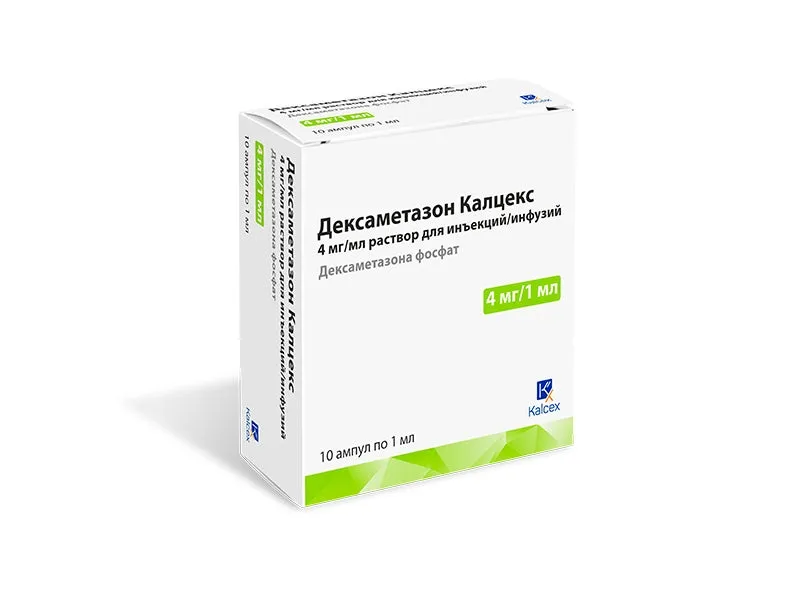
Table of Contents
- Package leaflet: Information for the user
- 1. What Dexamethasone Kalceks is and what it is used for
- 2. Important information before using Dexamethasone Kalceks
- 3. How to use Dexamethasone Kalceks
- 4. Possible adverse effects
- 5. How to store Dexamethasone Kalceks
- 6. Package contents and other information
- Information intended exclusively for medical professionals:
Package leaflet: Information for the user
Dexamethasone Kalceks, 4 mg/mL, solution for injection/infusion
Dexamethasoni phosphas
Read this leaflet carefully before using this medicine because it contains important information for you.
- Keep this leaflet. You may need to read it again.
- If you have any further questions, ask your doctor or pharmacist.
- This medicine has been prescribed for a specific individual. Do not pass it on to others. It may harm them, even if their symptoms are the same as yours.
- If you experience any side effects, including any not listed in this leaflet, tell your doctor or pharmacist. See section 4.
Leaflet contents
- What Dexamethasone Kalceks is and what it is used for
- What you need to know before using Dexamethasone Kalceks
- How to use Dexamethasone Kalceks
- Possible side effects
- How to store Dexamethasone Kalceks
- Contents of the pack and other information
1. What Dexamethasone Kalceks is and what it is used for
Dexamethasone Kalceks contains the active substance dexamethasone sodium phosphate (referred to hereafter as dexamethasone). Dexamethasone is a synthetic glucocorticoid (a corticosteroid hormone). It reduces inflammatory symptoms and affects important metabolic processes.
Systemic administration (affecting the whole body)
Dexamethasone Kalceks is frequently used in the following emergency situations, usually starting with a high dose:
- Treatment and prevention of cerebral edema caused by brain tumour (post-surgery and after radiotherapy), and after spinal cord injury.
- Shock state caused by a severe allergic reaction known as "anaphylactic shock" (e.g. reaction to contrast agents).
- Shock states following severe trauma, prevention of post-traumatic "shock lung" (acute respiratory failure).
- Persistent severe asthma attacks.
- Initial treatment of extensive, severe skin diseases with serious course (e.g. pemphigus vulgaris, erythrodermia).
- Severe blood disorders (e.g. acute idiopathic thrombocytopenic purpura, hemolytic anemia, as an adjunctive treatment in leukemia).
- As second-line treatment in patients with impaired adrenal cortex function or adrenal insufficiency (adrenal insufficiency, Addisonian crisis).
Dexamethasone Kalceks is used in the treatment of COVID-19 in adult and adolescent patients (aged 12 years and older, weighing at least 40 kg) who have difficulty breathing and require oxygen therapy.
Local administration (affecting specific body parts)
-
Periarticular (around joints) and infiltrative (tissue-penetrating) injections, e.g. in shoulder joint inflammation (periarthritis scapulohumeralis), elbow joint (epicondylitis), joint cushioning sacs (bursitis), tendon sheaths (tendovaginitis), and wrist (styloiditis).
-
Intra-articular injection (into the joint), e.g. in rheumatoid arthritis when individual joints are affected or do not respond adequately to systemic treatment; accompanying inflammatory reactions in degenerative joint disease (rheumatoid arthritis).
2. Important information before using Dexamethasone Kalceks
When not to use Dexamethasone Kalceks
- If the patient is allergic to dexamethasone or any of the other ingredients of this medicine (listed in section 6).
- Systemic infection, including infections caused by fungi (e.g. aspergillosis), which are not being treated with antibiotics.
- Intra-articular injection is contraindicated in the following cases: infection within or in the immediate vicinity of the joint being treated; bacterial arthritis; joint instability requiring treatment; bleeding tendency (spontaneous or caused by anticoagulant drugs); periarticular calcification; local bone necrosis, especially of the humeral or femoral head (avascular necrosis of bone); tendon rupture; joint disease caused by syphilis (Charcot's joint).
- Injectable infiltration is contraindicated without additional causal treatment if infections are present at the site of administration.
Warnings and precautions
Before starting treatment, discuss this with your doctor, pharmacist, or nurse,
as special caution is required if:
- The patient has acute or chronic bacterial infection
- The patient has had tuberculosis
- The patient has fungal infection involving internal organs
- The patient has a parasitic disease (e.g. amoebiasis, ascariasis)
- The patient has acute viral infection (hepatitis B, herpes virus infection, varicella)
- The patient (or their child) has been or needs to be vaccinated (see "Dexamethasone Kalceks and other medicines"). In particular, inform the treating doctor if the patient has not had measles or varicella, or if the child's immune system is weakened
- The patient has gastric or intestinal ulcers
- The patient has osteoporosis (loss of bone mass). The treating doctor may wish to measure bone density before starting long-term treatment. If necessary, the doctor may prescribe calcium supplements, vitamin D and/or medications for reduced bone density. In patients with severe osteoporosis, this medicine will be used only for life-threatening conditions or short-term treatment
- The patient has difficulty controlling high blood pressure
- The patient has diabetes
- The patient has previously experienced psychiatric disorders, including suicidal tendencies
- The patient has increased intraocular pressure (closed-angle or open-angle glaucoma), corneal damage or corneal ulceration (as close monitoring and treatment by an ophthalmologist are required)
- The patient has heart or kidney disorders
- The patient has myasthenia (a muscle disease), as symptoms may initially worsen after dexamethasone administration; initial dose should be carefully selected
- The patient has a tumour of the adrenal gland (pheochromocytoma). If the patient is unsure whether any of the above apply, they should consult their doctor or pharmacist before using this medicine.
The patient should inform their doctor if they notice any of the following symptoms
during treatment with this medicine:
- Muscle cramps, muscle weakness, confusion, visual disturbances or loss of vision, and shallow breathing, if the patient has a haematological malignancy. These may be symptoms of tumour lysis syndrome.
- Blurred vision or other visual disturbances.
Concomitant use of corticosteroids
Do not stop taking other steroid medicines unless advised by your doctor.
General precautions regarding steroid use in specific diseases, masking of infection, concomitant medications, etc., should follow current recommendations.
Severe allergic reactions
Severe allergic reactions, including anaphylaxis (a potentially life-threatening reaction), may occur, with symptoms such as irregular heartbeat, bronchospasm, drop or rise in blood pressure, circulatory failure, or cardiac arrest.
Adrenal insufficiency
Sudden discontinuation of treatment lasting more than 10 days may lead to acute adrenal insufficiency. Therefore, the dose should be gradually reduced if treatment is to be stopped. Depending on the dose and duration of treatment, adrenal insufficiency caused by glucocorticoid therapy may persist for several months, and in individual cases even for over a year after treatment ends.
If unusual physical stress situations occur during treatment, such as illness with fever, accidents, or surgery, immediately inform your doctor or emergency physician about ongoing dexamethasone treatment. Temporary increase in daily dexamethasone dose may be necessary. Glucocorticoid administration may also be required during physical stress if adrenal insufficiency persists after treatment ends.
Risk of infection
Administration of dexamethasone at doses higher than those required for maintenance therapy is associated with an increased risk of infection, possible worsening of existing infection, and possible reactivation of latent infection. The anti-inflammatory effect may mask signs of infection until the infection becomes advanced.
Gastrointestinal disorders
Due to the risk of intestinal wall perforation with peritonitis, this medicine should be used with appropriate monitoring only if there are absolute medical indications in the following cases:
- Severe colitis (ulcerative colitis) with inevitable perforation;
- Abscesses or pyogenic infections (filled with pus);
- Diverticulitis (inflammation of outpouchings [diverticula] in the wall of the colon);
- After certain types of intestinal surgery (intestinal anastomoses) immediately post-operatively. Signs of peritoneal irritation after gastrointestinal perforation may not be evident in patients receiving high doses of glucocorticoids.
Long-term treatment
In long-term therapy, regular medical check-ups are recommended (including ophthalmological examinations every 3 months); after relatively high doses, adequate potassium intake (e.g. vegetables, bananas) and restricted sodium (salt) intake should be ensured, and blood potassium levels monitored. Careful monitoring is also recommended in patients with severe heart failure (inability of the heart to deliver the required cardiac output for metabolism, during exertion or even at rest).
Warnings related to specific routes of administration
- When administered intravenously, the medicine should be injected slowly (over 2–3 minutes), as too rapid injection may cause transient unpleasant tingling or unusual skin sensations lasting up to 3 minutes. These symptoms are harmless in themselves.
- Intra-articular injection of glucocorticosteroids increases the risk of joint infection. Long-term and repeated use of glucocorticosteroids in weight-bearing joints may lead to worsening degenerative changes within the joint. One possible cause is overuse of the affected joint after pain or other symptoms have subsided.
Other warnings
- Bradycardia (slowed heart rate) may occur after high doses.
- The risk of tendon disorders, tendonitis, and tendon rupture increases when fluoroquinolones (antibiotics) are used concomitantly with dexamethasone.
- Vaccination with inactivated (killed) vaccines is generally possible. However, it should be noted that immune response, and thus effective vaccination, may be reduced at higher doses.
- In elderly patients, the doctor will consider the benefit-risk ratio and pay attention to adverse effects such as osteoporosis (bone tissue deterioration).
- If dexamethasone is administered to a premature infant, monitoring of heart function and structure is required.
Children and adolescents
Routine use of dexamethasone is not recommended in preterm infants with respiratory disorders. In children and adolescents, this medicine should be used only when necessary due to the risk of growth retardation. Whenever possible, during long-term treatment, intermittent therapy should be aimed for.
Dexamethasone Kalceks and other medicines
Inform your doctor or pharmacist about all medicines currently taken or recently taken, as well as any medicines planned for use.
Some medicines may enhance the effect of dexamethasone, and the treating doctor may wish to closely monitor the patient if these medicines are used (including HIV treatments: ritonavir, cobicistat).
Inform your doctor or pharmacist if the patient is taking any of the following medicines:
- Medicines used to treat heart failure (cardiac glycosides);
- Medicines used to increase urine output;
- Medicines that lower blood glucose (antidiabetic agents);
- Medicines that prevent blood clotting or thin the blood (coumarin derivatives);
- Ephedrine (used in asthma and poor circulation);
- Rifampicin (used to treat tuberculosis);
- Medicines used to treat seizures and epilepsy (phenytoin, carbamazepine, primidone);
- Barbiturates (medicines that aid sleep);
- Ketoconazole, itraconazole (used to treat fungal infections);
- Medicines used to treat infections (macrolide antibiotics, e.g. erythromycin, or fluoroquinolones, e.g. ciprofloxacin);
- Painkillers, anti-inflammatory and anti-rheumatic medicines (e.g. salicylates and indomethacin);
- Contraceptive medicines containing oestrogen;
- Medicines used to treat intestinal parasites (praziquantel);
- Medicines used to treat high blood pressure and certain heart conditions (ACE inhibitors);
- Antimalarial medicines (chloroquine, hydroxychloroquine, mefloquine);
- Somatropin (growth hormone);
- Laxatives;
- Atropine and other anticholinergic medicines (medicines that block the action of a specific brain neurotransmitter);
- Muscle relaxants;
- Medicines that suppress the immune system (cyclosporine);
- Bupropion (used for smoking cessation).
Effect on diagnostic tests: Skin reactions in allergy tests may be suppressed. Interactions are possible with a medicine used in thyroid testing (protirelin: the rise in thyrotropin (TSH) after protirelin administration may be reduced).
If dexamethasone treatment is initiated approximately 8 weeks before and continued until 2 weeks after prophylactic vaccination with a live vaccine, reduced or absent vaccine efficacy may be expected.
Pregnancy, breastfeeding and fertility
Pregnancy
If the patient is pregnant or breastfeeding, suspects she may be pregnant, or is planning to become pregnant, she should consult her doctor or pharmacist before using this medicine.
Dexamethasone crosses the placenta. During pregnancy, especially during the first three months, the medicine should be used only after careful assessment of benefit versus risk. Therefore, if the patient is pregnant or becomes pregnant, she should inform her doctor. With prolonged use of glucocorticosteroids during pregnancy, impaired fetal growth cannot be excluded. In cases of glucocorticosteroid use in late pregnancy, neonatal adrenal insufficiency may occur, which may require replacement therapy that should be gradually withdrawn. In newborns of mothers who received Dexamethasone Kalceks towards the end of pregnancy, low blood sugar levels may occur after birth.
Breastfeeding
Glucocorticosteroids pass into human milk. Harmful effects on the infant have not been reported to date. Nevertheless, they should be used only when strictly indicated during breastfeeding. If higher doses are required, breastfeeding should be discontinued.
Fertility
No studies on fertility have been conducted.
Driving and operating machinery
No studies have been conducted on the effect on the ability to drive and operate machinery.
Dexamethasone Kalceks contains sodium
The medicine contains approximately 3 mg of sodium (main component of table salt) in each mL of solution.
This corresponds to 0.15% of the maximum recommended daily dietary sodium intake for adults.
3. How to use Dexamethasone Kalceks
This medicine should always be used exactly as directed by the physician. The physician will decide how long the patient should use dexamethasone. If in doubt, consult a doctor or pharmacist.
This medicine may be administered intravenously, intramuscularly, intra-articularly, or by infiltration into soft tissues.
Dosage depends on the indication, severity of symptoms, individual patient response, and, in the case of intra-articular injection, on the size of the joint.
Glucocorticosteroids should be used only as long as – and only in doses as low as – absolutely necessary to achieve and maintain the desired therapeutic effect. The duration of treatment depends on the indication. Long-term use of dexamethasone must not be stopped abruptly; the dose should be gradually reduced according to the physician's instructions.
Treatment of COVID-19
Adult patients: The recommended dose is 6 mg intravenously once daily for up to 10 days.
Use in adolescents: Pediatric patients (adolescents aged 12 years or older with body weight at least 40 kg) should receive 6 mg intravenously once daily for up to 10 days.
Renal impairment
Dosage adjustment is not required.
Hepatic impairment
Dosage adjustment may be necessary in patients with severe hepatic impairment.
Children and adolescents
In children under 14 years of age, during long-term treatment, a 4-day treatment-free interval should be introduced after every 3 days of therapy due to the risk of growth disturbances.
Use of a higher than recommended dose of Dexamethasone Kalceks
There are no known cases of acute dexamethasone poisoning. In case of overdose, increased adverse effects should be expected. If a patient believes they have received too high a dose, they should inform their treating physician.
Discontinuation of Dexamethasone Kalceks
Treatment should not be interrupted or discontinued abruptly unless directed by the physician. However, if a patient decides to discontinue treatment, for example due to adverse effects or improved well-being, they not only risk treatment failure but also expose themselves to significant risks.
In particular, a patient undergoing long-term treatment should never discontinue this medicine independently. The patient should always consult their physician first.
If there are any further doubts regarding the use of this medicine, consult a doctor or pharmacist.
4. Possible adverse effects
Like all medicines, this medicine can cause adverse effects, although not everyone will experience them.
The risk of adverse effects with short-term treatment with dexamethasone is low. Possible adverse effects include:
- gastric or duodenal ulcers;
- reduced ability of the body to defend against infections;
- increased blood sugar levels (reduced glucose tolerance).
The following adverse effects may occur, which largely depend on the dose and duration of treatment, and therefore their frequency is unknown (frequency cannot be estimated from available data):
Infections and infestations
Masking of fungal, viral and other infections (opportunistic infections), promoting their development or worsening; activation of pinworms (see section 2, "Warnings and precautions").
Blood and lymphatic system disorders
Changes in blood morphology (moderate leukocytosis, lymphopenia, eosinopenia, polycythemia).
Immune system disorders
Hypersensitivity reactions (e.g. rash), immunosuppression, allergic reactions, and even anaphylaxis (acute life-threatening allergic reaction), with symptoms such as irregular heartbeat, respiratory muscle spasm, decreased or increased blood pressure, circulatory failure, cardiac arrest.
Endocrine disorders
Cushing's syndrome (e.g. moon face, upper body obesity), adrenal cortex inactivity or shrinkage (atrophy).
Metabolism and nutrition disorders
Sodium retention with fluid accumulation in tissues, increased potassium excretion (note: possible disturbances in heart rhythm), weight gain, increased blood sugar levels (impaired glucose tolerance), diabetes, increased blood lipid levels (cholesterol and triglycerides), increased appetite.
Psychiatric disorders
Psychosis, depression, irritability, euphoria (excessive happiness), sleep disturbances, emotional lability, anxiety, mania, hallucinations, suicidal thoughts.
Nervous system disorders
Pseudotumor cerebri ("false" brain tumor), first-time occurrence of epilepsy promoted in patients with latent epilepsy (previously "dormant") and increased susceptibility to seizures in previously diagnosed epilepsy (seizures).
Eye disorders
Glaucoma, cataract, worsening of corneal ulcer symptoms, promotion of viral, fungal and bacterial eye infections; worsening of bacterial corneal ulcers, drooping eyelid (Latin: ptosis), pupil dilation, conjunctival swelling in the eye, iatrogenic scleral perforation (injury to the sclera caused by a physician [white part of the eye]), visual disturbances or vision loss, blurred vision.
In rare cases, reversible protrusion of the eyeball (Latin: exophthalmos).
Cardiac disorders
Thickening of the heart muscle (hypertrophic cardiomyopathy) in premature infants, which usually resolves after discontinuation of treatment.
Vascular disorders
High blood pressure, increased risk of atherosclerosis (changes in blood vessel walls) and thrombosis (blockage of blood vessels by a clot), inflammation of blood and lymphatic vessels (vasculitis, including as a withdrawal syndrome after long-term treatment), fragility of blood vessel walls (capillary fragility).
Gastrointestinal disorders
Gastrointestinal discomfort, gastrointestinal ulcers, gastrointestinal bleeding, pancreatitis, risk of intestinal perforation in ulcerative colitis (severe inflammation of the large intestine).
Skin and subcutaneous tissue disorders
Stretch marks, skin thinning, pinpoint bleeding under the skin, bruising, steroid acne, perioral dermatitis, dilation of superficial blood vessels, excessive body hair growth, changes in skin pigmentation.
Musculoskeletal and connective tissue disorders
Muscle weakness, muscle atrophy, inflammatory muscle disease, tendon disorders, tendonitis, tendon rupture, loss of bone tissue (osteoporosis), delayed growth in children, aseptic bone necrosis (bone tissue death without microbial involvement), increased fat tissue in the spinal canal.
Reproductive system and breast disorders
Disorders of sex hormone secretion, such as absence of menstruation, excessive male-pattern hair growth in women (hirsutism), impotence.
General disorders and administration site conditions
Slower wound healing.
Local administration
Possible local irritation and signs of hypersensitivity (burning sensation, persistent pain), particularly after ocular administration. Tissue atrophy cannot be excluded if dexamethasone is not properly injected into the joint cavity.
Reporting of adverse effects
If any adverse effects occur, including any not listed in this leaflet, inform your doctor or pharmacist.
Adverse effects can be reported directly to the Department for Monitoring Adverse Drug Reactions, Office for Registration of Medicinal Products, Medical Devices and Biocidal Products
Al. Jerozolimskie 181C
02-222 Warsaw
Phone: +48 22 49 21 301
Fax: +48 22 49 21 309
Website: https://smz.ezdrowie.gov.pl
Adverse effects can also be reported to the marketing authorization holder.
Reporting adverse effects helps to provide more information on the safety of the medicine.
5. How to store Dexamethasone Kalceks
Keep the medicine out of the sight and reach of children.
Do not store above 30 °C.
Store the ampoules in the outer packaging to protect from light.
After opening the ampoule: After opening, the medicine should be used immediately.
Shelf life after dilution
Chemical and physical in-use stability has been demonstrated for 48 hours at 25 °C (under conditions of protection from light) and 2 to 8 °C.
From a microbiological standpoint, the diluted solution should be used immediately. If the solution is not used immediately, the user is responsible for the storage conditions and duration prior to use, which should generally not exceed 24 hours at 2 to 8 °C, unless the dilution was carried out under controlled and validated aseptic conditions.
Do not use this medicine after the expiry date stated on the ampoule label after "EXP" and on the cardboard box after "Expiry date (EXP)". The expiry date refers to the last day of the stated month.
Medicines must not be disposed of via the sewage system or household waste. Ask your pharmacist how to dispose of medicines no longer required. Such measures will help protect the environment.
6. Package contents and other information
What Dexamethasone Kalceks contains
- The active substance is dexamethasone sodium phosphate.
Each 1 mL ampoule contains dexamethasone sodium phosphate equivalent to 4 mg
of dexamethasone phosphate.
Each 2 mL ampoule contains dexamethasone sodium phosphate equivalent to 8 mg
of dexamethasone phosphate.
- The other ingredients are: creatinine, sodium citrate, disodium edetate, sodium hydroxide, water for injections.
What Dexamethasone Kalceks looks like and contents of the pack
A clear, colourless solution free from visible particles.
1 mL or 2 mL ampoules made of clear, colourless type I glass with a breakpoint.
The ampoules are marked with a coloured ring.
Ampoules are packed in sleeves. Sleeves are packed in cardboard boxes.
Pack sizes:
3, 10, 25, 50 or 100 ampoules of 1 mL
5, 10, 25, 50 or 100 ampoules of 2 mL
Not all pack sizes may be marketed.
Marketing Authorisation Holder and Manufacturer
AS KALCEKS
Krustpils iela 71E
LV-1057 Rīga
Latvia
Tel.: +371 67083320
E-mail: [email protected]
This medicinal product is authorised in the European Economic Area countries under the following names:
Estonia Dexamethasone Kalceks
Austria, Germany Dexamethason Kalceks 4 mg/ml Injektions-/Infusionslösung
Croatia Deksametazon Kalceks 4 mg/ml otopina za injekciju/infuziju
Czech Republic, Poland Dexamethasone Kalceks
Denmark, Norway Dexamethasone phosphate Kalceks
Finland Dexalcex 4 mg/ml injektio-/infuusioneste, liuos
France DEXAMETHASONE KALCEKS 4 mg/1 mL, solution injectable/pour perfusion
Hungary Dexamethasone Kalceks 4 mg/ml oldatos injekció vagy infúzió
Ireland Dexamethasone phosphate 4 mg/ml solution for injection/infusion
Italy Desametasone Kalceks
Latvia Dexamethasone Kalceks 4 mg/ml šķīdums injekcijām/infūzijām
Lithuania Dexamethasone Kalceks 4 mg/ml injekcinis ar infuzinis tirpalas
Netherlands Dexamethasonfosfaat Kalceks 4 mg/ml oplossing voor injectie/infusie
Portugal Dexametasona Kalceks
Slovenia Deksametazon Kalceks 4 mg/ml raztopina za injiciranje/infundiranje
Spain Dexametasona Kalceks 4 mg/ml soluciόn inyectable y para perfusiόn EFG
Sweden Dexalcex
Information intended exclusively for medical professionals:
Dosage and method of administration
When high single doses are required, consider using a medicinal product containing dexamethasone with a higher concentration per unit volume.
- 1. Systemic administration
In the treatment and prevention of cerebral edema in brain tumors (postoperatively and after irradiation) and after spinal cord injuries
Depending on the cause and severity, the initial dose is 8–10 mg (up to 80 mg) intravenously (iv.), followed by 16–24 mg (up to 48 mg)/day divided into 3–4 (6) single doses iv. for 4–8 days. Long-term administration of lower doses of dexamethasone phosphate may be necessary during radiotherapy and in conservative treatment of non-operable brain tumors.
In anaphylactic shock, first administer adrenaline iv., then 40–100 mg (children: 40 mg) iv. injection, repeated if necessary.
Shock following severe trauma / prophylaxis of post-traumatic shock lung
Initially 40–100 mg (children: 40 mg) iv., repeat dose after 12 hours, or 16–40 mg every 6 hours for 2–3 days.
In severe asthma exacerbations, administer 8–40 mg iv. as early as possible; if needed, repeat injections of 8 mg every 4 hours.
In acute severe dermatoses and severe hematological disorders, initial treatment with 20–40 mg dexamethasone phosphate iv., followed by continued treatment—depending on severity—with the same daily dose or lower doses during the first few days, transitioning to oral therapy.
In the treatment of acute adrenal insufficiency (Addisonian crisis), initiate treatment with 4–8 mg dexamethasone phosphate iv.
In the treatment of COVID-19
Adult patients: 6 mg iv., once daily, for up to 10 days.
Elderly patients, renal impairment, hepatic impairment (when used in low doses (6 mg/day) and for short duration): Dose adjustment is not necessary.
Children and adolescents: Pediatric patients (adolescents aged 12 years or older with body weight at least 40 kg) are recommended to receive 6 mg iv., once daily for up to 10 days.
The duration of treatment should be based on clinical response and individual patient needs.
- 2. Local administration
For local infiltrative, periarticular, and intra-articular treatment under strictly aseptic conditions, inject 4 mg or 8 mg of dexamethasone phosphate. For injection into a small joint, 2 mg of dexamethasone phosphate is sufficient. Depending on the severity of the condition, no more than 3–4 infiltrations or 3–4 injections should be performed per joint. The interval between injections should not be shorter than 3–4 weeks.
Method of administration
For intravenous, intramuscular, intra-articular, or local (injection infiltration) use.
Dexamethasone Kalceks solution for injection/infusion is usually administered by slow intravenous injection (2–3 minutes) in acute disease states, either as a bolus injection or infusion. However, it may also be administered intramuscularly (only in exceptional cases), as local infiltration, or intra-articularly.
Instructions for use and disposal
For single use only.
After opening, the medicinal product should be used immediately. All unused residues must be discarded.
The ampoule should be inspected visually before use. Only clear, particle-free solution should be administered.
The pH of the solution ranges from 7.0 to 8.5.
Do not mix this medicinal product with other medicinal products except those listed below.
Dexamethasone Kalceks solution for injection/infusion is best administered as a direct intravenous injection or via infusion line injection. However, the injection solutions are compatible with the following infusion solutions (250 mL and 500 mL):
- 9 mg/mL (0.9%) sodium chloride solution
- 50 mg/mL (5%) glucose solution
- Ringer's solution
When combining with infusion solutions, consider information provided by the respective manufacturers regarding their infusion solutions, including compatibility data, contraindications, adverse effects, and interactions.
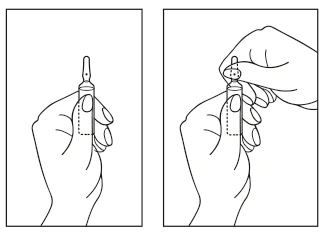
Instructions for opening the ampoule
- Turn the ampoule with the colored dot facing upwards. If there is solution in the upper part of the ampoule, gently tap with the finger to move all the solution to the lower part of the ampoule.
- Use both hands to open the ampoule; hold the lower part of the ampoule in one hand and snap off the top part away from the colored dot (see image below).
Any unused remnants of the medicinal product or waste materials must be disposed of in accordance with local regulations.