Depo-medrol with lidocaine
Poland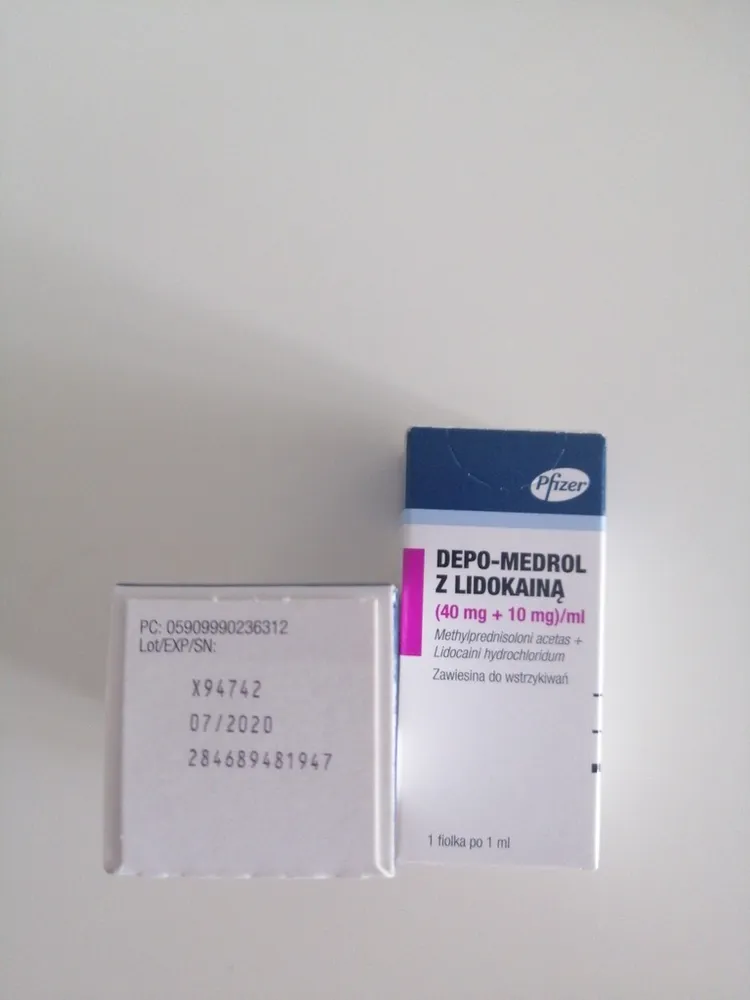
Table of Contents
- Package leaflet: information for the patient
- 1. What Depo-Medrol with lidocaine is and what it is used for
- 2. Important information before using Depo-Medrol with lidocaine
- 3. How to use Depo-Medrol with Lidocaine
- 4. Possible adverse reactions
- 5. How to store Depo-Medrol with Lidocaine
- 6. Contents of the package and other information
- Information intended solely for healthcare professionals
Package leaflet: information for the patient
DEPO-MEDROL WITH LIDOCAINE, (40 mg + 10 mg)/ml, suspension for injection
Methylprednisoloni acetas + Lidocaini hydrochloridum monohydricum
Please read this leaflet carefully before using the medicine, as it contains important information for the patient.
- Keep this leaflet, so that you can read it again if necessary.
- If you have any questions, please consult your doctor or pharmacist.
- This medicine has been prescribed for a specific individual. Do not pass it on to others. This medicine may harm other people, even if their symptoms are the same.
- If you experience any adverse reactions, including any adverse reactions not listed in this leaflet, inform your doctor or pharmacist. See section 4.
Table of contents of the leaflet
- What Depo-Medrol with lidocaine is and what it is used for
- Important information before using Depo-Medrol with lidocaine
- How to use Depo-Medrol with lidocaine
- Possible side effects
- How to store Depo-Medrol with lidocaine
- Contents of the pack and other information
1. What Depo-Medrol with lidocaine is and what it is used for
One of the active substances in the medicine, methylprednisolone acetate, belongs to the group of glucocorticosteroids with anti-inflammatory action, while lidocaine hydrochloride monohydrate has local anaesthetic properties.
Depo-Medrol with lidocaine should be used only for symptomatic treatment.
Depo-Medrol with lidocaine is indicated for short-term local administration as an adjunctive therapy during acute episodes or exacerbations of the following conditions:
synovitis associated with degenerative joint disease
rheumatoid arthritis
post-traumatic degenerative joint disease
acute and subacute tenosynovitis
epicondylitis
acute nonspecific tendovaginitis
acute gouty arthritis.
Depo-Medrol with lidocaine may also be used in the treatment of ganglion cysts, bursitis or tendonitis (ganglia).
2. Important information before using Depo-Medrol with lidocaine
When not to use Depo-Medrol with lidocaine
-
if the patient is allergic to methylprednisolone or any of the other ingredients of this medicine (listed in section 6)
-
if the patient is allergic to lidocaine or other local anaesthetics of the amide type
-
in patients with systemic fungal infection
-
for intrathecal (spinal canal) administration
-
for intravascular (e.g. intravenous) administration
-
for intramuscular administration
-
for epidural administration
-
for administration into the nose, eyeball, or other sites (scalp skin, oropharyngeal cavity, sphenopalatine ganglion)
-
in premature infants and newborns (see section 2).
Warnings and precautions
Patients with the following conditions require special medical supervision during treatment with Depo-Medrol with lidocaine, and therapy should be as short as possible:
- Patients with diabetes: treatment with Depo-Medrol with lidocaine may reveal latent diabetes or increase the need for insulin or oral antidiabetic drugs.
- Patients with hypertension: treatment with Depo-Medrol with lidocaine may worsen arterial hypertension.
Other warnings:
-
Adverse effects of glucocorticoid therapy depend on dose and duration of treatment. The physician will decide individually for each patient on dosage and duration of treatment.
-
Inform the physician about all medicines currently or recently taken, including those available without a prescription.
-
Some medicines may enhance the effect of Depo-Medrol with lidocaine, and the physician may wish to monitor the patient closely when such medicines are used (including certain HIV drugs: ritonavir, cobicistat).
-
Due to the risk of skin and subcutaneous tissue atrophy, the physician will recommend appropriate dosing and injection technique to minimize these complications.
-
Corticosteroids, including methylprednisolone, may increase blood glucose levels, exacerbate pre-existing diabetes, and predispose patients on long-term corticosteroid therapy to develop diabetes.
-
Patients with a history of psychiatric disorders: treatment with Depo-Medrol with lidocaine may worsen existing emotional instability or psychotic tendencies.
-
Psychiatric disturbances may occur during and after treatment with Depo-Medrol with lidocaine. These usually appear within days or weeks of starting treatment. Most resolve after dose reduction or discontinuation of Depo-Medrol with lidocaine. Patients and caregivers should seek medical advice if psychotic symptoms develop, especially depressive mood or suicidal thoughts. Particular attention should be paid to psychiatric disturbances occurring during treatment, immediately after dose reduction, or after discontinuation of Depo-Medrol with lidocaine.
-
Depo-Medrol with lidocaine should be used with caution in patients with seizure disorders.
-
Depo-Medrol with lidocaine should be used with caution in patients with myasthenia.
-
In patients receiving corticosteroids, usually after long-term use of high doses, cases of subcapsular cataracts have been reported.
-
In patients receiving long-term treatment with Depo-Medrol with lidocaine, posterior subcapsular and nuclear cataracts (especially in children), exophthalmos or increased intraocular pressure may develop, which may lead to glaucoma with potential optic nerve damage, and may also promote secondary fungal or viral eye infections.
-
Use of Depo-Medrol with lidocaine has been associated with central serous chorioretinopathy, which may lead to retinal detachment.
-
If the patient experiences blurred vision or other visual disturbances, medical advice should be sought.
-
Patients with ocular herpes simplex or herpes zoster ophthalmicus with ocular symptoms: treatment with Depo-Medrol with lidocaine may increase the risk of corneal perforation.
-
When high doses and long-term treatment with Depo-Medrol with lidocaine are used in patients with cardiovascular risk factors, the drug should be administered cautiously, with additional monitoring of the cardiovascular system if necessary.
-
In patients with congestive heart failure, Depo-Medrol with lidocaine should be used with caution and only if absolutely necessary.
-
Depo-Medrol with lidocaine should be used with caution in patients with hypertension.
-
In patients exposed to severe stress, the physician may recommend appropriate dose increase of Depo-Medrol with lidocaine before, during, and after the stressful period.
-
Long-term use of Depo-Medrol with lidocaine may lead to secondary adrenal insufficiency.
-
Abrupt discontinuation of Depo-Medrol with lidocaine may result in an adrenal "withdrawal syndrome". This syndrome includes symptoms such as: anorexia, nausea, vomiting, lethargy, headache, fever, joint pain, skin desquamation, muscle pain, weight loss and/or hypotension.
-
Depo-Medrol with lidocaine may cause or exacerbate Cushing's syndrome; therefore, patients with Cushing's disease should not use it.
-
Hypothyroid patients may experience enhanced effects of Depo-Medrol with lidocaine.
-
Depo-Medrol with lidocaine may increase susceptibility to infections, may mask some signs of infection, worsen existing infections, or cause recurrence or exacerbation of previous, latent infections. New infections may also occur during treatment. These infections may range from mild to severe and, in some cases, may be fatal. During treatment with Depo-Medrol with lidocaine, immune resistance may decrease and the body may be unable to localize infection. Some infection symptoms may be atypical. The physician will closely monitor the patient for signs of infection and may consider discontinuing or reducing the dose if necessary.
-
Use of corticosteroids, either as monotherapy or in combination with other immunosuppressive agents, may be associated with infections caused by any pathogenic microorganism, including viral, bacterial, fungal, protozoal, or parasitic diseases, in any part of the body. Infections occurring during treatment with these drugs may be mild or severe, sometimes fatal. The frequency of infectious complications increases with increasing corticosteroid doses. Patients taking immunosuppressive drugs are more susceptible to infections than healthy individuals. Chickenpox and measles may have a more severe course or even be fatal in immunocompromised children or adults receiving corticosteroids.
-
In patients with infection, intra-articular, periarticular, or peritendinous injections of these hormones should be avoided.
-
Vaccination with live attenuated virus vaccines is contraindicated in patients receiving immunosuppressive doses of corticosteroids (see section: "Depo-Medrol with lidocaine and other medicines"). Inactivated or killed vaccines may be administered to these patients, but the response may be limited or the vaccines may be ineffective.
-
In patients with active tuberculosis, Depo-Medrol with lidocaine should be used only in fulminant or disseminated forms, in combination with appropriate antituberculosis drugs. If administration of Depo-Medrol with lidocaine is necessary in a patient with latent tuberculosis or a positive tuberculin test, close monitoring is essential, as reactivation of the disease may occur. In such patients, during long-term corticosteroid therapy, the physician may decide on chemoprophylaxis.
-
Oral anticoagulants (medicines taken orally to prevent blood clotting) used together with Depo-Medrol with lidocaine may increase the risk of bleeding. In some cases, the effect of oral anticoagulants may also be reduced. During treatment with Depo-Medrol with lidocaine, frequent monitoring of bleeding risk by the physician through additional blood tests may be necessary. If needed, the physician may also adjust the dose of Depo-Medrol with lidocaine.
-
Cases of Kaposi's sarcoma have been reported in patients receiving corticosteroids. Discontinuation of these drugs may lead to clinical remission.
-
Allergic reactions may occur in patients treated with Depo-Medrol with lidocaine. The drug should be used with caution in patients with a history of allergic reactions to corticosteroids due to the risk of anaphylactic and/or anaphylactoid reactions.
-
After administration of high doses of Depo-Medrol with lidocaine, acute pancreatitis may occur.
-
Treatment with Depo-Medrol with lidocaine may mask symptoms of peptic ulcers, so perforation or hemorrhage may occur without significant preceding pain. Treatment with Depo-Medrol with lidocaine may mask peritonitis or other gastrointestinal disturbances such as perforation, constipation, or pancreatitis. When combined with nonsteroidal anti-inflammatory drugs (NSAIDs), the risk of developing gastric and intestinal ulcer disease increases.
-
Depo-Medrol with lidocaine should be used with caution in patients with ulcerative colitis if there is a risk of perforation, abscess formation, or other forms of suppurative infection. Caution is also advised in diverticulitis, recent intestinal anastomoses, active or latent peptic ulcer disease, when steroids are used as primary or adjunctive therapy.
-
Liver and biliary tract disorders may be reversible after discontinuation of treatment. Therefore, patients must be properly monitored.
-
During administration of high doses of Depo-Medrol with lidocaine, acute myopathy may occur, especially in patients with neuromuscular conduction disorders (e.g. myasthenia) or in patients receiving concomitant anticholinergic drugs, including neuromuscular blockers (e.g. pancuronium). Myopathy may affect eye and respiratory muscles and lead to quadriparesis. Increased creatine kinase activity may occur. Clinical improvement or complete recovery after discontinuation of Depo-Medrol with lidocaine may take weeks or even years.
-
Osteoporosis may occur in patients receiving long-term, high-dose treatment with Depo-Medrol with lidocaine.
-
Depo-Medrol with lidocaine should be used with caution in patients with renal insufficiency.
-
Use of medium and high doses of Depo-Medrol with lidocaine may increase blood pressure, cause salt and water retention, and increase potassium excretion. Therefore, dietary salt restriction and potassium supplementation may be necessary. All glucocorticoids, including Depo-Medrol with lidocaine, increase calcium excretion.
-
Due to the risk of skin and subcutaneous tissue atrophy, the physician will recommend appropriate dosing and injection technique to minimize these complications.
-
Patients should exercise caution when using acetylsalicylic acid and nonsteroidal anti-inflammatory drugs concomitantly with Depo-Medrol with lidocaine.
-
Caution is advised in patients with systemic sclerosis, as increased incidence of scleroderma renal crisis has been observed with corticosteroids, including methylprednisolone. Depo-Medrol with lidocaine should be used with caution in patients with renal insufficiency.
-
Corticosteroid use may affect results of biological tests (e.g. skin tests, thyroid hormone measurements).
-
After administration of Depo-Medrol with lidocaine, pheochromocytoma crisis has been reported, sometimes fatal. In patients suspected or known to have pheochromocytoma, the physician will decide on use of Depo-Medrol with lidocaine only after appropriate benefit-risk assessment.
-
Depo-Medrol with lidocaine should not be used in the treatment of traumatic brain injury.
-
Adverse effects of glucocorticoid therapy depend on dose and duration of treatment. The physician will decide individually for each patient on dosage and duration of treatment.
Children
- In children receiving long-term treatment with Depo-Medrol with lidocaine in divided daily doses, growth suppression may occur. The physician should limit such treatment to the most severe indications.
- Infants and children receiving long-term Depo-Medrol with lidocaine are particularly susceptible to increased intracranial pressure.
- High-dose treatment with Depo-Medrol with lidocaine may cause pancreatitis in children.
INTRA-ARTICULAR ADMINISTRATION
- To prevent infections during administration, aseptic techniques must be observed.
- After intra-articular administration of corticosteroids, the patient should avoid overloading joints in which symptoms have been alleviated. Failure to do so may exacerbate joint destruction, outweighing the benefits of steroid administration.
- Injections should not be performed into unstable joints. In some cases, repeated intra-articular injections may cause joint instability. In selected cases, the physician may decide to perform a control X-ray to detect possible joint deterioration.
ADDITIONAL PRECAUTIONS FOR PARENTERAL ADMINISTRATION OF CORTICOSTEROIDS:
- Intra-articular injection of corticosteroids may cause systemic and local effects.
- Appropriate examination of synovial fluid is necessary to rule out possible infection.
- A marked increase in pain intensity with accompanying local swelling, restricted joint movement, fever, and worsening general condition are potential signs of acute purulent arthritis. If this complication occurs and sepsis is confirmed, the physician will recommend discontinuation of local glucocorticoid injections and appropriate antimicrobial treatment.
- Local administration of steroids into a joint previously affected by infection should be avoided.
- It is not recommended to withdraw multiple doses of Depo-Medrol with lidocaine from a single vial for intra-articular injection.
- Glucocorticoids should not be injected into unstable joints. Strictly sterile technique is essential to prevent infections and contamination of the drug.
Special precautions for the use of lidocaine for local anaesthesia
Administration of local anaesthetics such as lidocaine contained in methylprednisolone with lidocaine solution for injection should be performed under conditions allowing immediate resuscitation. Some local anaesthesia procedures may be associated with severe adverse reactions regardless of the local anaesthetic used, usually due to elevated plasma concentrations resulting from accidental intravascular injection, excessive dose, or rapid absorption from highly vascularized areas. They may also occur due to hypersensitivity, idiosyncrasy, or reduced patient tolerance. Systemic toxic effects mainly affect the central nervous system and/or cardiovascular system.
As with other local anaesthetics, lidocaine should be used with caution in patients with epilepsy, muscle weakness, cardiac conduction disorders, congestive heart failure, hypovolemia, and bradycardia. Children, adolescents, elderly patients, and immunocompromised patients require reduced doses appropriate to age and physical condition.
Depo-Medrol with lidocaine and other medicines
Inform the physician about all medicines currently or recently taken, as well as any medicines the patient plans to take. Depo-Medrol with lidocaine may affect the action of other medicines, and other medicines may affect the action of Depo-Medrol with lidocaine.
Dosage adjustment of Depo-Medrol with lidocaine may be necessary when used concomitantly with the following medicines or products:
antibacterial agents: isoniazid
antituberculosis antibiotic: rifampicin
- oral anticoagulants. Concomitant use with Depo-Medrol with lidocaine may decrease or increase the effect of anticoagulants. Coagulation parameters should be monitored to ensure adequate anticoagulant effect. anticonvulsants: carbamazepine, phenobarbital, phenytoin anticholinergic drugs: neuromuscular blocking agents. Concomitant use of high doses of Depo-Medrol with lidocaine and anticholinergic drugs, e.g. neuromuscular blocking agents, has been associated with acute myopathy muscle relaxants, e.g. pancuronium, vecuronium; Depo-Medrol with lidocaine may partially inhibit neuromuscular blockade induced by muscle relaxants cholinesterase inhibitors: Depo-Medrol with lidocaine may reduce the effect of cholinesterase inhibitors in patients with myasthenia
- antidiabetic drugs: in diabetic patients, dosage adjustment of antidiabetic drugs may be necessary, as Depo-Medrol with lidocaine may increase blood glucose levels antiemetics: aprepitant, fosaprepitant antifungal drugs: itraconazole, ketoconazole antiviral drugs – HIV protease inhibitors: indinavir and ritonavir aromatase inhibitor: aminoglutethimide calcium channel blocker: diltiazem oral contraceptives: ethinylestradiol/norethisterone grapefruit juice immunosuppressants: cyclosporine. When cyclosporine and Depo-Medrol with lidocaine are used concomitantly, mutual inhibition of metabolism may occur, increasing plasma concentrations of one or both drugs. This may increase the risk of adverse effects associated with either drug. Seizures have been reported during concomitant use immunosuppressants: cyclophosphamide, tacrolimus macrolide antibacterial agents: clarithromycin, erythromycin, troleandomycin
- nonsteroidal anti-inflammatory drugs (NSAIDs): high-dose acetylsalicylic acid. Concomitant use of anti-inflammatory drugs with Depo-Medrol with lidocaine may increase the frequency of gastrointestinal bleeding and ulceration. Caution is advised when using acetylsalicylic acid in combination with Depo-Medrol with lidocaine
- drugs that reduce potassium levels. When Depo-Medrol with lidocaine is used concomitantly with potassium-lowering drugs (e.g. diuretics), patients should be monitored for hypokalemia (a condition in which blood potassium ion concentration is below laboratory reference values). The risk of hypokalemia increases when Depo-Medrol with lidocaine is used concomitantly with amphotericin B, xanthines, or beta2-agonists
- drugs that inhibit lidocaine metabolism (e.g. cimetidine). Concomitant use of drugs that inhibit lidocaine metabolism (e.g. cimetidine) and Depo-Medrol with lidocaine may lead to increased plasma lidocaine concentrations reaching potentially toxic levels, especially with repeated administration of high doses over a long period. However, these interactions are not clinically significant during short-term treatment with lidocaine at recommended doses. Lidocaine should be used with caution in patients receiving other local anaesthetics or class IB antiarrhythmics due to cumulative toxic effects.
Pregnancy, breastfeeding and effects on fertility
If the patient is pregnant or breastfeeding, suspects she may be pregnant, or plans to have a child, she should consult a physician or pharmacist before using this medicine.
Fertility
Animal studies have shown that Depo-Medrol with lidocaine has adverse effects on fertility.
Pregnancy
Methylprednisolone
Some animal studies have shown that corticosteroids administered to pregnant mothers may cause fetal developmental abnormalities.
However, corticosteroids have not been shown to cause congenital malformations in fetuses of mothers who received corticosteroids during pregnancy.
Corticosteroids cross the placental barrier.
One retrospective study found an increased incidence of low birth weight in newborns whose mothers received corticosteroids. In humans, the risk of low birth weight is dose-dependent. This risk may be reduced by using lower corticosteroid doses.
Newborns born to mothers who received significant doses of Depo-Medrol with lidocaine during pregnancy should be closely observed and examined for adrenal insufficiency, although adrenal insufficiency in newborns exposed to corticosteroids in fetal life appears to be rare.
Lidocaine
Lidocaine readily crosses the placental barrier.
Local use of lidocaine during pregnancy and delivery may cause adverse effects in the mother and fetus.
Methylprednisolone acetate with lidocaine
Until adequate studies on the effects of Depo-Medrol with lidocaine on human reproductive processes are conducted, it should not be administered to pregnant women unless a careful benefit-risk assessment for mother and fetus has been performed.
The effect of corticosteroids on the course of delivery is unknown.
Cataracts have been observed in infants born to mothers who received long-term corticosteroids during pregnancy.
Depo-Medrol with lidocaine contains benzyl alcohol (see section 2 "Depo-Medrol with lidocaine contains benzyl alcohol and sodium").
Breastfeeding
Methylprednisolone
Corticosteroids pass into breast milk.
In infants breastfed by mothers receiving Depo-Medrol with lidocaine, which passes into breast milk, growth may be suppressed and endogenous glucocorticoid production may be affected.
Lidocaine
Lidocaine passes into breast milk.
Methylprednisolone acetate with lidocaine
This medicine may be used by breastfeeding women only after careful benefit-risk assessment for mother and infant.
Depo-Medrol with lidocaine contains benzyl alcohol (see section 2 "Depo-Medrol with lidocaine contains benzyl alcohol and sodium").
Driving and operating machinery
The effect of Depo-Medrol with lidocaine on the ability to drive and operate machinery has not been studied.
Patients who experience dizziness, balance disturbances, visual disturbances, fatigue, temporary movement disturbances, or impaired motor coordination during treatment with Depo-Medrol with lidocaine should not drive or operate machinery.
If local anaesthesia in an outpatient setting, due to the site of anaesthesia, affects the patient's ability to drive or operate machinery, patients should avoid these activities until full recovery of normal function.
Depo-Medrol with lidocaine contains benzyl alcohol (E 1519) and sodium
Depo-Medrol with lidocaine contains 8.7 mg of benzyl alcohol in each 1 ml of solution, equivalent to 8.7 mg/ml benzyl alcohol. Benzyl alcohol may cause allergic reactions. Administration to young children is associated with the risk of severe adverse reactions, including respiratory disorders (so-called "gasping syndrome"). Medicines containing benzyl alcohol should not be used in newborns (up to 4 weeks of age) or administered to young children (under 3 years of age) for longer than one week without medical advice. Consult a physician or pharmacist if the patient has liver or kidney disease, is pregnant or breastfeeding, as large amounts of benzyl alcohol may accumulate in the body and cause adverse effects such as increased blood acid levels (metabolic acidosis).
The medicine contains less than 1 mmol (23 mg) of sodium per vial, i.e. the medicine is considered "sodium-free".
3. How to use Depo-Medrol with Lidocaine
This medicine should always be used as directed by a physician. If in doubt, consult a doctor or pharmacist.
The physician will determine the appropriate dose, route, and site of administration for Depo-Medrol with Lidocaine.
The medicine is administered intra-articularly or periarticularly.
Treatment with Depo-Medrol with Lidocaine does not eliminate the need for other medications. Although this treatment method leads to symptom relief, it does not provide a cure under any circumstances, and the hormone does not affect the underlying cause of inflammation.
-
Rheumatoid arthritis and osteoarthritis
The dose for intra-articular administration depends on the size of the joint and the severity of the condition in the individual patient. Recommended doses usually range from 4 mg to 80 mg. In chronic conditions, injections may be repeated at intervals of one to five or more weeks, depending on the degree of symptom reduction achieved after the initial injection. -
Tenosynovitis
The physician will adjust the dose appropriately when administering the drug into the joint bursa, depending on the severity of the disease and the patient's response to treatment. -
Other conditions: ganglion, tendonitis, epicondylitis
The physician will adjust the dose according to the severity of the condition and the patient's response to treatment. Recommended doses usually range from 4 mg to 30 mg. In the treatment of recurrent or chronic conditions, repeat injections may be necessary. In many cases, a single injection significantly reduces the size of the joint cyst or may even cause it to disappear completely.
Each injection of Depo-Medrol with Lidocaine must be performed under sterile conditions.
Use in children and adolescents
Long-term treatment with Depo-Medrol with Lidocaine in divided daily doses should be used cautiously in children and adolescents. The physician should limit the use of this type of treatment to the most severe indications (see section: Warnings).
Use in patients with renal function disorders
Depo-Medrol with Lidocaine should be used with caution in patients with impaired renal function.
Administration of a higher than recommended dose of Depo-Medrol with Lidocaine
Methylprednisolone
There is no clinical syndrome of acute methylprednisolone acetate overdose.
Prolonged use of the drug in frequently repeated doses (once daily or several times per week) may lead to Cushing's syndrome and other reactions associated with chronic steroid therapy.
Lidocaine
Symptoms of acute systemic toxicity
Central nervous system toxicity manifests with progressively increasing severity. Initial symptoms may include perioral paresthesia, numbness of the tongue, dizziness, tinnitus, and auditory hypersensitivity. Visual disturbances and muscle twitching or tremors are more severe symptoms and may precede generalized seizures. These should not be mistaken for neurotic behavior. The patient may experience loss of consciousness and grand mal seizures, which may last from several seconds to several minutes. Due to increased muscular activity during seizures, rapid onset of hypoxia and hypercapnia occurs, leading to impaired respiratory function and airway obstruction. In severe cases, respiratory arrest may occur. The toxic effects of local anesthetics are intensified by metabolic acidosis.
In severe cases, cardiovascular symptoms may also occur. As a result of high systemic concentrations, hypotension, bradycardia, arrhythmias, and cardiac arrest may occur, potentially leading to death. Provided an excessive dose of local anesthetic has not been injected, recovery to the pre-treatment state occurs rapidly due to redistribution from the central nervous system and metabolism of the drug.
Treatment of acute systemic toxicity
If symptoms of acute systemic toxicity occur, administration of the local anesthetic must be stopped immediately.
In the event of seizures and central nervous system depression, appropriate treatment must be initiated to ensure oxygenation, control seizures, and support circulation. Airway patency must be ensured, oxygen administered, and, if necessary, assisted ventilation provided (using a face mask and self-inflating bag). Circulation should be supported with plasma or intravenous fluid infusions. In cases requiring further circulatory support due to cardiovascular depression, vasopressor agents may be considered, although this carries the risk of stimulating the central nervous system. Seizures may be controlled by intravenous administration of diazepam or sodium thiopental, but it must be remembered that anticonvulsant drugs may also depress respiration and circulation. Prolonged seizures may worsen ventilation and oxygenation. In such cases, early endotracheal intubation should be considered. If cardiac arrest occurs, standard cardiopulmonary resuscitation procedures should be implemented. Continuous optimal oxygenation and ventilation, circulatory support, and treatment of metabolic acidosis are extremely important.
Dialysis is not effective in the treatment of acute lidocaine overdose.
Missed dose of Depo-Medrol with Lidocaine
Do not administer a double dose to make up for a missed dose.
Discontinuation of Depo-Medrol with Lidocaine
The decision to discontinue treatment is made by the physician. Do not stop treatment without consulting a doctor.
4. Possible adverse reactions
Like all medicines, this medicine can cause adverse reactions, although not everyone experiences them.
The following adverse reactions have been reported with the use of Depo-Medrol with lidocaine administered by the following contraindicated routes: intrathecal or epidural administration:
meningitis, gastrointestinal or urinary bladder dysfunction, headache, meningitis, transverse myelitis (transverse paralysis), convulsions, sensory disturbances.
As with other local anaesthetics, adverse reactions to lidocaine are rare and usually related to increased serum concentrations caused by accidental intravascular injection, administration of excessive doses, or rapid absorption from highly vascularized areas of the body. These reactions may also occur due to hypersensitivity, idiosyncrasy, or reduced patient tolerance.
Systemic toxic effects primarily involve the central nervous system and/or cardiovascular system. Neurological symptoms of systemic toxicity include: dizziness or feeling lightheaded, nervousness, tremor, perioral paraesthesia, tongue numbness, drowsiness, convulsions, coma. Cardiovascular reactions are predominantly depressant and may manifest as: hypotension, bradycardia, myocardial depression, cardiac arrhythmias, and in some cases, cardiac arrest or circulatory collapse. Symptoms of lidocaine toxicity may also include: blurred vision, double vision, and transient blindness.
Possible adverse reactions following administration of Depo-Medrol with lidocaine include:
Frequency unknown (frequency cannot be estimated from the available data)
- Opportunistic infections, infections, peritonitis
- Leukocytosis (increased white blood cell count in blood)
- Hypersensitivity to the drug, anaphylactic reaction, anaphylactoid reaction
- Development of Cushing's syndrome (a cluster of clinical symptoms resulting from excess glucocorticosteroid hormones in the body), decreased hormone secretion by the pituitary gland (a gland located at the base of the brain), steroid withdrawal syndrome
- Metabolic acidosis, sodium retention (accumulation of sodium in the body), fluid retention, hypokalemic alkalosis (alkalosis with low potassium ion concentration in blood), dyslipidemia (abnormal fasting serum concentration of one or more lipoprotein fractions or their composition), impaired glucose tolerance, increased insulin requirement (or oral antidiabetic drugs in diabetic patients), lipomatosis (excessive accumulation of adipose tissue), increased appetite (which may lead to weight gain)
- Affective disorders (including depressive mood, euphoric mood, emotional lability, drug dependence, suicidal thoughts), psychotic disorders (including manic excitement, delusions, hallucinations, and schizophrenia), mental disturbances, personality changes, confusion, anxiety, mood swings, dysfunctional behaviour, insomnia, irritability, nervousness
- Epidural lipomatosis, increased intracranial pressure (with papilledema [benign intracranial hypertension]), loss of consciousness, convulsions, amnesia, cognitive disorders, tremor, drowsiness, hypoesthesia, dizziness, headache
- Chorioretinopathy, cataract, glaucoma, exophthalmos, double vision, visual disturbances, rarely - blurred vision
- Dizziness (of labyrinthine origin), tinnitus
- Cardiac arrest, cardiac arrhythmias, congestive heart failure (in susceptible patients), bradycardia
- Circulatory collapse, thrombosis, hypertension, hypotension, sensation of warmth and skin flushing (hot flushes)
- Respiratory arrest, respiratory depression, pulmonary embolism, hiccups, bronchospasm, dyspnoea
- Gastrointestinal ulcers, intestinal perforation, gastric bleeding, pancreatitis, erosive esophagitis, esophagitis, abdominal distension, abdominal pain, diarrhoea, indigestion, nausea, vomiting
- Angioedema, facial swelling, hirsutism, petechiae, subcutaneous or intradermal haemorrhage, skin atrophy, erythema, excessive sweating, striae, rash, pruritus, urticaria, acne, skin pigmentation changes, depigmentation, skin changes
- Muscle weakness, myalgia, myopathy, atrophy or loss of muscle tissue, osteoporosis, bone necrosis, pathological fractures, neuropathic arthropathy, joint pain, growth suppression, muscle tremor, post-injection pain flare (transient increase in pain at the injection site)
- Irregular menstruation
- Sterile abscess, impaired wound healing, swelling, peripheral oedema, fatigue, malaise, injection site reactions, feeling of cold, feeling of heat
- Increased intraocular pressure, decreased carbohydrate tolerance, decreased blood potassium concentration, increased calcium excretion in urine, increased alanine aminotransferase activity, increased aspartate aminotransferase activity, increased alkaline phosphatase activity in blood, increased blood urea concentration, suppression of reactions in skin tests
- Vertebral compression fractures, tendon rupture
Term not preferred according to MedDRA
Perforation of gastrointestinal ulcer and gastrointestinal ulcer haemorrhage
Peritonitis may be the first clinical sign of gastrointestinal disturbances such as perforation, bowel obstruction, or pancreatitis
Reported for lidocaine only
Reported for methylprednisolone acetate only
Reporting of adverse reactions
If any adverse reactions occur, including any not listed in this leaflet, inform your doctor. Adverse reactions can be reported directly to the Department of Monitoring Adverse Drug Reactions of the Office for Registration of Medicinal Products, Medical Devices and Biocidal Products
Al. Jerozolimskie 181C
02-222 Warsaw
Tel.: +48 22 4921 301
Fax: +48 22 4921 309
Website: https://smz.ezdrowie.gov.pl
Adverse reactions can also be reported to the marketing authorisation holder or the responsible representative.
Reporting adverse reactions helps provide more information on the safety of the medicine.
5. How to store Depo-Medrol with Lidocaine
Keep this medicine out of the sight and reach of children.
Store below 25°C.
Do not use this medicine after the expiry date stated on the packaging after: EXP.
The expiry date refers to the last day of the stated month.
Medicines should not be disposed of via wastewater or household waste. Ask your pharmacist how to dispose of medicines no longer required. Such measures help protect the environment.
6. Contents of the package and other information
What Depo-Medrol with lidocaine contains
Active substances: methylprednisolone acetate (40 mg) and lidocaine hydrochloride
monohydrate (10 mg).
Other components: macrogol, benzyl alcohol (E 1519), sodium chloride, myristyl-gamma
pyridinium chloride, sodium hydroxide (to adjust pH), hydrochloric acid (to adjust pH),
water for injections (see section 2 "Depo-Medrol with lidocaine contains benzyl alcohol
(E 1519) and sodium").
What Depo-Medrol with lidocaine looks like and contents of the pack
A white suspension.
The pack contains 1 vial made of colourless glass in a cardboard box.
Marketing Authorisation Holder
Pfizer Europe MA EEIG
Boulevard de la Plaine 17
1050 Bruxelles
Belgium
Manufacturer
Pfizer Manufacturing Belgium NV
Rijksweg 12
2870 Puurs-Sint-Amands
Belgium
For further information, please contact the local representative of the Marketing Authorisation Holder:
Pfizer Polska Sp. z o.o.
tel. 22 335 61 00
Information intended solely for healthcare professionals
Treatment with Depo-Medrol with lidocaine does not eliminate the need for conventional therapy. Although this treatment method leads to symptom relief, it does not provide a complete cure under any circumstances, and the hormone does not affect the cause of inflammation.
- Rheumatoid arthritis and degenerative joint disease
The dose of methylprednisolone for intra-articular administration depends on the size of the joint and the severity of the condition in the individual patient. In chronic conditions, injections may be repeated at intervals of one to five or more weeks, depending on the degree of symptom reduction achieved after the first injection. The following table provides approximate doses of methylprednisolone:
| Joint size | Dose of methylprednisolone (mg) | |------------|----------------------------------| | Small joints (e.g., fingers, toes) | 4–10 | | Medium joints (e.g., elbows, wrists, ankles) | 10–30 | | Large joints (e.g., knees, hips, shoulders) | 20–80 | | Bursae or tendon sheaths | 4–10 |
Note: The maximum recommended dose per injection site is 80 mg. The total dose per patient should not exceed 120 mg per week.
The volume of Depo-Medrol with lidocaine administered should not exceed 3 mL per injection site.
The lidocaine component provides local analgesia during injection.
Contraindications: Systemic fungal infections, known hypersensitivity to methylprednisolone, lidocaine, or any other component of the preparation.
Precautions: Avoid intra-articular administration in infected joints. Repeated intra-articular injections may lead to joint damage.
Storage: Store at a temperature not exceeding 25°C. Protect from light. Do not freeze.
Keep out of reach of children.
Presentation: Depo-Medrol with lidocaine is supplied as a sterile aqueous suspension for injection in vials containing 40 mg methylprednisolone acetate and 20 mg lidocaine hydrochloride per mL.
Manufacturer: Pfizer Inc.
Marketing Authorization Holder: Pfizer Inc.
Date of preparation of the text: [Insert date]
Reference: EMA product information for Depo-Medrol with lidocaine.
Important: This product contains latex (in the vial stopper) – caution in patients with latex allergy.
For intramuscular or intra-articular use only. Not for intravenous or intrathecal use.
Do not mix with other drugs in the same syringe unless compatibility has been established.
Adverse reactions: Local reactions (pain, swelling, infection), skin atrophy, depigmentation, systemic effects of corticosteroids (e.g., hyperglycemia, Cushing's syndrome, adrenal suppression) especially with repeated administration.
Drug interactions: May potentiate effects of anticoagulants, antihypertensives, and hypoglycemic agents. Use with caution in patients receiving drugs metabolized by CYP3A4.
Pregnancy and lactation: Use only if clearly needed. Corticosteroids may cross the placenta and appear in breast milk.
Overdosage: Acute overdosage may lead to Cushingoid symptoms. Chronic overdosage may result in adrenal suppression. Treat symptomatically.
Pharmacological category: Glucocorticosteroids, ATC code: H02AB06.
Mechanism of action: Methylprednisolone is a synthetic glucocorticoid with anti-inflammatory and immunosuppressive properties. It inhibits the migration of polymorphonuclear leukocytes and reverses increased capillary permeability. Lidocaine is a local anesthetic that blocks sodium channels, providing rapid onset of local analgesia.
Pharmacokinetics: After intra-articular administration, methylprednisolone acetate is slowly released from the depot, providing prolonged local effect. Systemic absorption occurs gradually, leading to low plasma concentrations. Lidocaine is rapidly absorbed and metabolized in the liver.
Storage after reconstitution: Use immediately. Discard unused portion.
Handling and disposal: Follow local regulations for hazardous pharmaceuticals.
Batch number: [Insert]
Expiry date: [Insert]
Prescription only.
Note: The above information is a translation and adaptation of the original Polish text. For full details, refer to the official SmPC.
End of information for healthcare professionals.
| Joint size | Examples | Methylprednisolone dosage range |
| Large | Knee joints Ankle joints Shoulder joints | 20 to 80 mg |
| Medium | Elbow joints Wrists | 10 to 40 mg |
| Small | Metacarpophalangeal joints Interphalangeal joints Sternoclavicular joints Acromioclavicular joints | 4 to 10 mg |
It is recommended that prior to administering an intra-articular injection, the anatomy of the specific joint be thoroughly understood. To achieve optimal anti-inflammatory effect, the injection should be administered directly into the synovial space. Using a sterile technique typical for lumbar puncture procedures, a sterile needle, 20 to 24 gauge, attached to a dry syringe, should be rapidly inserted into the synovial space. To confirm proper needle placement within the joint cavity, aspirate a few drops of synovial fluid. Each joint injection should be performed at the site where the synovial cavity is most superficial and largely free from major vessels and nerves. After needle insertion into the joint space, remove the syringe used for aspiration and replace it with a second syringe containing the desired dose of Depo-Medrol with lidocaine. Aspirate a small amount of synovial fluid again to confirm that the needle remains correctly positioned within the synovial space. After injection, gently move the joint several times to help disperse the suspension within the synovial fluid. The injection site should then be covered with a small sterile dressing.
Suitable joints for intra-articular injection include the knee, ankle, wrist, elbow, shoulder, interphalangeal, and hip joints. Needle insertion into the hip joint is often difficult and care must be taken to avoid piercing large blood vessels located in this area. Anatomically inaccessible joints, such as spinal joints and sacroiliac joints, which lack a synovial cavity, are not appropriate sites for injection. Treatment failure most commonly results from failure to deliver the drug into the joint space. However, in some cases, treatment may fail even when intra-articular injection has been correctly performed and confirmed by aspiration of synovial fluid. Local therapy does not affect the underlying disease process; therefore, whenever possible, it should be supplemented with physical therapy and orthopedic correction.
- Bursitis
Carefully clean the area around the injection site and, if necessary, apply local anesthesia.
Insert a sterile 20 to 24 gauge needle, attached to a dry syringe, into the bursa and aspirate fluid. Leave the needle in place and replace the syringe with another one containing the desired dose of medication. After injection, remove the needle and apply a small dressing.
- Other conditions: ganglion, tendonitis, epicondylitis
In treating conditions such as tendonitis or tenosynovitis, after applying an appropriate antiseptic, care must be taken to inject the suspension into the tendon sheath rather than into the tendon tissue itself. The tendon is more easily palpable when stretched. In treating epicondylitis, carefully identify the area of maximum tenderness and inject the suspension into this region. For ganglia of tendon sheaths, inject the suspension directly into the cyst. In many cases, a single injection may significantly reduce the size of the bursal cyst or even lead to its complete disappearance. Depending on the severity of the condition, doses may range from 4 to 30 mg. In recurrent or chronic cases, repeated injections may be necessary.
All injections must be performed under sterile conditions (an appropriate antiseptic should be applied to the skin).
Route of administration
Depo-Medrol with lidocaine is administered intra-articularly or periarticularly.
Depo-Medrol with lidocaine must not be diluted or mixed with other solutions due to possible physical incompatibilities.
Parenteral medicinal products should be visually inspected for particulate matter and discoloration prior to administration, whenever solution and container permit.
To prevent iatrogenic infections, strict adherence to aseptic techniques is essential. Depo-Medrol with lidocaine is not intended for intravenous or intrathecal administration. After administering the required dose, any remaining suspension should be discarded.
Shake vigorously before use to obtain a uniform suspension.
MULTI-DOSE VIAL USE
When using multi-dose vials, take special precautions to prevent contamination of the vial contents.
The product is sterile; however, repeated withdrawal of doses from the same vial may lead to contamination unless strict aseptic technique is maintained. Particular caution is required when administering the drug intra-articularly; disposable syringes and needles should be used. Data indicate that benzalkonium chloride is not an appropriate antiseptic for sterilizing Depo-Medrol with lidocaine vials used for multiple dose withdrawals. It is recommended to use povidone-iodine solution or a similar agent to clean the top of the vial before aspirating its contents.
It is not recommended to withdraw multiple doses of Depo-Medrol with lidocaine from a single vial for intra-articular injections.