Demezon
Poland
Table of Contents
PACKAGE LEAFLET: INFORMATION FOR THE USER
Demezon, 1.315 mg/ml, eye drops in a single-dose container
Dexamethasoni natrii phosphas
Please read carefully the entire leaflet before using the medicine, as it contains
important information for the patient.
- Keep this leaflet, so that you can read it again if necessary.
- If you have any doubts, please consult your doctor or pharmacist.
- This medicine has been prescribed for a specific individual. Do not pass it on to others. The medicine may harm someone else, even if their symptoms are the same.
- If the patient experiences any adverse effects, including any adverse effects not listed in this leaflet, inform your doctor or pharmacist. See section 4.
Table of contents of the leaflet
- What Demezon is and what it is used for
- Important information before using Demezon
- How to use Demezon
- Possible side effects
- How to store Demezon
- Contents of the pack and other information
1. What Demezon is and what it is used for
Demezon contains a corticosteroid which reduces inflammatory reactions in the eye, such as those caused by allergy.
Demezon is used in the treatment with steroids of non-infectious inflammatory conditions of the conjunctiva,
cornea and anterior segment of the eye, including allergies, irritations, thermal and chemical burns.
2. Important information before using Demezon
When not to use Demezon:
- if the patient is allergic to sodium dexamethasone phosphate or any of the other ingredients of this medicine (listed in section 6),
- if the patient has injuries or ulcerative diseases of the cornea,
- if the patient has increased intraocular pressure (glaucoma),
- if the patient has viral infections (herpetic keratitis, smallpox, chickenpox/shingles or other viral eye infections), untreated bacterial infections, fungal infections (Candida albicans), or untreated parasitic eye infections,
- if the patient has tuberculosis infection of the eye.
In case of infection, use of Demezon is recommended only together with concurrent anti-infective treatment.
Warnings and precautions
Before starting treatment with Demezon, discuss it with your doctor or pharmacist.
For ophthalmic use only.
During prolonged use of Demezon:
- Intraocular pressure (in the eye[s]) may increase. If the patient is using Demezon, intraocular pressure should be monitored periodically. Consult your doctor for advice. This is particularly important in pediatric patients, as the risk of corticosteroid-induced ocular hypertension is higher in children and may occur earlier than in adults. In predisposed patients (e.g. diabetic patients), the risk of corticosteroid-induced increase in intraocular pressure and/or cataract is increased.
- Cataract (clouding of the eye lens) may develop.
- Cushing's syndrome may develop, as Demezon may be absorbed into the bloodstream. Consult your doctor if the patient develops swelling and weight gain, particularly noticeable in the trunk and face, as these are usually the first signs of a condition called Cushing's syndrome. Adrenal suppression may occur following discontinuation of prolonged or intensive treatment with Demezon. Consult your doctor before deciding to stop treatment. This risk is particularly significant in children and in patients treated with ritonavir or cobicistat.
If using this product for a prolonged period, regular consultations with a doctor are necessary.
If symptoms worsen or suddenly appear, contact your doctor immediately. Patients using Demezon may be more susceptible to eye infections.
If an infection occurs, your doctor will prescribe appropriate medications for treating the infection.
Steroids used in the eye may delay healing of ocular wounds. Locally acting non-steroidal anti-inflammatory drugs (NSAIDs) may also slow down or delay wound healing. Concurrent use of locally acting NSAIDs and locally acting steroids increases the risk of impaired wound healing.
If the patient has diseases leading to thinning of ocular tissues, consult a doctor or pharmacist before using this medicine.
If the patient experiences blurred vision or other visual disturbances, contact a doctor.
Demezon and other medicines
Inform your doctor or pharmacist about all medicines the patient is currently taking or has recently taken, as well as any medicines the patient plans to use.
Inform your doctor or pharmacist if the patient is using locally acting NSAIDs. Concurrent use of locally acting steroids and locally acting NSAIDs may increase problems with wound healing.
Inform your doctor if the patient is taking ritonavir or cobicistat, as these medicines may increase blood levels of dexamethasone.
When Demezon is used concurrently with other eye drops for treating uveitis and scleritis (e.g. atropine and other anticholinergic drugs), an additional increase in intraocular pressure cannot be excluded in predisposed patients.
Pregnancy and breastfeeding
If the patient is pregnant or breastfeeding, suspects she may be pregnant, or is planning to have a baby, she should consult her doctor or pharmacist before using this medicine.
Pregnancy
There is insufficient evidence on the safety of Demezon during pregnancy. Therefore, use of Demezon during pregnancy is not recommended.
Breastfeeding
It is not known whether use of Demezon leads to significant systemic absorption and consequently into breast milk. Therefore, use of Demezon during breastfeeding is not recommended. When higher doses are used or treatment is prolonged, breastfeeding should be discontinued.
Driving and operating machinery
Demezon has no effect or has a negligible effect on the ability to drive and operate machinery. However, immediately after instillation, transient blurred vision may occur. Patients should not drive, work without appropriate safety precautions, or operate machinery until these disturbances have resolved.
Note for contact lens wearers
Wearing contact lenses is not recommended during treatment of ocular inflammatory conditions, as the inflammation may worsen. If your doctor permits wearing contact lenses, remove them before application and wait at least 15 minutes after application before reinserting them.
Demezon contains phosphates
The medicine contains 4.36 mg of phosphates in each 1 ml of eye drops.
In patients with severe damage to the transparent front part of the eye (cornea), phosphates may very rarely cause corneal clouding due to calcium accumulation during treatment.
3. How to use Demezon
This medicine should always be used exactly as directed by your doctor or pharmacist. If in doubt,
please consult your doctor or pharmacist.
Recommended dose
Unless otherwise prescribed by your doctor, the recommended dose is:
During the first 2 days, apply 1 drop into the conjunctival sac 2 to 5 times daily, then 1 drop three
times daily. In particularly severe cases, initially 1 drop every hour.
The duration of treatment will be determined by your treating physician, depending on the severity
and progression of the disease.
However, treatment should not last longer than 2 weeks without consulting your doctor.
Method of administration
For ocular use only.
Wash your hands.
Separate the single-dose container from the others by gently twisting and pulling.
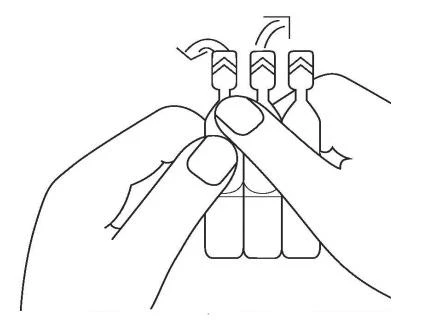
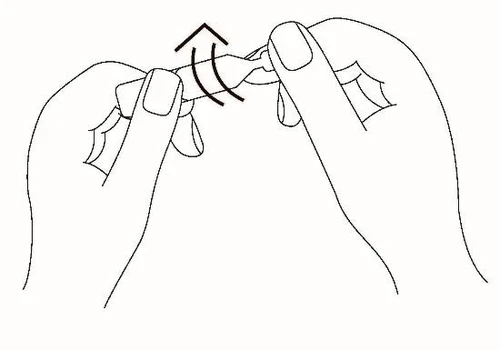
Twist the tip. Only by twisting (not pulling) will an opening be formed, creating a suitable dropper.
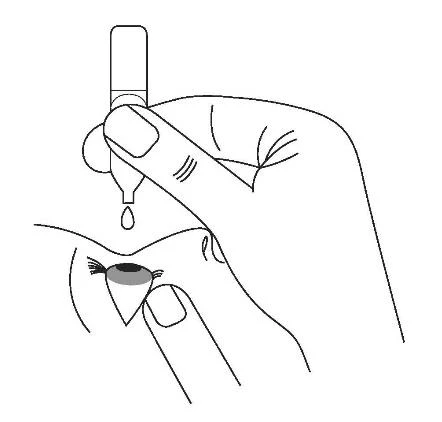
Tilt your head slightly backward, look upward, and with the index finger of your free hand, gently pull
the lower eyelid downward. Hold the single-dose container vertically above the eye. Gently squeeze
the container to instill the drop. Do not touch the eye or eyelid margin with the dropper tip.
The procedure described below helps reduce the amount of medicine entering the bloodstream after
eye drop administration: close the eyelids and simultaneously use a finger to block the tear duct by
gently pressing for at least one minute.
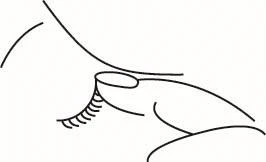
If the drop misses the eye, instill another one.
Use of more Demezon than recommended
Rinse the eyes with lukewarm water. Do not use further drops until the next scheduled dose.
Due to the limited capacity of the conjunctival sac, it is practically impossible to administer an
excessively large amount of Demezon into the eye.
Missing a dose of Demezon
Continue treatment according to the prescribed dosing schedule. Do not use a double dose to make
up for a missed dose.
If the patient is using other eye drops or ointments in addition to Demezon, at least a 5-minute interval
should be maintained between the applications of each medicine. Eye ointments should be applied last.
If you have any further questions about the use of this medicine, consult your doctor or pharmacist.
4. Possible adverse effects
Like all medicines, this medicine can cause adverse effects, although not everyone will experience them.
In clinical studies, the most common adverse reaction was a sensation of ocular discomfort.
The following adverse effects have been observed during the use of Demezon:
Common (may affect up to 1 in 10 people):
- sensation of ocular discomfort
Uncommon (may affect up to 1 in 100 people):
- taste disturbances
- inflammation of the eye surface, dry eye, photophobia, blurred vision, unusual sensations in the eyes, increased tearing, crusts at the eyelid margins, eye itching, eye irritation or redness
Frequency not known (frequency cannot be estimated from available data):
-
- allergy
-
- adrenal cortex insufficiency, hormonal disorders: excessive body hair growth (especially in women), muscle weakness and loss of muscle mass, purple skin stretch marks, increased blood pressure, irregular menstruation or absence of menstruation, changes in protein and calcium levels in the body, growth suppression in children and adolescents, and swelling with increased body weight, particularly noticeable in the trunk and face (a condition known as Cushing's syndrome) (see section 2 "Warnings and precautions")
-
- dizziness, headache
-
- glaucoma, corneal ulceration, increased intraocular pressure, decreased visual acuity, corneal damage, eyelid ptosis, eye pain, pupil dilation, permanent lens opacification (cataract)
Description of selected adverse effects
Prolonged use of corticosteroids administered locally to the eye may lead to increased intraocular pressure, resulting in optic nerve damage, reduced visual acuity, visual field disturbances, and partial lens opacity (cataract).
Due to the presence of corticosteroids, when used in conditions involving thinning of the cornea or sclera, there is an increased risk of perforation, particularly after prolonged treatment.
Corticosteroids may reduce resistance to infections and promote their occurrence.
In patients with significantly damaged anterior transparent layer of the eye (cornea), very rarely, cloudy corneal spots due to calcium deposits have been observed during treatment.
Reporting of adverse effects
If any adverse effects occur, including any adverse effects not listed in this leaflet, inform your doctor or pharmacist. Adverse effects can be reported directly to the Department of Monitoring of Adverse Drug Reactions, Office for Registration of Medicinal Products, Medical Devices and Biocidal Products
Al. Jerozolimskie 181C
02-222 Warsaw
Phone: +48 22 49 21 301
Fax: +48 22 49 21 309
Website: https://smz.ezdrowie.gov.pl
Adverse effects can also be reported to the marketing authorization holder.
Reporting adverse effects helps to provide more information on the safety of the medicine.
5. How to store Demezon
Keep the medicine out of the sight and reach of children.
Store in the original packaging to protect from light.
After opening the protective foil sachet, do not use the eye drops after 6 months.
Do not use this medicine after the expiry date stated on the single-dose container, foil sachet, and cardboard box after: EXP. The expiry date refers to the last day of the stated month.
The eye drops should be used immediately after opening. The single-dose containers are intended for single use only. Any remaining solution after single use should be discarded.
Medicines must not be disposed of via wastewater or household waste. Ask your pharmacist how to dispose of medicines no longer required. This will help protect the environment.
6. Contents of the packaging and other information
What Demezon contains
- The active substance is dexamethasone sodium phosphate. 1 ml of solution contains 1.315 mg of dexamethasone sodium phosphate, equivalent to 1 mg of dexamethasone (1.2 mg of dexamethasone phosphate).
- The other components are: sodium chloride, disodium phosphate anhydrous, sodium dihydrogen phosphate dihydrate, disodium edetate, water for injections.
What Demezon looks like and contents of the pack
Demezon is a clear, colourless to slightly yellow solution.
Single-dose container made of LDPE, placed in a sachet made of PETP/Aluminium/LDPE. Each sachet contains 5 single-dose containers. Packaged in a cardboard box.
Pack sizes: 10 or 20 single-dose plastic containers with 0.4 ml of eye drop solution.
Not all pack sizes may be marketed.
Marketing Authorisation Holder and Manufacturer
Marketing Authorisation Holder
SUN-FARM Sp. z o.o.
ul. Dolna 21
05-092 Łomianki
Poland
Manufacturer
mibe GmbH Arzneimittel
Münchener Straße 15
06796 Brehna
Germany
This medicinal product is authorised in the European Economic Area countries under the following names:
Germany – Dexafluid® sine
Poland – Demezon