Decapeptyl depot
Poland
Table of Contents
- Package leaflet: Information for the patient
- 1. What Decapeptyl Depot is and what it is used for
- 2. Important information before using Decapeptyl Depot
- 3. How to use Decapeptyl Depot
- 4. Possible adverse reactions
- 5. How to store Decapeptyl Depot
- 6. Contents of the pack and other information
- Information intended exclusively for healthcare professionals:
- 1. Preparation
- 2. Reconstitution of the suspension
- 3. Injection
Package leaflet: Information for the patient
DECAPEPTYL DEPOT,
3.75 mg, powder and solvent for the preparation of a suspension for injection
Triptorelinum
Please read all of this leaflet carefully before using this medicine because it contains
important information for the patient.
Keep this leaflet, as you may need to read it again.
If you have any further questions, please consult your doctor.
This medicine has been prescribed for a specific individual. Do not give it to others. The medicine may harm another person, even if their symptoms are the same.
If the patient experiences any adverse reactions, including any not listed in this leaflet, inform the doctor. See section 4.
Contents of the leaflet:
- What Decapeptyl Depot is and what it is used for
- Important information before using Decapeptyl Depot
- How to use Decapeptyl Depot
- Possible side effects
- How to store Decapeptyl Depot
- Contents of the pack and other information
1. What Decapeptyl Depot is and what it is used for
Decapeptyl Depot contains triptorelin (as triptorelin acetate). One of its actions is to reduce the body's production of sex hormones.
Decapeptyl Depot is used:
In men:
for the treatment of locally advanced or metastatic hormone-dependent prostate cancer,
for the diagnosis of hormone dependence in prostate cancer (assessment of indications for hormonal treatment).
In women:
To reduce ovarian hormone levels in order to:
reduce the size of uterine fibroids (commonly known as fibroids), which are benign tumors arising from the myometrium (the smooth muscle layer of the uterus),
treat endometriosis (the presence of uterine tissue outside the uterus).
2. Important information before using Decapeptyl Depot
When not to use Decapeptyl Depot
if the patient is allergic to triptorelin or any of the other ingredients of this medicine
(listed in section 6),
if the patient is allergic to gonadotropin-releasing hormone (GnRH) or any other
GnRH analogue.
In women:
if the patient is pregnant,
if the patient is breastfeeding.
Page 1 of 9
Warnings and precautions
Before starting treatment with Decapeptyl 0.1 mg, discuss this with your doctor.
In men and women
There have been reports of depression in patients receiving Decapeptyl Depot, including cases of severe depression. If depressive mood occurs during treatment with Decapeptyl Depot, inform your doctor.
In men
Exercise caution:
if the patient has bone pain or difficulty urinating,
if the patient has metastatic tumours in the spine or urinary tract,
if the patient has any cardiovascular disorders, including cardiac arrhythmias, or is taking medications for these conditions; the risk of cardiac arrhythmias may be increased during treatment with Decapeptyl Depot.
Inform your doctor if any symptoms of the disease worsen.
In women
Exercise caution:
if the patient experiences bleeding between menstrual periods during treatment (except during the first month),
if the patient has an increased risk of decreased bone density.
Treatment with Decapeptyl Depot for several months may lead to reduced bone mass. For this reason, treatment duration should not exceed 6 months. After discontinuation of treatment, bone mass usually recovers within 6 to 9 months. Particular caution is required in patients with additional risk factors for osteoporosis.
During treatment
A non-hormonal method of contraception should be used during the first month of treatment. This should also be continued from 4 weeks after the last injection until the return of menstrual bleeding or until another contraceptive method is used.
Menstruation does not occur during treatment. After completion of treatment, menstruation returns approximately 7–12 weeks after the last injection.
If regular menstrual periods persist during treatment, inform your doctor.
Decapeptyl Depot and other medicines
Inform your doctor about all medicines currently or recently taken, as well as any medicines the patient plans to take.
Decapeptyl Depot may interact with certain medicines used to treat cardiac arrhythmias (e.g. quinidine, procainamide, amiodarone and sotalol) or may increase the risk of cardiac arrhythmias when used concomitantly with certain other medicines [e.g. methadone (used for pain relief and as part of drug detoxification), moxifloxacin (an antibiotic), antipsychotic medicines used to treat severe psychiatric disorders].
Exercise caution when triptorelin is administered concomitantly with medicines affecting gonadotropin secretion from the pituitary gland.
Pregnancy and breastfeeding
Decapeptyl Depot must not be used during pregnancy or while breastfeeding (see also "When not to use Decapeptyl Depot").
Women of childbearing potential should use effective, non-hormonal contraceptive methods.
Page 2 of 9
Driving and operating machinery
The ability to drive and operate machinery may be impaired if dizziness, somnolence or visual disturbances occur, which may be adverse effects during treatment or result from the underlying disease.
Decapeptyl Depot contains sodium
Decapeptyl Depot contains less than 1 mmol of sodium (23 mg) per dose, i.e. the medicine is considered "sodium-free".
3. How to use Decapeptyl Depot
Mixing the powder and solvent, as well as administration of the injection, is usually performed by trained
medical personnel.
In men:
A dose contained in one pre-filled syringe corresponding to 3.75 mg of triptorelin should be administered once every 4 weeks. The drug should be administered every 4 weeks without interruption.
Prostate cancer:
Treatment is long-term.
Diagnosis of hormone-dependent prostate cancer:
Administration of the drug for 3 months is usually sufficient to determine hormone dependence of prostate cancer.
In women:
A dose contained in one pre-filled syringe corresponding to 3.75 mg of triptorelin should be administered once every 4 weeks. Treatment must be initiated within the first 5 days of the menstrual cycle.
The duration of treatment is monitored by the physician.
Use of a higher than recommended dose of Decapeptyl Depot
It is unlikely that a patient would receive a higher dose of Decapeptyl Depot than recommended. If a higher than recommended dose of Decapeptyl Depot has been administered, the physician should be informed immediately.
Discontinuation of Decapeptyl Depot treatment
Discontinuation of treatment with Decapeptyl Depot should occur only on the advice of a physician. In case of any doubts regarding the use of the medicine, consult your doctor.
4. Possible adverse reactions
Like all medicines, this medicine can cause adverse reactions, although not everyone will experience them.
General (all patients):
If swelling of the face, lips, mouth or throat occurs, which may cause difficulty in swallowing or
breathing, a doctor must be informed immediately or the patient should go to the nearest
hospital emergency department without delay.
During treatment with LHRH agonists, cases of enlargement of a pre-existing pituitary tumour have been reported; however, such cases have not been observed so far in patients treated with triptorelin.
In men:
Symptoms for which the patient is being treated (e.g. urinary obstruction, bone pain, spinal cord compression, muscle discomfort, swelling of the lower limbs, weakness, tingling in feet and hands)
may initially worsen due to increased testosterone concentration at the beginning of treatment.
Very common – occurs in more than 1 in 10 patients treated:
most adverse reactions of Decapeptyl Depot in men result from reduced testosterone levels; these may include:
impotence (erectile dysfunction),
loss of libido,
hot flushes,
excessive sweating.
Common – occurs in 1 to 10 in 100 patients treated:
dizziness,
increased blood pressure,
bone pain,
feeling of fatigue,
pain at injection site.
Uncommon – occurs in 1 to 10 in 1,000 patients treated:
decreased appetite,
insomnia,
paresthesia (tingling, pricking or numbness),
nausea,
constipation,
dry mouth,
hair loss,
back pain,
gynaecomastia.
Frequency not known – cannot be estimated based on available data:
nasopharyngitis (common cold), dyspnoea (shortness of breath) in the lying position,
anaphylactic reactions,
hypersensitivity, epistaxis (nosebleeds),
increased appetite, abdominal pain,
gout, diarrhoea,
diabetes, vomiting,
depression, abdominal distension,
mood changes, bloating,
confusion, acne,
reduced activity, skin itching,
euphoric mood, rash,
anxiety, skin blisters,
apathy, angioedema (swelling under the skin),
headache,
memory disturbances, urticaria,
taste disturbances, purpura (purple skin spots),
somnolence, musculoskeletal pain,
difficulty standing, limb pain,
abnormal eye sensation, joint pain,
visual disturbances, muscle cramps,
blurred vision, muscle weakness,
tinnitus, muscle pain,
balance disorders, joint stiffness,
decreased blood pressure, joint swelling,
dyspnoea (shortness of breath), musculoskeletal stiffness,
inflammation of bone and joints, influenza-like symptoms,
breast pain, fever,
testicular atrophy, malaise,
testicular pain, changes in ECG (prolongation of QT interval),
absence of ejaculation, irritability,
weakness, increased activity of certain
redness at injection site, liver enzymes,
inflammation at injection site, increased blood creatinine levels,
reaction at injection site, increased blood urea levels,
swelling, increased blood pressure,
pain, increased body temperature,
chills, increased body weight,
chest pain, decreased body weight.
In women:
In the initial phase of treatment, symptoms of endometriosis, including pelvic pain and painful menstruation,
may very commonly worsen due to an initial, transient increase in estradiol plasma concentration.
These symptoms are transient and usually resolve within one to two weeks.
Very common – occurs in more than 1 in 10 patients treated:
decreased libido,
sleep disturbances,
hot flushes,
excessive sweating,
vaginal bleeding or spotting,
dryness of the vulva and vagina,
headache.
Common – occurs in 1 to 10 in 100 patients treated:
hyperandrogenism,
mood changes,
anxiety,
insomnia,
depression,
low mood,
dizziness,
palpitations,
upper respiratory tract symptoms,
nausea,
dyspepsia,
gastrointestinal disturbances,
abdominal pain,
hair loss,
joint pain,
dyspareunia (painful sexual intercourse),
breast disorders,
feeling of fatigue,
weakness,
irritability,
increased body weight,
abnormal body weight.
Uncommon – occurs in 1 to 10 in 1,000 patients treated:
paresthesia (tingling, pricking or numbness),
balance disorders,
back pain,
bone pain,
muscle cramps,
swelling,
pain at injection site,
reaction at injection site,
increased blood pressure.
Rare – occurs in 1 to 10 in 10,000 patients treated:
vomiting,
muscle pain,
excessive menstrual bleeding,
pelvic pain.
Frequency not known – cannot be estimated based on available data:
hypersensitivity, skin itching,
anaphylactic reactions, rash,
abdominal discomfort, urticaria,
fever, malaise,
dysmenorrhoea (painful menstruation), diarrhoea,
intermenstrual bleeding (bleeding between normal menstrual periods), muscle weakness,
blurred vision, visual disturbances,
angioedema (swelling under the skin), dyspnoea (shortness of breath),
amenorrhoea (absence of menstruation), confusion,
breast pain, inflammation at injection site,
redness at injection site.
Reporting of adverse reactions
If any adverse reactions occur, including any adverse reactions not listed in this leaflet, inform your doctor. Adverse reactions can be reported directly to the Department of Monitoring Adverse Drug Reactions of the Office for Registration of Medicinal Products, Medical Devices and Biocidal Products: Aleje Jerozolimskie 181C, 02-222 Warsaw, Tel: (22) 49-21-301, Fax: (22) 49-21-309 or via https://smz.ezdrowie.gov.pl/.
Adverse reactions can also be reported to the marketing authorisation holder.
Reporting adverse reactions helps to provide more information on the safety of the medicine.
5. How to store Decapeptyl Depot
Keep the medicine out of the sight and reach of children.
Do not use this medicine after the expiry date stated on the packaging after the word EXP.
The expiry date refers to the last day of the stated month.
Store in a refrigerator (2°C – 8°C). Keep in the original packaging.
Medicines should not be disposed of via wastewater or household waste. Ask your pharmacist how to dispose of medicines no longer in use. This will help protect the environment.
6. Contents of the pack and other information
What Decapeptyl Depot contains
- The active substance is triptorelin in the amount of 3.75 mg
- Other components are:
Powder: poly(lactic-co-glycolic acid) 1:1 and glycerol dicyprylocapronate
Page 6 of 9
Solvent: Polysorbate 80, Dextran 70, sodium chloride, disodium dihydrogen phosphate dihydrate, sodium hydroxide and water for injections.
What Decapeptyl Depot looks like and contents of the pack
Decapeptyl Depot is a powder and solvent for the preparation of a suspension for injection.
The powder is white to slightly yellowish.
The solvent is a clear, colourless liquid.
After mixing the powder with the solvent, a homogeneous, milky white to slightly yellowish suspension should be obtained.
One pack size is available: 1 vial-syringe with powder, 1 vial-syringe with solvent, 1 polypropylene connector and 1 injection needle, all in a cardboard box.
Marketing Authorisation Holder and Manufacturer:
Ferring GmbH
Wittland 11
D-24109 Kiel
Germany
For further information, please contact the representative of the Marketing Authorisation Holder:
Ferring Pharmaceuticals Poland Sp. z o.o.
Szamocka Street 8, 01-748 Warsaw, Poland
Tel.: +48 22 246 06 80, Fax: +48 22 246 06 81
Information intended exclusively for healthcare professionals:
Instructions for physicians on the preparation, reconstitution, and injection of the suspension.
Since correct preparation of the suspension is crucial for the therapeutic efficacy of the product, the following instructions must be strictly observed:

Important information:
DECAPEPTYL Depot should be stored in the refrigerator.
DECAPEPTYL Depot must be injected within 3 minutes after preparation.
Overview of the components of the DECAPEPTYL Depot kit:



Page 7 of 9
1. Preparation
To ensure proper preparation of the suspension, follow the instructions precisely:
Remove the DECAPEPTYL Depot vial with powder from the refrigerator.
Open the packaging and remove the connector.
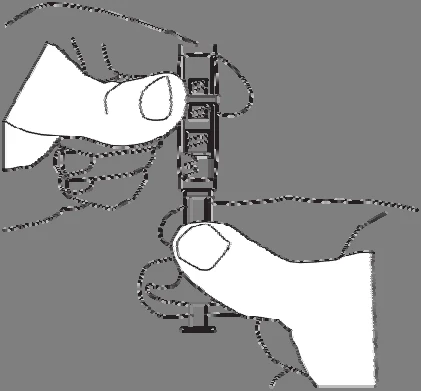
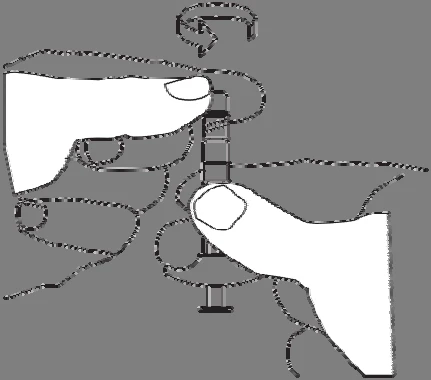
Hold the syringe with the powder upright and screw the connector onto one of the threads of the syringe until tight.
Keep the syringe with the powder upright with the opening facing upwards to avoid spilling the powder.



Do not touch Do not press Always connect first the
the connector thread. the syringe plunger. syringe containing the powder
to the connector, and then
the syringe containing the
diluent.




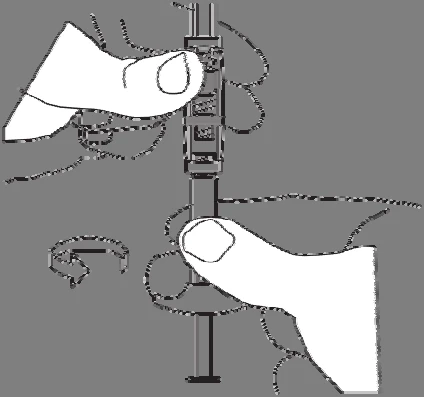
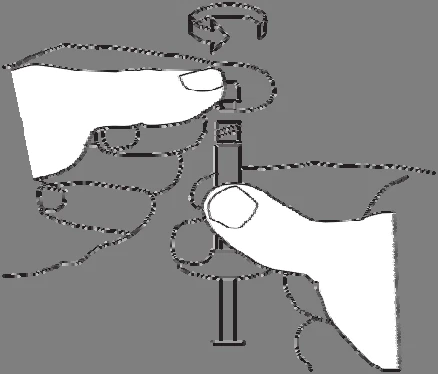
Remove the cap from the diluent syringe.
Screw the syringe containing the diluent
Hold the syringe with the opening
onto the free thread of the connector
facing upwards to avoid spillage
until tight.
of the liquid.

Do not press
the syringe plunger.
2. Reconstitution of the suspension
To prepare the suspension:
Inject the liquid into the syringe containing the powder.
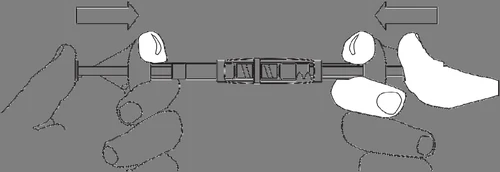
Slowly transfer the suspension back and forth between the two syringes until a homogeneous, milky white to slightly yellow suspension is obtained.
Keep the syringes straight; do not bend them.
Page 8 of 9
3. Injection
Unscrew the syringe containing the ready-to-inject suspension from the connector.
Attach an injection needle to the syringe.
Administer the injection within 3 minutes.
DECAPEPTYL Depot is for single use only, and any unused suspension must be discarded.
Page 9 of 9