Dalacin
Poland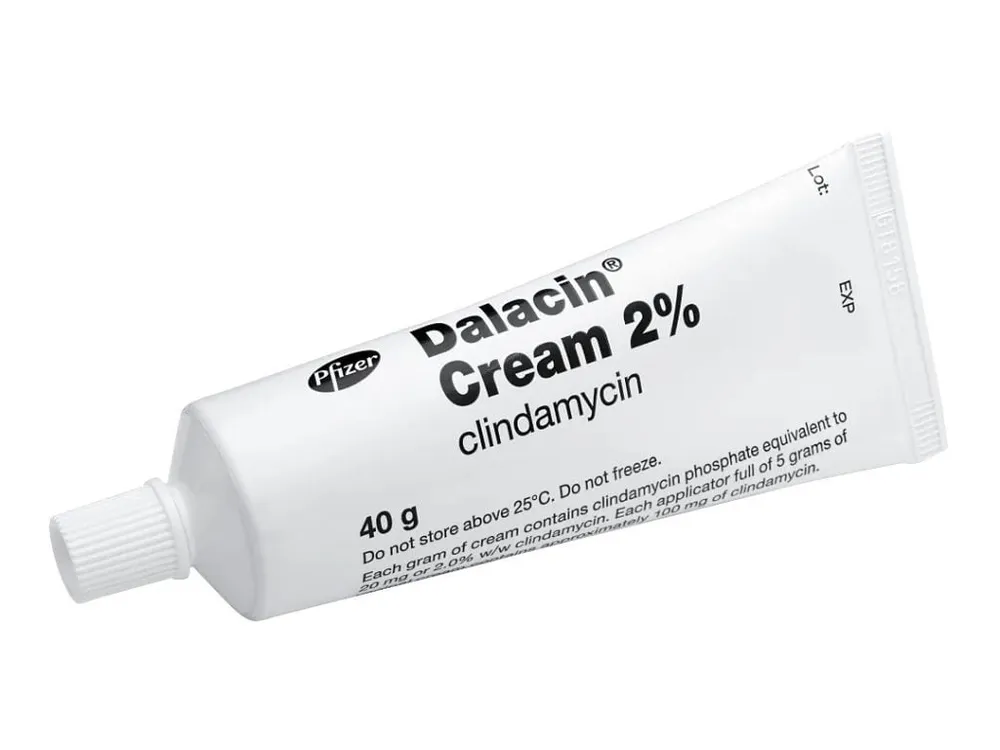
Table of Contents
Package leaflet: Information for the patient
Warning! Keep this leaflet. Information on the immediate packaging in a foreign language.
Dalacin
20 mg/g (2%) vaginal cream
Clindamycinum
Please read carefully all the information in this leaflet before using the medicine, as it contains
important information for the patient.
- Keep this leaflet, as you may need to read it again.
- If you have any questions, please consult your doctor or pharmacist.
- This medicine has been prescribed for a specific individual. Do not pass it on to others. The medicine may harm someone else, even if their symptoms are the same.
- If the patient experiences any adverse reactions, including any adverse reactions not listed in this leaflet, inform the doctor, pharmacist or nurse. See section 4.
Table of contents of the leaflet
- What Dalacin is and what it is used for
- Important information before using Dalacin
- How to use Dalacin
- Possible side effects
- How to store Dalacin
- Contents of the pack and other information
1. What Dalacin is and what it is used for
Dalacin vaginal cream contains clindamycin, an antibiotic with antibacterial action.
Dalacin vaginal cream is used in the treatment of bacterial vaginosis caused by susceptible microorganisms.
2. Important information before using Dalacin
When not to use Dalacin
- If the patient is allergic to clindamycin, lincomycin, or any of the other ingredients of this medicine (listed in section 6).
- If the patient has previously experienced colitis after taking antibiotics.
Warnings and precautions
Before starting treatment with Dalacin vaginal cream, discuss this with your doctor.
Use of Dalacin vaginal cream may lead to overgrowth of microorganisms resistant to this medicine, particularly yeasts, in the vagina.
Administration of clindamycin, as with other antibiotics, carries a risk of developing diarrhea and pseudomembranous colitis, even though the antibiotic is absorbed only to a minimal extent from the cream. The patient should contact her doctor if diarrhea develops during treatment or within several weeks after its completion, especially if it is severe and persistent. This may be a symptom of pseudomembranous colitis (in most cases caused by Clostridium difficile), a condition that is a complication of antibiotic therapy. Medicinal products that inhibit intestinal peristalsis or have constipating effects should not be used.
It is recommended to avoid sexual intercourse and not to use vaginal tampons or vaginal douching during treatment with Dalacin vaginal cream.
Dalacin vaginal cream contains ingredients that may damage rubber and latex products, such as vaginal diaphragms or condoms, reducing their effectiveness in preventing pregnancy or protecting against sexually transmitted diseases, including AIDS. Therefore, the use of condoms or vaginal diaphragms is not recommended during treatment with this medicine.
Children and adolescents
The safety and efficacy of Dalacin vaginal cream in children have not been established.
Dalacin with other medicines
Inform your doctor about all medicines you are currently taking or have recently taken, as well as any medicines you plan to take. Dalacin vaginal cream may affect other medicines used concomitantly.
If the patient is to undergo surgery, she should inform the medical team about the use of Dalacin vaginal cream. Clindamycin may enhance the effect of muscle relaxants used during surgery.
If the patient is using erythromycin (an antibiotic), she should inform her doctor before starting treatment with Dalacin vaginal cream.
Due to lack of data, it is recommended not to use Dalacin vaginal cream simultaneously with other medicines administered vaginally.
Pregnancy and breastfeeding
If the patient is pregnant or breastfeeding, suspects she may be pregnant, or is planning to have a baby, she should consult her doctor or pharmacist before using this medicine. Dalacin vaginal cream should be used during pregnancy only if clearly necessary and under medical supervision.
Pregnancy
Dalacin vaginal cream should be used during the first trimester of pregnancy only if, in the opinion of the doctor, it is clearly necessary, as data on safety during the first three months of pregnancy are limited.
Breastfeeding
There are insufficient data on the passage of clindamycin into human milk. Serious adverse effects in the breastfed infant cannot be excluded. Therefore, the doctor will decide whether the patient may receive clindamycin and breastfeed at the same time.
Driving and operating machinery
No studies have been conducted on the effects of this medicine on the ability to drive or operate machinery.
Dalacin contains propylene glycol, cetearyl alcohol, and benzyl alcohol
This medicine contains 250 mg of propylene glycol in each 5 g of cream (applicator content), equivalent to 50 mg/g.
This medicine contains 160.5 mg of cetearyl alcohol in each 5 g of cream (applicator content), equivalent to 32.1 mg/g. Cetearyl alcohol may cause local skin reactions (e.g. contact dermatitis).
This medicine contains 50 mg of benzyl alcohol in each 5 g of cream (applicator content), equivalent to 10 mg/g. Benzyl alcohol may cause allergic reactions and mild local irritation.
3. How to use Dalacin
This medicine should always be used exactly as recommended by your doctor. If in doubt, consult
your doctor or pharmacist.
The recommended dose is 5 g of cream (100 mg of clindamycin), i.e. the contents of one applicator,
administered intravaginally once daily, preferably before going to bed, for 7 consecutive days.
Depending on symptoms, your doctor may recommend a shorter 3-day treatment course.
Method of administration
Always wash your hands before using the cream.
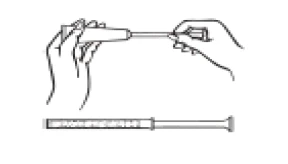
- Remove the cap from the tube.
- Screw one of the single-use applicators onto the tube where the cap was removed.
- Holding the tube at the bottom, gently squeeze the cream into the applicator.
- When the plunger stops moving, the applicator is filled.
- Unscrew the applicator from the tube and replace the cap on the tube.
- Lie on your back, firmly grasp the applicator and insert it into the vagina as deeply as possible without causing discomfort. While holding the applicator in place, slowly press the plunger until it stops and the entire contents of the cream are administered.
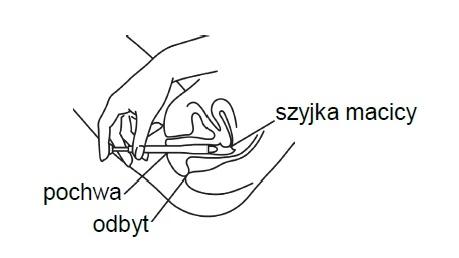
- Gently remove the applicator, wrap it in paper and dispose of it in a waste container. Do not flush the applicator down the toilet.
- After applying the cream, wash your hands thoroughly.
Use of more than the recommended dose of Dalacin
If more than the recommended dose is used, consult your doctor immediately.
Do not use more than the recommended dose without consulting your doctor.
Clindamycin phosphate administered intravaginally may be absorbed in amounts sufficient for clindamycin to cause systemic adverse effects (see sections 2 and 4). In case of overdose, contact your doctor who will recommend appropriate treatment.
Missed dose of Dalacin
Do not use a double dose to make up for a missed dose. If a dose is missed, take it as soon as possible unless it is almost time for the next dose.
Stopping Dalacin treatment
If you have any doubts regarding the use of this medicine, consult your doctor or pharmacist.
Do not stop treatment without consulting your doctor.
4. Possible adverse reactions
Like any medicine, this medicine can cause adverse reactions, although not everyone will experience them.
The safety of clindamycin when used as a vaginal cream has been evaluated in clinical studies conducted in non-pregnant women and in pregnant women during the second and third trimesters of pregnancy. The following adverse reactions were observed in less than 10% of patients.
Very common (may occur in more than 1 in 10 people):
- vaginal and vulval candidiasis
Common (may occur in no more than 1 in 10 people):
- fungal infections, yeast infections
- headache, dizziness, taste disturbances
- upper respiratory tract infections
- abdominal pain, constipation, diarrhoea, nausea, vomiting
- itching (at sites other than the application site), rash
- back pain
- urinary tract infections, glycosuria, proteinuria
- abnormal delivery
- vulvovaginitis, vulval and vaginal disorders, menstrual disorders, vaginal and vulval pain, uterine bleeding, vaginal discharge
Uncommon (may occur in no more than 1 in 100 people):
- bacterial infections
- allergic reactions
- labyrinthine dizziness
- epistaxis (nosebleed)
- localized abdominal pain, flatulence with gas passage, unpleasant breath odour
- urticaria, erythema
- painful or difficult urination
- trichomonal vulvovaginitis, vaginitis, pelvic pain
- abnormal microbiological test results
Frequency not known (cannot be estimated from the available data):
- skin candidiasis
- hyperthyroidism
- pseudomembranous colitis, gastrointestinal disorders, dyspepsia
- maculopapular rash
- endometriosis
- inflammatory swelling, pain at the application site
Reporting of adverse reactions
If any adverse reactions occur, including any possible adverse reactions not listed in this leaflet, inform a doctor, pharmacist, or nurse. Adverse reactions can be reported directly to the Department of Monitoring Adverse Drug Reactions at the Office for Registration of Medicinal Products, Medical Devices and Biocidal Products
Al. Jerozolimskie 181C, 02-222 Warsaw, phone: +48 22 49 21 301, fax: +48 22 49 21 309, website: https://smz.ezdrowie.gov.pl
Reporting adverse reactions helps to provide more information on the safety of the medicine.
5. How to store Dalacin
Keep this medicine out of sight and reach of children.
Do not store above 25°C. Do not freeze.
Do not use this medicine after the expiry date stated on the packaging. The expiry date refers to the last day of the stated month.
Medicines must not be disposed of via wastewater or household waste. Ask your pharmacist how to dispose of medicines no longer required. This will help protect the environment.
6. Contents of the package and other information
What Dalacin contains
- The active substance is clindamycin. 5 g of cream (the content of one applicator) contains 100 mg clindamycin as clindamycin phosphate.
- The other ingredients are: sorbitan stearate, polysorbate 60, propylene glycol, stearic acid, cetostearyl alcohol, cetyl palmitate (Cutina CP), liquid paraffin, benzyl alcohol, purified water (see section 2 "Dalacin contains propylene glycol, cetostearyl alcohol and benzyl alcohol").
What Dalacin looks like and contents of the pack
Laminated tube secured with a PP cap, containing 40 g of cream, placed in a cardboard box together with 7 applicators.
Each applicator filled (one dose) contains approximately 5 g of cream (100 mg clindamycin).
For more detailed information, please contact the marketing authorisation holder or the parallel importer.
Marketing authorisation holder in Croatia, the country of export:
Pfizer Croatia d.o.o.
Slavonska avenija 6
10000 Zagreb
Croatia
Manufacturer:
Pfizer Service Company BV
Hoge Wei 10
1930 Zaventem
Belgium
Parallel importer:
Delfarma Sp. z o.o.
ul. Św. Teresy od Dzieciątka Jezus 111
91-222 Łódź
Repackaged in:
Delfarma Sp. z o.o.
ul. Św. Teresy od Dzieciątka Jezus 111
91-222 Łódź
Marketing authorisation number in Croatia, the country of export: HR-H-363197910-01
Parallel import licence number: 379/25