Daktarin-oral
Poland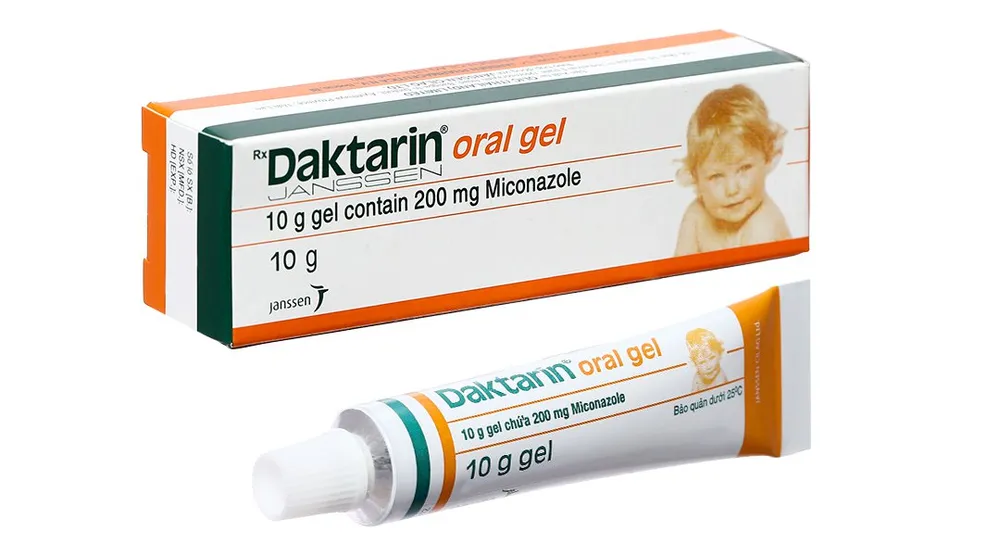
Table of Contents
Package leaflet: Information for the patient
Warning! Keep this leaflet! Information on the immediate packaging in a foreign language.
Daktarin-oral (Daktarin 20 mg/g), 20 mg/g
oral gel
Miconazolum
Daktarin-oral and Daktarin 20 mg/g are different trade names for the same medicinal product.
Please read this leaflet carefully before using the medicine.
- Keep this leaflet so that you can read it again if necessary.
- If you have any questions, please consult your doctor or pharmacist.
- This medicine has been prescribed for a specific person. Do not pass it on to others. The medicine may harm someone else, even if their symptoms are the same.
- If the patient experiences any adverse reactions, including any not listed in this leaflet, inform a doctor or pharmacist. See section 4.
Contents of the leaflet:
- What Daktarin-oral is and what it is used for
- Important information before using Daktarin-oral
- How to use Daktarin-oral
- Possible side effects
- How to store Daktarin-oral
- Contents of the pack and other information
1. What Daktarin-oral is and what it is used for
Daktarin-oral oral gel contains the active substance miconazole, which belongs to a group of medicines called antifungal agents.
Miconazole has antifungal activity against dermatophytes and yeasts, and antibacterial activity against certain Gram-positive bacilli and cocci.
Daktarin-oral is used for the treatment of oral, pharyngeal, and gastrointestinal candidiasis in adults and children aged at least 4 months. In infants aged 4 to 6 months, it is necessary to ensure before administering the gel formulation that they do not have swallowing difficulties (see section "When not to use Daktarin-oral").
2. Important information before using Daktarin-oral
When not to use Daktarin-oral:
- if the patient is allergic to miconazole, other similar antifungal medicines, or to any of the other ingredients of this medicine (listed in section 6),
- if the patient has liver function disorders,
- in infants under 4 months of age, or in premature infants under 5–6 months of age who do not have a sufficiently developed swallowing reflex, due to the risk of choking,
- if the patient is taking any of the following medicines (see also section Daktarin-oral and other medicines):
- certain medicines used for allergies (e.g. terfenadine, astemizole, mizolastine);
- cisapride, a medicine used for digestive disorders;
- certain cholesterol-lowering medicines, such as simvastatin or lovastatin;
- midazolam (administered orally) or triazolam – medicines used for anxiety or sleep disorders;
- pimozide and sertindole, medicines used in the treatment of certain psychiatric disorders;
- halofantrine – an antimalarial medicine;
- certain medicines used to treat migraine, such as ergot alkaloids;
- certain medicines used to treat heart rhythm disorders, such as bepridil, quinidine, and dofetilide.
Do not use Daktarin-oral if any of the above situations apply. If in doubt, consult a doctor or pharmacist before using Daktarin-oral.
Warnings and precautions
Before starting treatment with Daktarin-oral, discuss it with your doctor.
Daktarin-oral may cause severe allergic reactions. Please read about the symptoms of these allergic reactions described in section 4. Possible side effects.
Special caution is required when using Daktarin-oral, particularly in infants and young children, as the gel may block the throat. To prevent this, do not apply Daktarin-oral to the back of the throat, and divide each dose into smaller portions.
Apply the gel to the affected areas (white coating) with a clean finger, as directed by your doctor or pharmacist. A breastfeeding woman should not apply the gel to the nipple for the treatment of her infant.
If the patient is also taking anticoagulant medicines such as warfarin, blood clotting parameters must be monitored and the anticoagulant dose adjusted by the doctor as necessary.
When Daktarin-oral is used concomitantly with phenytoin, blood levels of both medicines should be monitored.
In patients taking certain oral antidiabetic medicines simultaneously, an excessive reduction in blood sugar levels may occur.
If in doubt whether any of the above situations apply, consult a doctor or pharmacist before using Daktarin-oral.
Daktarin-oral and other medicines
Tell your doctor about all medicines you are currently taking, have recently taken, or plan to take.
The effects of many medicines, including their side effects, may be increased or decreased when used together with Daktarin-oral.
Some medicines must not be used during treatment with Daktarin-oral, and the use of certain other medicines may require dose adjustments by the doctor (see "When not to use Daktarin-oral").
Medicines that must not be used together with Daktarin-oral:
- certain medicines used for allergies, such as terfenadine, astemizole, mizolastine;
- cisapride, a medicine used for digestive disorders;
- certain cholesterol-lowering medicines, such as simvastatin or lovastatin;
- midazolam (administered orally) or triazolam – medicines used for anxiety or sleep disorders;
- pimozide and sertindole, medicines used in the treatment of certain psychiatric disorders;
- halofantrine – an antimalarial medicine;
- certain medicines used to treat migraine, such as ergot alkaloids;
- certain medicines used to treat heart rhythm disorders, such as bepridil, quinidine, and dofetilide.
Concomitant use of certain medicines may require close monitoring or dose adjustments of Daktarin-oral or the other medicine. These include:
- blood-thinning medicines such as warfarin;
- certain oral medicines used to treat diabetes;
- certain medicines used in AIDS, such as HIV protease inhibitors (e.g. saquinavir);
- certain medicines used in cancer treatment, such as vinca alkaloids, busulfan, and docetaxel;
- certain medicines used for cardiovascular diseases (calcium channel blockers, such as dihydropyridine derivatives and verapamil);
- cyclosporine, tacrolimus, and sirolimus – medicines usually given after organ transplants;
- phenytoin, carbamazepine – medicines used to treat epilepsy;
- certain medicines used in hospitals for anesthesia, such as alfentanil;
- sildenafil – a medicine used to treat impotence;
- certain medicines used for anxiety and sleep disorders, such as alprazolam, brotizolam, buspirone;
- certain medicines used to treat tuberculosis, such as rifabutin;
- methylprednisolone – an anti-inflammatory medicine taken orally or by injection;
- trimetrexate – a medicine used to treat certain types of pneumonia;
- ebastine – a medicine used for allergies;
- reboxetine – a medicine used to treat depression;
- intravenous midazolam;
- cilostazol – a medicine used to treat atherosclerosis;
- disopyramide – a medicine used to treat heart rhythm disorders.
Always inform your doctor if you are taking any of the medicines listed above or any other prescription medicine.
While using Daktarin-oral oral gel, never start treatment with a new medicine without consulting your doctor.
Pregnancy and breastfeeding
Before using any medicine, consult a doctor or pharmacist.
If the patient is pregnant, suspects she may be pregnant, or is planning to become pregnant, she should inform her doctor before using Daktarin-oral. The doctor will decide whether to use Daktarin-oral after weighing the risks and benefits.
Breastfeeding women should consult their doctor before using this medicine. The doctor will decide whether Daktarin-oral should be used. A breastfeeding woman should not apply the gel to the nipple for the treatment of her infant.
Driving and using machines
Daktarin-oral does not affect the ability to drive or operate machinery.
Daktarin-oral contains alcohol (ethanol), orange flavouring, and sodium
Alcohol (ethanol)
This medicine contains 7.85 mg of alcohol (ethanol) in each gram of oral gel, equivalent to 0.00785 mg/mg (0.785% w/w).
The amount in a single maximum dose for an adult (2 measuring spoons or 10 ml of oral gel) is equivalent to less than 3 ml of beer or 1 ml of wine.
The small amount of alcohol in this medicine will not cause noticeable effects.
Orange flavouring
This medicine contains orange flavouring (containing: linalool, d-limonene), which may cause allergic reactions.
Sodium
This medicine contains less than 1 mmol (23 mg) of sodium per 10 ml dose (maximum single dose for adults), meaning the medicine is considered "sodium-free".
3. How to use Daktarin-oral
This medicine should always be used exactly as directed by your doctor. If in doubt, consult your doctor or pharmacist.
Daktarin-oral gel for oral use should be taken after meals. Your doctor will determine the exact treatment regimen.
Do not swallow the gel immediately; keep it in the mouth as long as possible.
Treatment should continue for at least one week after symptoms have resolved.
The measuring spoon provided with the package allows for accurate dosing of 124 mg/5 ml.
The usual recommended dosage is described below
Oral and pharyngeal candidiasis (yeast infections)
Infants aged 4 to 24 months: 1.25 ml (1/4 spoonful) of gel four times daily after meals. Divide each dose into smaller portions and apply the gel to the affected areas with a clean finger. Do not apply the gel to the back of the throat due to the risk of choking. Do not swallow the gel immediately; keep it in the mouth as long as possible.
Adults and children over 2 years of age: 2.5 ml (1/2 spoonful) of gel four times daily after meals. Do not swallow the gel immediately; keep it in the mouth as long as possible.
Treatment should continue for at least one week after symptoms have resolved.
Patients wearing dentures should remove them at night and clean them with a toothbrush using the gel. This helps prevent denture contamination.
Gastrointestinal tract candidiasis (yeast infections)
This medicine may be used in infants from 4 months of age, children, and adults.
Dosage depends on body weight. The maximum daily dose should not exceed 250 mg (10 ml of gel) four times daily, i.e.:
- Up to 12 kg: 1/4 spoonful (1.25 ml) of gel four times daily;
- 12 to 25 kg: 1/2 spoonful (2.5 ml) of gel four times daily;
- 25 to 37 kg: 1 spoonful (5 ml) of gel four times daily;
- 37 to 50 kg: 1\½ spoonfuls (7.5 ml) of gel four times daily;
- 50 kg or more: 2 spoonfuls (10 ml) of gel four times daily.
Treatment should continue for at least one week after symptoms have resolved.
To open the tube, unscrew the cap. Then pierce the seal of the tube using the piercing tool located on the top of the cap.
Use of a higher than recommended dose of Daktarin-oral
If a higher than recommended dose of Daktarin-oral has been used, contact your doctor or go to the nearest hospital emergency department. Symptoms such as vomiting and diarrhoea may occur.
If the patient is also taking certain other medicines (e.g. warfarin, oral antidiabetic drugs, or phenytoin), the effects of these medicines, including their adverse effects, may be intensified.
If you have any further doubts about the use of this medicine, consult your doctor or pharmacist.
4. Possible adverse reactions
Like all medicines, this medicine can cause adverse reactions, although not everyone will experience them.
If any of the following adverse reactions occur, stop taking Daktarin-oral and contact your doctor immediately:
- swelling of the face, tongue or throat; difficulty swallowing; hives and breathing difficulties (angioedema, anaphylactic reactions);
- toxic epidermal necrolysis, Stevens-Johnson syndrome, drug reaction with eosinophilia and systemic symptoms (DRESS) – these are severe skin reactions with symptoms such as rash, skin peeling, blisters, sores all over the body, particularly in the mouth, eyes and genital areas, fever and swollen lymph nodes;
- acute generalized exanthematous pustulosis – rash with pustules/blisters filled with pus;
- hepatitis, which may be accompanied by the following symptoms: loss of appetite, nausea, vomiting, fatigue, abdominal pain, jaundice, very dark urine and pale stools. The frequency of the above-mentioned adverse reactions is unknown (cannot be determined from available data).
If any of the following adverse reactions are noticed, inform your doctor or pharmacist:
Common (occur in less than 1 in 10 people):
- taste disturbances,
- dryness of the oral mucosa, discomfort in the mouth,
- nausea,
- vomiting,
- altered taste perception of food products.
Frequency unknown (frequency cannot be determined from available data):
- choking,
- diarrhoea,
- oral inflammation,
- tongue discoloration,
- urticaria (hives),
- rash.
In children, nausea and vomiting are very common adverse reactions (may occur in more than 1 in 10 people), and regurgitation of gastric contents is a common adverse reaction.
Reporting of adverse reactions
If any adverse reactions occur, including any adverse reactions not listed in this leaflet, inform your doctor or pharmacist. Adverse reactions can be reported directly to the Department of Monitoring of Adverse Drug Reactions at the Office for Registration of Medicinal Products, Medical Devices and Biocidal Products, Al. Jerozolimskie 181C, 02-222 Warsaw, phone: +48 22 49 21 301, fax: +48 22 49 21 309, website: https://smz.ezdrowie.gov.pl.
Reporting adverse reactions helps to provide more information on the safety of the medicine.
5. How to store Daktarin-oral
Do not store above 30°C.
Keep the medicine in a place out of sight and reach of children.
Do not use this medicine after the expiry date stated on the packaging. The expiry date refers to the last day of the stated month.
Check the expiry date on the packaging before using the medicine.
Medicines must not be disposed of via wastewater or household waste. Ask your pharmacist how to dispose of medicines no longer in use. This will help protect the environment.
6. Contents of the package and other information
What Daktarin-oral contains
- The active substance is miconazole. 1 g of gel contains 20 mg of miconazole.
- The other ingredients (excipients) are: potato starch gelatinized, sodium saccharin (E 954), polysorbate 20, orange flavouring composition (containing allergens: linalool and d-limonene and ethanol), cocoa flavouring composition (containing ethanol), 96% ethanol, glycerol, purified water.
What Daktarin-oral looks like and contents of the pack
An aluminium tube closed with a membrane and a PP cap, with a PP spoon with a capacity of 5 ml, marked with graduations at 1.25 ml and 2.5 ml, in a cardboard box. The tube contains 40 g of white, homogeneous gel.
For more detailed information, please contact the responsible party or parallel importer.
Responsible party in Ireland, country of export:
Johnson & Johnson (Ireland) Limited
Airton Road, Tallaght
Dublin 24
Ireland
Manufacturer:
Janssen Pharmaceutica NV, Turnhoutseweg 30, B-2340 Beerse, Belgium
Pharmapac UK Ltd, Bidston, Wirral, CH41 7EL, United Kingdom
McGregor Cory Ltd, Exel, Middleton Close, Banbury, Oxon, OX16 4RS, United Kingdom
Parallel importer:
InPharm Sp. z o.o.
ul. Strumykowa 28/11
03-138 Warsaw
Repackaged in:
InPharm Sp. z o.o. Services sp. k.
ul. Chełmżyńska 249
04-458 Warsaw
Irish licence number, country of export: PA 330/048/003
Parallel import licence number: 45/22