Controloc 40
Poland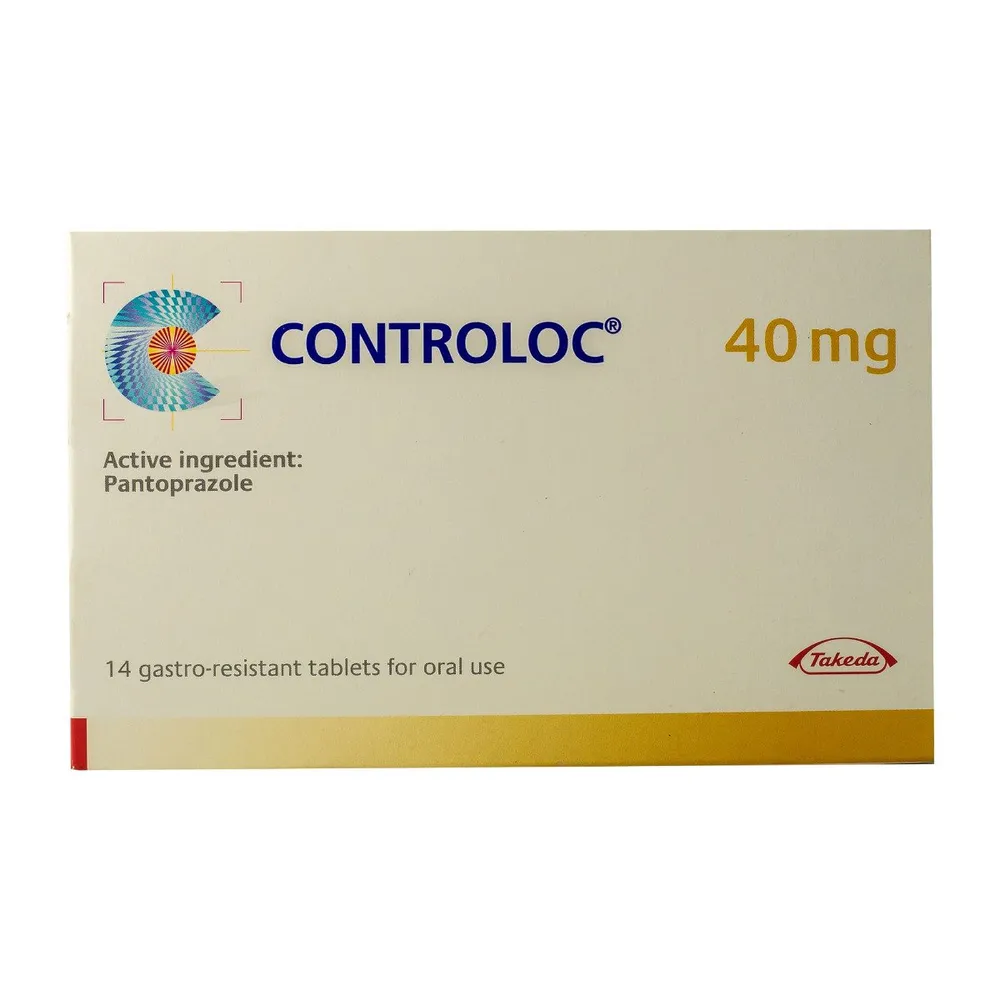
Table of Contents
- 1. NAME OF THE MEDICINAL PRODUCT
- 2. QUALITATIVE AND QUANTITATIVE COMPOSITION
- 3. PHARMACEUTICAL FORM
- 4.2 Dosage and method of administration
- 4.3 Contraindications
- 4.4 Special warnings and precautions for use
- 4.5 Interactions with other medicinal products and other forms of interaction
- 4.6 Fertility, pregnancy and lactation
- 4.7 Effects on the ability to drive and use machines
- 4.8 Adverse Reactions
- 4.9 Overdose
- 5.2 Pharmacokinetic properties
- 5.3 Preclinical safety data
- 6.2 Pharmaceutical incompatibilities
- 6.3 Shelf life
- 6.4 Special precautions during storage
- 6.5 Type and content of container
- 6.6 Special precautions for disposal
- 7. MARKETING AUTHORISATION HOLDER
- 8. AUTHORISATION NUMBER
- 9. DATE OF FIRST AUTHORISATION
- 10. DATE OF APROVAL OR PARTIAL CHANGE OF THE TEXT
- 1. NAME OF THE MEDICINAL PRODUCT
- 2. ACTIVE SUBSTANCE CONTENT
- 5. METHOD AND ROUTE OF ADMINISTRATION
- 6. WARNING REGARDING STORAGE OF THE MEDICINAL PRODUCT
- 11. NAME AND ADDRESS OF THE MARKETING AUTHORISATION HOLDER
- 12. MARKETING AUTHORISATION NUMBER
- 13. BATCH NUMBER
- 14. GENERAL AVAILABILITY CATEGORY
- 17. UNIQUE IDENTIFIER – 2D CODE
- 18. UNIQUE IDENTIFIER – HUMAN-READABLE DATA
- 1. NAME OF THE MEDICINAL PRODUCT
- 2. QUALITATIVE AND QUANTITATIVE COMPOSITION
- 5. METHOD AND ROUTE OF ADMINISTRATION
- 6. WARNING REGARDING STORAGE OF THE MEDICINAL PRODUCT
- 11. NAME AND ADDRESS OF THE MARKETING AUTHORISATION HOLDER
- 12. MARKETING AUTHORISATION NUMBER
- 13. BATCH NUMBER
- 14. GENERAL AVAILABILITY CATEGORY
- 17. UNIQUE IDENTIFIER – 2D CODE
- 18. UNIQUE IDENTIFIER – HUMAN-READABLE INFORMATION
- 1. NAME OF THE MEDICINAL PRODUCT
- 2. ACTIVE SUBSTANCE CONTENT
- 5. METHOD AND ROUTE OF ADMINISTRATION
- 6. WARNING ON STORAGE OF THE MEDICINAL PRODUCT
- 11. NAME AND ADDRESS OF THE MARKETING AUTHORISATION HOLDER
- 12. MARKETING AUTHORISATION NUMBER
- 13. BATCH NUMBER
- 14. GENERAL AVAILABILITY CATEGORY
- 17. UNIQUE IDENTIFIER – 2D CODE
- 18. UNIQUE IDENTIFIER – HUMAN-READABLE DATA
- 1. NAME OF THE MEDICINAL PRODUCT
- 2. COMPOSITION OF THE ACTIVE SUBSTANCE
- 5. METHOD AND ROUTE OF ADMINISTRATION
- 6. WARNING ON STORAGE OF THE MEDICINAL PRODUCT
- 11. NAME AND ADDRESS OF THE MARKETING AUTHORISATION HOLDER
- 12. MARKETING AUTHORISATION NUMBER
- 13. BATCH NUMBER
- 14. GENERAL AVAILABILITY CATEGORY
- 18. UNIQUE IDENTIFIER – HUMAN-READABLE DATA
- 1. NAME OF THE MEDICINAL PRODUCT
- 2. NAME OF THE MARKETING AUTHORISATION HOLDER
- 3. EXPIRY DATE
- 4. BATCH NUMBER
- 5. OTHERS
- 1. NAME OF THE MEDICINAL PRODUCT
- 2. QUALITATIVE AND QUANTIATIVE COMPOSITION
- 5. METHOD AND ROUTE OF ADMINISTRATION
- 6. WARNING ON STORAGE OF THE MEDICINAL PRODUCT
- 11. NAME AND ADDRESS OF THE MARKETING AUTHORISATION HOLDER
- 12. MARKETING AUTHORISATION NUMBER
- 13. BATCH NUMBER
- 14. GENERAL AVAILABILITY CATEGORY
- Package leaflet: information for the patient
- 1. What Controloc 40 is and what it is used for
- 2. What you need to know before taking Controloc 40
- 3. How to take Controloc 40
- 4. Possible side effects
- 5. How to store Controloc 40
- 6. Contents of the pack and other information
PRODUCT CHARACTERISTICS
1. NAME OF THE MEDICINAL PRODUCT
Contropack 40, 40 mg, enteric-coated tablets
2. QUALITATIVE AND QUANTITATIVE COMPOSITION
Each enteric-coated tablet contains 40 mg of pantoprazole (as sodium pantoprazole hemihydrate).
For a complete list of excipients, see section 6.1.
3. PHARMACEUTICAL FORM
Enteric-coated tablet (tablet).
Yellow, oval, biconvex coated tablet with brown imprint "P40" on one side.
4. CLINICAL PARTICULARS
4.1 Therapeutic indications
Controloc 40 is indicated for use in adults and adolescents aged 12 years and older for:
- Gastroesophageal reflux disease.
Controloc 40 is indicated for use in adults for:
- Eradication of Helicobacter pylori (H. pylori) in combination with appropriate antibiotics in patients with peptic ulcer disease associated with H. pylori.
- Gastric and/or duodenal ulcer.
- Zollinger-Ellison syndrome and other pathological conditions associated with excessive hydrochloric acid secretion.
4.2 Dosage and method of administration
Dosage
Adults and adolescents aged 12 years and older
Reflux oesophagitis
1 tablet of Controloc 40 per day. In individual cases, the dose may be doubled (increased to 2 tablets of Controloc 40 per day), particularly if there is no response to other treatments. To heal reflux oesophagitis, treatment usually lasts 4 weeks. If this period is insufficient to achieve healing, the treatment should usually be continued for another 4 weeks.
Adults
Eradication of H. pylori in combination with two appropriate antibiotics
In patients with peptic ulcer and confirmed presence of H. pylori, eradication should be performed using combination therapy. Local official guidelines (e.g. national recommendations) regarding bacterial resistance and appropriate use and prescribing of antibacterial agents should be taken into account.
Depending on the type of resistance, the following combination regimens are recommended for H. pylori eradication:
a) 1 tablet of Controloc 40 twice daily
- 1000 mg amoxicillin twice daily
- 500 mg clarithromycin twice daily
b) 1 tablet of Controloc 40 twice daily - 400–500 mg metronidazole (or 500 mg tinidazole) twice daily
- 250–500 mg clarithromycin twice daily
c) 1 tablet of Controloc 40 twice daily - 1000 mg amoxicillin twice daily
- 400–500 mg metronidazole (or 500 mg tinidazole) twice daily
In combination therapy for H. pylori eradication, the second tablet of Controloc 40 should be taken 1 hour before dinner. Combination therapy is usually administered for 7 days and may be extended for another 7 days, up to a total treatment duration of 2 weeks. If further treatment with pantoprazole is indicated to ensure complete healing of ulcers, dosage recommendations for the treatment of gastric and duodenal ulcer disease should be considered.
If combination therapy is not required, e.g. when a H. pylori test yields a negative result, the following dosage of Controloc 40 is recommended as monotherapy:
Treatment of gastric ulcer
One tablet of Controloc 40 per day. In individual cases, the dose may be doubled (increased to 2 tablets of Controloc 40 per day), particularly if there is no response to other treatments. Gastric ulcers usually heal within 4 weeks. If this period is insufficient, treatment should usually be extended for another 4 weeks to achieve complete healing.
Treatment of duodenal ulcer
One tablet of Controloc 40 per day. In individual cases, the dose may be doubled (increased to 2 tablets of Controloc 40 per day), particularly if there is no response to other treatments. Duodenal ulcers usually heal within 2 weeks. If this period is insufficient, treatment should usually be extended for another 2 weeks to achieve complete healing.
Zollinger-Ellison syndrome and other conditions associated with excessive gastric acid secretion
Long-term treatment of Zollinger-Ellison syndrome and other conditions associated with excessive gastric acid secretion should be initiated with a daily dose of 80 mg (2 tablets of Controloc 40). The dose may then be increased or decreased according to individual needs, based on gastric acid secretion test results. Daily doses exceeding 80 mg should be divided and administered twice daily. Temporary dose increases of pantoprazole above 160 mg per day are possible, but such doses should not be used longer than necessary to achieve adequate acid secretion inhibition.
The duration of treatment for Zollinger-Ellison syndrome and other conditions associated with excessive gastric acid secretion is not limited and should be adjusted according to clinical symptoms.
Special patient groups
Patients with hepatic impairment
A daily dose exceeding 20 mg of pantoprazole (1 tablet of 20 mg pantoprazole) should not be used in patients with severe liver impairment. Controloc 40 should not be used in combination therapy for H. pylori eradication in patients with moderate to severe liver impairment, as there are currently no data on the efficacy and safety of Controloc 40 in combination therapy in this patient group (see section 4.4).
Patients with renal impairment
No dosage adjustment is necessary in patients with renal impairment. Controloc 40 should not be used in combination therapy for H. pylori eradication in patients with renal impairment, as there are currently no data on the efficacy and safety of Controloc 40 in combination therapy in this patient group (see section 5.2).
Elderly patients
No dosage adjustment is necessary in elderly patients (see section 5.2).
Children and adolescents
Controloc 40 is not recommended for use in children under 12 years of age due to limited data on safety and efficacy in this age group (see section 5.2).
Method of administration
Oral administration.
The tablets must not be chewed or crushed. They should be taken 1 hour before a meal, swallowed whole with water.
4.3 Contraindications
Hypersensitivity to the active substance, substituted benzimidazoles, or to any of the
excipients listed in section 6.1.
4.4 Special warnings and precautions for use
Hepatic impairment
In patients with severe liver impairment, during treatment with pantoprazole, especially when the product is used long-term, liver enzyme activity should be monitored regularly. If liver enzyme activity increases, treatment should be discontinued (see section 4.2).
Concomitant therapy
When concomitant therapy is used, information provided in the Summary of Product Characteristics of the concurrently administered medicinal products should also be taken into account.
Gastric tumour
Symptomatic response to pantoprazole may mask symptoms of gastric malignancy and may delay its diagnosis. In the presence of alarm symptoms (such as significant unintentional weight loss, recurrent vomiting, dysphagia, haematemesis, anaemia, or melaena) and in cases of suspected or confirmed gastric ulcers, a malignant underlying cause must be excluded.
Further investigations should be considered in patients whose symptoms persist despite appropriate treatment.
Concomitant administration with protease inhibitors of HIV
Concomitant administration of pantoprazole with protease inhibitors of HIV whose absorption depends on acidic gastric pH, such as atazanavir, is not recommended, as this may significantly reduce their bioavailability (see section 4.5).
Effect on vitamin B12 absorption
In patients with Zollinger-Ellison syndrome and other conditions associated with excessive hydrochloric acid secretion requiring long-term treatment, pantoprazole, like other drugs that inhibit gastric acid secretion, may reduce the absorption of vitamin B12 (cyanocobalamin). This is due to a lack of hydrochloric acid or achlorhydria in gastric juice. This should be taken into account during long-term treatment of patients with vitamin B12 deficiency or those at risk of impaired absorption, or if clinical symptoms occur.
Long-term therapy
During long-term therapy, particularly when treatment lasts longer than one year, patients should be under regular medical supervision.
Gastrointestinal infections caused by bacteria
Treatment with Controloc 40 may result in a slight increase in the risk of gastrointestinal infections caused by bacteria of the Salmonella and Campylobacter families or Clostridium difficile.
Hypomagnesaemia
In patients treated with proton pump inhibitors (PPIs), such as pantoprazole, for at least three months, and in most cases for one year or longer, severe hypomagnesaemia has been reported rarely. Symptoms of severe hypomagnesaemia, such as fatigue, tetany, delirium, seizures, dizziness, and ventricular arrhythmias, may develop insidiously and therefore may not be recognized. Hypomagnesaemia may lead to hypocalcaemia and/or hypokalaemia (see section 4.8). In patients with the most pronounced hypomagnesaemia (and hypomagnesaemia associated with hypocalcaemia and/or hypokalaemia), discontinuation of proton pump inhibitors and initiation of magnesium supplementation resulted in improvement.
In patients expected to be on long-term PPI therapy, and in patients receiving PPIs together with medicinal products such as digoxin or other drugs that may cause hypomagnesaemia (e.g. diuretics), healthcare professionals should consider measuring magnesium levels before starting PPI therapy and periodically during treatment.
Bone fractures
The use of proton pump inhibitors, particularly at high doses and long-term therapy (exceeding 1 year), may slightly increase the risk of fractures of the hip, wrist, or spine, especially in elderly patients or those with other risk factors. Observational studies suggest that proton pump inhibitors may increase the overall risk of fractures by 10–40%. The increased risk may also be due to other factors. Patients at risk of osteoporosis should be managed according to current clinical guidelines to ensure adequate intake of vitamin D and calcium.
Severe cutaneous adverse reactions (SCAR)
Severe cutaneous adverse reactions have been reported with the use of pantoprazole at an unknown frequency, including erythema multiforme, Stevens-Johnson syndrome (SJS), toxic epidermal necrolysis (TEN), and drug reaction with eosinophilia and systemic symptoms (DRESS), which may be life-threatening or fatal (see section 4.8).
When prescribing the medicinal product, patients should be informed about subjective and objective symptoms and closely monitored for cutaneous reactions. If subjective or objective symptoms indicating these reactions occur, pantoprazole should be discontinued immediately and alternative treatment considered.
Subacute cutaneous lupus erythematosus (SCLE)
The use of proton pump inhibitors has been associated with rare occurrences of SCLE. If skin changes appear, especially in sun-exposed areas, along with joint pain, the patient should seek immediate medical help, and the physician should consider discontinuing treatment with Controloc 40. Previous treatment with a proton pump inhibitor resulting in SCLE may increase the risk of SCLE with subsequent treatment with other proton pump inhibitors.
Effect on laboratory test results
Elevated chromogranin A (CgA) levels may interfere with tests detecting neuroendocrine tumours. To avoid this, treatment with Controloc 40 should be interrupted for at least 5 days before measuring CgA levels (see section 5.1). If, after the initial measurement, CgA and gastrin levels remain outside the reference range, measurements should be repeated 14 days after discontinuation of proton pump inhibitor therapy.
Controloc 40 contains sodium
This medicinal product contains less than 1 mmol (23 mg) of sodium per tablet, i.e. the medicine is considered "sodium-free".
4.5 Interactions with other medicinal products and other forms of interaction
Medicinal products whose absorption pharmacokinetics depend on pH
Due to the strong and long-lasting inhibition of gastric acid secretion, pantoprazole may interfere with the absorption of other medicinal products for which gastric pH is an important factor influencing oral bioavailability. This includes certain antifungal azoles such as ketoconazole, itraconazole, posaconazole, and other drugs such as erlotinib.
HIV protease inhibitors
Concomitant administration of pantoprazole with HIV protease inhibitors whose absorption depends on acidic gastric pH, such as atazanavir, is not recommended, as this may significantly reduce their bioavailability (see section 4.4).
If concomitant administration of an HIV protease inhibitor with a proton pump inhibitor is necessary, close clinical monitoring of the patient (e.g. viral load) is advised. The pantoprazole dose should not exceed 20 mg daily. Dose adjustment of the HIV protease inhibitor may be required.
Coumarin anticoagulants (phenprocoumon or warfarin)
Concomitant administration of pantoprazole with warfarin or phenprocoumon had no effect on the pharmacokinetics of warfarin, phenprocoumon, or changes in INR (international normalized ratio) values. However, increased INR and prothrombin time have been reported in patients receiving proton pump inhibitors and warfarin or phenprocoumon concurrently. Elevated INR and prothrombin time may lead to abnormal bleeding, and even death. In patients receiving pantoprazole together with warfarin or phenprocoumon, monitoring of INR and prothrombin time may be necessary.
Methotrexate
In some patients, concomitant use of high-dose methotrexate (e.g. 300 mg) with proton pump inhibitors has been observed to increase methotrexate concentrations. Therefore, in patients receiving high-dose methotrexate, for example in oncological diseases or psoriasis, temporary discontinuation of pantoprazole should be considered.
Other interaction studies
Pantoprazole is extensively metabolized in the liver by the cytochrome P-450 enzyme system. The main metabolic pathway is demethylation via CYP2C19, while other metabolic pathways include oxidation via CYP3A4.
Interaction studies with other medicinal products metabolized by the same enzyme system, such as carbamazepine, diazepam, glibenclamide, nifedipine, and oral contraceptives containing levonorgestrel and ethinylestradiol, did not reveal clinically significant interactions.
Interactions between pantoprazole and other medicinal products or compounds metabolized by the same enzyme system cannot be excluded.
Results from interaction studies indicate that pantoprazole has no effect on the metabolism of active substances metabolized by CYP1A2 (e.g. caffeine, theophylline), CYP2C9 (e.g. piroxicam, diclofenac, naproxen), CYP2D6 (e.g. metoprolol), CYP2E1 (e.g. ethanol), and does not interfere with p-glycoprotein-dependent digoxin absorption.
No interactions were observed with concomitantly administered acid-neutralizing agents.
Interaction studies have also been conducted where pantoprazole was administered concomitantly with appropriate antibiotics (clarithromycin, metronidazole, amoxicillin). No clinically significant interactions were observed.
Medicinal products that inhibit or induce CYP2C19
Cytochrome CYP2C19 inhibitors such as fluvoxamine may increase systemic exposure to pantoprazole. Dose reduction should be considered in patients on long-term high-dose pantoprazole therapy or in patients with impaired liver function.
Enzyme inducers of CYP2C19 and CYP3A4, such as rifampicin or St John's wort (Hypericum perforatum), may reduce plasma concentrations of proton pump inhibitors metabolized by these enzyme systems.
Effect on laboratory tests
In some urine screening tests for tetrahydrocannabinol (THC), false-positive results have been observed in patients receiving pantoprazole. Alternative testing methods should be considered to confirm positive results.
4.6 Fertility, pregnancy and lactation
Pregnancy
A moderate amount of data from pregnant women (between 300-1000 pregnant women) does not indicate that pantoprazole causes developmental abnormalities or has toxic effects on the fetus or newborn. In animal studies, harmful effects on reproduction have been observed (see section 5.3). For safety reasons, it is recommended to avoid using Controloc 40 during pregnancy.
Breast-feeding
In animal studies, pantoprazole has been shown to pass into milk. There are insufficient data available on the passage of pantoprazole into human milk; however, there are reports indicating such transfer. The risk of adverse effects in a breastfed newborn/infant cannot be excluded. Therefore, a decision should be made whether to discontinue breast-feeding or to discontinue/abstain from using Controloc 40, taking into account the benefits of breast-feeding for the child and the benefits of treatment for the mother.
Fertility
In animal studies, no impairment of fertility was observed after administration of pantoprazole (see section 5.3).
4.7 Effects on the ability to drive and use machines
Pantoprazole has no effect or has a negligible effect on the ability to drive motor vehicles
and operate mechanical equipment.
Adverse effects such as dizziness and visual disturbances may occur (see
section 4.8). In such cases, patients should not drive motor vehicles or
operate mechanical equipment.
4.8 Adverse Reactions
Adverse drug reactions (ADRs) may occur in approximately 5% of patients.
In the table below, adverse reactions are categorized according to the following frequency classification:
Very common (≥1/10); common (≥1/100 to <1/10); uncommon (≥1/1,000 to <1/100); rare (≥1/10,000 to <1/1,000); very rare (≤1/10,000), frequency not known (cannot be estimated based on available data).
For all adverse reactions reported after product marketing authorization, it is not possible to apply the frequency classification; therefore, their frequency is listed as "not known".
Within each frequency group, adverse reactions are listed in order from most severe to least severe.
Table 1. Adverse reactions associated with pantoprazole use, reported in clinical trials and following marketing authorization
| Częstość występowania Klasyfikacja układów i narządów |
Często | Niezbyt często | Rzadko | Bardzo rzadko | Nieznana |
| Zaburzenia krwi i układu chłonnego | agranulocytosis | thrombocytopenia, leukopenia, pancytopenia |
|||
| Zaburzenia układu immunologicznego | hypersensitivity (including anaphylactic reactions and anaphylactic shock) |
||||
| Zaburzenia metabolizmu i odżywiania | hyperlipidemia and increased lipid levels (triglycerides, cholesterol), body weight changes |
hyponatremia, hypomagnesemia (see section 4.4), hypocalcemia(1), hypokalemia(1) |
|||
| Zaburzenia psychiczne | sleep disorders | depression (and all exacerbations) |
disorientation (and all exacerbations) |
hallucinations, confusion (particularly in predisposed patients, as well as worsening of these symptoms if previously present) |
|
| Zaburzenia układu nerwowego | headache, dizziness |
taste disturbances | paraesthesia | ||
| Zaburzenia oka | vision disorders / blurred vision | ||||
| Zaburzenia żołądka i jelit | gastric polyps (benign) |
diarrhea, nausea / vomiting, abdominal fullness and bloating, constipation, dry mouth, epigastric pain and discomfort |
microscopic colitis | ||
| Zaburzenia wątroby i dróg żółciowych | increased liver enzyme activity | increased bilirubin levels | hepatocellular damage, jaundice, |
||
| Częstość występowania Klasyfikajca układów i narządów |
Często | Niezbyt często | Rzadko | Bardzo rzadko | Nieznana |
| (aminotransferases, γ-GT) |
liver failure | ||||
| Zaburzenia skóry i tkanki podskórnej | skin rash / eczema / skin eruptions, pruritus |
urticaria, angioedema |
Stevens–Johnson syndrome, Lyell syndrome (TEN), drug reaction with eosinophilia and systemic symptoms (DRESS syndrome), erythema multiforme, photosensitivity, subacute cutaneous lupus erythematosus (see section 4.4) |
||
| Zaburzenia mięśniowo-szkieletowe i tkanki łącznej | fractures of hip, wrist or spine (see section 4.4) | arthralgia, myalgia |
muscle cramps(2) | ||
| Zaburzenia nerek i dróg moczowych | tubulointerstitial nephropathy (TIN) (with potential worsening of renal function up to renal failure) |
||||
| Zaburzenia układu rozrodczego i piersi | gynecomastia | ||||
| Zaburzenia ogólne i stany w miejscu podania | asthenia, fatigue and malaise |
fever, peripheral edema |
Hypocalcaemia and (or) hypokalaemia may be associated with hypomagnesaemia
(see section 4.4).
Muscle spasms due to electrolyte disturbances.
Reporting of suspected adverse reactions
After marketing authorization of the medicinal product, reporting of suspected adverse reactions is important. It enables continuous monitoring of the benefit-risk ratio of the medicinal product. Healthcare professionals should report any suspected adverse reactions via the Department of Monitoring Adverse Drug Reactions of the Office for Registration of Medicinal Products, Medical Devices and Biocidal Products, Al. Jerozolimskie 181 C, 02-222 Warsaw, tel.: +48 22 49 21 301, fax: +48 22 49 21 309, website: https://smz.ezdrowie.gov.pl.
Adverse reactions can also be reported to the marketing authorization holder.
4.9 Overdose
There are no known symptoms of overdose in humans.
Doses up to 240 mg administered intravenously over 2 minutes were well tolerated.
Since pantoprazole is highly bound to plasma proteins, it is not easily amenable to dialysis.
In cases of overdose with clinical signs of poisoning, apart from symptomatic and supportive treatment, there are no specific therapeutic recommendations.
5. PHARMACOLOGICAL PROPERTIES
5.1 Pharmacodynamic properties
Pharmacotherapeutic group: Proton pump inhibitors, ATC code: A02BC02
Mechanism of action
Pantoprazole is a substituted benzimidazole that inhibits gastric acid secretion by specifically blocking the proton pump in parietal cells.
In the acidic environment of the parietal cells, pantoprazole is converted into its active form and inhibits the activity of H+,K+-ATPase, the final step in gastric acid production.
The degree of inhibition is dose-dependent and affects both basal and stimulated gastric acid secretion. In most patients, symptoms resolve within 2 weeks.
As with other proton pump inhibitors and H-receptor antagonists, pantoprazole treatment leads to reduced gastric acidity and a secondary increase in gastrin secretion proportional to the reduction in acidity.
The increase in gastrin secretion is reversible. Since pantoprazole binds to the enzyme at the cellular receptor level, it can affect gastric acid secretion independently of stimulation by other substances (acetylcholine, histamine, gastrin). The effect is the same regardless of whether the product is administered orally or intravenously.
Pharmacodynamic action
Fasting serum gastrin concentrations increase under the influence of pantoprazole. During short-term treatment, these values in most cases do not exceed the upper limit of normal. During long-term treatment, gastrin concentrations typically double. However, excessive increases in gastrin levels occur only in sporadic cases. As a result, mild to moderate increases in the number of specific enterochromaffin-like (ECL) cells in the stomach (from simple to adenomatous hyperplasia) have been observed in rare cases of prolonged treatment. However, according to available studies, the development of precancerous changes (atypical hyperplasia) or gastric carcinoids observed in animal studies (see section 5.3) has not been observed in humans.
In the case of long-term therapy lasting more than one year, based on animal study results, a potential influence of pantoprazole on endocrine parameters of the thyroid gland cannot be completely ruled out.
During treatment with acid-suppressive medicinal products, serum gastrin concentration increases in response to reduced gastric acid secretion. Chromogranin A (CgA) concentration also increases due to reduced intragastric acidity. Elevated CgA levels may interfere with tests detecting the presence of neuroendocrine tumors.
Available published evidence indicates that proton pump inhibitor treatment should be discontinued 5 to 2 weeks before measuring CgA concentration. This is intended to allow CgA levels, which may be falsely elevated due to proton pump inhibitor therapy, to return to the reference range.
5.2 Pharmacokinetic properties
Absorption
Pantoprazole is rapidly absorbed from the gastrointestinal tract, achieving peak plasma concentration even after a single oral dose of 40 mg. The maximum serum concentration occurs on average 2.5 hours after administration and is approximately 2–3 μg/mL. These values remain unchanged after repeated administration.
There are no differences in pharmacokinetics between single and multiple doses. Over the dose range of 10 to 80 mg, the plasma kinetics of pantoprazole are linear, both after oral and intravenous administration.
The total bioavailability of pantoprazole in tablet form is approximately 77%. Concomitant food intake does not affect the area under the curve (AUC) or maximum serum concentration, and thus does not affect bioavailability. However, taking food simultaneously may delay the onset of action.
Distribution
Pantoprazole is bound to plasma proteins by approximately 98%. The volume of distribution is about 0.15 L/kg.
Metabolism
The substance is metabolized almost exclusively in the liver. The main metabolic pathway is demethylation by CYP2C19, followed by sulfation; other metabolic pathways include oxidation by CYP3A4.
Elimination
The terminal elimination half-life is approximately 1 hour, and clearance is about 0.1 L/h/kg. Several cases of delayed elimination have been reported. Since pantoprazole specifically binds to the proton pump in parietal cells, the elimination half-life does not correlate with the prolonged duration of action (inhibition of acid secretion).
Pantoprazole metabolites are excreted predominantly via the kidneys (about 80%), with the remainder eliminated in feces. The main metabolite in both plasma and urine is demethylpantoprazole sulfate. The half-life of the main metabolite (about 1.5 hours) does not differ significantly from that of pantoprazole.
Special patient groups
Poor metabolizers
In approximately 3% of the European population classified as poor metabolizers, the functional enzyme CYP2C19 is absent. In these individuals, pantoprazole metabolism is likely catalyzed mainly by CYP3A4. After a single 40 mg dose of pantoprazole, the mean area under the plasma concentration-time curve was 6 times greater in poor metabolizers compared to individuals with functional CYP2C19 (extensive metabolizers). Mean maximum plasma concentrations increased by approximately 60%. These data do not affect pantoprazole dosing.
Patients with renal impairment
Dose reduction of pantoprazole is not necessary in patients with impaired renal function (including patients undergoing dialysis). As in healthy individuals, the half-life of pantoprazole is short. Only minimal amounts of pantoprazole are removed during dialysis. Although the half-life of the main metabolite is moderately prolonged (2–3 hours), elimination remains rapid and there is no product accumulation.
Patients with hepatic impairment
In patients with liver cirrhosis (Child class A and B), the half-life is prolonged to 7–9 hours, and AUC values increase 5- to 7-fold. Nevertheless, the maximum serum concentration increases only slightly, by 1.5-fold compared to healthy individuals.
Elderly patients
A slight increase in AUC and maximum concentration (Cmax) in elderly volunteers compared to younger volunteers is not clinically significant.
Children and adolescents
After administration of a single oral dose of 20 or 40 mg pantoprazole to children aged 5–16 years, AUC and Cmax values were within the range observed in adults.
After a single intravenous dose of pantoprazole at 0.8 or 1.6 mg/kg body weight administered to children aged 2–16 years, no significant relationship was observed between pantoprazole clearance and age or body weight. AUC and volume of distribution were consistent with data obtained in adults.
5.3 Preclinical safety data
Non-clinical data from conventional pharmacological safety studies, repeated-dose toxicity studies, and genotoxicity studies reveal no special hazard for humans.
In two-year carcinogenicity studies in rats, neuroendocrine tumours were observed. Additionally, squamous cell papillomas in the forestomach epithelium were observed in rats. The mechanism leading to gastric tumour formation by substituted benzoimidazoles has been thoroughly investigated and indicates that this is a secondary reaction to markedly increased serum gastrin concentrations occurring in rats during long-term treatment with high doses. In two-year studies, an increased incidence of liver tumours was observed in rats and female mice, which was attributed to a phenomenon related to the high rate of pantoprazole metabolism in the liver.
In rats receiving the highest doses of pantoprazole (200 mg/kg body weight), a slight increase in the frequency of neoplastic changes in the thyroid gland was observed. The occurrence of these tumours is associated with altered thyroxine disposition in the rat liver induced by pantoprazole. Since therapeutic doses in humans are low, no adverse effects on the thyroid gland are expected.
In a rat pre- and postnatal development study assessing bone development, signs of toxicity in offspring (mortality, lower mean body weight, lower mean weight gain, and reduced bone growth) were observed at exposures (Cmax) corresponding to approximately twice the clinical exposure in humans. At the end of the recovery phase, bone parameters were similar across all groups, and body weights also showed a tendency towards reversibility after the recovery period without drug administration. Increased mortality was observed only in young rats before weaning (up to 21 days of age), which are estimated to correspond in developmental stage to children up to 2 years of age. The significance of this observation for paediatric and adolescent populations is unknown. An earlier rat pre- and postnatal study using slightly lower doses showed no adverse effects at a dose of 3 mg/kg body weight, compared to the low dose of 5 mg/kg body weight used in this study.
Studies have not shown any effect on fertility impairment or teratogenic potential of the product.
Studies in rats on placental transfer of the product demonstrated increased transfer into foetal circulation in late pregnancy. As a result, pantoprazole concentration in the foetus is increased shortly before delivery.
6. PHARMACEUTICAL DATA
6.1 List of excipients
Core
Anhydrous sodium carbonate
Mannitol (E421)
Crospovidone
Povidone K90
Calcium stearate
Coating
Hypromellose
Povidone K25
Titanium dioxide (E171)
Iron oxide yellow (E172)
Propylene glycol (E1520)
Methacrylic acid and ethyl acrylate copolymer (1:1)
Polysorbate 80
Sodium lauryl sulfate
Triethyl citrate
Ink
Shellac
Iron oxide red (E172)
Iron oxide black (E172)
Iron oxide yellow (E172)
Concentrated ammonium hydroxide
6.2 Pharmaceutical incompatibilities
Not applicable.
6.3 Shelf life
Packages containing blisters
3 years
Bottles
Unopened: 3 years
Shelf life of the product after first opening: 100 days.
6.4 Special precautions during storage
No special requirements for storage of the medicinal product.
6.5 Type and content of container
HDPE bottle with LDPE cap.
7 enteric-coated tablets
10 enteric-coated tablets
14 enteric-coated tablets
15 enteric-coated tablets
24 enteric-coated tablets
28 enteric-coated tablets
30 enteric-coated tablets
48 enteric-coated tablets
49 enteric-coated tablets
56 enteric-coated tablets
60 enteric-coated tablets
84 enteric-coated tablets
90 enteric-coated tablets
98 enteric-coated tablets
98 (2x49) enteric-coated tablets
100 enteric-coated tablets
Hospital packs
50 enteric-coated tablets
90 enteric-coated tablets
100 enteric-coated tablets
140 enteric-coated tablets
140 (10x14) enteric-coated tablets
150 (10x15) enteric-coated tablets
700 (5x140) enteric-coated tablets
Blister packs (Aluminium/Aluminium).
Blister packs (Aluminium/Aluminium) with paper overwrap (blister wallet).
7 enteric-coated tablets
10 enteric-coated tablets
14 enteric-coated tablets
15 enteric-coated tablets
24 enteric-coated tablets
28 enteric-coated tablets
30 enteric-coated tablets
48 enteric-coated tablets
49 enteric-coated tablets
56 enteric-coated tablets
60 enteric-coated tablets
84 enteric-coated tablets
90 enteric-coated tablets
98 enteric-coated tablets
98 (2x49) enteric-coated tablets
100 enteric-coated tablets
112 enteric-coated tablets
168 enteric-coated tablets
Hospital packs
50 enteric-coated tablets
90 enteric-coated tablets
100 enteric-coated tablets
140 enteric-coated tablets
50 (50x1) enteric-coated tablets
140 (10x14) enteric-coated tablets
150 (10x15) enteric-coated tablets
500 enteric-coated tablets
700 (5x140) enteric-coated tablets
In Poland, packaging registered includes 14, 28 and 60 tablets in Aluminium/Aluminium blisters;
14 and 28 tablets in Aluminium/Aluminium blisters with paper overwrap; and 14, 28 and 100
tablets in HDPE bottles with LDPE cap.
Not all pack sizes may be marketed.
6.6 Special precautions for disposal
No special requirements.
Any unused residues of the medicinal product or waste material should be disposed of in accordance with local regulations.
7. MARKETING AUTHORISATION HOLDER
MARKETING AUTHORISATION HOLDER
Takeda Pharma Sp. z o.o.
ul. Prosta 68
00-838 Warszawa
[email protected]
8. AUTHORISATION NUMBER
R/6898
9. DATE OF FIRST AUTHORISATION
AND DATE OF RENEWAL
Date of first authorisation: 26 November 1996
Date of latest renewal: 18 October 2011
10. DATE OF APROVAL OR PARTIAL CHANGE OF THE TEXT
PRODUCT CHARACTERISTICS
26 April 2023
PACKAGING LABELLING
INFORMATION ON OUTER PACKAGING
Blister pack box (1 x 14 tab)
Blister pack box (2 x 14 tab)
Blister pack box (4 x 15 tab)
1. NAME OF THE MEDICINAL PRODUCT
Controloc 40, 40 mg, enteric-coated tablets
pantoprazole
2. ACTIVE SUBSTANCE CONTENT
Each enteric-coated tablet contains 40 mg of pantoprazole (as sodium pantoprazole
sesquihydrate).
3. LIST OF EXCIPIENTS
4. PHARMACEUTICAL FORM AND PACKAGING CONTENT
14 enteric-coated tablets code 5909990689842
28 enteric-coated tablets code 5909990689859
60 enteric-coated tablets code 5909990820344
5. METHOD AND ROUTE OF ADMINISTRATION
Oral administration.
Read the instructions in the leaflet before using the medicine.
Swallow whole, do not chew or crush.
6. WARNING REGARDING STORAGE OF THE MEDICINAL PRODUCT
KEEP OUT OF SIGHT AND REACH OF CHILDREN
Keep the medicine in a place out of sight and reach of children.
7. OTHER SPECIAL WARNINGS, IF NECESSARY
8. EXPIRY DATE
Expiry date (EXP):
9. STORAGE CONDITIONS
10. SPECIAL PRECAUTIONS FOR DISPOSAL OF UNUSED MEDICINAL PRODUCTS OR
WASTE MATERIALS DERIVED FROM SUCH PRODUCTS, IF APPROPRIATE
11. NAME AND ADDRESS OF THE MARKETING AUTHORISATION HOLDER
Takeda Pharma Sp. z o.o.
ul. Prosta 68
00-838 Warszawa
((logo of the company))
12. MARKETING AUTHORISATION NUMBER
Authorisation number R/6898
13. BATCH NUMBER
Batch number (Lot):
14. GENERAL AVAILABILITY CATEGORY
Rp - Medicinal product subject to medical prescription.
15. INSTRUCTIONS FOR USE
16. INFORMATION PROVIDED IN BRAILLE
Controloc 40
17. UNIQUE IDENTIFIER – 2D CODE
Includes a 2D code serving as the carrier of the unique identifier.
18. UNIQUE IDENTIFIER – HUMAN-READABLE DATA
PC:
SN:
NN:
INFORMATION ON OUTER PACKAGING
Blister pack in paper sleeve (2 x 7 tab)
Blister pack in paper sleeve (4 x 7 tab)
1. NAME OF THE MEDICINAL PRODUCT
Controloc 40, 40 mg, enteric-coated tablets
pantoprazole
2. QUALITATIVE AND QUANTITATIVE COMPOSITION
Each gastro-resistant tablet contains 40 mg of pantoprazole (as sodium pantoprazole
sesquihydrate).
3. LIST OF EXCIPIENTS
4. NATURE AND CONTENTS OF PACKAGING
14 gastro-resistant tablets code 5909990614752
28 gastro-resistant tablets code 5909990614769
5. METHOD AND ROUTE OF ADMINISTRATION
Oral administration.
Read the instructions in the leaflet before using the medicine.
Swallow whole, do not chew or crush.
6. WARNING REGARDING STORAGE OF THE MEDICINAL PRODUCT
KEEP OUT OF SIGHT AND REACH OF CHILDREN
Keep the medicine out of sight and reach of children.
7. OTHER SPECIAL WARNINGS, IF NECESSARY
8. EXPIRY DATE
Expiry date (EXP):
9. STORAGE CONDITIONS
10. SPECIAL PRECAUTIONS FOR DISPOSAL OF UNUSED MEDICINAL PRODUCTS OR
WASTE MATERIAL DERIVED FROM SUCH PRODUCTS, IF APPROPRIATE
11. NAME AND ADDRESS OF THE MARKETING AUTHORISATION HOLDER
Takeda Pharma Sp. z o.o.
ul. Prosta 68
00-838 Warsaw
((logo of the company))
12. MARKETING AUTHORISATION NUMBER
Authorisation number: R/6898
13. BATCH NUMBER
Batch number (Lot):
14. GENERAL AVAILABILITY CATEGORY
Rp - Medicinal product subject to medical prescription.
15. INSTRUCTIONS FOR USE
16. INFORMATION PROVIDED IN BRAILLE
controloc 40
17. UNIQUE IDENTIFIER – 2D CODE
Not applicable
18. UNIQUE IDENTIFIER – HUMAN-READABLE INFORMATION
Not applicable
INFORMATION ON OUTER PACKAGING
Box for bottle (14 tab)
Box for bottle (28 tab)
Box for bottle (100 tab)
1. NAME OF THE MEDICINAL PRODUCT
Controloc 40, 40 mg, enteric-coated tablets
pantoprazole
2. ACTIVE SUBSTANCE CONTENT
Each enteric-coated tablet contains 40 mg of pantoprazole (as sodium pantoprazole
sesquihydrate).
3. LIST OF EXCIPIENTS
4. PHARMACEUTICAL FORM AND PACKAGING CONTENTS
14 enteric-coated tablets code 5909990689811
28 enteric-coated tablets code 5909990689828
100 enteric-coated tablets code 5909990689835
5. METHOD AND ROUTE OF ADMINISTRATION
Oral administration.
Read the instructions in the leaflet before use.
Swallow whole; do not chew or crush.
6. WARNING ON STORAGE OF THE MEDICINAL PRODUCT
KEEP OUT OF SIGHT AND REACH OF CHILDREN
Keep the medicine out of sight and reach of children.
7. OTHER SPECIAL WARNINGS, IF NECESSARY
8. EXPIRY DATE
Expiry date (EXP):
Do not use the medicine after 100 days from the first opening of the bottle.
9. STORAGE CONDITIONS
10. SPECIAL PRECAUTIONS FOR DISPOSAL OF UNUSED MEDICINAL PRODUCTS OR
WASTE MATERIALS DERIVING FROM SUCH MEDICINAL PRODUCTS, IF APPROPRIATE
11. NAME AND ADDRESS OF THE MARKETING AUTHORISATION HOLDER
Takeda Pharma Sp. z o.o.
ul. Prosta 68
00-838 Warszawa
((logo of the marketing authorisation holder))
12. MARKETING AUTHORISATION NUMBER
Authorisation number: R/6898
13. BATCH NUMBER
Batch number (Lot):
14. GENERAL AVAILABILITY CATEGORY
Rp - Medicinal product subject to medical prescription.
15. INSTRUCTIONS FOR USE
16. INFORMATION PROVIDED IN BRAILLE
controloc 40
17. UNIQUE IDENTIFIER – 2D CODE
Includes a 2D code serving as the carrier of the unique identifier.
18. UNIQUE IDENTIFIER – HUMAN-READABLE DATA
PC:
SN:
NN:
INFORMATION ON IMMEDIATE PACKAGING
Blister card
1. NAME OF THE MEDICINAL PRODUCT
Controloc 40, 40 mg, enteric-coated tablets
pantoprazole
2. COMPOSITION OF THE ACTIVE SUBSTANCE
Each enteric-coated tablet contains 40 mg of pantoprazole (as sodium pantoprazole
sesquihydrate).
3. LIST OF EXCIPIENTS
4. PHARMACEUTICAL FORM AND PACKAGING CONTENT
7 enteric-coated tablets
5. METHOD AND ROUTE OF ADMINISTRATION
Oral administration.
Read the instruction leaflet carefully before use.
Swallow whole, do not chew or crush.
6. WARNING ON STORAGE OF THE MEDICINAL PRODUCT
KEEP OUT OF THE SIGHT AND REACH OF CHILDREN
Keep the medicinal product out of the sight and reach of children.
7. OTHER SPECIAL WARNINGS, IF NECESSARY
8. EXPIRY DATE
EXP:
9. STORAGE CONDITIONS
10. SPECIAL PRECAUTIONS FOR DISPOSAL OF UNUSED
MEDICINAL PRODUCT OR WASTE MATERIAL DERIVING FROM
SUCH MEDICINAL PRODUCT, IF APPROPRIATE
11. NAME AND ADDRESS OF THE MARKETING AUTHORISATION HOLDER
Takeda Pharma Sp. z o.o.
ul. Prosta 68
00-838 Warszawa
((logo of the company))
12. MARKETING AUTHORISATION NUMBER
Authorisation number: R/6898
13. BATCH NUMBER
Lot:
14. GENERAL AVAILABILITY CATEGORY
Rp - Medicinal product subject to medical prescription.
15. INSTRUCTIONS FOR USE
16. INFORMATION PROVIDED IN BRAILLE
17. UNIQUE IDENTIFIER – 2D CODE
Not applicable
18. UNIQUE IDENTIFIER – HUMAN-READABLE DATA
Not applicable
MINIMUM INFORMATION TO BE PRINTED ON BLISTER PACKS OR FOIL PACKS
Blister
1. NAME OF THE MEDICINAL PRODUCT
Controloc 40, 40 mg, tablets
pantoprazole
2. NAME OF THE MARKETING AUTHORISATION HOLDER
((logo of the marketing authorisation holder))
3. EXPIRY DATE
EXP:
4. BATCH NUMBER
Lot:
5. OTHERS
INFORMATION APPEARING ON PRIMARY PACKAGING
Label for the bottle
1. NAME OF THE MEDICINAL PRODUCT
Controloc 40, 40 mg, enteric-coated tablets
pantoprazole
2. QUALITATIVE AND QUANTIATIVE COMPOSITION
Each enteric-coated tablet contains 40 mg of pantoprazole (as sodium pantoprazole
sesquihydrate).
3. LIST OF EXCIPIENTS
4. PHARMACEUTICAL FORM AND CONTENTS OF THE PACKAGE
14 enteric-coated tablets
28 enteric-coated tablets
100 enteric-coated tablets
5. METHOD AND ROUTE OF ADMINISTRATION
Oral administration.
Read the instruction leaflet before using the medicine.
Swallow whole, do not chew or crush.
6. WARNING ON STORAGE OF THE MEDICINAL PRODUCT
KEEP OUT OF THE SIGHT AND REACH OF CHILDREN
Keep the medicine in a place out of the sight and reach of children.
7. OTHER SPECIAL WARNINGS, IF NECESSARY
8. EXPIRY DATE
EXP:
Do not use the medicine after 100 days from the first opening of the bottle.
9. STORAGE CONDITIONS
10. SPECIAL PRECAUTIONS FOR DISPOSAL OF UNUSED
MEDICINAL PRODUCT OR WASTE MATERIAL DERIVED FROM
IT, IF APPROPRIATE
11. NAME AND ADDRESS OF THE MARKETING AUTHORISATION HOLDER
Takeda Pharma Sp. z o.o.
Prosta 68 Street
00-838 Warsaw
((logo of the company))
12. MARKETING AUTHORISATION NUMBER
Authorisation number R/6898
13. BATCH NUMBER
Lot:
14. GENERAL AVAILABILITY CATEGORY
Rp - Prescription-only medicine.
15. INSTRUCTIONS FOR USE
16. INFORMATION PROVIDED IN BRAILLE
17. UNIQUE IDENTIFIER – 2D CODE
18. UNIQUE IDENTIFIER – HUMAN-READABLE DATA
Package leaflet: information for the patient
Controloc 40, 40 mg, enteric-coated tablets
pantoprazole
Please read this leaflet carefully before taking this medicine because it contains
important information for you.
- Keep this leaflet as you may need to read it again.
- If you have any further questions, ask your doctor, pharmacist, or nurse.
- This medicine has been prescribed for a specific individual. Do not pass it on to others. This medicine may harm someone else, even if their symptoms are the same.
- If you experience any adverse effects, including any not listed in this leaflet, tell your doctor, pharmacist, or nurse. See section 4.
Contents of this leaflet
- What Controloc 40 is and what it is used for
- What you need to know before taking Controloc 40
- How to take Controloc 40
- Possible side effects
- How to store Controloc 40
- Contents of the pack and other information
1. What Controloc 40 is and what it is used for
Controloc 40 contains the active substance pantoprazole. Controloc 40 is a selective "proton pump inhibitor", a medicine that reduces the secretion of acid in the stomach. It is used in the treatment of stomach and intestinal disorders associated with hydrochloric acid secretion.
Controloc 40 is used in adults and adolescents aged 12 years and older for the treatment of:
- Gastro-oesophageal reflux disease. This is inflammation of the oesophagus (the tube connecting the throat to the stomach) associated with the backflow of hydrochloric acid from the stomach.
Controloc 40 is used in adults for:
- Helicobacter pylori infection in patients with gastric and/or duodenal ulcers, in combination with two antibiotics (eradication therapy), to eliminate the bacteria and prevent ulcer recurrence.
- Gastric and/or duodenal ulcer disease.
- Zollinger-Ellison syndrome and other conditions associated with excessive hydrochloric acid secretion in the stomach.
2. What you need to know before taking Controloc 40
Do not take Controloc 40 if:
- You are allergic to pantoprazole or any of the other ingredients of this medicine (listed in section 6).
- You have previously experienced an allergic reaction to medicines containing other proton pump inhibitors.
Warnings and precautions
Before starting treatment with Controloc 40, inform your doctor, pharmacist, or nurse:
- If you have severe liver function impairment. Inform your doctor if you have ever had liver problems in the past. Your doctor may recommend more frequent monitoring of liver enzyme activity, especially if long-term treatment with Controloc 40 is required. If liver enzyme activity increases, treatment should be discontinued.
- If you have vitamin B deficiency or risk factors indicating possible reduced vitamin B levels, and you are receiving long-term pantoprazole therapy. Like all medicines that reduce (inhibit) gastric acid secretion, pantoprazole may lead to reduced absorption of vitamin B. Contact your doctor if you notice any of the following symptoms, which may indicate low vitamin B levels:
- extreme fatigue or lack of energy,
- numbness and tingling,
- pain or redness of the tongue, mouth ulcers,
- muscle weakness,
- vision disturbances,
- memory problems, disorientation, depression.
- If you are taking HIV protease inhibitors such as atazanavir (used in HIV treatment) together with pantoprazole, consult your doctor for specific advice.
- Use of a proton pump inhibitor such as pantoprazole, especially for more than 1 year, may slightly increase the risk of fractures of the hip, wrist, or spine. Inform your doctor if you have osteoporosis (reduced bone density) or if your doctor has informed you that you are at risk of developing osteoporosis (e.g., if you are taking steroid medicines).
- If you take Controloc 40 for longer than three months, you may develop low magnesium levels in the blood, which may lead to fatigue, tetany, disorientation, seizures, dizziness, and ventricular arrhythmias. If you experience any of these symptoms, inform your doctor. Low blood magnesium levels may also cause reduced potassium and calcium levels. Your doctor may decide to perform periodic blood magnesium tests.
- If you have ever had a skin reaction to a medicine similar to Controloc 40 that reduces gastric acid secretion.
- If you have ever developed a skin rash, especially in sun-exposed areas, inform your doctor immediately, as treatment with Controloc 40 may need to be discontinued. Also report any other adverse effects, such as joint pain.
- Serious skin reactions, including Stevens-Johnson syndrome, toxic epidermal necrolysis (TEN), drug reaction with eosinophilia and systemic symptoms (DRESS), and erythema multiforme, have been reported with pantoprazole use. Discontinue pantoprazole and seek immediate medical advice if you notice any symptoms associated with these serious skin reactions described in section 4.
- Regarding a planned specific blood test (chromogranin A levels).
Contact your doctor immediately before starting or during treatment if you experience any of the following symptoms, which may indicate a different, more serious condition:
- Unintentional weight loss;
- Vomiting, especially recurrent;
- Blood in vomit, which may appear like dark coffee grounds;
- Blood in stool, black or tarry stools;
- Difficulty swallowing or pain when swallowing;
- Pallor and weakness (anaemia);
- Chest pain;
- Abdominal pain;
- Severe and/or persistent diarrhoea, as use of this medicine is associated with a small increased risk of infectious diarrhoea.
Your doctor may decide to perform tests to rule out an underlying tumour, as treatment with pantoprazole may alleviate symptoms of tumour-related disease and delay diagnosis. If symptoms persist despite treatment, further investigations should be considered.
If you are taking Controloc 40 for a prolonged period (over 1 year), you will likely be under regular medical supervision. In such cases, report any new or unexpected symptoms and their circumstances during each visit to your doctor.
Children and adolescents
Controloc 40 is not recommended for use in children, as its effects have not been studied in children under 12 years of age.
Controloc 40 and other medicines
Tell your doctor or pharmacist about all medicines you are currently taking, have recently taken, or plan to take, including over-the-counter medicines.
Since Controloc 40 may affect the efficacy of other medicines, inform your doctor if you are taking:
- Medicines such as ketoconazole, itraconazole, or posaconazole (used to treat fungal infections) or erlotinib (used in certain types of cancer), as Controloc 40 may inhibit the proper action of these and other medicines.
- Warfarin and phenprocoumon, which affect blood clotting and prevent thrombosis. Additional tests may be required.
- Medicines used to treat HIV infection, such as atazanavir.
- Methotrexate (used to treat rheumatoid arthritis, psoriasis, and cancer conditions). In case of methotrexate use, your doctor may temporarily discontinue Controloc 40, as pantoprazole may increase methotrexate blood levels.
- Fluvoxamine (used to treat depression and other psychiatric disorders). If you are taking fluvoxamine, your doctor may recommend a dose reduction.
- Rifampicin (used to treat infections).
- St. John's wort (Hypericum perforatum) (used to treat mild depression).
Discuss with your doctor before starting pantoprazole if you are scheduled for a specific urine test [for tetrahydrocannabinol (THC)].
Pregnancy, breastfeeding, and fertility
Experience with use in pregnant women is limited. The active substance has been shown to pass into human milk.
If you are pregnant, breastfeeding, suspect you may be pregnant, or plan to have a child, consult your doctor or pharmacist before using this medicine.
This medicine may be used in pregnant women, women in whom pregnancy cannot be excluded, or breastfeeding women only if your doctor considers the benefit of treatment to outweigh the potential risk to the unborn child or infant.
Driving and operating machinery
Controloc 40 has no effect or negligible effect on the ability to drive motor vehicles and operate mechanical equipment.
Do not drive or operate machinery if you experience adverse effects such as dizziness or vision disturbances.
Controloc 40 contains sodium
This medicine contains less than 1 mmol (23 mg) of sodium per tablet, meaning it is considered "sodium-free".
3. How to take Controloc 40
Always take this medicine exactly as prescribed by your doctor or pharmacist. If in doubt, consult your doctor or pharmacist.
Method of administration
Take the medicine 1 hour before a meal, without chewing or dividing the tablet. Swallow whole with water.
Recommended dose
Adults and adolescents aged 12 years and older
Treatment of gastro-oesophageal reflux disease
The usual dose is one tablet daily. Your doctor may recommend increasing the dose to two tablets daily. The treatment period for gastro-oesophageal reflux disease usually lasts 4 to 8 weeks. Your doctor will decide how long you should take the medicine.
Adults
Treatment of Helicobacter pylori infection in patients with duodenal and/or gastric ulcers, in combination with two antibiotics (eradication therapy)
One tablet twice daily plus two antibiotic tablets: amoxicillin, clarithromycin, or metronidazole (or tinidazole), each taken twice daily with the pantoprazole tablet.
Take the first pantoprazole tablet 1 hour before breakfast and the second pantoprazole tablet 1 hour before dinner. Follow your doctor's instructions and read the patient leaflets included in the antibiotic packaging. Treatment usually lasts 1 to 2 weeks.
Treatment of gastric and/or duodenal ulcers
The usual dose is one tablet daily. After consultation with your doctor, the dose may be doubled. Your doctor will decide how long you should take the medicine. The treatment period for gastric ulcers usually lasts 4 to 8 weeks. The treatment period for duodenal ulcers usually lasts 2 to 4 weeks.
Long-term treatment of Zollinger-Ellison syndrome and other conditions associated with excessive hydrochloric acid secretion in the stomach
The recommended initial dose is usually two tablets daily.
Both tablets should be taken 1 hour before a meal. The dosage may later be adjusted by your doctor depending on the amount of hydrochloric acid secreted in the stomach. If more than two tablets per day are prescribed, they should be taken twice daily.
If your doctor prescribes a daily dose exceeding four tablets, they will clearly inform you when to stop taking the medicine.
Patients with kidney function impairment
Do not take Controloc 40 for Helicobacter pylori eradication if you have kidney problems.
Patients with liver function impairment
In severe liver disease, do not take more than one 20 mg pantoprazole tablet daily (20 mg pantoprazole tablets are available for this purpose).
Do not take Controloc 40 for Helicobacter pylori eradication in moderate or severe liver disease.
Use in children and adolescents
The tablets are not recommended for use in children under 12 years of age.
Taking more Controloc 40 than recommended
Consult your doctor or pharmacist. Symptoms of overdose are not known.
If you miss a dose of Controloc 40
Do not take a double dose to make up for a missed dose. Take the next scheduled dose at the usual time.
Stopping Controloc 40
Do not stop taking the tablets without first consulting your doctor or pharmacist.
If you have any further questions about the use of this medicine, consult your doctor or pharmacist.
4. Possible side effects
Like all medicines, this medicine may cause side effects, although not everyone will experience them.
If any of the following side effects occur, stop taking the tablets and immediately contact your doctor or go to the nearest hospital emergency department:
- Severe allergic reactions (rare: not more than 1 in 1,000 people): swelling of the tongue and/or throat, difficulty swallowing, urticaria (rash resembling nettle stings), difficulty breathing, allergic facial swelling (Quincke's oedema/angioedema), severe dizziness with rapid heartbeat and profuse sweating.
- Severe skin reactions (frequency unknown: frequency cannot be estimated from available data): you may notice one or more of the following symptoms – formation of skin blisters and sudden worsening of general condition, erosion (with slight bleeding) of the eyes, nose, mouth/oral cavity, or genital organs, or a rash, particularly on sun-exposed skin areas. Joint pain or flu-like symptoms, fever, and swollen glands (e.g., under the arms) may also occur, and blood tests may show changes in certain white blood cells or liver enzymes.
- Reddish, non-elevated spots or round patches on the trunk, often with blisters in the centre, skin peeling, and ulceration of the mouth, throat, nose, genital organs, or eyes. The onset of such severe skin rash may be preceded by fever and flu-like symptoms (Stevens-Johnson syndrome, toxic epidermal necrolysis).
- Widespread rash, high fever, and enlarged lymph nodes (DRESS syndrome or drug hypersensitivity syndrome).
- Other severe reactions (frequency unknown: frequency cannot be estimated from available data): yellowing of the skin and eyes (severe liver cell damage, jaundice) or fever, rash, and kidney problems manifested by kidney enlargement, sometimes with pain during urination and lower back pain (severe kidney inflammation), which may lead to kidney failure.
Other side effects occurring:
- Common (not more than 1 in 10 people): Benign gastric polyps.
- Uncommon (not more than 1 in 100 people): Headache; dizziness; diarrhoea; nausea, vomiting; feeling of fullness in the abdomen and bloating with flatulence (gas); constipation; dry mouth; abdominal pain and discomfort; skin rash, erythema, skin eruptions; itching of the skin; weakness, exhaustion, or general malaise; sleep disturbances; fractures of the hip, wrist, or spine.
- Rare (not more than 1 in 1,000 people): Taste disturbances or complete loss of taste; visual disturbances such as blurred vision; urticaria; joint pain; muscle pain; changes in body weight; elevated body temperature; high fever; limb swelling (peripheral oedema); allergic reactions; depression; breast enlargement in men.
- Very rare (not more than 1 in 10,000 people): Disorientation.
- Frequency unknown (frequency cannot be estimated from available data): Hallucinations, confusion (especially in patients who have previously experienced such symptoms); sensations of tingling, pricking, numbness, burning, or anaesthesia; painful rash, colitis causing persistent watery diarrhoea.
Side effects detected by blood tests occurring:
- Uncommon (not more than 1 in 100 people): Increased liver enzyme activity.
- Rare (not more than 1 in 1,000 people): Increased bilirubin levels; increased blood lipid levels; sudden decrease in circulating granulocytes – white blood cells – associated with high fever.
- Very rare (not more than 1 in 10,000 people): Decreased platelet count, which may lead to more frequent bleeding and bruising; decreased white blood cell count, which may increase susceptibility to infections; concurrent, abnormal decrease in red blood cells, white blood cells, and platelets.
- Frequency unknown (frequency cannot be estimated from available data): Decreased blood levels of sodium, magnesium, calcium, or potassium (see section 2).
Reporting of side effects
If you experience any adverse effects, including those not listed in this leaflet, inform your doctor, pharmacist, or nurse. Adverse effects can be reported directly to the Department for Monitoring Adverse Drug Reactions, Office for Registration of Medicinal Products, Medical Devices and Biocidal Products, Al. Jerozolimskie 181 C, 02-222 Warsaw, tel.: +48 22 49 21 301, fax: +48 22 49 21 309, website: https://smz.ezdrowie.gov.pl. Adverse effects can also be reported to the Marketing Authorisation Holder. Reporting adverse effects helps provide more information on the safety of this medicine.
5. How to store Controloc 40
Keep the medicine out of the sight and reach of children.
Do not use this medicine after the expiry date stated on the carton, blister, or bottle (indicated after EXP). The expiry date refers to the last day of the specified month.
Bottle: do not use the medicine more than 100 days after first opening the bottle.
No special storage conditions apply.
Do not dispose of medicines via wastewater or household waste. Ask your pharmacist how to dispose of medicines no longer in use. This will help protect the environment.
6. Contents of the pack and other information
What Controloc 40 contains
- The active substance is pantoprazole. Each enteric-coated tablet contains 40 mg of pantoprazole (as pantoprazole sodium hemihydrate).
- Other ingredients: Core: anhydrous sodium carbonate, mannitol (E421), crospovidone, povidone K90, calcium stearate. Coating: hypromellose, povidone K25, titanium dioxide (E171), iron oxide yellow (E172), propylene glycol (E1520), methacrylic acid and ethyl acrylate copolymer (1:1), polysorbate 80, sodium lauryl sulphate, triethyl citrate. Ink: shellac, iron oxide red, black and yellow (E172), ammonium hydroxide concentrated.
What Controloc 40 looks like and contents of the pack
Controloc 40 is a yellow, oval, biconvex enteric-coated tablet with the imprint "P40" on one side.
Packaging: HDPE bottles with LDPE cap or aluminium/aluminium foil blisters or aluminium/aluminium foil blisters in a paper overwrap (blister wallet).
Controloc 40 is available in the following pack sizes containing:
14, 28, 60, and 100 enteric-coated tablets.
Not all pack sizes may be marketed.
Marketing Authorisation Holder and Manufacturer
Marketing Authorisation Holder
Takeda Pharma Sp. z o.o.
ul. Prosta 68
00-838 Warsaw
[email protected]
Manufacturer
Takeda GmbH
Production site Oranienburg
Lehnitzstrasse 70-98
16515 Oranienburg
Germany
Delpharm Novara S.r.l.
Via Crosa 86
28065 Cerano (NO)
Italy
This medicinal product is authorised for sale in the European Economic Area countries under the following names:
| Member State | Trade name |
| Austria | Pantoloc 40 mg-Filmtabletten |
| Belgium | Pantozol |
| Bulgaria, Cyprus, Greece | Controloc |
| Czech Republic, Estonia, Lithuania, Latvia, Romania, Slovakia, Slovenia, Hungary | Controloc 40mg |
| Sweden | Pantoloc |
| Finland, Norway | Somac |
| France | Eupantol 40 mg |
| Germany | Pantozol 40 mg, Rufin 40 mg, Zurcal S 40 mg magensaftresistente Tabletten |
| Ireland | Protium 40 mg gastro-resistant tablets |
| Italy | Pantorc, Pantecta, Peptazol |
| Luxembourg | Pantozol-40 |
| Poland | Controloc 40 |
| Portugal | Pantoprazol ALTAN 40 mg, Apton 40 mg, Pantoc 40 mg |
| Spain | Pantecta 40 mg comprimidos gastrorresistentes, Ulcotenal 40 mg comprimidos gastrorresistentes |