Clopidogrel medreg
Poland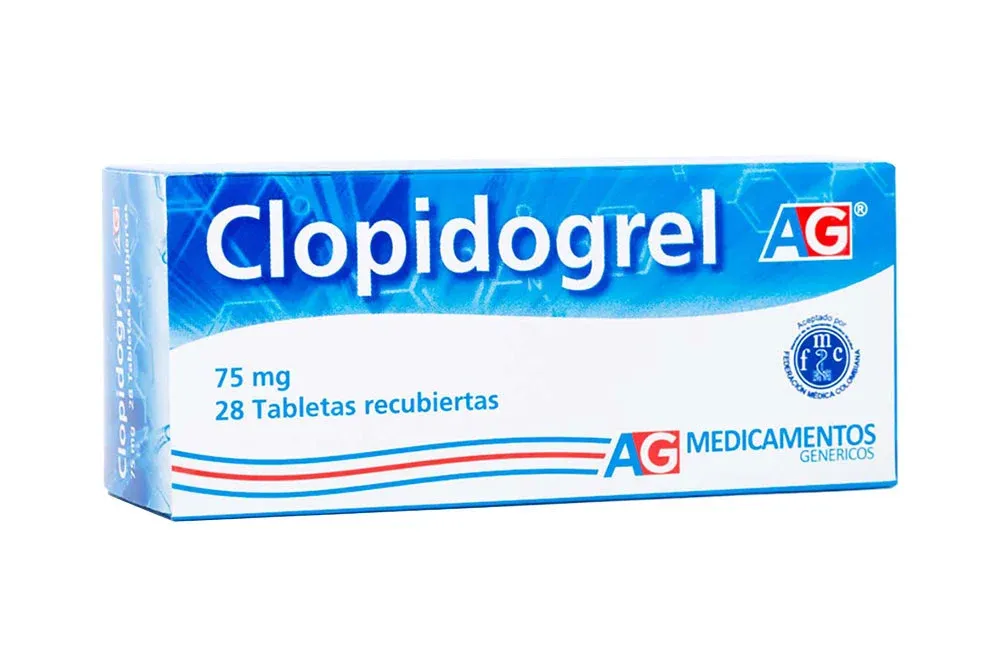
Table of Contents
Package leaflet: Information for the patient
Clopidogrel Medreg, 75 mg, film-coated tablets
Clopidogrelum
Read the entire leaflet carefully before starting to take the medicine, as it contains important information for the patient.
- Keep this leaflet, so that you can read it again if necessary.
- If you have any further questions, please consult your doctor or pharmacist.
- This medicine has been prescribed for a specific individual. Do not pass it on to others. This medicine may harm someone else, even if their symptoms are the same.
- If you experience any adverse reactions, including any not listed in this leaflet, tell your doctor or pharmacist. See section 4.
Table of contents:
- What Clopidogrel Medreg is and what it is used for
- Important information before taking Clopidogrel Medreg
- How to take Clopidogrel Medreg
- Possible side effects
- How to store Clopidogrel Medreg
- Contents of the pack and other information
1. What Clopidogrel Medreg is and what it is used for
Clopidogrel Medreg contains clopidogrel and belongs to a group of medicines called antiplatelet agents. Platelets are very small components in the blood that stick together during blood clotting. By preventing this clumping, antiplatelet medicines reduce the risk of blood clots (a process known as thrombosis).
Clopidogrel Medreg is used in adult patients to prevent the formation of blood clots (thrombi) in atherosclerotic blood vessels (arteries), which may lead to atherosclerosis-related events (such as stroke, heart attack, or death).
Clopidogrel Medreg is prescribed to prevent blood clots and reduce the risk of these serious events because:
- the patient has atherosclerotic arterial disease (also known as atherosclerosis), and
- the patient has previously had a heart attack, stroke, or has peripheral arterial disease, or
- the patient has experienced severe chest pain known as "unstable angina" or "myocardial infarction" (heart attack). To treat this condition, the doctor may have inserted a stent into a blocked or narrowed artery to restore effective blood flow. The doctor may also prescribe acetylsalicylic acid (a substance found in many medicines used both for pain relief and fever reduction, as well as for preventing blood clotting).
- the patient has experienced transient ischemic attack (TIA) or mild ischemic stroke. The doctor may also prescribe acetylsalicylic acid within the first 24 hours.
- the patient has an irregular heartbeat, known as "atrial fibrillation", and cannot take medicines called "oral anticoagulants" (vitamin K antagonists), which prevent the formation of new clots and the enlargement of existing ones.
The doctor should inform the patient that oral anticoagulants are more effective in such cases than acetylsalicylic acid alone or the combination of acetylsalicylic acid with Clopidogrel Medreg. If oral anticoagulants cannot be used and there is no risk of severe bleeding, the doctor may prescribe Clopidogrel Medreg together with acetylsalicylic acid.
2. Important information before using Clopidogrel Medreg
When not to use Clopidogrel Medreg
- if the patient is allergic (hypersensitive) to clopidogrel or to any of the other ingredients of this medicine (listed in section 6)
- if the patient currently has a medical condition causing bleeding, such as a stomach ulcer or bleeding within the brain
- if the patient has severe liver disease.
If the patient thinks any of these conditions apply or has any other
doubts, they should consult their doctor before taking Clopidogrel Medreg.
Warnings and precautions
Before starting treatment with Clopidogrel Medreg, the patient should discuss this with their doctor or
pharmacist:
- if there is a risk of bleeding, such as:
- a medical condition that increases the risk of internal bleeding (e.g. stomach ulcer)
- a blood disorder that predisposes to internal bleeding (bleeding within tissues, organs or joints)
- recent severe injury
- recent surgical procedure (including dental surgery)
- planned surgical procedure (including dental surgery) within the next seven days
- if the patient has been diagnosed with a cerebral artery thrombosis (ischaemic stroke) that occurred within the last seven days
- if the patient has kidney or liver disease
- if the patient has previously had an allergic reaction or hypersensitivity to any of the medicines used in treating this condition
- if the patient has previously experienced a non-traumatic intracranial haemorrhage.
While taking Clopidogrel Medreg:
- The patient should inform their doctor if they are scheduled for a surgical procedure (including dental procedures).
- The patient should also immediately inform their doctor if they develop a condition called thrombotic thrombocytopenic purpura (TTP), which may present with fever and small red or purple spots under the skin resembling bruises, with or without unexplained extreme fatigue, confusion, or yellowing of the skin or eyes (jaundice) (see section 4 "Possible side effects").
- In case of cuts or injuries, the time it takes for bleeding to stop may be slightly longer than usual. This is related to the way the medicine works, as it prevents blood clots from forming. This usually does not cause problems with minor cuts or injuries, such as small cuts while shaving. However, if bleeding occurs, the patient should contact their doctor immediately (see section 4 "Possible side effects").
- The doctor may decide to perform blood tests.
Children and adolescents
This medicine should not be used in children, as it has not been shown to be effective in this patient group.
Clopidogrel Medreg and other medicines
The patient should tell their doctor or pharmacist about all medicines they are currently taking or have recently taken, as well as any medicines they plan to take, including those obtained without a prescription.
Some other medicines may affect the action of Clopidogrel Medreg and vice versa.
In particular, the patient should inform their doctor if they are taking:
- medicines that may increase the risk of bleeding, such as:
- oral anticoagulants, medicines used to inhibit blood clotting
- non-steroidal anti-inflammatory drugs (NSAIDs), usually used to treat pain and/or inflammation of muscles or joints
- heparin or other injectable medicines used to reduce blood clotting
- ticlopidine and other antiplatelet medicines
- selective serotonin reuptake inhibitors (SSRIs), including but not limited to fluoxetine and fluvoxamine, medicines usually used to treat depression
- rifampicin (used to treat serious infections)
- omeprazole or esomeprazole, medicines used to treat stomach problems
- fluconazole or voriconazole, medicines used to treat fungal infections
- efavirenz or other antiretroviral medicines (used to treat HIV infection)
- carbamazepine, a medicine used to treat certain types of epilepsy
- moclobemide, a medicine used to treat depression
- repaglinide, a medicine used to treat diabetes
- paclitaxel, a medicine used to treat cancer
- opioids: during treatment with clopidogrel, the patient should inform their doctor before being prescribed any opioid (medicines used to treat severe pain)
- rosuvastatin (a medicine used to lower cholesterol levels).
Patients who have experienced severe chest pain (unstable angina or heart attack), transient ischaemic attack, or mild ischaemic stroke may be prescribed Clopidogrel Medreg in combination with acetylsalicylic acid, a substance present in many medicines used to relieve pain and reduce fever. Occasional use of acetylsalicylic acid (not exceeding 1000 mg within 24 hours) should not usually cause a problem, but long-term use in other circumstances should be discussed with a doctor.
Clopidogrel Medreg with food and drink
Clopidogrel Medreg can be taken with or without food.
Pregnancy and breastfeeding
If the patient is pregnant or breastfeeding, suspects she may be pregnant, or is planning to have a child, she should consult her doctor before taking this medicine. If the patient becomes pregnant while taking Clopidogrel Medreg, she should contact her doctor immediately.
Use of this medicine during pregnancy is not recommended.
This medicine should not be used during breastfeeding.
If the patient is breastfeeding or planning to breastfeed, she should consult her doctor before taking this medicine.
Before taking any medicine, the patient should consult their doctor or pharmacist.
Driving and using machines
Clopidogrel Medreg is unlikely to affect the ability to drive or operate machinery.
Clopidogrel Medreg contains lactose
If the patient has been previously diagnosed with intolerance to certain sugars, they should consult their doctor before taking this medicine.
Clopidogrel Medreg contains hydrogenated castor oil
This may cause gastrointestinal discomfort or diarrhoea.
3. How to take Clopidogrel Medreg
This medicine should always be taken exactly as directed by your doctor or pharmacist. If in doubt,
consult your doctor or pharmacist.
The recommended dose of Clopidogrel Medreg is one 75 mg tablet daily, taken orally at the same
time each day, with or without food. This dose also applies to patients with a condition known as
"atrial fibrillation" (irregular heartbeat).
If a patient has experienced severe chest pain (unstable angina or heart attack), the doctor may
prescribe an initial loading dose of 300 mg or 600 mg of clopidogrel (4 or 8 tablets of 75 mg). After
this, the recommended dose of Clopidogrel Medreg is one 75 mg tablet daily, as described above.
If a patient has experienced symptoms of stroke that resolve quickly (also known as transient
ischaemic attack) or mild ischaemic stroke, the doctor may prescribe a single initial dose of 300 mg
of Clopidogrel Medreg (1 tablet of 300 mg or 4 tablets of 75 mg) at the beginning of treatment.
Subsequently, the recommended dose is one 75 mg tablet of Clopidogrel Medreg daily, as described
above, together with acetylsalicylic acid for 3 weeks. After this period, the doctor may prescribe
Clopidogrel Medreg or acetylsalicylic acid separately.
Clopidogrel Medreg should be taken for as long as prescribed by the doctor.
Taking more Clopidogrel Medreg than recommended
Contact your doctor or the nearest hospital emergency department due to increased risk of bleeding.
Missing a dose of Clopidogrel Medreg
If a patient forgets to take a dose of Clopidogrel Medreg but remembers within 12 hours of the
scheduled time, they should take the tablet immediately, then take the next tablet at the usual time.
If more than 12 hours have passed, the patient should take the next single dose at the usual time.
Do not take a double dose to make up for a missed tablet.
Stopping treatment with Clopidogrel Medreg
Do not stop treatment unless advised by your doctor. Before stopping the medicine, consult your
doctor or pharmacist.
If you have any further questions about the use of this medicine, consult your doctor or pharmacist.
4. Possible adverse effects
Like all medicines, this medicine can cause adverse effects, although not everyone will experience them.
You should contact a doctor immediately if the patient experiences:
- fever, signs of infection, or feeling extremely tired. This may be due to a rare reduction in the number of certain blood cells.
- symptoms of liver problems, such as yellowing of the skin and (or) eyes (jaundice), with or without bleeding appearing under the skin as red pinpoint spots and (or) confusion (see section 2 "Warnings and precautions").
- swelling of the lips or skin reactions, such as rash and itching, skin blisters. These may be symptoms of an allergic reaction.
The most commonly reported adverse effect during treatment with Clopidogrel Medreg is bleeding.
Bleeding may occur as gastrointestinal bleeding, bruising,
haematoma (unusual bleeding or bruising under the skin), nosebleeds, or blood in the urine.
There have also been reports of a small number of cases of bleeding in the eye, brain, lungs, or joints.
If prolonged bleeding occurs while taking Clopidogrel Medreg
In case of cuts or injuries, the time it takes for bleeding to stop may be slightly
longer than usual. This is related to the way the medicine works, as it prevents the formation of
blood clots. This usually does not cause problems after minor cuts or injuries, such as
nicks during shaving. Nevertheless, if bleeding occurs, you should
contact a doctor immediately (see section 2 "Warnings and precautions").
Other adverse effects include:
Common (may affect up to 1 in 10 patients):
Diarrhoea, abdominal pain, indigestion or heartburn.
Uncommon (may affect up to 1 in 100 patients):
Headache, gastric ulcer, vomiting, nausea, constipation, excess gas in the stomach or intestines,
rash, itching, dizziness, tingling or numbness.
Rare (may affect up to 1 in 1,000 patients):
Vertigo, breast enlargement in males.
Very rare (may affect up to 1 in 10,000 patients):
Jaundice, severe abdominal pain with or without back pain; fever, breathing difficulties, sometimes
associated with cough; generalized allergic reactions (e.g., general feeling of warmth with sudden
general malaise up to fainting); swelling of the lips; skin blisters; skin allergy;
inflammation of the oral mucosa (stomatitis); low blood pressure; confusion; hallucinations;
joint pain; muscle pain; taste disturbances or loss of taste.
Frequency not known (frequency cannot be estimated from available data):
Hypersensitivity reactions with chest pain or abdominal pain, persistent symptoms of low blood sugar.
In addition, your doctor may detect changes in blood or urine laboratory test results.
Reporting of adverse effects
If any adverse effects occur, including any not listed in this leaflet, inform your doctor or pharmacist. Adverse effects can be
reported directly to the Department of Monitoring Adverse Drug Reactions of the Office for Registration of Medicinal Products, Medical Devices and Biocidal Products, Al. Jerozolimskie 181C, 02-222 Warsaw, phone: +48 22 49 21 301, fax: +48 22 49 21 309, website: https://smz.ezdrowie.gov.pl
By reporting adverse effects, additional information on the safety of the medicine can be collected.
Adverse effects may also be reported to the marketing authorization holder.
5. How to store Clopidogrel Medreg
Keep this medicine out of the sight and reach of children.
Do not use this medicine after the expiry date stated on the carton and blister pack following EXP.
The expiry date refers to the last day of the stated month.
No special storage conditions are required for this medicine.
Medicines should not be disposed of via wastewater or household waste. Ask your pharmacist how to dispose of medicines you no longer use. This will help protect the environment.
6. Contents of the pack and other information
What Clopidogrel Medreg contains
- The active substance is clopidogrel. Each coated tablet contains 75 mg of clopidogrel (as hydrogensulfate).
- Other ingredients are:
Tablet core: lactose, low-substituted hydroxypropylcellulose, hydroxypropylcellulose, microcrystalline cellulose, hydrogenated castor oil, colloidal silicon dioxide, anhydrous.
Tablet coating: hydroxypropylcellulose, Opadry II 31K34575 Pink coating: (monohydrate lactose, hypromellose 15cp, titanium dioxide (E 171), triacetin, iron oxide red (E 172)).
What Clopidogrel Medreg looks like and contents of the pack
Pink, round, biconvex film-coated tablets (approximately 8.7 mm in diameter), smooth on both sides.
The tablets are available in blisters made of OPA/Aluminium/PVC/Aluminium, packed in cardboard boxes.
Pack sizes: 14, 20, 28, 30, 56, 60, 84, 90 and 100 film-coated tablets.
Not all pack sizes may be marketed.
Marketing Authorisation Holder and Manufacturer
Marketing Authorisation Holder:
Medreg s.r.o.
Na Florenci 2116/15
Nové Město
110 00 Prague 1
Czech Republic
tel.: (+420) 516 770 199
Manufacturer/Importer:
Medis International a.s.
Výrobní závod Bolatice
Průmyslová 961/16
747 23 Bolatice
Czech Republic
Dr. Max Pharma s.r.o.
Na Florenci 2116/15
Nové Město
110 00 Prague 1
Czech Republic
This medicinal product is authorised in the European Economic Area countries under the following names:
Czech Republic: Clopidogrel Medreg
Poland: Clopidogrel Medreg
Romania: Clopidogrel Gemax Pharma 75 mg film-coated tablets
Slovakia: Clopidogrel Medreg