Clindacne
Poland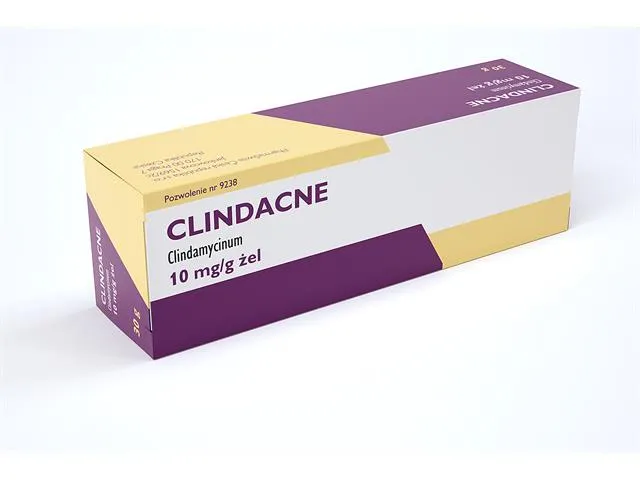
Table of Contents
Package leaflet: Information for the patient
CLINDACNE, 10 mg/g, gel
Clindamycinum
Please read the entire leaflet carefully before using the medicine, as it contains
important information for the patient.
- Keep this leaflet, so that you can read it again if necessary.
- If you have any questions, please consult your doctor or pharmacist.
- This medicine has been prescribed for a specific individual. Do not pass it on to others. The medicine may harm another person, even if their symptoms are the same.
- If you experience any adverse reactions, including those not listed in this leaflet, inform your doctor or pharmacist. See section 4.
Table of contents of the leaflet:
- What Clindacne is and what it is used for
- Important information before using Clindacne
- How to use Clindacne
- Possible side effects
- How to store Clindacne
- Contents of the pack and other information
1. What Clindacne is and what it is used for
Clindacne is a medicine in the form of a gel intended for topical application to the skin. This medicine contains clindamycin phosphate, which, when applied to the skin, is converted into clindamycin, a semisynthetic antibiotic belonging to the so-called lincosamides. Clindamycin inhibits the growth of Propionibacterium acnes bacteria, one of the causes of acne vulgaris.
Indications
Clindacne is indicated for topical treatment of mild to moderate forms of acne vulgaris.
2. Important information before using Clindacne
When not to use Clindacne
- if the patient is allergic to clindamycin, lincomycin, or any of the other ingredients of this medicine (listed in section 6).
Warnings and precautions
Before starting treatment with Clindacne, discuss with a doctor or pharmacist:
- if the patient has previously or currently had antibiotic-associated colitis, intestinal inflammation, ulcerative colitis, or Crohn's disease,
- if the patient has experienced diarrhoea after taking antibiotics.
The doctor should be informed immediately:
- if the patient develops diarrhoea during or after treatment. Persistent diarrhoea, usually accompanied by painful abdominal cramps, may be a symptom of pseudomembranous colitis (see section 4). Discontinuation of the medicine may be necessary. The doctor will determine the cause and recommend appropriate management.
Avoid contact of the medicine with the eyes, nasal and oral mucosa, and broken skin. If the medicine
gets into the eye or comes into accidental contact with mucous membranes, these areas should be
flushed immediately with plenty of cold water.
Children and adolescents
The safety of Clindacne in children under 12 years of age has not been established.
Clindacne and other medicines
Tell your doctor or pharmacist about all medicines the patient is currently taking or has recently taken, as well as any medicines the patient plans to take.
During treatment with Clindacne, other topical medicines should not be applied to the skin simultaneously.
In particular, inform the doctor if the patient is using any of the following medicines:
- erythromycin or lincomycin (antibiotics used in the treatment of bacterial infections)
- warfarin and similar anticoagulant medicines, as concomitant use with Clindacne may increase the risk of bleeding. The doctor may recommend regular blood tests to monitor blood clotting.
Before undergoing surgery, it is essential to inform the attending physician and anaesthesiologist about the use of Clindacne, as clindamycin may potentiate the effects of neuromuscular blocking agents.
Pregnancy and breastfeeding
If the patient is pregnant or breastfeeding, suspects she may be pregnant, or is planning to have a child, she should consult a doctor or pharmacist before using this medicine.
Pregnancy
Clindacne may be used during pregnancy only if, in the opinion of the doctor, it is clearly necessary.
Breastfeeding
Clindacne should not be used during breastfeeding.
Driving and operating machinery
Clindacne has no effect on the ability to drive or operate machinery.
Clindacne contains methyl parahydroxybenzoate
Due to the presence of methyl parahydroxybenzoate, this medicine may cause allergic reactions (including delayed-type reactions).
Clindacne contains propylene glycol
The medicinal product contains 50 mg of propylene glycol in each gram of gel, equivalent to 750 mg of propylene glycol in a 15 g tube or 1500 mg of propylene glycol in a 30 g tube.
3. How to use Clindacne
This medicine should always be used exactly as directed by a doctor or pharmacist. If in doubt,
consult your doctor or pharmacist again.
Clindacne is intended for topical application to the skin.
Use in adults and adolescents over 12 years of age
A thin layer of gel should be applied to the affected skin twice daily.
The gel should be applied to thoroughly cleansed skin.
After applying the medicine, wash your hands.
Use in children under 12 years of age
The safety of Clindacne in children under 12 years of age has not been established.
Use of a higher than recommended dose of Clindacne
Using more than the recommended dose may lead to systemic adverse reactions of clindamycin (see sections 2 and 4).
Missed dose of Clindacne
Do not use a double dose to make up for a missed dose.
Stopping treatment with Clindacne
If you have any further questions about the use of this medicine, consult your doctor or pharmacist.
4. Possible adverse reactions
Like all medicines, this medicinal product may cause adverse reactions, although not everybody will experience them.
If any of the following adverse reactions occur in the patient, treatment with Clindacne must be stopped immediately and medical advice must be sought without delay:
- Diarrhoea, particularly if severe or persistent (sometimes with mucus and blood in the stool), which may be accompanied by abdominal cramps. These may be symptoms of pseudomembranous colitis. This is a very rare adverse reaction (may affect no more than 1 in 10,000 people), caused by transdermal absorption of clindamycin phosphate into the systemic circulation, and may occur during topical application of Clindacne.
Other adverse reactions that may occur during treatment with Clindacne:
Common (may affect up to 1 in 10 people):
- Irritation, itching.
Rare (may affect up to 1 in 1,000 people):
- Skin dryness, contact dermatitis, skin oiliness, folliculitis.
Reporting of adverse reactions
If any adverse reactions occur, including any not listed in this leaflet, inform a doctor or pharmacist. Adverse reactions can be reported directly to the Department of Monitoring of Adverse Drug Reactions of the Office for Registration of Medicinal Products, Medical Devices and Biocidal Products
Al. Jerozolimskie 181C
02-222 Warsaw
Tel.: + 48 22 49-21-301
Fax: + 48 22 49-21-309
Website: https://smz.ezdrowie.gov.pl
Adverse reactions can also be reported directly to the marketing authorisation holder.
Reporting adverse reactions helps to provide more information on the safety of the medicine.
5. How to store Clindacne
Store below 25°C.
Do not store in the refrigerator or freeze.
Keep the medicine out of the sight and reach of children.
Use within 12 months after first opening the container.
Do not use this medicine after the expiry date stated on the packaging. The expiry date refers to the last day of the stated month.
Medicines must not be disposed of via wastewater or household waste. Ask your pharmacist how to dispose of medicines no longer required. This will help protect the environment.
6. Contents of the pack and other information
What Clindacne contains
- The active substance is clindamycin, in the form of clindamycin phosphate. 1 g of gel contains 10 mg of clindamycin.
- Other ingredients are: carbomer, macrogol, propylene glycol, allantoin, methyl parahydroxybenzoate, sodium hydroxide, purified water.
What Clindacne looks like and contents of the pack
Clindacne is a gel.
Available pack sizes are aluminum tubes containing 15 g or 30 g of gel, packed in a cardboard box.
Marketing Authorisation Holder
Bausch Health Ireland Limited
3013 Lake Drive
Citywest Business Campus
Dublin 24, D24PPT3
Ireland
Manufacturer
Przedsiębiorstwo Farmaceutyczne Jelfa SA
Ul. Wincentego Pola 21
58-500 Jelenia Góra