Cilozek
Poland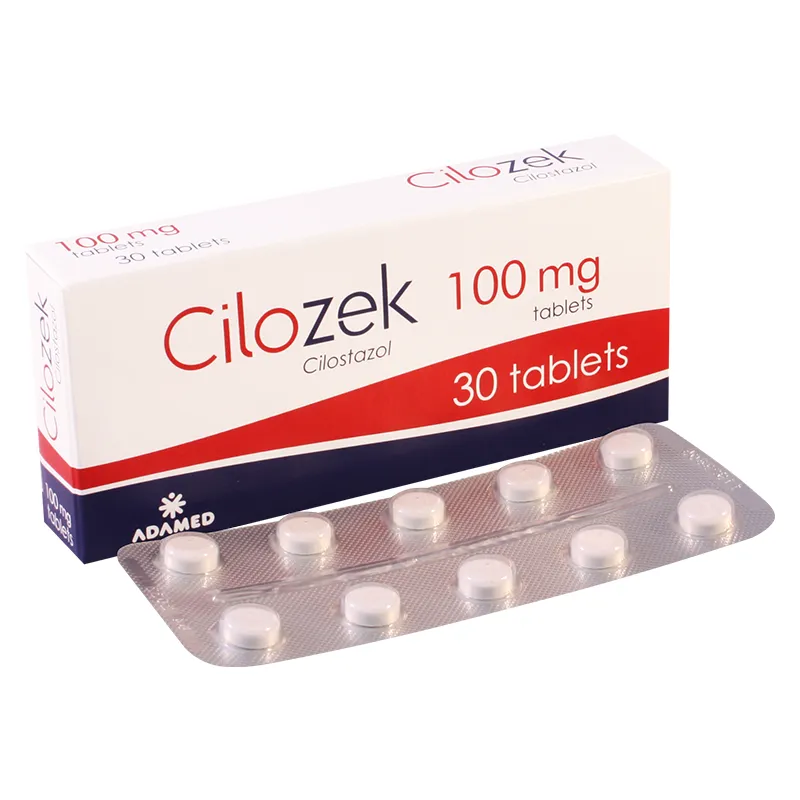
Table of Contents
PACKAGE LEAFLET: INFORMATION FOR THE USER
Warning! Keep the leaflet, information on the immediate packaging in a foreign language!
Cilozek
100 mg, tablets
Cilostazol
Please read this leaflet carefully before taking the medicine, as it contains
important information for the patient.
- Keep this leaflet so that you can read it again if necessary.
- If you have any doubts, consult your doctor or pharmacist.
- This medicine has been prescribed for a specific individual. Do not share it with others. The medicine may harm another person, even if their symptoms are similar.
- If any adverse reactions occur, including any adverse reactions not listed in this leaflet, inform your doctor or pharmacist. See section 4.
Table of contents
- What Cilozek is and what it is used for
- What you need to know before taking Cilozek
- How to take Cilozek
- Possible side effects
- How to store Cilozek
- Contents of the pack and other information
1. What Cilozek is and what it is used for
Cilozek belongs to a group of medicines known as type 3 phosphodiesterase inhibitors. The medicine acts by dilating certain blood vessels and reducing the process of blood clotting (aggregation) of certain blood cells called platelets. Cilozek has been prescribed for the treatment of a condition called "intermittent claudication". Intermittent claudication is characterized by painful cramps in the legs during walking and is caused by insufficient blood supply to the legs. Cilozek helps increase the distance a patient can walk without pain, by improving blood circulation in the legs. Cilostazol is recommended only for patients in whom changes in lifestyle (such as quitting smoking and increasing physical activity) and other treatment methods have not sufficiently reduced the symptoms. It is important that the patient continues to maintain the recommended lifestyle changes while taking Cilozek.
2. Important information before taking Cilozek
When not to take Cilozek
- if the patient is allergic (hypersensitive) to cilostazol or any of the other ingredients of this medicine (listed in section 6).
- if the patient has heart failure.
- if the patient experiences persistent chest pain at rest, or has had a heart attack or heart surgery within the last 6 months.
- if the patient has or has previously had episodes of loss of consciousness caused by heart disease, or other serious heart rhythm disorders.
- if the patient has conditions that may increase the risk of bleeding or bruising, such as:
- active peptic ulcer,
- stroke within the last 6 months,
- eye problems in patients with diabetes,
- uncontrolled high blood pressure.
- if the patient is taking acetylsalicylic acid and clopidogrel at the same time, or any other combination of two or more medicines that may increase the risk of bleeding (in case of any doubts, consult a doctor or pharmacist).
- if the patient has severe kidney disease.
- if the patient has severe or moderate liver disease.
- if the patient is pregnant.
Warnings and precautions
Before starting treatment with Cilozek, discuss this with your doctor or pharmacist.
Inform your doctor if:
- the patient has severe heart disorders or heart rhythm disorders.
- the patient has blood pressure disorders.
While taking Cilozek:
- if the patient needs to undergo surgery, including dental procedures, he or she should inform the doctor or dentist about taking Cilozek.
- if the patient notices an increased tendency to bruise or bleed, the medicine should be discontinued and the doctor should be informed immediately.
Cilozek and other medicines
Tell your doctor or pharmacist about all medicines the patient is currently taking, has recently taken, or plans to take.
In particular, inform the doctor about medicines used to treat pain and inflammatory conditions of muscles and joints, as well as medicines that reduce blood clotting. These include:
- acetylsalicylic acid,
- clopidogrel,
- anticoagulants (e.g. warfarin, dabigatran, rivaroxaban, apixaban, and low molecular weight heparins).
If the patient needs to take any of the above medicines together with Cilozek, the doctor may recommend routine blood tests.
Some medicines may affect the action of Cilozek when taken simultaneously. They may either increase the risk of adverse reactions to Cilozek or reduce its effectiveness. Similarly, Cilozek may affect the action of other medicines.
Before starting treatment with Cilozek, inform the doctor if the patient is taking:
- erythromycin, clarithromycin, or rifampicin (antibiotics),
- ketoconazole (an antifungal medicine),
- omeprazole (a medicine used for excessive gastric acid secretion),
- diltiazem (a medicine used to treat high blood pressure and chest pain),
- cisapride (a medicine used to treat stomach disorders),
- lovastatin, simvastatin, or atorvastatin (medicines used to treat high cholesterol levels),
- halofantrine (a medicine used to treat malaria),
- pimozide (a medicine used to treat psychiatric disorders),
- ergot alkaloids (medicines used to treat migraine, e.g. ergotamine, dihydroergotamine),
- carbamazepine or phenytoin (anticonvulsant medicines),
- St. John's wort (a herbal medicine).
If in doubt whether any of the above situations apply, consult a doctor or pharmacist.
Before starting treatment with Cilozek, inform the doctor if the patient is taking medicines that lower blood pressure, because Cilozek may have an additional blood pressure-lowering effect. If blood pressure drops too low, it may cause rapid heartbeat. Medicines that lower blood pressure include:
- diuretics (e.g. hydrochlorothiazide, furosemide),
- calcium channel blockers (e.g. verapamil, amlodipine),
- ACE inhibitors (e.g. captopril, lisinopril),
- angiotensin II receptor blockers (e.g. valsartan, candesartan),
- beta-blockers (e.g. labetalol, carvedilol).
In many cases, it is possible to take the above-mentioned medicines together with Cilozek.
The doctor will decide which medicines the patient can take.
Cilozek with food and drink
Take the medicine 30 minutes before breakfast and 30 minutes before the evening meal.
Tablets should always be taken with water.
Pregnancy, breastfeeding and fertility
Cilozek MUST NOT be used during pregnancy.
USE OF Cilozek IS NOT RECOMMENDED during breastfeeding.
If the patient is pregnant or breastfeeding, suspects she may be pregnant, or is planning a pregnancy, she should consult a doctor or pharmacist before using this medicine.
Driving and using machines
Cilozek may cause dizziness. If dizziness occurs after taking the medicine, DO NOT drive or operate tools or machinery. Inform your doctor or pharmacist about this.
3. How to take Cilozek
This medicine should always be taken exactly as directed by the physician. In case of doubts, consult
your doctor or pharmacist.
The recommended dose is one 100 mg tablet twice daily (taken as one tablet in the morning and one in
the evening). There is no need to adjust the dosage in elderly patients.
However, your doctor may reduce the dose if you are taking other medicines that affect the action of
Cilozek. The medicine should be taken 30 minutes before breakfast and 30 minutes before the evening
meal. Tablets should always be taken with water.
Sometimes, the benefits of treatment with Cilozek become noticeable within 4–12 weeks of therapy.
After 3 months, the doctor will assess treatment progress and may recommend discontinuation of
cilostazol if the treatment effects are insufficient.
Use in children and adolescents
Cilozek is not indicated for use in children.
Taking more than the recommended dose of Cilozek
If for any reason a patient takes more tablets of Cilozek than prescribed, the following symptoms may
occur: severe headache, diarrhea, decreased blood pressure, and heart rhythm disturbances.
If a patient takes more tablets than the prescribed dose, seek medical advice immediately
from a doctor or go to the nearest hospital. Remember to bring the packaging along so that it is
clear which medicine has been taken.
Missed dose of Cilozek
If a dose of Cilozek is missed, do not be alarmed. Wait until the next scheduled dose and take the
recommended dose according to the prescribed dosing schedule. DO NOT take a double dose to make
up for the missed dose.
Stopping Cilozek
If a patient stops taking Cilozek, leg pain may return or worsen. Therefore, Cilozek should only be
discontinued if the patient experiences adverse reactions requiring immediate medical attention (see
section 4) or if otherwise advised by the doctor.
If you have any further questions about the use of this medicine, consult your doctor or pharmacist.
4. Possible adverse reactions
Like all medicines, this medicine can cause adverse reactions, although not everyone will experience them.
The frequency of adverse reactions is defined as follows:
Very common: occurs in more than 1 in 10 patients
Common: occurs in less than 1 in 10 patients
Uncommon: occurs in less than 1 in 100 patients
Rare: occurs in less than 1 in 1000 patients
Very rare: occurs in less than 1 in 10,000 patients
Frequency not known: frequency cannot be estimated from the available data.
If any of the following adverse reactions occur, the patient may require immediate medical attention. The medicine should be discontinued immediately, and the patient should contact a doctor or go to the nearest hospital:
- stroke,
- heart attack,
- heart disorders causing shortness of breath or swelling in the ankles,
- irregular heartbeat (either newly occurring or worsening of existing condition),
- bleeding,
- tendency to develop bruises,
- severe illness with blistering rash on the skin, mouth, eyes, and genital organs,
- yellowing of the skin and whites of the eyes due to liver or blood disorders (jaundice).
You should also contact your doctor immediately if fever or sore throat occur.
Blood tests may be necessary, and further treatment will be decided by the doctor.
The following adverse reactions have been reported during treatment with Cilozek. Contact your doctor immediately:
Very common adverse reactions (may affect more than 1 in 10 people)
- headache,
- abnormal bowel movements,
- diarrhoea.
Common adverse reactions (may affect less than 1 in 10 people)
- rapid heartbeat,
- palpitations,
- chest pain,
- dizziness,
- sore throat,
- cold (nasal congestion),
- abdominal pain,
- discomfort in the stomach (dyspepsia),
- nausea or vomiting,
- loss of appetite (anorexia),
- excessive belching or passing of gas (bloating with flatulence),
- swelling of the ankles, feet, and face,
- rash or skin changes,
- itching,
- petechial rash (small red or purple spots on the skin),
- general weakness.
Uncommon adverse reactions (may affect less than 1 in 100 people)
- heart attack,
- irregular heartbeat (either newly occurring or worsening of existing condition),
- heart disorders causing shortness of breath or swelling in the ankles,
- pneumonia,
- cough,
- chills,
- unexpected bleeding,
- tendency to bleed (e.g. gastrointestinal, eye or muscle bleeding, nosebleeds, blood in sputum or urine),
- decreased number of red blood cells,
- dizziness upon changing to an upright position,
- fainting,
- anxiety,
- difficulty falling asleep,
- nightmares,
- allergic reactions,
- pain or aches,
- diabetes and increased blood sugar levels,
- abdominal pain (gastritis),
- malaise.
Patients with diabetes may have an increased risk of bleeding inside the eyeball.
Rare adverse reactions (may affect less than 1 in 1000 people)
- tendency for bleeding to last longer than usual,
- increased number of red blood cells,
- kidney function disorders.
Adverse reactions observed during treatment with Cilozek, with unknown frequency of occurrence:
- changes in blood pressure,
- decreased number of red and white blood cells and platelets,
- difficulty breathing,
- difficulty moving,
- fever,
- hot flushes,
- skin rash and eruptions,
- reduced skin sensitivity to stimuli,
- stuffy nose, conjunctivitis,
- tinnitus (ringing in the ears),
- liver disorders, including hepatitis,
- changes in urine.
Reporting of adverse reactions
If any adverse reactions occur, including any adverse reactions not listed in this leaflet, inform your doctor or pharmacist. Adverse reactions can be reported directly to the Department of Monitoring Adverse Drug Reactions of the Office for Registration of Medicinal Products, Medical Devices and Biocidal Products:
Al. Jerozolimskie 181 C,
02-222 Warsaw,
Tel.: +48 22 49 21 301,
Fax: +48 22 49 21 309,
Website: https://smz.ezdrowie.gov.pl
Reporting adverse reactions helps provide more information on the safety of this medicine.
5. How to store Cilozek
Keep this medicine out of the sight and reach of children.
Do not use this medicine after the expiry date stated on the packaging. The expiry date refers to the last day of the stated month.
No special storage instructions apply.
Medicines must not be disposed of via wastewater or household waste. Ask your pharmacist how to dispose of medicines no longer required. Such measures help protect the environment.
6. Contents of the pack and other information
What Cilozek contains
- The active substance is cilostazol. Each tablet contains 100 mg of cilostazol.
- The other ingredients are: corn starch, microcrystalline cellulose, calcium carmellose, hypromellose, and magnesium stearate.
What Cilozek looks like and contents of the pack
Cilozek 100 mg tablets are white or almost white, round, flat tablets, marked with the number "100" on one side.
The medicine is available in packs containing 30 or 60 tablets, packed in PVC/PVDC/Al blisters.
For more detailed information, please contact the responsible entity or the parallel importer.
Marketing Authorisation Holder in Hungary, the country of export:
Adamed Pharma S.A.
Pieńków, ul. M. Adamkiewicza 6A
05-152 Czosnów
Poland
Manufacturer:
Adamed Pharma S.A.
Pieńków, ul. M. Adamkiewicza 6A
05-152 Czosnów
Poland
Parallel Importer:
Medezin Sp. z o.o.
ul. Zbąszyńska 3
91-342 Łódź
Repackaged in:
Medezin Sp. z o.o.
ul. Zbąszyńska 3
91-342 Łódź
SHIRAZ PRODUCTIONS Sp. z o.o.
ul. Tymiankowa 24/28
95-054 Ksawerów
Marketing Authorisation Numbers in Hungary, the country of export:
OGYI-T-22653/06
OGYI-T-22653/08
Parallel Import Authorisation Number: 286/23
This medicinal product is authorised for sale in the European Economic Area countries under the following names:
| Estonia | Cilozek |
| Poland | Cilozek |
| Czech Republic | Cilozek |
| Slovakia | Cilozek 100 mg tablets |
| Hungary | Cilozek 100 mg tabletta |
| Spain | Cilostazol Viatris 100 mg tablets EFG |
| Greece | INCLAUD 100 mg tablets |
| Romania | VELYN 100 mg tablets |