Cilostop
Poland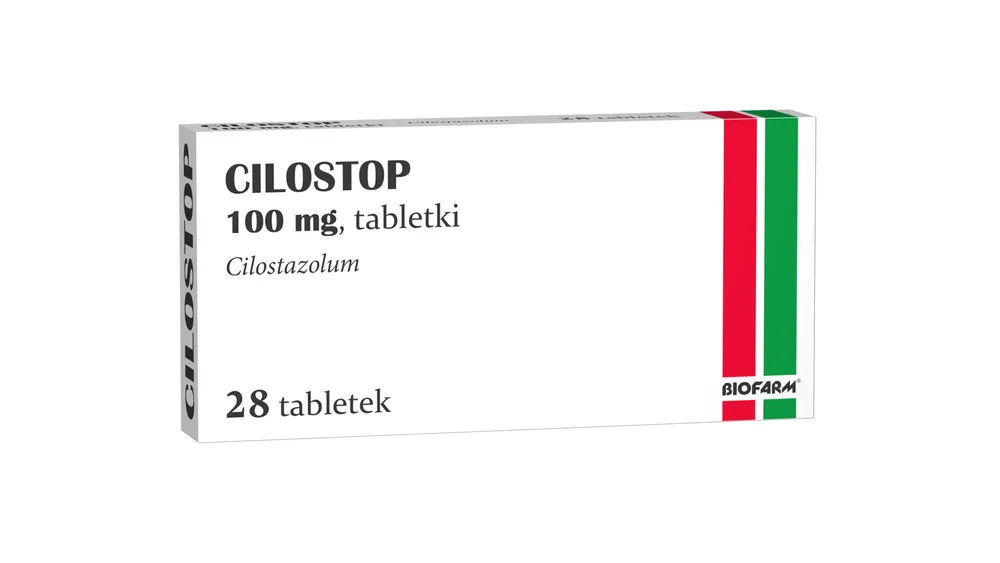
Table of Contents
Package leaflet: Information for the patient
CILOSTOP
100 mg, tablets
Cilostazol
Please read the entire leaflet carefully before using this medicine, as it contains
important information for the patient.
- Keep this leaflet, so that you can read it again if necessary.
- If you have any doubts, please consult your doctor or pharmacist.
- This medicine has been prescribed for a specific individual. Do not give it to others. The medicine may harm another person, even if their symptoms are the same.
- If you experience any adverse reactions, including any not listed in this leaflet, inform your doctor or pharmacist. See section 4.
Table of contents of the leaflet
- What Cilostop is and what it is used for
- Important information before taking Cilostop
- How to take Cilostop
- Possible side effects
- How to store Cilostop
- Contents of the pack and other information
1. What Cilostop is and what it is used for
Cilostop belongs to a group of medicines known as type 3 phosphodiesterase inhibitors.
It produces various effects, including the dilation of certain blood vessels and reduction of clotting activity (aggregation) of certain blood cells called platelets within blood vessels.
Cilostop has been prescribed to treat "intermittent claudication".
Intermittent claudication is a cramp-like pain in the lower limbs occurring during walking, caused by insufficient blood flow to the legs.
Cilostop increases the distance the patient can walk without pain by improving blood circulation in the lower limbs.
Cilostazol is recommended only for patients in whom lifestyle modifications (including smoking cessation and increased exercise intensity) and other appropriate interventions have not sufficiently alleviated symptoms.
It is important that the patient continues to maintain the implemented lifestyle changes during treatment with cilostazol.
2. Important information before using Cilostop
When not to use Cilostop
- if the patient is allergic to cilostazol or any of the other ingredients of this medicine (listed in section 6);
- if the patient has heart failure;
- if chest pain persists at rest, or the patient has had a "heart attack" or any heart surgery within the last six months;
- if the patient has currently or previously experienced a brief loss of consciousness due to heart disease or any severe heart rhythm disorders;
- if the patient has been diagnosed with a condition that increases the risk of bleeding or bruising, such as:
- active gastric or duodenal ulcer,
- stroke within the last six months,
- diabetic eye disease,
- poorly controlled blood pressure,
- treatment with both acetylsalicylic acid and clopidogrel or any combination of two or more medicines that may increase the risk of bleeding [in case of doubt, consult a doctor or pharmacist];
- if the patient has severe kidney disease or moderate to severe liver disease;
- if the patient is pregnant.
Warnings and precautions
Before starting treatment with Cilostop, discuss this with your doctor or pharmacist.
Additionally, before starting Cilostop, ensure that your doctor knows whether you have:
- severe heart disease or any heart problems;
- problems with blood pressure.
While being treated with Cilostop:
- if surgery is required, including dental extraction, inform your doctor or dentist that you are taking Cilostop;
- if you notice an increased tendency to bruise or bleed, stop taking Cilostop and inform your doctor immediately.
Children
Cilostop is not intended for use in children.
Cilostop and other medicines
Before starting Cilostop, tell your doctor or pharmacist about all medicines you are currently taking or have recently taken, as well as any medicines you plan to take, including those available without a prescription.
In particular, inform your doctor if you are taking certain medicines commonly used to treat pain and/or muscle or joint inflammation, and medicines that reduce blood clotting. These include:
- acetylsalicylic acid,
- clopidogrel,
- anticoagulants (e.g. warfarin, dabigatran, rivaroxaban, apixaban, or low molecular weight heparins). If you are taking any of these medicines together with Cilostop, your doctor may perform routine blood tests. Some concomitant medicines may interfere with the action of Cilostop. They may increase the side effects of Cilostop or reduce its effectiveness. Cilostop may similarly affect other medicines. Before starting Cilostop, inform your doctor if you are taking:
- erythromycin, clarithromycin, or rifampicin (antibiotics);
- ketoconazole (used to treat fungal infections);
- omeprazole (used to treat increased stomach acidity);
- diltiazem (used to treat high blood pressure or chest pain);
- cisapride (used for stomach disorders);
- lovastatin, simvastatin, or atorvastatin (used to treat high blood cholesterol);
- halofantrine (used to treat malaria);
- pimozide (used to treat psychiatric disorders);
- ergot derivatives (used to treat migraine, e.g. ergotamine, dihydroergotamine);
- carbamazepine or phenytoin (used to treat seizures);
- St John's wort (herbal remedy).
If in doubt whether the above applies to any medicines you are taking, consult your doctor or pharmacist.
Before starting Cilostop, the patient should inform the doctor if they are taking medicines for high blood pressure, because Cilostop may cause an additional blood pressure-lowering effect. If blood pressure drops too much, it may lead to a rapid heartbeat.
These medicines include:
- diuretics (e.g. hydrochlorothiazide, furosemide),
- calcium channel blockers (e.g. verapamil, amlodipine),
- ACE inhibitors (e.g. captopril, lisinopril),
- angiotensin II receptor blockers (e.g. valsartan, candesartan),
- beta-blockers (e.g. labetalol, carvedilol).
It may still be acceptable to use the above-mentioned medicines together with Cilostop, and your doctor will decide which treatment is appropriate for you.
It is advisable to bring the packaging of Cilostop and any other medicines you are taking to your doctor, who will decide whether they can be continued.
Cilostop with food and drink
Cilostop tablets should be taken 30 minutes before breakfast and dinner.
The tablets should always be swallowed whole with water.
Pregnancy and breastfeeding
Cilostop MUST NOT be used during pregnancy.
It is NOT RECOMMENDED to use Cilostop in breastfeeding mothers.
If you are pregnant or breastfeeding, think you may be pregnant, or are planning to have a baby, you should consult your doctor or pharmacist before using this medicine.
Driving and using machines
Cilostop may cause dizziness. If dizziness occurs after taking Cilostop tablets, DO NOT drive or operate any tools or machinery; inform your doctor or pharmacist.
3. How to use Cilostop
- This medicine should always be used as directed by a physician. If in doubt, consult a doctor or pharmacist.
- The recommended dose is one 100 mg tablet twice daily (in the morning and evening). Dose adjustment is not required in elderly patients. However, the physician may prescribe a lower dose if the patient is taking other medicines that may interact with Cilostop.
- Cilostop tablets should be taken 30 minutes before breakfast and dinner.
- Tablets should always be taken with water.
- The tablet may be divided into two equal doses.
Some benefits of Cilostop treatment may become noticeable after 4–12 weeks of therapy.
The physician will assess treatment efficacy after 3 months and may recommend discontinuation of cilostazol therapy
if the treatment response is insufficient.
Cilostop is not intended for use in children.
Taking more than the recommended dose of Cilostop
If for any reason a patient takes more Cilostop tablets than prescribed, objective and subjective symptoms may occur,
such as severe headache, diarrhea, hypotension, and arrhythmia.
In case of overdose, seek immediate medical advice from a doctor or go to the nearest hospital. Remember to bring
the medicine packaging to clearly identify which drug has been taken.
Missed dose of Cilostop
There is no cause for concern if a dose is missed. Wait and take the next dose at the scheduled time, then continue
taking the medicine as directed. DO NOT take a double dose to make up for a missed tablet.
Stopping Cilostop treatment
If Cilostop is discontinued, pain in the lower limbs may return or worsen. Therefore, Cilostop should only be stopped
if adverse reactions occur that require urgent medical attention (see section 4) or as directed by a physician.
4. Possible adverse reactions
Like all medicines, this medicine can cause adverse reactions, although not everyone will experience them.
If any of the following symptoms occur, urgent medical attention may be required.
You must immediately stop taking Cilostop and contact your doctor or go to the nearest hospital:
- stroke
- heart attack
- heart problems which may cause shortness of breath or swelling of the ankles
- irregular heartbeat (new or worsening symptom)
- noticeable bleeding
- easy bruising
- serious blistering illness affecting the skin, mouth, eyes, and genital organs
- yellowing of the skin or whites of the eyes due to liver or blood disorders (jaundice)
You should also inform your doctor immediately if you develop fever or sore throat. Blood tests may be necessary, and your doctor will decide on further treatment. The following adverse reactions have been reported with Cilostop. You should inform your doctor as soon as possible if any of these occur:
Very common adverse reactions (occurring in more than 1 in 10 people):
- headache
- abnormal stools
- diarrhoea
Common adverse reactions (occurring in 1 to 10 in 100 people):
- fast heartbeat
- palpitations
- chest pain
- dizziness
- sore throat
- cold (nasal congestion)
- abdominal pain
- abdominal discomfort (dyspepsia)
- nausea or vomiting
- loss of appetite (anorexia)
- excessive burping or passing wind (bloating with flatulence)
- swelling of the ankles, feet or face
- rash or skin changes
- itching of the skin
- petechial skin bleeding (small red or purple spots on the skin)
- general weakness
Uncommon adverse reactions (occurring in 1 to 10 in 1,000 people):
- heart attack
- irregular heart function (new or worsening symptom)
- heart disorders which may cause shortness of breath or swelling of the ankles
- pneumonia
- cough
- chills
- unexpected bleeding
- tendency to bleed (e.g. in the stomach, eye, or muscles, nosebleeds, or presence of blood in sputum or urine)
- decreased number of red blood cells in the blood
- dizziness upon standing
- fainting
- anxiety
- sleep disorders
- nightmares
- allergic reaction
- pain and discomfort
- diabetes and increased blood sugar levels
- stomach pain (gastritis)
- malaise
In diabetic patients, there may be an increased risk of bleeding into the eye.
Rare adverse reactions (occurring in 1 to 10 in 10,000 people):
- prolonged bleeding tendency
- increased number of platelets in the blood
- kidney problems
The following adverse reactions have been reported during treatment with Cilostop, but their frequency is unknown:
- changes in blood pressure
- decreased number of red blood cells, white blood cells and platelets in the blood
- difficulty breathing
- difficulty moving
- fever
- hot flushes
- rash and other skin eruptions
- reduced skin sensation
- watery or sticky eye discharge (conjunctivitis)
- tinnitus (ringing in the ears)
- liver problems, including hepatitis
- changes in urine
Reporting of adverse reactions
If any adverse reactions occur, including any not listed in this leaflet, you should inform your doctor, pharmacist, or nurse. Adverse reactions can be reported directly to the Department of Monitoring of Adverse Drug Reactions at the Office for Registration of Medicinal Products, Medical Devices and Biocidal Products:
Al. Jerozolimskie 181C
02-222 Warsaw
Tel.: +48 22 49 21 301
Fax: +48 22 49 21 309
e-mail: [email protected]
Adverse reactions can also be reported to the marketing authorisation holder.
Reporting adverse reactions helps to provide more information on the safety of the medicine.
5. How to store Cilostop
Keep the medicine out of sight and reach of children.
There are no special storage requirements for this medicine.
Do not use this medicine after the expiry date stated on the outer carton and the blister pack.
The expiry date refers to the last day of the stated month.
The expiry date is indicated on the outer carton as "Expiry date (EXP)" and on the blister pack as "EXP:".
The batch number is indicated on the outer carton as "Batch number (Lot)" and on the blister pack as "Lot:".
Medicines should not be disposed of via wastewater or household waste. Ask your pharmacist how to dispose of medicines no longer required. Such measures help protect the environment.
6. Contents of the pack and other information
What Cilostop contains
- The active substance is cilostazol. Each tablet contains 100 mg of cilostazol.
- The other ingredients are: maize starch, microcrystalline cellulose, calcium carmellose, hypromellose, and magnesium stearate.
What Cilostop looks like and contents of the pack
Cilostop 100 mg tablets are white, round tablets with a division line on one side.
The tablets are packed in PVC/Aluminium blisters, placed together with the patient leaflet in a cardboard carton.
Pack sizes contain 14, 25, 28, 30, 50, 56, 60, 70, 84, 90, 98, 100, 112, 120 or 168 tablets.
Not all pack sizes may be marketed.
Marketing Authorisation Holder
BIOFARM Sp. z o.o.
Wałbrzyska Street 13
60-198 Poznań
Phone: +48 61 66 51 500
Fax: +48 61 66 51 505
[email protected]
Manufacturer
BIOFARM Sp. z o.o.
Wałbrzyska Street 13
60-198 Poznań
Avda. Camí Reial 51-57,
Palau-solità i Plegamans
08184 Barcelona
Spain
Galenicum Health, S.L.U.
Sant Gabriel, 50
Esplugues de Llobregat
08950 Barcelona
Spain