Calcium sandoz + vitamin c
Poland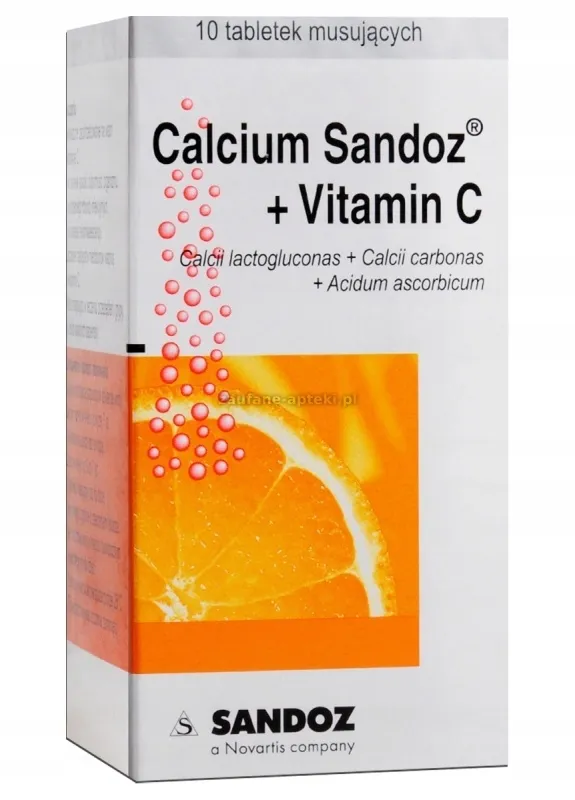
Table of Contents
- Package leaflet: Information for the patient
- 1. What Calcium Sandoz + Vitamin C is and what it is used for
- 2. Important information before using Calcium Sandoz + Vitamin C
- 3. How to use Calcium Sandoz + Vitamin C
- 4. Possible adverse reactions
- 5. How to store Calcium Sandoz + Vitamin C
- 6. Contents of the pack and other information
Package leaflet: Information for the patient
Calcium Sandoz + Vitamin C
260 mg calcium ions + 1000 mg vitamin C, effervescent tablets
Calcii lactogluconas + Calcii carbonas + Acidum ascorbicum
Please read the entire leaflet carefully before using the medicine, as it contains
important information for the patient.
- This medicine should always be taken exactly as described in this patient information leaflet or as directed by a doctor or pharmacist. Keep this leaflet for future reference.
- If you need advice or further information, please consult your pharmacist.
- If you experience any adverse reactions, including any possible side effects not mentioned in this leaflet, inform your doctor or pharmacist. See section 4.
Table of contents:
- What Calcium Sandoz + Vitamin C is and what it is used for
- Important information before taking Calcium Sandoz + Vitamin C
- How to take Calcium Sandoz + Vitamin C
- Possible side effects
- How to store Calcium Sandoz + Vitamin C
- Contents of the pack and other information
1. What Calcium Sandoz + Vitamin C is and what it is used for
Calcium is a fundamental mineral component influencing the maintenance of electrolyte balance in the body, essential for its proper functioning. Calcium is a vital component of bone tissue and is necessary for its normal development, as well as for the proper functioning of the nervous system, muscles, heart, and for normal blood coagulation. Calcium also mediates hormone activity and, by reducing the permeability of blood vessel walls, exerts anti-edematous and anti-exudative effects.
Ascorbic acid (vitamin C) belongs to the group of water-soluble vitamins and plays an important role in biological processes. It participates in oxidation and reduction processes, is essential for the formation of collagen, cartilage tissue, dentin, elastin, tissue regeneration, and detoxification of the body. High doses of vitamin C (up to 1 g per day) are effective in the prevention and treatment of upper respiratory tract infections.
Deficiencies of calcium and ascorbic acid may result from improper nutrition or increased bodily requirements (see: Indications).
Indications
- Increased demand for calcium and vitamin C:
- during periods of reduced body resistance,
- during infectious diseases,
- during convalescence.
- Treatment of consequences of calcium and vitamin C deficiencies.
- As adjunctive therapy in colds and flu.
- In cigarette smokers.
2. Important information before using Calcium Sandoz + Vitamin C
When not to use Calcium Sandoz + Vitamin C
- if the patient is allergic to the active substances or to any of the other ingredients of this medicine (listed in section 6),
- if the patient has been diagnosed with diseases and (or) conditions causing increased calcium levels in blood (hypercalcemia) and (or) increased calcium excretion in urine (hypercalciuria),
- if the patient has renal calcification or kidney stones (including oxalate stones),
- if the patient has been diagnosed with sideroblastic anemia, hemochromatosis (a disease characterized by excessive absorption of iron from food, potentially damaging internal organs), or congenital deficiency of glucose-6-phosphate dehydrogenase in red blood cells.
Warnings and precautions
Patients with impaired kidney function should take Calcium Sandoz + Vitamin C only under a doctor's supervision. The doctor will recommend monitoring blood levels of calcium and phosphates.
Due to the high content of ascorbic acid (vitamin C) in this medicine, its use is not recommended in patients with severe or end-stage renal failure (patients undergoing dialysis), recurrent renal calcification, or a tendency to form kidney stones.
Patients who have been diagnosed with increased oxalate excretion in urine should exercise caution when using this medicine.
If the patient is taking high doses of calcium, especially while also taking vitamin D-containing medications, antacids (such as calcium carbonate), and (or) consuming large amounts of dairy products, blood calcium levels and kidney function should be monitored due to the risk of developing hypercalcemia (abnormally high blood calcium levels), milk-alkali syndrome (a condition caused by excessive intake of calcium and easily absorbable agents neutralizing hydrochloric acid in the stomach—e.g. milk, calcium carbonate), and risk of kidney dysfunction.
In cases of mild hypercalciuria (excess calcium in urine) or a history of kidney stone formation, urinary calcium excretion should be monitored and increased fluid intake is recommended. If necessary, the dose of the medicine may be reduced or treatment discontinued.
The use of vitamin C during radiotherapy and (or) chemotherapy is not recommended.
A daily dose of ascorbic acid (vitamin C) exceeding 1 g may interfere with blood and urine test results (glucose, uric acid, creatinine, inorganic phosphates), as well as with tests for occult blood in stool.
Calcium Sandoz + Vitamin C contains citric acid; therefore, patients with severe kidney dysfunction, particularly those receiving aluminum-containing medications, should not use this medicine.
Patients with diabetes should be aware that one tablet of Calcium Sandoz + Vitamin C contains 2.0 g of sugar.
If the patient has previously been diagnosed with intolerance to certain sugars, they should inform their doctor before taking this medicine.
Calcium Sandoz + Vitamin C contains 275.5 mg of sodium (the main component of table salt) per tablet. This corresponds to 13.8% of the maximum recommended daily dietary sodium intake for adults.
Calcium Sandoz + Vitamin C and other medicines
Calcium
- While taking Calcium Sandoz + Vitamin C, avoid taking vitamin D and its derivatives in doses exceeding 400 IU per day unless otherwise advised by a doctor.
- Calcium may reduce the absorption of certain medications (e.g. estramustine [an anticancer agent], etidronate [used in bone diseases], phenytoin [an anticonvulsant], quinolone antibiotics, or fluoride-containing drugs). In such cases, at least a 3-hour interval should be maintained between taking Calcium Sandoz + Vitamin C and these medications.
- Calcium may reduce the absorption of concomitantly administered tetracycline antibiotics. Therefore, tetracyclines should be taken at least 2 hours before or 4 to 6 hours after taking Calcium Sandoz + Vitamin C.
- The amount of calcium absorbed from the gastrointestinal tract may be reduced when certain foods are consumed simultaneously, such as spinach, rhubarb, bran, and cereal products.
- Calcium in doses exceeding 1000 mg taken together with vitamin D or its derivatives may weaken the effect of concurrently administered verapamil and other calcium channel blockers (medicines used to treat arrhythmia, chest pain, or high blood pressure).
- In patients treated with cardiac glycosides (heart medications), oral administration of high doses of calcium may increase the risk of arrhythmia.
- Some diuretics may reduce calcium excretion, potentially leading to hypercalcemia.
- If the patient is receiving systemic corticosteroids, an increased calcium dose may be necessary. Consult a doctor.
- Calcium may reduce gastrointestinal absorption of concurrently administered bisphosphonates (medicines used in osteoporosis treatment) and sodium fluoride. Therefore, oral bisphosphonates should be taken at least 3 hours before calcium intake.
Ascorbic acid (vitamin C)
- Vitamin C should not be used with antacids or medicinal products containing iron and (or) copper salts.
- Vitamin C in doses exceeding 1 g per day may reduce the effectiveness of tricyclic antidepressants, enhance the action and toxicity of oral anticoagulants and sulfonamides, and increase serum concentrations of concurrently administered estrogens.
- Vitamin C may increase gastrointestinal absorption of aluminum (e.g. contained in antacid medications). The combination of vitamin C with such drugs should be avoided, especially in patients with renal impairment.
- Vitamin C enhances gastrointestinal absorption of iron.
- High-dose vitamin C (>200 mg) should not be used concomitantly with deferoxamine (a medicine used in iron overdose).
Due to the presence of citric acid, Calcium Sandoz + Vitamin C should not be used by patients with severe kidney dysfunction, particularly those taking aluminum-containing medications.
Pregnancy and breastfeeding
If the patient is pregnant or breastfeeding, suspects she may be pregnant, or is planning to have a child, she should consult a doctor or pharmacist before using this medicine.
Calcium Sandoz + Vitamin C may be taken during pregnancy and breastfeeding only after consultation with a doctor.
Driving and operating machinery
Calcium Sandoz + Vitamin C has no effect on the ability to drive vehicles or operate machinery.
3. How to use Calcium Sandoz + Vitamin C
This medicine should always be taken exactly as described in the patient leaflet or as directed by a physician or pharmacist. In case of doubt, consult a physician or pharmacist.
The effervescent tablet must be dissolved in a glass of water.
Adults and children over 7 years of age: 1 effervescent tablet once daily.
Children from 3 to 7 years of age: ½ effervescent tablet once daily.
Infants: as directed by a physician.
Taking more Calcium Sandoz + Vitamin C than recommended
Overdose may lead to increased calcium levels in blood and urine, with symptoms such as loss of appetite, nausea, vomiting, excessive thirst, increased urination, dehydration, constipation, abdominal pain, muscle weakness, fatigue, mental disturbances, bone pain, kidney calcification, kidney stones, and cardiac rhythm disturbances (in severe cases). Long-term intake of doses higher than recommended may cause kidney damage and calcification of soft tissues. Very high calcium levels may lead to coma and can be life-threatening. Simultaneous intake of large amounts of calcium and alkaline compounds may result in the so-called milk-alkali syndrome (symptoms, see section 4 "Possible side effects").
High doses of vitamin C may cause diarrhea (so-called osmotic diarrhea) and associated symptoms.
Vitamin C overdose may promote excessive iron loading in patients with iron storage disorders (e.g. sideroblastic anemia, hemochromatosis) and may cause hemolysis in patients with congenital glucose-6-phosphate dehydrogenase deficiency.
In case of accidental overdose during high-dose vitamin D intake, drink plenty of fluids and contact a physician.
Missed dose of Calcium Sandoz + Vitamin C
Do not take a double dose to make up for a missed dose.
If you have any further questions about the use of this medicine, consult your physician or pharmacist.
4. Possible adverse reactions
Like all medicines, this medicine can cause adverse reactions, although not everyone experiences them.
The following adverse reactions may occur:
Uncommon (may occur in fewer than 1 in 100 people): increased calcium levels in the blood (hypercalcaemia), increased excretion of calcium in urine (hypercalciuria).
Rare (may occur in fewer than 1 in 1,000 people): hypersensitivity reactions, bloating, constipation, diarrhoea, nausea, vomiting, abdominal pain, indigestion.
Very rare (may occur in fewer than 1 in 10,000 people): generalized allergic reactions (anaphylactic reaction, angioedema), milk-alkali syndrome usually occurring only after overdose (symptoms: frequent urination, persistent headache, prolonged loss of appetite, nausea or vomiting, unusual tiredness or weakness, hypercalcaemia, alkalosis and impaired kidney function), headache, dizziness, rash, itching, urticaria, fatigue.
Frequency not known (frequency cannot be estimated from available data): kidney stones (formation of stones in the urinary tract after prolonged treatment with high doses of calcium and vitamin C).
Reporting of adverse reactions
If any adverse reactions occur, including any adverse reactions not listed in this leaflet, inform your doctor, pharmacist or nurse. Adverse reactions can be reported directly to the Department of Monitoring Adverse Drug Reactions of the Office for Registration of Medicinal Products, Medical Devices and Biocidal Products: Al. Jerozolimskie 181C, 02-222 Warsaw,
tel.: +48 22 49 21 301/fax: +48 22 49 21 309/website: https://smz.ezdrowie.gov.pl.
Adverse reactions can also be reported to the marketing authorization holder.
Reporting adverse reactions helps to provide more information on the safety of the medicine.
5. How to store Calcium Sandoz + Vitamin C
Keep the medicine out of sight and reach of children.
Store below 25°C. Keep the tube tightly closed.
Do not use the medicine after the expiry date stated on the packaging after EXP. The expiry date refers to the last day of the stated month.
Ensure the container is properly closed after removing each effervescent tablet.
Medicines must not be disposed of via wastewater or household waste. Ask your pharmacist how to dispose of medicines no longer in use. This helps protect the environment.
6. Contents of the pack and other information
What Calcium Sandoz + Vitamin C contains
The active substances are: calcium lactogluconate, calcium carbonate, and ascorbic acid.
One effervescent tablet contains: 1.0 g calcium lactogluconate + 0.327 g calcium carbonate (equivalent in total to 260 mg or 6.5 mmol ionized calcium) and 1.0 g ascorbic acid.
Other ingredients are: sodium saccharin, macrogol 4000, sucrose, sodium hydrogen carbonate, anhydrous citric acid, beta-carotene, bitter flavour (Grade PO 430/02), lemon flavour (Grade 987.323 PO5.51).
What Calcium Sandoz + Vitamin C looks like and contents of the pack
Yellowish, orange-speckled, round, flat effervescent tablets, packed in a polypropylene tube with a polyethylene closure plug containing a desiccant.
The pack contains 10 effervescent tablets.
Marketing Authorisation Holder:
Sandoz GmbH
Biochemiestrasse 10
6250 Kundl, Austria
Manufacturer/Importer
Delpharm Orleans
5, Avenue de Concyr
45 071, Orléans La Source Cedex 02
France
Lek S.A.
ul. Domaniewska 50 C
02-672 Warszawa
Lek S.A.
ul. Podlipie 16
95-010 Stryków
Salutas Pharma GmbH
Otto-von-Guericke Allee 1
39179 Barleben, Germany
For further information, please contact:
Sandoz Polska Sp. z o.o.
ul. Domaniewska 50 C
02-672 Warszawa
tel. (22) 209 70 00