Cabazitaxel fresenius kabi
Poland
Table of Contents
- Package leaflet: Information for the patient
- 1. What Cabazitaxel Fresenius Kabi is and what it is used for
- 2. Important information before using Cabazitaxel Fresenius Kabi
- 3. How to use Cabazitaxel Fresenius Kabi
- 4. Possible side effects
- 5. How to store Cabazitaxel Fresenius Kabi
- 6. Contents of the pack and other information
- Information intended exclusively for healthcare professionals:
Package leaflet: Information for the patient
Cabazitaxel Fresenius Kabi, 20 mg/ml, concentrate for solution for infusion
Cabazitaxelum
Please read all of this leaflet carefully before this medicine is used, because it
contains important information for the patient.
- Keep this leaflet, as you may need to read it again.
- If you have any further questions, ask your doctor, pharmacist or nurse.
- If you experience any side effects, including any not listed in this leaflet, tell your doctor, pharmacist or nurse. See section 4.
Contents of the leaflet:
- What Cabazitaxel Fresenius Kabi is and what it is used for
- What you need to know before using Cabazitaxel Fresenius Kabi
- How to use Cabazitaxel Fresenius Kabi
- Possible side effects
- How to store Cabazitaxel Fresenius Kabi
- Contents of the pack and other information
1. What Cabazitaxel Fresenius Kabi is and what it is used for
The name of the medicine is Cabazitaxel Fresenius Kabi. The common name is cabazitaxel. It belongs to a group of medicines called "taxanes", which are used in cancer treatment.
Cabazitaxel Fresenius Kabi is used to treat cancer of the prostate gland when disease progression has been observed after treatment with another type of chemotherapy. The medicine works by stopping the growth and division of cells.
Part of the treatment also includes daily oral administration of a corticosteroid (prednisone or prednisolone). Please consult your doctor for information about this medicine.
2. Important information before using Cabazitaxel Fresenius Kabi
When not to use Cabazitaxel Fresenius Kabi
- if the patient is allergic (hypersensitive) to cabazitaxel, other taxanes, or polysorbate 80, or any of the other ingredients of this medicine (listed in section 6);
- if the white blood cell count is too low (neutrophil count less than or equal to 1500/mm³);
- if the patient has severe liver function disorders;
- if the patient has recently received or is due to receive the yellow fever vaccine.
Cabazitaxel Fresenius Kabi must not be used if any of the above situations apply to the patient. If in doubt, consult a doctor before using Cabazitaxel Fresenius Kabi.
Warnings and precautions
Before each administration of Cabazitaxel Fresenius Kabi, blood tests will be performed to check whether blood cell counts, liver function, and kidney function are adequate.
Immediately inform the doctor if any of the following occur:
-
fever. During treatment with Cabazitaxel Fresenius Kabi, there is a risk of reduced white blood cell count. The doctor will monitor blood counts and the patient's general condition for signs of infection. The doctor may also prescribe other medications to maintain an adequate white blood cell count. Life-threatening infections may occur in patients with low blood counts. Fever may be the earliest sign of infection, so it is essential to inform the doctor immediately if fever develops.
-
previous history of any allergies (allergic reactions). Severe allergic reactions may occur during treatment with Cabazitaxel Fresenius Kabi.
-
severe or prolonged diarrhoea, nausea, or vomiting. Any of these symptoms may lead to severe dehydration and may require medical treatment.
-
numbness, tingling, burning sensations, or reduced sensation in the hands or feet.
-
any intestinal bleeding, changes in stool color, or abdominal pain. If bleeding or pain is severe, the doctor will discontinue treatment with Cabazitaxel Fresenius Kabi. This is because cabazitaxel may increase the risk of intestinal bleeding or perforation.
-
kidney disorders;
-
development of jaundice (yellowing of the skin or eyes), dark-colored urine, severe nausea or vomiting, which may be symptoms of liver disease.
-
significant increase or decrease in daily urine volume.
-
presence of blood in the urine.
Immediately inform the doctor if any of the above apply. The doctor may reduce the dose of Cabazitaxel Fresenius Kabi or discontinue treatment.
Cabazitaxel Fresenius Kabi and other medicines
Inform the doctor, pharmacist, or nurse about all medicines currently used or taken recently, including those obtained without a prescription. This is because some medicines may affect the action of Cabazitaxel Fresenius Kabi, or Cabazitaxel Fresenius Kabi may affect the action of other medicines. This includes the following medicines:
- ketoconazole, rifampicin (used to treat infections);
- carbamazepine, phenobarbital, or phenytoin (used to treat seizures);
- St. John's wort (Hypericum perforatum) (a herbal remedy for depression and other conditions);
- statins (such as simvastatin, lovastatin, atorvastatin, rosuvastatin, or pravastatin) (used to lower blood cholesterol levels);
- valsartan (used to treat high blood pressure);
- repaglinide (used to treat diabetes).
Inform the doctor about using Cabazitaxel Fresenius Kabi before receiving any vaccinations.
Pregnancy, breastfeeding, and effects on fertility
Cabazitaxel Fresenius Kabi is not indicated for use in women.
Patients should use condoms during sexual intercourse if their partner is pregnant or could become pregnant. Cabazitaxel Fresenius Kabi may be present in semen and may harm the unborn child. Patients receiving Cabazitaxel Fresenius Kabi should not father a child during treatment and for 4 months after treatment ends. Before starting treatment, patients should consult their doctor about sperm preservation, as Cabazitaxel Fresenius Kabi may impair fertility in men.
Driving and operating machinery
Fatigue or dizziness may occur during treatment. In such cases, patients should not drive, operate machinery, or use tools until these symptoms resolve.
Cabazitaxel Fresenius Kabi contains ethanol (alcohol)
This medicine contains 395 mg of alcohol (ethanol) per 1 ml, equivalent to 39.5% v/v. The amount of alcohol in a 2.25 ml dose is equivalent to 23 ml of beer or 9 ml of wine.
The small amount of alcohol in this medicine is unlikely to cause noticeable effects. However, if the patient is alcohol-dependent, has liver disease, or epilepsy, they should consult a doctor or pharmacist before using this medicine.
Cabazitaxel Fresenius Kabi contains polysorbate 80
This medicine contains 540 mg of polysorbate 80. Polysorbates may cause allergic reactions. They may also affect heart function and blood circulation (e.g., irregular or abnormal heartbeat or low blood pressure).
Inform the doctor if the patient has a history of known allergic reactions.
3. How to use Cabazitaxel Fresenius Kabi
Instructions for use
Before administration of Cabazitaxel Fresenius Kabi, patients must be given antiallergic medications to reduce the risk of allergic reactions.
- Cabazitaxel Fresenius Kabi is administered by a doctor or nurse.
- Cabazitaxel Fresenius Kabi must be properly prepared (diluted) before administration. This leaflet contains practical information for doctors, nurses and pharmacists on handling Cabazitaxel Fresenius Kabi and instructions for its administration.
- Cabazitaxel Fresenius Kabi is administered in a hospital setting as an intravenous infusion lasting approximately one hour, into one of the patient's veins (intravenous administration).
- As part of the treatment, patients must also take a corticosteroid (prednisone or prednisolone) orally every day.
Dose and frequency of administration
- The usual dose depends on the patient's body surface area. The doctor calculates the patient's body surface area in square meters (m²) and determines the dose accordingly.
- The infusion is usually administered every 3 weeks.
If you have any further questions regarding the use of this medicine, consult your doctor, pharmacist or nurse.
4. Possible side effects
Like all medicines, this medicine can cause side effects, although not everyone gets them.
The treating physician should discuss possible side effects with the patient and explain
the potential risks and benefits of treatment.
Contact a doctor immediately if any of the following
side effects occur:
- fever (high body temperature). This is common (may affect up to 1 in 10 patients).
- severe loss of body fluids (dehydration). This is common (may affect up to 1 in 10 people). Dehydration may occur as a result of severe or prolonged diarrhoea, fever, or vomiting.
- severe abdominal pain or abdominal pain that does not go away. These symptoms may occur if the patient has a perforated stomach, oesophagus, or intestine (gastrointestinal perforation). This may lead to death.
Patients should immediately inform their doctor if any of the above symptoms occur.
Other side effects:
Very common (may affect more than 1 in 10 patients):
- decrease in red blood cells (anaemia) or white blood cells (important for fighting infections);
- decrease in platelets (which increases the risk of bleeding);
- loss of appetite (anorexia);
- stomach irritation, including nausea, vomiting, diarrhoea, or constipation;
- back pain;
- presence of blood in urine;
- feeling of tiredness, weakness, or lack of energy.
Common (may affect up to 1 in 10 patients):
- taste disturbances;
- shortness of breath;
- cough;
- abdominal pain;
- temporary hair loss (in most cases normal hair growth should return);
- joint pain;
- urinary tract infection;
- absence of white blood cells associated with fever and infection;
- tingling, numbness, burning sensation, or impaired sensation in hands and feet;
- dizziness;
- headache;
- decreased or increased blood pressure;
- stomach discomfort, heartburn, or burping;
- stomach pain;
- haemorrhoids;
- muscle cramps;
- pain during urination or frequent urination;
- urinary incontinence;
- kidney disease or impaired kidney function;
- mouth or lip ulcers;
- infections or risk of infections;
- increased blood sugar (glucose) levels;
- insomnia;
- confusion;
- feeling of anxiety;
- abnormal sensation, loss of sensation, or pain in hands and feet;
- difficulty maintaining balance;
- rapid or irregular heartbeat;
- blood clot in the legs or lungs;
- episodes of skin flushing;
- mouth or throat pain;
- rectal bleeding;
- discomfort, weakness, or muscle pain;
- swelling of feet or legs;
- chills;
- nail disorders (nail discolouration; nails may separate).
Uncommon (may affect up to 1 in 100 patients):
- decreased potassium levels in blood;
- ringing in the ears;
- feeling of warmth;
- skin redness;
- cystitis, which may occur if the patient has previously undergone radiotherapy (cystitis due to radiation recall phenomenon).
Frequency not known (frequency cannot be estimated from available data):
- non-infectious interstitial lung disease (lung inflammation causing cough and breathing difficulties).
Reporting of side effects
If any side effects occur, including any side effects not listed
in this leaflet, patients should inform their doctor, pharmacist, or nurse.
Side effects can also be reported directly to the Department of Monitoring Adverse Drug Reactions
of the Office for Registration of Medicinal Products, Medical Devices and Biocidal Products:
Al. Jerozolimskie 181C
02-222 Warsaw
tel.: 22 49 21 301
fax: 22 49 21 309
website: https://smz.ezdrowie.gov.pl
Side effects can also be reported to the marketing authorisation holder.
Reporting side effects helps to provide more information on the safety of the medicine.
5. How to store Cabazitaxel Fresenius Kabi
The medicine should be kept out of the sight and reach of children.
Do not use this medicine after the expiry date stated on the carton and vial after: "EXP". The expiry date refers to the last day of the stated month.
There are no special storage requirements for this medicine.
After opening
Each vial is for single use only and its contents should be used immediately after opening. Otherwise, the user is responsible for the storage duration and conditions.
After final dilution in an infusion bag/bottle
Chemical and physical in-use stability of the infusion solution has been demonstrated for 8 hours at 15°C–30°C (including a 1-hour infusion time) and for 48 hours under refrigerated conditions (including a 1-hour infusion time) in infusion bags not containing PVC.
From a microbiological point of view, the infusion solution should be used immediately after preparation. Otherwise, the user is responsible for the storage duration and conditions, and the storage period should usually not exceed 24 hours at 2°C–8°C, unless dilution was carried out under controlled and validated aseptic conditions.
Medicines must not be disposed of via wastewater or household waste. Ask your pharmacist how to dispose of medicines no longer required. Such measures will help protect the environment.
6. Contents of the pack and other information
What Cabazitaxel Fresenius Kabi contains
- The active substance is cabazitaxel. One millilitre of concentrate contains 20 mg of cabazitaxel. Each 3 ml vial contains 60 mg of cabazitaxel.
- The other ingredients are: polysorbate 80, ethanol anhydrous and citric acid (see section 2, “Cabazitaxel Fresenius Kabi contains alcohol”).
What Cabazitaxel Fresenius Kabi looks like and contents of the pack
Cabazitaxel Fresenius Kabi is a concentrate for solution for infusion.
The concentrate is a clear, colourless to pale yellow solution.
The medicine is supplied in a single-use vial made of colourless glass with a capacity of 6 ml, containing 3 ml of concentrate, packed in a cardboard box.
Pack size:
Each box contains one single-use vial.
Marketing Authorisation Holder
Fresenius Kabi Polska Sp. z o.o.
Al. Jerozolimskie 134
02-305 Warsaw
Importer
Fresenius Kabi Deutschland GmbH
Pfingstweide 53
61169 Friedberg
Germany
For further information, please contact the Marketing Authorisation Holder:
Fresenius Kabi Polska Sp. z o.o.
Al. Jerozolimskie 134, 02-305 Warsaw
Tel.: +48 22 345 67 89
This medicinal product is authorised in the European Economic Area and in the United Kingdom (Northern Ireland) under the following names:
| Member State | Medicinal product name |
| Austria | Cabazitaxel Fresenius Kabi 20 mg/ ml Konzentrat zur Herstellung einer Infusionslösung |
| Belgium | Cabazitaxel Fresenius Kabi 20 mg/ml, Concentraat voor oplossing voor infusie Cabazitaxel Fresenius Kabi 20 mg/ml, Solution à diluer pour perfusion |
| Cabazitaxel Fresenius Kabi 20 mg/ml, Konzentrat zur Herstellung einer Infusionslösung | |
| Bulgaria | Cabazitaxel Fresenius Kabi 20 mg/ml concentrate for solution for infusion Кабазитаксел Фрезениус Каби 20 mg/ml концентрат за инфузионен разтвор |
| Croatia | Kabazitaksel Fresenius Kabi 20 mg/ml koncentrat za otopinu za infuziju |
| Cyprus | Cabazitaxel Fresenius Kabi 20 mg/mL πυκνό διάλυμα για παρασκευή διαλύματος προς έγχυση |
| Czech Republic | Cabazitaxel Fresenius Kabi |
| Denmark | Cabazitaxel Fresenius Kabi |
| Estonia | Cabazitaxel Fresenius Kabi |
| Finland | Cabazitaxel Fresenius Kabi 20 mg/ml, infuusiokonsentraatti, liuosta varten |
| France | Cabazitaxel Fresenius Kabi 20 mg/mL, solution à diluer pour perfusion |
| Germany | Cabazitaxel Fresenius Kabi 20 mg/ml Konzentrat zur Herstellung einer Infusionslösung |
| Greece | Cabazitaxel Fresenius Kabi 20 mg/mL πυκνό διάλυμα για παρασκευή διαλύματος προς έγχυση |
| Hungary | Cabazitaxel Fresenius Kabi 20 mg/ml koncentrátum oldatos infúzióhoz |
| Ireland | Cabazitaxel Fresenius Kabi 20 mg/ml concentrate for solution for infusion |
| Italy | Cabazitaxel Fresenius Kabi Fresenius Kabi Italia S.r.1 |
| Malta | Cabazitaxel Fresenius Kabi 20 mg/ml concentrate for solution for infusion |
| Latvia | Cabazitaxel Fresenius Kabi 20 mg/ml koncentrāts infūziju šķīduma pagatavošanai |
| Lithuania | Cabazitaxel Fresenius Kabi 20 mg/ml koncentratas infuziniam tirpalui |
| Netherlands | Cabazitaxel Fresenius Kabi 20 mg/ml, Concentraat voor oplossing voor infusie |
| Norway | Cabazitaxel Fresenius Kabi |
| Poland | Cabazitaxel Fresenius Kabi |
| Portugal | Cabazitaxel Fresenius Kabi |
| Romania | Cabazitaxel Fresenius Kabi 20 mg/ml concentrat pentru soluție perfuzabilă |
| Slovakia | Cabazitaxel Fresenius Kabi 20 mg/ml |
| Slovenia | Kabazitaksel Fresenius Kabi 20 mg/ml koncentrat za raztopino za infundiranje |
| Spain | Cabazitaxel Fresenius Kabi 20 mg/mL concentrado para solución para perfusión |
| Sweden | Cabazitaxel Fresenius Kabi 20 mg/ml koncentrat till infusionsvätska lösning |
| United Kingdom (Northern Ireland) | Cabazitaxel Fresenius Kabi 20 mg/ml concentrate for solution for infusion |
Information intended exclusively for healthcare professionals:
PRACTICAL INFORMATION FOR PHYSICIANS AND HEALTHCARE PROFESSIONALS
REGARDING THE PREPARATION, ADMINISTRATION, AND HANDLING
OF THE MEDICINAL PRODUCT CABAZITAXEL FRESENIUS KABI, 20 MG/ML,
CONCENTRATE FOR SOLUTION FOR INFUSION
The following information supplements sections 3 and 5 of the product information.
Before preparing the infusion solution, the entire procedure described below must be read thoroughly.
Pharmaceutical incompatibilities
Do not mix this medicinal product with other medicinal products except those used for dilution.
Cabazitaxel Fresenius Kabi, 20 mg/ml, concentrate for solution for infusion does not require
prior dilution with a solvent and is ready to be added directly to the infusion solution.
Shelf life and special precautions during storage
Applies to the packaging of Cabazitaxel Fresenius Kabi, 20 mg/ml, concentrate for solution for infusion.
This medicinal product does not require special storage conditions.
After opening
Each vial is for single use only, and its contents should be used immediately after opening.
Otherwise, the user assumes responsibility for the duration and conditions of storage.
After final dilution in infusion bag/bottle
Chemical and physical stability of the infusion solution has been demonstrated for 8 hours at
15°C–30°C (including a 1-hour infusion time) and for 48 hours under refrigerated conditions
(including a 1-hour infusion time) in non-PVC infusion bags.
From a microbiological standpoint, the infusion solution should be used immediately after
preparation. If not used immediately, the user assumes responsibility for the duration and
conditions of storage, and storage should generally not exceed 24 hours at 2°C–8°C, provided
that dilution was performed under controlled and validated aseptic conditions.
Precautions during preparation and administration
As with other cytotoxic medicinal products, caution should be exercised when handling
Cabazitaxel Fresenius Kabi and preparing its solutions, including the use of equipment limiting
exposure, personal protective equipment (e.g., gloves), and procedures for preparing cytotoxic
medicinal products.
In case of contact of Cabazitaxel Fresenius Kabi with the skin at any stage of handling, the
contaminated area should be washed immediately and thoroughly with water and soap. In case
of contact with mucous membranes, the affected area should be rinsed immediately and thoroughly with water.
Cabazitaxel Fresenius Kabi must be prepared and administered only by personnel trained in handling cytotoxic substances. Pregnant healthcare workers should not handle this medicinal product.
Preparation steps
Do not use together with other cabazitaxel-containing medicinal products of different concentrations. Cabazitaxel Fresenius Kabi contains 20 mg/ml cabazitaxel (delivered volume of at least 3 ml).
Each vial is for single use only, and its contents should be used immediately. Any unused portions must be discarded.
More than one vial of Cabazitaxel Fresenius Kabi may be required to administer the prescribed dose.
The dilution process must be carried out under aseptic conditions when preparing the infusion solution.
Preparation of the infusion solution
Step 1
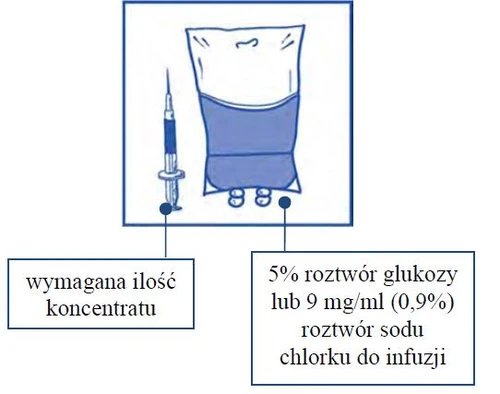
Using a graduated syringe fitted with a needle, aseptically withdraw the required volume of Cabazitaxel Fresenius Kabi (containing 20 mg/ml cabazitaxel).
For example, a 45 mg dose of cabazitaxel requires administration of 2.25 ml of Cabazitaxel Fresenius Kabi.
Step 2
Inject into a sterile, non-PVC infusion bag containing 5% glucose solution or 9 mg/ml (0.9%) sodium chloride solution for infusion. The concentration of the infusion solution should be between 0.10 mg/ml and 0.26 mg/ml.
Step 3
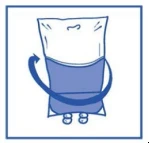
Remove the syringe and mix the contents of the bag or infusion bottle by gentle swirling. The infusion solution is a clear, colourless solution.
Step 4
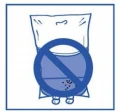
As with other parenteral medicinal products, the prepared infusion solution should be visually inspected before use. The infusion solution is supersaturated and may crystallize over time. If crystallization occurs, the solution must not be used and should be discarded.
The infusion solution should be used immediately after preparation. Information on shelf life and special precautions during storage is provided above.
Any unused medicinal product or waste materials used in preparation, dilution, or administration must be disposed of in accordance with hospital procedures for cytotoxic agents and local regulations for the disposal of hazardous substances.
Method of administration
Cabazitaxel Fresenius Kabi is administered as a 1-hour infusion.
A filter with a nominal pore size of 0.22 microns (also referred to as 0.2 microns) is recommended during administration.
PVC infusion bags or polyurethane infusion sets must not be used for the preparation or administration of this medicinal product.