Bunondol
Poland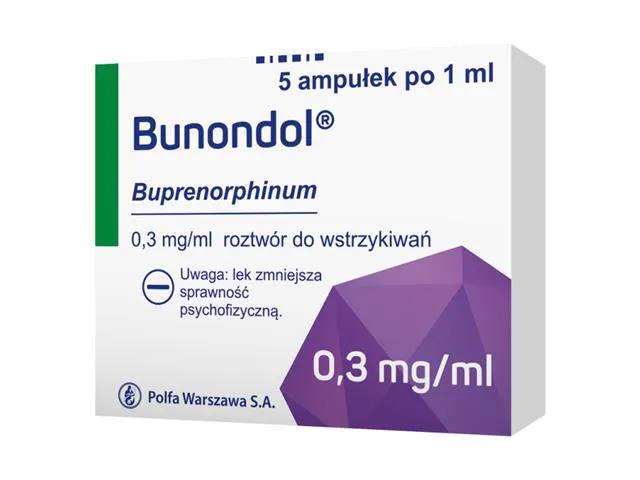
Table of Contents
Package leaflet: Information for the patient
BUNONDOL, 0.3 mg/ml, solution for injection
Buprenorphine
Please read all of this leaflet carefully before using this medicine, because it contains important information for you.
- Keep this leaflet, as you may need to read it again.
- Consult your doctor, pharmacist, or nurse if you have any questions.
- This medicine has been prescribed for a specific individual. Do not pass it on to others. This medicine may harm other people, even if their symptoms are the same.
- If you experience any adverse reactions, including any not listed in this leaflet, inform your doctor, pharmacist, or nurse. See section 4.
Contents of the leaflet
- What Bunondol is and what it is used for
- What you need to know before using Bunondol
- How to use Bunondol
- Possible side effects
- How to store Bunondol
- Contents of the pack and other information
1. What Bunondol is and what it is used for
Bunondol contains buprenorphine, a very potent analgesic medicine.
Buprenorphine belongs to a group of medicines called opioid analgesics.
Bunondol is intended for intramuscular and intravenous administration.
Bunondol is used to treat acute and chronic pain of varying intensity, from moderate to severe.
Buprenorphine is commonly used for postoperative and chronic pain, especially of neoplastic origin.
2. Important information before using Bunondol
When not to use Bunondol:
- if the patient is allergic to buprenorphine, other opioid medicines, or any of the other ingredients of this medicine (listed in section 6).
Warnings and precautions
Before starting treatment with Bunondol, discuss with your doctor if the patient has:
- depression or other conditions treated with antidepressant medicines. Taking these medicines together with Bunondol may lead to serotonin syndrome, a potentially life-threatening condition (see section "Bunondol and other medicines").
Your doctor will exercise special caution when using buprenorphine and will take appropriate measures in patients with:
- reduced thyroid function (hypothyroidism);
- reduced adrenal cortex function (insufficient hormone production);
- asthma or other breathing problems, e.g. chronic obstructive pulmonary disease (COPD);
- enlarged prostate or difficulty in passing urine;
- muscle weakness (called myasthenia);
- patients weakened or debilitated by illness;
- disorders of the bile ducts;
- impaired liver function;
- impaired kidney function;
- elderly patients;
- children;
- head injury;
- increased intracranial pressure (symptoms such as headache, altered consciousness and balance, vision problems);
- disorders of the nervous system, psychoses;
- alcoholism;
- spinal deformities.
Tolerance, dependence and addiction
This medicine contains buprenorphine, which is an opioid medicine. Repeated use of opioids may cause the medicine to become less effective (drug tolerance). Repeated use of Bunondol may also lead to dependence, abuse and addiction, which could result in life-threatening overdose. The risk of these adverse effects may increase with higher doses and longer duration of treatment.
Dependence or addiction may cause the patient to lose control over the amount and frequency of medicine intake.
The risk of developing dependence or addiction varies between individuals. The risk of addiction to Bunondol may be higher if:
- the patient or a family member has ever abused or been dependent on alcohol, prescription medicines or illegal drugs ("addiction");
- the patient is a smoker or uses nicotine-containing products;
- the patient has ever had mood problems (depression, anxiety or personality disorders) or has been treated by a psychiatrist for other mental illnesses.
If any of the following symptoms occur while taking Bunondol, this may indicate dependence:
- need to take the medicine longer than prescribed by the doctor;
- need to take a higher than recommended dose;
- need to continue taking the medicine even if it does not help relieve pain;
- using the medicine for reasons other than recommended, e.g. "to calm down" or "to sleep better";
- repeated unsuccessful attempts to stop or control medicine use;
- feeling unwell after stopping the medicine, with improvement of well-being upon re-taking it ("withdrawal effects").
If any of these symptoms occur, talk to your doctor to discuss the best treatment approach for the patient, including when and how to discontinue treatment safely (see section 3, Discontinuing treatment with Bunondol).
Sleep-related breathing disorders
Bunondol may cause sleep-related breathing disorders such as sleep apnoea (pauses in breathing during sleep) and hypoxemia (low blood oxygen levels). Symptoms may include breathing pauses during sleep, nocturnal awakenings due to breathlessness, difficulty maintaining sleep, or excessive daytime sleepiness. If the patient or someone else notices these symptoms, contact the doctor. The doctor may consider reducing the dose.
Children and adolescents
Bunondol may be administered intramuscularly or intravenously in children above 6 months of age for pain treatment (see section 3, "How to use Bunondol"). If in doubt, consult your doctor.
Bunondol and other medicines
Tell your doctor or pharmacist about all medicines the patient is currently taking or has recently taken, as well as any medicines the patient plans to take.
Some medicines may intensify the adverse effects of Bunondol and sometimes cause very severe reactions. During treatment with Bunondol, do not take other medicines without prior consultation with your doctor, especially:
- medicines used to treat depression, such as moclobemide, tranylcypromine, citalopram, escitalopram, fluoxetine, fluvoxamine, paroxetine, sertraline, duloxetine, venlafaxine, amitriptyline, doxepin or trimipramine. These medicines may interact with Bunondol and cause symptoms such as involuntary rhythmic muscle contractions, including eye movement muscles, agitation, hallucinations, coma, excessive sweating, tremor, hyperreflexia, increased muscle tone, body temperature above 38°C. If such symptoms occur, contact your doctor.
- medicines used to treat allergies, motion sickness or nausea (antihistamines or antiemetics);
- medicines used to treat psychiatric disorders (antipsychotics or neuroleptics);
- muscle relaxants;
- medicines used to treat Parkinson's disease;
- sleeping medicines, e.g. phenobarbital;
- sedatives, anxiolytics, e.g. diazepam;
- phenothiazine derivatives, e.g. promethazine, chlorpromazine;
- rifampicin, troleandomycin (medicines used for bacterial infections);
- phenytoin, gabapentin or pregabalin used to treat epilepsy or nerve-related pain (neuropathic pain);
- contraceptive medicines containing gestodene;
- antifungal medicines (ketoconazole);
- medicines for AIDS/HIV, e.g. ritonavir.
Concomitant use of Bunondol and sedative medicines, such as benzodiazepines or related substances, increases the risk of drowsiness, breathing difficulties (respiratory depression) or coma, which may be life-threatening. Therefore, combination therapy should only be considered when no other treatment options are available.
If Bunondol is used together with sedative medicines, the doctor should limit the dose and duration of concomitant use.
The patient should inform the doctor about all sedative medicines being taken and strictly follow the prescribed dose. It may be helpful to inform a relative or close friend about the possibility of the above-mentioned symptoms. If the described symptoms occur, consult your doctor.
Bunondol and alcohol
Avoid drinking alcohol while taking buprenorphine.
Pregnancy and breastfeeding
If the patient is pregnant or breastfeeding, suspects she may be pregnant, or is planning to have a child, she should consult her doctor or pharmacist before using this medicine.
Buprenorphine is not recommended during pregnancy. Buprenorphine may reduce milk production. The decision to use buprenorphine during pregnancy and breastfeeding will be made by the doctor.
Driving and operating machinery
Buprenorphine may cause drowsiness and impair psychomotor performance. While taking Bunondol, do not drive or operate machinery.
3. How to use Bunondol
Bunondol is administered by medical personnel.
Before starting treatment and regularly during treatment, the doctor will discuss with the patient what effects to expect from using Bunondol, when and for how long the medicine should be taken, when to contact the doctor, and when the medicine should be discontinued (see also: Stopping Bunondol).
- The buprenorphine dosage is determined individually by the doctor for each patient.
- Bunondol is administered intramuscularly or intravenously.
- Bunondol may be used in children over 6 months of age for pain treatment.
- Bunondol should be used according to the schedule recommended by the doctor.
Use of a higher than recommended dose of Bunondol
Bunondol is administered by medical personnel, so it is unlikely that a patient will receive more medicine than recommended.
After administration of a higher than recommended dose, the following may occur: drowsiness, nausea, vomiting, marked constriction of the pupils ("pinpoint pupils"), and severe breathing difficulties.
If such symptoms occur, medical personnel should be informed immediately. They will take appropriate action.
Missed dose of Bunondol
Do not administer a double dose to make up for a missed dose.
Stopping Bunondol
If buprenorphine is abruptly discontinued, withdrawal symptoms occur only sporadically and are mild in nature, because the medicine has low potential for dependence.
Withdrawal symptoms include: nausea, diarrhea, cough, mood disturbances, tearing, pupil dilation, runny nose, insomnia with persistent yawning, profuse sweating, elevated blood pressure, muscle tremors, goosebumps, loss of appetite, slight increase in respiratory rate, generalized body aches, intense drug craving, and hallucinations.
If you have any further doubts regarding the use of this medicine, consult your doctor, pharmacist, or nurse.
4. Possible adverse reactions
Like all medicines, this medicine can cause adverse reactions, although they do not occur in everyone.
Treatment must be discontinued and a doctor or nurse must be contacted immediately if
the patient develops first signs of hypersensitivity (e.g. swelling of the face, lips, tongue, or throat,
causing difficulty in breathing or swallowing). Such symptoms are rare after intravenous
administration of buprenorphine. The doctor will decide on further management.
Most commonly occurring:
- nausea, vomiting;
- dizziness;
- drowsiness.
The adverse reactions listed above occur more frequently in patients treated
on an outpatient basis.
The following may also occur:
- low blood pressure (leading to fainting);
- restlessness, mood disturbances, hallucinations.
Additionally, the following have been reported occasionally:
- rashes;
- headache;
- difficulty in urination;
- vision problems;
- breathing difficulties.
Reporting of adverse reactions
If any adverse reactions occur, including any adverse reactions not listed
in this leaflet, inform a doctor, pharmacist, or nurse. Adverse reactions can be reported directly to the Department of Monitoring of Adverse Drug Reactions of the Office for Registration of Medicinal Products, Medical Devices
and Biocidal Products
Al. Jerozolimskie 181C
02-222 Warsaw
Phone: +48 22 49 21 301
Fax: +48 22 49 21 309
Website: https://smz.ezdrowie.gov.pl
Adverse reactions can also be reported to the marketing authorization holder.
Reporting adverse reactions helps provide more information on the safety of the medicine.
5. How to store Bunondol
Store the ampoules in the outer packaging to protect from light, at a temperature below 25°C. Do not freeze.
Keep this medicine out of sight and reach of children.
This medicine should be stored in a safe place, inaccessible to others. The medicine may cause serious harm or even death in individuals who take it accidentally or intentionally, if it has not been prescribed to them.
Do not use this medicine after the expiry date stated on the carton and ampoule. The expiry date refers to the last day of the stated month.
The marking on the packaging following EXP indicates the expiry date, and following Lot indicates the batch number.
Medicines must not be disposed of via wastewater or household waste. Ask your pharmacist how to dispose of medicines no longer required. This practice helps protect the environment.
6. Contents of the packaging and other information
What Bunondol contains
- The active substance is buprenorphine hydrochloride. Each ml of solution contains 0.3 mg of buprenorphine.
- Other components are: glucose, hydrochloric acid 10% (for pH adjustment), water for injections.
What Bunondol looks like and contents of the pack
Bunondol is a colourless or almost colourless, clear liquid.
The medicine is packed in a cardboard box containing 5 colourless glass ampoules of 1 ml capacity.
Marketing Authorisation Holder and Manufacturer
Zakłady Farmaceutyczne POLPHARMA S.A.
ul. Pelplińska 19, 83-200 Starogard Gdański
tel. +48 22 364 61 01
Information intended exclusively for healthcare professionals:
Please refer to the current Product Characteristics of Bunondol.
BUNONDOL, 0.3 mg/ml, solution for injection
Buprenorphinum
How to administer Bunondol
- Dosage is determined individually by a physician for each patient.
- Dose adjustment is not required in elderly patients.
- The medicine may be administered intramuscularly or as a slow intravenous injection (see section: "Dosage").
- The medicine must not be mixed or administered simultaneously through the same intravenous access with alkaline solutions.
Instructions for opening the ampoule
- Before opening the ampoule, ensure that the entire solution is in the lower part of the ampoule. Gently shake the ampoule or tap it with your finger to help the solution flow down.
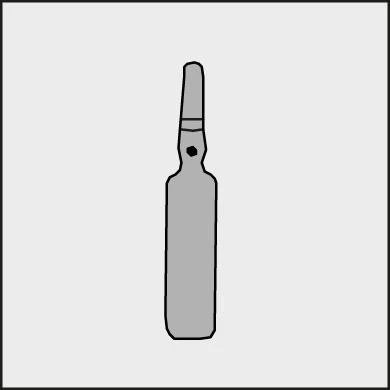
- Each ampoule has a coloured dot (see Figure 1) indicating the score line located beneath it.
Figure 1.
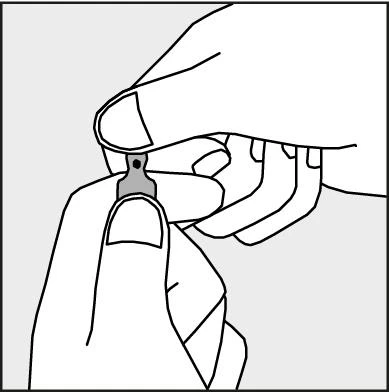
- To open the ampoule, hold it vertically in both hands with the coloured dot facing towards you – see Figure 2. The upper part of the ampoule should be held so that the thumb is positioned above the coloured dot.
Figure 2.
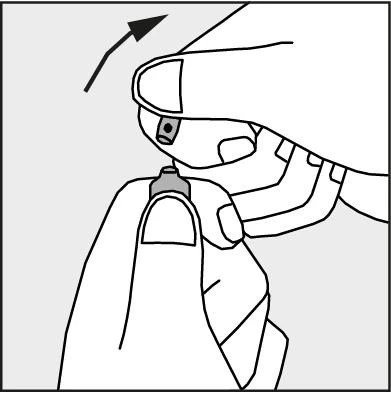
- Press in the direction of the arrow shown in Figure 3.
Figure 3.
Ampoules are intended for single use only and should be opened immediately before use. Any unused product or waste material must be disposed of in accordance with local regulations.
Precautions for the use of Bunondol
- As with other potent opioids, respiratory disturbances may occur after administration of recommended doses of buprenorphine. Therefore, buprenorphine should be used with caution in patients with impaired respiratory function, e.g. asthma, respiratory insufficiency, right ventricular hypertrophy, reduced respiratory reserve, organ hypoxia, hypercapnia, or a history of respiratory depression.
- Although studies in healthy volunteers have shown that opioid receptor antagonists may not completely reverse the effects of buprenorphine, clinical experience indicates that naloxone is beneficial in counteracting respiratory depression. Respiratory stimulants such as doxapram are also effective.
- Particular caution is advised when administering buprenorphine to patients receiving centrally acting central nervous system depressants, such as general anaesthetics, antihistamines, phenothiazine derivatives, sedatives or hypnotics. In such cases of concomitant therapy, it is recommended to reduce the dose of one or both drugs.
- Concomitant use of Bunondol with gabapentinoids (gabapentin and pregabalin) may lead to respiratory depression, hypotension, profound sedation, coma or death.
- Buprenorphine hydrochloride, like other opioid analgesics, may increase cerebrospinal fluid pressure and should be administered with caution to patients with head injuries, intracranial lesions, or other conditions in which increased cerebrospinal fluid pressure may occur.
- Buprenorphine may cause miosis and disturbances in consciousness, which may complicate patient assessment.
- Buprenorphine hydrochloride should be administered with caution to elderly, debilitated patients, children, and patients with renal or pulmonary impairment. Since buprenorphine is metabolized in the liver, its effects may be enhanced in patients with hepatic dysfunction; therefore, this medicine should be used cautiously in such patients.
- Buprenorphine, like other opioids, may increase pressure in the biliary tract and should therefore be administered cautiously to patients with conditions impairing bile flow.
- Use with caution in patients with hypothyroidism, adrenal insufficiency (e.g. Addison's disease), myasthenia gravis, central nervous system depression, psychosis, coma, benign prostatic hyperplasia or urethral stricture, alcoholism, delirium tremens, or kyphoscoliosis.
- Studies in humans and animals have shown that buprenorphine has a lower abuse potential compared to so-called pure opioid receptor agonists.
- Repeated administration of Bunondol, even at therapeutic doses, may lead to drug dependence. The risk of dependence may vary depending on individual patient risk factors, dose, and duration of opioid treatment.
- In opioid-dependent individuals, administration of small doses of buprenorphine has been shown to prevent withdrawal symptoms. Occasionally, euphoria has been observed in addicted individuals after buprenorphine administration. Therefore, buprenorphine should be administered with caution to patients known or suspected of being opioid-dependent.
- Concomitant administration of Bunondol and other serotonergic drugs, such as MAO inhibitors, selective serotonin reuptake inhibitors (SSRIs), serotonin-norepinephrine reuptake inhibitors (SNRIs), or tricyclic antidepressants, may lead to serotonin syndrome, a potentially life-threatening condition. If concomitant use of other serotonergic drugs is clinically justified, careful patient monitoring is recommended, especially during initial treatment and dose escalation. Symptoms of serotonin syndrome may include mental status changes, autonomic instability, neuromuscular abnormalities, or gastrointestinal symptoms. If serotonin syndrome is suspected, dose reduction or discontinuation of treatment should be considered, depending on the severity of symptoms.
Dosage
- For pain of various origins
Adults and adolescents over 12 years of age
Usually 1 to 2 ml (0.3 to 0.6 mg) every 6 to 8 hours.
Children under 12 years of age
3 to 6 μg/kg body weight every 6 to 8 hours. Do not exceed 9 μg/kg body weight.
The safety of buprenorphine use has not been established in children under 6 months of age.
- For premedication in adults or as an adjunctive analgesic
- Premedication: 1 ml (0.3 mg) intramuscularly one hour before the procedure;
- As an adjunctive analgesic: intravenously 1 ml to 1½ ml (0.3 mg to 0.45 mg).