Biseptol 480
Poland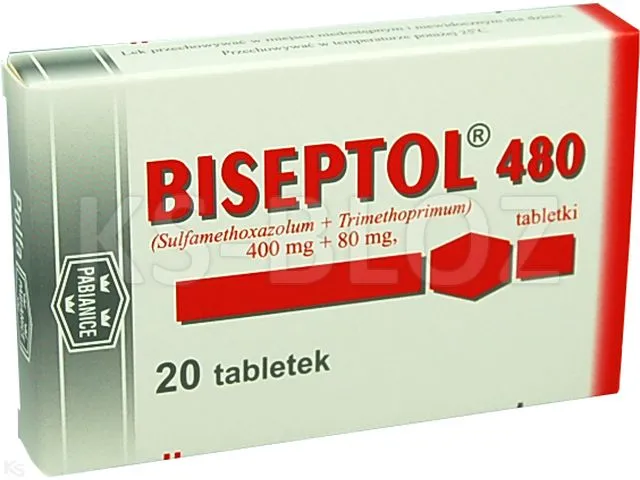
Table of Contents
- 1. NAME OF THE MEDICINAL PRODUCT
- 2. QUALITATIVE AND QUANTITATIVE COMPOSITION
- 3. PHARMACEUTICAL FORM
- 4.2 Dosage and method of administration
- 4.3 Contraindications
- 4.4 Special warnings and precautions for use
- 4.5 Interactions with other medicinal products and other forms of interactions
- 4.6 Fertility, pregnancy and lactation
- 4.7 Effects on ability to drive and use machines
- 4.8 Undesirable effects
- 4.9 Overdose
- 5.2 Pharmacokinetic properties
- 5.3 Preclinical safety data
- 6.2 Pharmaceutical incompatibilities
- 6.3 Shelf life
- 6.4 Special precautions for storage
- 6.5 Type and contents of the container
- 7. MARKETING AUTHORISATION HOLDER
- 8. MARKETING AUTHORISATION NUMBERS
- 9. DATE OF FIRST AUTHORISATION OR RENEWAL OF THE AUTHORISATION
- 10. DATE OF VALIDATION OR PARTIAL CHANGE OF THE
SUMMARY OF PRODUCT CHARACTERISTICS
1. NAME OF THE MEDICINAL PRODUCT
Biseptol 120, 100 mg + 20 mg tablets
Biseptol 480, 400 mg + 80 mg tablets
Biseptol 960, 800 mg + 160 mg tablets
2. QUALITATIVE AND QUANTITATIVE COMPOSITION
1 tablet of Biseptol 120 contains 100 mg of sulfamethoxazole ( Sulfamethoxazolum ) and 20 mg of trimethoprim
( Trimethoprimum )
1 tablet of Biseptol 480 contains 400 mg of sulfamethoxazole ( Sulfamethoxazolum ) and 80 mg of trimethoprim
( Trimethoprimum )
1 tablet of Biseptol 960 contains 800 mg of sulfamethoxazole ( Sulfamethoxazolum ) and 160 mg of trimethoprim
( Trimethoprimum )
For the full list of excipients, see section 6.1.
3. PHARMACEUTICAL FORM
Tablet.
Biseptol 120 – white tablets with a yellowish tint, round, biconvex with bevelled edges, engraved on one side with the letters "Bs".
Biseptol 480 – white tablets with a yellowish tint, round, biconvex with bevelled edges, engraved on one side with a dash "-", above which are the letters "Bs".
Biseptol 960 – white tablets with a yellowish tint, round, biconvex with bevelled edges, engraved on one side with a dash "-".
4. CLINICAL PARTICULARS
4.1 Therapeutic Indications
Biseptol 120 is intended for use in adults, adolescents and children over 6 years of age.
Biseptol 480 is intended for use in adults, adolescents and children over 6 years of age.
Biseptol 960 is intended for use in adults, adolescents and children over 6 years of age.
When deciding to initiate treatment with Biseptol, official guidelines on the appropriate use of antibacterial agents should be taken into account.
The medicinal product Biseptol is used in the treatment of the following bacterial infections:
- Urinary tract infections caused by susceptible strains of E. coli, Klebsiella spp., Enterobacter spp., Morganella morganii, Proteus mirabilis and Proteus vulgaris.
Note: Uncomplicated urinary tract infections should primarily be treated with a single antibacterial agent.
-
Acute otitis media caused by susceptible strains of S. pneumoniae and H. influenzae, when, in the physician's opinion, the use of co-trimoxazole is more appropriate than administration of a single antibiotic.
-
Acute exacerbation of chronic bronchitis caused by susceptible strains of Streptococcus pneumoniae or H. influenzae, when, in the physician's opinion, combination therapy is considered preferable to monotherapy.
-
Gastrointestinal tract infections caused by Shigella species.
-
Microbiologically confirmed pneumonia caused by Pneumocystis jirovecii, and prophylaxis of infections caused by this organism, particularly in immunocompromised patients (e.g. AIDS).
-
Travellers' diarrhoea in adults caused by enteropathogenic strains of E. coli.
4.2 Dosage and method of administration
Children under 6 years of age: tablets are not recommended due to the risk of choking;
for younger children under 6 years of age, medicinal products in the form of a suspension are available.
Urinary tract infections, gastrointestinal tract infections caused by Shigella bacteria, and acute exacerbation of chronic bronchitis in adults and adolescents (over 12 years of age):
The usual dose is 960 mg of co-trimoxazole (8 tablets of Biseptol 120, or 2 tablets of Biseptol 480, or 1 tablet of Biseptol 960) administered orally twice daily. For urinary tract infections, the treatment usually lasts 10–14 days; for acute exacerbation of chronic bronchitis – 14 days; for gastrointestinal infections caused by Shigella – 5 days.
Urinary tract infections, gastrointestinal tract infections caused by Shigella, and acute otitis media in children:
The usual dose is 6 mg trimethoprim and 30 mg sulfamethoxazole/kg body weight/day, given in two divided doses every 12 hours.
The average dose for children aged 6–12 years is 480 mg of co-trimoxazole every 12 hours.
The dose should not exceed that used in adults.
For urinary tract infections and acute otitis media, the medicinal product is usually administered for 10 days; for Shigella infections – 5 days.
Pneumocystis jirovecii pneumonia in adults and children:
The recommended dose in patients with documented infection is 90–120 mg co-trimoxazole/kg body weight/day, given in divided doses every 6 hours for 21 days.
Table 1. Maximum doses of Biseptol product depending on patient body weight
in Pneumocystis jirovecii-induced pneumonia.
| Body weight [kg] | Dose administered every 6 hours [mg co-trimoxazole] |
| 16 24 32 40 48 64 80 | 480 720 960 1200 1440 1920 2400 |
Prevention of Pneumocystis jirovecii infections:
Adults and adolescents: 960 mg of co-trimoxazole (8 tablets of Biseptol 120 or 2 tablets of Biseptol 480 or
1 tablet of Biseptol 960) once daily for 7 days. In case of poor drug tolerance, the daily dose may be reduced
to 480 mg. Results of a study conducted in HIV-infected patients also indicate efficacy with the use of
480 mg of co-trimoxazole once daily.
Children: 900 mg of co-trimoxazole/m²/day administered in 2 equal divided doses every 12 hours
for 3 consecutive days per week.
Table 2. Recommended doses of Biseptol product in children for prophylaxis of pneumonia caused by
Pneumocystis jirovecii
| Body surface area [m2] | Dose administered every 12 hours [mg trimethoprim/sulfamethoxazole] |
| 0.53 1.06 | 240 480 |
The maximum daily dose is 1920 mg of co-trimoxazole (4 tablets of Biseptol 480 or 2 tablets of Biseptol 960).
Treatment with a single dose in uncomplicated, acute urinary tract infection:
1920 mg to 2880 mg (4 to 6 tablets of Biseptol 480 or 2 to 3 tablets of Biseptol 960) of co-trimoxazole administered as a single dose, taken if possible in the evening after dinner or before bedtime.
Traveler's diarrhea in adults caused by enteropathogenic strains of E. coli:
The recommended dose is 960 mg (8 tablets of Biseptol 120 or 2 tablets of Biseptol 480 or 1 tablet of Biseptol 960) every 12 hours.
Dosing in patients with renal impairment:
In patients with creatinine clearance above 30 mL/min, standard dosing may be used. In patients with creatinine clearance of 15–30 mL/min, the dose should be reduced by half. If creatinine clearance is less than 15 mL/min, co-trimoxazole is not recommended.
Dosing in patients undergoing dialysis:
Patients undergoing hemodialysis should initially receive a standard loading dose of co-trimoxazole, followed by an additional half dose after each hemodialysis session.
Peritoneal dialysis results in minimal elimination of co-trimoxazole. Co-trimoxazole is not recommended for patients undergoing peritoneal dialysis.
Dosing in elderly patients:
In elderly patients with normal renal function, doses should be the same as those recommended for adults.
Method of administration:
Tablets should not be divided.
The medicinal product should be administered orally during or immediately after meals. During treatment, the patient should drink plenty of fluids.
4.3 Contraindications
Hypersensitivity to the active substances or to any of the excipients listed in
section 6.1.
The medicinal product is contraindicated if the patient has:
- hypersensitivity to cotrimoxazole (sulfamethoxazole with trimethoprim), any excipient, sulfonamides or trimethoprim,
- diagnosed hepatic parenchymal damage,
- severe renal impairment - creatinine clearance <15 mL/min (see section 4.2), when monitoring of plasma drug concentrations is not possible,
- megaloblastic anaemia caused by folate deficiency.
Cotrimoxazole must not be used in children under 2 months of age.
Cotrimoxazole must not be used concomitantly with dofetilide (see section 4.5).
4.4 Special warnings and precautions for use
If, during treatment with co-trimoxazole, the following occur: rash, sore throat, fever, joint pain, cough, dyspnoea or jaundice, these may indicate very rare but potentially serious adverse reactions and should be a signal for immediate discontinuation of the drug.
Co-trimoxazole should be used with caution in patients with renal impairment (see section 4.2), in patients with folate deficiency (e.g. elderly patients, alcohol-dependent individuals, patients receiving anticonvulsant therapy, patients with malabsorption syndrome or malnutrition), in patients with severe allergic symptoms or bronchial asthma.
The use of co-trimoxazole in streptococcal pharyngitis fails relatively frequently, as bacterial eradication cannot be achieved. Co-trimoxazole is not suitable for the treatment of streptococcal pharyngitis and tonsillitis.
Severe adverse reactions
Rare, life-threatening complications associated with sulfonamide use, including acute hepatic necrosis, aplastic anaemia, agranulocytosis, other blood dyscrasias, and severe exudative erythema multiforme – Stevens-Johnson syndrome (SJS), toxic epidermal necrolysis (TEN), and drug rash with eosinophilia and systemic symptoms (DRESS) have been reported.
- Patients should be informed about subjective and objective signs of skin reactions and the necessity of careful monitoring. The highest risk of developing SJS, TEN or DRESS occurs during the first weeks of treatment.
- Treatment with Biseptol should be discontinued if objective or subjective symptoms of SJS, TEN or DRESS appear (for example, progressive skin rash often with blisters or development of mucosal lesions).
- The best outcomes in treating SJS, TEN and DRESS are achieved through early recognition and immediate withdrawal of the suspected causative drug. Early drug withdrawal is associated with a better prognosis.
- If a patient has previously experienced Stevens-Johnson syndrome or toxic epidermal necrolysis during treatment with Biseptol, re-initiation of treatment with this medicinal product should not be undertaken in the future.
Renal effects
Sulfonamides, including co-trimoxazole, may cause increased diuresis, particularly in patients with cardiac oedema.
Serum potassium concentration and renal function should be closely monitored in patients receiving high-dose co-trimoxazole (used in the treatment of Pneumocystis jirovecii pneumonia) or in patients receiving standard-dose co-trimoxazole who have potassium metabolism disorders or renal impairment. Concomitant use of medicinal products causing hyperkalaemia, in combination with spironolactone, may lead to severe hyperkalaemia (see section 4.5).
Special patient populations
In renal impairment, dosage should be appropriately adjusted (see section 4.2). Patients with severe renal impairment (i.e. creatinine clearance 15–30 mL/min) receiving co-trimoxazole should be closely monitored due to the risk of developing subjective and objective signs of toxicity such as nausea, vomiting and hyperkalaemia.
Elderly patients have an increased risk of severe adverse reactions to co-trimoxazole, including renal or hepatic failure. The most commonly reported severe adverse effects in the elderly are severe skin reactions, bone marrow suppression, and thrombocytopenia with or without purpura. Concomitant use of diuretics increases the risk of purpura.
Patients with AIDS treated with co-trimoxazole for Pneumocystis jirovecii infection more frequently experience adverse effects, especially rash, fever, leukopenia, increased serum aminotransferase activity, hyperkalaemia and hyponatraemia.
Long-term treatment
Regular blood tests should be performed in patients undergoing prolonged treatment with co-trimoxazole. If there is a significant reduction in any blood cell line, administration of Biseptol should be discontinued.
Except in exceptional circumstances, Biseptol should not be used in patients with serious haematological disorders.
Cases of pancytopenia have been reported in patients receiving co-trimoxazole (see sections 4.3 and 4.5).
Haematological adverse effects related to folate deficiency may occur in elderly patients, in patients with pre-existing folate deficiency, or in patients with renal impairment. These symptoms resolve with folic acid administration.
During long-term treatment with co-trimoxazole (especially in patients with renal impairment), regular urine tests and renal function assessments should be performed. Adequate fluid intake and diuresis should be maintained during treatment to prevent crystalluria.
Due to the possibility of haemolysis, Biseptol should not be used in patients with glucose-6-phosphate dehydrogenase (G6PD) deficiency, except in cases of absolute necessity. In such cases, only the minimal effective dose should be administered.
As with other sulfonamide-containing drugs, caution is advised when treating patients with porphyria or thyroid dysfunction.
Patients who are "slow acetylators" may have an increased predisposition to individual hypersensitivity to sulfonamides (idiosyncratic reaction).
During treatment with co-trimoxazole (as with other antibacterial agents), pseudomembranous colitis may occur.
The course of this disease may range from mild to life-threatening. Therefore, it is important to correctly diagnose this condition in patients who develop diarrhoea during antibacterial therapy. Antibacterial treatment alters the normal colonic flora and may lead to overgrowth of anaerobic bacilli. Toxins produced by Clostridioides difficile are a major cause of colitis. In mild cases of pseudomembranous colitis, discontinuation of the antibiotic is usually sufficient. In moderate to severe cases, patients should receive fluids, electrolytes, protein, and antibacterial agents active against Clostridioides difficile (metronidazole or vancomycin). Antiperistaltic agents or other constipating drugs should not be administered.
Pulmonary toxicity
Very rarely, severe pulmonary toxicity has occurred during co-trimoxazole treatment, sometimes progressing to acute respiratory distress syndrome (ARDS). Initial symptoms of ARDS may include pulmonary manifestations such as cough, fever and dyspnoea, accompanied by radiological signs indicating pulmonary infiltrates and impaired lung function. In such cases, treatment with co-trimoxazole should be discontinued and appropriate therapy initiated.
Haemophagocytic lymphohistiocytosis (HLH)
Very rarely, haemophagocytic lymphohistiocytosis (HLH) has been reported in patients treated with co-trimoxazole. HLH is a life-threatening syndrome of abnormal immune activation, characterised by clinical signs and symptoms such as severe systemic inflammation (e.g. fever, hepatosplenomegaly, hypertriglyceridaemia, hypofibrinogenaemia, high serum ferritin concentration, cytopenia and haemophagocytosis). Patients presenting early signs of abnormal immune activation should be promptly diagnosed. If HLH is diagnosed, treatment with co-trimoxazole should be discontinued.
Medicinal product Biseptol 960 contains sodium.
Biseptol 960 contains less than 1 mmol (23 mg) of sodium per tablet; therefore, the product is considered "sodium-free".
4.5 Interactions with other medicinal products and other forms of interactions
Pharmacokinetic interactions
Drugs transported by OCT2
Trimethoprim is an inhibitor of the organic cation transporter 2 (OCT2) and a weak inhibitor of CYP2C8. Sulfamethoxazole is a weak inhibitor of CYP2C9.
Systemic exposure to drugs transported by OCT2 may increase when administered concomitantly with co-trimoxazole. Examples include dofetilide, amantadine, memantine, and lamivudine.
Dofetilide
TMP-SMZ should not be administered in combination with dofetilide (see section 4.3).
Trimethoprim has been shown to inhibit the renal excretion of dofetilide. Co-administration of trimethoprim (160 mg) with sulfamethoxazole (800 mg) twice daily together with dofetilide 500 μg twice daily for 4 days resulted in a 103% increase in the area under the concentration-time curve (AUC) of dofetilide and a 93% increase in maximum plasma concentration (Cmax). Dofetilide may cause severe ventricular arrhythmias associated with QT interval prolongation, including torsades de pointes, which are directly related to plasma concentrations of dofetilide.
Amantadine and memantine
Patients receiving amantadine or memantine may be at increased risk of neurological adverse events such as delirium and myoclonus.
Drugs metabolized primarily by CYP2C8
Systemic exposure to drugs metabolized primarily by CYP2C8 may increase when administered concomitantly with co-trimoxazole. Examples include paclitaxel, amiodarone, dapsone, repaglinide, rosiglitazone, and pioglitazone.
Paclitaxel and amiodarone have a narrow therapeutic index. Therefore, their concomitant use with co-trimoxazole is not recommended.
Dapsone
Both dapsone and co-trimoxazole can cause methemoglobinemia, implying the possibility of both pharmacokinetic and pharmacodynamic interactions. Patients receiving dapsone and co-trimoxazole should be monitored for methemoglobinemia. If possible, alternative therapies should be considered.
Repaglinide, rosiglitazone, pioglitazone
Patients receiving repaglinide, rosiglitazone, or pioglitazone should be monitored regularly for hypoglycemia.
Drugs metabolized primarily by CYP2C9
Systemic exposure to drugs metabolized primarily by CYP2C9 may increase when administered concomitantly with co-trimoxazole. Examples include coumarins (warfarin, acenocoumarol, phenprocoumon), phenytoin, and sulfonylurea derivatives (glibenclamide, glipizide, glycyzamide, chlorpropamide, and tolbutamide).
Coumarins
Co-trimoxazole may potentiate the anticoagulant effect of coumarins to an extent requiring dose adjustment. Patients receiving coumarins should be monitored for blood coagulation parameters.
Phenytoin
Co-trimoxazole inhibits the metabolism of phenytoin; in patients taking both drugs, the half-life of phenytoin increases by approximately 39%, and phenytoin clearance decreases by approximately 27%.
Sulfonylurea derivatives
Co-trimoxazole may enhance the effect of concomitantly administered sulfonylurea antidiabetic agents (including glibenclamide, glycyzamide, glipizide, chlorpropamide, and tolbutamide), increasing the risk of hypoglycemia. Regular monitoring for hypoglycemia is required.
Digoxin
Co-trimoxazole may increase serum digoxin concentrations in some elderly patients. Serum digoxin levels should be monitored.
Pharmacodynamic interactions and interactions with undefined mechanisms
The frequency and severity of myelotoxic and nephrotoxic adverse effects may increase if co-trimoxazole is administered concomitantly with other drugs known to have myelosuppressive or nephrotoxic effects, such as nucleoside analogues, tacrolimus, azathioprine, or mercaptopurine. Patients receiving co-trimoxazole together with these drugs should be monitored for possible myelo- and/or nephrotoxicity.
Clozapine
Concomitant administration with clozapine, a drug capable of causing agranulocytosis, should be avoided.
Thiazide diuretics
In elderly patients, combining co-trimoxazole with certain diuretics, especially thiazides, increases the risk of thrombocytopenia. Patients receiving diuretics should have platelet counts monitored regularly.
Methotrexate
Co-trimoxazole increases the concentration of free methotrexate in serum due to displacement from protein binding, thereby increasing the overall effect of methotrexate on the body. Cases of pancytopenia have been reported in patients receiving trimethoprim and methotrexate concomitantly (see section 4.4). Trimethoprim has low affinity for human dihydrofolate reductase but may increase methotrexate toxicity, particularly in the presence of risk factors such as advanced age, hypoalbuminemia, impaired renal function, reduced bone marrow reserve, and in patients receiving high-dose methotrexate. Patients at risk should be treated with folic acid or calcium folinate to counteract the adverse effects of methotrexate on hematopoiesis.
Pyrimethamine
Co-trimoxazole with pyrimethamine in doses exceeding 25 mg may cause megaloblastic anemia.
Potassium-sparing drugs (angiotensin-converting enzyme inhibitors, angiotensin receptor blockers)
Due to the potassium-sparing effect of co-trimoxazole, caution is advised when co-trimoxazole is administered concomitantly with other drugs that increase serum potassium levels, such as angiotensin-converting enzyme inhibitors, angiotensin receptor blockers, potassium-sparing diuretics (spironolactone), and prednisolone. Concomitant use of these drugs may lead to clinically significant hyperkalemia.
Cyclosporine
In kidney transplant patients treated with co-trimoxazole and cyclosporine, transient disturbances in transplanted kidney function have been observed, manifested by increased serum creatinine levels, likely due to the effect of trimethoprim.
Hypoglycemic agents
Severe hypoglycemia may rarely occur. Patients should be warned and advised to monitor blood glucose levels more frequently. Dose adjustments of oral antidiabetic drugs may be necessary during and after treatment with Biseptol.
Tricyclic antidepressants
Co-trimoxazole may reduce the efficacy of tricyclic antidepressants.
Sulfonamides show chemical similarity to certain antithyroid drugs, diuretics (acetazolamide and thiazides), and oral antidiabetic drugs, which may lead to cross-allergy.
Effect on laboratory test results:
- Trimethoprim may interfere with enzymatic assays for serum methotrexate measurement but does not affect radioimmunoassay methods.
- Co-trimoxazole may falsely elevate creatinine measurements by approximately 10% in the alkaline picrate (Jaffé) test.
4.6 Fertility, pregnancy and lactation
Pregnancy
There is no conclusive evidence of a risk of fetal developmental abnormalities in women treated with co-trimoxazole during early pregnancy. Results from two large observational studies suggest a 2- to 3.5-fold increased risk of spontaneous abortion in women who received trimethoprim alone or in combination with sulfamethoxazole during the first trimester of pregnancy, compared to women who received no antibiotics or were treated with penicillins.
In animal studies, very high doses of co-trimoxazole caused fetal malformations typical of folic acid antagonists.
Since both trimethoprim and sulfamethoxazole cross the placental barrier and may affect folic acid metabolism, Biseptol 480 may be used during pregnancy only if, in the physician's opinion, the benefit to the mother outweighs the potential risk to the fetus.
In such cases, pregnant patients or women planning to become pregnant while being treated with Biseptol 480 should be advised to take folic acid 5 mg daily. The use of Biseptol 480 should be avoided, if possible, during the late stages of pregnancy due to the risk of kernicterus in the newborn (see section 5.2).
Breast-feeding
Both trimethoprim and sulfamethoxazole are excreted into human milk. Although the amount of drug ingested by the nursing infant from a mother treated with co-trimoxazole is small, the potential risk to the infant (kernicterus, hypersensitivity) should be weighed against the expected therapeutic benefit for the mother (see section 5.2).
Fertility
There are no available data on the effect on fertility.
4.7 Effects on ability to drive and use machines
There are no data available on the influence of the medicinal product on the ability to drive vehicles and
operate machinery.
4.8 Undesirable effects
The most frequently reported adverse reactions are gastrointestinal disorders (nausea, diarrhoea, vomiting) and skin reactions (rash, urticaria).
The following frequency categories have been used:
Very common ≥1/10, common ≥1/100 and <1/10, uncommon ≥1/1000 and <1/100, rare ≥1/10 000 and <1/1000, very rare <1/10 000.
Blood and lymphatic system disorders
Very rare: leukopenia, neutropenia, thrombocytopenia, anaemia (megaloblastic, haemolytic and/or autoimmune, aplastic), agranulocytosis, methaemoglobinaemia, eosinophilia, purpura, haemolysis in some susceptible patients with G-6-PD deficiency.
Immune system disorders
Common: allergic skin rashes.
Rare: polyarteritis nodosa.
Very rare: serum sickness-like syndrome, anaphylactic reactions (including severe, life-threatening reactions), angioedema, drug fever, Henoch-Schoenlein purpura, chills, respiratory hypersensitivity reactions, conjunctival and scleral hyperaemia.
Cardiac disorders
Very rare: allergic myocarditis.
Metabolism and nutrition disorders
Common: hyperkalaemia (when high doses are used).
Rare: hypoglycaemia.
Very rare: hyponatraemia, loss of appetite, metabolic acidosis.
Nervous system disorders
Very rare: apathy, aseptic meningitis, ataxia, chills, depression, fatigue, hallucinations, headache, insomnia, nervousness, peripheral neuritis, convulsions, dizziness.
Ear and labyrinth disorders
Very rare: tinnitus and dizziness.
Eye disorders
Very rare: uveitis.
Vascular disorders
Frequency unknown: circulatory shock.
Respiratory, thoracic and mediastinal disorders
Very rare: dyspnoea, cough, pulmonary infiltrates.
Gastrointestinal disorders
Common: nausea, diarrhoea.
Rare: abdominal pain, vomiting, stomatitis.
Very rare: pseudomembranous colitis, pancreatitis, laryngitis.
Hepatobiliary disorders
Very rare: increased aminotransferase activity, hepatitis sometimes with cholestatic jaundice or hepatic necrosis, hyperbilirubinaemia.
Skin and subcutaneous tissue disorders
Common: rash, urticaria.
Rare: photosensitivity, exfoliative dermatitis, erythema multiforme.
Very rare: cases of Stevens-Johnson syndrome (SJS), toxic epidermal necrolysis (TEN), and drug rash with eosinophilia and systemic symptoms (DRESS) have been reported (see section 4.4).
Frequency unknown: acute neutrophilic dermatosis (Sweet's syndrome).
Musculoskeletal and connective tissue disorders
Very rare: arthralgia, myalgia, rhabdomyolysis (mainly in patients with AIDS), systemic lupus erythematosus.
Renal and urinary disorders
Rare: increased diuresis.
Very rare: crystalluria, renal failure, interstitial nephritis, toxic nephrotic syndrome with oliguria or anuria, increased blood urea nitrogen, increased serum creatinine.
Other
Weakness, feeling of fatigue, insomnia.
Description of selected adverse reactions
Most of the haematological changes observed were mild, asymptomatic and resolved upon discontinuation of the drug.
As with any drug, allergic reactions may occur in patients hypersensitive to its components. The most common skin reactions observed during cotrimoxazole treatment were generally mild and resolved quickly after discontinuation of the drug.
Pulmonary infiltrates associated with eosinophilic or allergic pneumonia may present with cough and dyspnoea (see section 4.4).
High doses of trimethoprim used in the treatment of Pneumocystis jirovecii pneumonia induce progressive but reversible increase in serum potassium concentration in a significant number of patients. Even when administered at standard doses, trimethoprim may cause hyperkalaemia in patients with potassium metabolism disorders, renal impairment, or those taking medicinal products that increase potassium levels (see section 4.4).
Cases of hypoglycaemia have been reported in non-diabetic patients treated with cotrimoxazole, usually occurring after several days of treatment (see section 4.5). Patients at particular risk include those with impaired renal function, liver disease, malnutrition, or those receiving high doses of cotrimoxazole.
Circulatory shock
Cases of circulatory shock, often accompanied by fever and unresponsive to standard hypersensitivity treatment, have been reported in association with sulfamethoxazole and trimethoprim, particularly in immunocompromised patients.
The frequency of adverse reactions appears to be increased in patients with AIDS.
Reporting suspected adverse reactions
Following marketing authorisation of the medicinal product, it is important to report suspected adverse reactions. This enables continuous monitoring of the benefit-risk balance of the medicinal product. Healthcare professionals should report any suspected adverse reactions via the Department of Monitoring Adverse Drug Reactions at the Office for Registration of Medicinal Products, Medical Devices and Biocidal Products
Al. Jerozolimskie 181C, 02-222 Warsaw,
Tel.: + 48 22 49 21 301,
Fax: + 48 22 49 21 309,
Website: https://smz.ezdrowie.gov.pl
Suspected adverse reactions may also be reported to the marketing authorisation holder.
4.9 Overdose
The dose of co-trimoxazole that may be life-threatening is unknown.
Symptoms
After overdose of sulfonamides, the following symptoms may occur: loss of appetite, colicky pain, nausea,
vomiting, dizziness, headache, drowsiness, and loss of consciousness. Fever, hematuria, and crystalluria may also occur.
After acute overdose of trimethoprim, nausea, vomiting, dizziness, headache, depression, disturbances of consciousness, and bone marrow suppression may appear.
With long-term trimethoprim overdose, bone marrow suppression may develop, manifesting as thrombocytopenia or leukopenia, as well as other blood abnormalities resulting from folic acid deficiency.
Treatment
Management consists of removing the drug from the gastrointestinal tract (gastric lavage or induction of vomiting) and administering large amounts of fluids with diuretics (forced diuresis), if diuresis is inadequate and renal function is normal (urine alkalinization increases sulfamethoxazole excretion). Blood counts, plasma electrolytes, and other biochemical parameters should be monitored. If bone marrow damage or jaundice occurs, appropriate standard management should be initiated. Intramuscular administration of 3–6 mg calcium folinate for 5–7 days may be indicated to counteract the effect of trimethoprim on hematopoiesis.
Hemodialysis is moderately effective, while peritoneal dialysis is ineffective.
5. PHARMACOLOGICAL PROPERTIES
5.1 Pharmacodynamic properties
Pharmacotherapeutic group: combinations of sulfonamides and trimethoprim, including derivatives.
Sulfamethoxazole and trimethoprim.
ATC code: J01EE01
Mechanism of action
Biseptol is an antibacterial agent containing co-trimoxazole, composed of two active substances: sulfamethoxazole and trimethoprim.
These substances block two consecutive steps in the metabolic pathway of folic acid synthesis.
Sulfamethoxazole is a competitive antagonist of para-aminobenzoic acid (PABA), thereby inhibiting the formation of dihydrofolic acid from PABA; trimethoprim inhibits the reduction of dihydrofolic acid to tetrahydrofolate, leading to sequential inhibition of enzymes in the folic acid pathway. This action results in a significant mutual enhancement of in vitro activity of these two components.
Resistance mechanism
In vitro studies have shown that bacterial resistance develops more slowly to the combination of sulfamethoxazole and trimethoprim than to either component alone.
In some bacteria, reduced permeability to trimethoprim and sulfamethoxazole occurs, or the target enzyme has decreased affinity for these drugs.
Resistance to sulfamethoxazole may arise through various mechanisms. Bacterial mutations may lead to increased PABA concentration, thereby excluding sulfamethoxazole from competition, resulting in reduced inhibitory effect on dihydropteroate synthase. Another type of plasmid-mediated resistance results from the production of an altered dihydropteroate synthase enzyme with reduced affinity for sulfamethoxazole compared to the wild-type enzyme. For example, resistance of Pneumocystis jirovecii to sulfamethoxazole is correlated with mutations in the dihydropteroate synthase gene, whereas mutations in the dihydrofolate reductase gene are responsible for high-level resistance in other organisms such as Enterococcus faecalis and Campylobacter jejuni.
Reduced permeability has been demonstrated in resistant strains of Klebsiella pneumoniae and Serratia marcescens.
Bacteria naturally resistant to sulfamethoxazole (e.g., E. faecalis) are usually auxotrophic for folic acid.
Resistance to trimethoprim, mediated by plasmids, results from the production of an altered enzyme—dihydrofolate reductase (DHFR)—with reduced affinity for trimethoprim compared to the wild-type enzyme.
Trimethoprim binds to the plasmid-encoded DHFR enzyme, but less tightly than to the bacterial enzyme. The affinity of trimethoprim for human DHFR is approximately 100,000 times lower than for the bacterial enzyme.
Among Gram-negative enteropathogenic bacteria, resistance most commonly arises from acquisition of plasmids carrying genes encoding trimethoprim-resistant enzymes. These plasmids often carry genes conferring resistance to other antimicrobial agents. Plasmid-mediated resistance is increasingly observed in Escherichia coli strains.
Some bacteria (e.g., Pseudomonas aeruginosa) possess an active drug efflux mechanism.
Many pathogenic bacteria are susceptible in vitro to trimethoprim and sulfamethoxazole at concentrations much lower than those achieved in blood, tissue fluids, and urine after administration at recommended doses. As with other antibacterial agents, in vitro activity does not necessarily predict clinical efficacy; therefore, it should be noted that reliable susceptibility testing requires the use of media free of inhibitory substances, particularly thymidine and thymine.
Susceptibility breakpoints
Susceptibility testing for co-trimoxazole was performed using standardized methods such as the disk diffusion method and dilution method, as recommended by the European Committee on Antimicrobial Susceptibility Testing (EUCAST). The susceptibility and resistance breakpoints according to EUCAST (version 12.0, 01.01.2022) are presented in the table below.
| Bacteria | Dilution method MIC [mg/L] | Disc content [µg] | Diffusion-disk method Zone diameter |
| Inhibition [mm] | |||||||
| W≤ | O> | ATU | W≥ | O< | ATU | ||
| Enterobacterales | 2 | 4 | 1.25–23.75 | 14 | 11 | ||
| Stenotrophomonas maltophilia | 0.001 | 4 | 1.25–23.75 | 50 | 16 | ||
| Acinetobacter spp | 2 | 4 | 1.25–23.75 | 14 | 11 | ||
| Staphylococcus spp. | 2 | 4 | 1.25–23.75 | 17 | 14 | ||
| Enterococcus spp. | The effect of co-trimoxazole on enterococci is uncertain and clinical outcome cannot be predicted. The epidemiological cut-off value (ECOFF) to categorize isolates as wild-type or non-wild-type for both E. faecalis and E. faecium is 1 mg/L, with a corresponding ECOFF zone diameter of 23 mm for co-trimoxazole. | ||||||
| Streptococcus group A, B, C, and G | 1 | 2 | 1.25–23.75 | 18 | 15 | ||
| Streptococcus pneumoniae | 1 | 2 | 1.25–23.75 | 13 | 10 | ||
| Haemophilus influenzae | 0.5 | 1 | 1.25–23.75 | 23 | 20 | ||
| Moraxella catarrhalis | 0.5 | 1 | 1.25–23.75 | 18 | 15 | ||
| Listeria monocytogenes | 0.06 | 0.06 | 1.25–23.75 | 29 | 29 | ||
| Pasteurella multocida | 0.25 | 0.25 | 1.25–23.75 | 23 | 23 | ||
| Kingella kingae | 0.25 | 0.25 | 1.25–23.75 | 28 | 28 | ||
| Aeromonas spp. | 2 | 4 | 1.25–23.75 | 19 | 16 | ||
| Burkholderia pseudomallei | 0.001 | 4 | 1.25–23.75 | 50 | 17 | ||
W – sensitive; R – resistant; MIC – minimum inhibitory concentration
Disk content: 1.25 μg trimethoprim and 23.75 μg sulfamethoxazole
Trimethoprim : sulfamethoxazole in a 1:19 ratio. Breakpoint values are expressed as trimethoprim concentration.
Antibacterial spectrum
Co-trimoxazole is effective against many aerobic Gram-positive and Gram-negative bacteria, P. jirovecii, and certain protozoa (see table below).
Urinary tract pathogens
Escherichia coli
Klebsiella pneumoniae
Proteus mirabilis
Enterobacter sp.
Morganella morganii
Respiratory tract pathogens
Streptococcus pneumoniae
Haemophilus influenzae
Moraxella catarrhalis
Pneumocystis jirovecii
Gastrointestinal tract pathogens
Enterotoxigenic strains of E. coli
Shigella spp.
Salmonella typhi (and other species)
Vibrio cholerae
Cyclospora
Isospora belli
Yersinia enterocolitica
Other pathogens
Nocardia spp.
Listeria monocytogenes
Mycobacterium marinum
Most methicillin-resistant Staphylococcus aureus strains are sensitive to co-trimoxazole, particularly in community-acquired infections.
Some hospital-acquired and/or pathogens occurring in immunocompromised patients are often susceptible to co-trimoxazole. These include Burkholderia cepacia (previously Pseudomonas cepacia), Stenotrophomonas maltophilia (previously Xanthomonas maltophilia), Serratia marcescens, P. jirovecii, and Nocardia spp.
However, many pathogens are generally resistant to co-trimoxazole. These include: Pseudomonas aeruginosa, Bacteroides fragilis (and most other anaerobic bacteria), Mycobacterium tuberculosis, Treponema pallidum, Campylobacter, penicillin-resistant Streptococcus pneumoniae, and Rickettsiae. Furthermore, resistance may develop among previously sensitive bacteria via the mechanisms described above.
5.2 Pharmacokinetic properties
Absorption
Both components of the drug are rapidly absorbed from the gastrointestinal tract, with a bioavailability of approximately 85%. Maximum serum concentrations of both components are reached within 2–4 hours after oral administration. The peak serum concentration following administration of sulfamethoxazole and trimethoprim at a dose of 800 mg + 160 mg is approximately 25–60 µg/mL for sulfamethoxazole and 1–2 µg/mL for trimethoprim. With administration of these doses twice daily, peak plasma concentrations of sulfamethoxazole and trimethoprim are approximately ~40 and 2 μg/mL, respectively, which represents an optimal ratio.
Distribution
Trimethoprim is 40% bound to plasma proteins, while sulfamethoxazole is 70% bound. The distribution of both compounds differs: sulfonamide penetrates only into the extracellular compartment, whereas trimethoprim distributes into all body fluids. High concentrations of trimethoprim are found, for example, in bronchial gland secretions, prostatic fluid, and bile. Sulfamethoxazole concentrations in body fluids are lower. Both compounds reach therapeutic concentrations in sputum, vaginal secretions, and middle ear fluid. The volume of distribution is 0.2 L/kg for sulfamethoxazole and 1.6 L/kg for trimethoprim, resulting in tissue concentrations in a ratio of 1:2 to 1:10 and extracellular fluid concentrations of 1:20. Penetration of co-trimoxazole into cerebrospinal fluid is generally good, with trimethoprim concentrations ranging from 20% to 60% of serum levels and sulfamethoxazole concentrations ranging from 12% to 50% of serum levels. The approximate ratio of trimethoprim to sulfamethoxazole in cerebrospinal fluid is 1:15. Concentrations of sulfamethoxazole and trimethoprim exceed the minimum inhibitory concentration for most susceptible microorganisms.
Both sulfamethoxazole and trimethoprim cross into breast milk and the fetal circulation.
Metabolism
Approximately 30% of the trimethoprim dose is metabolized. Based on in vitro studies using human liver microsomes, involvement of CYP3A4, CYP1A2, and CYP2C9 in the oxidative metabolism of trimethoprim cannot be excluded. The main metabolites of trimethoprim are the 1- and 3-oxides and the 3- and 4-hydroxy derivatives. Some of these metabolites are microbiologically active.
Approximately 80% of the sulfamethoxazole dose is metabolized in the liver, primarily to the N-acetyl derivative (about 40% of the dose) and to a lesser extent by conjugation with glucuronic acid. Sulfamethoxazole also undergoes oxidative metabolism. The first step of the oxidative pathway, leading to the formation of a hydroxylamine derivative, is catalyzed by CYP2C9.
Elimination
Both compounds are primarily excreted by the kidneys, via glomerular filtration and active tubular secretion. Concentrations of active compounds in urine are significantly higher than in blood. Within 72 hours, 84.5% of the administered sulfonamide dose and 66.8% of trimethoprim are excreted in urine.
Serum half-lives are approximately 10 hours for sulfamethoxazole and 8–10 hours for trimethoprim. In renal impairment, the half-lives of both compounds are prolonged to an extent that necessitates dose adjustment.
Pharmacokinetics in special populations
Children and adolescents
The pharmacokinetics of both components of Biseptol 120, Biseptol 480, Biseptol 960, trimethoprim, and sulfamethoxazole in children and adolescents with normal renal function depend on age. Elimination of trimethoprim and sulfamethoxazole is reduced in neonates during the first two months of life. Later in infancy, both trimethoprim and sulfamethoxazole are characterized by increased elimination, higher clearance, and shorter elimination half-life. The differences are greatest in younger infants (>1.7 months to 24 months) and decrease with age compared to small children (1 year to 3.6 years), children (7.5 years to <10 years), and adults (see section 4.2).
Elderly patients
Given the importance of renal clearance in the elimination of trimethoprim and considering that creatinine clearance physiologically decreases with age, a reduction in renal and total clearance of trimethoprim is expected with increasing age. Age has a lesser effect on the pharmacokinetics of sulfamethoxazole, as renal clearance accounts for only 20% of total sulfamethoxazole clearance.
Patients with renal impairment
In patients with severe renal impairment (creatinine clearance 15–30 mL/min), elimination half-lives of both components are prolonged, requiring dose adjustment. Intermittent or continuous ambulatory peritoneal dialysis does not significantly affect co-trimoxazole elimination. Trimethoprim and sulfamethoxazole are moderately removed during hemodialysis and hemofiltration. It is recommended to increase the dose of co-trimoxazole by 50% after each hemodialysis session. In children with renal impairment (CLcr < 30 mL/min), trimethoprim clearance is reduced and elimination half-life prolonged. Dosing of co-trimoxazole in pediatric patients with renal impairment should be based on renal function (see section 4.2).
Patients with hepatic impairment
The pharmacokinetics of trimethoprim and sulfamethoxazole in patients with moderate or severe hepatic impairment do not differ significantly from those observed in healthy individuals.
Patients with cystic fibrosis
In patients with cystic fibrosis, renal clearance of trimethoprim and metabolic clearance of sulfamethoxazole are increased. Consequently, total plasma clearance of both drugs is increased and elimination half-life shortened.
5.3 Preclinical safety data
Non-clinical data obtained from conventional pharmacological safety studies, including repeated dose toxicity, genotoxicity, embryotoxicity and teratogenicity, as well as potential carcinogenic properties, indicate no special risk for humans.
6. PHARMACEUTICAL DATA
6.1 List of excipients
Biseptol 120
Potato starch
Talc
Magnesium stearate
Polyvinyl alcohol
Biseptol 480
Potato starch
Talc
Magnesium stearate
Polyvinyl alcohol
Biseptol 960
Potato starch
Talc
Magnesium stearate
Sodium carboxymethyl starch (type A)
Polyvinyl alcohol
6.2 Pharmaceutical incompatibilities
Not applicable.
6.3 Shelf life
5 years
6.4 Special precautions for storage
Store below 25°C.
6.5 Type and contents of the container
Biseptol 120
PVC/Aluminium foil blister or glass bottle closed with a stopper, in a cardboard box.
The packaging contains 20 tablets in one blister or in the bottle.
Biseptol 480
PVC/Aluminium foil blister, in a cardboard box.
The packaging contains 20 tablets in one blister.
Biseptol 960
PVC/Aluminium foil blister or polyethylene container closed with a stopper, in a cardboard box.
The packaging contains 10 tablets in one blister or in the container.
6.6 Special precautions for disposal and for handling the medicinal product
No special requirements. Any unused medicinal product or waste material should be disposed of in accordance with local regulations.
7. MARKETING AUTHORISATION HOLDER
FOR SALE
Adamed Pharma S.A.
Pieńków, ul. M. Adamkiewicza 6A
05-152 Czosnów
8. MARKETING AUTHORISATION NUMBERS
Biseptol 120
Authorisation number R/1175
Biseptol 480
Authorisation number R/1176
Biseptol 960
Authorisation number R/1177
9. DATE OF FIRST AUTHORISATION OR RENEWAL OF THE AUTHORISATION
Biseptol 120
Date of first authorisation: 26.10.1972
Date of latest renewal: 11.12.2008
Biseptol 480
Date of first authorisation: 26.01.1972
Date of latest renewal: 11.12.2008
Biseptol 960
Date of first authorisation: 28.02.1992
Date of latest renewal: 11.12.2008
10. DATE OF VALIDATION OR PARTIAL CHANGE OF THE
PRODUCT CHARACTERISTICS SUMMARY