Biseptol 120
Poland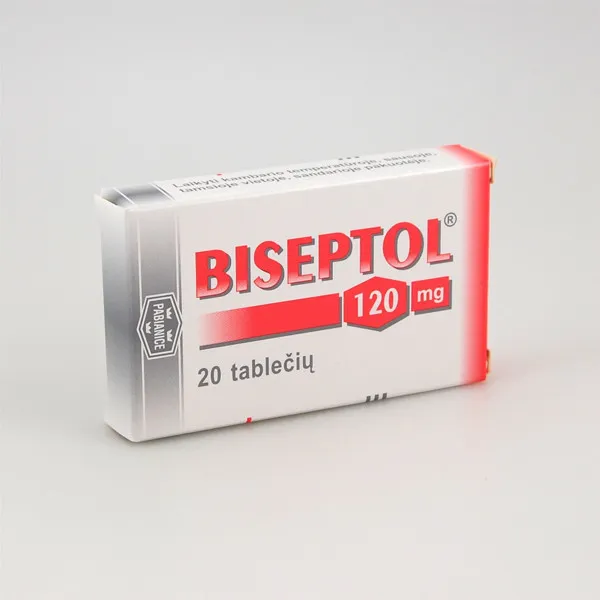
Table of Contents
Package leaflet: Information for the user
Biseptol 120, 100 mg + 20 mg, tablets
Biseptol 480, 400 mg + 80 mg, tablets
Biseptol 960, 800 mg + 160 mg, tablets
Sulfamethoxazole + Trimethoprim
Please read this leaflet carefully before taking this medicine, as it contains
important information for you.
- Keep this leaflet. You may need to read it again.
- If you have any further questions, please consult your doctor, pharmacist, or nurse.
- This medicine has been prescribed for a specific individual. Do not pass it on to others. It may harm them even if their symptoms are the same.
- If you experience any adverse reactions, including any not listed in this leaflet, inform your doctor, pharmacist, or nurse. See section 4.
Contents of the leaflet:
- What Biseptol is and what it is used for
- Important information before taking Biseptol
- How to take Biseptol
- Possible side effects
- How to store Biseptol
- Contents of the pack and other information
1. What Biseptol is and what it is used for
Biseptol is an antibacterial medicine containing co-trimoxazole, which consists of two active substances: sulfamethoxazole (a sulfonamide with intermediate duration of action) and trimethoprim, in appropriate proportions.
Both components of the medicine act on the same biochemical pathway, resulting in enhanced antibacterial activity and slower development of bacterial resistance.
Before prescribing this medicine, the doctor will consider the susceptibility of the microorganisms causing the infection and the possibility of adverse reactions occurring. The therapeutic indications are limited to infections caused by microorganisms sensitive to this medicine.
Biseptol should be used to treat or prevent infections only when it has been confirmed or there is a strong suspicion that they are caused by bacteria or other microorganisms sensitive to the active substances of this medicine.
Both components are rapidly absorbed from the gastrointestinal tract; maximum blood concentrations of both components occur within 1–4 hours after oral administration. Both compounds reach therapeutic concentrations in many tissues and body fluids.
Biseptol is indicated for the treatment of adults, adolescents, and children over 6 years of age.
Indications for use
The medicine is used to treat the following bacterial infections:
- Urinary tract infections caused by susceptible strains of bacteria E. coli, Klebsiella spp., Enterobacter spp., Morganella morganii, Proteus mirabilis, and Proteus vulgaris;
- Acute otitis media caused by susceptible strains of bacteria Streptococcus pneumoniae and H. influenzae;
- Exacerbations of chronic bronchitis caused by susceptible strains of bacteria Streptococcus pneumoniae or H. influenzae;
- Gastrointestinal tract infections caused by Shigella bacteria;
- Microbiologically confirmed pneumonia caused by Pneumocystis jirovecii and prevention of infections with this microorganism, particularly in immunocompromised patients (e.g. AIDS);
- Travellers' diarrhoea in adults caused by pathogenic strains of E. coli.
2. Information before using Biseptol
When not to use Biseptol:
- if the patient is allergic to the active substances (sulfamethoxazole or trimethoprim), other sulfonamides, or any of the other ingredients of this medicine (listed in section 6),
- in patients diagnosed with parenchymal liver damage,
- in patients with severe renal impairment, with creatinine clearance <15 mL/min (see section 3),
- in patients with megaloblastic anaemia (reduced number of red blood cells) caused by folic acid deficiency,
- in patients taking dofetilide,
- in children under 2 months of age (risk of kernicterus).
Warnings and precautions
Below are situations in which special caution should be exercised when using Biseptol.
- If the patient develops a rash, sore throat, fever, joint pain, cough, dyspnoea, jaundice, or other severe adverse reactions, treatment should be stopped immediately.
- If the patient suffers from severe allergies or bronchial asthma.
- If the patient has porphyria or thyroid dysfunction.
If the patient develops worsening cough and dyspnoea, inform the doctor immediately.
Increased risk of severe adverse reactions occurs in:
- elderly patients,
- patients with other concomitant diseases such as renal or hepatic dysfunction,
- patients taking other medicines simultaneously,
- patients with malabsorption syndrome or malnutrition,
- patients with AIDS (see section 4),
- patients who abuse alcohol.
Potentially life-threatening skin rashes (Stevens-Johnson syndrome, toxic epidermal necrolysis) have been reported during treatment with Biseptol. These appear on the trunk as reddish blisters or round spots, often with centrally located blisters.
Additional symptoms may include oral, pharyngeal, nasal, or genital ulceration, and conjunctivitis (red, swollen eyes).
Potentially life-threatening skin rashes are often accompanied by influenza-like symptoms.
The rash may progress to extensive blistering or skin peeling.
The highest risk of severe skin reactions occurs during the first weeks of treatment.
If the patient has experienced Stevens-Johnson syndrome or toxic epidermal necrolysis while taking Biseptol, the patient must never take Biseptol again.
If the patient develops a rash or skin symptoms, contact a doctor immediately and inform them that the patient is taking Biseptol.
Haemophagocytic lymphohistiocytosis
Very rarely, severe immunological reactions due to dysregulated activation of white blood cells have occurred, leading to inflammatory conditions (haemophagocytic lymphohistiocytosis), which may be life-threatening if not diagnosed and treated early. If multiple symptoms such as fever, lymph node swelling, weakness, dizziness, dyspnoea, cyanosis, or skin rash occur simultaneously or with slight delay, contact a doctor immediately.
Effect on the kidneys
Sulfonamides, including Biseptol, may increase urine output, particularly in patients with cardiac oedema.
The doctor should carefully monitor serum potassium levels and kidney function in patients:
- receiving high doses of Biseptol used in the treatment of Pneumocystis jirovecii pneumonia,
- receiving the usual recommended dose of Biseptol who have potassium metabolism disorders or renal impairment,
- who are taking medicines that cause high blood potassium levels (see “Biseptol with other medicines” below).
Long-term treatment
During prolonged treatment with Biseptol, the doctor will recommend regular blood, urine, and kidney function tests. Adequate fluid intake should be maintained during treatment. If the patient has folic acid deficiency, adverse blood-related symptoms may occur. These resolve with folic acid supplementation. Biseptol should not be used in patients with G6PD enzyme deficiency, except under absolute necessity. In such cases, only the minimal dose should be used.
Use of Biseptol in patients with renal impairment
In patients with renal impairment, the doctor will adjust the dose according to test results (creatinine clearance); see section 3.
Use of Biseptol in patients with hepatic impairment
The medicine should be used with caution. The doctor will order more frequent blood tests.
Use in elderly patients
The medicine should be used with caution due to increased risk of severe adverse reactions – see section 3.
Use in patients with folate deficiency
In patients with folic acid deficiency (elderly patients, those with pre-existing folic acid deficiency, or those with renal impairment), blood-related adverse effects occur more frequently. These resolve with folic acid supplementation. The doctor will order periodic blood tests.
Children and adolescents
Children under 6 years of age: tablets are not recommended due to choking risk; for younger children under 6 years, suspension formulations are available.
Biseptol is contraindicated in infants under 2 months of age.
Biseptol with other medicines
Inform the doctor about all medicines currently or recently taken, as well as any medicines the patient plans to take. The doctor will decide whether to continue, modify, or monitor treatment effects. This particularly concerns medicines containing:
- amantadine (used in treating neurological disorders such as Parkinson’s disease and has antiviral activity); patients taking amantadine may be at increased risk of neurological adverse events such as delirium and myoclonus.
- cyclosporine (an immunosuppressant); transient worsening of kidney function has been observed in kidney transplant patients treated with co-trimoxazole and cyclosporine.
- dapsone (an antibacterial agent); if concomitant use is necessary, monitor for methaemoglobinaemia (abnormal form of haemoglobin in blood).
- digoxin (used in treating heart failure and certain cardiac arrhythmias); serum digoxin levels should be monitored, especially in elderly patients.
- oral antidiabetic medicines; the patient should monitor blood glucose levels more frequently. Dose adjustments of oral antidiabetics may be necessary during and after Biseptol treatment.
- phenytoin (an anticonvulsant used to prevent and treat epileptic seizures); patients receiving phenytoin should be monitored for signs of phenytoin toxicity.
- clozapine (used in treating psychiatric disorders).
- coumarins (warfarin, acenocoumarol, phenprocoumon) and other oral anticoagulants (medicines that inhibit blood clotting); blood clotting should be monitored in patients receiving coumarins.
- lamivudine (an antiviral agent);
- diuretics, particularly thiazides (used, among others, in treating hypertension, heart failure, chronic kidney disease, liver cirrhosis, and oedema of various origins); in elderly patients taking diuretics, platelet counts should be monitored regularly.
- medicines increasing serum potassium levels (potassium-sparing agents) e.g. angiotensin-converting enzyme inhibitors, angiotensin receptor blockers, potassium-sparing diuretics (spironolactone), and prednisolone (a glucocorticoid with strong anti-inflammatory action);
- memantine (used in psychiatric disorders); patients taking memantine may be at increased risk of neurological adverse events such as delirium and myoclonus.
- methotrexate (an immunosuppressant); Biseptol may increase methotrexate toxicity and cause pancytopenia (reduced number of red and white blood cells and platelets); folic acid or calcium folinate should be administered to elderly patients, those with hypoalbuminaemia, impaired renal function, reduced bone marrow reserve, or those receiving high-dose methotrexate.
- pyrimethamine (an antiparasitic agent); megaloblastic anaemia has been occasionally reported in patients receiving pyrimethamine for malaria prophylaxis at doses exceeding 25 mg per week and taking co-trimoxazole concurrently.
- sulfonylurea derivatives (used in diabetes treatment) (including glibenclamide, glipizide, glimepiride, chlorpropamide, and tolbutamide); patients should be monitored regularly for hypoglycaemia.
- repaglinide, rosiglitazone, or pioglitazone (oral antidiabetic agents that lower blood glucose levels); patients receiving repaglinide, rosiglitazone, or pioglitazone should be monitored regularly for hypoglycaemia. If the patient is taking any of the above medicines, the doctor will decide whether the patient can take Biseptol concurrently.
Concomitant use of Biseptol with medicines containing:
- amiodarone (an antiarrhythmic agent),
- paclitaxel (an anticancer agent)
is not recommended. Concomitant use of Biseptol with medicines containing dofetilide (an antiarrhythmic agent) is contraindicated.
The frequency and severity of adverse reactions such as bone marrow cell damage and drug-induced kidney injury may increase if Biseptol is administered simultaneously with other medicines known to reduce bone marrow cell count or cause kidney damage, such as nucleoside analogues (used in anticancer and antiviral therapy), tacrolimus (used to prevent transplant rejection), azathioprine (an immunosuppressant), or mercaptopurine (an anticancer and immunosuppressant agent).
Effect on laboratory test results:
- Trimethoprim may interfere with enzymatic serum methotrexate assays.
- Co-trimoxazole may falsely elevate creatinine levels by approximately 10% in the alkaline picrate (Jaffe) test.
Use of Biseptol with food and drink
The medicine is taken orally during or immediately after meals. Adequate fluid intake is recommended during treatment.
Pregnancy, breastfeeding, and fertility
If the patient is pregnant, breastfeeding, suspects she may be pregnant, or plans to become pregnant, she should consult a doctor or pharmacist before using this medicine.
Pregnancy:
The doctor will consider whether to use Biseptol in pregnant or breastfeeding women.
There is no conclusive evidence of fetal malformation risk in women treated with co-trimoxazole during early pregnancy. However, an increased risk of spontaneous abortion has been observed in women who took trimethoprim or trimethoprim in combination with sulfamethoxazole during the first trimester of pregnancy. Animal studies indicate that very high doses of co-trimoxazole may cause fetal malformations typical of substances that reduce folic acid levels.
Biseptol may be used during pregnancy only if, in the doctor’s opinion, the expected benefits outweigh the potential risks to the fetus. In such cases, pregnant women or women planning pregnancy during Biseptol treatment should be given folic acid 5 mg daily. Whenever possible, Biseptol should be avoided in late pregnancy due to the risk of kernicterus in the newborn.
Breastfeeding:
Both trimethoprim and sulfamethoxazole pass into human milk; therefore, the doctor must weigh the risk to the infant (kernicterus, hypersensitivity) against the expected therapeutic benefits for the mother.
Biseptol is not recommended during breastfeeding.
Fertility
No data are available on the effect on fertility.
Driving and operating machinery
No data are available on the effect of the medicine on the ability to drive or operate machinery.
Biseptol 960 contains sodium.
The medicine contains less than 1 mmol (23 mg) of sodium per tablet, meaning it is considered "sodium-free".
3. How to use Biseptol
This medicine should always be taken as directed by the physician. In case of doubts, consult your doctor.
Biseptol is administered orally. It is best to take it after a meal with an adequate amount of fluid.
Do not divide the tablets.
Urinary tract infections, gastrointestinal tract infections caused by Shigella bacteria, and acute exacerbation of chronic bronchitis in adults and adolescents (over 12 years of age):
The usual dose is 960 mg of co-trimoxazole (8 tablets of Biseptol 120, or 2 tablets of Biseptol 480, or 1 tablet of Biseptol 960) orally, twice daily.
For urinary tract infections, the treatment usually lasts 10–14 days; for acute exacerbation of chronic bronchitis – 14 days; for gastrointestinal tract infections caused by Shigella – 5 days.
Urinary tract infections, gastrointestinal tract infections caused by Shigella, and acute otitis media in children:
The usual dose is 6 mg trimethoprim and 30 mg sulfamethoxazole/kg body weight per day, given in two divided doses every 12 hours.
The average dose for children aged 6–12 years is 480 mg of co-trimoxazole every 12 hours.
Do not administer a dose higher than that used in adults.
For urinary tract infections and acute otitis media, the treatment usually lasts 10 days; for gastrointestinal tract infections caused by Shigella – 5 days.
Pneumonia caused by Pneumocystis jirovecii in adults and children:
The recommended dose for patients with documented infection is 90–120 mg co-trimoxazole/kg body weight/day, given in divided doses every 6 hours for 21 days.
Table 1. Maximum doses of Biseptol product depending on patient body weight with pneumonia caused by Pneumocystis jirovecii.
| Body weight [kg] | Dose administered every 6 hours [mg trimethoprim-sulfamethoxazole] |
| 16 24 32 40 48 64 80 | 480 720 960 1200 1440 1920 2400 |
Prevention of Pneumocystis jirovecii infections:
Adults and adolescents: 960 mg of co-trimoxazole (8 tablets of Biseptol 120 or 2 tablets of Biseptol 480 or
1 tablet of Biseptol 960) once daily for 7 days. In case of poor drug tolerance, the daily dose may be
reduced to 480 mg.
Children: 900 mg of co-trimoxazole/m²/day, given in 2 equal doses every 12 hours for 3 consecutive days per week.
Table 2. Recommended doses of Biseptol in children for prophylaxis of Pneumocystis jirovecii-induced pneumonia
| Body surface area [m2] | Dose administered every 12 hours [mg co-trimoxazole] |
| 0.53 1.06 | 240 480 |
The maximum daily dose is 1920 mg (4 tablets of Biseptol 480 or 2 tablets of Biseptol 960).
Traveler's diarrhea in adults caused by pathogenic strains of E. coli:
The recommended dose is 960 mg (8 tablets of Biseptol 120 or 2 tablets of Biseptol 480 or 1 tablet of Biseptol 960) every 12 hours.
Dosing in patients with renal impairment:
Recommended dosing regimen in patients with renal impairment:
Creatinine clearance > 30 mL/min: standard dosing.
Creatinine clearance 15–30 mL/min: half the standard dose.
Creatinine clearance < 15 mL/min: Biseptol must not be used (see section 2).
Dosing in patients undergoing dialysis:
Patients undergoing hemodialysis should initially receive the normal loading dose of the drug, followed by an additional half dose after each hemodialysis session.
Peritoneal dialysis results in minimal drug elimination. The use of Biseptol is not recommended in patients undergoing peritoneal dialysis.
Dosing in elderly patients:
In elderly patients with normal renal function, doses should be the same as those recommended for adults.
Use in children:
Children under 6 years of age: tablets are not recommended due to the risk of choking; for younger children under 6 years of age, suspension formulations are available.
Biseptol is contraindicated in infants under 2 months of age (see section 2).
Use of a higher than recommended dose of Biseptol:
If a higher than recommended dose of the drug is taken, seek immediate medical advice from a doctor or pharmacist or go directly to a hospital.
Take the medicine packaging with you.
After taking a higher than recommended dose, symptoms such as nausea, vomiting, dizziness and headache, fever, drowsiness, loss of consciousness, confusion (disturbances in consciousness), presence of blood or crystals in urine may occur. In severe overdose – nausea, vomiting, dizziness, headache, depression, disturbances in consciousness, bone marrow suppression. In cases of prolonged trimethoprim overdose, bone marrow suppression may develop, manifesting as thrombocytopenia (low platelet count) or leukopenia (low white blood cell count), as well as other blood abnormalities resulting from folic acid deficiency.
Missed dose of Biseptol:
Take the missed dose as soon as possible.
Do not take a double dose to make up for a missed dose.
If you have any further doubts regarding the use of this medicine, consult your doctor.
4. Possible adverse reactions
Like all medicines, this medicine can cause adverse reactions, although not everyone experiences them.
Treatment with Biseptol must be stopped immediately and the doctor must be informed if the patient experiences:
- anaphylactic reactions (severe, potentially life-threatening generalized or systemic hypersensitivity reactions),
- angioedema (swelling which may affect the face and throat, sometimes causing life-threatening breathing difficulties),
- skin and subcutaneous tissue disorders: cases of Stevens-Johnson syndrome, toxic epidermal necrolysis, and drug rash with eosinophilia and systemic symptoms (see section 2 – Warnings and precautions),
- pseudomembranous colitis (see section 2 – Warnings and precautions),
- serum sickness-like syndrome (skin reactions, muscle and joint pain, fever), allergic myocarditis, Henoch-Schoenlein purpura (necrotizing vasculitis of small vessels),
- respiratory, thoracic and mediastinal disorders: dyspnea, cough, pulmonary infiltrates,
- hepatitis, sometimes with cholestatic jaundice or hepatic necrosis.
All of the above adverse reactions occur very rarely.
Severe adverse reactions
If the patient develops multiple symptoms simultaneously after taking this medicine, such as fever, very low blood pressure, or increased heart rate, immediate medical attention at an emergency department is required, as these may be symptoms of shock.
Other adverse reactions
Common adverse reactions (occurring in fewer than 1 in 10 patients but more than 1 in 100 patients) are:
- skin changes: rash, urticaria, pruritus,
- gastrointestinal disorders: nausea with or without vomiting,
- increased potassium levels in blood (when high doses are used).
Uncommon adverse reactions (occurring in fewer than 1 in 100 patients but more than 1 in 1000 patients) are:
- fungal infections, e.g. candidiasis.
Rare adverse reactions (occurring in fewer than 1 in 1000 patients but more than 1 in 10,000 patients) are:
- immune system disorders: polyarteritis nodosa,
- gastrointestinal disorders: abdominal pain, glossitis, stomatitis, diarrhea,
- skin disorders: photosensitivity, exfoliative dermatitis, erythema multiforme,
- renal and urinary disorders: increased urinary output,
- metabolism and nutrition disorders: decreased serum glucose concentration (hypoglycemia).
Very rare possible adverse reactions (occurring in fewer than 1 in 10,000 patients) are:
- blood and lymphatic system disorders: decreased white blood cell count (leukopenia), decreased platelet count (thrombocytopenia), marked decrease or complete absence of granulocytes (agranulocytosis), anemia (aplastic, hemolytic or megaloblastic), abnormal hemoglobin structure (methemoglobinemia), decreased prothrombin levels (hypoprothrombinemia), increased eosinophil count (eosinophilia), decreased neutrophil count (neutropenia),
- immune system disorders: drug fever, lupus-like syndrome, chills, hypersensitivity reactions affecting the respiratory system, conjunctival and scleral hyperemia,
- metabolism and nutrition disorders: increased potassium concentration in serum (hyperkalemia), decreased sodium concentration in serum (hyponatremia), loss of appetite, metabolic acidosis,
- psychiatric and nervous system disorders: apathy, aseptic meningitis, ataxia, chills, depression, fatigue, hallucinations, headache, insomnia, nervousness, peripheral neuropathy, seizures, dizziness, tinnitus,
- eye disorders: uveitis,
- gastrointestinal disorders: pancreatitis, laryngitis,
- hepatic and biliary disorders: increased aminotransferase enzyme activity, hyperbilirubinemia,
- musculoskeletal and connective tissue disorders: joint pain, muscle pain,
- renal and urinary disorders: crystalluria, renal failure, interstitial nephritis, toxic nephrotic syndrome with oliguria or anuria, increased blood urea nitrogen, increased serum creatinine concentration.
Frequency unknown (frequency cannot be estimated from available data):
- painful, raised, purple-colored skin lesions appearing on the limbs, and sometimes on the face and neck, accompanied by fever (Sweet's syndrome).
Others
Weakness, feeling of fatigue, insomnia.
Other adverse reactions may occur in some individuals during treatment with Biseptol. In patients with AIDS, the frequency of adverse reactions appears to be increased (see section 2 – Warnings and precautions).
Reporting of adverse reactions
If any adverse reactions occur, including any not listed in this leaflet, the patient should inform their doctor or pharmacist. Adverse reactions can be reported directly to the Department of Monitoring Adverse Drug Reactions of the Office for Registration of Medicinal Products, Medical Devices and Biocidal Products:
Al. Jerozolimskie 181 C,
02-222 Warsaw,
Tel.: + 48 22 49 21 301,
Fax: + 48 22 49 21 309,
Website: https://smz.ezdrowie.gov.pl
Adverse reactions can also be reported to the marketing authorization holder.
Reporting adverse reactions helps to provide more information on the safety of the medicine.
5. How to store Biseptol
Keep the medicine out of the sight and reach of children.
Store below 25°C.
Do not use Biseptol after the expiry date stated on the packaging.
Medicines must not be disposed of via wastewater or household waste. Ask your pharmacist how to dispose of medicines no longer required. This will help protect the environment.
6. Contents of the pack and other information
What Biseptol contains
The active substances in Biseptol are sulfamethoxazole and trimethoprim.
One Biseptol 120 tablet contains 100 mg of sulfamethoxazole and 20 mg of trimethoprim.
Other ingredients: potato starch, talc, magnesium stearate, polyvinyl alcohol.
One Biseptol 480 tablet contains 400 mg of sulfamethoxazole and 80 mg of trimethoprim.
Other ingredients: potato starch, talc, magnesium stearate, polyvinyl alcohol.
One Biseptol 960 tablet contains 800 mg of sulfamethoxazole and 160 mg of trimethoprim.
Other ingredients: potato starch, talc, magnesium stearate, sodium carboxymethyl starch (type A), polyvinyl alcohol.
What Biseptol looks like and contents of the pack
Biseptol 120 – white tablets with a yellowish tint, round, flat on both sides with bevelled edges, engraved on one side with the letters "Bs".
Tablets are packed 20 per blister in PVC/Aluminum foil or in glass vials closed with a stopper. The blister or vial is placed in a cardboard carton.
Biseptol 480 – white tablets with a yellowish tint, round, flat on both sides with bevelled edges, engraved on one side with the symbol "-", above which are the letters "Bs".
Tablets are packed 20 per blister in PVC/Aluminum foil. The blister is placed in a cardboard carton.
Biseptol 960 – white tablets with a yellowish tint, round, flat on both sides, engraved on one side with the symbol "-".
Tablets are packed 10 per blister in PVC/Aluminum foil or in polyethylene containers closed with a cap. The blister or polyethylene container is placed in a cardboard carton.
Marketing Authorisation Holder and Manufacturer
Adamed Pharma S.A.
Pieńków, ul. M. Adamkiewicza 6A
05-152 Czosnów
Tel.: +48 22 732 77 00