Bioxetin
Poland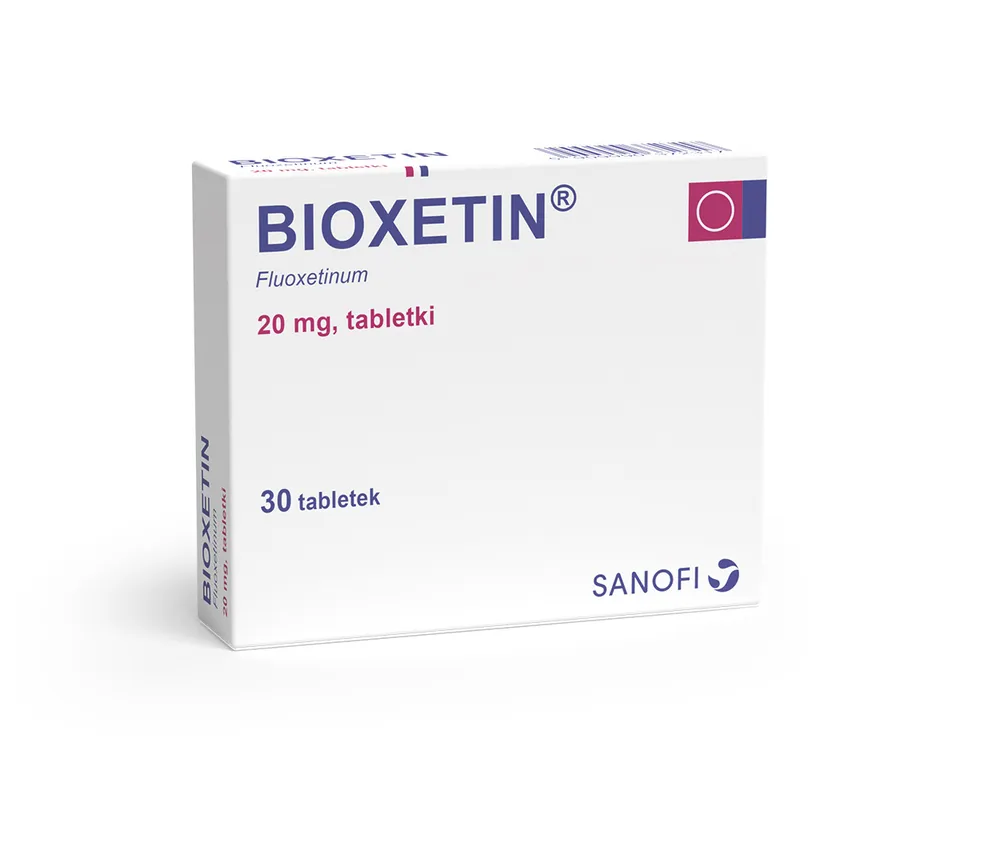
Table of Contents
Package leaflet: Information for the patient
BIOXETIN, 20 mg, tablets
Fluoxetinum
Please read the following leaflet carefully before using this medicine, as it contains
important information for the patient.
- Keep this leaflet, as you may need to read it again.
- If you have any questions, please consult your doctor or pharmacist.
- This medicine has been prescribed for a specific individual. Do not pass it on to others. The medicine may harm another person, even if their symptoms are the same.
- If you experience any adverse reactions, including those not listed in this leaflet, inform your doctor or pharmacist. See section 4.
Contents of the leaflet:
- What is Bioxetin and what it is used for
- Important information before taking Bioxetin
- How to take Bioxetin
- Possible side effects
- How to store Bioxetin
- Contents of the pack and other information
1. What is Bioxetin and what it is used for
Bioxetin is available as tablets and contains fluoxetine as the active substance.
Bioxetin belongs to a group of antidepressant medicines known as selective serotonin reuptake inhibitors (SSRIs).
Bioxetin is indicated for the treatment of:
In adults:
- major depressive episodes,
- obsessive-compulsive disorder,
- bulimia (psychogenic binge eating): Bioxetin is used in combination with psychotherapy to reduce the frequency of bulimic episodes, vomiting after eating, or use of laxatives.
In children aged 8 years and older and adolescents:
- moderate to severe depression, when no improvement is observed after 4–6 sessions of psychotherapy. Bioxetin may be prescribed to children and adolescents with moderate or severe depression only in combination with psychotherapy.
2. Important information before using Bioxetin
When not to use Bioxetin:
- if the patient is allergic (hypersensitive) to fluoxetine or any of the other ingredients of this medicine (listed in section 6). Allergic reactions may include rash, itching, swelling of the face or lips, or shortness of breath.
- if the patient is taking antidepressant medicines known as irreversible, non-selective monoamine oxidase inhibitors (MAOIs) (e.g. iproniazid), as this may lead to severe or even life-threatening adverse effects.
- if the patient is taking metoprolol (a medicine used in the treatment of heart failure)
Fluoxetine treatment must not be started earlier than 2 weeks after discontinuation of
irreversible MAO inhibitors (e.g. iproniazid), due to their prolonged effect lasting up to
2 weeks.
Fluoxetine treatment may be started the next day after stopping reversible
MAO-A inhibitors (e.g. moclobemide, linezolid).
Irreversible, non-selective monoamine oxidase inhibitors (MAOIs) should not be used
for at least 5 weeks after stopping Bioxetin. If Bioxetin has been used for a long period and/or at high doses, the doctor should consider a longer washout period before starting MAOI therapy.
Examples of MAO inhibitors include: nialamide, iproniazid, selegiline,
moclobemide, phenelzine, tranylcypromine, isocarboxazid and toloxatone.
Warnings and precautions
Before starting Bioxetin, discuss the following with your doctor:
- if a rash or other allergic reactions occur (e.g. itching, swelling of lips or face, or shortness of breath); stop taking the medicine immediately and contact your doctor without delay.
- if epilepsy has been diagnosed or there has been a history of seizures; if a seizure (fit) occurs or seizure frequency increases, contact your doctor immediately, as it may be necessary to discontinue fluoxetine.
- if manic episodes have occurred in the past; if a manic episode occurs, contact your doctor immediately, as it may be necessary to discontinue fluoxetine.
- if diabetes has been diagnosed; dosage adjustment of insulin or other antidiabetic medicines may be required.
- if liver or kidney function disorders have been diagnosed (dose adjustment of the medicine may be necessary).
- if heart disease has been diagnosed.
- if the patient is taking diuretics, especially in elderly patients.
- if the patient is undergoing electroconvulsive therapy.
- if there has been a history of bleeding, or if bruising or unusual bleeding occurs, or if the patient is pregnant (see "Pregnancy").
- if other medicines affecting blood clotting are being taken (see: "Bioxetin with other medicines").
- if the patient has increased intraocular pressure or is at risk of acute angle-closure glaucoma.
- if fever, muscle stiffness or tremor, or altered mental status (e.g. confusion, agitation, extreme restlessness) occur; these may be signs of serotonin syndrome or neuroleptic malignant syndrome. Although rare, these conditions can be life-threatening; contact your doctor immediately, as discontinuation of fluoxetine may be necessary.
- if the patient suffers from acute or chronic pain or other conditions treated with opioid medicines (tramadol, buprenorphine). Concurrent use of these medicines with Bioxetin may lead to serotonin syndrome (see "Bioxetin with other medicines").
- if suicidal thoughts or self-harming behaviour occur (see section 4. "Possible side effects").
- medicines such as fluoxetine (so-called SSRIs - selective serotonin reuptake inhibitors / SNRIs - serotonin and noradrenaline reuptake inhibitors) may cause sexual dysfunction (see section 4). In some cases, these symptoms may persist after stopping treatment.
Use in children and adolescents aged 8 to 18 years
In patients under 18 years of age taking antidepressants of this class, the risk of
suicidal behaviour (suicide attempts and suicidal thoughts) and hostility (mainly aggression,
defiant behaviour and anger) is increased.
Bioxetin may be used in children and adolescents aged 8 to 18 years for the treatment of
moderate to severe depressive episodes (in combination with psychotherapy), but should not be used for other indications.
Long-term safety data on the use of fluoxetine in this age group, including effects on growth, sexual maturation, cognitive, emotional and behavioural development, are limited. Nevertheless, a doctor may prescribe Bioxetin to patients under 18 years of age for the treatment of moderate to severe major depressive episodes, in combination with psychotherapy, if considered beneficial for their health. If Bioxetin has been prescribed to a patient under 18 years of age and the patient has any doubts, they should consult the prescribing doctor. If any of the symptoms listed above occur or worsen during treatment with Bioxetin in patients under 18 years of age, the doctor should be informed immediately.
Bioxetin should not be used in children under 8 years of age.
Bioxetin with other medicines
Inform your doctor or pharmacist about all medicines currently or recently taken, as well as any medicines you plan to take. This medicine may affect the action of other medicines (interactions).
Do not take the following while being treated with Bioxetin:
- irreversible, non-selective monoamine oxidase inhibitors (MAOIs) (used to treat depression, e.g. iproniazid). Concomitant use of non-selective MAOIs with Bioxetin should be avoided, as this may lead to severe or even life-threatening adverse effects (serotonin syndrome) (see section: "When not to use Bioxetin").
- metoprolol used in heart failure
Concomitant use of the following medicines with Bioxetin is not recommended:
- tamoxifen (a medicine used in the treatment of breast cancer)
- MAO-A inhibitors (linezolid, methylene blue chloride, moclobemide); these medicines may be used concomitantly with Bioxetin only under strict medical supervision
- mequitazine (an antiallergic medicine)
Use caution when taking the following medicines concomitantly with Bioxetin:
-
phenytoin (an antiepileptic medicine); Bioxetin may affect blood levels of phenytoin, so greater caution may be required when initiating phenytoin treatment, and more frequent monitoring may be necessary when phenytoin is used with Bioxetin
-
lithium, tryptophan, opioid medicines (buprenorphine, tramadol), selegiline, triptans (migraine medicines), MAO-B inhibitors, St. John's wort (Hypericum perforatum); the risk of serotonin syndrome is increased when these medicines are used concomitantly with Bioxetin. More frequent monitoring is required when fluoxetine and lithium are used together.
-
clozapine (a medicine used in certain psychiatric disorders); increased risk of hypertension.
-
flecainide, propafenone, nebivolol or encainide (medicines used in heart conditions), atomoxetine (a medicine used, e.g., in the treatment of attention deficit hyperactivity disorder, ADHD), carbamazepine (an antiepileptic medicine), tricyclic antidepressants (e.g. imipramine, desipramine and amitriptyline), risperidone (an antipsychotic medicine), antiarrhythmic medicines of classes IA and III, antipsychotic medicines (e.g. phenothiazine derivatives, pimozide, haloperidol), certain antimicrobial agents (e.g. sparfloxacin, moxifloxacin, intravenous erythromycin, pentamidine), antimalarial medicines, especially halofantrine, certain antihistamines (astemizole, mizolastine); Bioxetin may affect the action of these medicines.
-
warfarin or other anticoagulants (including acetylsalicylic acid and non-steroidal anti-inflammatory drugs); Bioxetin may affect the action of these medicines. If starting or stopping Bioxetin while on warfarin therapy, the doctor may recommend specific tests.
-
cyproheptadine; as it may reduce the antidepressant effect of Bioxetin
-
medicines that cause hyponatraemia (medicines that lower blood sodium levels), such as diuretics, desmopressin, carbamazepine and oxcarbazepine
-
medicines that lower the seizure threshold, such as tricyclic antidepressants, other SSRIs, phenothiazines, butyrophenones, mefloquine, chloroquine, bupropion, tramadol
Bioxetin with food, drink and alcohol
Bioxetin may be taken with or without food.
Do not drink alcohol during treatment.
Pregnancy, breastfeeding and fertility
Before taking any medicine, consult your doctor or pharmacist.
Pregnancy
If you are pregnant, breastfeeding, think you may be pregnant, or are planning to have a
child, you should consult your doctor or pharmacist before taking this medicine.
In children of mothers who took fluoxetine during the first months of pregnancy, the risk of
congenital malformations, particularly heart defects, is increased. In the general population, about 1 in 100 children is born with a heart defect. This risk increases to about 2 in 100 children in mothers who took fluoxetine. Discuss with your doctor whether fluoxetine should be discontinued if pregnancy occurs. However, in certain cases, the doctor may decide that continuing fluoxetine treatment is preferable.
Inform your doctor and/or midwife about taking Bioxetin. Taking medicines such as Bioxetin during pregnancy, especially during the last three months, may increase the risk of serious complications in the newborn, known as persistent pulmonary hypertension of the newborn (PPHN). This condition is characterised by rapid breathing and cyanosis and usually appears within the first day after birth. If such symptoms occur in the newborn, contact your doctor and/or midwife immediately.
Caution should be exercised when using Bioxetin in pregnant women, especially during the third trimester or shortly before delivery, as symptoms such as irritability, tremor, muscle weakness, persistent crying, feeding or sleeping difficulties have been reported in newborns.
Taking Bioxetin late in pregnancy may increase the risk of severe vaginal bleeding shortly after delivery, particularly if the patient has a history of blood clotting disorders. If the patient is taking Bioxetin, she should inform her doctor or midwife so appropriate advice can be provided.
Breastfeeding
Fluoxetine passes into human milk and may cause adverse effects in the infant.
Breastfeeding during treatment should only be considered if absolutely necessary. In breastfeeding women, a lower dose of fluoxetine may be recommended.
Fertility
Animal studies have shown that fluoxetine reduces sperm quality. Although this may affect fertility, no effect on human fertility has been observed to date.
Driving and operating machinery
Although Bioxetin has no effect or negligible effect on the ability to drive and operate machinery, patients should avoid driving and operating machinery.
While fluoxetine has not shown effects on psychomotor performance in healthy volunteers, many centrally acting medicines may impair psychomotor function.
Bioxetin contains sodium
This medicine contains less than 1 mmol (23 mg) of sodium per tablet, i.e. it is considered "sodium-free".
3. How to use Bioxetin
Bioxetin must always be used as directed by a physician or pharmacist. If in doubt, consult your doctor or pharmacist.
Recommended dose:
Major depressive episodes:
The recommended dose is 20 mg once daily. If necessary, after re-evaluation of dosing, your doctor may adjust the dose 3 to 4 weeks after starting treatment, and later if clinically appropriate. If needed, the dose may be gradually increased, up to a maximum of 60 mg once daily. Dose increases should be made cautiously so that the patient receives the lowest effective dose. Initial treatment effects may take some time to appear. In depression, symptom improvement usually occurs after several weeks of treatment. Patients with depression should continue taking the medicine for at least 6 months to ensure complete remission of symptoms.
Obsessive-compulsive disorder (OCD):
The recommended dose is 20 mg once daily. If necessary, your doctor may adjust the dose after 2 weeks of treatment. If needed, the dose may be gradually increased up to a maximum of 60 mg once daily. If there is no improvement in the patient's condition within 10 weeks, the continued use of Bioxetin should be re-evaluated.
Bulimia nervosa:
The recommended dose is 60 mg once daily.
Depression in children and adolescents aged 8 to 18 years:
Treatment should be initiated and supervised by a specialist. The initial dose is 10 mg once daily. For a 10 mg dose, an appropriate product containing 10 mg of fluoxetine available on the market should be used. The doctor may increase the dose to 20 mg once daily after one or two weeks.
Dose increases should be made cautiously, ensuring that the patient receives the lowest effective dose. Children with lower body weight may require a lower dose. The doctor should consider whether treatment beyond 6 months is necessary. If no improvement occurs, the continued use of the medicine should be reconsidered.
Elderly patients:
In elderly patients, dose increases should be made with great caution. The daily dose should not exceed 40 mg. The maximum dose is 60 mg once daily.
Hepatic impairment:
In patients with impaired liver function or when taking other medicines that may affect fluoxetine's action, the doctor may recommend a lower dose or administration of Bioxetin every other day.
Method of administration
Tablets should be swallowed whole with water.
If you feel that the effect of Bioxetin is too strong or too weak, consult your doctor.
Overdose of Bioxetin
Overdose of fluoxetine may result in the following symptoms: nausea, vomiting, seizures, cardiovascular disturbances ranging from arrhythmias without symptoms to cardiac arrest, respiratory disturbances, and central nervous system disturbances ranging from agitation to coma. Continuous monitoring of cardiac function and vital signs is recommended, along with general symptomatic and supportive treatment. There is no known specific antidote. In case of overdose, seek immediate medical advice from a doctor or pharmacist.
Missed dose of Bioxetin
- If a dose is missed, take the next dose at the usual time the following day. Do not take a double dose to make up for the missed dose.
- Taking the medicine at the same time each day helps to remember to take it.
Discontinuation of Bioxetin
Do not stop taking Bioxetin without consulting your doctor.
It is important to continue treatment without interruption.
- Do not stop treatment without consulting your doctor, even if you feel your health has improved.
- Ensure that you never run out of medicine during ongoing treatment.
After stopping Bioxetin, the following symptoms may occur:
dizziness; sensations of tingling, pricking; sleep disturbances (vivid dreams, nightmares, insomnia);
psychomotor agitation or restlessness; fatigue or weakness; anxiety; nausea or vomiting;
tremor; headache.
In most people, any symptoms after discontinuation of Bioxetin are mild and resolve spontaneously within a few weeks. If any symptoms occur after stopping treatment, contact your doctor.
When discontinuing Bioxetin, your doctor will usually recommend gradually reducing the dose over a period of 1 to 2 weeks to help minimize the risk of withdrawal symptoms.
Consult your doctor or pharmacist if you need further information about Bioxetin.
4. Possible adverse reactions
Like all medicines, Bioxetin can cause adverse reactions, although not everyone experiences them.
- If a rash or allergic reaction occurs, such as itching, swelling of the lips or tongue, whistling breathing, or shortness of breath, treatment with the medicine should be stopped immediately and medical advice should be sought without delay.
- If psychomotor restlessness or an inability to sit still or remain in one place occurs, these may be symptoms of akathisia; increasing the dose of Bioxetin may worsen the condition. In such cases, contact your doctor.
- If skin redness appears, followed by blisters and peeling of the skin, inform your doctor immediately. This reaction is very rare.
- If skin lesions with a concentric pattern resembling a target (bull's eye) appear, these may be symptoms of erythema multiforme.
In some patients the following have occurred:
- several symptoms simultaneously (so-called serotonin syndrome), including unexplained fever with increased respiratory or heart rate, excessive sweating, muscle stiffness or tremor, disorientation, extreme agitation, or drowsiness (rare);
- feelings of weakness, drowsiness, or disorientation – mainly in elderly individuals and elderly patients taking diuretics;
- prolonged and painful erection;
- irritability and extreme agitation.
If any of the above symptoms occur, inform your doctor immediately.
Suicidal thoughts, worsening of depression or anxiety disorders:
Patients with depression or anxiety disorders may sometimes experience thoughts of self-harm or suicide. These symptoms or behaviors may worsen at the beginning of treatment with antidepressants, as these medicines usually take about 2 weeks, or sometimes longer, to start working.
The occurrence of suicidal thoughts, thoughts of self-harm, or suicide attempts is more likely if:
- the patient has previously experienced suicidal thoughts or self-harm;
- the patient is a young adult; clinical trial data indicate an increased risk of suicidal behaviors in individuals under 25 years of age with psychiatric disorders treated with antidepressants.
If a patient experiences suicidal thoughts or thoughts of self-harm, seek immediate medical advice or go to hospital.
It may be helpful to inform family members or friends about the depression or anxiety disorder and ask them to read this leaflet. The patient may ask family or friends for help and request them to inform him or her if they notice worsening depression or anxiety, or concerning changes in behavior.
Adverse reactions are listed below according to the following frequency categories:
Very common (may affect more than 1 in 10 people)
- insomnia (including early morning awakening, difficulty falling asleep, difficulty maintaining sleep after waking),
- headache,
- diarrhoea, nausea,
- fatigue (including weakness).
Common (may affect up to 1 in 10 people)
- decreased appetite (including anorexia),
- anxiety, nervousness, restlessness, tension, decreased libido (including loss of libido), sleep disturbances, unusual dreams (including nightmares),
- difficulty concentrating, dizziness, taste disturbances, lethargy, drowsiness (including excessive drowsiness, sedation), tremor,
- blurred vision,
- palpitations, QT interval prolongation on ECG,
- sudden flushing (including hot flushes),
- yawning,
- vomiting, indigestion, dry mouth,
- rash (including erythema, sweating), urticaria, itching, excessive sweating,
- joint pain,
- frequent urination (including pollakiuria),
- genital bleeding (including irregular menstrual bleeding, heavy or prolonged menstrual bleeding, more frequent menstruation, postmenopausal bleeding, uterine bleeding, vaginal bleeding), erectile dysfunction, ejaculation disorders (including anejaculation, ejaculation disorder, premature ejaculation, delayed ejaculation, retrograde ejaculation),
- feeling of shakiness, chills,
- weight loss.
Uncommon (may affect up to 1 in 100 people)
- depersonalization (feeling of loss of self-identity), elevated mood, euphoria, disturbances in thinking, orgasmic disturbances (including anorgasmia), bruxism (teeth grinding), suicidal thoughts and behaviors (including suicide attempts resulting in death, depression with suicidal thoughts, deliberate self-harm, thoughts of self-harm or suicide). These symptoms may be caused by the underlying disease,
- increased psychomotor activity, dyskinesias (involuntary, uncoordinated movements of limbs or the whole body), ataxia (impaired coordination of body movements), balance disturbances, seizures, memory disturbances,
- dilated pupils,
- tinnitus,
- hypotension,
- dyspnea (shortness of breath), nosebleeds,
- dysphagia (difficulty swallowing), gastrointestinal bleeding (most commonly bleeding from gums, vomiting blood, blood in stool, rectal bleeding, bloody diarrhoea, tarry stools, bleeding from gastric ulcers),
- alopecia, increased tendency to bruising, cold sweats,
- muscle twitching,
- dysuria (painful urination),
- disturbances in sexual function,
- malaise, altered well-being, feeling cold, feeling hot,
- increased liver enzyme activity.
Rare (may affect up to 1 in 1000 people)
- changes in blood count – decreased platelets, neutrophils, leukocytes,
- anaphylactic reactions (immediate-type allergic reactions occurring after re-exposure to an allergen), serum sickness,
- inappropriate antidiuretic hormone secretion,
- hyponatremia (low sodium levels in blood),
- hypomania, mania, hallucinations, agitation, panic attacks, confusion, stuttering, aggression,
- seizures, akathisia (symptoms include motor restlessness, anxiety, irritability, restlessness), involuntary uncoordinated movements of cheeks and tongue, serotonin syndrome,
- ventricular arrhythmias including torsade de pointes,
- vasculitis, blood vessel dilation,
- pharyngitis, pulmonary tissue disorders (various inflammatory processes and/or lung fibrosis including non-cardiogenic pulmonary edema, interstitial lung disease, interstitial pneumonia),
- oesophageal pain,
- hepatitis,
- angioedema (swelling of the skin or mucous membranes or severe allergic reaction causing swelling of the face or throat that may impair breathing), petechiae, photosensitivity, purpura, erythema multiforme (skin hypersensitivity syndrome) of varying severity, Stevens-Johnson syndrome, toxic epidermal necrolysis (Lyell's syndrome),
- muscle pain,
- urinary retention, disturbances in urination,
- galactorrhea, hyperprolactinemia (elevated blood prolactin levels), priapism (prolonged, painful penile erection),
- mucosal bleeding.
Not known (frequency cannot be estimated from available data)
- severe vaginal bleeding occurring shortly after childbirth (postpartum haemorrhage); see additional information in subsection Pregnancy in section 2.
In patients over 50 years of age taking serotonin reuptake inhibitors and tricyclic antidepressants, there is an increased risk of bone fractures.
Additional adverse reactions in children and adolescents
In children and adolescents taking antidepressants, suicidal behaviors (suicide attempts and suicidal thoughts), hostility (reported symptoms include anger, irritability, aggression, psychomotor agitation, hyperactivity), manic states including mania and hypomania, and nosebleeds have been reported.
In children and adolescents taking fluoxetine, isolated cases of growth delay and adverse reactions suggesting potential delay in sexual maturation or disturbances in sexual function have been reported.
In clinical trials involving children, fluoxetine treatment was associated with decreased alkaline phosphatase activity.
Reporting of adverse reactions
If any adverse reactions occur, including any adverse reactions not listed in this leaflet, inform your doctor or pharmacist. Adverse reactions can be reported directly to the Department of Monitoring Adverse Drug Reactions, Office for Registration of Medicinal Products, Medical Devices and Biocidal Products
Al. Jerozolimskie 181C, 02-222 Warsaw
Tel.: +48 22 49 21 301
Fax: +48 22 49 21 309
Website: https://smz.ezdrowie.gov.pl
Adverse reactions can also be reported to the marketing authorization holder.
Reporting adverse reactions helps provide more information on the safety of the medicine.
5. How to store the medicine Bioxetin
Keep the medicine out of sight and reach of children.
Do not use this medicine after the expiry date stated on the packaging. The expiry date refers to the last day of the stated month.
No special storage instructions. Medicines must not be disposed of via wastewater or household waste. Ask your pharmacist how to properly dispose of medicines no longer in use. This will help protect the environment.
6. Contents of the packaging and other information
What Bioxetin contains
- The active substance is fluoxetine. Each tablet contains 20 mg of fluoxetine (in the form of fluoxetine hydrochloride).
- The other ingredients are: microcrystalline cellulose, sodium carboxymethyl starch, magnesium stearate.
What Bioxetin looks like and contents of the pack
Round, biconvex tablets with bevelled edges, 5.8 – 6.2 mm in diameter.
Free from spots, stains and cracks, white or almost white in colour.
1 pack contains 30 or 100 tablets.
Marketing Authorisation Holder and Manufacturer
Marketing Authorisation Holder:
neuraxpharm Arzneimittel GmbH
Elisabeth-Selbert Str. 23
40764 Langenfeld
Germany
Manufacturer:
Opella Healthcare Poland Sp. z o.o.
Branch in Rzeszów
ul. Lubelska 52
35-233 Rzeszów
Poland
For further information about this medicinal product, please contact the local representative of the Marketing Authorisation Holder:
Neuraxpharm Polska Sp. z o.o.
ul. Poleczki 35
02-822 Warszawa
[email protected]