Betoptic s
Poland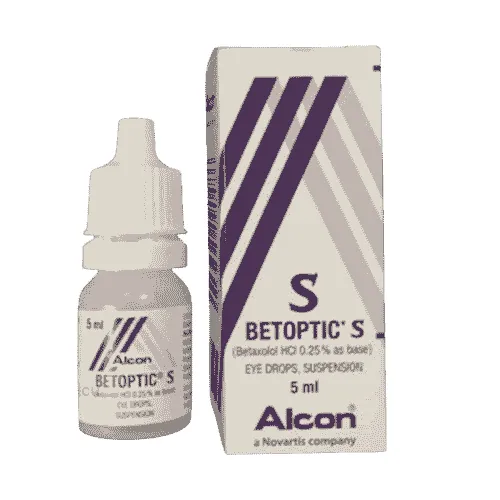
Table of Contents
Patient Information Leaflet: Instructions for the User
BETOPTIC S
2.5 mg/ml, eye drops, suspension
Betaxololum
Please read this leaflet carefully before using this medicine, as it contains
important information for you.
- Keep this leaflet so that you can read it again if necessary.
- If you have any questions, please consult your doctor or pharmacist.
- This medicine has been prescribed for a specific individual. Do not give it to others. This medicine may harm other people, even if their symptoms are the same.
- If you experience any side effects, including any not listed in this leaflet, tell your doctor or pharmacist. See section 4.
Table of contents:
- What Betoptic S is and what it is used for
- Important information before using Betoptic S
- How to use Betoptic S
- Possible side effects
- How to store Betoptic S
- Contents of the pack and other information
1. What Betoptic S is and what it is used for
Betoptic S is used to treat elevated intraocular pressure in patients with chronic open-angle glaucoma or ocular hypertension.
Elevated intraocular pressure
The eyes contain a clear fluid that nourishes the interior of the eye. This fluid drains gradually from the eye and is replaced by newly produced fluid. When the production of new fluid exceeds the eye's ability to drain the existing fluid, intraocular pressure increases. Excessively high intraocular pressure may damage vision.
Betoptic S belongs to a group of medicines used in glaucoma called beta-adrenolytics. This medicine effectively reduces fluid pressure within the eye. It may be used alone or in combination with other medicines that also reduce intraocular pressure.
2. Important information before using Betoptic S
When not to use Betoptic S
- if the patient is allergic to betaxolol or any of the other ingredients of the medicine (listed in section 6);
- if the patient has a heart condition, such as heart failure, bradycardia (abnormally slow heart rate), sinoatrial node syndrome, sinoatrial block, first- or third-degree atrioventricular block not controlled by a pacemaker, or cardiogenic shock;
- if the patient currently has or has previously had any respiratory problems such as severe asthma or severe chronic obstructive pulmonary disease (severe lung disease which may cause shortness of breath, difficulty breathing and/or a long-lasting cough).
Warnings and precautions
Before starting treatment with Betoptic S, consult a doctor or pharmacist if the patient currently has or has previously had:
- ischaemic heart disease (symptoms may include chest pain or tightness, shortness of breath or angina), heart failure, first-degree atrioventricular block or low blood pressure. If symptoms of heart failure occur for the first time, the doctor will decide whether Betoptic S should be discontinued;
- closed-angle glaucoma. In such cases, Betoptic S must not be used as monotherapy;
- breathing problems, asthma or chronic obstructive pulmonary disease;
- peripheral vascular disease such as Raynaud's disease or Raynaud's syndrome;
- diabetes, spontaneous hypoglycaemia, since betaxolol may mask symptoms of low blood sugar;
- hyperthyroidism, since betaxolol may mask its symptoms;
- myasthenia (chronic neuromuscular weakness);
- local or severe allergic reactions. The patient may be more sensitive to exposure to allergens. If a severe allergic reaction occurs during treatment with Betoptic S (skin rash, redness and itching of the eye, fever, swelling of the throat, tongue or face), regardless of the cause, treatment must be stopped immediately and the patient must contact a doctor or the nearest hospital Emergency Department without delay. Treatment with adrenaline may be less effective. If the patient is receiving any other treatment, the doctor must be informed about the use of Betoptic S.
If the patient is scheduled for surgery, inform the doctor about the use of Betoptic S, as betaxolol may affect the effectiveness of certain drugs used during anaesthesia.
If the patient has a corneal disease, consult a doctor, as Betoptic S may cause dry eyes.
If the patient has undergone glaucoma surgery, consult a doctor before starting treatment with Betoptic S.
Betoptic S and other medicines
Inform the doctor about all medicines the patient is currently taking or has recently taken, as well as any medicines the patient plans to take.
Betoptic S may affect the action of other medicines taken concomitantly, and other medicines may affect the action of Betoptic S. These include:
- oral calcium channel blockers;
- beta-adrenergic receptor blocking agents;
- antiarrhythmic drugs (including amiodarone);
- cardiac glycosides;
- parasympathomimetics;
- guanethidine;
- drugs reducing catecholamine stores in nerve endings, such as reserpine derivatives;
- adrenaline;
- medicines used for emotional, behavioural or mental disorders.
When using other eye drops or ointments, wait at least 5 minutes between applying each product. Ointments should be applied last.
Pregnancy and breastfeeding
If the patient is pregnant or breastfeeding, suspects she may be pregnant, or is planning to have a child, she should consult a doctor or pharmacist before using this medicine.
Do not use Betoptic S if the patient is pregnant unless the doctor considers it necessary.
Do not use Betoptic S if the patient is breastfeeding. Betaxolol passes into human milk.
Driving and operating machinery
Betoptic S has no effect or has negligible effect on the ability to drive and operate machinery. However, as with other medicinal products administered locally to the eye, Betoptic S may cause transient blurred vision or other visual disturbances which may impair the ability to drive and operate machinery. If the patient experiences blurred vision after instilling the drops, he or she should not drive or operate machinery until vision is clear.
Betoptic S contains benzalkonium chloride
The medicine contains 0.1 mg of benzalkonium chloride per millilitre (0.1 mg/ml).
Benzalkonium chloride may be absorbed by soft contact lenses and may change their colour. Contact lenses must be removed before instillation and at least 15 minutes should be waited before reinserting them.
Benzalkonium chloride may also cause eye irritation, especially in patients with dry eye syndrome or corneal disorders (the transparent layer at the front of the eye). If abnormal sensations, stinging or pain in the eye occur after using the medicine, contact a doctor.
During treatment, regular monitoring of intraocular pressure may be necessary. Follow medical advice.
3. How to use Betoptic S
This medicine should always be used exactly as prescribed by your doctor.
If in doubt, consult your doctor or pharmacist.
Your doctor will determine how long you should use this medicine.
Betoptic S is intended exclusively for ophthalmic use.
Adults (including elderly patients)
The recommended dose of Betoptic S is one drop into the conjunctival sac of the affected eye or eyes, twice daily, at regular intervals. However, your doctor may prescribe a different dosage according to the diagnosis. Detailed instructions for use are provided below. In some patients, intraocular pressure stabilization may take several weeks after starting treatment with Betoptic S.
Use Betoptic S exactly as directed by your doctor. If in doubt, contact your doctor again.
When switching from another anti-glaucoma medication, continue using the previously prescribed medication on the first day while adding one drop of Betoptic S twice daily to the affected eye(s). On the following day, discontinue the previous anti-glaucoma medication completely and continue treatment with Betoptic S.
When switching from treatment with multiple concurrently administered anti-glaucoma medications, follow the individual treatment regimen established by your doctor. Your doctor will make changes to medications at intervals of no less than one week.
Use in children and adolescents
Betoptic S is not intended for use in individuals under 18 years of age.
1 2 3 4
Instructions for using eye drops
- Prepare the eye drop bottle and a mirror.
- Wash your hands.
- Shake the bottle.
- Unscrew the cap.
- If the safety collar is loose after removing the cap, remove it before using the medicine.
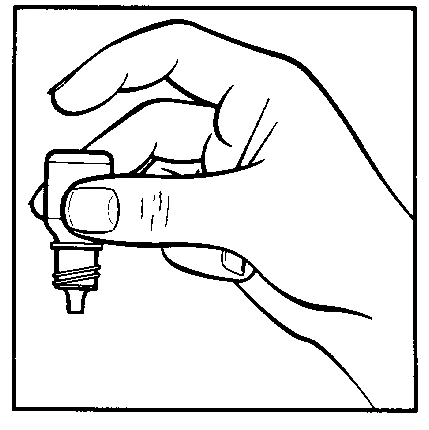
- Hold the bottle in your hand, pointing the bottom upwards, using your thumb and middle finger (Figure 1).
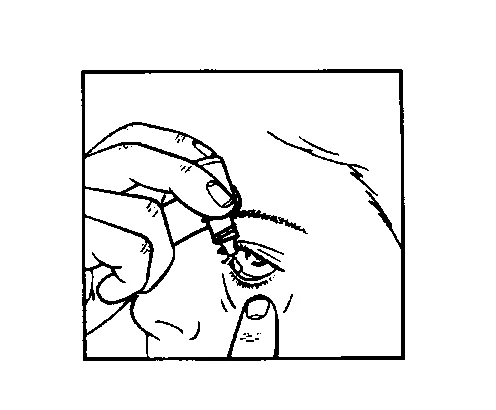
- Tilt your head backward. Pull the lower eyelid downward with a clean finger to form a "pocket" between the eyelid and the eyeball; the drop should be instilled into this pocket (Figure 2).
- Bring the dropper tip close to the eye. A mirror may be used to assist.
- Do not touch the dropper tip to the eye, eyelid, surrounding area, or any other surface. This could contaminate the drops and lead to infection.
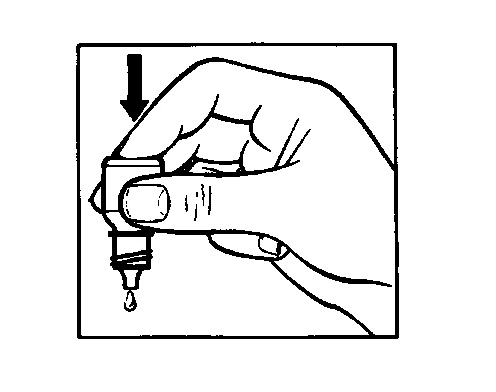
- Gently press the bottom of the bottle to release a single drop of Betoptic S (Figure 3).
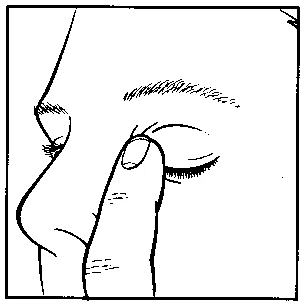
- After instilling the eye drop, release the finger holding the lower eyelid. Close the eye and gently press with a finger at the inner corner of the eye near the nose (Figure 4) for two minutes. This helps prevent the medicine from being absorbed into the systemic circulation.
- If drops are required in both eyes, repeat the above steps for the second eye.
- Immediately after use, screw the cap back onto the bottle.
- Only one bottle of medicine should be used at a time.
If the drop misses the eye, repeat the procedure to correctly instill the drop.
Accidental overdose of Betoptic S
If too many drops have been instilled into the eyes, rinse the eyes thoroughly with lukewarm water.
Do not instill further drops before the next scheduled dose.
Possible symptoms of overdose include slowed heart rate, low blood pressure, heart failure, and breathing difficulties.
Missed dose of Betoptic S
If you miss a dose of Betoptic S, continue treatment by instilling the next dose according to the prescribed schedule. If it is almost time for the next dose, skip the missed dose and continue with the regular dosing schedule. Do not use a double dose to make up for a missed dose.
When using other eye drops or ointments, wait at least 5 minutes between applying different ophthalmic products. Ointments should be used last.
In case of accidental ingestion, contact your doctor immediately.
If you have any further questions about the use of this medicine, consult your doctor or pharmacist.
4. Possible adverse reactions
Like all medicines, this medicine can cause adverse reactions, although not everyone experiences them.
You can usually continue using the drops unless the adverse reactions are severe. If you have any concerns,
contact your doctor or pharmacist. Do not stop using Betoptic S without first consulting your doctor.
Beta-adrenergic receptor blocking medicines for local ocular use may be absorbed into the systemic circulation. As a result, the same adverse reactions as those seen with systemic beta-adrenergic receptor blocking agents may occur.
The following adverse reactions have been observed during the use of Betoptic S.
-
Very common adverse reactions (may occur in more than 1 in 10 people):
-
Eye-related: eye discomfort
-
Common adverse reactions (may occur in less than 1 in 10 people):
-
Eye-related: blurred vision, increased lacrimation
-
General: headache
-
Uncommon adverse reactions (may occur in less than 1 in 100 people):
-
Eye-related: inflammation of the eye surface with or without corneal surface damage, conjunctivitis, blepharitis, visual disturbances, photophobia, eye pain, burning and stinging of the eye, dry eye, decreased visual acuity, eyelid disorders, eye itching, eye discharge, eyelid granules, eye inflammation, eye irritation, conjunctival disorders, eye swelling, eye redness
-
General: bradycardia, tachycardia, asthma, shallow breathing, nausea, nasal inflammation
-
Rare adverse reactions (may occur in less than 1 in 1,000 people):
-
Eye-related: cataract
-
General: fainting, unpleasant taste in the mouth, cough, cold symptoms, skin inflammation, rash, hypotension, anxiety, decreased libido
The following adverse reactions have been observed after administration of other ophthalmic beta-adrenergic blocking agents. They may also occur after administration of Betoptic S.
- Frequency not known (cannot be estimated from available data):
- Eye-related: eyelid redness, choroidal detachment, decreased corneal sensitivity, corneal erosion, ptosis (drooping eyelid), double vision
- General: hypersensitivity, allergic reactions including angioedema, urticaria, rash, pruritus, anaphylactic reactions, dizziness, stroke, cerebral ischemia, exacerbation of myasthenia symptoms (muscle weakness), paresthesia, arrhythmia, chest pain, palpitations, edema (fluid retention), congestive heart failure (heart disease characterized by shortness of breath and swelling of the feet and legs), atrioventricular block, cardiac arrest, Raynaud's syndrome, cold sensation in hands and feet, bronchospasm, dyspepsia, diarrhea, dry mouth, abdominal pain, vomiting, hair loss, psoriasiform rash or worsening of psoriasis symptoms, muscle pain, sexual dysfunction, malaise, fatigue, insomnia, depression, nightmares, memory loss, hypoglycemia, heart failure
Like other topically applied ophthalmic medicines, betaxolol is absorbed into the systemic circulation. This may lead to adverse effects similar to those observed with oral and/or intravenous beta-adrenergic blocking agents. The frequency of systemic adverse reactions after topical ocular administration is lower than, for example, after oral or intravenous administration. The listed adverse reactions also include those observed with other ophthalmic beta-adrenergic blocking agents.
Reporting of adverse reactions
If any adverse reactions occur, including any not listed in this leaflet, inform your doctor, pharmacist, or nurse.
Adverse reactions can be reported directly to the Department of Monitoring Adverse Drug Reactions at the Office for Registration of Medicinal Products, Medical Devices and Biocidal Products,
Al. Jerozolimskie 181C
02-222 Warsaw
Tel.: +48 22 4921 301
Fax: +48 22 4921 309
Website: https://smz.ezdrowie.gov.pl
Adverse reactions can also be reported to the marketing authorization holder.
Reporting adverse reactions helps provide more information on the safety of this medicine.
5. How to store Betoptic S
To prevent infections, the bottle should be discarded four weeks after first opening.
The date of opening the bottle should be recorded in the space provided below.
Opened:
Keep this medicine out of the sight and reach of children.
Keep the container tightly closed.
Store the bottle in the outer packaging to protect from light.
Do not use this medicine after the expiry date stated on the label and carton following:
EXP
6. Contents of the pack and other information
What Betoptic S contains
- The active substance is betaxolol 2.5 mg (as betaxolol hydrochloride).
- The other ingredients are: sulfonated polystyrene, carbomer 974P, boric acid, mannitol, disodium edetate, benzalkonium chloride, N-laurylsarcosine, sodium hydroxide and/or hydrochloric acid (to adjust pH), purified water.
What Betoptic S looks like and contents of the pack
Betoptic S is a liquid (white or almost white suspension) supplied in a 5 ml or 10 ml plastic bottle with a safety cap.
The carton pack contains 1 bottle of 5 ml or 10 ml.
Marketing Authorisation Holder
Immedica Pharma AB
Solnavägen 3H
SE-113 63 Stockholm
Sweden
[email protected]
Manufacturer
Alcon-Couvreur
Rijksweg 14, 2870 Puurs
Belgium
Siegfried El Masnou S.A.
Camil Fabra 58
El Masnou
08320 Barcelona
Spain
Importer
Immedica Pharma AB
Solnavägen 3H
SE-113 63 Stockholm
Sweden