Bactrim
Poland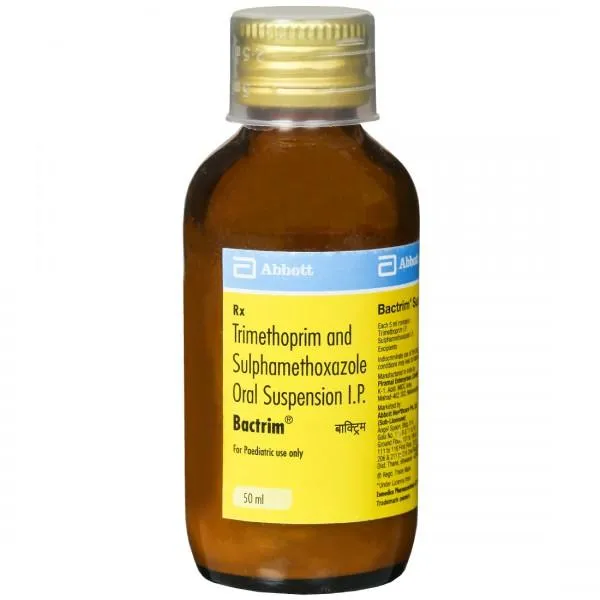
Table of Contents
Package leaflet: information for the user
Bactrim, (200 mg + 40 mg)/5 mL syrup
Sulfamethoxazolum + Trimethoprimum
Please read the entire leaflet carefully before using the medicine, as it contains important information for the patient.
- Keep this leaflet, so that you can read it again if necessary.
- If you have any doubts, please consult your doctor or pharmacist.
- This medicine has been prescribed for a specific individual. Do not pass it on to others. The medicine may harm another person, even if their symptoms are the same.
- If you experience any adverse reactions, including any not listed in this leaflet, inform your doctor or pharmacist. See section 4.
Table of contents
- What Bactrim is and what it is used for
- Important information before taking Bactrim
- How to take Bactrim
- Possible side effects
- How to store Bactrim
- Contents of the pack and other information
1. What Bactrim is and what it is used for
Bactrim is an antibacterial medicine. It contains the active substances: sulfamethoxazole and trimethoprim.
The combination of these two substances is known as co-trimoxazole.
Before prescribing this medicine, the doctor will consider the susceptibility of microorganisms causing the infection and the possibility of adverse reactions occurring.
Therapeutic indications are limited to infections caused by microorganisms sensitive to the medicine.
Bactrim should be used to treat or prevent infections only when it has been confirmed or there is a reasonable suspicion that they are caused by bacteria or other microorganisms sensitive to the active substances of this medicine. If such data are lacking, local epidemiological conditions and microbial susceptibility patterns should be taken into account when selecting appropriate antibiotic therapy.
Bactrim is indicated for the treatment of adults, adolescents, and children above 6 weeks of age (see "When not to use Bactrim" in section 2).
Indications:
- respiratory tract infections – in exacerbations of chronic bronchitis;
- otitis media;
- gastrointestinal tract infections, including typhoid fever and travellers' diarrhoea;
- treatment and prophylaxis (primary and secondary) of Pneumocystis jirovecii pneumonia in adults and children, particularly in individuals with severe immunodeficiency;
- urinary tract infections and chancroid.
2. Important information before using Bactrim
When not to use Bactrim
- if the patient is allergic to the active substances or to any of the other ingredients of this medicine (listed in section 6);
- in patients with significant parenchymal liver damage;
- in patients with severe renal impairment, with creatinine clearance <15 mL/min (see section 3);
- in patients taking dofetilide;
- in children during the first 6 weeks of life.
Warnings and precautions
Before starting treatment with Bactrim, consult a doctor or pharmacist:
- If the patient develops a skin rash or other severe adverse reactions – treatment must be stopped immediately.
- If the patient has severe allergy or bronchial asthma, inform the doctor immediately.
- If the patient has porphyria or thyroid dysfunction, inform the doctor immediately.
- If the patient experiences worsening cough and shortness of breath, inform the doctor immediately.
An increased risk of severe adverse reactions exists:
- in elderly patients,
- in patients with concomitant diseases such as renal or hepatic dysfunction,
- in patients taking other medications simultaneously.
Potentially life-threatening and severe skin reactions have been reported during treatment with Bactrim, including skin rashes (Stevens-Johnson syndrome, toxic epidermal necrolysis) or acute generalised exanthematous pustulosis, appearing on the trunk as reddish blisters or circular lesions, often with centrally located vesicles.
Cases of kidney stones (nephrolithiasis) have been reported in patients treated with Bactrim, particularly when certain risk factors are present.
Additional symptoms may include ulceration of the oral cavity, throat, nose, genital organs, and inflammation of the conjunctiva (red and swollen eyes).
Potentially life-threatening skin rashes are often accompanied by influenza-like symptoms. The rash may progress to extensive blistering or skin peeling.
The highest risk of severe skin reactions occurs during the first weeks of treatment.
If the patient has previously experienced Stevens-Johnson syndrome or toxic epidermal necrolysis while taking Bactrim, the patient must never use Bactrim again.
If the patient develops a rash or skin symptoms, contact a doctor immediately and inform them that the patient is taking Bactrim.
Pulmonary infiltrates observed in association with eosinophilic or allergic pneumonia may present with cough and dyspnoea. If these symptoms occur or worsen suddenly, medical advice should be sought.
Haemophagocytic lymphohistiocytosis
Very rare cases of severe immune reactions due to dysregulated activation of white blood cells, leading to inflammatory conditions (haemophagocytic lymphohistiocytosis), have been reported. These conditions may be life-threatening if not diagnosed and treated early. If multiple symptoms occur simultaneously or with slight delay, such as fever, lymph node swelling, weakness, dizziness, dyspnoea, cyanosis, or skin rash, immediate medical attention is required.
Effect on kidneys
Sulfonamides, including Bactrim, may cause increased urine output, particularly in patients with cardiac oedema.
The doctor should closely monitor serum potassium levels and renal function in patients:
- receiving high doses of Bactrim used in the treatment of Pneumocystis jirovecii pneumonia;
- receiving the usual recommended dose of Bactrim who have potassium metabolism disorders or renal impairment;
- who are taking medications that cause elevated blood potassium levels (see "Bactrim with other medicines" below).
Long-term treatment
During prolonged treatment with Bactrim, the doctor will recommend regular blood and urine tests and monitoring of kidney function. Adequate fluid intake should be maintained during treatment.
If the patient has folinic acid deficiency, adverse blood-related effects may occur. These resolve with administration of folinic acid.
Bactrim should not be used in patients with G6PD enzyme deficiency, except in cases of absolute necessity. In such cases, only the minimal dose should be administered.
Use of Bactrim in patients with renal impairment
In patients with renal impairment, the doctor will adjust the dose according to test results (creatinine clearance); see section 3.
Use of Bactrim in patients with hepatic impairment
Use with caution. The doctor will order more frequent blood tests.
Use in elderly patients
See section 3.
Use in patients with folate deficiency
Patients with folic acid deficiency (elderly patients, those with pre-existing folic acid deficiency, or those with renal impairment) are more likely to experience blood-related adverse effects. These resolve with administration of folinic acid. The doctor will order periodic blood tests.
Bactrim with other medicines
Inform the doctor about all medicines currently taken or recently taken, as well as any medicines the patient plans to take. The doctor will decide whether to continue, modify, or monitor treatment. This is particularly important for medicines containing:
- amantadine (a medicine used in the treatment of neurological disorders – Parkinson's disease – and with antiviral activity); patients taking amantadine may be at increased risk of neurological adverse events such as delirium and myoclonus.
- cyclosporine (an immunosuppressive medicine); transient worsening of renal function has been observed in patients treated with co-trimoxazole and cyclosporine after kidney transplantation.
- dapsone (an antibacterial medicine); if concomitant use is necessary, patients should be monitored for methaemoglobinaemia (abnormal form of haemoglobin in blood).
- digoxin (a medicine used in the treatment of heart failure and certain cardiac arrhythmias); serum digoxin levels should be monitored, especially in elderly patients.
- dofetilide (a medicine used to treat cardiac arrhythmias).
- oral antidiabetic medicines; the patient should monitor blood glucose levels more frequently. Dose adjustment of oral antidiabetic medicines may be necessary during and after treatment with Bactrim.
- phenytoin (an anticonvulsant used to prevent and treat epileptic seizures); patients receiving phenytoin should be monitored for signs of phenytoin toxicity.
- clozapine (medicines used in the treatment of psychiatric disorders).
- coumarins (warfarin, acenocoumarol, phenprocoumon) and other oral anticoagulants (medicines that inhibit blood clotting); in patients receiving coumarins, blood coagulation should be monitored.
- lamivudine (an antiviral medicine);
- diuretics, particularly thiazides (used, among others, in the treatment of hypertension, heart failure, chronic kidney disease, liver cirrhosis, and oedema of various origins); in elderly patients taking diuretics, platelet counts should be monitored regularly.
- medicines increasing serum potassium levels (potassium-sparing medicines) e.g. angiotensin-converting enzyme inhibitors, angiotensin receptor blockers, potassium-sparing diuretics, and prednisolone (a glucocorticoid with strong anti-inflammatory activity);
- memantine (a medicine used in psychiatric disorders); patients taking memantine may be at increased risk of neurological adverse events such as delirium and myoclonus.
- methotrexate (an immunosuppressive medicine); Bactrim may increase methotrexate toxicity and cause pancytopenia (reduction in red blood cells, white blood cells, and platelets); folic acid or calcium folinate should be administered to elderly patients, those with hypoalbuminaemia, impaired renal function, reduced bone marrow reserve, and those receiving high doses of methotrexate.
- pyrimethamine (an antiparasitic medicine); megaloblastic anaemia has been sporadically reported in patients receiving pyrimethamine for malaria prophylaxis at doses exceeding 25 mg per week and taking co-trimoxazole concurrently.
- sulfonylurea derivatives (medicines used in diabetes treatment) (including glibenclamide, glipizide, glimepiride, chlorpropamide, and tolbutamide); patients should be monitored regularly for hypoglycaemia.
- repaglinide, rosiglitazone, or pioglitazone (oral antidiabetic medicines that lower blood glucose levels); patients receiving repaglinide, rosiglitazone, or pioglitazone should be monitored regularly for hypoglycaemia.
If the patient is taking any of the above-mentioned medicines, the doctor will decide whether Bactrim can be taken concomitantly.
Concomitant use of Bactrim with medicines containing:
- amiodarone (a medicine used to treat cardiac arrhythmias),
- paclitaxel (an anticancer medicine)
is not recommended.
The frequency and severity of adverse effects such as bone marrow cell damage and drug-induced kidney injury may increase if Bactrim is administered simultaneously with other medicines known to reduce bone marrow cell count or cause nephrotoxicity, such as nucleoside analogues (used in antineoplastic and antiviral therapy), tacrolimus (used to prevent transplant rejection), azathioprine (an immunosuppressive medicine), or mercaptopurine (an anticancer and immunosuppressive medicine).
Effect on laboratory test results
Inform the doctor about taking Bactrim if laboratory tests for serum creatinine or methotrexate levels are required. The doctor will arrange for appropriate laboratory methods to be used.
Pregnancy, breastfeeding, and fertility
If the patient is pregnant, breastfeeding, suspects she may be pregnant, or is planning to have a child, she should consult a doctor or pharmacist before using this medicine.
The doctor will consider whether to use Bactrim in pregnant or breastfeeding women.
There is no conclusive evidence of fetal malformation risk in women treated with co-trimoxazole during early pregnancy. However, an increased risk of spontaneous abortion has been observed in women who received trimethoprim or trimethoprim in combination with sulfamethoxazole during the first trimester of pregnancy. Animal studies indicate that very high doses of co-trimoxazole cause fetal malformations typical of substances that reduce folic acid levels.
Bactrim may be used during pregnancy only if, in the doctor's opinion, the expected benefits outweigh the potential risks to the fetus. In such cases, pregnant women or women planning pregnancy during Bactrim treatment should be given folic acid 5 mg daily. Whenever possible, Bactrim should be avoided in the late stages of pregnancy due to the risk of kernicterus in the newborn.
Since the active substances of Bactrim pass into human milk, the doctor will assess the risk to the infant (kernicterus, hypersensitivity) against the expected therapeutic benefits for the mother.
There are no available data on the effect on fertility.
Driving and operating machinery
There are no data on the effect of the medicine on the ability to drive or operate machinery.
Bactrim contains sorbitol (E 420), methyl parahydroxybenzoate (E 218), propyl parahydroxybenzoate (E 216), propylene glycol (E 1520), alcohol (ethanol), and sodium
The medicine contains 630 mg of sorbitol in each mL of syrup.
Sorbitol is a source of fructose. If fructose intolerance or hereditary fructose intolerance, a rare genetic disorder in which the patient's body cannot metabolise fructose, has been previously diagnosed in the patient (or their child), the patient should consult a doctor before taking the medicine or giving it to the child. Sorbitol may cause gastrointestinal discomfort and may have a mild laxative effect.
The medicine contains methyl parahydroxybenzoate and propyl parahydroxybenzoate, which may cause allergic reactions (including delayed-type reactions).
The medicine contains 24 mg of propylene glycol in every 5 mL of syrup, equivalent to 4.8 mg/mL.
This medicine contains 9 mg of alcohol (ethanol) in every 5 mL of syrup, equivalent to 1.8 mg/mL. The amount of alcohol in 5 mL of this medicine is less than that in 1 mL of beer or wine. The small amount of alcohol in this medicine will not cause noticeable effects.
The medicine contains less than 1 mmol (23 mg) of sodium per 5 mL of syrup, meaning the medicine is considered "sodium-free".
3. How to use Bactrim
This medicine should always be taken exactly as directed by the physician. In case of doubt, consult your doctor.
Bactrim is administered orally. It is best to take it after a meal, with an adequate amount of fluid.
Before use, shake the bottle well to ensure uniform mixing of the syrup.
Children under 12 years of age
Doses in children are on average 30 mg/kg body weight/day of sulfamethoxazole and 6 mg/kg body weight/day of trimethoprim, given in two divided doses.
| Age | Dose administered every 12 hours | |
| 5 mL measuring spoons | volume (mL) | |
| From the start of the 7th week of life until completion of 6 months of life | ½ | 2.5 |
| From the start of the 7th month of life until completion of 6 years of life | 1 | 5 |
| From the start of the 7th year of life until completion of 13 years of life | 2 | 10 |
Adults and adolescents over 12 years of age with normal kidney function
| Dose – administered every 12 hours | Number of measuring spoons of Bactrim syrup | Volume |
| Usually administered | 4 | 20 mL |
| High, in severe infections | 6 | 30 mL |
| Minimum, in long-term treatment | 2 | 10 mL |
In acute infections, Bactrim should be administered for at least 5 days or until the patient has been free of infection symptoms for at least 2 consecutive days. If there is no clinical improvement after one week of treatment, the patient should consult the physician again.
Note: Bactrim 400 mg + 80 mg tablets may be used in adolescents over 12 years of age.
1 tablet corresponds to 2 measuring teaspoons of syrup.
Pneumocystis jirovecii pneumonia
For treatment, the dose should not exceed 100 mg/kg body weight/day of sulfamethoxazole and 20 mg/kg body weight/day of trimethoprim, given in equal divided doses every 6 hours for 14 days.
For prophylaxis of Pneumocystis jirovecii pneumonia, the recommended dose in adolescents and adults is 4 measuring teaspoons of Bactrim syrup once daily. Studies conducted in HIV-infected patients also indicate the effectiveness of a dose corresponding to 2 measuring teaspoons of Bactrim syrup once daily.
In children, for prophylaxis of Pneumocystis jirovecii pneumonia, the recommended daily dose is 750 mg/m² body surface area/day of sulfamethoxazole and 150 mg/m² body surface area/day of trimethoprim, divided into two equal doses given on three consecutive days per week. The total daily dose should not exceed 1600 mg of sulfamethoxazole and 320 mg of trimethoprim.
Single-dose treatment of uncomplicated acute urinary tract infection
8 to 12 measuring teaspoons of Bactrim syrup administered as a single dose, taken preferably in the evening after dinner or before bedtime, if possible.
Soft chancre (chancroid) treatment
4 measuring teaspoons of Bactrim syrup twice daily. If no signs of improvement are observed after 7 days, the physician may consider continuing treatment for another 7 days.
Dosing in patients with renal impairment
Recommended dosing regimen in patients with renal impairment:
Creatinine clearance > 30 mL/min: standard dosing.
Creatinine clearance 15 – 30 mL/min: half the standard dose.
Creatinine clearance < 15 mL/min: Bactrim must not be used (see section 2).
Dosing in patients undergoing dialysis
Patients undergoing hemodialysis should initially receive a normal loading dose of the drug, followed by an additional half dose after each hemodialysis session.
Peritoneal dialysis results in minimal drug elimination. The use of Bactrim is not recommended in patients undergoing peritoneal dialysis.
Dosing in elderly patients
In elderly patients with normal renal function, the same doses as recommended for adults should be used.
If you have any further questions concerning the use of this medicine, consult your doctor or pharmacist.
4. Possible adverse reactions
Bactrim is generally well tolerated at recommended doses.
Like any medicine, this medicine may cause adverse reactions, although not everybody will experience them.
Serious adverse reactions
If a patient develops several symptoms simultaneously after taking this medicine, such as fever, very low blood pressure or increased heart rate, immediate medical attention at an emergency department is required, as these may be symptoms of shock.
A not uncommon (occurring less frequently than in 1 in 100 people) serious adverse reaction is pseudomembranous colitis (an acute diarrhoeal disease occurring after antibiotic therapy).
Rarely (less frequently than in 1 in 1,000 people), fatal cases associated with adverse reactions have been reported, such as blood disorders, severe skin reactions – erythema multiforme (skin rashes of varying severity), potentially life-threatening skin rashes (Stevens-Johnson syndrome, toxic epidermal necrolysis – Lyell's disease), drug rash with eosinophilia and systemic symptoms (DRESS), acute generalized exanthematous pustulosis (AGEP), and fulminant hepatic necrosis.
Very rare adverse reactions (occurring less frequently than in 1 in 10,000 people) include:
hypersensitivity/allergic reactions in patients hypersensitive to the components of the medicine: e.g. fever, angioedema (swelling which may affect the face and throat, sometimes causing life-threatening breathing difficulties), anaphylactoid reactions (similar in course to the allergic reactions described above), and pulmonary infiltrates observed in association with eosinophilic or allergic pneumonia (see section 2). These may present with cough and shortness of breath (dyspnoea).
If such symptoms occur or unexpectedly worsen, medical advice should be sought, and the physician may consider discontinuing treatment with Bactrim.
The medicine must be discontinued immediately and the doctor informed if any of the above serious adverse reactions occur.
Other reported adverse reactions
Common adverse reactions (occurring less frequently than in 1 in 10 people) are:
- skin reactions, including drug eruptions, exfoliative dermatitis, rash, maculopapular rash, erythema multiforme-like rash, erythema, pruritus,
- nausea, vomiting,
- increased activity of enzymes (aminotransferases),
- increased blood urea nitrogen and increased serum creatinine concentration.
Uncommon adverse reactions (occurring less frequently than in 1 in 100 people) are:
- diarrhoea,
- increased bilirubin concentration (bile pigment), hepatitis,
- fungal infections, e.g. candidiasis,
- convulsions,
- renal dysfunction,
- urticaria.
Rare adverse reactions (occurring less frequently than in 1 in 1,000 people) are:
- blood and lymphatic system disorders: most blood count changes observed are mild, asymptomatic and resolve after discontinuation of the drug. The most frequently observed changes were decreased white blood cell count (leukopenia, granulocytopenia) and platelet count (thrombocytopenia), anaemia (reduced red blood cell count): megaloblastic, haemolytic/autoimmune, aplastic,
- stomatitis, glossitis,
- phlebitis and vein pain,
- cholestasis,
- hypoglycaemia (reduced blood glucose concentration). Cases have been reported in non-diabetic patients treated with co-trimoxazole, usually occurring after several days of treatment. Patients particularly at risk include those with impaired renal function, liver disease, malnutrition, or receiving high doses of co-trimoxazole;
- nervous system disorders (neuropathy including peripheral neuropathy and unpleasant sensory disturbances such as numbness, tingling, vibration sensations, electric shock-like feelings),
- hallucinations,
- crystalluria (presence of crystals in urine).
Very rare possible adverse reactions (occurring less frequently than in 1 in 10,000 people) are:
- blood and lymphatic system disorders such as marked decrease or complete absence of white blood cells (agranulocytosis), simultaneous reduction in white blood cells, red blood cells and platelets (pancytopenia), abnormal haemoglobin structure (methaemoglobinaemia),
- allergic myocarditis,
- tinnitus, dizziness,
- uveitis,
- hepatic necrosis,
- serum sickness (skin reactions, muscle and joint pain, fever). The most common skin reactions observed during treatment with Bactrim were generally mild and resolved rapidly after discontinuation of the drug.
- cases of muscle tissue breakdown (rhabdomyolysis),
- ataxia, aseptic meningitis or occurrence of meningitis-like symptoms,
- interstitial nephritis, polyuria,
- photosensitivity (similar to other sulfonamide-containing drugs), purpura and Schönlein-Henoch disease (necrotizing vasculitis of small vessels).
Adverse reactions with unknown frequency (frequency cannot be estimated from available data) include:
- retinal vasculitis,
- acute pancreatitis. In some patients with acute pancreatitis, severe underlying diseases including AIDS were present,
- vanishing bile duct syndrome,
- increased potassium concentration in blood (hyperkalaemia),
- decreased sodium concentration in blood (hyponatraemia),
- joint pain and muscle pain,
- cerebral vasculitis,
- pulmonary vasculitis,
- vasculitis, necrotizing vasculitis, granulomatosis with polyangiitis (necrotizing vasculitis of small arteries) and nodular polyarteritis,
- painful, raised, purple skin lesions appearing on limbs and sometimes on the face and neck, accompanied by fever (Sweet's syndrome),
- spontaneous abortion,
- urolithiasis (kidney stones).
Safety in HIV-infected patients
The types of adverse reactions in this patient group are similar to those occurring in the general population of patients using Bactrim. However, some adverse reactions may occur more frequently and have a different clinical presentation. These differences concern the following symptoms:
Very common adverse reactions (occurring in more than 1 in 10 people):
decreased number of certain types of blood cells (leukopenia, granulocytopenia and thrombocytopenia);
increased potassium concentration in serum (hyperkalaemia);
anorexia, nausea with or without vomiting, diarrhoea;
maculopapular rash, pruritus;
fever, usually associated with the appearance of maculopapular rash;
increased liver enzyme activity (aminotransferases).
Uncommon adverse reactions (occurring less frequently than in 1 in 100 people):
decreased concentration of sodium (hyponatraemia) or glucose (hypoglycaemia) in serum.
Reporting of adverse reactions
If any adverse reactions occur, including any not listed in this leaflet, inform your doctor or pharmacist. Adverse reactions can be reported directly to the Department of Monitoring Adverse Drug Reactions, Office for Registration of Medicinal Products, Medical Devices and Biocidal Products,
Al. Jerozolimskie 181C
PL-02 222 Warsaw
Tel.: + 48 22 49 21 301
Fax: + 48 22 49 21 309
Website: https://smz.ezdrowie.gov.pl
Adverse reactions can also be reported to the responsible party.
Reporting adverse reactions helps to provide more information on the safety of the medicine.
5. How to store Bactrim
Do not store above 30°C.
After opening the bottle, Bactrim syrup should be stored at a temperature below 25°C.
The shelf-life after first opening the bottle: 20 days.
Keep the medicine out of sight and reach of children.
Do not use this medicine after the expiry date stated on the carton and label after: EXP.
The expiry date refers to the last day of the stated month.
Medicines must not be disposed of via sewage or household waste.
Ask your pharmacist how to dispose of medicines no longer required.
This will help protect the environment.
6. Contents of the pack and other information
What Bactrim contains
- The active substances in the medicine are sulfamethoxazole and trimethoprim.
- 5 mL of syrup (1 measuring teaspoon) contains: 200 mg of sulfamethoxazole and 40 mg of trimethoprim.
- Other ingredients are: dispersed cellulose, propyl parahydroxybenzoate (E 216), methyl parahydroxybenzoate (E 218), sorbitol 70% (E 420), polysorbate 80, banana flavouring 85509 H (contains propylene glycol (E 1520)), vanilla flavouring 73690-36 (contains ethanol), purified water (see section 2).
What Bactrim looks like and contents of the pack
Bactrim is a syrup ranging in colour from off-white to pale yellow.
The pack contains a 100 mL amber glass bottle in a cardboard box.
Marketing Authorisation Holder and Manufacturer
EUMEDICA Pharmaceuticals GmbH
Basler Straße 126
DE-79540 Lörrach
Germany
e-mail: [email protected]