Azithromycin zim
Poland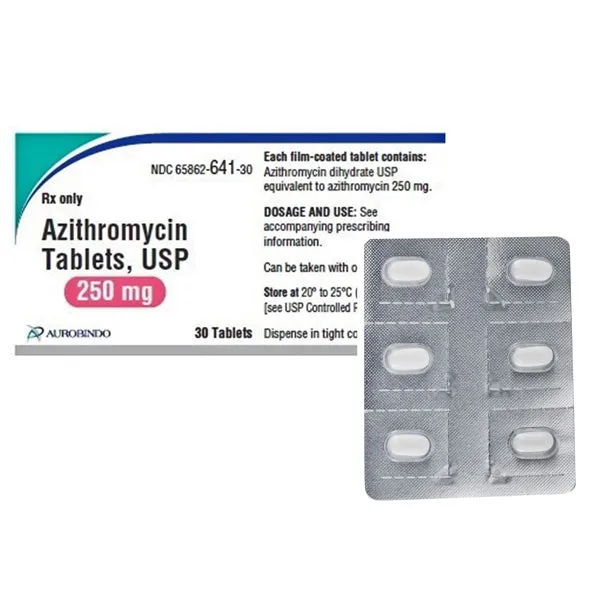
Table of Contents
Package leaflet: Information for the user
Azithromycin ZIM, 500 mg, film-coated tablets
Azithromycinum
Please read all of this leaflet carefully before taking this medicine because it contains
important information for you.
- Keep this leaflet as you may need to read it again.
- If you have any further questions, please ask your doctor or pharmacist.
- This medicine has been prescribed for a specific individual. Do not pass it on to others. It may harm them even if their symptoms are the same as yours.
- If you experience any adverse effects, including any not listed in this leaflet, please inform your doctor or pharmacist. See section 4.
Contents of the leaflet
- What Azithromycin ZIM is and what it is used for
- Important information before taking Azithromycin ZIM
- How to take Azithromycin ZIM
- Possible side effects
- How to store Azithromycin ZIM
- Contents of the pack and other information
1. What Azithromycin ZIM is and what it is used for
Azithromycin ZIM belongs to a group of antibiotics called macrolides. It is an antibiotic used to treat bacterial infections affecting various parts of the body.
Azithromycin ZIM penetrates into infected tissues, where it is slowly released over time, fighting bacteria for several days after the last dose is taken.
Which infections does Azithromycin ZIM treat?
Azithromycin ZIM is indicated for the treatment of certain infections caused by susceptible microorganisms, such as: tonsillitis and (or) pharyngitis, sinusitis, bronchitis, pneumonia, acute otitis media, skin and soft tissue infections (e.g. abscesses), as well as sexually transmitted diseases caused by Chlamydia trachomatis and Neisseria gonorrhoeae.
2. Important information before using Azithromycin ZIM
When not to take Azithromycin ZIM
If the patient is allergic to azithromycin or other macrolide or ketolide antibiotics (including
erythromycin), or to any of the other ingredients of this medicine (listed in section 6).
Warnings and precautions
Before starting treatment with Azithromycin ZIM, discuss with your doctor or
pharmacist if:
- the patient has ever experienced any complications while taking another medicine;
- the patient has impaired liver function: liver function monitoring or discontinuation of treatment may be necessary;
- the patient has impaired kidney function.
Immediately contact a doctor if:
- the patient develops any symptoms of liver disease, such as yellowing of the skin, loss of energy, dark urine, or any signs of bleeding or behavioral disturbances, as liver function tests or additional diagnostic evaluations may be required;
- palpitations, irregular heartbeat, dizziness, fainting, or muscle weakness occur during treatment with Azithromycin ZIM;
- diarrhea or loose stools develop during or after treatment; contact a doctor immediately. Do not take any anti-diarrheal medicines without first consulting a doctor. If diarrhea persists, inform the doctor;
- any symptoms of an allergic reaction occur, such as rash or hives, blisters, difficulty breathing, dizziness, swelling of the face or throat. Discontinue use of this medicine and seek immediate medical attention. Serious allergic reactions to Azithromycin ZIM are rare;
- vomiting and irritability occur in a newborn during breastfeeding.
This antibiotic is effective against certain bacteria, but not all, and is not effective against fungal (mycotic) infections.
Azithromycin ZIM and other medicines
Inform your doctor or pharmacist about all medicines currently or recently used, as well as any medicines the patient plans to take.
If the patient is taking any of the following medicines, they must inform their doctor or pharmacist before starting treatment with Azithromycin ZIM:
- Medicines that neutralize gastric acid (used for indigestion or dyspepsia)
- Warfarin (or other medicines affecting blood coagulation)
- Terfenadine (used to treat hay fever or skin allergies)
- Cyclosporine (used to suppress the immune system to prevent and treat organ or bone marrow transplant rejection)
- Digoxin (used to treat heart failure)
- Colchicine (used to treat gout and familial Mediterranean fever)
- Ergotamine (used to treat migraine)
- Atorvastatin (used to lower cholesterol levels)
- Antiarrhythmic medicines (used to treat heart conditions)
- Antipsychotic medicines (used to treat hallucinations or thought disorders)
- Antidepressants (used to treat depression)
- Fluoroquinolones (antibiotics used to treat serious bacterial infections)
Azithromycin ZIM with food and drink
Azithromycin ZIM 500 mg tablets should be taken with water or another beverage, with or without food.
Pregnancy and breastfeeding
If the patient is pregnant, breastfeeding, suspects she may be pregnant, or is planning to have a child, she should consult a doctor or pharmacist before using this medicine.
Pregnancy
There is insufficient experience with the use of azithromycin in pregnant women. As a precaution, treatment during pregnancy should only be used in exceptional circumstances. The doctor must decide whether such an exceptional situation exists.
Breastfeeding
If the patient is breastfeeding, she should consult a doctor or pharmacist before using this medicine. The doctor will decide whether Azithromycin ZIM can be used during breastfeeding. The active substance of Azithromycin ZIM (azithromycin) passes into human milk. To date, no serious adverse effects have been observed in breastfed infants. However, in a breastfed infant, hypersensitivity, intestinal flora disturbances, and fungal colonization may occur.
Driving and operating machinery
There are no data on the effect of Azithromycin ZIM on the ability to drive or operate machinery.
Azithromycin ZIM contains lactose and sodium
This medicine contains 40.85 mg of lactose per tablet. This should be taken into account in patients with diabetes.
The medicine contains less than 1 mmol (23 mg) of sodium per tablet, meaning the medicine is considered "sodium-free".
3. How to take Azithromycin ZIM
This medicine should always be taken as directed by a doctor or pharmacist. If in
doubt, consult a doctor or pharmacist.
Recommended dose
In adults and children with body weight above 45 kg, the recommended dose in most indications is
500 mg once daily (1 tablet of 500 mg strength), and the duration of treatment is 3 days.
In the treatment of sexually transmitted diseases caused by Chlamydia trachomatis or
Haemophilus ducreyi, the recommended dose is 1 g administered as a single dose (2 tablets of 500 mg),
for Neisseria gonorrhoeae, the recommended dose is 1 g or 2 g in combination with 250 mg or 500 mg
of ceftriaxone.
Use in children and adolescents
Azithromycin ZIM tablets should only be given to children with body weight above 45 kg.
Patients with renal or hepatic impairment
Inform the doctor if the patient has kidney or liver problems. The doctor may
need to adjust the usual dose.
Method of administration
Oral administration.
Azithromycin ZIM tablets should be taken with water or another drink, with or without food.
Optimal time for taking the medicine
The medicine should be taken at the same time each day, with or without food.
Azithromycin ZIM should be taken only once daily.
Average duration of treatment
For treatment with Azithromycin ZIM to be effective, it should be continued for at least
3 days; however, the action of Azithromycin ZIM lasts longer.
Taking more than the recommended dose of Azithromycin ZIM
If anyone (for example, a child) accidentally takes too many Azithromycin ZIM tablets
at once, contact a doctor immediately.
Missing a dose of Azithromycin ZIM
If a dose is missed, take it as soon as possible, then continue taking the medicine according to the
recommended dosing schedule.
Do not take a double dose to make up for a missed tablet.
Stopping treatment with Azithromycin ZIM
Never stop treatment with Azithromycin ZIM on your own. Discuss this first with your doctor.
If treatment with azithromycin is stopped too early, the infection may return. Tablets should be taken
for the entire duration of treatment, even if the patient feels better.
If you have any further doubts about using this medicine, consult your
doctor or pharmacist.
4. Possible adverse reactions
Like any medicine, this medicine can cause adverse reactions, although not everyone will experience them.
If any of the following symptoms of a severe allergic reaction occur, stop taking the medicine immediately and contact a doctor or go to the emergency department of the nearest hospital without delay:
Very common: may affect more than 1 in 10 patients
- Diarrhoea.
Common: may affect less than 1 in 10 patients
- Headache;
- Vomiting, abdominal pain, nausea;
- Changes in white blood cell count and blood bicarbonate concentration.
Uncommon: may affect less than 1 in 100 patients
- Angioedema: swelling of the lips, face, or neck leading to serious breathing difficulties;
- Skin rash or urticaria.
Rare: may affect less than 1 in 1,000 patients
- Severe skin reactions characterized by rapid appearance of red skin areas covered with small blisters (vesicles filled with white or yellow fluid).
Very rare: may affect less than 1 in 10,000 patients
- Hypersensitivity reaction with rash, fever, lymph node swelling, and possible organ damage (DRESS syndrome).
Frequency unknown: frequency cannot be estimated from available data
- Anaphylactic reaction: a serious allergic reaction causing breathing difficulties or dizziness.
- Severe liver dysfunction or liver failure (rarely life-threatening): symptoms may include rapidly developing fatigue associated with yellowing of the skin or whites of the eyes (jaundice), dark urine, and tendency to bleed.
- Blisters and (or) bleeding of the lips, eyes, nose, mouth, and genital organs, which may be caused by Stevens-Johnson syndrome, erythema multiforme, or toxic epidermal necrolysis, which are serious conditions. 4
- Changes in heart rate or rhythm observed on electrocardiogram (ECG) (QT interval prolongation, ventricular tachycardia, and torsades de pointes).
- Persistent diarrhoea with blood and mucus (pseudomembranous colitis).
This is a very serious adverse reaction. You may require urgent medical attention or hospitalization.
Other adverse reactions
Uncommon: may affect less than 1 in 100 patients
- Fungal infections, e.g., oral thrush, vaginal infection, pneumonia, bacterial infection.
- Sore throat, inflammation of the stomach and intestinal mucosa.
- Dyspnoea, chest pain, wheezing, cough (respiratory disorders), nasal congestion.
- Blood disorders characterized by fever or chills, sore throat, mouth or throat ulcers.
- Allergic reactions.
- Loss of appetite.
- Nervousness, sleep disturbances.
- Dizziness, drowsiness, taste disturbances, tingling or numbness.
- Visual disturbances.
- Ear problems.
- Dizziness (sensation of spinning).
- Irregular heartbeat or palpitations (awareness of heart beating).
- Hot flush.
- Breathing difficulties.
- Nosebleeds.
- Gastritis, constipation, flatulence, indigestion, difficulty swallowing.
- Bloating, dry mouth.
- Belching, mouth ulcers, increased salivation, loose stools.
- Liver problems (such as hepatitis).
- Rash, itching, urticaria.
- Dermatitis, dry skin, increased sweating.
- Inflammation of bones and joints, muscle pain, back pain, neck pain.
- Painful or difficult urination, pain in the upper back (kidney pain).
- Vaginitis, irregular menstrual bleeding, testicular disorders.
- Chest pain, swelling, malaise, weakness, fatigue.
- Swelling of the face, hands, feet, and (or) legs, fever, pain.
- Changes in liver enzyme and blood test results.
Rare: may affect less than 1 in 1,000 patients
- Feeling of restlessness.
- Depersonalization (feeling detached from oneself and one's emotions).
- Tooth discoloration.
- Abnormal liver function, jaundice (yellow pigmentation of the skin).
- Photosensitivity (redness and blistering of the skin upon exposure to sunlight).
Frequency unknown: frequency cannot be estimated from available data
- Blood disorders characterized by unusual bleeding or unexplained bruising, low red blood cell count causing unusual fatigue or weakness.
- Feelings of anger, anxiety, disorientation, seeing or hearing things that are not real.
- Fainting, seizures, reduced sense of touch, hyperexcitability, changes or loss of smell, loss of taste, myasthenia (muscle fatigue and exhaustion, see section 2 "Warnings and precautions").
- Hearing disorders, including deafness and (or) tinnitus.
- Low blood pressure (which may be associated with weakness, dizziness, and fainting).
- Tongue discoloration, pancreatitis causing nausea, vomiting, abdominal pain, back pain.
- Rash with spots and blisters.
- Joint pain.
- Kidney problems.
The following adverse reactions have been reported in patients taking azithromycin for the prevention of Mycobacterium avium complex (MAC) infections:
Very common: may affect more than 1 in 10 patients
- Diarrhoea.
- Abdominal pain.
- Nausea.
- Flatulence (bloating).
- Discomfort in the abdominal area.
- Loose stools.
Common: may affect less than 1 in 10 patients
- Loss of appetite (anorexia).
- Dizziness.
- Headache.
- Tingling or numbness sensation (paraesthesia).
- Changes in taste perception.
- Visual disturbances.
- Deafness.
- Skin rash.
- Itching.
- Joint pain.
- Feeling of fatigue.
Uncommon: may affect less than 1 in 100 patients
-
Sensory disturbances (hypoesthesia).
-
Hearing disorders, tinnitus.
-
Irregular heartbeat or palpitations.
-
Liver problems such as hepatitis.
-
Blisters and (or) bleeding of the lips, eyes, nose, mouth, and genital organs, which may be caused by Stevens-Johnson syndrome.
-
Allergic skin reactions such as photosensitivity; red, peeling, and swollen skin,
-
Weakness (asthenia).
-
General malaise.
Reporting of adverse reactions
If any adverse reactions occur, including any adverse reactions not listed in this leaflet, inform your doctor or pharmacist. Adverse reactions can also be reported directly to the Department of Monitoring Adverse Drug Reactions of the Office for Registration of Medicinal Products, Medical Devices and Biocidal Products
Al. Jerozolimskie 181 C, 02-222 Warsaw
Tel.: + 48 22 49 21 301
Fax: + 48 22 49 21 309
Website: https://smz.ezdrowie.gov.pl .
Adverse reactions can also be reported to the responsible entity.
Reporting adverse reactions helps to provide more information on the safety of the medicine.
5. How to store Azithromycin ZIM
Keep the medicine out of the sight and reach of children.
Do not use this medicine after the expiry date stated on the packaging after EXP. The expiry date refers to the last day of the stated month.
This medicine does not require any special storage conditions.
Medicines must not be disposed of via wastewater or household waste. Ask your pharmacist how to dispose of medicines no longer in use. This will help protect the environment.
6. Contents of the pack and other information
What Azithromycin ZIM contains
- The active substance is azithromycin. Each film-coated tablet contains 524.1 mg of azithromycin dihydrate, equivalent to 500 mg of azithromycin (Azithromycinum).
- The other ingredients are:
Core:
Corn starch
Lactose monohydrate
Sodium carboxymethylcellulose (E466)
Povidone (K30) (E1201)
Anhydrous colloidal silica
Sodium croscarmellose
Talc (E553b)
Magnesium stearate
Coating:
Opadry II 85F18422 White:
Partially hydrolysed polyvinyl alcohol (E1203)
Titanium dioxide (E171)
Macrogol 3350 (E1521)
Talc (E553b)
What Azithromycin ZIM looks like and contents of the pack
Azithromycin tablets are white or almost white, capsule-shaped, biconvex, film-coated tablets approximately 16.70 mm in length, 8.00 mm in width and 6.10 mm in thickness, with a breakline on one side and smooth on the other, packed in blisters.
The breakline on the tablet is not intended for breaking the tablet.
The tablets are packed in the following pack sizes:
Cardboard box containing 1 aluminium/PVC blister with 3 film-coated tablets.
Marketing Authorisation Holder and Manufacturer
Marketing Authorisation Holder
SIA ZIM Laboratories Limited
Vangažu iela 23
LV-1024 Riga,
Latvia
Tel.: +48 885 500 706
Importer
Pharmadox Healthcare Limited
KW20A Kordin Industrial Park
Paola PLA 3000, Malta
This medicinal product is authorised in the European Economic Area member states under the following names:
| Country | Product Name |
| Portugal | Azithromycin ZIM 500 mg film-coated tablets |
| Germany | Azithromycin ZIM Laboratories 500 mg film-coated tablets |