Aryzalera
Poland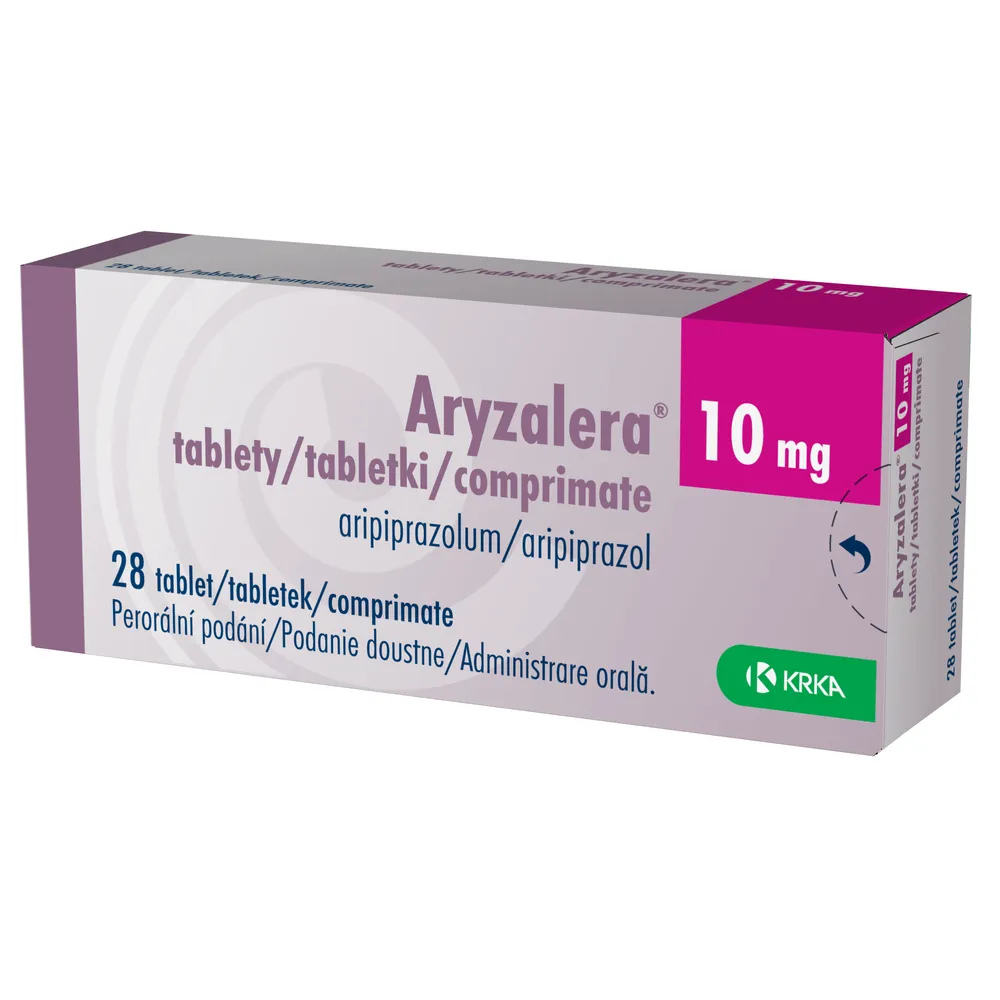
Table of Contents
Package leaflet: Information for the patient
Warning! Keep this leaflet! The information on the immediate packaging is in a foreign language.
Aryzalera, 10 mg, tablets
Aripiprazolum
Please read this leaflet carefully before using the medicine, as it contains
important information for the patient.
- Keep this leaflet so that you can read it again if necessary.
- If you have any doubts, please consult your doctor or pharmacist.
- This medicine has been prescribed for a specific individual. Do not pass it on to others. This medicine may harm another person, even if their symptoms are the same.
- If you experience any adverse reactions, including any adverse reactions not listed in this leaflet, inform your doctor or pharmacist. See section 4.
Table of contents of the leaflet
- What Aryzalera is and what it is used for
- Important information before taking Aryzalera
- How to take Aryzalera
- Possible side effects
- How to store Aryzalera
- Contents of the pack and other information
1. What Aryzalera is and what it is used for
Aryzalera contains the active substance aripiprazole and belongs to a group of medicines called antipsychotics. Aryzalera is used in the treatment of adults and adolescents aged 15 years and older with a disorder characterized by symptoms such as seeing, hearing, and sensing things that are not actually present, suspiciousness, false beliefs, disorganized speech and behavior, and emotional blunting. Patients with these symptoms may also experience sadness, feelings of guilt, anxiety, or tension.
Aryzalera is also used in the treatment of adults and adolescents aged 13 years and older whose condition is characterized by symptoms such as excitement, excess energy, reduced need for sleep than usual, very rapid speech with racing thoughts, and sometimes marked irritability. In adults, this medicine also helps prevent the recurrence of these symptoms in patients who have responded to treatment with Aryzalera.
2. Important information before using Aryzalera
When not to use Aryzalera:
- if the patient is allergic to aripiprazole or any of the other ingredients of this medicine (listed in section 6).
Warnings and precautions
Before starting treatment with Aryzalera, discuss this with your doctor.
Suicidal thoughts and behaviours have been reported during treatment with aripiprazole.
Immediately inform your doctor if you experience thoughts or feelings of self-harm.
Before starting treatment with Aryzalera, inform your doctor if the patient has:
- high blood sugar levels (typical symptoms include excessive thirst, frequent urination, increased appetite, and feeling weak) or a family history of diabetes;
- seizures (epilepsy), as this may mean your doctor will want to monitor the patient very closely;
- involuntary, irregular muscle movements, especially of the facial muscles;
- cardiovascular diseases (heart and circulatory system disorders), family history of cardiovascular disease, stroke or "mini" stroke (transient ischaemic attack), or abnormal blood pressure;
- blood clots or a family history of blood clots, as antipsychotic medicines have been associated with blood clot formation;
- a history of gambling addiction.
If the patient notices weight gain, unusual movements, drowsiness that interferes with daily activities, any difficulty swallowing, or allergic reactions, they should inform their doctor.
If the patient is elderly and has dementia (loss of memory and other mental abilities), the patient, caregiver, or relative should inform the doctor whether the patient has ever had a stroke or "mini" stroke.
Immediately inform your doctor if suicidal thoughts or feelings occur. Suicidal thoughts and behaviours have been reported during treatment with aripiprazole.
Immediately inform your doctor if the patient develops muscle stiffness or stiffness with high fever, excessive sweating, altered mental state, or very rapid or irregular heartbeat.
If the patient, their family, or caregiver notices that the patient starts to feel an urge or desire to behave in an unusual way and cannot resist the impulse, drive, or temptation to carry out activities that could harm themselves or others, they should tell the doctor. These phenomena are known as impulse control disorders and may manifest as compulsive gambling, binge eating, excessive spending, increased sexual drive, or increased frequency and intensity of sexual thoughts or feelings.
The doctor may decide to adjust the dose or discontinue the medicine.
Aripiprazole may cause drowsiness, low blood pressure upon standing, dizziness, and changes in motor function and balance, which may lead to falls. Exercise caution, especially in elderly or frail patients.
Children and adolescents
Aryzalera should not be used in children and adolescents under 13 years of age. It is not known whether the medicine is safe and effective in these patients.
Aryzalera and other medicines
Tell your doctor or pharmacist about all medicines the patient is currently taking or has recently taken, including those obtained without a prescription, as well as any medicines the patient plans to take.
Blood pressure-lowering medicines: Aryzalera may enhance the effect of blood pressure-lowering medicines. If the patient is taking such medicines, they should inform their doctor.
Taking Aryzalera with certain medicines may require dose adjustments of Aryzalera or other medicines. It is especially important to inform the doctor about the use of the following medicines:
- medicines used to treat heart rhythm disorders (such as quinidine, amiodarone, flecainide);
- antidepressants or herbal medicines used to treat depression and anxiety (such as fluoxetine, paroxetine, venlafaxine, St. John's wort);
- antifungal medicines (such as ketoconazole, itraconazole);
- certain medicines used to treat HIV infection (such as efavirenz, nevirapine, protease inhibitors, e.g. indinavir, ritonavir);
- anticonvulsant medicines used to treat epilepsy (such as carbamazepine, phenytoin, phenobarbital);
- specific antibiotics used to treat tuberculosis (rifabutin, rifampicin).
Taking these medicines may increase the risk of side effects or reduce the effectiveness of Aryzalera. If the patient experiences any unusual symptoms while taking these medicines with Aryzalera, they should inform their doctor.
Medicines that increase serotonin levels are usually used in conditions involving depression, generalized anxiety disorder, obsessive-compulsive disorder (OCD), social phobia, migraine, and pain:
- triptans, tramadol, and tryptophan used in treating conditions involving depression, generalized anxiety disorder, OCD, social phobia, migraine, and pain;
- selective serotonin reuptake inhibitors (SSRIs) (such as paroxetine and fluoxetine) used to treat depression, OCD, panic, and anxiety;
- other antidepressants (such as venlafaxine and tryptophan) used to treat severe depression;
- tricyclic antidepressants (such as clomipramine and amitriptyline) used to treat depression;
- St. John's wort (Hypericum perforatum) used as a herbal remedy for mild depression;
- painkillers (such as tramadol and pethidine) used to relieve pain;
- triptans (such as sumatriptan and zolmitriptan) used to treat migraine.
Taking these medicines may increase the risk of side effects. If the patient experiences any unusual symptoms while taking these medicines with Aryzalera, they should inform their doctor.
Aryzalera with food, drink, and alcohol
This medicine can be taken with or without food.
Do not drink alcohol while being treated with Aryzalera.
Pregnancy, breastfeeding, and fertility
If the patient is pregnant, breastfeeding, thinks she may be pregnant, or is planning to have a baby, she should consult her doctor before using this medicine.
Newborns whose mothers have taken Aryzalera during the third trimester of pregnancy (last 3 months) may experience the following symptoms: tremors, muscle stiffness and/or weakness, drowsiness, agitation, breathing difficulties, and feeding problems. If such symptoms are observed in the newborn, contact a doctor.
If the patient is taking Aryzalera, the doctor will discuss with her whether she should breastfeed, considering the benefits of treatment and the benefits of breastfeeding. Do not take this medicine and breastfeed at the same time. Talk to your doctor about the best feeding methods for your baby if you are taking this medicine.
Driving and operating machinery
Dizziness and visual disturbances may occur during treatment with this medicine (see section 4). This should be taken into account when performing tasks requiring full attention, such as driving or operating machinery.
Aryzalera contains monohydrate lactose
If the patient has previously been diagnosed with an intolerance to certain sugars, they should consult their doctor before taking this medicine.
3. How to take Aryzalera
This medicine should always be taken as directed by your doctor or pharmacist. If in doubt,
consult your doctor or pharmacist.
Aryzalera is available in strengths of 5 mg, 10 mg, 15 mg, and 30 mg.
The recommended dose for adults is 15 mg once daily. However, your doctor may prescribe a lower or
higher dose, which must not exceed 30 mg once daily.
Use in children and adolescents
Treatment with aripiprazole may be initiated with a low dose of aripiprazole in the form of an oral solution
(liquid). The dose may be gradually increased to the recommended dose for adolescents of 10 mg once daily.
However, the treating doctor may prescribe a lower or higher dose, up to a maximum of 30 mg once daily.
If you feel that the effect of this medicine is too strong or too weak, consult your doctor or pharmacist.
Aryzalera is intended for oral use.
Aryzalera should be taken every day at the same time. It does not matter whether the tablet is
taken with or without food. The tablet should be swallowed whole and taken with water.
Even if you feel an improvement in your condition, do not change the dose or stop taking Aryzalera
without first consulting your doctor.
Taking more than the recommended dose of Aryzalera
If you take more than the prescribed dose (or if someone else takes medicine not intended for them),
contact your doctor immediately. If you cannot reach your doctor, go to the nearest hospital, taking the
medicine packaging with you.
In patients who have taken an excessive dose of aripiprazole, the following symptoms have occurred:
- rapid heartbeat, agitation/aggression, speech difficulties;
- unusual body movements (especially of the face or tongue) and decreased level of consciousness.
Other symptoms include:
- acute confusion, seizures (epilepsy), coma, fever, rapid breathing, and excessive sweating occurring together;
- muscle rigidity and drowsiness or lethargy, slowed breathing, choking, high or low blood pressure, irregular heart rhythm.
If any of the above symptoms occur, contact your doctor or hospital immediately.
Missing a dose of Aryzalera
If a dose is missed, the patient should take the missed dose as soon as they remember. Do not take two
doses on the same day.
Stopping Aryzalera treatment
Do not stop treatment just because you feel better. It is very important to take Aryzalera exactly as
directed by your doctor and for the duration prescribed by your doctor.
If you have any further questions about the use of this medicine, consult your doctor or pharmacist.
4. Possible side effects
Like all medicines, this medicine can cause side effects, although not everybody gets them.
Common side effects (may occur in up to 1 in 10 patients):
- diabetes,
- sleep disturbances,
- feeling of anxiety,
- feeling of restlessness and inability to sit or stand still,
- akathisia (a sense of inner restlessness and a compulsion to keep moving),
- uncontrollable trembling, jerking movements, or writhing movements,
- tremor,
- headache,
- fatigue,
- drowsiness,
- feeling of "emptiness in the head",
- blurred or double vision,
- reduced number of bowel movements or difficulty passing stools,
- indigestion,
- nausea,
- excessive salivation,
- vomiting,
- feeling of tiredness.
Uncommon side effects (may occur in up to 1 in 100 patients):
- decreased or increased blood prolactin levels,
- abnormally high blood sugar levels,
- depression,
- changes in sexuality or excessive interest in sex,
- uncontrollable movements of the mouth, tongue, and limbs (tardive dyskinesia),
- muscle disorders causing twisting movements (dystonia),
- restless legs syndrome,
- double vision,
- light sensitivity of the eyes,
- rapid heartbeat,
- decreased blood pressure when standing, causing dizziness, feeling of "emptiness in the head", or fainting,
- hiccups.
The following side effects have been reported after the introduction of oral aripiprazole on the market, but their frequency is unknown:
- decreased number of white blood cells,
- decreased number of platelets,
- allergic reactions (e.g. swelling of the mouth, tongue, face, and throat, itching, rash),
- onset of diabetes or worsening of existing diabetes, ketoacidosis (presence of ketone bodies in blood and urine), or coma,
- high blood sugar levels,
- low blood sodium levels,
- loss of appetite (anorexia),
- weight loss,
- weight gain,
- suicidal thoughts, suicide attempts, and completed suicides,
- feeling of aggression,
- agitation,
- nervousness,
- occurrence of fever, muscle stiffness, rapid breathing, sweating, reduced consciousness, and sudden changes in blood pressure and heart rate, fainting (neuroleptic malignant syndrome),
- seizures,
- serotonin syndrome (a reaction which may cause feelings of extreme well-being, drowsiness, lack of coordination, restlessness, especially motor restlessness, alcohol-like intoxication, fever, sweating, or muscle stiffness),
- speech disorders,
- oculogyric crisis (eyes fixed in one position),
- sudden unexplained death,
- life-threatening irregular heart rhythm,
- heart attack (myocardial infarction),
- slow heartbeat,
- blood clots in veins, particularly in the legs (symptoms include swelling, pain, and redness in the legs), which may travel through blood vessels to the lungs causing chest pain and breathing difficulties (if any of these symptoms occur, the patient must contact a doctor immediately),
- high blood pressure,
- fainting,
- accidental aspiration of food with risk of developing pneumonia,
- laryngospasm (spasm of muscles around the vocal cords),
- pancreatitis,
- difficulty swallowing,
- diarrhoea,
- abdominal discomfort,
- stomach discomfort,
- liver failure,
- hepatitis,
- yellowing of the skin and whites of the eyes (jaundice),
- abnormal liver function tests,
- skin rash,
- photosensitivity,
- hair loss,
- excessive sweating,
- severe allergic reactions such as drug rash with eosinophilia and systemic symptoms (DRESS syndrome). Initially, DRESS syndrome resembles flu-like symptoms with a rash on the face, followed by a rash on other parts of the body, high fever, swollen lymph nodes, elevated liver enzymes (visible in blood tests), and increased levels of a specific type of white blood cells (eosinophilia),
- abnormal muscle breakdown leading to kidney dysfunction,
- muscle pain,
- stiffness,
- involuntary urination (urinary incontinence),
- difficulty urinating,
- withdrawal syndrome in newborns following exposure to the medicine during pregnancy,
- prolonged and/or painful erection,
- difficulty regulating core body temperature or overheating,
- breast pain,
- swelling of hands, ankles, or feet,
- in blood tests: fluctuations in blood glucose levels, increased levels of glycated hemoglobin,
- inability to resist an impulse, drive, or temptation to perform an activity that may harm the patient or others, including behaviors such as:
- strong impulse to gamble excessively despite serious personal or family consequences,
- changed or increased interest in sexual activity and behaviors that significantly disturb the patient or others, for example increased sexual drive,
- uncontrolled excessive shopping or spending,
- compulsive overeating (eating large amounts of food in a short time) or compulsive eating (eating more food than usual and more than needed to satisfy hunger),
- impulse to wander. If such behaviors occur, the patient should inform their doctor, who will discuss treatment options or ways to reduce these symptoms.
In elderly patients with dementia treated with aripiprazole, an increased number of cases ending in death have been reported. In addition, cases of stroke or "mini" stroke have been observed.
Additional side effects in children and adolescents
In adolescents aged 13 years and older, side effects occurred at similar frequency and type as in adults, except for drowsiness, uncontrollable tremors or movements, motor restlessness, and fatigue, which were very common (occurring in more than 1 in 10 patients), and upper abdominal pain, dry mouth, rapid heartbeat, weight gain, increased appetite, muscle twitching, uncontrollable limb movements, and dizziness, particularly when standing up from a lying or sitting position, which were common (occurring in more than 1 in 100 patients).
Reporting of side effects
If any side effects occur, including any side effects not listed in this leaflet, tell your doctor or pharmacist. Side effects can be reported directly to the Department of Monitoring Adverse Drug Reactions of the Office for Registration of Medicinal Products, Medical Devices and Biocidal Products: Al. Jerozolimskie 181C, 02-222 Warsaw, tel.: + 48 22 49 21 301, fax: + 48 22 49 21 309, website: https://smz.ezdrowie.gov.pl.
Reporting side effects helps provide more information on the safety of this medicine.
5. How to store Aryzalera
Keep this medicine out of the sight and reach of children.
Do not use this medicine after the expiry date stated on the packaging.
The expiry date refers to the last day of the stated month.
No special storage conditions apply.
Medicines must not be disposed of via wastewater or household waste. Ask your pharmacist how to dispose of medicines you no longer use. This will help protect the environment.
6. Contents of the pack and other information
What Aryzalera contains
- The active substance is aripiprazole. Each tablet contains 10 mg of aripiprazole.
- Other ingredients are: monohydrate lactose, corn starch, microcrystalline cellulose, hydroxypropylcellulose, iron oxide red (E 172), and magnesium stearate. See section 2, "Aryzalera contains monohydrate lactose".
What Aryzalera looks like and contents of the pack
Light pink, rectangular tablets with possible darker and lighter specks and printed with the symbol "A10" on one side (length: 8 mm, width: 4.5 mm, thickness: 2.1–3.1 mm).
Packaging: 30 tablets in blisters, in a cardboard box.
For more detailed information, please contact the marketing authorization holder or the parallel importer.
Marketing authorization holder in Romania, country of export:
Krka, d.d., Novo mesto
Šmarješka cesta 6, 8501, Novo mesto, Slovenia
Manufacturer:
Krka, d.d., Novo mesto
Šmarješka cesta 6, 8501, Novo mesto, Slovenia
TAD PHARMA GmbH
Heinz-Lohmann-Straße 5, 27472 Cuxhaven, Germany
Parallel importer:
InPharm Sp. z o.o.
ul. Strumykowa 28/11
03-138 Warsaw, Poland
Repackaged in:
InPharm Sp. z o.o. Services sp. k.
ul. Chełmżyńska 249
04-458 Warsaw, Poland
Marketing authorization number in Romania, country of export: 11818/2019/03
Parallel import authorization number: 383/22