Aponapro active
Poland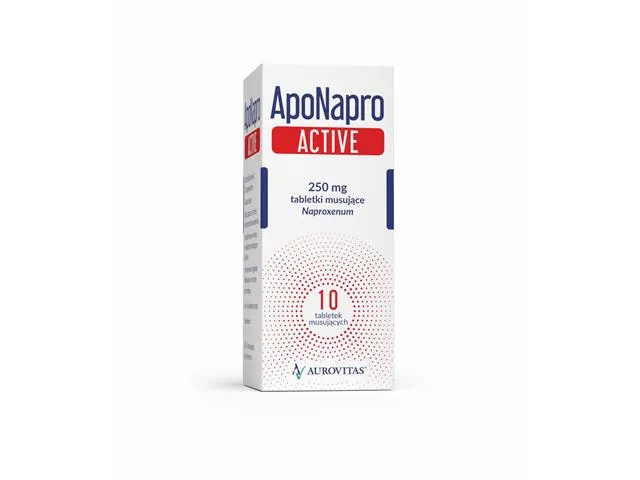
Table of Contents
Package leaflet: Information for the user
ApoNapro ACTIVE, 250 mg, effervescent tablets
Naproxenum
Please read all of this leaflet carefully before taking this medicine, because it contains
important information for you.
This medicine should always be taken exactly as described in this patient leaflet or as directed by
your doctor or pharmacist.
- Keep this leaflet, so that you can read it again if necessary.
- If you need advice or further information, please consult your doctor or pharmacist.
- This medicine has been prescribed for a specific individual. Do not pass it on to others. It may harm someone else, even if their symptoms are the same.
- If you experience any adverse effects, including any possible side effects not listed in this leaflet, tell your doctor or pharmacist. See section 4.
Leaflet contents
- What ApoNapro ACTIVE is and what it is used for
- What you need to know before taking ApoNapro ACTIVE
- How to take ApoNapro ACTIVE
- Possible side effects
- How to store ApoNapro ACTIVE
- Contents of the pack and other information
1. What ApoNapro ACTIVE is and what it is used for
ApoNapro ACTIVE contains naproxen, which is a non-steroidal anti-inflammatory, analgesic,
and antipyretic medicine. It belongs to a group of medicines known as NSAIDs (non-steroidal anti-inflammatory drugs).
ApoNapro ACTIVE is used in adults and adolescents aged 16 years and older for the short-term treatment of pain and fever.
ApoNapro ACTIVE can relieve pain and inflammation (swelling, redness, and warmth), and is used in the treatment of:
- Muscle, joint, and tendon pain, such as strains, gout, arthritis, and ankylosing spondylitis.
- Painful menstruation.
2. Important information before using ApoNapro ACTIVE
When not to use ApoNapro ACTIVE:
- If the patient is allergic to naproxen or any of the other ingredients of this medicine (listed in section 6).
- If the patient is allergic to acetylsalicylic acid (aspirin), other NSAIDs, or any other pain-relieving medicines (such as ibuprofen or diclofenac).
- If the patient has peptic ulcer disease (stomach or duodenal ulcer) or gastrointestinal bleeding, or if there have been two or more episodes of peptic ulcers, gastrointestinal bleeding, or perforation.
- If the patient previously experienced gastrointestinal bleeding or perforation while taking NSAIDs.
- If the patient has severe impairment of kidney, liver, or heart function.
- If the patient is in the last three months of pregnancy.
- In children and adolescents under 16 years of age, because the amount of active substance is too high.
Do not take this medicine if any of the above situations apply to the patient. In case of
doubt, consult a doctor or pharmacist before taking this medicine.
If any of the following symptoms occur during treatment,
STOP USING THE MEDICINE immediately and seek medical help:
- Passing blood in the stool (faeces).
- Passing black, tarry stools.
- Vomiting blood or dark particles resembling coffee grounds.
STOP TAKING THE MEDICINE and inform your doctor if you experience:
- Indigestion or heartburn.
- Stomach pain or other abnormal stomach symptoms.
Warnings and precautions
When to exercise special caution when using ApoNapro ACTIVE
If the patient has heart problems, has had a stroke, or suspects being at risk of such conditions (for example due to high blood pressure, diabetes, high cholesterol levels, or smoking), they should discuss treatment options with a doctor or pharmacist.
Before using this medicine, contact a doctor or pharmacist if the patient has any of the following:
- Asthma or allergies (such as hay fever).
- Previous swelling of the face, lips, eyes, or tongue.
- Feeling weak (possibly due to illness) or if the patient is elderly.
- Nasal polyps or frequent sneezing, runny nose, or a blocked or itchy nose.
- Localized swelling, high blood pressure, or heart failure.
- Impaired kidney or liver function.
- Autoimmune disorders such as systemic lupus erythematosus (SLE, causing joint pain, skin rashes, and fever), or ulcerative colitis or Crohn's disease (conditions causing intestinal inflammation, abdominal pain, diarrhoea, vomiting, and weight loss).
- Blood clotting disorders.
- High levels of fats in the blood (hyperlipidaemia).
- Blood vessel (arterial) disorders anywhere in the body.
Serious skin reactions, including exfoliative dermatitis, Stevens-Johnson syndrome, toxic epidermal necrolysis, and drug reaction with eosinophilia and systemic symptoms (DRESS), have been reported in association with the use of ApoNapro ACTIVE. Discontinue use of ApoNapro ACTIVE and contact a doctor immediately if any symptoms related to these serious skin reactions described in section 4 occur.
Elderly patients may have an increased risk of adverse effects. Inform a doctor immediately if the patient experiences any unusual symptoms affecting the stomach or intestines.
If any of the above situations apply to the patient, or if the patient is unsure, speak to a doctor or pharmacist before using this medicine.
Children and adolescents
This medicine should not be used in children and adolescents under 16 years of age.
ApoNapro ACTIVE and other medicines
Tell your doctor or pharmacist about all medicines currently taken or recently taken, as well as any medicines the patient plans to take, including over-the-counter medicines and herbal remedies. In particular, inform your doctor or pharmacist if the patient is taking:
- Other pain-relieving medicines such as ibuprofen, diclofenac, and paracetamol.
- Medicines that prevent blood clotting, such as acetylsalicylic acid (aspirin), warfarin, heparin, or clopidogrel.
- Hydantoin medicines (used to treat epilepsy), such as phenytoin.
- Sulfonamide medicines, such as hydrochlorothiazide, acetazolamide, indapamide, including sulfonamide antibiotics (used to treat infections).
- Sulfonylurea derivatives (used to treat diabetes), such as glimepiride or glipizide.
- Angiotensin-converting enzyme (ACE) inhibitors or any other medicine used to treat high blood pressure, such as cilazapril, enalapril, or propranolol.
- Angiotensin II receptor antagonists, such as candesartan, eprosartan, or losartan (used to treat high blood pressure).
- Diuretics (water tablets) (used to treat high blood pressure), such as furosemide.
- Cardiac glycosides (used to treat heart conditions), such as digoxin.
- Steroids (used for oedema and inflammatory conditions), such as hydrocortisone, prednisolone, and dexamethasone.
- Quinolone antibiotics (used to treat infections), such as ciprofloxacin or moxifloxacin.
- Certain medicines used to treat psychiatric disorders, such as lithium or selective serotonin reuptake inhibitors (SSRIs), such as fluoxetine or citalopram.
- Probenecid (used to treat gout).
- Methotrexate (used to treat skin disorders, arthritis, or cancer).
- Cyclosporine or tacrolimus (used for skin disorders or after organ transplantation).
- Zidovudine (used to treat HIV/AIDS infections).
- Mifepristone (used for medical termination of pregnancy or to induce delivery in case of foetal death).
- Cholestyramine, a medicine used to lower cholesterol levels.
- Medicines that neutralize gastric acid (to counteract excess stomach acid).
If any of the above situations apply to the patient or if there are any doubts,
speak to a doctor or pharmacist before using this medicine.
Pregnancy, breastfeeding, and effects on fertility
If the patient is pregnant or breastfeeding, suspects she may be pregnant, or is planning to become pregnant, she should consult a doctor or pharmacist before using this medicine.
Do not take ApoNapro ACTIVE if the patient is in the last 3 months of pregnancy, as it may harm the unborn child or cause complications during delivery.
ApoNapro ACTIVE may cause kidney and heart problems in the unborn child. It may increase the tendency to bleeding in both mother and child and may delay or prolong labour. ApoNapro ACTIVE should not be used during the first 6 months of pregnancy unless the doctor considers it absolutely necessary. If treatment is required during this period or when trying to conceive, the lowest effective dose should be used for the shortest possible duration. From week 20 of pregnancy, ApoNapro ACTIVE may cause kidney problems in the unborn child; if taken for longer than a few days, it may lead to low levels of amniotic fluid surrounding the baby (oligohydramnios) or narrowing of a blood vessel (ductus arteriosus) in the baby's heart. If treatment is required for more than a few days, the doctor may recommend additional monitoring.
Breastfeeding
Naproxen passes into breast milk. ApoNapro ACTIVE is not recommended for use in breastfeeding women.
Fertility
Naproxen may make it more difficult to become pregnant. Inform the doctor if the patient is planning to become pregnant or is experiencing difficulty conceiving.
Driving and operating machinery
This medicine may cause fatigue, drowsiness, dizziness, depression, or disorientation. It may also cause visual disturbances and loss of balance. If any of these symptoms occur, speak to a doctor, and do not drive or operate tools or machinery.
ApoNapro ACTIVE contains sodium
This medicine contains 345 mg (15 mmol) of sodium (the main component of table salt) in each effervescent tablet. This corresponds to 17.2% of the maximum recommended daily dietary intake of sodium for adults.
ApoNapro ACTIVE contains sorbitol (E 420)
Sorbitol is a source of fructose. If the patient (or their child) has previously been diagnosed with intolerance to certain sugars or hereditary fructose intolerance (HFI), a rare genetic disorder in which the body cannot break down fructose, the patient should contact a doctor before taking this medicine.
3. How to use ApoNapro ACTIVE
Taking medicines containing naproxen may be associated with a small increased risk of heart attack or stroke. The risk is higher with higher doses and prolonged (long-term) treatment. Do not exceed the recommended dose or duration of treatment. This medicine should always be used according to the instructions given by your doctor or pharmacist. If in doubt, consult your doctor or pharmacist.
Dissolve 1 to 2 tablets in a glass (150 mL) of water and drink. For a dose of 3 tablets, dissolve them in 300 mL of water. To ensure no residue remains, rinse the empty glass with a small amount of water (10 mL) and drink it. Take with food or after a meal. If you have a sensitive stomach, ApoNapro ACTIVE should be taken with food.
Patients should ensure they drink enough fluids and remain well hydrated while taking this medicine. This is particularly important for patients with kidney problems.
While taking this medicine, your doctor may wish to see you to check that you are taking the correct dose and to monitor for any adverse effects. This is especially important for elderly patients.
Recommended dose for adults
Muscle, joint or tendon pain, painful menstruation and fever
- The recommended dose is 2 tablets, then if needed, 1 tablet every 6 to 8 hours.
Arthritis and ankylosing spondylitis
- The recommended dose is 2 to 4 tablets.
- The dose should be divided into two parts and taken twice daily.
Gout
- The usual initial dose is 3 tablets, then if needed, 1 tablet every 8 hours.
Use in children and adolescents
ApoNapro ACTIVE should not be used in children and adolescents under 16 years of age, as the amount of active substance is too high.
In adolescents aged 16 years and older, the recommended daily dose is 20 mg/kg body weight per day. The daily dose should not exceed 1000 mg per day.
Elderly patients and patients with impaired liver or kidney function
The doctor will decide on the dose, which is usually lower than for other adult patients.
Taking more ApoNapro ACTIVE than recommended
Symptoms of overdose may include abdominal pain, nausea and vomiting. Headache, dizziness, drowsiness, visual disturbances and eye tremors, tinnitus (ringing in the ears) and loss of consciousness may occur. High blood pressure, respiratory depression and coma may occur after ingestion of NSAIDs, but are rare.
If an overdose of ApoNapro ACTIVE is suspected, contact a doctor immediately or go to hospital. Take the medicine packaging with you.
If you feel the medicine is not providing sufficient pain relief, do not increase the dose yourself—contact your doctor immediately.
Missing a dose of ApoNapro ACTIVE
If you miss a dose, skip it and take the next dose at your usual time. Do not take a double dose to make up for a missed dose.
4. Possible adverse effects
Like all medicines, this medicine can cause adverse effects, although not everyone will experience them.
The use of medicines containing naproxen may be associated with a small increased risk of
heart attack or stroke.
Important adverse effects to be aware of:
You should stop taking this medicine and immediately inform your doctor if any of the
following adverse effects occur. The patient may require urgent medical attention.
Frequency unknown: frequency cannot be determined from the available data
- Characteristic skin allergic reaction called fixed drug eruption, which usually recurs in the same location(s) upon re-exposure to the drug and may present as round or oval red patches and swelling of the skin, blisters (urticaria), itching.
- Widespread rash, high fever, elevated liver enzymes, blood disorders (eosinophilia), enlarged lymph nodes and involvement of other organs (drug reaction with eosinophilia and systemic symptoms, also known as DRESS syndrome). See also section 2.
Severe gastrointestinal disorders, symptoms include:
- Vomiting blood or material that looks like coffee grounds.
- Black, sticky stools or bloody diarrhoea.
- Stomach upset, abdominal pain, fever, nausea or vomiting.
- Pancreatic disorders. Symptoms include severe abdominal pain radiating to the back.
- Exacerbation of ulcerative colitis or Crohn’s disease, manifesting as pain, diarrhoea, vomiting and weight loss.
Allergic reactions, symptoms include:
- Sudden swelling of the throat, face, hands or feet.
- Difficulty breathing, feeling of tightness in the chest.
- Skin rash, blisters or itching.
Severe skin rashes, symptoms include:
- Severe rash developing rapidly, with blisters or peeling of the skin and possible blisters in the mouth, throat or eyes. Fever, headache, cough and general body aches may also occur simultaneously.
- Blisters on the skin after exposure to sunlight, particularly on the arms, face and hands.
Liver function disorders, symptoms include:
- Yellowing of the skin or whites of the eyes (jaundice).
- Feeling tired, loss of appetite, nausea or vomiting, pale-coloured stools (hepatitis) and abnormalities detected in blood tests (including hepatitis).
Heart attack, symptoms include:
- Pain and feeling of pressure in the chest, which may radiate to the neck, shoulders and down the left arm.
Stroke, symptoms include:
- Muscle weakness and numbness. This may occur on only one side of the body.
- Sudden changes in smell, taste, hearing or vision, confusion.
Meningitis, symptoms include:
- Fever, nausea or vomiting, neck stiffness, headache, sensitivity to bright light and confusion (more likely in people with autoimmune diseases such as systemic lupus erythematosus).
If any of the serious adverse effects listed above occur,
you should stop taking this medicine and immediately inform your doctor.
Other possible adverse effects:
Stomach and intestines
- Heartburn, indigestion, abdominal pain, nausea or vomiting, constipation, diarrhoea, bloating, difficulty and (or) painful swallowing, sensation of something stuck in the throat.
Blood
- Blood disorders such as anaemia or changes in white blood cell count.
- High potassium levels in the blood (hyperkalaemia).
Psychiatric disorders
- Severe difficulty falling asleep or sleep disturbances.
- Depression.
- Feeling confused or seeing and possibly hearing things that are not there (hallucinations).
Nervous system
- Headache.
- Seizures, dizziness, vertigo or drowsiness.
- Tingling or numbness of hands and feet.
- Memory or concentration difficulties.
Eyes and ears
- Vision disorders, eye pain.
- Hearing disorders, including ringing in the ears (tinnitus) and hearing loss.
- Dizziness causing balance disturbances.
Heart and blood circulation
- Swelling of hands, feet or legs. This may be accompanied by chest pain, fatigue, shortness of breath (heart failure).
- Awareness of heartbeats, slow heartbeat or high blood pressure.
- Disorders related to the way the heart pumps blood throughout the body or damage to blood vessels. Symptoms may include fatigue, shortness of breath, feeling faint, generalized pain.
Chest
- Breathing difficulties, including shortness of breath, wheezing or cough.
- Lung inflammation or pulmonary oedema.
Skin and hair
- Skin rashes, including redness, urticaria, pimples and blisters on the body and face.
- Bruising, itching, sweating, increased skin sensitivity to sunlight or hair loss.
Urinary system
- Blood in the urine or kidney function disorders.
Other
- Thirst, fever, feeling tired or general malaise.
- Pain or ulceration in the mouth.
- Muscle pain or weakness.
- Difficulties in women becoming pregnant.
- Systemic lupus erythematosus (SLE). Symptoms include fever, rash, kidney disorders and joint pain.
Reporting of adverse effects
If any adverse symptoms occur, including any adverse effects not listed
in this leaflet, you should inform your doctor or pharmacist. Adverse effects can
be reported directly to the Department of Monitoring Adverse Drug Reactions of the Office for Registration of Medicinal Products, Medical Devices and Biocidal Products, Al. Jerozolimskie 181C, 02-222 Warsaw, phone: +48 22 49 21 301,
fax: +48 22 49 21 309, website: https://smz.ezdrowie.gov.pl
By reporting adverse effects, more information on the safety of the medicine can be collected.
Adverse effects can also be reported to the responsible entity.
5. How to store ApoNapro ACTIVE
Keep the medicine out of the sight and reach of children.
Do not use this medicine after the expiry date stated on the carton after EXP. The expiry date refers to the last day of the stated month.
No special temperature storage instructions are required. Store in the original packaging to protect from moisture.
Medicines must not be disposed of via the sewage system or household waste. Ask your pharmacist how to dispose of medicines no longer in use. This will help protect the environment.
6. Contents of the pack and other information
What ApoNapro ACTIVE contains
The active substance is naproxen. Each effervescent tablet contains 250 mg of naproxen.
The other ingredients are: citric acid, sodium bicarbonate, sodium carbonate, sodium cyclamate (E 952),
sodium saccharin (E 954), sodium citrate, povidone (K 30), macrogol (6000), mannitol (E 421),
simethicone, sodium docucinate, Cassis flavour (containing maltodextrin, mannitol (E 421),
gluconolactone (E 575), sorbitol (E 420), gum arabic (E 414), colloidal silicon dioxide, anhydrous (E 551)).
What ApoNapro ACTIVE looks like and contents of the pack
Round, white effervescent tablets (25 mm in diameter).
ApoNapro ACTIVE is available in packs of 10 and 20 tablets.
Not all pack sizes may be marketed.
Marketing Authorisation Holder and Manufacturer
Marketing Authorisation Holder:
Aurovitas Pharma Polska Sp. z o.o.
Sokratesa Street 13D, unit 27
01-909 Warsaw
email: [email protected]
Manufacturer:
HERMES PHARMA GmbH
Hans-Urmiller-Ring 52
82515 Wolfratshausen
Germany
This medicinal product is authorised in the European Economic Area countries under the following names:
Poland: ApoNapro ACTIVE