Apap nbg
Poland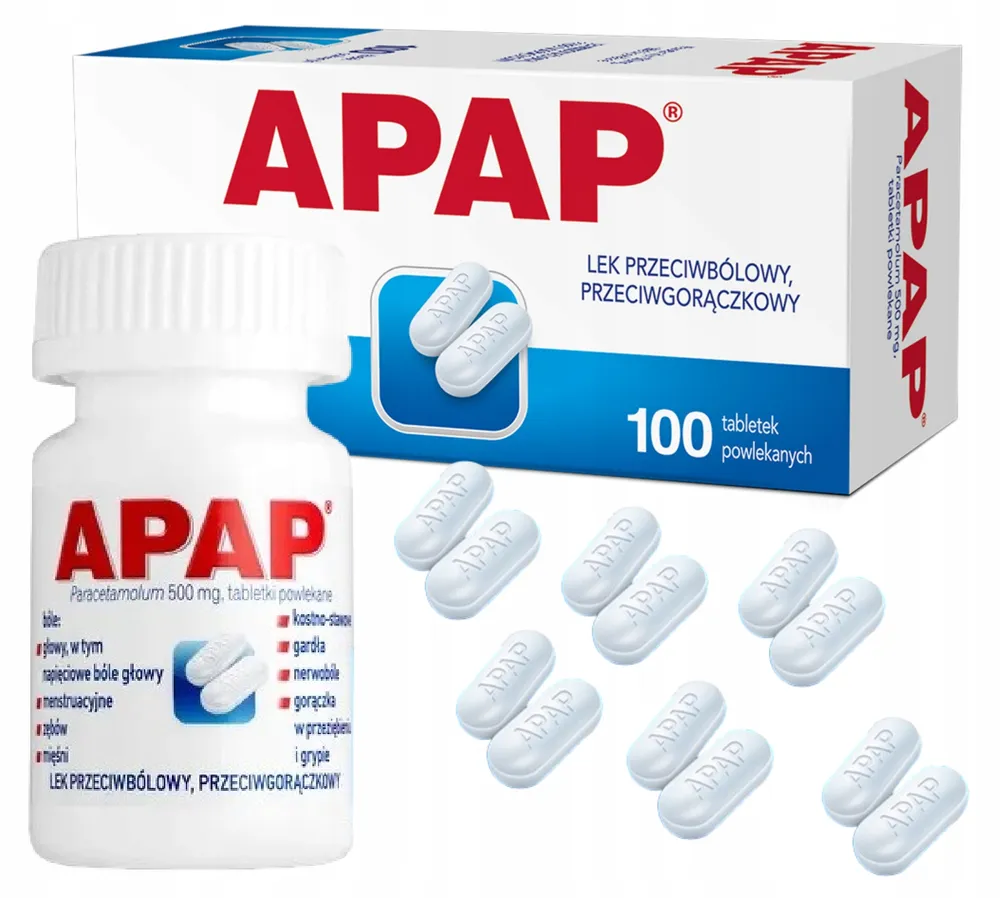
Table of Contents
Patient Information Leaflet
APAP NBG, 500 mg + 50 mg, tablets
Paracetamolum + Coffeinum
Please read carefully the entire leaflet before using the medicine, as it contains
important information for the patient.
This medicine should always be used exactly as described in this patient leaflet or as directed by a
physician or pharmacist.
- Keep this leaflet, so that you can read it again if necessary.
- If you need advice or further information, please contact your pharmacist.
- If you experience any adverse reactions, including any possible adverse reactions not listed in this leaflet, inform your doctor or pharmacist. See section 4.
- If there is no improvement after 3 days, or if you feel worse, consult a doctor.
Table of Contents
- What APAP NBG is and what it is used for
- Important information before taking APAP NBG
- How to take APAP NBG
- Possible side effects
- How to store APAP NBG
- Contents of the pack and other information
1. What APAP NBG is and what it is used for
APAP NBG contains two active substances: paracetamol and caffeine.
Paracetamol has analgesic and antipyretic properties. Caffeine is a substance that exerts a mild stimulant effect on the central nervous system.
The addition of caffeine to paracetamol significantly enhances its effectiveness in treating tension-type headaches. Caffeine also accelerates the onset of paracetamol's action.
The indication for use of this medicine is mild to moderate tension-type headache.
Tension-type headaches are the most common type of headache. They are described as dull, pressing, band-like, and crushing pain, radiating from the forehead to the occiput, very often also involving the back of the neck.
If there is no improvement after 3 days, or if you feel worse, consult a doctor.
2. Important Information Before Using APAP NBG
When not to use APAP NBG
- If the patient is allergic to paracetamol or caffeine, or to any of the other ingredients of this medicine (listed in section 6).
- In patients with alcoholic liver disease.
- In patients diagnosed with haemolytic anaemia or congenital glucose-6-phosphate dehydrogenase deficiency.
- In patients diagnosed with congenital methemoglobin reductase deficiency.
- In severe renal or hepatic impairment.
- In patients with cardiac arrhythmias.
- In patients taking monoamine oxidase inhibitors (MAOIs), and within 2 weeks after discontinuation of such treatment.
- In women during the first trimester of pregnancy and during breastfeeding.
- In children under 12 years of age.
Warnings and precautions
Before starting treatment with APAP NBG, consult a doctor or pharmacist if the patient has any of the following conditions:
- Liver function disorders,
- Use of drugs inducing hepatic microsomal enzymes (see "APAP NBG with other medicines"),
- Chronic alcohol abuse,
- Dehydration,
- Risk of glutathione deficiency (e.g. in patients with malnutrition, fasting, cystic fibrosis, HIV infection, cachexia),
- Immediately inform the doctor if the patient has serious medical conditions, including severe kidney disease, sepsis (bacteria and their toxins circulating in the blood causing organ damage), or malnutrition, chronic alcoholism, or if the patient is also taking flucloxacillin (an antibiotic). In such cases, severe metabolic acidosis (a disturbance in blood and body fluid balance) has been reported in patients taking paracetamol regularly for prolonged periods or taking paracetamol together with flucloxacillin. Symptoms of metabolic acidosis may include: severe breathing difficulties, including rapid deep breathing, drowsiness, nausea, vomiting,
- Kidney function disorders,
- Bronchial asthma,
- Hyperthyroidism (overactive thyroid gland),
- Sleep disorders such as insomnia,
- Aspirin-induced asthma, hypersensitivity to acetylsalicylic acid or other non-steroidal anti-inflammatory drugs (NSAIDs),
- Gout,
- Hypertension, due to the risk of increased blood pressure.
The medicine contains paracetamol. Due to the risk of overdose, do not use together with other medicines containing paracetamol.
In case of overdose, consult a doctor immediately, even if the patient feels well, due to the risk of delayed, severe liver damage.
Do not consume alcohol during treatment (see "APAP NBG and alcohol").
Prolonged use without medical supervision may be harmful.
Long-term use of high doses may cause interstitial nephritis.
Children and adolescents
Do not use in children under 12 years of age.
APAP NBG and other medicines
Inform your doctor or pharmacist about all medicines currently used, recently taken, or planned for use.
Do not take this medicine simultaneously with other medicines containing paracetamol or caffeine.
Before using APAP NBG, inform your doctor or pharmacist if the patient is taking any of the following:
- Oral anticoagulants (preventing blood clots, such as warfarin or acenocoumarol),
- Dipyridamole (often used in hospitals during cardiac function tests),
- Rifampicin (an antibacterial agent, including for tuberculosis treatment),
- Carbamazepine, phenobarbital, phenytoin, stiripentol and lamotrigine (used in epilepsy treatment),
- St John's wort (used for mild depression),
- Isoniazid (used in tuberculosis treatment),
- Salicylamide (used for fever and mild pain),
- Metoclopramide and domperidone (used for nausea and vomiting),
- Cholestyramine (used to treat high cholesterol and reduce blood fat levels),
- Propantheline (used for gastrointestinal spasms),
- Fluvoxamine, monoamine oxidase inhibitors (see also "When not to use APAP NBG") and lithium (used for anxiety, depression and other psychiatric conditions), diazepam (used for anxiety or as a sedative),
- Sleeping medicines,
- Zidovudine (used in HIV infection treatment),
- Probenecid (used in gout treatment),
- Levothyroxine (used in thyroid disorders),
- Beta-blockers such as atenolol, metoprolol, oxprenolol or propranolol (used for high blood pressure and heart conditions),
- Phenylpropanolamine and ephedrine (vasoconstrictors) or theophylline (used in asthma treatment),
- Disulfiram (used in alcoholism treatment),
- Clozapine (used, among others, in schizophrenia treatment),
- Methoxsalen (used in skin disease, psoriasis treatment),
- Pipemidic acid (used in infection treatment),
- Chloramphenicol, ciprofloxacin, norfloxacin, enoxacin, rifampicin (antibiotics),
- Mexiletine (used in cardiac arrhythmias),
- Oral contraceptives,
- Cimetidine (used in peptic ulcer disease),
- Verapamil (used in heart conditions),
- Lithium salts (used in psychiatric disorders).
Inform your doctor or pharmacist if the patient is taking:
- Flucloxacillin (an antibiotic) due to serious risk of blood and body fluid disturbances (called metabolic acidosis), which require urgent treatment (see section 2).
Effect on diagnostic test results
Paracetamol may interfere with blood glucose measurements using glucometers based on glucose oxidase and peroxidase.
Paracetamol may interfere with measurements of blood glucose and serum uric acid levels.
If the patient is scheduled for such tests, inform the doctor or nurse about taking paracetamol-containing medicines.
Caffeine intake should be stopped at least 5 days before cardiac muscle imaging tests.
Avoid consuming coffee, tea, and chocolate for 24 hours before the test.
Use of APAP NBG with food, drink and alcohol
Do not consume alcohol while taking paracetamol-containing medicines due to increased risk of liver damage.
Limit intake of beverages containing caffeine (see "Warnings and precautions" above).
While taking APAP NBG, the patient should limit consumption of products containing caffeine. Since caffeine is naturally present in tea, coffee, chocolate, and certain soft drinks, overdose is possible. The patient should consider dietary and other medical sources of caffeine and ensure that the total intake does not exceed the recommended daily limit.
Typical caffeine content in some beverages and foods:
- Brewed coffee: 50–100 mg/100 ml*
- Instant coffee and tea: 20–73 mg/100 ml*
- Soft drinks (cola): 9–19 mg/100 ml*
- Chocolate: 5–20 mg/100 ml*
(*100 ml corresponds to one small cup of beverage)
APAP NBG contains sodium
The medicine contains less than 1 mmol (23 mg) of sodium per maximum single dose (2 tablets), meaning it is considered "sodium-free".
Pregnancy, breastfeeding and fertility
If the patient is pregnant, breastfeeding, suspects she may be pregnant, or plans to become pregnant, she should consult a doctor or pharmacist before using this medicine.
Do not use APAP NBG during the first trimester of pregnancy.
The doctor may allow use of this medicine during the second and third trimesters of pregnancy only if, in his or her opinion, the benefit to the mother outweighs the potential risk to the fetus.
During pregnancy, caffeine metabolism is slowed and serum concentrations are higher after the same dose.
Caffeine passes into breast milk. Do not use APAP NBG during breastfeeding.
Driving and operating machinery
The use of APAP NBG has no effect or negligible effect on the ability to drive and operate machinery.
3. How to use APAP NBG
This medicine should always be used exactly as described in this patient information leaflet, or as directed by a doctor or pharmacist. If in doubt, consult a doctor or pharmacist.
Recommended dose
Adults and adolescents over 12 years of age
Orally, 1 or 2 tablets. The dose may be repeated every 4–6 hours if necessary, up to a maximum of 8 tablets per day.
Do not use this medicine for longer than 3 days without consulting a doctor.
Use in children
Do not use in children under 12 years of age.
Use of a higher than recommended dose of APAP NBG
If a higher than recommended dose is taken, contact a doctor immediately, even if no adverse symptoms are present, because life-threatening paracetamol poisoning and liver damage may occur.
Within a few to several hours after ingestion, symptoms such as nausea, vomiting, excessive sweating, drowsiness, and general weakness may appear. These symptoms may subside the next day, even though liver damage may already be developing, which later manifests as discomfort in the upper abdomen, recurrence of nausea, and jaundice. Paracetamol overdose may cause metabolic acidosis, the symptoms of which include:
- deep, rapid, and laboured breathing,
- feeling of nausea and occurrence of vomiting,
- loss of appetite.
Acute caffeine poisoning is very rare. It presents with abdominal pain, insomnia, frequent urination, dehydration, anxiety, nervousness, restlessness, insomnia, excitement, muscle tremors, confusion, and fever. More severe poisoning is characterized by rapid heartbeat, cardiac arrhythmias, and convulsions.
In any case of ingestion of more than 8 tablets of the medicine within 24 hours or a single dose of paracetamol exceeding 5 g, vomiting should be induced if less than one hour has passed since ingestion, and immediate contact with a doctor must be established. To bind any remaining medicine in the stomach, it is advisable to administer 60–100 g of activated charcoal orally, preferably mixed with water.
Missed dose of APAP NBG
If your doctor has recommended regular use, do not take a double dose to make up for a missed dose.
4. Possible adverse reactions
Like all medicines, this medicine can cause adverse reactions, although not everyone will experience them.
If any of the following symptoms occur, do not continue taking the medicine and contact your doctor immediately. These are life-threatening conditions. They occur very rarely.
- Angioedema with symptoms such as swelling of the face or throat which may cause difficulty breathing;
- Anaphylactic shock, with symptoms such as disturbances in consciousness, pale skin, drop in blood pressure, sweating, reduced urine output, rapid breathing;
- Severe skin reactions, with symptoms such as acute blistering rash over the entire body, erythema, erosions which may affect large areas of the skin, oral cavity and genital organs, rupturing giant blisters, peeling off large sheets of the epidermis, fever, joint pain.
Frequent (may affect up to 1 in 10 people)
- Moderate drowsiness.
Uncommon (may affect up to 1 in 100 people)
- Dizziness, drowsiness, nervousness.
Rare (may affect up to 1 in 1,000 people)
- Bone marrow suppression,
- Coagulation disorders,
- Hypersensitivity reactions: urticaria, erythema, rash (including generalized),
- Depression, confusion, hallucinations,
- Tremor, headache,
- Visual disturbances,
- Edema,
- Nausea, vomiting, diarrhea, abdominal pain, digestive disturbances,
- Increased liver enzyme activity (aminotransferases), abnormal liver function,
- Itching, sweating,
- Malaise, fever,
- Overdose and poisoning.
Very rare (may affect up to 1 in 10,000 people)
- Anaemia (reduced number of red blood cells), thrombocytopenia (reduced number of platelets), leukopenia (reduced number of white blood cells), or neutropenia (reduced number of a certain type of white blood cells - neutrophils), agranulocytosis (near-total absence of a certain type of white blood cells - granulocytes),
- Hypoglycaemia (low blood glucose concentration),
- Bronchospasm in patients hypersensitive to acetylsalicylic acid and other non-steroidal anti-inflammatory drugs, respiratory disorders, asthma attack,
- Acute liver injury, most commonly due to overdose, liver failure, liver necrosis, jaundice,
- Pigmentary purpura,
- Sterile pyuria (cloudy urine).
Frequency not known (cannot be estimated from the available data)
- Serious condition which may cause blood acidification (so-called metabolic acidosis) in patients with severe illness taking paracetamol (see section 2),
- Insomnia, motor restlessness, anxiety, irritability,
- Palpitations,
- Acute or chronic pancreatitis,
- Interstitial nephritis after long-term use of high doses.
Reporting of adverse reactions
If any adverse reactions occur, including any not listed in this leaflet, consult a doctor or pharmacist.
Adverse reactions can be reported directly to the Department of Monitoring Adverse Drug Reactions at the Office for Registration of Medicinal Products, Medical Devices and Biocidal Products
Al. Jerozolimskie 181C,
02-222 Warsaw,
Phone: +48 22 49 21 301,
Fax: +48 22 49 21 309
Website: https://smz.ezdrowie.gov.pl/
Adverse reactions can also be reported to the marketing authorization holder.
Reporting adverse reactions helps provide more information on the safety of the medicine.
5. How to store APAP NBG medicine
Keep this medicine out of sight and reach of children.
Store the medicine at a temperature below 30 °C.
Do not use this medicine after the expiry date stated on the cardboard box and immediate packaging (month/year). The expiry date refers to the last day of the stated month.
Labelling on the blisters: EXP – expiry date, Lot – batch number.
Medicines must not be disposed of via wastewater or household waste. Ask your pharmacist how to dispose of medicines no longer required. Following this advice helps protect the environment.
6. Contents of the pack and other information
What APAP NBG contains
The active substances in this medicine are: paracetamol and caffeine.
One tablet contains 500 mg of paracetamol and 50 mg of caffeine.
Other ingredients are: povidone (K29/32), potato starch, microcrystalline cellulose,
sodium carboxymethyl starch (Type A), talc, colloidal anhydrous silica, magnesium stearate.
What APAP NBG looks like and contents of the pack
The medicine is in the form of elongated, biconvex, white tablets with a score line. The score line is intended only to facilitate tablet fragmentation for easier swallowing and does not ensure equal dose division.
For oral use, packed in PVC/PVDC/Aluminium blisters, with a cardboard carton and patient information leaflet.
Available pack sizes:
6, 8, 10, 12, 24 tablets in blisters.
Not all pack sizes may be marketed.
Marketing Authorisation Holder and Manufacturer
US Pharmacia Sp. z o.o.
ul. Ziębicka 40
50-507 Wrocław
For further information about this medicine, please contact:
USP Zdrowie Sp. z o.o.
ul. Poleczki 35
02-822 Warszawa
tel. +48 22 543 60 00