Alpragen
Poland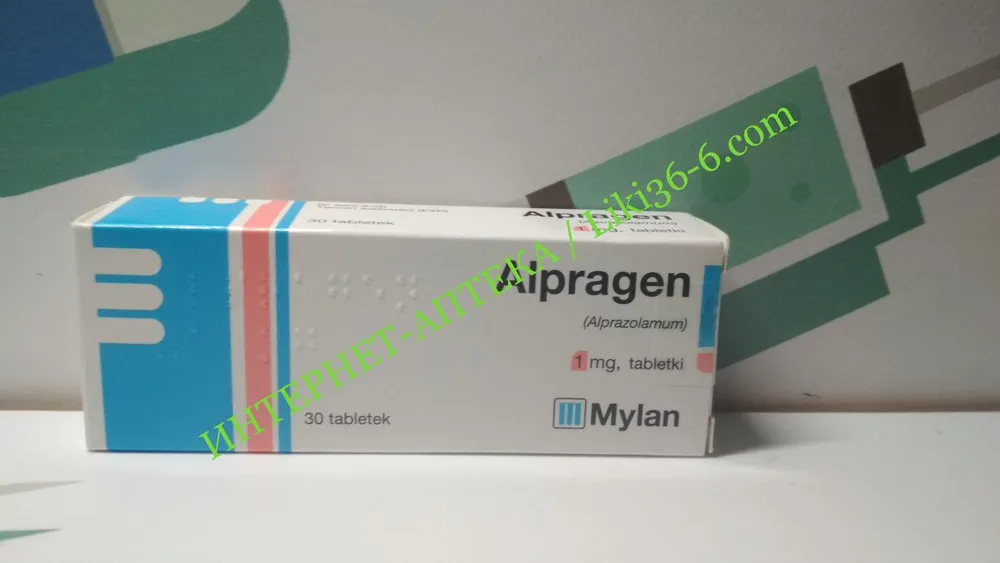
Table of Contents
Patient Information Leaflet
Warning! Keep this leaflet! Information on the immediate packaging is in a foreign language.
Alpragen (Alprazolam Mylan), 0.5 mg, tablets
Alprazolam
Alpragen and Alprazolam Mylan are different brand names for the same medicine.
Please read this leaflet carefully before taking the medicine, as it contains
important information for the patient.
- Keep this leaflet so that you can read it again if necessary.
- If you have any questions, please consult your doctor or pharmacist.
- This medicine has been prescribed for a specific individual. Do not pass it on to others. The medicine may harm someone else, even if their symptoms are the same.
- If you experience any adverse reactions, including any not listed in this leaflet, inform your doctor or pharmacist. See section 4.
Table of contents of the leaflet:
- What Alpragen is and what it is used for
- Important information before taking Alpragen
- How to take Alpragen
- Possible side effects
- How to store Alpragen
- Contents of the pack and other information
1. What Alpragen is and what it is used for
Alpragen contains the active substance alprazolam, which belongs to a group of medicines called benzodiazepines.
Alprazolam is believed to enhance the activity of GABA receptors in the brain.
Alprazolam is used short-term in the treatment of severe anxiety disorders.
Treatment with alprazolam should be short-term because it may lead to dependence.
2. Important information before using Alpragen
When not to use Alpragen:
- if the patient is allergic to alprazolam, benzodiazepines, or any of the other ingredients of this medicine (listed in section 6)
- if the patient has muscle weakness ( myasthenia gravis )
- if the patient has severe breathing difficulties or lung disease
- if the patient has been diagnosed with sleep apnoea syndrome (irregular breathing during sleep)
- if the patient has severe liver failure
- if the patient abuses alcohol or narcotic substances
- if the patient has been diagnosed with glaucoma.
Warnings and precautions
Before starting treatment with Alpragen, consult your doctor or pharmacist:
- if the patient has chronic lung problems, mild to moderate liver or kidney impairment
- if the patient has depression or anxiety disorders associated with depression, because alprazolam may increase the frequency of suicidal thoughts (if present)
- if the patient is taking other medicines for anxiety disorders or insomnia
- if the patient has previously abused narcotic substances or alcohol, or has difficulties stopping the use of drugs, alcohol, or narcotic substances. The doctor may recommend special assistance when discontinuing this medicine
- if the patient has personality disorders
- if the patient is elderly, this medicine may cause drowsiness or muscle weakness, which may lead to falls, often with serious consequences.
Transient anterograde amnesia may occur during treatment. To reduce the risk,
the patient should have uninterrupted sleep for 7–8 hours while taking the medicine.
Use of alprazolam has been associated with unusual reactions such as:
agitation, particularly motor restlessness, stimulation, irritability, aggression, hallucinations,
rage attacks, nightmares,
illusions (seeing or hearing things that do not exist), psychosis (loss of contact with
reality), and bizarre behaviour. If such symptoms occur, the patient should contact a doctor,
as treatment must be discontinued.
Children and adolescents
The use of Alpragen is not recommended in children and adolescents under 18 years of age.
Alpragen and other medicines
Tell your doctor or pharmacist about all medicines the patient is currently taking, has recently taken, or plans to take, including those available without a prescription. It is especially important to inform the doctor about the use of medicines such as:
- antipsychotics (medicines used to treat psychiatric disorders), such as haloperidol and chlorpromazine; hypnotics (medicines used to induce sleep), such as phenobarbital and zolpidem; sedatives (medicines used to treat anxiety), such as diazepam and lorazepam; opioid analgesics (a type of painkiller), such as propoxyphene; antitussives (medicines used to treat cough), such as dextromethorphan and codeine; medicines such as methadone (which may be used to relieve pain or assist people addicted to opioids); anaesthetics (medicines used for anaesthesia), such as halothane and bupivacaine; or antidepressants, as these may enhance the effect of alprazolam
- clozapine (a medicine used to treat psychiatric disorders such as schizophrenia). This medicine may increase the level of alprazolam in the blood
- selective serotonin re-uptake inhibitors (SSRIs), used to treat depression (e.g. fluoxetine or sertraline)
- medicines used to treat epilepsy (e.g. phenytoin and carbamazepine)
- antihistamines (antiallergic medicines), such as cetirizine, cyclizine
- medicines used to treat fungal infections (e.g. ketoconazole, itraconazole, posaconazole, voriconazole or other azole derivatives)
- cimetidine (used to treat stomach ulcers), nefazodone (used to treat depression), or fluvoxamine (used to treat obsessive-compulsive disorder). The dose of alprazolam may need to be adjusted when taking these medicines
- imipramine or desipramine – tricyclic antidepressants (TCA), used to treat depression, as dose adjustment may be necessary
- oral contraceptives
- diltiazem (used to treat angina and hypertension)
- certain antibiotics, e.g. erythromycin, clarithromycin, telithromycin, troleandomycin and rifampicin
- medicines used to treat HIV infection, known as protease inhibitors (e.g. ritonavir)
- digoxin (a medicine used to treat heart conditions). The patient may experience symptoms of digoxin toxicity (symptoms include irregular heartbeat, confusion, delirium, visual disturbances, headache, abdominal pain, nausea and vomiting) when digoxin is taken concomitantly with Alpragen.
Concomitant use of Alpragen with opioids (strong analgesics, medicines used in substitution therapy for drug addiction, some antitussives) increases the risk of drowsiness, breathing difficulties (respiratory depression), coma, and may be life-threatening.
For this reason, concomitant use should only be considered if other treatment options are not feasible.
However, if the doctor prescribes Alpragen together with opioids, the dosage and duration of treatment should be strictly limited by the treating physician.
Inform the doctor about all opioid medicines being taken and strictly follow the dosage prescribed by the doctor. It may be helpful to inform friends or family about the above symptoms. If such symptoms occur, contact the doctor.
If surgery under general anaesthesia is planned, inform the doctor about taking alprazolam.
Alpragen, food and alcohol
Do not drink alcohol while taking Alpragen; alcohol enhances the effect of Alpragen.
Do not drink large amounts of grapefruit juice while taking this medicine, as it may increase the level of alprazolam in the blood.
Pregnancy and breastfeeding
If the patient is pregnant, breastfeeding, suspects she may be pregnant, or plans to become pregnant, she should consult a doctor or pharmacist before using this medicine. Do not use
Alpragen during pregnancy without discussing the potential risks and benefits with a doctor.
If alprazolam is taken regularly during the last trimester of pregnancy, the newborn may develop dependence on alprazolam and experience withdrawal symptoms.
If the doctor decides to use alprazolam in late pregnancy or during delivery, the newborn may experience symptoms such as low body temperature, floppiness, breathing difficulties, feeding problems, tremors, increased excitability, and agitation.
Do not use Alpragen during breastfeeding, as this medicine may pass into breast milk.
Driving and operating machinery
Do not drive or operate machinery after taking alprazolam, as symptoms such as: loss of concentration, loss of muscle control, memory loss, dizziness, drowsiness or dizziness may occur.
Alpragen contains lactose monohydrate
If the patient has previously been diagnosed with intolerance to certain sugars, consult a doctor before taking Alpragen.
Alpragen contains sodium
This medicine contains less than 1 mmol of sodium (23 mg) per tablet, meaning it is considered "sodium-free".
Alpragen contains sodium benzoate
This medicine contains 0.1 mg of sodium benzoate per tablet.
Sodium benzoate may increase the risk of jaundice (yellowing of the skin and whites of the eyes)
in newborns (up to 4 weeks of life).
3. How to take Alpragen
This medicine should always be taken exactly as directed by your doctor or pharmacist. If you are unsure,
you should consult your doctor or pharmacist.
Alpragen is available in the following strengths: 0.25 mg, 0.5 mg, 1 mg.
Adults (over 18 years of age)
The recommended dose is 0.25 mg to 0.5 mg three times a day.
If necessary, your doctor may decide to increase the dose up to the maximum dose of 4 mg per day.
If in doubt, you should contact your doctor or pharmacist again.
Caution should be exercised when increasing the dose. The evening dose should be increased first,
followed by the daytime dose.
In patients who have not previously taken this type of medicine, and in patients with a history of
alcohol dependence, a lower dose should be used.
Elderly patients
The recommended dose for elderly patients is 0.25 mg two to three times a day. In physically healthy
elderly patients, the doctor may, if necessary, increase the dose by 0.5 mg every third day, up to a
maximum dose of 1.5 mg per day. In frail elderly patients, the daily dose should not exceed 0.75 mg.
Alpragen tablets should be taken orally. The score line on the tablet is only intended to facilitate
breaking the tablet for easier swallowing.
Patients with hepatic or renal impairment
In cases of hepatic or renal impairment, your doctor may recommend a lower than usual dose.
The maximum recommended dose in patients with hepatic or renal impairment is 0.75 mg to 1.5 mg
per day.
Duration of treatment
Alpragen should not be used for longer than prescribed by your doctor. The total duration of treatment
should not exceed 8–12 weeks, including the tapering period.
Taking more Alpragen than recommended
If you take more Alpragen than recommended, you should contact your doctor immediately or go to
the nearest hospital emergency department. You should bring the medicine packaging and any
remaining tablets with you. Symptoms of overdose include: drowsiness, confusion, lack of coordination
or unsteady movements, breathing difficulties, low blood pressure, fatigue, loss of consciousness,
and in rare cases, death.
If you forget to take Alpragen
Do not take a double dose to make up for a missed dose. Simply take the next dose at the scheduled
time.
Stopping Alpragen
Do not stop taking this medicine on your own. The dose should be gradually reduced before stopping
treatment. Your doctor will advise you how to do this. If treatment with Alpragen is stopped too early
or discontinued, symptoms such as anxiety, restlessness (especially motor restlessness), seizures,
headaches, muscle pain, tension, confusion, irritability, involuntary movements, and difficulty
sleeping may occur. In extreme cases, symptoms may also include loss of awareness, disconnection
from reality, increased sensitivity to light, sound, and touch, feelings of numbness or tingling in the
limbs, seeing or hearing things that are not real, seizures, abdominal and muscle cramps, vomiting,
sweating, and tremor.
You should contact your doctor if any of these symptoms or mood changes occur.
If you have any further questions about the use of this medicine, you should consult your doctor or
pharmacist.
4. Possible adverse effects
Like all medicines, this medicine can cause adverse effects, although not everyone will experience them.
Harmful or hostile behaviours have been observed in patients with a history of violence, borderline personality disorder, alcohol abuse, and in patients taking medicines that affect the central nervous system.
In patients with post-traumatic stress, discontinuation of Alpragen treatment may lead to irritability, hostility, and unpleasant thoughts and reflections.
Common adverse effects are observed at the beginning of Alpragen treatment. These symptoms usually resolve during continued treatment.
Immediately inform your doctor if any of the following adverse effects occur, as they may be serious:
Uncommon (may affect up to 1 in 100 patients)
- convulsions
- seizures in the brain which may affect muscle activity, senses, vital functions, or changes in the way the patient thinks, feels and experiences things
- memory loss (amnesia)
- unusual reaction to the medicine, which may include one or more of the following symptoms: anxiety, especially motor restlessness, excitement, irritability, aggression, delusions, outbursts of anger, nightmares, seeing or hearing things that do not exist (hallucinations), loss of contact with reality (psychoses), and strange behaviour.
Adverse effects with unknown frequency (frequency cannot be estimated from the available data)
- increased number of infections, which may present as fever, severe chills, mouth ulcers or sore throat. These may be symptoms of low white blood cell count
- airway obstruction causing difficulty breathing
- hepatitis, which may cause nausea, vomiting, loss of appetite, general malaise, fever, itching, yellowing of the skin or whites of the eyes (jaundice), pale stools, dark urine
- symptoms of severe allergic reaction, which may include itchy rash, swelling of the eyelids, face, lips, mouth, tongue or throat, which may cause difficulty swallowing or breathing
- passing small amounts of urine or inability to pass urine.
Discontinue the medicine. Your doctor will advise you how to do this.
Other adverse effects
Very common (may affect more than 1 in 10 patients)
- drowsiness or somnolence, sleep problems
- dizziness, difficulty controlling movements (ataxia)
- headache
- speech difficulties
- severe constipation, dry mouth
- fatigue
- weight gain or weight loss
- depression
- memory problems.
Common (may affect up to 1 in 10 patients)
- increased or decreased appetite
- blurred vision
- feeling detached from the body (depersonalization)
- fear, nervousness or anxiety, confusion, disorientation
- tingling, uncontrolled muscle spasms, coordination problems, chills or tremors, balance problems
- difficulty concentrating, lack of energy
- rapid heartbeat, which may be felt as fluttering in the chest (palpitations)
- hot flushes
- stuffy nose, sore throat or choking cough. These may be symptoms of infection
- rapid breathing
- increased or decreased sexual drive
- inability to sleep (insomnia)
- excessive sleepiness
- sexual dysfunction
- increased salivation
- vomiting, abdominal discomfort, diarrhoea, nausea, stomach pain
- excessive sweating
- skin rash, itching
- muscle cramps or spasms, back pain, muscle pain, joint pain
- chest pain
- unusual weakness
- swelling due to fluid retention (oedema)
- ringing in the ears
- risk of causing road traffic accidents.
Uncommon (may affect up to 1 in 100 patients)
- increased tendency to bruise
- restless sleep
- talkativeness, impulsiveness, slowed thinking
- muscle weakness
- restricted movement
- double vision, other vision problems
- euphoria or feeling of excitement, inability to feel pleasure from enjoyable activities
- persistent inability to achieve orgasm
- mood changes
- panic attacks
- fainting
- clumsiness
- taste disturbances
- state close to unconsciousness (stupor)
- joint stiffness, limb pain
- uncontrolled urination (urinary incontinence) or frequent urination during the day
- problems with ejaculation, inability to achieve or maintain erection
- irregular menstruation in women
- malaise
- change in gait, feeling of intoxication, feeling of nervousness or tension, feeling of relaxation, feeling of intoxication
- flu-like symptoms, drowsiness
- thirst
- increased bilirubin levels, which may be visible in blood tests
- falls, limb injuries
- overdose.
Adverse effects with unknown frequency (frequency cannot be estimated from the available data)
- high levels of prolactin in the blood, which may be visible in blood tests (hyperprolactinaemia)
- hostile behaviour
- inability to sit or stand still, hyperactivity
- disturbances in thinking
- problems with learning and problem-solving
- vascular problems
- swelling of hands and feet (peripheral oedema)
- excessive alertness
- increased sensitivity to light
- rapid heartbeat (tachycardia)
- low blood pressure
- decreased salivation
- liver function disturbances, which may be visible in blood tests
- problems with muscle tone
- feeling of heat
- increased intraocular pressure.
Reporting of adverse effects
If any adverse effects occur, including any not listed in this leaflet, inform your doctor or pharmacist. Adverse effects can be reported directly to the Department for Monitoring Adverse Drug Reactions of the Office for Registration of Medicinal Products, Medical Devices and Biocidal Products, Al. Jerozolimskie 181C, 02-222 Warsaw, tel.: +48 22 49 21 301, fax: +48 22 49 21 309, website: https://smz.ezdrowie.gov.pl.
Reporting adverse effects helps provide more information on the safety of this medicine.
5. How to store Alpragen
Keep this medicine out of the sight and reach of children.
Do not store above 25°C.
Store in the original packaging to protect from light.
Do not use this medicine after the expiry date stated on the package. The expiry date refers to the last day of the stated month.
Medicines must not be disposed of via wastewater or household waste. Ask your pharmacist how to dispose of medicines no longer required. This will help protect the environment.
6. Contents of the packaging and other information
What Alpragen contains
- The active substance is alprazolam. Each tablet contains 0.5 mg of alprazolam.
- The other ingredients are: monohydrate lactose (see section 2 "Alpragen contains monohydrate lactose"), microcrystalline cellulose, corn starch, sodium benzoate, sodium lauryl sulfate, povidone, anhydrous colloidal silicon dioxide, sodium carboxymethyl starch, magnesium stearate, indigotine (E 132) and erythrosine (E 127).
What Alpragen looks like and contents of the pack
Alpragen 0.5 mg is pink, oval-shaped tablets marked with "AL" and a score line "0.5" on one side and "G" on the other side.
Alpragen is available in packs containing 30 or 60 tablets in blister packs.
For further detailed information, please contact the Marketing Authorisation Holder or the Parallel Importer.
Marketing Authorisation Holder in Portugal, the country of export:
Mylan, Lda.
Av. D. João II, Edifício Atlantis, Nº 44C – 7.3 and 7.4
1990-095 Lisbon
Portugal
Manufacturer:
McDermott Laboratories Ltd trading as Gerard Laboratories
35/36 Baldoyle Industrial Estate
Grange Road, Dublin 13
Ireland
Mylan B.V.
Dieselweg 25
3752 LB Bunschoten
The Netherlands
Merck S.L.
Poligono MERCK
E-08100 Mollet Del Valles
Barcelona
Spain
Parallel Importer:
InPharm Sp. z o.o.
ul. Strumykowa 28/11
03-138 Warsaw
Poland
Repackaged in:
InPharm Sp. z o.o. Services sp. k.
ul. Chełmżyńska 249
04-458 Warsaw
Poland
Marketing Authorisation Number in Portugal, the country of export: 2584282
Parallel Import Licence Number: 32/22