Adriblastina pfs
Poland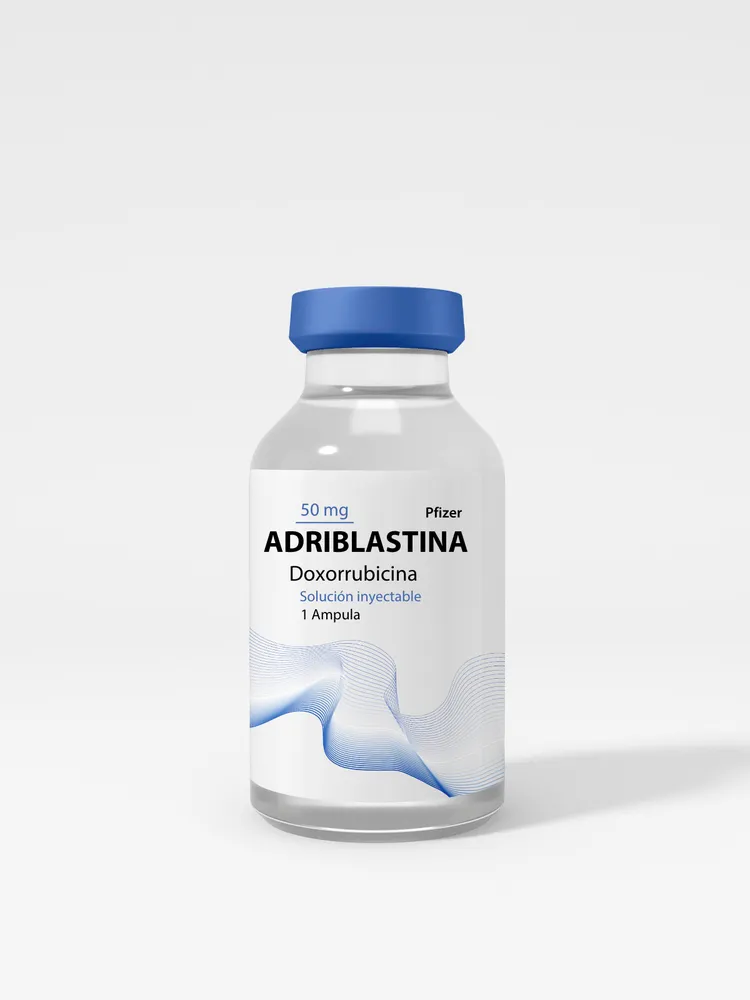
Table of Contents
Package leaflet: Information for the user
ADRIBLASTINA PFS, 2 mg/ml, solution for injection
Doxorubicini hydrochloridum
Please read all of this leaflet carefully before the medicine is administered, as it contains
important information for the patient.
- Keep this leaflet, as you may need to read it again.
- If you have any further questions, please ask your doctor or pharmacist.
- This medicine has been prescribed for a specific individual. Do not pass it on to others. It may harm other people, even if their symptoms are the same.
- If you experience any adverse reactions, including any not listed in this leaflet, tell your doctor or pharmacist. See section 4.
Contents of the leaflet
- What ADRIBLASTINA PFS is and what it is used for
- Important information before using ADRIBLASTINA PFS
- How to use ADRIBLASTINA PFS
- Possible side effects
- How to store ADRIBLASTINA PFS
- Contents of the pack and other information
1. What ADRIBLASTINA PFS is and what it is used for
ADRIBLASTINA PFS contains doxorubicin hydrochloride as the active substance, a cytotoxic
antibiotic belonging to the anthracycline group with antitumour activity. This medicine may be administered
as monotherapy (as a single agent) or in combination with other cytotoxic medicines.
ADRIBLASTINA PFS is indicated in the treatment of the following types of tumours:
- acute lymphoblastic leukaemia
- acute myeloid leukaemia
- chronic leukaemias
- Hodgkin’s lymphoma
- non-Hodgkin’s lymphomas
- multiple myeloma
- bone and soft tissue sarcomas
- Ewing’s sarcoma
- neuroblastoma
- rhabdomyosarcoma
- Wilms’ tumour
- breast cancer
- endometrial cancer
- ovarian cancer
- non-seminomatous testicular tumour
- prostate cancer
- bladder cancer
- lung cancer
- stomach cancer
- primary hepatocellular carcinoma
- head and neck tumours
- thyroid cancer.
2. Important information before using ADRIBLASTINA PFS
When not to use ADRIBLASTINA PFS
- in patients with hypersensitivity to doxorubicin or to any of the other components of this medicine (listed in section 6), other anthracyclines or anthracenediones,
- in patients with prolonged bone marrow suppression,
- in patients with severe hepatic impairment,
- in patients with severe cardiac muscle insufficiency,
- in patients who have recently suffered a myocardial infarction,
- in patients with severe arrhythmia,
- in patients previously treated with the maximum cumulative doses of doxorubicin, daunorubicin, epirubicin, idarubicin and (or) other anthracyclines and anthracenediones.
Warnings and precautions
Treatment with ADRIBLASTINA PFS should be initiated only after resolution of acute symptoms of toxicity from prior cytotoxic therapy.
Discuss this with your doctor before starting treatment.
- Your doctor should assess and monitor cardiac function throughout treatment to reduce the risk of severe heart failure. Your doctor should discontinue treatment immediately upon the first signs of cardiac dysfunction. Cardiac function should be evaluated by the same method throughout the monitoring period. Caution is advised when using ADRIBLASTINA PFS in patients with pre-existing heart disease; those who have undergone or are undergoing radiotherapy to the mediastinum and (or) pericardial area; those previously treated with other anthracyclines or anthracenediones; and those concurrently receiving drugs that may impair myocardial contractility or have cardiotoxic effects (e.g. trastuzumab). Inform your doctor if you are taking or have recently taken trastuzumab (a medicine used in the treatment of certain cancers). Trastuzumab may remain in the body for up to 7 months. Since trastuzumab may affect the heart, ADRIBLASTINA PFS should not be administered within 7 months after stopping trastuzumab. If ADRIBLASTINA PFS is administered before this period has elapsed, cardiac function must be closely monitored.
Children and adolescents are particularly susceptible to an increased risk of cardiotoxicity. This risk may be higher in women than in men. Your doctor should periodically recommend cardiac monitoring tests to observe for these effects.
- ADRIBLASTINA PFS, like other cytotoxic medicines, may cause bone marrow suppression. Before and during each treatment cycle, your doctor should perform haematological tests, including complete blood count with blood smear. The main haematological toxic effect of ADRIBLASTINA PFS is dose-dependent, reversible leukopenia (reduced number of white blood cells in peripheral blood) and (or) neutropenia (reduced number of neutrophils), upon which your doctor may reduce the dose.
- Secondary leukaemia has been reported in patients treated with ADRIBLASTINA PFS.
- ADRIBLASTINA PFS may cause vomiting. Mucositis and (or) stomatitis usually occur shortly after administration and, in severe cases, may progress to mucosal ulceration within a few days. This adverse effect typically resolves within three weeks in most patients. In patients with acute non-lymphocytic leukaemia receiving combination chemotherapy consisting of ADRIBLASTINA PFS and cytarabine administered for three consecutive days, ulceration and necrosis of the colon may occur, potentially leading to life-threatening haemorrhagic or infectious complications.
- Before and during treatment with ADRIBLASTINA PFS, your doctor should monitor serum bilirubin levels. In patients with elevated bilirubin, the medicine may be eliminated more slowly, potentially increasing general toxic effects. In such patients, your doctor should use reduced doses.
- Repeated injections into the same vein or administration into a small blood vessel may lead to vein sclerosis. Adhering to recommended administration procedures by medical personnel helps reduce the risk of phlebitis or thrombophlebitis at the injection site.
- Extravasation of ADRIBLASTINA PFS during intravenous administration may cause local pain, severe tissue damage (blistering, severe subcutaneous inflammation) and necrosis. If signs of extravasation occur during intravenous infusion, the doctor should stop the infusion immediately.
- ADRIBLASTINA PFS may cause hyperuricaemia (elevated uric acid levels in blood) due to increased purine breakdown (nitrogenous compounds whose main metabolic product is uric acid), which accompanies rapid tumour cell lysis after cytostatic administration (tumour lysis syndrome). After starting treatment, your doctor should monitor blood levels of uric acid, potassium, calcium phosphate and creatinine.
- ADRIBLASTINA PFS may increase the toxicity of other anticancer treatments. Exacerbation of cyclophosphamide-induced haemorrhagic cystitis and increased hepatotoxicity (liver toxicity) of 6-mercaptopurine have been reported. Radiation-induced toxic effects (affecting the myocardium, mucous membranes, skin and liver) have also been described.
- Both women and men should use effective contraception during treatment and for a certain period after completing ADRIBLASTINA PFS (see “Pregnancy, breastfeeding and effects on fertility”). Patients wishing to have children after treatment with doxorubicin should discuss fertility preservation options and seek genetic counselling before starting therapy.
Children and adolescents
Your doctor may consider using lower initial doses or longer intervals between cycles when administering ADRIBLASTINA PFS to children.
Elderly patients
Dose adjustment is not generally required in elderly patients (≥65 years). However, your doctor may consider using lower initial doses or longer intervals between cycles.
Patients with hepatic impairment
ADRIBLASTINA PFS is contraindicated in patients with severe hepatic impairment.
In patients with elevated bilirubin levels, your doctor should consider using reduced doses of ADRIBLASTINA PFS.
Patients with renal impairment
The effect of ADRIBLASTINA PFS on kidney function has not been evaluated.
ADRIBLASTINA PFS and other medicines
Inform your doctor about all medicines you are currently taking, have recently taken or plan to take.
ADRIBLASTINA PFS is primarily used in combination with other cytotoxic medicines.
Some medicines may affect the concentration of ADRIBLASTINA PFS in the body. Inform your doctor if you are taking any of the following:
- phenobarbital – used to treat seizures and as a sedative,
- phenytoin – used to treat seizures,
- St John’s wort (Hypericum perforatum) – used to treat depression and anxiety,
- cyclosporine – used to prevent transplant rejection,
- calcium channel blockers (e.g. verapamil) – used to treat cardiovascular diseases,
- paclitaxel – used to treat cancer,
- sorafenib – used to treat cancer.
Pregnancy, breastfeeding and effects on fertility
Pregnancy
If you are pregnant, breastfeeding, think you may be pregnant or are planning to have a child, you should consult your doctor or pharmacist before using this medicine.
ADRIBLASTINA PFS must not be used during pregnancy. It has been shown to have toxic effects on the foetus.
Contraception in women of childbearing potential
Effective contraception (a method to prevent pregnancy) must always be used during treatment with ADRIBLASTINA PFS and for at least 6.5 months after the last dose. Discuss appropriate contraceptive methods with your doctor.
Contraception in men
Men must always use effective contraception during treatment with ADRIBLASTINA PFS and for at least 3.5 months after the last dose.
Breastfeeding
Breastfeeding must not be undertaken during treatment with ADRIBLASTINA PFS and for at least 10 days after the last dose, as the medicine passes into human milk.
Fertility
In women, ADRIBLASTINA PFS may cause infertility, amenorrhoea (absence of menstruation) and premature menopause. Ovulation and menstruation usually return after treatment ends. In men, ADRIBLASTINA PFS may damage chromosomes in spermatozoa. Oligospermia (low sperm count) and azoospermia (complete absence of sperm) may be permanent. Sperm count may return to normal levels within several years after treatment ends. Both men and women should seek advice on fertility preservation before starting treatment.
Driving and using machines
No studies on the effect of ADRIBLASTINA PFS on the ability to drive or operate machinery have been conducted.
ADRIBLASTINA PFS contains sodium
ADRIBLASTINA PFS, 10 mg/5 ml (2 mg/ml) solution for injection, contains 17.7 mg of sodium
(main component of table salt) per 5 ml vial. This corresponds to 0.9% of the maximum recommended daily dietary sodium intake for adults.
ADRIBLASTINA PFS, 50 mg/25 ml (2 mg/ml) solution for injection, contains 88.5 mg of sodium
(main component of table salt) per 25 ml vial. This corresponds to 4.4% of the maximum recommended daily dietary sodium intake for adults.
ADRIBLASTINA PFS, 200 mg/100 ml (2 mg/ml) solution for injection, contains 354 mg of sodium
(main component of table salt) per 100 ml vial. This corresponds to 17.7% of the maximum recommended daily dietary sodium intake for adults.
3. How to use medicine A
Medicine A should be administered only under the supervision of a physician experienced in the use of cytotoxic therapy. Medicine A is given as intravenous infusions.
The doctor will determine the appropriate dose for each patient and the duration of treatment. The dose will be determined based on the patient's condition, body weight, and height. Based on the patient's weight and height, the doctor will calculate the body surface area, which will be used to determine the dose.
The total dose of medicine A administered during one cycle may vary depending on the indication and the treatment regimen used (e.g., the medicine may be given as monotherapy or concurrently with other cytotoxic medicines).
Administration of a higher than recommended dose of medicine A
Since the medicine will be administered under strict medical supervision, administration of a higher than recommended dose seems unlikely. However, administration of a higher than recommended dose may lead to severe bone marrow suppression, gastrointestinal disorders, and cardiac toxicity (cardiotoxicity).
Missed administration of medicine A
Because the medicine is administered under strict medical supervision, missing a dose seems unlikely. However, if a dose is suspected to have been missed, the doctor or nurse should always be informed.
Interrupting administration of medicine A
The decision to interrupt treatment is made by the doctor. Do not interrupt treatment without consulting your doctor.
If you have any further questions about the use of this medicine, consult your doctor, pharmacist, or nurse.
4. Possible adverse reactions
Like all medicines, this medicine can cause adverse reactions, although not everybody will experience them.
The possible adverse reactions are classified as follows according to frequency:
Very common (may occur in more than 1 in 10 people):
- infection
- leukopenia (reduced white blood cell count), neutropenia (reduced neutrophil count), anaemia, thrombocytopenia (reduced platelet count)
- decreased appetite
- mucositis or oral mucosal inflammation, diarrhoea, vomiting, nausea
- palmar-plantar erythrodysesthesia (hand-foot syndrome), alopecia (hair loss)
- fever, fatigue, chills
- reduced ejection fraction, abnormal ECG, abnormal aminotransferase activity, increased body weight
Common (may occur in up to 1 in 10 people):
- sepsis
- conjunctivitis
- congestive heart failure, sinus tachycardia (increased heart rate)
- oesophagitis, abdominal pain
- urticaria, rash, skin hyperpigmentation, nail hyperpigmentation
- injection site reaction
Uncommon (may occur in up to 1 in 100 people):
- embolism
Frequency not known (cannot be estimated from available data):
- acute lymphoblastic leukaemia, acute myeloid leukaemia
- anaphylactic reaction (sudden allergic reaction)
- dehydration, increased blood uric acid levels
- keratitis, increased lacrimation
- atrioventricular block, tachyarrhythmia, bundle branch block (Hiss bundle)
- shock, haemorrhage, thrombophlebitis, phlebitis, hot flushes
- gastrointestinal haemorrhage, gastric mucosal erosion, colitis, mucosal depigmentation
- photosensitivity reaction, skin inflammatory reaction at previously irradiated site after drug administration, pruritus (itching), skin disorders
- change in urine colour
- amenorrhoea, decreased sperm count, azoospermia (absence of sperm in semen)
- malaise
Reporting of adverse reactions
If any adverse reactions occur, including any not listed in this leaflet, inform your doctor, pharmacist, or nurse. Adverse reactions can be reported directly to the Department of Monitoring Adverse Drug Reactions of the Office for Registration of Medicinal Products, Medical Devices and Biocidal Products
Al. Jerozolimskie 181C
02-222 Warsaw
Phone: +48 22 49 21 301
Fax: +48 22 49 21 309
Website: https://smz.ezdrowie.gov.pl
Adverse reactions can also be reported to the marketing authorisation holder or its representative.
Reporting adverse reactions helps provide more information on the safety of this medicine.
5. How to store medicine A
Keep the medicine out of the sight and reach of children.
Do not use this medicine after the expiry date stated on the label and carton following EXP.
The expiry date refers to the last day of the stated month.
Store at a temperature of 2°C - 8°C. Protect from light.
Medicines must not be disposed of via wastewater or household waste. Ask your pharmacist how to dispose of medicines no longer required. This will help protect the environment.
6. Contents of the pack and other information
What A medicine contains
The active substance is doxorubicin hydrochloride (Doxorubicini hydrochloridum).
1 ml of solution contains 2 mg of doxorubicin hydrochloride.
The other ingredients are: sodium chloride (see section 2 "A medicine contains sodium"), water for
injections, hydrochloric acid for pH adjustment to 3.0.
What A medicine looks like and contents of the pack
Clear, red solution.
Packaging:
1 polypropylene vial with a capacity of 5 ml, 25 ml or 100 ml, closed with a rubber stopper
with an aluminium cap and plastic flip-off cap, in a cardboard box.
1 type I glass vial with a capacity of 5 ml, 25 ml or 100 ml, closed with a chlorobutyl rubber stopper
with an aluminium seal and an opaque, coloured, plastic flip-off cap. Each vial is packed in a transparent, plastic overwrap, in a cardboard box.
Marketing Authorisation Holder
Pfizer Europe MA EEIG
Boulevard de la Plaine 17
1050 Bruxelles
Belgium
Importer
Pfizer Service Company BV
Hoge Wei 10
1930 Zaventem
Belgium
For further information on this medicine, contact the representative of the Marketing Authorisation Holder:
Pfizer Polska Sp. z o.o.
tel. 22 335 61 00
Detailed and up-to-date information on this product can be obtained by scanning the QR code
located on the outer packaging using a mobile device. The same information is also available at the URL: https://www.pfizer.pl/ulotka-adriblastinapfs and on the website of the Office for Registration of Medicinal Products, Medical Devices and Biocidal Products http://www.urpl.gov.pl.
Information intended exclusively for medical professionals
Doxorubicin is administered as intravenous infusions. The doxorubicin solution is inactive when administered orally and should not be administered intramuscularly or intracanalicularly.
The total dose of doxorubicin per cycle may vary depending on the indication and the treatment regimen used (e.g., the drug may be administered as monotherapy or in combination with other cytotoxic agents).
Doxorubicin should be administered as an intravenous infusion in 0.9% sodium chloride solution or 5% glucose solution over a period of not less than 3 minutes and not longer than 10 minutes to minimize the risk of thrombophlebitis or extravasation. Rapid intravenous bolus injection is not recommended due to the risk of extravasation, which may occur even with correct intravascular placement confirmed by blood aspiration.
Standard initial dose regimens
When doxorubicin is used as monotherapy, the recommended standard initial dose in one cycle for adults is 60–90 mg/m² body surface area. The total initial dose per cycle may be given as a single dose or divided over 3 consecutive days or on days 1 and 8 of the cycle. If signs of toxic effects (particularly myelosuppression and oral mucositis) resolve adequately, each treatment cycle should be repeated every 3–4 weeks.
Effective treatment has also been demonstrated using a weekly regimen of 10–20 mg/m². When doxorubicin is used concomitantly with other cytotoxic agents with potentially similar toxicity, the recommended dose per cycle is 30–60 mg/m².
Adjuvant treatment in patients with breast cancer
In a large randomized trial conducted within the National Surgical Adjuvant Breast and Bowel Project (NSABP) B-15 involving patients with early-stage breast cancer with lymph node metastases, the combination regimen AC (doxorubicin 60 mg/m² and cyclophosphamide 600 mg/m²) was administered intravenously on day 1 of each 21-day treatment cycle. Four cycles were administered.
Dose modifications
Hepatic impairment
Dose reduction is recommended in patients with the following serum biochemical test results:
- bilirubin 1.2–3 mg/dL: 50% of the recommended initial dose
- bilirubin >3 mg/dL: 25% of the recommended initial dose
Doxorubicin should not be administered to patients with severe hepatic impairment.
Other special populations
Reduced initial doses or longer intervals between cycles may be considered in patients previously treated with systemic anticancer therapy or radiotherapy, children, elderly patients, obese patients, and patients with bone marrow tumor infiltration.
The medicinal product should not be mixed with other medicinal products. Contact with alkaline solutions should be avoided, as this may lead to hydrolysis of doxorubicin. Doxorubicin should not be mixed with heparin due to chemical incompatibility, which may result in precipitate formation.
Doxorubicin should not be mixed with fluorouracil (e.g., in the same intravenous infusion bag or via a Y-connector in an intravenous infusion line) due to reported incompatibility, which may lead to precipitate formation. If concomitant administration of doxorubicin and fluorouracil is required, the intravenous line should be flushed between administrations of the two drugs.
Storage of the injection solution in a refrigerator may cause the drug to become gel-like. The gel reverts to a slightly viscous and then to a liquid solution within two to a maximum of four hours at room temperature (15°C–25°C).
Any unused portions of the medicinal product or waste material should be disposed of in accordance with local regulations.
The following safety precautions are recommended for all cytotoxic anticancer agents:
- Personnel should be trained in the proper techniques for preparation and administration of the drug.
- Pregnant women should not perform any procedures involving the handling of the drug.
- Personnel handling doxorubicin should wear protective clothing: goggles, gowns, disposable gloves, and masks.
- Preparation of the infusion solution should be performed in a specially designated area (preferably in a laminar airflow cabinet). The work surface should be protected with disposable absorbent paper with a plastic backing.
- All materials used in the preparation, administration, and disposal of the drug, including gloves, should be placed in special containers designated for high-risk pharmaceuticals and incinerated at high temperature.
- In case of accidental contamination with the drug, contaminated surfaces should be washed with a 1% sodium hypochlorite solution, then rinsed thoroughly with water.
- All contaminated hygiene materials should be destroyed as described above.
- In case of accidental skin contact with the drug, the skin should be thoroughly washed with plenty of water and soap or sodium bicarbonate solution. The skin should not be scrubbed with a brush.
- In case of accidental eye contact with the drug, the eyelid should be held open and the eyes flushed with copious amounts of water for at least 15 minutes. Rinse with sodium bicarbonate solution. Medical advice should then be sought.
- Hands should always be washed after removing gloves.