5-fluorouracil-ebewe
Poland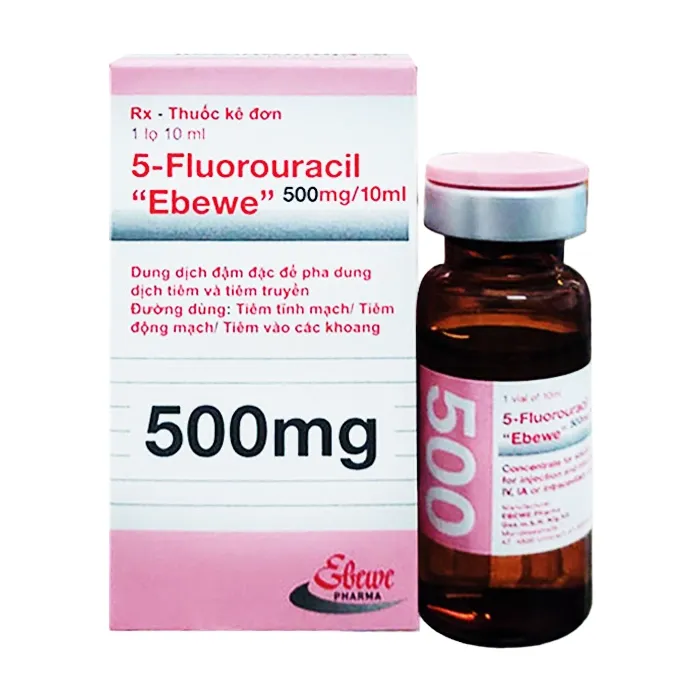
Table of Contents
Patient Information Leaflet
5-Fluorouracil-Ebewe, 50 mg/ml, solution for injection and infusion
Fluorouracilum
Please read all of this leaflet carefully before using this medicine, because it contains
important information for the patient.
- Keep this leaflet so that you can read it again if necessary.
- If you have any further questions, please consult your doctor or pharmacist.
- This medicine has been prescribed for a specific individual. Do not pass it on to others. This medicine may harm someone else, even if their symptoms are the same.
- If you experience any adverse reactions, including any not listed in this leaflet, inform your doctor, pharmacist, or nurse. See section 4.
Table of contents:
- What 5-Fluorouracil-Ebewe is and what it is used for
- Important information before using 5-Fluorouracil-Ebewe
- How to use 5-Fluorouracil-Ebewe
- Possible side effects
- How to store 5-Fluorouracil-Ebewe
- Contents of the pack and other information
1. What 5-Fluorouracil-Ebewe is and what it is used for
5-Fluorouracil-Ebewe is an antineoplastic medicine and belongs to a group of cytostatic agents known as antimetabolites. Its action consists of inhibiting cell division by interfering with DNA synthesis, thereby suppressing the growth of tumours.
5-Fluorouracil-Ebewe may be used alone (as monotherapy) or in combination therapy for the treatment of malignant tumours, particularly of the breast, colon and rectum, stomach, and pancreas.
2. Information before using 5-Fluorouracil-Ebewe
When not to use 5-Fluorouracil-Ebewe
- if the patient is allergic to 5-fluorouracil or to any of the excipients listed in section 6;
- if the patient has:
- bone marrow suppression, particularly following radiotherapy or treatment with other cytotoxic drugs;
- significant blood abnormalities (reduced blood cell counts);
- haemorrhage;
- stomatitis, ulceration of the oral cavity or gastrointestinal tract;
- severe diarrhoea;
- severe impairment of liver or kidney function;
- severe infections;
- severe debilitation;
- plasma bilirubin concentration greater than 85 micromoles/l (5 mg/dl);
- if the patient is breastfeeding;
- if the patient has no dihydropyrimidine dehydrogenase (DPD) enzyme activity (complete DPD deficiency);
- if the patient is currently receiving or has received within the last 4 weeks brivudine treatment for herpes zoster or chickenpox.
INTERACTION between brivudine and 5-Fluorouracil-Ebewe CAN RESULT IN
DEATH.
Avoid using vaccines containing live microorganisms.
Avoid any contact with poliovirus vaccines (including contact with individuals recently vaccinated).
Before starting treatment, the physician will assess whether the patient meets the following criteria:
- liver function expressed by normal bilirubin concentration and aminotransferase activity;
- kidney function expressed by normal creatinine concentration or creatinine clearance;
- bone marrow function determined by blood tests:
- white blood cell count >4000/microlitre, i.e. >4.0 x 10^9/l;
- platelet count >100,000/microlitre, i.e. >100 x 10^9/l;
- normal ECG.
Warnings and precautions
Before using 5-Fluorouracil-Ebewe, discuss with the physician if:
- the patient has been diagnosed with partial deficiency of dihydropyrimidine dehydrogenase (DPD) enzyme activity,
- a family member of the patient has partial or complete deficiency of dihydropyrimidine dehydrogenase (DPD) enzyme,
- the patient has heart disorders. Inform the physician if chest pain occurs during treatment.
Dihydropyrimidine dehydrogenase (DPD) deficiency: DPD deficiency is a genetic disorder which usually does not cause health problems until the patient receives certain medications. If the patient has DPD deficiency and receives 5-Fluorouracil-Ebewe, the risk of severe adverse reactions (listed in section 4 – "Possible side effects") increases. It is recommended to test the patient for DPD deficiency before starting treatment. If the patient is found to have no activity of this enzyme, treatment with 5-Fluorouracil-Ebewe should not be initiated. If enzyme activity is reduced (partial deficiency), the physician may prescribe a reduced dose. Even if the DPD deficiency test is negative, severe and life-threatening adverse reactions may still occur.
Contact the physician immediately if any of the following symptoms occur for the first time: confusion, disorientation, or other psychiatric disturbances, loss of balance or coordination, visual disturbances. These may be symptoms of encephalopathy, which can lead to coma and death if untreated.
Particular caution is required in patients who have undergone high-dose pelvic irradiation, patients treated with alkylating agents, and patients who have had adrenalectomy or hypophysectomy.
Before starting treatment, during treatment, and after completion, the physician will monitor cardiac function, liver and kidney function, and bone marrow function.
During treatment, mucositis and/or mucosal inflammation, diarrhoea, and bleeding (especially from the gastrointestinal tract) may occur. If early symptoms of these disorders appear, consult the treating physician immediately.
5-Fluorouracil-Ebewe may reduce the effectiveness of the influenza vaccine.
If the patient is to undergo blood or urine tests, laboratory personnel should be informed about 5-fluorouracil treatment.
Pregnancy, breastfeeding and effects on fertility
If the patient is pregnant or breastfeeding, suspects she may be pregnant, or is planning to have a child, she should consult her physician before using this medicine.
Fluorouracil should be used during pregnancy only if potential benefits justify potential risks to the foetus. Women of childbearing age must not become pregnant during treatment. Women of childbearing age should use an effective method of contraception during treatment and for 6 months after completion of treatment.
If a patient becomes pregnant during treatment, she should inform her physician and seek genetic counselling.
It is not known whether fluorouracil passes into human milk; therefore, breastfeeding must be discontinued before starting treatment with 5-Fluorouracil-Ebewe.
Men receiving 5-Fluorouracil-Ebewe should avoid fathering a child during treatment and for 3 months after its completion. Before starting treatment, advice should be sought regarding sperm storage due to the possibility of irreversible infertility caused by treatment with 5-Fluorouracil-Ebewe.
Driving and using machines
5-Fluorouracil-Ebewe may cause adverse effects such as nausea and vomiting, which may affect the ability to drive and use machinery.
5-Fluorouracil-Ebewe and other medicines
Inform the physician, pharmacist or nurse about all medicines currently taken or recently taken, as well as any medicines planned for use, including those available without prescription.
Do not use brivudine (an antiviral drug used to treat shingles or chickenpox) in patients who have recently received, are currently receiving, or plan to receive (within 4 weeks) 5-Fluorouracil-Ebewe. The harmful effect of 5-Fluorouracil-Ebewe may be significantly increased and may result in death.
If the patient has taken brivudine, wait at least 4 weeks after stopping brivudine before starting treatment with 5-Fluorouracil-Ebewe. See section "When not to use 5-Fluorouracil-Ebewe".
In case of accidental intake of brivudine and 5-Fluorouracil-Ebewe:
- discontinue both drugs immediately
- consult a physician immediately
- seek hospital admission for immediate treatment (Protect against systemic infections and dehydration).
Symptoms reported by patients and observed in analytical tests of toxicity due to 5-fluorouracil (and other fluoropyrimidines) resulting from this interaction include:
- malaise; diarrhoea; oral cavity inflammation and/or inflammation of the mucous membrane lining the oral cavity; weakness, increased susceptibility to infections, fatigue (reduced white blood cells and reduced bone marrow function); flat red rash over the entire body and skin painful to touch, followed by large blisters leading to extensive areas of skin peeling (toxic epidermal necrolysis) (see also section 4).
It is particularly important to inform the physician about radiotherapy and the use of the following medicines:
- anticancer drugs (e.g. cyclophosphamide, vincristine, methotrexate, cisplatin, oxaliplatin, bevacizumab, irinotecan, doxorubicin);
- interferon-α;
- calcium folinate;
- anthracyclines;
- aminophenazone;
- phenylbutazone;
- sulfonamides;
- allopurinol;
- chlordiazepoxide;
- disulfiram;
- griseofulvin;
- isoniazid;
- mitomycin;
- cimetidine;
- metronidazole;
- levamisole;
- thiazide diuretics;
- vinorelbine;
- gemcitabine;
- anticoagulants;
- vaccines.
If in doubt about any of the listed medicines, consult the physician, pharmacist or nurse.
5-Fluorouracil-Ebewe contains sodium
1 ml of solution contains 8.4 mg sodium.
The medicine contains sodium (main component of table salt) in the following amounts:
- 42 mg per 5 ml vial or ampoule (equivalent to 2.1% of the maximum recommended daily sodium intake in the adult diet);
- 84 mg per 10 ml vial or ampoule (equivalent to 4.2% of the maximum recommended daily sodium intake in the adult diet);
- 168 mg per 20 ml vial (equivalent to 8.4% of the maximum recommended daily sodium intake in the adult diet).
The medicine contains 840 mg sodium per 100 ml vial. In the maximum daily dose (1 g 5-FU), there is 168 mg sodium.
The medicine may be diluted in 0.9% NaCl solution (physiological saline). The sodium content originating from the diluent should be considered when calculating the total sodium content in the prepared diluted solution. For accurate information on sodium content in the diluent solution used, refer to the product characteristics of the diluent used.
3. How to use 5-Fluorouracil-Ebewe
5-Fluorouracil-Ebewe will be administered under the supervision of an oncologist experienced in the use of cytotoxic chemotherapy.
The physician will determine the dosage based on the patient's condition, body weight, administration schedule (monotherapy or combination with other cytotoxic drugs), and bone marrow and organ function.
The physician will reduce the dose in patients who are debilitated, have undergone major surgery within the last 30 days, or have impaired liver, kidney or bone marrow function.
Treatment begins in hospital.
The total daily dose should not exceed 1 gram.
The physician will recommend daily monitoring of platelet and white blood cell counts.
The medicine is administered after dilution in physiological saline or 5% glucose solution, via intravenous injection or intravenous or intra-arterial infusion. Infusion administration is preferred due to lower toxicity.
Example dosing regimen for 5-Fluorouracil-Ebewe in the treatment of colorectal cancer:
- intravenous infusion: average daily dose is 15 mg/kg body weight (600 mg/m² BSA);
- intravenous injection: initial average daily dose is 12 mg/kg body weight (480 mg/m² BSA), and maintenance dose is 5 to 10 mg/kg body weight (200–400 mg/m² BSA).
Example dosing regimen for 5-Fluorouracil-Ebewe in the treatment of breast cancer: In breast cancer treatment, 5-fluorouracil may be used concomitantly, for example, with methotrexate and cyclophosphamide or with doxorubicin and cyclophosphamide. In this regimen, a dose of 10–15 mg/kg body weight (400–600 mg/m² BSA) is administered intravenously on days 1 and 8 of a 28-day treatment cycle.
The medicine may also be administered as a 24-hour continuous intravenous infusion, with a usual dose of 8.25 mg/kg body weight (350 mg/m² BSA).
Other administration methods
Intra-arterial infusion: daily dose of 5 to 7.5 mg/kg body weight (200–300 mg/m² BSA) may be administered as a continuous 24-hour intra-arterial infusion. Intra-arterial infusion may also be administered locally, both in the treatment of primary tumours and metastases.
Use of a higher than recommended dose of 5-Fluorouracil-Ebewe
After overdose, the following symptoms may occur: psychotic reactions, drowsiness, increased sedative effect, enhanced alcohol toxicity.
If any of the above symptoms occur or if a higher than recommended dose is administered, seek immediate medical advice from a physician, pharmacist or nurse.
4. Possible adverse reactions
Like all medicines, this medicine can cause adverse reactions, although not everyone will experience them.
If any of the following symptoms occur in the patient, a doctor should be informed immediately:
- chest pain
- shortness of breath
If, during the first treatment cycle, severe inflammation of the oral cavity (ulcers in the mouth and/or throat), mucositis, diarrhea, neutropenia (increased risk of infections), or neurotoxicity occurs, this may be related to DPD deficiency (see section 2: "Warnings and precautions").
Very common adverse reactions (may affect more than 1 in 10 people):
bone marrow suppression, neutropenia (reduced number of neutrophils), leukopenia (reduced number of white blood cells), thrombocytopenia (reduced number of platelets), anemia (reduced hemoglobin concentration), nosebleeds, increased blood uric acid levels, changes in electrocardiogram (ECG) indicating myocardial ischemia, bronchospasm, mucositis (e.g. in the mouth, esophagus, throat, or rectum), anorexia, watery diarrhea, nausea and vomiting, hair loss, hand-foot syndrome (with sensory disturbances, redness, swelling, pain, and peeling of the skin on palms and soles), exhaustion, generalized weakness, fatigue and lack of energy, fever, infections.
Common adverse reactions (may affect less than 1 in 10 people):
suppression of immune system function with increased frequency of infections, low white blood cell count with fever (febrile neutropenia), transient and reversible cerebellar syndrome including asthenia, transient confusion, extrapyramidal and cortical motor disturbances (usually resolving after discontinuation of 5-fluorouracil), chest pain.
Uncommon adverse reactions (may affect less than 1 in 100 people):
hypersensitivity reactions, nystagmus, headache, dizziness, parkinsonism, pyramidal symptoms and euphoria, drowsiness, excessive tearing, blurred vision, ocular motility disturbances, optic neuritis, double vision, reduced visual acuity, photophobia, conjunctivitis, blepharitis, eyelid eversion due to scarring, lacrimal duct obstruction, cardiac arrhythmias, myocardial infarction, myocardial ischemia, myocarditis, heart failure, dilated cardiomyopathy (heart muscle disease), cardiogenic shock (life-threatening heart muscle failure), left ventricular dysfunction, hypotension, dehydration, thrombophlebitis, gastrointestinal ulceration, gastrointestinal bleeding, sloughing of the gastrointestinal tract, liver cell damage, cholecystitis without gallstones, skin changes (e.g. dry skin, fissures, erosions, erythema, rash, pruritus, photosensitivity, allergic skin reactions, discoloration, linear discoloration or depigmentation along veins, nail changes or nail loss), nasal bone necrosis, renal failure, disturbances of spermatogenesis and ovulation.
Rare adverse reactions (may affect less than 1 in 1,000 people):
sepsis, generalized hypersensitivity reactions up to anaphylactic shock, peripheral neuropathy (in patients undergoing radiotherapy), thrombophlebitis.
Very rare adverse reactions (may affect less than 1 in 10,000 people):
agranulocytosis (complete or near-complete absence of granulocytes), pancytopenia (reduction in red blood cells, white blood cells, and platelets), taste disturbances, encephalopathy with symptoms such as ataxia, acute cerebellar syndrome, speech disturbances, confusion, disorientation, muscle disease (myasthenia), seizures or coma, ischemic stroke (when 5-fluorouracil is used with other drugs), sudden cardiac arrest and sudden cardiac death, hepatic necrosis (sometimes fatal).
Adverse reactions with unknown frequency (frequency cannot be estimated from available data):
cerebral, intestinal and peripheral ischemia, Raynaud's phenomenon, thromboembolism, increased thyroid hormone levels, hyperammonemic encephalopathy (brain dysfunction due to elevated ammonia levels), skin inflammation causing red, scaly patches, possibly accompanied by joint pain and fever (cutaneous lupus erythematosus [CLE]), heart disease presenting with chest pain, shortness of breath, dizziness, fainting, cardiac arrhythmias (stress cardiomyopathy), air accumulation in the intestinal wall, severe condition with difficulty breathing, vomiting and abdominal pain with muscle cramps (lactic acidosis), disease characterized by headache, disorientation, seizures and visual changes (posterior reversible encephalopathy syndrome [PRES]), serious complication leading to rapid tumor cell breakdown, causing significant increases in blood levels of uric acid, potassium and phosphates (tumor lysis syndrome), high blood triglyceride levels (a type of fat), pain, redness or swelling at the infusion site occurring during or shortly after injection or infusion (may be due to improper intravenous administration), vitamin B1 deficiency and Wernicke's encephalopathy (brain damage due to vitamin B1 deficiency), inflammation of the small and large intestine causing pain and diarrhea, which may lead to intestinal tissue necrosis (colitis, enteritis).
Reporting of adverse reactions
If any adverse reactions occur, including any not listed in this leaflet, inform your doctor, pharmacist or nurse. Adverse reactions can be reported directly to the Department of Monitoring of Adverse Drug Reactions of the Office for Registration of Medicinal Products, Medical Devices and Biocidal Products: Al. Jerozolimskie 181C, 02-222 Warsaw
tel.: + 48 22 49 21 301, fax: + 48 22 49 21 309, website: https://smz.ezdrowie.gov.pl
Adverse reactions can also be reported to the marketing authorization holder.
Reporting adverse reactions helps provide more information on the safety of the medicine.
5. How to store 5-Fluorouracil-Ebewe
Store at 15°C - 25°C.
Do not store in the refrigerator or freeze.
Keep in the original packaging to protect from light.
6. Contents of the packaging and other information
What 5-Fluorouracil-Ebewe contains
The active substance is 5-fluorouracil. Each ml of solution contains 50 mg of 5-fluorouracil.
A 5 ml vial contains 250 mg of 5-fluorouracil.
A 10 ml vial contains 500 mg of 5-fluorouracil.
A 5 ml ampoule contains 250 mg of 5-fluorouracil.
A 10 ml ampoule contains 500 mg of 5-fluorouracil.
A 20 ml vial contains 1000 mg of 5-fluorouracil.
A 100 ml vial contains 5000 mg of 5-fluorouracil.
Other components are: sodium hydroxide, water for injections.
What 5-Fluorouracil-Ebewe looks like and contents of the pack
5-Fluorouracil-Ebewe is a clear, colourless solution in an ampoule or vial made of colourless glass (type I), packed in a cardboard box.
Vials may be placed in protective packaging made of plastic material (ONKO-Safe or Sleeving).
Pack sizes:
5 ampoules of 5 ml, 5 ampoules of 10 ml, 1 vial of 5 ml, 1 vial of 10 ml, 1 vial of 20 ml, 1 vial of 100 ml.
Marketing Authorisation Holder
EBEWE Pharma Ges.m.b.H. Nfg. KG
Mondseestrasse 11
4866 Unterach, Austria
Manufacturer
Fareva Unterach GmbH
Mondseestraße 11
4866 Unterach, Austria
For further information, please contact:
Sandoz Polska Sp. z o.o.
ul. Domaniewska 50 C
02-672 Warszawa
tel. 22 209 70 00
{Company logo}
Information intended exclusively for medical professionals:
Shelf life
Before opening: 2 years
After opening
The solution should be withdrawn from the ampoule/vial immediately before use. From a microbiological standpoint,
the product should be used immediately. Otherwise, the responsibility for storage conditions and duration rests with the user. The solution remaining
in the ampoule/vial after first withdrawal should not be stored for longer than 24 hours
at room temperature, unless the withdrawal was performed under controlled, validated
conditions maintaining aseptic technique. In such cases, the solution stored at room temperature
with or without exposure to light maintains physico-chemical stability for up to 28 days.
After dilution
From a microbiological standpoint, the product should be used immediately. Otherwise,
the responsibility for storage conditions and duration of the prepared solution rests with the user.
Prepared solutions should not be stored for longer than 24 hours at a temperature of
2°C to 8°C, unless dilution was performed under controlled, validated
conditions maintaining aseptic technique. Physical and chemical stability has been demonstrated for 28 days for solutions at concentrations
of 0.35 mg/ml and 15 mg/ml diluted in 0.9% sodium chloride solution or 5% glucose solution,
stored refrigerated or at room temperature with or without exposure to light.
Instructions for preparation of the medicinal product for administration
As with other cytotoxic drugs, special precautions must be taken when preparing 5-fluorouracil for
administration. Gloves and protective goggles should be worn, along with protective clothing, and the preparation should be carried out in a designated area.
Contact with skin and mucous membranes must be avoided. If contact occurs, the affected area should be
thoroughly washed with soap and water. In case of accidental exposure to the eyes, rinse thoroughly with plenty of water and
seek immediate medical advice. Pregnant women must not handle
5-fluorouracil.
Follow established guidelines for handling cytostatic agents.
Exercise caution and avoid contact with the skin.
Incompatibilities
5-Fluorouracil-Ebewe should be diluted with 0.9% sodium chloride solution or 5% glucose solution.
No incompatibilities have been observed with the diluents tested.
Calcium folinate
5-Fluorouracil-Ebewe must not be mixed in the same infusion solution with calcium folinate due to the risk of precipitation. Incompatibility has been demonstrated between fluorouracil solution at a concentration of 50 mg/ml and calcium folinate solution at a concentration of 20 mg/ml, with or without the addition of 5% dextrose, when mixed in various proportions and stored in polyvinyl chloride containers at temperatures of 4°C, 23°C, or 32°C.
Warning!
A precipitate may form in the medicinal product stored in the refrigerator. If a precipitate appears due to exposure
to excessively low temperatures, it should be redissolved by heating to 60°C with vigorous agitation.
Cool to body temperature before administration.
Withdraw solution from ampoule or vial immediately before use.