Zuglimet
Italy
Table of Contents
- PACKAGE LEAFLET: INFORMATION FOR THE USER
- Zuglimet 500 mg film-coated tablets
- 1. What Zuglimet 500 mg is and what it is used for
- 2. What you need to know before taking Zuglimet 500 mg
- 3. How to take Zuglimet 500 mg
- 4. Possible side effects
- 5. How to store Zuglimet 500 mg
- 6. Package contents and other information
- PATIENT LEAFLET: INFORMATION FOR THE USER
- Zuglimet 850 mg film-coated tablets
- 1. What Zuglimet 850 mg is and what it is used for
- 2. What you need to know before taking Zuglimet 850 mg
- 3. How to take Zuglimet 850 mg
- 4. Possible side effects
- 5. How to store Zuglimet 850 mg
- 6. Pack contents and other information
- PACKAGE LEAFLET: INFORMATION FOR THE USER
- Zuglimet 1000 mg film-coated tablets
- 1. What is Zuglimet 1000 mg and what is it used for
- 2. What you need to know before taking Zuglimet 1000 mg
- 3. How to take Zuglimet 1000 mg
- 4. Possible side effects
- 5. How to store Zuglimet 1000 mg
- 6. Package contents and other information
PACKAGE LEAFLET: INFORMATION FOR THE USER
Zuglimet 500 mg film-coated tablets
Metformin hydrochloride
Generic medicine
Please read this leaflet carefully before taking this medicine because
it contains important information for you. Pay particular attention to the information
on lactic acidosis in section "Warnings and precautions".
- Keep this leaflet. You may need to read it again.
- If you have any questions, ask your doctor or pharmacist.
- This medicine has been prescribed for you only. Do not give it to other people, even if their symptoms are the same as yours, because it could be harmful.
- If you experience any side effects, including those not listed in this leaflet, tell your doctor or pharmacist. See section 4.
Contents of this leaflet:
- What Zuglimet 500 mg is and what it is used for
- What you need to know before taking Zuglimet 500 mg
- How to take Zuglimet 500 mg
- Possible side effects
- How to store Zuglimet 500 mg
- Contents of the pack and other information
1. What Zuglimet 500 mg is and what it is used for
What Zuglimet 500 mg is
Zuglimet 500 mg contains metformin, a medicine used to treat diabetes. This medicine
belongs to a group of medicines called biguanides.
Insulin is a hormone produced by the pancreas that acts in the body by removing glucose
(sugar) from the blood.
The body uses glucose to produce energy or stores it for later use.
If you have diabetes, your pancreas does not produce enough insulin or your body is unable
to properly use the insulin it produces. This leads to high blood glucose levels.
Zuglimet 500 mg helps lower blood glucose levels to a normal range, if possible.
If you are an overweight adult, take Zuglimet 500 mg for a long period of time, as this helps
reduce the risk of diabetes-related complications. Zuglimet 500 mg is associated with stable
body weight or modest weight loss.
What Zuglimet 500 mg is used for
Zuglimet 500 mg is used to treat patients with type 2 diabetes (also known as “non-insulin-dependent diabetes”) when diet and exercise alone have not been sufficient to control blood glucose levels. It is particularly used in overweight patients.
Adults may take Zuglimet 500 mg alone or together with other antidiabetic medicines (oral medications or insulin).
Children aged 10 years and older and adolescents may take Zuglimet 500 mg alone or together with insulin.
2. What you need to know before taking Zuglimet 500 mg
Do not take Zuglimet 500 mg:
If you are allergic (hypersensitive) to metformin hydrochloride or to any of the
other components of this medicine (listed in section 6).
- If you have liver problems.
- If you have severe reduction in kidney function (glomerular filtration rate below 30 ml/min).
- If you have uncontrolled diabetes associated, for example, with severe hyperglycemia (high blood glucose levels), nausea, vomiting, diarrhea, rapid weight loss, lactic acidosis (see below “Risk of lactic acidosis”) or ketoacidosis. Ketoacidosis is a condition in which substances called “ketone bodies” accumulate in the blood, which may lead to diabetic pre-coma. Symptoms include stomach pain, rapid and deep breathing, drowsiness, or your breath develops an unusual fruity odor.
- If you have been severely dehydrated for a prolonged period or have had severe diarrhea, or if you have vomited repeatedly and for a long time. Dehydration may lead to kidney problems, which may put you at risk of lactic acid buildup (lactic acidosis; see “Risk of lactic acidosis” below).
- If you have a severe infection such as pneumonia, bronchial infection, or kidney infection. Severe infections may lead to kidney problems, which may put you at risk of lactic acid buildup (lactic acidosis; see “Risk of lactic acidosis” below).
- If you are being treated for decompensated heart failure or have recently had a heart attack, or if you have serious circulatory problems (e.g., shock) or breathing difficulties. These conditions may lead to reduced oxygen supply to tissues, which may put you at risk of lactic acid buildup (lactic acidosis; see “Risk of lactic acidosis” below).
- If you drink large amounts of alcohol or suffer from alcoholism. If any of the above conditions apply to you, speak with your doctor before taking this medicine.
Warnings and precautions
Talk to your doctor or pharmacist before taking Zuglimet 500 mg if:
- You have thyroid gland problems (hypothyroidism). Your doctor may wish to monitor your thyroid-stimulating hormone (TSH) levels regularly.
- You need to undergo an X-ray or ultrasound examination involving the intravenous injection of an iodine-containing contrast agent.
- You require major surgery.
Take special care with Zuglimet 500 mg
Risk of lactic acidosis
Zuglimet 500 mg may cause a very rare but serious side effect called
lactic acidosis, particularly if your kidneys are not functioning properly.
The risk of developing lactic acidosis is higher in the presence of poorly
controlled diabetes, severe infections, prolonged fasting or alcohol consumption,
dehydration (see further information below), liver problems, or any other
medical condition in which part of the body receives reduced oxygen supply (such as in
severe acute heart disease).
If any of these medical conditions apply to you, talk to your doctor for further instructions.
Temporarily stop taking Zuglimet 500 mg if you have a medical condition that may be associated with dehydration (significant loss of body fluids), such as severe vomiting, diarrhea, fever, heat exposure, or if you are drinking less fluid than usual. Consult your doctor for further instructions.
If you experience any of the symptoms of lactic acidosis, stop taking Zuglimet 500 mg and contact your doctor or the nearest hospital immediately, as lactic acidosis may lead to coma.
Symptoms of lactic acidosis include:
- vomiting,
- stomach pain (abdominal pain),
- muscle cramps,
- a general feeling of illness associated with severe fatigue,
- difficulty breathing,
- decreased body temperature and heart rate.
Lactic acidosis is a medical emergency and must be treated in a hospital.
It is important that you follow your prescribed medication regimen, dietary instructions, and regular exercise program, as this may reduce the risk of lactic acidosis.
If you are undergoing major surgery, you must stop taking Zuglimet 500 mg during and for a certain period after the procedure. Your doctor will decide when to stop and when to restart treatment with Zuglimet 500 mg.
Your doctor will also determine whether you need alternative treatment in the meantime.
During treatment with Zuglimet 500 mg, your doctor will monitor your kidney function at least once a year, or more frequently if you are elderly and/or if your kidney function worsens.
Zuglimet 500 mg alone does not cause excessively low blood glucose levels (hypoglycemia). However, if you take Zuglimet 500 mg together with other diabetes medicines that can cause hypoglycemia (such as sulfonylureas, insulin, or meglitinides), there is a risk of hypoglycemia. If you experience symptoms of hypoglycemia such as weakness, dizziness, increased sweating, rapid heartbeat, vision problems, or difficulty concentrating, you should usually treat it by eating or drinking something containing sugar.
Long-term treatment with metformin may reduce vitamin B12 levels in the blood, which may cause nerve disorders (see “Possible side effects” below). Your doctor may wish to monitor your vitamin B12 levels regularly.
Other medicines and Zuglimet 500 mg
If you are scheduled to receive an intravenous injection of iodine-containing contrast agents, for example during X-rays or diagnostic scans, you must stop taking Zuglimet 500 mg before and at the time of the injection.
Your doctor will decide when to stop treatment and when you can resume treatment with Zuglimet 500 mg.
Inform your doctor if you are taking, have recently taken, or might take any other medicines.
You may need to have more frequent blood glucose and kidney function tests, or your doctor may need to adjust your dose of Zuglimet 500 mg.
It is particularly important to mention the use of:
- medicines that increase urine production (diuretics),
- medicines used to treat pain and inflammation (NSAIDs and COX-2 inhibitors, such as ibuprofen and celecoxib),
- certain medicines for high blood pressure (ACE inhibitors and angiotensin II receptor antagonists),
- beta-agonists such as salbutamol or terbutaline (used to treat asthma),
- corticosteroids (used to treat various conditions such as severe skin inflammation or asthma),
- medicines that may alter the amount of Zuglimet 500 mg in your blood, especially if you have reduced kidney function (such as verapamil, rifampicin, cimetidine, dolutegravir, ranolazine, trimethoprim, vandetanib, isavuconazole, crizotinib, olaparib),
- other medicines used to treat diabetes,
- levothyroxine (used for thyroid hormone replacement therapy).
If you take phenprocoumon (a medicine used to prevent blood clots) together with Zuglimet 500 mg, effects on blood clotting may occur. Therefore, your doctor may wish to monitor your blood clotting more frequently.
Taking Zuglimet 500 mg with alcohol
Avoid excessive alcohol consumption while taking Zuglimet 500 mg. This may increase the risk of lactic acidosis (see section “Warnings and precautions”). In general, you should avoid consuming alcohol and medicines containing alcohol.
Pregnancy and breastfeeding
If you are pregnant, think you may be pregnant, are planning to become pregnant, or are breastfeeding, consult your doctor or pharmacist before taking this medicine.
During pregnancy, insulin is required to treat diabetes. Speak with your doctor if you are, might be, or are planning to become pregnant, so that your treatment can be adjusted.
Use of Zuglimet 500 mg is not recommended during breastfeeding or if you intend to breastfeed your baby.
Driving and using machines
Zuglimet 500 mg alone does not cause excessively low blood glucose levels (hypoglycemia). This means it does not impair your ability to drive or operate machinery.
However, take particular care if you take Zuglimet 500 mg together with other diabetes medicines that may cause hypoglycemia (such as sulfonylureas, insulin, or meglitinides). Symptoms of hypoglycemia include fatigue, dizziness, increased sweating, rapid heartbeat, vision problems, or difficulty concentrating. Do not drive or operate machinery if you begin to experience these symptoms.
3. How to take Zuglimet 500 mg
Take Zuglimet 500 mg exactly as directed by your doctor. If you have
any doubts, consult your doctor or pharmacist.
Zuglimet 500 mg cannot replace the benefits of a healthy lifestyle. Continue to follow the
dietary advice given to you by your doctor and exercise regularly.
Recommended dose
Children aged 10 years and older and adolescents usually start with 500 mg or 850 mg once daily. The maximum daily dose is 2000 mg taken in 2 or 3 divided doses. Treatment of children aged between 10 and 12 years is recommended only on specific advice of the doctor, as experience in this age group is limited.
Adults usually start with 500 mg or 850 mg two or three times daily. The maximum daily dose is 3000 mg taken in 3 divided doses.
If you have reduced kidney function, your doctor may prescribe a lower dose.
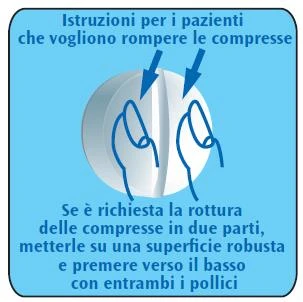
The tablets may be divided to facilitate administration, but both halves should be taken together at the same time.
If you are also taking insulin, your doctor will advise you on how to start taking Zuglimet 500 mg.
Monitoring
- Your doctor will periodically check your blood glucose levels and adjust the dose of Zuglimet 500 mg according to your blood sugar levels. Make sure to speak regularly with your doctor. This is particularly important for children and adolescents or if you are elderly.
- Your doctor will also check at least once a year how well your kidneys are working. You may need more frequent checks if you are elderly or if your kidneys do not function normally.
How to take Zuglimet 500 mg
Take the tablets during or after meals. This will help you avoid unwanted effects that disturb digestion.
Do not crush or chew the tablets. Swallow each tablet with a glass of water.
- If you take one dose per day, take it in the morning (with breakfast);
- If you take two divided doses per day, take them in the morning (with breakfast) and in the evening (with dinner);
- If you take three divided doses per day, take them in the morning (with breakfast), at midday (with lunch), and in the evening (with dinner). If after some time you think that the effect of Zuglimet 500 mg is too strong or too weak, talk to your doctor or pharmacist. If you take more Zuglimet 500 mg than you should
If you have taken more Zuglimet than you should have, lactic acidosis may occur. Symptoms of lactic acidosis are non-specific and include vomiting, stomach ache (abdominal pain) with muscle cramps, general feeling of discomfort with marked fatigue and difficulty breathing. Other symptoms include decreased body temperature and heart rate. If you experience any of these symptoms, you must immediately seek medical treatment, as lactic acidosis can lead to coma. Immediately stop taking Zuglimet 500 mg and contact a doctor or go to the nearest hospital.
If you take more Zuglimet 500 mg than you should, inflammation of the pancreas may occur, which can cause severe abdominal and back pain.
If you forget to take Zuglimet 500 mg
Do not take a double dose to make up for the missed dose. Take the next dose at your usual time.
If you have any doubts about how to use this medicine, consult your doctor or pharmacist.
4. Possible side effects
Like all medicines, this medicine can cause side effects, although not everybody gets them.
Zuglimet 500 mg may cause a very rare (may affect up to 1 in 10,000 people), but very serious side effect called lactic acidosis (see section "Warnings and precautions"). If this occurs, you must stop taking Zuglimet 500 mg and must immediately contact a doctor or the nearest hospital, as lactic acidosis can lead to coma.
In addition, the following side effects may occur:
Very common (may affect more than 1 in 10 people):
- Digestive problems such as feeling unwell (nausea), being sick (vomiting), diarrhoea, stomach ache (abdominal pain), and loss of appetite. These side effects very often occur at the beginning of treatment with Zuglimet 500 mg. It may help to divide the dose throughout the day and to take the tablets with or immediately after food. If symptoms persist, stop taking Zuglimet 500 mg and speak with your doctor.
Common (may affect up to 1 in 10 people):
- Altered taste.
Very rare (may affect up to 1 in 10,000 people):
- Lactic acidosis. This is a very rare but serious complication, especially if your kidneys are not working properly. The symptoms of lactic acidosis are non-specific (see section “Warnings and precautions”);
- Abnormal liver function tests or hepatitis (liver inflammation; may cause fatigue, loss of appetite, weight loss, with or without yellowing of the skin or whites of the eyes). If you experience these symptoms, stop taking Zuglimet 500 mg and contact your doctor immediately;
- Skin reactions such as red skin (erythema), itching, or itchy rash (urticaria);
- Low levels of vitamin B12 in the blood.
Not known (frequency cannot be estimated from the available data):
- Reduction in red blood cells which may cause pale yellow skin and lead to weakness or breathlessness (haemolytic anaemia);
- Reduced levels of thyroid-stimulating hormone (TSH) in the blood in patients with underactive thyroid gland (hypothyroidism);
- Low levels of magnesium in the blood (hypomagnesaemia) in the context of diarrhoea;
- Disorder leading to impaired brain function (encephalopathy);
- Increased sensitivity of the skin to sunlight (photosensitivity);
- Nerve disorder which may cause weakness, tingling, or numbness (peripheral neuropathy) in patients with vitamin B12 deficiency.
Children and adolescents
Limited data in children and adolescents have shown that side effects were of similar nature and severity to those reported in adults.
Reporting of side effects
If you experience any side effects, including those not listed in this leaflet, talk to your doctor or pharmacist. You can also report side effects directly via the national reporting system at www.agenziafarmaco.gov.it/content/come-segnalare-una-sospetta-reazione-avversa. By reporting side effects, you can help provide more information on the safety of this medicine.
5. How to store Zuglimet 500 mg
Keep this medicine out of the sight and reach of children. If a child is being treated with Zuglimet 500 mg, parents and caregivers are advised to supervise how the medicine is used.
This medicine does not require any special storage conditions.
Do not use Zuglimet 500 mg after the expiry date stated on the blister and packaging following “EXP”. The expiry date refers to the last day of that month.
Do not dispose of medicines via wastewater or household waste. Ask your pharmacist how to dispose of medicines no longer required. This will help protect the environment.
6. Package contents and other information
What Zuglimet 500 mg contains
The active substance is metformin hydrochloride.
Each film-coated tablet contains 500 mg of metformin hydrochloride, equivalent to
390 mg of metformin.
The other components are
Tablet core:
Hypromellose, povidone K25, magnesium stearate.
Coating:
Hypromellose, macrogol 6000, titanium dioxide (E171).
Description of the appearance of Zuglimet 500 mg and contents of the pack
Zuglimet 500 mg is a white, film-coated, round tablet with bevelled edges and a break line on one side. The break line is intended only to help divide the tablet if you have difficulty swallowing it whole.
Zuglimet 500 mg is available in packs containing 15, 30, 60, 90, and 120 film-coated tablets.
Not all pack sizes may be marketed.
Marketing Authorization Holder and Manufacturer
Marketing Authorization Holder
Zentiva Italia S.r.l.
Viale L. Bodio, 37/B – 20158 Milano
Manufacturer
Chinoin Pharmaceutical and Chemical Works Private Co. Ltd.
Tó Utca 1-5 - H-1045 Budapest (Hungary)
or
Chinoin Pharmaceutical and Chemical Works Private Co. Ltd.
5 Lévai utca - H-2112 Veresegyház (Hungary)
or
S.C. Zentiva S.A.
B-dul Theodor Pallady nr. 50, sector 3, Bucuresti
Cod 032266, Romania
This medicinal product has been authorised in the Member States of the European Economic Area under the following names:
Germany: Metformin Lich.
Italy: Zuglimet 500 mg
This leaflet was last updated on:
PATIENT LEAFLET: INFORMATION FOR THE USER
Zuglimet 850 mg film-coated tablets
Metformin hydrochloride
Generic medicine
Please read this leaflet carefully before taking this medicine because it contains important information for you. Pay particular attention to the information about lactic acidosis in section "Warnings and precautions".
- Keep this leaflet. You may need to read it again.
- If you have any questions, ask your doctor or pharmacist.
- This medicine has been prescribed for you only. Do not give it to others, even if their symptoms are the same as yours, as it could be harmful.
- If you experience any adverse reaction, including those not listed in this leaflet, contact your doctor or pharmacist. See section 4.
Contents of this leaflet:
- What Zuglimet 850 mg is and what it is used for
- What you need to know before taking Zuglimet 850 mg
- How to take Zuglimet 850 mg
- Possible side effects
- How to store Zuglimet 850 mg
- Contents of the pack and other information
1. What Zuglimet 850 mg is and what it is used for
What Zuglimet 850 mg is
Zuglimet 850 mg contains metformin, a medicine used to treat diabetes. This
belongs to a group of medicines called biguanides.
Insulin is a hormone produced by the pancreas that acts in the body by removing glucose
(sugar) from the blood.
The body uses glucose to produce energy or stores it for later use.
If you have diabetes, your pancreas does not produce enough insulin or your body is unable
to properly use the insulin it produces. This leads to high blood glucose levels. Zuglimet 850 mg helps lower blood glucose levels to a normal range, if possible.
If you are an overweight adult, take Zuglimet 850 mg for a prolonged period, as this helps reduce the risk of diabetes-related complications. Zuglimet 500 mg is associated with stable body weight or a modest weight loss.
What Zuglimet 850 mg is used for
Zuglimet 850 mg is used to treat patients with type 2 diabetes (also called “non-insulin-dependent diabetes”) when diet and exercise alone have not been sufficient to control blood glucose levels. It is particularly used in overweight patients.
Adults may take Zuglimet 850 mg alone or in combination with other antidiabetic medicines (oral medications or insulin).
Children aged 10 years and older and adolescents may take Zuglimet 850 mg alone or together with insulin.
2. What you need to know before taking Zuglimet 850 mg
Do not take Zuglimet 850 mg:
If you are allergic (hypersensitive) to metformin hydrochloride or to any of the
other components of this medicine (listed in section 6).
- If you have liver problems.
- If you have severe reduction in kidney function (glomerular filtration rate below 30 ml/min).
- If you have uncontrolled diabetes associated, for example, with severe hyperglycaemia (high blood glucose levels), nausea, vomiting, diarrhoea, rapid weight loss, lactic acidosis (see below “Risk of lactic acidosis”) or ketoacidosis. Ketoacidosis is a condition in which substances called “ketone bodies” accumulate in the blood and which may lead to diabetic pre-coma. Symptoms include stomach pain, rapid and deep breathing, drowsiness or your breath develops an unusual fruity odour.
- If you have been severely dehydrated for a long time or have had severe diarrhoea, or if you have vomited repeatedly and for a prolonged period. Dehydration may lead to kidney problems which could put you at risk of lactic acid build-up (lactic acidosis, see “Risk of lactic acidosis” below);
- If you have a severe infection such as, for example, a lung, bronchial or kidney infection. Severe infections may lead to kidney problems, which could put you at risk of lactic acid build-up (lactic acidosis, see “Risk of lactic acidosis” below).
- If you are being treated for decompensated heart failure or have recently had a heart attack, or if you have serious problems with blood circulation (e.g. shock) or have difficulty breathing. This may lead to reduced oxygen delivery to tissues, which could put you at risk of lactic acid build-up (lactic acidosis, see “Risk of lactic acidosis” below);
- If you drink large amounts of alcohol or suffer from alcoholism.
If any of the above conditions apply to you, speak with your doctor before taking
this medicine.
Warnings and precautions
Talk to your doctor or pharmacist before taking Zuglimet 850 mg if:
- You have problems with your thyroid gland (hypothyroidism). Your doctor may wish to monitor your thyroid-stimulating hormone (TSH) levels regularly;
- You need to undergo an X-ray examination or ultrasound scan involving the injection into the bloodstream of an iodine-containing contrast medium;
- You require major surgery.
Take special care with Zuglimet 850 mg
Risk of lactic acidosis
Zuglimet 850 mg may cause a very rare but very serious side effect called
lactic acidosis, particularly if your kidneys are not functioning properly.
The risk of developing lactic acidosis is higher if diabetes is poorly controlled, in case of severe infections, after a prolonged fasting period or alcohol consumption, dehydration (see further information below), liver problems, or any other medical condition in which part of the body receives reduced oxygen supply (such as in case of severe acute heart disease).
If any of these medical conditions apply to you, talk to your doctor for further instructions.
Stop taking Zuglimet 850 mg temporarily if you have a medical condition that may be associated with dehydration (significant loss of body fluids), such as severe vomiting, diarrhoea, fever, heat exposure, or if you are drinking less fluid than usual. Consult your doctor for further instructions.
If you experience any of the symptoms of lactic acidosis, stop taking Zuglimet 850 mg and contact your doctor or the nearest hospital immediately, because lactic acidosis may lead to coma.
Symptoms of lactic acidosis include:
- vomiting,
- stomach ache or (abdominal pain)
- muscle cramps,
- a general feeling of malaise associated with severe fatigue,
- difficulty in breathing,
- reduced body temperature and heart rate.
Lactic acidosis is a medical emergency and must be treated in hospital.
It is important that you follow your prescribed medication regimen, dietary instructions, and regular exercise programme, as this may reduce the risk of lactic acidosis.
If you are undergoing major surgery, you must stop taking Zuglimet 850 mg during and for a certain period after the procedure. Your doctor will decide when you should stop and when you can restart treatment with Zuglimet 850 mg.
Your doctor will decide whether you need alternative treatment in the meantime.
During treatment with Zuglimet 850 mg, your doctor will check your kidney function at least once a year, or more frequently if you are elderly and/or if your kidney function worsens.
Zuglimet 850 mg alone does not cause excessive lowering of blood glucose
(hypoglycaemia). However, if you take Zuglimet 850 mg together with other diabetes medicines that can cause hypoglycaemia (such as sulfonylureas, insulin, meglitinides), there is a risk of hypoglycaemia. If you experience symptoms of hypoglycaemia such as weakness, dizziness, increased sweating, rapid heartbeat, vision problems or difficulty concentrating, you should usually treat it by eating or drinking something containing sugar.
Long-term treatment with metformin may reduce vitamin B12 levels in the blood, which may cause nerve disorders (see “Possible side effects” below). Your doctor may wish to monitor your vitamin B12 levels regularly.
Other medicines and Zuglimet 850 mg
If you are due to receive intravenous injection of iodine-containing contrast media, for example during X-rays or diagnostic scans, you must stop taking Zuglimet 850 mg before and at the time of the injection.
Your doctor will decide when you should stop treatment and when you can restart treatment with Zuglimet 850 mg.
Inform your doctor if you are taking, have recently taken, or might take any other medicine.
You may need to have more frequent blood glucose and kidney function tests, or your doctor may need to adjust the dose of Zuglimet 850 mg.
It is particularly important to mention the use of:
- medicines that increase urine production (diuretics)
- medicines used to treat pain and inflammation (NSAIDs and COX-2 inhibitors, such as ibuprofen and celecoxib)
- Some medicines for treating high blood pressure (ACE inhibitors and angiotensin II receptor antagonists)
- Beta-agonists such as salbutamol or terbutaline (used to treat asthma);
- Corticosteroids (used to treat various conditions, such as severe skin inflammation or asthma);
- Medicines that may alter the amount of Zuglimet 850 mg in your blood, especially if you have reduced kidney function (such as verapamil, rifampicin, cimetidine, dolutegravir, ranolazine, trimethoprim, vandetanib, isavuconazole, crizotinib, olaparib);
- Other medicines used to treat diabetes;
- Levothyroxine (used for thyroid hormone replacement therapy).
If you take phenprocoumon (a medicine used to prevent blood clots) and
Zuglimet 850 mg at the same time, effects on blood clotting may occur. Therefore, your doctor may wish to monitor your blood clotting more frequently.
Taking Zuglimet 850 mg with alcohol
Avoid excessive alcohol consumption while taking Zuglimet 850 mg. This may
increase the risk of lactic acidosis (see section “Warnings and precautions”). In
general, you should avoid alcohol consumption and medicines containing alcohol.
Pregnancy and breastfeeding
If you are pregnant, think you may be pregnant, are planning to become pregnant, or are breastfeeding, consult your doctor or pharmacist before taking
this medicine.
During pregnancy, insulin is required to treat diabetes. Talk to your doctor if you are, may be, or are planning to become pregnant, so that your treatment can be adjusted.
Use of Zuglimet 850 mg is not recommended during breastfeeding, or if you intend to breastfeed your baby.
Driving and using machines
Zuglimet 850 mg alone does not cause excessive lowering of blood glucose
(hypoglycaemia). This means it does not impair your ability to drive or use machines.
However, take particular care if you take Zuglimet 850 mg together with other
diabetes medicines that can cause hypoglycaemia (such as sulfonylureas, insulin, meglitinides). Symptoms of hypoglycaemia include fatigue, dizziness, increased sweating, rapid heartbeat, vision problems or difficulty concentrating. Do not drive or operate machinery if you begin to experience these symptoms.
3. How to take Zuglimet 850 mg
Always take Zuglimet 850 mg exactly as directed by your doctor. If you have
any doubts, consult your doctor or pharmacist.
Zuglimet 850 mg cannot replace the benefits of a healthy lifestyle. Continue to follow the
dietary advice given to you by your doctor and exercise regularly.
Recommended dose
Children aged 10 years and older and adolescents usually start with 500 mg or 850 mg once daily. The maximum daily dose is 2000 mg taken in 2 or 3 divided doses. Treatment of children aged between 10 and 12 years is recommended only on the specific advice of a doctor, as experience in this age group is limited.
Adults usually start with 500 mg or 850 mg two or three times daily. The maximum daily dose is 3000 mg taken in 3 divided doses.
If you have reduced kidney function, your doctor may prescribe a lower dose.
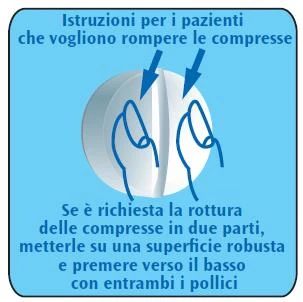
The tablets may be split to facilitate administration, but both halves must be taken together at the same time.
If you also take insulin, your doctor will advise you on how to start taking Zuglimet 850 mg.
Monitoring
- Your doctor will periodically check your blood glucose levels and adjust the dose of Zuglimet 850 mg according to your blood sugar levels. Make sure to speak regularly with your doctor. This is particularly important for children and adolescents or if you are elderly.
- Your doctor will also check at least once a year how well your kidneys are working. You may need more frequent checks if you are elderly or if your kidneys do not function normally.
How to take Zuglimet 850 mg
Take the tablets during or after meals. This will help you avoid unwanted side effects affecting digestion.
Do not crush or chew the tablets. Swallow each tablet with a glass of water.
- If you take one dose per day, take it in the morning (breakfast),
- If you take two divided doses per day, take them in the morning (breakfast) and in the evening (dinner);
- If you take three divided doses per day, take them in the morning (breakfast), at midday (lunch), and in the evening (dinner).
If, after some time, you think that the effect of Zuglimet 850 mg is too strong or too weak, talk to your doctor or pharmacist.
If you take more Zuglimet 850 mg than you should
If you have taken more Zuglimet than you should have, lactic acidosis may occur. Symptoms of lactic acidosis are non-specific and include vomiting, stomach ache (abdominal pain) with muscle cramps, general feeling of illness with marked tiredness, and breathing difficulties.
Other symptoms include decreased body temperature and heart rate. If you experience any of these symptoms, seek immediate medical attention,
as lactic acidosis can lead to coma. Immediately stop taking Zuglimet 850 mg and contact a doctor or go to the nearest hospital.
If you take more Zuglimet 850 mg than prescribed, inflammation of the pancreas may occur, which can cause severe pain in the abdomen and back.
If you forget to take Zuglimet 850 mg
Do not take a double dose to make up for the missed dose. Take the next dose at your usual time.
If you have any questions about the use of this medicine, ask your doctor or pharmacist.
4. Possible side effects
Like all medicines, this medicine can cause side effects, although not everybody gets them.
Zuglimet 850 mg may cause a very rare (may affect up to 1 in 10,000 people), but very serious side effect called lactic acidosis (see section "Warnings and precautions"). If this occurs, you must stop taking Zuglimet 850 mg and must immediately contact a doctor or the nearest hospital, as lactic acidosis can lead to coma.
In addition, the following side effects may occur:
Very common (may affect more than 1 in 10 people):
- Gastrointestinal problems such as feeling unwell (nausea), sickness (vomiting), diarrhoea, stomach ache (abdominal pain), and loss of appetite. These side effects very often occur at the beginning of treatment with Zuglimet 850 mg. It may help to divide the dose throughout the day and to take the tablets with or immediately after meals. If symptoms persist, stop taking Zuglimet 850 mg and speak with your doctor.
Common (may affect up to 1 in 10 people):
- Altered taste.
Very rare (may affect up to 1 in 10,000 people):
- Lactic acidosis. This is a very rare but serious complication, especially if your kidneys are not working properly. Symptoms of lactic acidosis are non-specific (see section "Warnings and precautions");
- Abnormal liver function tests or hepatitis (inflammation of the liver; may cause tiredness, loss of appetite, weight loss, with or without yellowing of the skin or whites of the eyes). If you experience these symptoms, stop taking Zuglimet 850 mg and speak with your doctor immediately;
- Skin reactions such as red skin (erythema), itching, or itchy rash (urticaria);
- Low levels of vitamin B12 in the blood.
Not known (frequency cannot be estimated from the available data):
- Reduction in red blood cells which may cause pale yellowish skin and lead to weakness or breathlessness (haemolytic anaemia);
- Reduced levels of the hormone that stimulates the thyroid gland (TSH) in the blood in patients with low thyroid gland activity (hypothyroidism);
- Low levels of magnesium in the blood (hypomagnesaemia) in the context of diarrhoea;
- A disorder leading to impaired brain function (encephalopathy);
- Increased sensitivity of the skin to sunlight (photosensitivity);
- Nerve disorders which may cause weakness, tingling, or numbness (peripheral neuropathy) in patients with vitamin B12 deficiency.
Children and adolescents
Limited data in children and adolescents have shown that side effects were of similar nature and severity to those reported in adults.
Reporting of side effects
If you experience any side effects, including those not listed in this leaflet, talk to your doctor or pharmacist. You can also report side effects directly via the national reporting system at www.agenziafarmaco.gov.it/content/come-segnalare-una-sospetta-reazione-avversa.
By reporting side effects, you can help provide more information on the safety of this medicine.
5. How to store Zuglimet 850 mg
Keep this medicine out of the sight and reach of children. If a child is being treated with Zuglimet 850 mg, parents and caregivers are advised to supervise how the medicine is used.
This medicine does not require any special storage conditions.
Do not use Zuglimet 850 mg after the expiry date stated on the blister and packaging following “EXP”. The expiry date refers to the last day of that month.
Do not dispose of medicines via wastewater or household waste. Ask your pharmacist how to dispose of medicines you no longer use. This will help protect the environment.
6. Pack contents and other information
What Zuglimet 850 mg contains
The active substance is metformin hydrochloride.
Each film-coated tablet contains 850 mg of metformin hydrochloride, equivalent to
662.8 mg of metformin.
The other components are:
Tablet core:
Hypromellose, povidone K25, magnesium stearate.
Coating:
Hypromellose, macrogol 6000, titanium dioxide (E171).
Description of the appearance of Zuglimet 850 mg and contents of the pack
Zuglimet 850 mg is a white, film-coated, odourless, oblong tablet with bevelled edges, narrower in the centre on both sides. There is a break line on both sides. The break line is intended only to assist in breaking the tablet if you have difficulty swallowing it whole.
Zuglimet 850 mg is available in packs containing 15, 30, 40, 50, 90, 100, and 120 film-coated tablets.
Not all pack sizes may be marketed.
Marketing Authorisation Holder and Manufacturer
Marketing Authorisation Holder
Zentiva Italia S.r.l.
Viale L. Bodio, 37/B – 20158 Milan, Italy
Manufacturer
Chinoin Pharmaceutical and Chemical Works Private Co. Ltd.
Tó Utca 1-5 - H-1045 Budapest (Hungary)
or
Chinoin Pharmaceutical and Chemical Works Private Co. Ltd.
5 Lévai utca - H-2112 Veresegyház (Hungary)
or
S.C. Zentiva S.A.
B-dul Theodor Pallady nr. 50, sector 3, Bucharest
Cod 032266, Romania
This medicinal product has been authorised in the Member States of the European Economic Area under the following names:
Germany: Metformin Lich.
Italy: Zuglimet 850 mg
This leaflet was last updated on:
PACKAGE LEAFLET: INFORMATION FOR THE USER
Zuglimet 1000 mg film-coated tablets
Metformin hydrochloride
Equivalent medicine
Please read this leaflet carefully before taking this medicine because
it contains important information for you.
Pay particular attention to the information on lactic acidosis in section "Warnings and precautions".
- Keep this leaflet. You may need to read it again.
- If you have any questions, ask your doctor or pharmacist.
- This medicine has been prescribed for you only. Do not give it to others, even if their symptoms are the same as yours, as it could be harmful.
- If you experience any side effects, including those not listed in this leaflet, contact your doctor or pharmacist. See section 4.
Contents of this leaflet:
- What Zuglimet 1000 mg is and what it is used for
- What you need to know before taking Zuglimet 1000 mg
- How to take Zuglimet 1000 mg
- Possible side effects
- How to store Zuglimet 1000 mg
- Contents of the pack and other information
1. What is Zuglimet 1000 mg and what is it used for
What is Zuglimet 1000 mg
Zuglimet 1000 mg contains metformin, a medicine used to treat diabetes. This belongs to a group of medicines called biguanides.
Insulin is a hormone produced by the pancreas that acts in the body by removing glucose (sugar) from the blood.
The body uses glucose to produce energy or stores it for later use.
If you have diabetes, your pancreas does not produce enough insulin or your body is unable to properly use the insulin it produces. This leads to high blood glucose levels. Zuglimet 1000 mg helps lower blood glucose levels to within a normal range, if possible.
If you are an overweight adult, take Zuglimet 1000 mg for a long period of time, as this helps reduce the risk of diabetes-related complications. Zuglimet 1000 mg is associated with stable body weight or modest weight loss.
What Zuglimet 1000 mg is used for
Zuglimet 1000 mg is used to treat patients with type 2 diabetes (also called “non-insulin-dependent diabetes”) when diet and exercise alone have not been sufficient to control blood glucose levels. It is particularly used in overweight patients.
Adults may take Zuglimet 1000 mg alone or together with other antidiabetic medicines (oral medications or insulin).
Children aged 10 years and older and adolescents may take Zuglimet 1000 mg alone or together with insulin.
2. What you need to know before taking Zuglimet 1000 mg
Do not take Zuglimet 1000 mg:
If you are allergic (hypersensitive) to metformin hydrochloride or to any of the other
components of this medicine (listed in section 6).
- If you have liver problems.
- If you have severely reduced kidney function (glomerular filtration rate below 30 ml/min).
- If you have uncontrolled diabetes associated, for example, with severe hyperglycemia (high blood glucose levels), nausea, vomiting, diarrhea, significant weight loss, lactic acidosis (see below “Risk of lactic acidosis”) or ketoacidosis. Ketoacidosis is a condition in which substances called “ketone bodies” accumulate in the blood and which may lead to diabetic pre-coma. Symptoms include stomach pain, rapid and deep breathing, drowsiness, or your breath developing an unusual fruity odor.
- If you have been severely dehydrated for a prolonged period or have had severe diarrhea, or if you have vomited repeatedly and for a long time. Dehydration may lead to kidney problems, which could put you at risk of lactic acid buildup (lactic acidosis; see “Risk of lactic acidosis” below).
- If you have a severe infection such as pneumonia, bronchial infection, or kidney infection. Severe infections may lead to kidney problems, which could put you at risk of lactic acid buildup (lactic acidosis; see “Risk of lactic acidosis” below).
- If you are being treated for decompensated heart failure or have recently had a heart attack, or if you have serious circulatory problems (e.g., shock) or difficulty breathing. These conditions may lead to reduced oxygen supply to tissues, putting you at risk of lactic acidosis (see “Risk of lactic acidosis” below).
- If you drink large amounts of alcohol or suffer from alcoholism.
If any of the above conditions apply to you, speak with your doctor before taking
this medicine.
Warnings and precautions
Talk to your doctor or pharmacist before taking Zuglimet 1000 mg if:
- You have a problem with your thyroid gland (hypothyroidism). Your doctor may wish to monitor your thyroid-stimulating hormone (TSH) levels regularly.
- You need to undergo an X-ray or ultrasound examination requiring intravenous injection of an iodine-containing contrast agent.
- You need major surgery.
Take special care with Zuglimet 1000 mg
Risk of lactic acidosis
Zuglimet 1000 mg may cause a very rare but serious adverse effect called lactic acidosis, particularly if your kidneys are not functioning properly.
The risk of developing lactic acidosis is higher in the presence of poorly controlled diabetes, severe infections, prolonged fasting or alcohol consumption, dehydration (see further information below), liver problems, or any other medical condition in which part of the body receives reduced oxygen supply (such as in severe acute heart disease).
If any of these medical conditions apply to you, consult your doctor for further instructions.
Temporarily stop taking Zuglimet 1000 mg if you develop a medical condition that may be associated with dehydration (significant loss of body fluids), such as severe vomiting, diarrhea, fever, heat exposure, or if you are drinking less fluid than usual. Consult your doctor for further instructions.
If you experience any of the symptoms of lactic acidosis, stop taking Zuglimet 1000 mg immediately and contact your doctor or go to the nearest hospital, as lactic acidosis may lead to coma.
Symptoms of lactic acidosis include:
- vomiting,
- stomach ache or (abdominal pain),
- muscle cramps,
- a general feeling of malaise associated with severe fatigue,
- difficulty breathing,
- reduced body temperature and heart rate.
Lactic acidosis is a medical emergency and must be treated in a hospital.
It is important that you follow your prescribed medication regimen, dietary instructions, and regular exercise program, as this may reduce the risk of lactic acidosis.
If you are scheduled for major surgery, you must stop taking Zuglimet 1000 mg during and for a certain period after the procedure. Your doctor will decide when to stop and when to restart treatment with Zuglimet 1000 mg.
Your doctor will determine whether you need alternative treatment in the meantime.
During treatment with Zuglimet 1000 mg, your doctor will monitor your kidney function at least once a year, or more frequently if you are elderly and/or if you have worsening kidney function.
Zuglimet 1000 mg alone does not cause excessively low blood glucose (hypoglycemia). However, if you take Zuglimet 1000 mg together with other antidiabetic medicines that may cause hypoglycemia (such as sulfonylureas, insulin, meglitinides), there is a risk of hypoglycemia. If you experience symptoms of hypoglycemia such as weakness, dizziness, increased sweating, rapid heartbeat, vision problems, or difficulty concentrating, you should usually treat it by eating or drinking something containing sugar.
Long-term treatment with metformin may reduce vitamin B12 levels in the blood, which may cause nerve disorders (see “Possible side effects” below). Your doctor may wish to monitor your vitamin B12 levels regularly.
Other medicines and Zuglimet 1000 mg
If you are scheduled to receive intravenous injection of iodine-containing contrast agents, for example during radiographic or diagnostic scanning procedures, you must stop taking Zuglimet 1000 mg before and at the time of the injection.
Your doctor will decide when to stop treatment and when you can resume taking Zuglimet 1000 mg.
Inform your doctor if you are taking, have recently taken, or might take any other medicine.
You may need to have more frequent blood glucose and kidney function tests, or your doctor may need to adjust the dose of Zuglimet 1000 mg.
It is particularly important to mention the use of:
- medicines that increase urine production (diuretics),
- medicines used to treat pain and inflammation (NSAIDs and COX-2 inhibitors, such as ibuprofen and celecoxib),
- some medicines used to treat high blood pressure (ACE inhibitors and angiotensin II receptor antagonists),
- beta-agonists such as salbutamol or terbutaline (used to treat asthma),
- corticosteroids (used to treat various conditions, such as severe skin inflammation or asthma),
- medicines that may alter the blood levels of Zuglimet 1000 mg, especially if you have reduced kidney function (such as verapamil, rifampicin, cimetidine, dolutegravir, ranolazine, trimethoprim, vandetanib, isavuconazole, crizotinib, olaparib),
- other medicines used to treat diabetes,
- levothyroxine (used for thyroid hormone replacement therapy).
If you take phenprocoumon (a medicine used to prevent blood clots) together with
Zuglimet 1000 mg, effects on blood clotting may occur. Therefore, your doctor may wish to monitor your blood clotting more frequently.
Taking Zuglimet 1000 mg with alcohol
Avoid excessive alcohol consumption while taking Zuglimet 1000 mg. This may
increase the risk of lactic acidosis (see section “Warnings and precautions”). In general, you should avoid consuming alcohol and medicines containing alcohol.
Pregnancy and breastfeeding
If you are pregnant, think you may be pregnant, are planning to become pregnant, or are breastfeeding, consult your doctor or pharmacist before taking this medicine.
During pregnancy, insulin is required to treat diabetes. Speak with your doctor if you are, may be, or are planning to become pregnant, so that your treatment can be adjusted.
Use of Zuglimet 1000 mg is not recommended during breastfeeding or if you intend to breastfeed your baby.
Driving and using machines
Zuglimet 1000 mg alone does not cause excessively low blood glucose (hypoglycemia). This means it does not impair your ability to drive or operate machinery.
However, take particular care if you take Zuglimet 1000 mg together with other antidiabetic medicines that may cause hypoglycemia (such as sulfonylureas, insulin, meglitinides). Symptoms of hypoglycemia include fatigue, dizziness, increased sweating, rapid heartbeat, vision problems, or difficulty concentrating. Do not drive or operate machinery if you begin to experience these symptoms.
3. How to take Zuglimet 1000 mg
Always take Zuglimet 1000 mg exactly as directed by your doctor. If you have
any doubts, consult your doctor or pharmacist.
Zuglimet 1000 mg cannot replace the benefits of a healthy lifestyle. Continue to follow the
dietary advice given to you by your doctor and exercise regularly.
Recommended dose
Children aged 10 years and older and adolescents usually start with 500 mg or 850 mg once daily. The maximum daily dose is 2000 mg taken in 2 or 3 divided doses. Treatment of children aged between 10 and 12 years is recommended only on specific advice of the doctor, as experience in this age group is limited.
Adults usually start with 500 mg or 850 mg two or three times daily. The maximum daily dose is 3000 mg taken in 3 divided doses.
If you have reduced kidney function, your doctor may prescribe a lower dose.
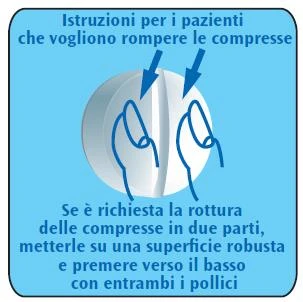
The tablets may be split to facilitate administration, but both halves must be taken together at the same time.
If you are also taking insulin, your doctor will advise you on how to start taking Zuglimet 1000 mg.
Monitoring
- Your doctor will periodically check your blood glucose levels and adjust the dose of Zuglimet 1000 mg according to your blood sugar levels. Make sure to speak regularly with your doctor. This is particularly important for children and adolescents or if you are elderly.
- Your doctor will also check at least once a year how well your kidneys are working. You may need more frequent checks if you are elderly or if your kidneys do not function normally.
How to take Zuglimet 1000 mg
Take the tablets during or after meals. This will help you avoid unwanted effects that may disturb digestion.
Do not crush or chew the tablets. Swallow each tablet with a glass of water.
- If you take one dose per day, take it in the morning (breakfast),
- If you take two divided doses per day, take them in the morning (breakfast) and in the evening (dinner);
- If you take three divided doses per day, take them in the morning (breakfast), at midday (lunch), and in the evening (dinner).
If, after some time, you think that the effect of Zuglimet 1000 mg is too strong or too weak, talk to your doctor or pharmacist.
If you take more Zuglimet 1000 mg than you should
If you have taken more Zuglimet than you should have, lactic acidosis may occur.
Symptoms of lactic acidosis are non-specific and include vomiting, stomach ache (abdominal pain) with muscle cramps, general feeling of discomfort with marked fatigue and difficulty breathing.
Other symptoms include decreased body temperature and slowed heart rate. If you experience any of these symptoms, you must immediately seek medical attention,
as lactic acidosis can lead to coma. Stop taking Zuglimet 1000 mg immediately and contact a doctor or go to the nearest hospital.
If you take more Zuglimet 1000 mg than you should, inflammation of the pancreas may occur, which can cause severe pain in the abdomen and back.
If you forget to take Zuglimet 1000 mg
Do not take a double dose to make up for the missed dose. Take the next dose at the usual time.
If you have any questions about the use of this medicine, ask your doctor or pharmacist.
4. Possible side effects
Like all medicines, this medicine can cause side effects, although not everyone gets them.
Zuglimet 1000 mg may cause a very rare (may affect up to 1 in 10,000 people), but very serious side effect called lactic acidosis (see section "Warnings and precautions"). If this occurs, you must stop taking Zuglimet 1000 mg and must immediately contact a doctor or the nearest hospital, as lactic acidosis can lead to coma.
In addition, the following side effects may occur:
Very common (may affect more than 1 in 10 people):
-
Gastrointestinal problems, such as feeling unwell (nausea), being sick (vomiting), diarrhoea, stomach ache (abdominal pain) and loss of appetite. These side effects very often occur at the beginning of treatment with Zuglimet 1000 mg. It may help to divide the dose throughout the day and to take the tablets with or immediately after meals. If symptoms persist, stop taking Zuglimet 1000 mg and speak with your doctor.
Common (may affect up to 1 in 10 people)
Altered taste.
Very rare (may affect up to 1 in 10,000 people) -
Lactic acidosis. This is a very rare but serious complication, especially if your kidneys are not working properly. Symptoms of lactic acidosis are non-specific (see section “Warnings and precautions”);
-
Abnormal liver function tests or hepatitis (liver inflammation; may cause tiredness, loss of appetite, weight loss, with or without yellowing of the skin or whites of the eyes). If you experience these symptoms, stop taking Zuglimet 1000 mg and contact your doctor immediately;
-
Skin reactions such as red skin (erythema), itching or itchy rash (urticaria);
-
Low levels of vitamin B12 in the blood. Not known (frequency cannot be estimated from the available data)
-
Reduction in red blood cells which may make the skin look pale yellow and cause weakness or breathlessness (haemolytic anaemia);
-
Reduced levels of the hormone that stimulates the thyroid (TSH) in blood in patients with low thyroid gland activity (hypothyroidism);
-
Low magnesium levels in the blood (hypomagnesaemia) in the context of diarrhoea;
-
Disorder leading to impaired brain function (encephalopathy);
-
Increased sensitivity of the skin to sunlight (photosensitivity);
-
Nerve disorder which may cause weakness, tingling or numbness (peripheral neuropathy) in patients with vitamin B12 deficiency.
Children and adolescents Limited data in children and adolescents have shown that side effects were of similar nature and severity to those reported in adults.
Reporting of side effects If you get any side effects, including ones not listed in this leaflet, talk to your doctor or pharmacist. You can also report side effects directly via the national reporting system at www.agenziafarmaco.gov.it/content/come-segnalare-una-sospetta-reazione-avversa. By reporting side effects, you can help provide more information on the safety of this medicine.
5. How to store Zuglimet 1000 mg
Keep this medicine out of the sight and reach of children. If a child is being treated with Zuglimet 1000 mg, parents and caregivers are advised to supervise how the medicine is used.
This medicine does not require any special storage conditions.
Do not use Zuglimet 1000 mg after the expiry date stated on the blister and packaging after "EXP". The expiry date refers to the last day of that month.
Do not dispose of medicines via wastewater or household waste. Ask your pharmacist how to dispose of medicines you no longer use. This will help protect the environment.
6. Package contents and other information
What Zuglimet 1000 mg contains
The active substance is metformin hydrochloride.
Each film-coated tablet contains 1000 mg of metformin hydrochloride, equivalent to
780 mg of metformin.
The other components are:
Tablet core:
Hypromellose, povidone K25, magnesium stearate.
Coating:
Hypromellose, macrogol 6000, titanium dioxide (E171).
Description of the appearance of Zuglimet 1000 mg and pack contents
Zuglimet 1000 mg is a white, film-coated, oblong tablet with bevelled edges, narrower in the middle.
There is a break line on both sides.
The tablets can be divided into two equal doses.
Zuglimet 1000 mg is available in packs of 15, 20, 30, 60, 90, 120, and 600 (20x30)
film-coated tablets.
Not all pack sizes may be marketed.
Marketing Authorization Holder and Manufacturer
Marketing Authorization Holder
Zentiva Italia S.r.l.
Viale L. Bodio, 37/B – 20158 Milano, Italy
Manufacturer
Chinoin Pharmaceutical and Chemical Works Private Co. Ltd.
Tó Utca 1-5 - H-1045 Budapest (Hungary)
or
Chinoin Pharmaceutical and Chemical Works Private Co. Ltd.
5 Lévai utca - H-2112 Veresegyház (Hungary)
or
S.C. Zentiva S.A.
B-dul Theodor Pallady nr. 50, sector 3, Bucuresti
Cod 032266, Romania
This medicinal product has been authorised in the Member States of the European Economic Area under the following names:
Metformin Lich 1000 mg in Germany, Metformina Zentiva in Portugal, and Zuglimet in Italy.
This leaflet was last updated on: