Zolpidem Sandoz
Italy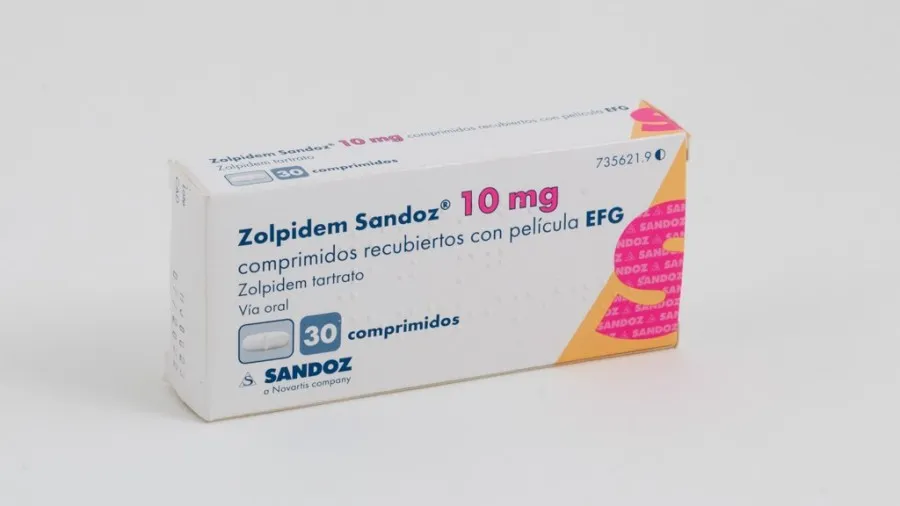
Table of Contents
- Package leaflet: Information for the patient
- ZOLPIDEM SANDOZ 10 mg film-coated tablets
- 1. What Zolpidem Sandoz is and what it is used for
- 2. What you should know before taking Zolpidem Sandoz
- 3. How to take Zolpidem Sandoz
- 4. Possible side effects
- 5. How to store Zolpidem Sandoz
- 6. Package contents and other information
Package leaflet: Information for the patient
ZOLPIDEM SANDOZ 10 mg film-coated tablets
zolpidem tartrate
Generic medicine
Read this leaflet carefully before taking this medicine because it contains important information for you.
- Keep this leaflet. You may need to read it again.
- If you have any questions, ask your doctor or pharmacist.
- This medicine has been prescribed for you only. Do not give it to other people, even if their symptoms are the same as yours, as it may be harmful.
- If you experience any side effects, including those not listed in this leaflet, tell your doctor or pharmacist. See section 4.
Contents of this leaflet
- What Zolpidem Sandoz is and what it is used for
- What you need to know before taking Zolpidem Sandoz
- How to take Zolpidem Sandoz
- Possible side effects
- How to store Zolpidem Sandoz
- Contents of the pack and other information
1. What Zolpidem Sandoz is and what it is used for
Zolpidem Sandoz is used for the short-term treatment of insomnia in adults.
Do not use it for long-term treatment. The duration of treatment should be as short as possible,
since the risk of dependence increases with longer treatment duration.
It should be used only when sleep disturbances are severe, disabling or cause extreme patient distress.
2. What you should know before taking Zolpidem Sandoz
Do not take Zolpidem Sandoz
- if you are allergic to zolpidem or to any of the other ingredients of this medicine (listed in section 6)
- if you suffer from severe muscle weakness (myasthenia gravis)
- if you stop breathing briefly while asleep (sleep apnoea syndrome)
- if you suffer from acute and/or severe respiratory insufficiency (respiratory impairment)
- if you suffer from severe liver damage (hepatic impairment)
- if you have ever experienced sleepwalking or other unusual behaviours during sleep after taking Zolpidem Sandoz or other medicines containing zolpidem. This may include driving, eating, making phone calls, or having sexual intercourse during sleep without being fully awake.
Warnings and precautions
Talk to your doctor or pharmacist before taking Zolpidem Sandoz.
General
Before starting treatment with Zolpidem Sandoz
- the cause of the sleep disorder should be determined and whether it can be treated without medication.
- underlying diseases should be treated.
If there is no improvement in the sleep disorder after 7–14 days of treatment with Zolpidem Sandoz,
your doctor will carry out further investigations to clarify the causes of the sleep disorder.
Tolerance
Repeated use of hypnotics for several weeks may lead to a loss of effectiveness (tolerance).
Dependence
The use of Zolpidem Sandoz may lead to the development of abuse and/or physical and psychological dependence. The risk of dependence increases with dose and duration of treatment and is greater when zolpidem is used for more than 4 weeks. The risk of abuse and dependence is higher in patients with a history of mental disorders and/or alcohol, drug, or medication abuse. Inform your doctor if you have or have ever had a mental disorder or if you abuse or have abused alcohol, drugs, or medicines, or if you have been dependent on them.
Withdrawal
If physical dependence has developed, abruptly stopping treatment may lead to withdrawal symptoms such as headache, muscle pain, unusual anxiety and tension, restlessness, confusion, irritability.
In more severe cases, loss of reality, personality disturbances, hearing disorders (hyperacusis), numbness and tingling in the extremities, hypersensitivity to light, noise, and physical contact, hallucinations, or epileptic seizures may occur. Therefore, it is recommended to discontinue treatment gradually by tapering the dose.
Zolpidem may cause withdrawal symptoms even between doses.
When treatment is discontinued, temporary withdrawal symptoms may occur and the symptoms that led to treatment with Zolpidem Sandoz may reappear in a worsened form. Associated reactions include mood changes, anxiety, and restlessness. Since the risk of withdrawal or discontinuation symptoms is higher after abrupt interruption of treatment, it is recommended to stop treatment gradually by reducing the dose.
When Zolpidem Sandoz is taken according to recommendations, with the correct dose and duration of use, and with due precautions and warnings, the occurrence of withdrawal or interruption symptoms at the end of treatment is minimal.
Zolpidem Sandoz is not recommended for the treatment of certain mental illnesses (psychoses).
Depression
Like other hypnotic or tranquilizing medicines, Zolpidem Sandoz must be used with caution in patients with symptoms of depression or anxiety accompanied by depression. In certain circumstances, depressive symptoms may worsen if the underlying condition is not adequately treated with appropriate medicines (antidepressants). This may increase the risk of suicide in these patients. A previously unrecognized depression may emerge due to Zolpidem Sandoz. Some studies show an increased incidence of suicide or attempted suicide in patients taking certain hypnotics or sedatives, including Zolpidem Sandoz. However, it has not been established whether this is due to the treatment with the medicine or whether other causes may be involved.
Inform your doctor immediately if you have suicidal thoughts (thoughts of self-harm or suicide) or suicidal behaviour.
Memory lapses (amnesia)
Temporary memory gaps (anterograde amnesia) may be induced by hypnotic medicines. This means that (usually several hours) after taking this medicine, actions may be performed that you will not remember later. This may also include inappropriate behaviour. This risk depends on the dose level. To minimize this risk, it is essential to ensure an uninterrupted sleep of 8 hours.
Psychiatric and paradoxical reactions
Zolpidem Sandoz may cause, especially in elderly patients, psychiatric reactions and so-called "paradoxical reactions" such as inner restlessness, worsening of sleep disorders, agitation, irritability, aggression, delirium (false beliefs), mood swings, nightmares, hallucinations (seeing, hearing, or perceiving things that are not there), sleepwalking, and other behavioural disturbances (see section 4). In such cases, Zolpidem Sandoz must be discontinued (see section 4).
Sleepwalking
Sleepwalking and associated behaviours have been reported in patients who have taken zolpidem and were not fully awake. This includes "sleep-driving", preparing and eating food, making phone calls, or having sexual intercourse, with patients unable to recall these actions upon waking.
If you notice any of the above behaviours, stop treatment with Zolpidem Sandoz immediately and contact your doctor, as this sleep behaviour may expose you and others to a serious risk of injury. Drinking alcohol or taking other medicines that cause drowsiness at the same time may increase the risk of such sleep patterns occurring.
Psychomotor impairment
Psychomotor impairment the following day (see also “Driving and use of machines”)
Like other hypnotic or tranquilizing medicines, Zolpidem Sandoz has a depressant effect on the central nervous system.
The day after taking Zolpidem Sandoz, the risk of psychomotor impairment, including impaired ability to drive, may increase if:
- you take this medicine less than 8 hours before performing activities requiring mental alertness
- you take a higher dose than recommended
- you take zolpidem while already taking other medicines with a depressant effect on the central nervous system or other medicines that increase zolpidem levels in the blood, or while drinking alcohol, or while taking drugs or medicines
Take the full dose immediately before going to bed.
Do not take another dose during the same night.
The use of zolpidem has been associated with an increased risk of falls. Falls may be caused by side effects such as coordination problems, muscle weakness, dizziness, drowsiness, and fatigue. The risk of falls is higher in elderly patients and when a higher than recommended dose is used.
Impaired respiratory and liver function
Patients with chronic impairment of respiratory function or liver function disorders must be treated with caution, and your doctor may prescribe a lower dose of Zolpidem Sandoz (see also section 3). Due to the risk of brain damage, patients with severe liver dysfunction must not be treated with Zolpidem Sandoz.
Cardiac conduction disorders
Patients with a certain inherited cardiac conduction disorder ("long QT syndrome") must be treated with caution. Your doctor will carefully weigh the benefits against the risks before starting treatment with Zolpidem Sandoz.
Elderly and debilitated patients
Should receive a lower dose (see section 3). Caution is required in elderly patients due to the risk of falls, especially when getting up at night.
Children and adolescents
Zolpidem Sandoz is not recommended for use in children and adolescents under 18 years of age, as sufficient clinical data are not available for this age group.
Other medicines and Zolpidem Sandoz
Inform your doctor or pharmacist if you are taking, have recently taken, or might take any other medicines.
The following medicines may affect the effect of Zolpidem Sandoz or be affected by it:
When taking zolpidem together with the following medicines, drowsiness and psychomotor impairment the following day, including impaired driving ability, may increase the day after intake.
- medicines for certain mental health conditions (antipsychotics)
- medicines for sleep disorders (hypnotics)
- medicines to calm or reduce anxiety
- medicines for depression
- medicines for moderate to severe pain (narcotic analgesics)
- medicines for epilepsy
- medicines used for anaesthesia
- medicines for hay fever, skin rashes, or other allergies that may cause drowsiness (sedating antihistamines)
The concomitant use of Zolpidem Sandoz and opioids (strong painkillers, substitution therapy medicines, and some cough medicines) increases the risk of drowsiness, breathing difficulties (respiratory depression), coma, and may be life-threatening. For this reason, concomitant use should only be considered when no other therapeutic options are possible.
However, if your doctor prescribes Zolpidem Sandoz together with opioids, the dose and duration of concomitant therapy must be determined by your doctor.
Please inform your doctor about all opioid medicines you are taking and follow the prescribed dose carefully. It may be helpful to inform friends or relatives so they are aware of the signs and symptoms listed above. Contact your doctor if such symptoms occur.
Combination with opioid-type painkillers (narcotic analgesics) may also lead to accelerated development of dependence.
When taking zolpidem with antidepressants including bupropion, desipramine, fluoxetine, sertraline, and venlafaxine, you may see things that are not there (hallucinations).
It is not advisable to take zolpidem with fluvoxamine or ciprofloxacin.
When muscle relaxants are taken simultaneously, their effect may be enhanced, especially in elderly patients and at higher doses (risk of falls!).
Medicines that enhance the activity of certain liver enzymes (particularly the P450 CYP3A4 isoenzyme) may reduce the effect of Zolpidem Sandoz (e.g., rifampicin, carbamazepine, phenytoin, St. John’s wort). Concomitant use of zolpidem with St. John’s wort is not recommended.
Conversely, some antifungal medicines (azoles, e.g., ketoconazole) and some antibiotics (macrolide antibiotics), which reduce the activity of these liver enzymes, may increase the effect of Zolpidem Sandoz.
Zolpidem Sandoz with food, drinks, and alcohol
You must not drink alcohol during treatment, as this will unpredictably alter and intensify the effect of zolpidem. The ability to perform tasks requiring high concentration is further impaired by this combination. Grapefruit juice may increase the effect of Zolpidem Sandoz.
Pregnancy, breastfeeding, and fertility
Pregnancy
Zolpidem Sandoz must not be taken during pregnancy. If you are pregnant, suspect you may be pregnant, or are planning to become pregnant, consult your doctor. If used during pregnancy, there is a risk that the baby may be affected.
Some studies have shown that there may be an increased risk of cleft lip and palate (sometimes called "cleft lip") in the newborn.
Reduced fetal movement and variability in fetal heart rate may occur if Zolpidem Sandoz is taken during the second and/or third trimester of pregnancy.
If you take Zolpidem Sandoz during the last months of pregnancy or during labour, your newborn may show muscle weakness, low body temperature, feeding difficulties, and breathing problems (respiratory depression).
If this medicine is taken regularly in the later stages of pregnancy, your baby may develop physical dependence and may be at risk of developing withdrawal symptoms such as agitation or tremors. In this case, the newborn must be closely monitored after birth.
Breastfeeding
Although zolpidem is excreted in breast milk only in small amounts, Zolpidem Sandoz must not be taken during breastfeeding.
Fertility
No data are available on the effects on fertility.
If you are pregnant, suspect you may be pregnant, are planning to become pregnant, or are breastfeeding, consult your doctor or pharmacist before taking this medicine.
Driving and use of machines
Zolpidem Sandoz has a major influence on the ability to drive and use machines due to behaviours such as sleepwalking or driving while drowsy ("sleep-driving"). The day after taking Zolpidem Sandoz (as with other hypnotics), you must be aware that:
- you may feel drowsy, sleepy, dizzy, or confused
- you may take longer to make decisions
- your vision may be blurred or double
- you may feel less alert
An interval of at least 8 hours is recommended between taking Zolpidem Sandoz and driving, operating machinery, or working at heights, to minimize the previously listed effects.
Do not drink alcohol or take any other psychoactive substances while taking Zolpidem Sandoz, as the effects listed above may be intensified.
Zolpidem Sandoz contains lactose and sodium
If your doctor has diagnosed you with an intolerance to certain sugars, consult them before taking this medicine.
This medicine contains less than 1 mmol of sodium (23 mg) per film-coated tablet, i.e., it is essentially "sodium-free".
3. How to take Zolpidem Sandoz
Take this medicine exactly as prescribed by your doctor. If you have any doubts, consult your doctor or pharmacist.
Recommended dose:
Adults
The recommended dose every 24 hours is 10 mg of zolpidem (1 film-coated tablet of Zolpidem Sandoz).
A lower dose may be prescribed for certain patients. Zolpidem Sandoz should be taken:
- as a single dose,
- just before going to bed. Make sure you have at least 8 hours of uninterrupted sleep after taking this medicine before engaging in any activities requiring full alertness.
Do not exceed 10 mg every 24 hours.
Elderly and debilitated patients
A dose of half a film-coated tablet (5 mg) of Zolpidem Sandoz is recommended for elderly or debilitated patients who may be particularly sensitive to Zolpidem Sandoz. This dose may be increased to 10 mg (1 film-coated tablet) only if the effect is insufficient and the medicine is well tolerated.
Respiratory impairment or impaired liver function
In patients with respiratory impairment or impaired liver function, the dose should be half a film-coated tablet (5 mg) of Zolpidem Sandoz.
Children and adolescents
Zolpidem Sandoz is not recommended for use in children and adolescents under 18 years of age, as sufficient clinical data are not available for this age group.
Method of administration
Zolpidem Sandoz should be taken with a glass of water (liquid) immediately before going to bed or should be taken while in bed.
The tablet may be divided into equal doses.
How long should Zolpidem Sandoz be taken?
The duration of treatment should be as short as possible. Generally, it should range from a few days to 2 weeks and should not exceed 4 weeks, including the phase of gradual discontinuation.
In individual cases, treatment beyond this period may be necessary. However, this should not be done without a medical reassessment of your condition.
If you take more Zolpidem Sandoz than you should
In case of overdose, seek immediate medical attention.
Signs of (mild) overdose may include drowsiness, dizziness, blurred vision, slurred speech, low blood pressure, unsteady gait and movement, muscle weakness, confusion, and hallucinations. In cases of severe poisoning, deep sleep up to unconsciousness, agitation, respiratory impairment, and circulatory collapse may occur. Cases of zolpidem overdose (alone or in combination with other central nervous system depressants, including alcohol) with serious consequences (including fatal events) have been reported.
If you forget to take Zolpidem Sandoz
Do not take a double dose to make up for a missed dose. Continue taking Zolpidem Sandoz as prescribed by your doctor.
If you stop taking Zolpidem Sandoz
If you wish to discontinue treatment, discuss this with your doctor in advance. Do not stop taking the medicine on your own without medical advice. Since the risk of withdrawal symptoms is higher after abrupt discontinuation of treatment, your doctor will advise you to stop treatment gradually by reducing the dose. See section 2, Warnings and precautions, Withdrawal.
If you have any questions about the use of this medicine, consult your doctor or pharmacist.
4. Possible side effects
Like all medicines, this medicine can cause side effects, although not everyone will experience them.
Stop taking zolpidem and see a doctor or go to hospital immediately if:
You have an allergic reaction (angioedema). These signs may include: itching, nodular skin rash (urticaria) or hives (urticaria), swelling of the hands, feet, ankles, face, lips or throat, which may cause difficulty swallowing or breathing.
There is evidence of a dose-dependent relationship for adverse effects, particularly those affecting the central nervous system. To reduce these side effects, zolpidem should be taken immediately before going to bed or while in bed, as recommended. Side effects are more common in elderly patients.
Tell your doctor as soon as possible if you experience any of the following side effects:
Common (may affect up to 1 in 10 people)
- Drowsiness
- Worsening of insomnia
- Nightmares
- Fatigue
- Headache
- Dizziness
- Cognitive disturbances such as temporary memory lapses (anterograde amnesia, which may be associated with inappropriate behaviour)
- Hallucinations
- Increased activity
- Depression
- Diarrhoea
- Feeling unwell (nausea) or malaise (vomiting)
- Abdominal pain
- Upper respiratory tract infection
- Lower respiratory tract infection
- Back pain
Uncommon (may affect up to 1 in 100 people)
- Appetite disturbance
- Confusional state
- Irritability
- Restlessness
- Aggressiveness
- Sleepwalking or other unusual behaviours during sleep, such as driving, eating, talking on the phone, or having sexual intercourse while asleep without being fully awake (see section "Warnings and precautions")
- Euphoric attitude
- Sensory disturbances such as tingling or numbness (paraesthesia)
- Tremor
- Attention deficit
- Speech disorders
- Double vision
- Blurred vision
- Increased liver enzymes
- Skin rash
- Itching
- Excessive sweating (hyperhidrosis)
- Joint pain
- Muscle pain
- Muscle cramps
- Neck pain
- Muscle weakness
Rare (may affect up to 1 in 1,000 people)
- Sexual dysfunction
- Visual deterioration
- Liver damage (hepatocellular, cholestatic or mixed) (see also section 2 "What you need to know before taking Zolpidem Sandoz" and section 3)
- Urticaria
- Unsteady gait
- Risk of falls (especially in elderly patients or if Zolpidem Sandoz is not taken as prescribed)
- Clouding of consciousness
Very rare (may affect up to 1 in 10,000 people)
- Thinking things that are not true (delusions)
- Dependence (withdrawal or discontinuation symptoms may occur after stopping treatment)
- Impaired breathing (respiratory depression)
Not known (frequency cannot be estimated from the available data)
- Rage attacks
- Abnormal behaviour
- Development of tolerance
- Persistent swelling of the skin and mucous membranes (angioedema)
- Abuse
Reporting of side effects
If you experience any side effect, including those not listed in this leaflet, tell your doctor or pharmacist. You can also report side effects directly via the national reporting system at www.aifa.gov.it/content/segnalazioni-reazioni-avverse. By reporting side effects, you can help provide more information on the safety of this medicine.
5. How to store Zolpidem Sandoz
Keep this medicine out of the sight and reach of children.
Do not use this medicine after the expiry date stated on the carton and blister after "Exp.".
The expiry date refers to the last day of that month.
Store in the original container to protect the medicine from light.
This medicine does not require any special storage temperature.
Do not dispose of medicines via wastewater or household waste. Ask your pharmacist how to dispose of medicines you no longer use. This will help protect the environment.
6. Package contents and other information
What Zolpidem Sandoz contains
The active substance is zolpidem tartrate.
Each film-coated tablet contains 10 mg of zolpidem tartrate.
The other components are:
Tablet core: succinic acid, sodium carboxymethylstarch (type A), microcrystalline cellulose, lactose monohydrate, magnesium stearate, colloidal silicon dioxide;
Coating of the tablet: lactose monohydrate, macrogol 4000, hypromellose, colouring agent titanium dioxide (E171).
Description of the appearance of Zolpidem Sandoz and the contents of the pack
White, glossy, oblong, biconvex film-coated tablets with a break line on one side.
The film-coated tablets are contained in blisters made of polyvinyl chloride/aluminum and placed in a cardboard carton.
Pack sizes contain 10, 20, 28, 30, 30x1, 50, 98, or 100 film-coated tablets.
Not all pack sizes may be marketed.
Marketing Authorisation Holder and Manufacturer
Sandoz S.p.A. – Largo U. Boccioni, 1 – 21040 Origgio (VA)
- Salutas Pharma GmbH - Otto-von-Guericke-Allee 1 - D-39179 Barleben (Germany)
- Rowa Pharmaceuticals Ltd. - Bantry - Co. Cork (Ireland)
This medicinal product is authorised in the Member States of the European Economic Area under the following names:
Belgium Zolpidem Sandoz 10 mg filmomhulde tabletten
Denmark Zolpidem “Hexal”
Germany Zolpidem HEXAL 10 mg Filmtabletten
Ireland Zolnod 10 mg film-coated tablets
Italy ZOLPIDEM SANDOZ
Netherlands ZOLPIDEMTARTRAAT SANDOZ 10 MG, FILMOMHULDE TABLETTEN
Spain Zolpidem Sandoz 10 mg comprimidos recubiertos con película EFG
Sweden Zolpidem Hexal 10 mg filmdragerad tablett
This leaflet was last updated on