Zofran
Italy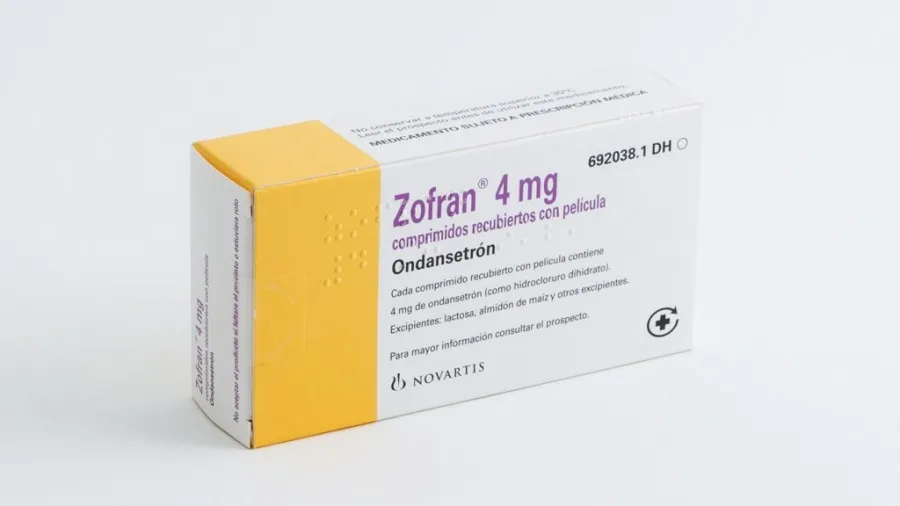
Table of Contents
- Package leaflet: Information for the patient
- Zofran 4 mg film-coated tablets, 8 mg film-coated tablets, 4 mg orodispersible tablets, 8 mg orodispersible tablets, 4 mg/5 ml oral solution
- 1. What Zofran is and what it is used for
- 2. What you should know before taking Zofran
- 3. How to take Zofran
- 4. Possible side effects
- 5. How to store Zofran
- 6. Package contents and other information
- Patient Information Leaflet
- Zofran 4 mg/2 ml injectable solution, 8 mg/4 ml injectable solution, 40 mg/20 ml injectable solution
- 1. What Zofran injectable solution is and what it is used for
- 2. What you should know before being administered Zofran injectable solution
- 3. How Zofran is administered
- 4. Possible side effects
- 5. How to store Zofran
- 6. Package Contents and Other Information
Package leaflet: Information for the patient
Zofran 4 mg film-coated tablets, 8 mg film-coated tablets, 4 mg orodispersible tablets, 8 mg orodispersible tablets, 4 mg/5 ml oral solution
ondansetron
Please read this leaflet carefully before taking this medicine because it contains important information for you.
- Keep this leaflet. You may need to read it again.
- If you have any questions, ask your doctor, pharmacist, or nurse.
- This medicine has been prescribed for you only. Do not give it to other people, even if they have the same symptoms as yours, because it may be harmful.
- If you experience any adverse reactions, including those not listed in this leaflet, contact your doctor, pharmacist, or nurse. See section 4.
Contents of this leaflet:
- What Zofran is and what it is used for
- What you need to know before taking Zofran
- How to take Zofran
- Possible side effects
- How to store Zofran
- Contents of the pack and other information
1. What Zofran is and what it is used for
Zofran film-coated tablets, orodispersible tablets, and syrup (referred to as Zofran in this leaflet) contains a medicine called ondansetron. It belongs to a group of medicines known as antiemetics, which are used to prevent nausea and vomiting.
Zofran is used:
- to control nausea and vomiting caused by chemotherapy (used in the treatment of tumors) in adults and children aged 6 months and older
- to control nausea and vomiting caused by radiotherapy in adults
- to prevent and treat nausea and vomiting after surgery in adults.
Consult your doctor, nurse, or pharmacist for further information on the use of this medicine.
2. What you should know before taking Zofran
Do not take Zofran:
- if you are allergic ( hypersensitive ) to ondansetron or to any of the other ingredients of this medicine (listed in section 6).
- if you are taking apomorphine (used to treat Parkinson's disease), as this may cause severe lowering of blood pressure and loss of consciousness.
- if you are pregnant (see "Pregnancy, breastfeeding and fertility"). If you are unsure, consult your doctor, nurse or pharmacist before taking Zofran.
Warnings and precautions
Talk to your doctor, nurse or pharmacist before taking Zofran if:
- you are allergic to medicines similar to ondansetron (such as granisetron or palonosetron).
- you have heart problems: ondansetron prolongs the QT interval (an ECG sign of delayed repolarization of the heart after a heartbeat, with a risk of irregular heartbeats that may even lead to death) in a dose-dependent manner. In addition, cases of torsades de pointes (a serious disturbance in heart rhythm) have been reported in patients treated with ondansetron. Avoid administration of ondansetron if you have congenital long QT syndrome. Ondansetron should be administered with caution in patients who have or may develop the aforementioned ECG abnormalities. This includes patients with congestive heart failure (a chronic and progressive disease in which the heart muscles are significantly weakened and unable to pump an adequate amount of blood, causing shortness of breath and swelling of the ankles), irregular heartbeat ( arrhythmia ) or very slow heartbeat ( bradycardia ), patients with abnormal levels of salts in the blood, or patients taking other medicines that may cause QT prolongation or electrolyte disturbances.
- you are taking antiarrhythmic drugs (for irregular heartbeat) or beta-blockers (for certain heart or eye conditions).
- you have problems with mineral salt levels in your blood, especially low levels of potassium, sodium or magnesium.
- you have liver problems.
- you are taking antidepressants such as selective serotonin reuptake inhibitors (SSRIs) or serotonin-noradrenaline reuptake inhibitors (SNRIs), as cases of serotonin syndrome (e.g. hyperalertness and agitation, increased heart rate and blood pressure, tremor and overactive reflexes) have been reported following concomitant use of ondansetron.
- you have intestinal blockage or severe constipation. Ondansetron may impair motility of the lower intestinal tract.
- you have recently undergone surgery to remove your tonsils or adenoids.
Children and adolescents
Children and adolescents receiving treatment for cancer who are also taking medicines that may cause severe liver problems should be closely monitored.
If you are unsure whether any of the above applies to you, consult your doctor, nurse or pharmacist before taking Zofran.
Other medicines and Zofran
Inform your doctor, nurse or pharmacist if you are taking, have recently taken, or might take any other medicines, including over-the-counter medicines and herbal preparations. This is because Zofran may affect the activity of certain medicines, and some medicines may affect the activity of Zofran.
In particular, inform your doctor, nurse or pharmacist if you are taking any of the following medicines:
- carbamazepine or phenytoin, used to treat epilepsy.
- rifampicin, used to treat bacterial infections such as tuberculosis.
- medicines that prolong the QT interval and/or cause electrolyte imbalances.
- medicines known for their effects on the heart. These include cardiotoxic medicines used to treat cancer (anthracyclines, e.g. doxorubicin and daunorubicin, or trastuzumab), medicines used to treat irregular heartbeat (antiarrhythmics such as amiodarone), antibiotics (erythromycin, ketoconazole), beta-blockers (medicines that slow heart rate such as atenolol or timolol). The use of medicines that prolong the QT interval may lead to additional QT prolongation, thereby increasing the risk of irregular heartbeats.
- apomorphine, used to treat Parkinson's disease.
- tramadol, a pain-relieving medicine.
- selective serotonin reuptake inhibitors (SSRIs) used to treat depression and/or anxiety (fluoxetine, paroxetine, sertraline, fluvoxamine, citalopram, escitalopram).
- serotonin-noradrenaline reuptake inhibitors (SNRIs) used to treat depression and/or anxiety (venlafaxine, duloxetine).
If you are unsure whether any of the above applies to you, consult your doctor, nurse or pharmacist before taking Zofran.
Contact your doctor or pharmacist immediately if you experience any of the following symptoms during or after treatment with Zofran:
- sudden chest pain or tightness in the chest (myocardial ischemia).
Pregnancy, breastfeeding and fertility
If you are pregnant, think you may be pregnant, are planning to become pregnant, or are breastfeeding, consult your doctor or pharmacist before using this medicine.
Pregnancy
Zofran should not be used during pregnancy, as Zofran may, for example, slightly increase the risk of the baby being born with cleft lip and/or cleft palate (fissures or splits in the upper lip and/or the palate).
If you are a woman of childbearing age, you may be advised to use effective contraceptive measures.
Breastfeeding
Zofran is not recommended during breastfeeding.
Zofran 4 mg and 8 mg film-coated tablets
This medicine contains:
lactose . If your doctor has diagnosed you with an intolerance to certain sugars, contact them before taking this medicine.
Zofran 4 mg and 8 mg orodispersible tablets
This medicine contains:
less than 1 mmol (23 mg) of sodium per orodispersible tablet, i.e. essentially “sodium-free”.
alcohol (ethanol) : less than 0.03 mg in each 4 mg orodispersible tablet and less than 0.06 mg in each 8 mg orodispersible tablet, equivalent to 0.23% w/w.
The amount in a 4 mg and 8 mg tablet of this medicine is equivalent to less than 1 ml of beer or 1 ml of wine. The small amount of alcohol in this medicine will not produce significant effects.
aspartame : 0.625 mg in each 4 mg orodispersible tablet and 1.25 mg in each 8 mg orodispersible tablet.
Aspartame is a source of phenylalanine. It may be harmful if you have phenylketonuria, a rare genetic disorder causing accumulation of phenylalanine because the body cannot properly eliminate it.
methyl para-hydroxybenzoate and propyl para-hydroxybenzoate : may cause allergic reactions (including delayed reactions).
benzyl alcohol : 0.000025 mg in each 4 mg orodispersible tablet and 0.00005 mg in each 8 mg orodispersible tablet.
Benzyl alcohol may cause allergic reactions.
Benzyl alcohol has been associated with the risk of serious adverse effects, including respiratory problems (gasping syndrome), in young children.
Do not administer to neonates up to 4 weeks of age unless otherwise recommended by the doctor.
Do not use for more than one week in young children (under 3 years of age) unless otherwise recommended by the doctor or pharmacist.
Consult your doctor or pharmacist if you are pregnant or breastfeeding. This is because large amounts of benzyl alcohol may accumulate in the body and cause adverse effects (such as metabolic acidosis).
Consult your doctor or pharmacist if you have liver or kidney disease. This is because large amounts of benzyl alcohol may accumulate in the body and cause adverse effects (such as metabolic acidosis).
Zofran 4 mg/5 ml oral solution (syrup)
This medicine contains:
sorbitol : 3 g in 5 ml.
Sorbitol is a source of fructose. If your doctor has told you (or the child) that you have an intolerance to certain sugars, or if you have been diagnosed with hereditary fructose intolerance, a rare genetic disorder in which patients cannot metabolize fructose, speak with your doctor before taking this medicine. It may cause gastrointestinal disturbances and has a mild laxative effect.
less than 1 mmol (23 mg) of sodium per dose (5 ml), i.e. essentially “sodium-free”.
small amounts of alcohol (ethanol) , less than 100 mg per dose (3 mg in 5 ml of syrup).
sodium benzoate : 10 mg in 5 ml.
3. How to take Zofran
Take this medicine exactly as instructed by your doctor. If you are unsure, consult your
doctor, nurse, or pharmacist. The dose prescribed for you depends on the type of treatment
you are undergoing (chemotherapy or surgery).
Nausea and vomiting induced by chemotherapy and radiotherapy in adults
Initial treatment
- Film-coated tablets and orodispersible tablets: The recommended dose is 8 mg, taken one or two hours before chemotherapy or radiotherapy, followed by another 8 mg twelve hours later.
- Oral solution: The recommended dose is 10 ml (8 mg) taken 2 hours before treatment, followed by another 10 ml twelve hours later.
If chemotherapy or radiotherapy causes severe nausea and vomiting, your doctor may decide to administer doses of Zofran higher than the recommended dose. A single dose exceeding 16 mg must not be administered due to the increased risk of dose-dependent QT interval prolongation.
Continuation of treatment
The recommended dose is 8 mg (tablets or orodispersible tablets) or 10 ml of oral solution every 12 hours,
for an average duration of 2 to 3 days, with the possibility of continuing up to 5 days.
Nausea and vomiting induced by chemotherapy in children aged 6 months and older and adolescents
Your doctor will determine the appropriate dose based on the child's body surface area or body weight.
The first dose is administered immediately before chemotherapy as a single intravenous dose.
Twelve hours after chemotherapy, the medicine will be administered orally at a dose of 2 mg (2.5 ml
of oral solution) or 4 mg (5 ml of oral solution), depending on the child's body surface area or weight.
The total daily dose must not exceed the adult dose of 32 mg.
In the days following chemotherapy:
- 2 mg (2.5 ml) of oral solution twice daily in children with reduced body surface area (<0.6 m²) and in those weighing 10 kg or less
- one 4 mg tablet or orodispersible tablet or 5 ml of oral solution twice daily in children with larger body surface area (>0.6 m²) and in those weighing more than 10 kg
- treatment may continue for up to 5 days.
Nausea and vomiting after surgery
Adults
To prevent nausea and vomiting after surgery, the recommended dose is a single dose of 16 mg (2 tablets/orodispersible tablets or 20 ml of oral solution) one hour before anesthesia.
For the treatment of established postoperative nausea and vomiting, a single 4 mg dose administered by intramuscular or slow intravenous injection is recommended.
Children aged 1 month and older and adolescents
Slow intravenous administration of ondansetron is recommended.
Patients with moderate to severe liver problems
The total daily dose must not exceed 8 mg.
Patients with kidney problems
No dose adjustment, frequency adjustment, or change in route of administration is necessary.
Patients who are poor metabolizers of Sparteine/Debrisoquine oxidation
No dose adjustment, frequency adjustment, or change in route of administration is necessary.
If you take more Zofran than you should
If you or your child take more Zofran than you should, inform your doctor immediately or go to the nearest hospital. Take the package with you.
In case of overdose, you may experience:
- vision disturbances
- severe constipation
- low blood pressure
- heart problems and fainting
If you forget to take Zofran
If you have forgotten a dose and you have nausea or vomiting:
-
take Zofran as soon as possible, then take the next dose at your usual time
-
do not take a double dose to make up for the missed dose.
If you have forgotten a dose but do not have nausea or vomiting: -
take the next dose at your usual time
-
do not take a double dose to make up for the missed dose.
How to remove Zofran orodispersible tablets from the blister and how to take them
- Do not remove the orodispersible tablet from the blister until you are ready to take it.
- Before taking the orodispersible tablet, check that the foil is not punctured. Important: Do not try to push the orodispersible tablet through the top foil as you would with a regular tablet, because Zofran orodispersible tablets are fragile and will break.
- Peel off the cover film of one blister and gently remove the tablet.
- Place the tablet on the tip of the tongue, where it will dissolve within a few seconds, then swallow normally.
4. Possible side effects
Like all medicines, this medicine can cause side effects, although not everyone gets them.
Severe allergic reactions ( anaphylaxis )
Signs may include:
- flushing, itching, hives on the skin or anywhere on the body
- swelling of the eyelids, lips, tongue, face, neck, and throat causing difficulty in breathing ( angioedema )
- wheezing, chest pain and tightness ( dyspnea )
- collapse
If you have an allergic reaction, stop taking Zofran and contact your doctor or nurse immediately.
Myocardial ischemia
Signs include:
- sudden chest pain or
- chest tightness.
If you experience any of these symptoms, inform your doctor, pharmacist, or healthcare professional.
Very common side effects
These may affect more than 1 in 10 patients:
- headache
Common side effects
These may affect up to 1 in 10 patients:
- feeling of warmth or hot flushes
- constipation
Uncommon side effects
These may affect up to 1 in 100 patients:
- seizures
- involuntary muscle movements, spasms, disturbances in eye movement
- irregular or slow heartbeat
- chest pain (with or without changes in electrocardiogram)
- low blood pressure which may cause weakness or dizziness
- hiccups
Uncommon side effects that may be detected in blood tests:
- changes in liver function test results (these effects are commonly seen when treated with Zofran together with a medicine called cisplatin)
Rare side effects
These may affect up to 1 in 1,000 patients:
- severe allergic reactions
- dizziness or feeling of emptiness in the head
- visual disturbances such as blurred vision
- changes in heart rhythm which may sometimes lead to sudden loss of consciousness (called “QT interval prolongation” seen on electrocardiogram)
Very rare side effects
These may affect up to 1 in 10,000 patients:
- temporary loss of vision which usually resolves within 20 minutes
- toxic skin rash including widespread rash with blisters and peeling of the skin over large areas of the body ( toxic epidermal necrolysis )
Reporting of side effects
If you experience any side effect, including those not listed in this leaflet, talk to your doctor or pharmacist. You can also report side effects directly via the reporting system at https://www.aifa.gov.it/content/segnalazioni-reazioni-avverse. By reporting side effects, you can help provide more information on the safety of this medicine.
5. How to store Zofran
Keep this medicine out of the sight and reach of children.
Do not use this medicine after the expiry date stated on the pack after (Exp). The expiry date refers to the
last day of that month.
Zofran 4 mg/5 ml syrup must not be stored in the refrigerator. Store the bottle in an upright position.
Do not dispose of any medicine via wastewater or household waste. Ask your pharmacist how to dispose
of medicines you no longer use. This will help protect the environment.
6. Package contents and other information
What Zofran 4 mg and 8 mg film-coated tablets contain
The active substance is ondansetron (as ondansetron hydrochloride dihydrate). Each film-coated tablet contains 4 mg or 8 mg of ondansetron.
The other ingredients are: anhydrous lactose, microcrystalline cellulose, pregelatinized maize starch, magnesium stearate, hypromellose, titanium dioxide (E 171), yellow iron oxide (E 172).
What Zofran 4 mg and 8 mg orodispersible tablets contain
The active substance is ondansetron. Each orodispersible tablet contains 4 mg or 8 mg of ondansetron.
The other ingredients are: gelatin, mannitol, aspartame, sodium methyl parahydroxybenzoate, propyl parahydroxybenzoate sodium, strawberry flavour (containing ethanol and benzyl alcohol).
What Zofran 4 mg/5 ml syrup contains
The active substance is ondansetron (as ondansetron hydrochloride dihydrate). 5 ml of syrup contain 4 mg of ondansetron.
The other ingredients are: anhydrous citric acid (E330), disodium citrate dihydrate, sodium benzoate (E211), sorbitol solution (E420), strawberry flavour (containing ethanol), purified water.
Description of the appearance of Zofran and contents of the pack
Zofran 4 mg and 8 mg film-coated tablets are supplied in packs of 6 tablets.
Zofran 4 mg and 8 mg orodispersible tablets are supplied in packs of 6 tablets.
Zofran 4 mg/5 ml syrup is supplied in a pack containing one 50 ml bottle.
Marketing Authorization Holder
Sandoz S.p.A.
L.go U. Boccioni 1
21040 Origgio (VA)
Italy
Manufacturer
Film-coated tablets
Novartis Farma S.p.A. - Viale Luigi Sturzo 43 - 20154 Milano MI - Italy
Novartis Farmacéutica SA - Gran Via de les Corts Catalanes, 764 - 08013 Barcelona - Spain
Novartis Pharma GmbH - Roonstrasse 25 - 90429 Nuremberg – Germany
Orodispersible tablets
Aspen Bad Oldesloe GmbH– Industriestrasse, 32-36 - Bad Oldesloe – Germany
Novartis Farma S.p.A. - Viale Luigi Sturzo 43 - 20154 Milano MI – Italy
Novartis Farmacéutica SA - Gran Via de les Corts Catalanes, 764 - 08013 Barcelona - Spain
Novartis Pharma GmbH - Roonstrasse 25 – 90429 Nuremberg - Germany
Syrup
Novartis Farma S.p.A. - Viale Luigi Sturzo 43 - 20154 Milano MI – Italy
Aspen Bad Oldesloe GmbH– Industriestrasse, 32-36 - Bad Oldesloe – Germany
Novartis Farmacéutica SA - Gran Via de les Corts Catalanes, 764 - 08013 Barcelona - Spain
Novartis Pharma GmbH - Roonstrasse 25 - 90429 Nuremberg – Germany
PurnaPurna Pharmaceuticals NV - Rijksweg 17 – 2870 Purna - Belgium
Patient Information Leaflet
Zofran 4 mg/2 ml injectable solution, 8 mg/4 ml injectable solution, 40 mg/20 ml injectable solution
ondansetron
Please read this leaflet carefully before receiving this medicine as it contains important information for you.
- Keep this leaflet. You may need to read it again.
- If you have any questions, ask your doctor, pharmacist or nurse.
- This medicine has been prescribed for you only. Do not give it to others, even if their symptoms are the same as yours, as it may be harmful.
- If you experience any side effects, including those not listed in this leaflet, tell your doctor, pharmacist or nurse. See section 4.
Contents of this leaflet:
- What Zofran injectable solution is and what it is used for
- What you need to know before Zofran injectable solution is administered to you
- How Zofran injectable solution is administered
- Possible side effects
- How to store Zofran injectable solution
- Contents of the pack and other information
1. What Zofran injectable solution is and what it is used for
Zofran injectable solution contains a medicine called ondansetron. It belongs to a group of medicines known as antiemetics, which are used to treat nausea and vomiting.
Zofran injectable solution is used:
- to control nausea and vomiting caused by chemotherapy (for the treatment of tumours) in adults and children aged 6 months and older
- to control nausea and vomiting caused by radiotherapy in adults
- to prevent and treat nausea and vomiting after surgery in adults and children aged 1 month and older.
Consult your doctor, nurse or pharmacist for further information about the use of this medicine.
2. What you should know before being administered Zofran injectable solution
Zofran injectable solution must not be administered
- if you are allergic (hypersensitive) to ondansetron or to any of the other ingredients of this medicine (listed in section 6);
- if you are taking apomorphine (used to treat Parkinson's disease), as this may cause severe lowering of blood pressure and loss of consciousness;
- if you are pregnant (see "Pregnancy and breastfeeding"). If you are unsure, consult your doctor, nurse, or pharmacist before receiving Zofran injectable solution.
Warnings and precautions
Talk to your doctor, nurse, or pharmacist before receiving Zofran injectable solution if:
- you are allergic to medicines similar to ondansetron (such as granisetron or palonosetron);
- you have heart problems: ondansetron prolongs the QT interval (an ECG sign of delayed heart repolarization after a heartbeat, with risk of heart rhythm disturbances that may even lead to death) in a dose-dependent manner. Additionally, cases of torsade de pointes (a serious disturbance in heart rhythm) have been reported in patients treated with ondansetron. Avoid administration of ondansetron if you were born with long QT syndrome. Ondansetron should be administered with caution in patients who have or may develop the aforementioned ECG abnormalities. This includes patients with congestive heart failure (a chronic and progressive condition in which the heart muscles are significantly weakened and unable to pump an adequate amount of blood, causing shortness of breath and swelling of the ankles), irregular heartbeat (arrhythmia) or very slow heartbeat (bradycardia), patients with abnormal levels of salts in the blood, or patients taking other medicines that may cause QT prolongation or electrolyte imbalances;
- you are taking antiarrhythmic drugs (for irregular heartbeat) or beta-blockers (for certain heart or eye conditions);
- you have problems with mineral salt levels in your blood, especially low levels of potassium, sodium, or magnesium;
- you have liver problems;
- you are taking antidepressants such as selective serotonin reuptake inhibitors (SSRIs) or serotonin-norepinephrine reuptake inhibitors (SNRIs), as cases of serotonin syndrome (e.g., hyperalertness and agitation, increased heart rate and blood pressure, tremor, and overactive reflexes) have been reported following concomitant use of ondansetron;
- you have intestinal obstruction or severe constipation. Ondansetron may impair motility in the lower intestinal tract;
- you have undergone surgery to remove your tonsils or adenoids.
Children and adolescents
Children and adolescents who are receiving treatment for cancer and are simultaneously taking medicines that may cause severe liver problems should be closely monitored.
If you are unsure whether any of the above applies to you, consult your doctor, nurse, or pharmacist before receiving Zofran.
Other medicines and Zofran
Inform your doctor, nurse, or pharmacist if you are taking, have recently taken, or might take any other medicines, including over-the-counter medicines and herbal remedies. This is because Zofran may affect the activity of certain medicines, and some medicines may affect the activity of Zofran.
In particular, inform your doctor, nurse, or pharmacist if you are taking any of the following medicines:
- carbamazepine or phenytoin, used to treat epilepsy;
- rifampicin, used to treat bacterial infections such as tuberculosis;
- medicines that prolong the QT interval and/or cause electrolyte imbalances;
- medicines known for their effects on the heart. These include cardiotoxic medicines used to treat cancer (anthracyclines, e.g., doxorubicin and daunorubicin, or trastuzumab), medicines used to treat irregular heartbeat (antiarrhythmics such as amiodarone), medicines for bacterial infections (erythromycin, ketoconazole), beta-blocking medicines (medicines that slow heart rate, such as atenolol or timolol). The use of medicines that prolong the QT interval may lead to additional QT prolongation, thereby increasing the risk of irregular heartbeat;
- apomorphine for the treatment of Parkinson's disease;
- tramadol, a pain-relieving medicine;
- selective serotonin reuptake inhibitors (SSRIs) used to treat depression and/or anxiety (fluoxetine, paroxetine, sertraline, fluvoxamine, citalopram, escitalopram);
- serotonin-norepinephrine reuptake inhibitors (SNRIs) used to treat depression and/or anxiety (venlafaxine, duloxetine).
If you are unsure whether any of the above applies to you, consult your doctor, nurse, or pharmacist before receiving Zofran.
Zofran injectable solution must not be administered in the same syringe or infusion as any other medicine.
Immediately inform your doctor or pharmacist if you experience any of the following symptoms during or after
treatment with Zofran
- if you experience sudden chest pain or a feeling of tightness in the chest (myocardial ischemia)
Pregnancy and breastfeeding
If you are pregnant, suspect you may be pregnant, are planning a pregnancy, or are breastfeeding, consult your doctor or pharmacist before using this medicine.
Pregnancy
Zofran must not be used during pregnancy, as Zofran, for example, may slightly increase the risk of the baby being born with cleft lip and/or cleft palate (fissures or splits in the upper lip and/or palate).
If you are a woman of childbearing age, you may be advised to use effective contraceptive measures.
Breastfeeding
Zofran is not recommended during breastfeeding.
Zofran 40 mg/20 ml injectable solution
This medicine contains methyl para-hydroxybenzoate and propyl para-hydroxybenzoate: it may cause allergic reactions (including delayed reactions) and, exceptionally, bronchospasm.
This medicine contains less than 1 mmol (23 mg) of sodium per dose, i.e., essentially “sodium-free”.
Zofran 4 mg/2 ml and 8 mg/4 ml injectable solution
This medicine contains less than 1 mmol (23 mg) of sodium per vial, i.e., essentially “sodium-free”. If your doctor uses a saline solution to dilute Zofran, the amount of sodium received would be higher.
3. How Zofran is administered
Zofran injectable solution is administered by intramuscular injection or by intravenous infusion (over a longer period). It is administered by a doctor or nurse.
The doctor will decide on the appropriate use of ondansetron therapy. The dose prescribed for you varies depending on the treatment you are undergoing (chemotherapy or surgery).
Nausea and vomiting induced by chemotherapy and radiotherapy in adults
Initial treatment
The recommended dose is 8 mg given slowly intravenously (over not less than 30 seconds) or intramuscularly, immediately before treatment.
The initial dose of Zofran may be followed by two additional doses of 8 mg given intravenously (over not less than 30 seconds) or intramuscularly, administered 4 hours apart.
If chemotherapy or radiotherapy causes severe nausea and vomiting, the doctor may decide to administer Zofran doses higher than the recommended dose.
A single dose exceeding 16 mg must not be administered due to the increased risk of dose-dependent QT interval prolongation.
Continuation of treatment
The recommended dose is 8 mg of ondansetron given orally (tablets, orodispersible tablets, syrup) every 12 hours, or one 16 mg suppository daily on subsequent days, for an average duration of 2 to 3 days, with possible continuation up to 5 days.
Nausea and vomiting induced by chemotherapy in children aged 6 months and older and adolescents
The doctor will determine the correct dose based on the child's body surface area or body weight. The first dose is administered immediately before chemotherapy as a single intravenous dose.
After chemotherapy, the medicine will be administered orally 12 hours later as tablets or syrup at a dosage of 2 mg or 4 mg, depending on the child's body surface area or weight.
On the days following chemotherapy:
- 2 mg (2.5 ml) of syrup twice daily in children with reduced body surface area (<0.6 m²) and in those weighing 10 kg or less
- one 4 mg tablet or 5 ml of syrup twice daily in children with larger body surface area (>0.6 m²) and in those weighing more than 10 kg
- treatment may continue up to 5 days.
Nausea and vomiting after surgery
Adults
To prevent nausea and vomiting after surgery, the recommended dose is a single dose of 4 mg given by intramuscular or slow intravenous injection before surgery (at induction of anaesthesia). Alternatively, a single 16 mg oral dose may be used one hour before anaesthesia.
To treat nausea and vomiting after surgery when they have already occurred, a single 4 mg dose administered by intramuscular or slow intravenous injection is recommended.
Children aged 1 month and older and adolescents
The doctor will determine the appropriate dose to be administered.
To prevent nausea and vomiting after surgery, the recommended dose is 0.1 mg/kg up to a maximum single dose of 4 mg, given by slow intravenous injection (over not less than 30 seconds), either before, during or after induction of anaesthesia, or after surgery.
To treat postoperative nausea and vomiting, the recommended dose is 0.1 mg/kg up to a maximum single dose of 4 mg, given by slow intravenous injection (over not less than 30 seconds).
Special patient populations
Elderly patients
For chemotherapy in patients aged between 65 and 74 years, the adult dosing regimen may be followed. In patients aged 75 years and older, the initial intravenous dose of Zofran must not exceed 8 mg.
Experience with the use of Zofran in the prevention and treatment of postoperative nausea and vomiting in the elderly is limited.
Patients with moderate or severe liver impairment
The total daily dose must not exceed 8 mg.
If you are given more Zofran than you should
If you receive too much Zofran, you may experience:
- visual disturbances
- severe constipation
- low blood pressure
- heart problems and fainting. Inform your doctor if any of these symptoms occur.
4. Possible side effects
Like all medicines, this medicine can cause side effects, although not everyone gets them.
Severe allergic reactions ( anaphylaxis )
Signs may include:
- skin redness, itching, rash anywhere on the body
- swelling of the eyelids, lips, tongue, face, neck, or throat causing breathing difficulties (angioedema)
- shortness of breath (wheezing), chest pain or tightness (dyspnea)
- collapse
- If you have an allergic reaction, stop taking Zofran and contact your doctor or nurse immediately.
Myocardial ischemia
Signs include:
- sudden chest pain or
- chest tightness.
- If you experience these symptoms, inform your doctor, pharmacist, or healthcare professional immediately.
Very common side effects
These may affect more than 1 in 10 patients:
- headache
Common side effects
These may affect up to 1 in 10 patients:
- swelling and redness at the infusion site
- feeling of warmth or hot flushes
- constipation
Uncommon side effects
These may affect up to 1 in 100 patients:
- seizures
- involuntary muscle movements, spasms, eye movement disorders
- irregular or slow heartbeat
- chest pain (with or without changes in electrocardiogram)
- low blood pressure which may cause weakness or dizziness
- hiccups
Uncommon side effects that may be detected by blood tests:
- changes in liver function test results (these effects are commonly seen when treated with Zofran and a medicine called cisplatin)
Rare side effects
These may affect up to 1 in 1,000 patients:
- severe allergic reactions
- dizziness or feeling of emptiness in the head
- visual disturbances such as blurred vision
- changes in heart rhythm that may sometimes lead to sudden loss of consciousness (called “prolongation of the QT interval” seen on electrocardiogram)
Very rare side effects
These may affect up to 1 in 10,000 patients:
- temporary loss of vision, usually resolving within 20 minutes
- toxic skin rash including widespread rash with blisters and skin peeling over large areas of the body (toxic epidermal necrolysis)
Reporting of side effects
If you experience any side effect, including those not listed in this leaflet, talk to your doctor or pharmacist. You can also report side effects directly via the reporting system at https://www.aifa.gov.it/content/segnalazioni-reazioni-avverse. By reporting side effects, you can help provide more information on the safety of this medicine.
5. How to store Zofran
Keep this medicine out of the sight and reach of children.
Store below 30°C.
Protect from light.
Zofran 4 mg/2 ml Injection Solution and Zofran 8 mg/4 ml Injection Solution contain no
preservatives and must be used only once; they should be injected or diluted immediately after opening.
Any unused solution must be discarded.
Zofran 40 mg/20 ml Injection Solution (multi-dose vial), after the first withdrawal, is chemically and physically stable for 28 days at 30°C when protected from light. From a microbiological standpoint, however, it is advisable to store the product at 2–8°C for up to 28 days.
Do not use this medicine after the expiry date stated on the packaging after "Exp ". The expiry date refers to the last day of that month.
Do not dispose of medicines via wastewater or household waste. Ask your pharmacist how to dispose of medicines you no longer use. This will help protect the environment.
6. Package Contents and Other Information
What Zofran Contains
The active substance is ondansetron (as ondansetron hydrochloride dihydrate).
One vial of Zofran 4 mg/2 ml Injection Solution contains 4 mg of ondansetron.
One vial of Zofran 8 mg/4 ml Injection Solution contains 8 mg of ondansetron.
Other components: monohydrate citric acid, sodium citrate, sodium chloride, water for injection preparations.
One ml of Zofran 40 mg/20 ml Injection Solution contains 2 mg of ondansetron.
Other components: monohydrate citric acid, sodium citrate, sodium chloride, methyl parahydroxybenzoate, propyl parahydroxybenzoate, water for injection preparations.
Description of the Appearance of Zofran and Contents of the Package
Zofran 4 mg/2 ml Injection Solution: packages containing 1 vial or 10 vials of 2 ml
Zofran 8 mg/4 ml Injection Solution: packages containing 1 vial or 8 vials of 4 ml
Zofran 40 mg/20 ml Injection Solution: 20 ml vial
Marketing Authorization Holder
Sandoz S.p.A.
L.go U. Boccioni 1
21040 Origgio (VA)
Italy
Manufacturer
Injection Solution 4 mg/2 ml and 8 mg/4 ml (in vials)
Novartis Farma S.p.A. - Viale Luigi Sturzo 43 – 20154 Milano MI – Italy
Injection Solution 40 mg/20 ml (in vial)
Glaxo Operations U.K. Ltd. – Harmire Road - Barnard Castle – County Durham - United Kingdom
GlaxoSmithKline Manufacturing S.p.A. - Strada Provinciale Asolana, 90 - 43056 S. Polo di Torrile (PR) - Italy
GlaxoSmithKline Manufacturing S.p.A. - Via A. Fleming, 2 - 37135 Verona (VR) – Italy
Novartis Farma S.p.A. - Viale Luigi Sturzo 43 – 20154 Milano MI – Italy
The following information is intended exclusively for physicians or healthcare professionals:
Medicinal Product Name
Zofran 4 mg/2 ml Injection Solution
Zofran 8 mg/4 ml Injection Solution
Zofran 40 mg/20 ml Injection Solution
Qualitative and Quantitative Composition
Zofran 4 mg/2 ml Injection Solution
One vial contains:
Active substance: ondansetron hydrochloride dihydrate 5 mg equivalent to 4 mg of ondansetron
Zofran 8 mg/4 ml Injection Solution
One vial contains:
Active substance: ondansetron hydrochloride dihydrate 10 mg equivalent to 8 mg of ondansetron
Zofran 40 mg/20 ml Injection Solution
1 ml of injection solution contains:
Active substance: ondansetron hydrochloride dihydrate 2.5 mg equivalent to 2 mg of ondansetron
Excipients with known effects: methyl parahydroxybenzoate 1.20 mg/ml, propyl parahydroxybenzoate 0.15 mg/ml.
Dosage and Administration
Chemotherapy-Induced Nausea and Vomiting (CINV) and Radiotherapy-Induced Nausea and Vomiting (RINV)
The emetogenic potential of cancer treatment varies according to the doses and combinations of chemotherapy and radiotherapy regimens used. The choice of dosing regimen should be based on the severity of emesis.
Zofran can be administered orally (Tablets/Orally Disintegrating Tablets, Syrup), by intravenous or intramuscular injection, or rectally (Suppositories).
Populations
CINV and RINV in Adults
Initial Treatment
The usual dose is 8 mg before chemotherapy or radiotherapy, administered as follows:
8 mg by slow intravenous injection (over not less than 30 seconds) or intramuscularly, immediately before treatment.
In cases of highly emetogenic chemotherapy, corticosteroid therapy may be added.
Alternatively, a 16 mg suppository may be administered 1–2 hours before treatment.
In certain cases (use of highly emetogenic cytotoxic drugs and/or administered at very high doses; presence of patient-related factors such as young age, female sex, or history of emetic episodes during previous cytotoxic treatments), the following may be used:
- a single dose of 8 mg by slow intravenous injection (over not less than 30 seconds) or intramuscularly, immediately before chemotherapy.
- an 8 mg dose by slow intravenous injection (over not less than 30 seconds) or intramuscularly, immediately before chemotherapy, followed by two additional intravenous doses (over not less than 30 seconds) or intramuscular doses of 8 mg given 4 hours apart, or by continuous infusion of 1 mg/hour up to 24 hours.
- an initial maximum dose of 16 mg diluted in 50–100 ml of 9 mg/ml (0.9%) sodium chloride injection solution or another compatible infusion fluid (see Instructions for Use and Handling), administered by infusion over at least 15 minutes immediately before chemotherapy. This initial dose may be followed by two additional 8 mg doses administered intravenously (over not less than 30 seconds) or intramuscularly, 4 hours apart. A single dose exceeding 16 mg must not be administered due to the dose-dependent increased risk of QT interval prolongation (see sections 4.4, 4.8 and 5.1 of the SmPC).
The efficacy of ondansetron in highly emetogenic chemotherapy may be enhanced by administration of a single intravenous dose of 20 mg of sodium dexamethasone phosphate, given before chemotherapy.
Continuation of Therapy (prevention of delayed or prolonged emesis)
8 mg of ondansetron orally (Tablets/Orally Disintegrating Tablets, Syrup) every 12 hours, or one 16 mg suppository daily on subsequent days, for an average duration of 2 to 3 days, possibly extending up to 5 days.
Paediatric Population:
CINV in children aged ≥6 months and adolescents
The dose for CINV may be calculated based on body surface area (BSA) or body weight – see below. Weight-based dosing results in higher doses than BSA-based dosing (see sections 4.4 and 5.1 of the SmPC).
Ondansetron injection must be diluted in 5% dextrose or 0.9% sodium chloride or other compatible infusion solutions (see Instructions for Use and Handling) and administered intravenously over not less than 15 minutes.
There are no data from controlled clinical studies on the use of Zofran for prevention of delayed or prolonged CINV. There are no data from controlled clinical studies on the use of Zofran for nausea and vomiting induced by radiotherapy in children.
Dosing Based on BSA:
Zofran should be administered immediately before chemotherapy as a single intravenous dose of 5 mg/m². The single intravenous dose must not exceed 8 mg.
Oral administration may begin 12 hours later and may be continued for up to 5 days (Table 1). The total daily dose (administered as a single dose) must not exceed the adult maximum of 32 mg.
Table 1: Dosing for Chemotherapy Based on BSA – Children Aged ≥6 Months and Adolescents
| BSA 2 | Day 1 (a,b) 2 | Days 2-6 (b) |
| <0.6 m22 | 5 mg/m2 i.v. and 2 mg syrup after 12 hours 2 | 2 mg syrup every 12 hours |
| ≥0.6 m2 | 5 mg/m2 i.v. and 4 mg syrup or tablets after 12 hours | 4 mg syrup or tablets every 12 hours |
a The intravenous dose must not exceed 8 mg
b The total daily dose must not exceed the adult dose of 32 mg
Dosing based on body weight:
Dosing based on body weight results in a higher total daily dose compared to dosing based on BSA (sections 4.4 and 5.1 of the SmPC).
Zofran should be administered immediately before chemotherapy as a single intravenous dose of 0.15 mg/kg. The intravenous dose must not exceed 8 mg. Two additional intravenous doses may be administered at 4-hour intervals. The total dose over 24 hours must not exceed the adult dose of 32 mg. Oral dosing may begin 12 hours after the last intravenous dose and may continue for up to 5 days (Table 2).
Table 2: Chemotherapy dosing based on body weight – Children aged ≥6 months and
adolescents
| Body weight | Day 1 (a,b) | Days 2–6 (b) |
| ≤10 kg | Up to three doses of 0.15 mg/kg every 4 hours | 2 mg syrup every 12 hours |
| >10 kg | Up to three doses of 0.15 mg/kg every 4 hours | 4 mg syrup or tablets every 12 hours |
a The intravenous dose must not exceed 8 mg
b The total dose within 24 hours must not exceed the adult dose of 32 mg.
Zofran may be administered as a single intravenous injection of 5 mg/m², immediately before
chemotherapy, followed by 4 mg orally (1 tablet/orally disintegrating tablet or 5 ml of syrup) after 12 hours.
This regimen should be followed by oral therapy (tablets, orally disintegrating tablets or syrup) at a dosage of
4 mg (5 ml of syrup) twice daily, for up to 5 days following the treatment cycle.
Elderly patients
In patients aged between 65 and 74 years, the adult dosing schedule may be followed.
All intravenous doses must be diluted in 50–100 ml of saline solution or other compatible infusion fluids (see Instructions for use and handling) and infused over no less than 15 minutes.
In patients aged 75 years and older, the initial intravenous dose of Zofran must not exceed 8 mg. All intravenous doses must be diluted in 50–100 ml of saline solution or other compatible infusion fluids (see section 6.6) and infused over no less than 15 minutes. The initial dose of 8 mg may be followed by two additional intravenous doses of 8 mg each, infused over no less than 15 minutes and administered at intervals of no less than 4 hours apart (see section 5.2 of the SmPC).
Patients with renal impairment
No dosage adjustment, frequency adjustment, or change in route of administration is required.
Patients with hepatic impairment
In patients with moderate to severe hepatic impairment, ondansetron clearance is significantly reduced and serum half-life significantly prolonged. In such patients, the total daily dose must not exceed 8 mg; therefore, oral or parenteral administration is recommended.
Post-operative nausea and vomiting (PONV)
Use for the indication of post-operative nausea and vomiting is restricted to hospital use.
Zofran may be administered orally (tablets/orally disintegrating tablets or syrup) or by intravenous or intramuscular injection.
Adults
For prophylaxis of post-operative nausea and vomiting, Zofran may be administered as a single dose of 4 mg by slow intramuscular or intravenous injection at the induction of anaesthesia, or orally as a single dose of 16 mg (2 tablets, orally disintegrating tablets or 20 ml of syrup), one hour before anaesthesia.
For treatment of established post-operative nausea and vomiting, a single dose of 4 mg administered by slow intramuscular or intravenous injection is recommended.
Paediatric population
Prevention of post-operative nausea and vomiting (PONV) in children aged ≥1 month and adolescents
Injectable solution
For prevention of PONV in paediatric patients undergoing surgery under general anaesthesia, ondansetron may be administered as a single dose by slow intravenous injection (over no less than 30 seconds) at a dose of 0.1 mg/kg up to a maximum dose of 4 mg, either before, during or after induction of anaesthesia, or after surgery.
For treatment of PONV in paediatric patients undergoing surgery under general anaesthesia, ondansetron may be administered as a single dose by slow intravenous injection (over no less than 30 seconds) at a dose of 0.1 mg/kg up to a maximum dose of 4 mg. There are no data on the use of ondansetron for treatment of PONV in children under 2 years of age.
Elderly
Experience with Zofran in the prophylaxis and treatment of post-operative nausea and vomiting in elderly patients is limited. However, Zofran is well tolerated in patients over 65 years of age receiving chemotherapy.
Patients with renal impairment
No dosage adjustment, frequency adjustment, or change in route of administration is required.
Patients with hepatic impairment
In patients with moderate to severe hepatic impairment, ondansetron clearance is significantly reduced and serum half-life significantly prolonged. In such patients, the total daily dose must not exceed 8 mg; therefore, oral or parenteral administration is recommended.
Patients who are poor metabolizers of Sparteine/Debrisoquine
The elimination half-life of ondansetron is not altered in patients who are poor metabolizers of Sparteine/Debrisoquine. Therefore, repeated doses in these patients will result in drug exposure levels that do not differ from those in the general population. No dosage or frequency adjustments are required.
Instructions for use and handling
ZOFRAN 4 mg/2 ml Injectable Solution and ZOFRAN 8 mg/4 ml Injectable Solution (packaged in
vials, preservative-free)
ZOFRAN Injectable Solution must not be autoclaved.
Compatibility with infusion solutions
In accordance with good pharmaceutical practice, intravenous solutions should be prepared immediately before infusion.
However, preservative-free ondansetron injectable solution has been shown to be stable for 7 days at room temperature (below 25°C) under fluorescent light or in the refrigerator with the following infusion solutions:
- Sodium chloride 0.9% w/v for intravenous infusion
- Glucose 5% w/v for intravenous infusion
- Mannitol 10% w/v for intravenous infusion
- Ringer's solution for intravenous infusion
- Potassium chloride 0.3% w/v and sodium chloride 0.9% w/v for intravenous infusion
- Potassium chloride 0.3% w/v and glucose 5% w/v for intravenous infusion
Compatibility studies were performed using PVC infusion bags and sets. Adequate stability of ondansetron is considered possible when using polyethylene infusion bags or Type I glass vials. Preservative-free injectable solution diluted in 0.9% w/v physiological saline or 5% w/v glucose solution has also been shown to be stable in polypropylene syringes. Therefore, preservative-free injectable solution diluted with the above-mentioned compatible infusion solutions is considered stable in polypropylene syringes.
Note: preparations must be made under aseptic conditions if prolonged storage periods are required.
Compatibility with other drugs
Ondansetron may be administered by intravenous infusion at a rate of 1 mg/hour, e.g., via an infusion bag or syringe pump. Administration of the following drugs is compatible with ondansetron at concentrations from 16 to 160 micrograms/ml (e.g., 8 mg in 500 ml and 8 mg in 50 ml, respectively) using a Y-set:
Cisplatin
Concentrations up to 0.48 mg/ml (e.g., 240 mg in 500 ml) administered over 1 to 8 hours.
5-fluorouracil
Concentrations up to 0.8 mg/ml (e.g., 2.4 g in 3 liters or 400 mg in 500 ml) administered at a rate of at least 20 ml per hour (500 ml over 24 hours). Higher concentrations of 5-fluorouracil may cause precipitation of ondansetron. The 5-fluorouracil infusion solution may contain up to 0.045% w/v magnesium chloride in addition to other excipients shown to be compatible.
Carboplatin
Concentrations ranging from 0.18 mg/ml to 9.9 mg/ml (e.g., 90 mg in 500 ml up to 990 mg in 100 ml) may be administered over a period of 10 minutes to 1 hour.
Etoposide
Concentrations ranging from 0.144 mg/ml to 0.25 mg/ml (e.g., 72 mg in 500 ml up to 250 mg in 1 liter) may be administered over 30 minutes to 1 hour.
Ceftazidime
Doses ranging from 250 mg to 2000 mg, reconstituted with water for injection according to the manufacturer's recommendations (2.5 ml for 250 mg and 10 ml for 2 g of ceftazidime), may be administered as an intravenous bolus over approximately 5 minutes.
Cyclophosphamide
Doses ranging from 100 mg to 1 g, reconstituted with water for injection (5 ml per 100 mg of cyclophosphamide), as recommended by the manufacturer, may be administered as an intravenous bolus over approximately 5 minutes.
Doxorubicin
Doses ranging from 10 to 100 mg, reconstituted with water for injection (5 ml per 10 mg of doxorubicin), as recommended by the manufacturer, may be administered as an intravenous bolus over approximately 5 minutes.
Dexamethasone
20 mg of dexamethasone sodium phosphate may be administered by slow intravenous injection over 2–5 minutes using a Y-set delivering 8 to 16 mg of ondansetron over approximately 15 minutes, diluted in 50–100 ml of a compatible infusion fluid. Compatibility between dexamethasone sodium phosphate and ondansetron has been demonstrated, allowing administration of both drugs through the same set at concentrations of 32 µg–2.5 mg/ml for dexamethasone sodium phosphate and 8 µg–1 mg/ml for ondansetron.
ZOFRAN 40 mg/20 ml Injectable Solution – (Multi-dose vial, with preservatives)
Compatibility studies were performed using PVC infusion bags and sets.
Adequate stability of ondansetron is considered possible when using polyethylene infusion bags or Type I glass vials.
Preservative-free injectable solution diluted in 0.9% w/v physiological saline or 5% w/v glucose solution has been shown to be stable in polypropylene syringes.
Therefore, ondansetron injectable solution, with or without preservatives, diluted with the compatible infusion solutions listed below, is considered stable in polypropylene syringes.
Note: preparations must be made under aseptic conditions if prolonged storage periods are required.
Compatibility with infusion solutions
In accordance with good pharmaceutical practice, intravenous solutions should be prepared immediately before infusion.
However, ondansetron injectable solution with preservatives has been shown to be stable for 48 hours at room temperature (below 25°C) with the following infusion solutions:
- Sodium chloride 0.9% w/v for intravenous infusion
- Sodium chloride 3% w/v for intravenous infusion
- Glucose 5% w/v for intravenous infusion
- Sodium chloride 0.9% w/v and glucose 5% w/v for intravenous infusion
- Sodium chloride 0.45% w/v and glucose 5% w/v for intravenous infusion
In line with the vial-packaged medicinal product (preservative-free - see above), adequate stability is considered to be maintained with the following infusion solutions, although compatibility studies have not been performed with these solutions:
- Mannitol 10% w/v for intravenous infusion
- Ringer's solution for intravenous infusion
- Potassium chloride 0.3% w/v and sodium chloride 0.9% w/v for intravenous infusion
- Potassium chloride 0.3% w/v and glucose 5% w/v for intravenous infusion.
Compatibility with other drugs
Ondansetron, diluted with a compatible infusion solution, may be administered by intravenous infusion at a rate of 1 mg/hour, e.g., via an infusion bag or syringe pump.
The following drugs may be co-administered using a Y-set:
Cisplatin: concentrations up to 0.5 mg/ml (e.g., 250 mg in 500 ml) administered over 1 to 8 hours using a Y-set delivering ondansetron concentrations of 3 to 150 µg/ml (e.g., 1.5 mg/500 ml and 7.5 mg/50 ml, respectively).
Dexamethasone sodium phosphate: 20 mg administered by slow intravenous injection over 2–5 minutes using a Y-set delivering 8 to 16 mg of ondansetron over approximately 15 minutes, diluted in 50–100 ml of a compatible infusion fluid.
Shelf life
3 years
Shelf life after first opening or first withdrawal
Zofran Injectable Solution 4 mg/2 ml and 8 mg/4 ml (vials): vials are preservative-free and must be used only once, injected or diluted immediately after opening: any remaining solution must be discarded.
Zofran 40 mg/20 ml Injectable Solution (multi-dose vial): after the first withdrawal, the product has been shown to be chemically and physically stable for 28 days when protected from light at 30°C. From a microbiological standpoint, however, it is advisable to store the product at 2–8°C for up to 28 days. Any different storage conditions or longer storage periods are the responsibility of the user.
Special precautions for storage
Store below 30°C.
Protect from light.
Instructions for opening the vial
Zofran 4 mg/2 ml Injectable Solution and Zofran 8 mg/4 ml Injectable Solution
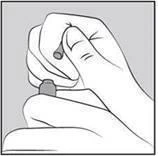
Using fingers, snap the vials by applying gentle pressure above the coloured mark, or break the neck of the vial at the break line (new vials with break ring).