Zerinol
Italy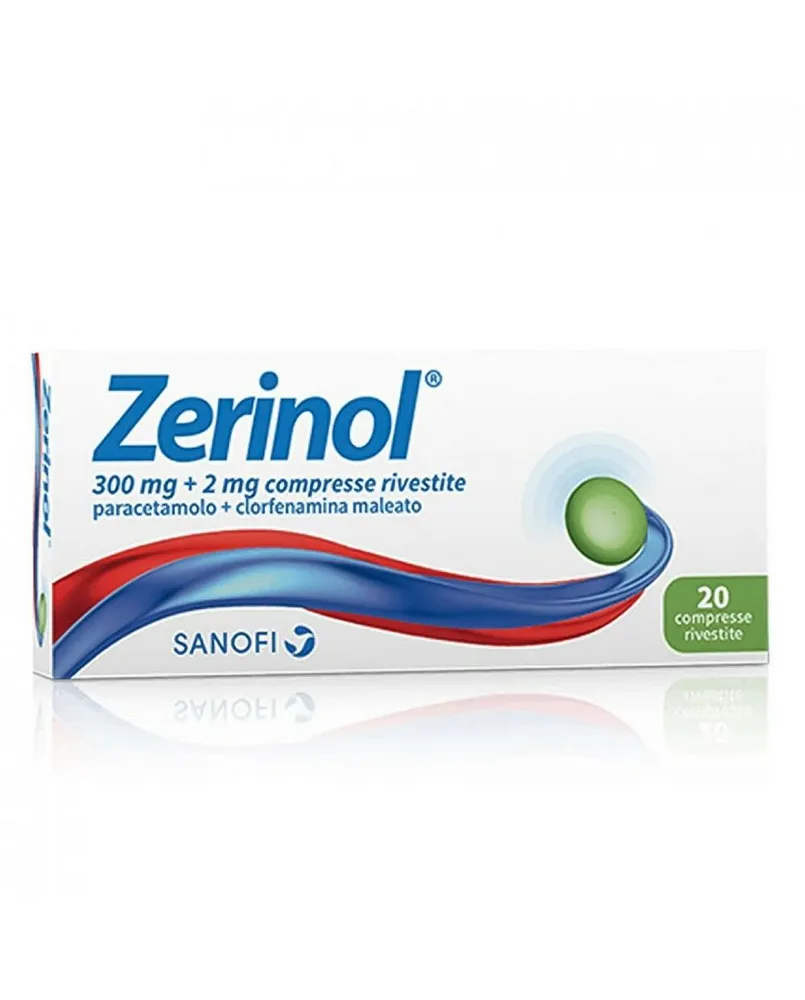
Table of Contents
Package leaflet: Information for the user
Zerinol 300 mg + 2 mg coated tablets
paracetamol + chlorpheniramine maleate
Please read all of this leaflet carefully before taking this medicine because it contains
important information for you.
Always take this medicine exactly as described in this leaflet or as your doctor or pharmacist has told you to do.
- Keep this leaflet. You may need to read it again.
- If you need more advice or information, consult your pharmacist.
- If you experience any side effects, including those not listed in this leaflet, tell your doctor or pharmacist. See section 4.
- Consult your doctor if you do not notice any improvement or if your symptoms worsen after 3 days.
Contents of this leaflet:
- What Zerinol is and what it is used for
- What you need to know before taking Zerinol
- How to take Zerinol
- Possible side effects
- How to store Zerinol
- Contents of the pack and other information
1. What Zerinol is and what it is used for
Zerinol is an analgesic (relieves pain) and an antipyretic (reduces fever) containing the active substances paracetamol and maleate chlorphenamine.
Zerinol is used for the treatment of influenza and cold symptoms in adults.
Consult your doctor if you do not feel better or if you feel worse after 3 days.
2. What you should know before taking Zerinol
Do not take Zerinol
- if you are allergic to paracetamol or chlorphenamine maleate, or to any of the other ingredients of this medicine (listed in section 6), or to other antihistamines (substances similar to chlorphenamine, i.e. medicines used in the treatment of allergies);
- during pregnancy and breastfeeding;
- if you suffer from severe haemolytic anaemia (a disease caused by the destruction of red blood cells);
- if you have a deficiency of a specific enzyme called glucose-6-phosphate dehydrogenase, the lack of which may cause haemolytic anaemia;
- if you suffer from severe hepatocellular insufficiency (a disease associated with impaired liver function);
- if you have glaucoma (an eye disease often associated with increased pressure of the fluid inside the eye);
- in case of prostatic hypertrophy (a condition characterized by an enlarged prostate);
- in case of bladder neck obstruction (obstruction of the urinary bladder);
- in case of pyloric, duodenal or other gastrointestinal tract stenosis (gastrointestinal diseases characterized by narrowing of specific parts of the digestive system);
- in case of urogenital stenosis (narrowing of the urinary and reproductive organs);
- if you are currently or have been treated in the previous two weeks with monoamine oxidase inhibitors (MAOIs) (see section “Other medicines and Zerinol”).
Warnings and precautions
Talk to your doctor or pharmacist before taking Zerinol.
- In case of glucose-6-phosphate dehydrogenase (G6PD) deficiency (which may lead to haemolytic anaemia)
- You must not take this medicine for more than 3 consecutive days without consulting your doctor. If you do not notice any improvement after a short period of treatment, consult your doctor. If you have a fever lasting more than three days, or if your symptoms do not improve or new symptoms appear within three days, especially if accompanied by high fever, exanthema (skin rashes with redness), excessive mucus production, or persistent cough, consult your doctor for a proper diagnosis.
Paracetamol
During treatment with paracetamol, before taking any other medicine, check whether it contains paracetamol, as serious adverse effects may occur if paracetamol is taken in high doses (also see section “If you take more Zerinol than you should”). Additionally, before combining with any other medicine, contact your doctor (also see section “Other medicines and Zerinol”). Before starting treatment with Zerinol, do not take medicines whose combined use is not recommended (see section “Other medicines and Zerinol”). High or prolonged doses of this product may cause hepatopathy (liver disease) that poses a serious risk to you (also see section “If you take more Zerinol than you should”) as well as serious kidney and blood disorders.
Severe skin reactions: Potentially life-threatening skin reactions have been reported with the use of paracetamol, such as Stevens-Johnson syndrome (SJS), toxic epidermal necrolysis (TEN), acute generalized exanthematous pustulosis (AGEP), drug-induced fixed eruption, and exfoliative dermatitis. If symptoms or signs of these severe skin reactions occur (e.g. progressive skin redness associated with blisters or mucosal lesions), stop treatment with Zerinol immediately and go to the nearest hospital. During treatment with Zerinol, inform your doctor immediately if:
You suffer from serious conditions, including severe renal impairment or sepsis (when bacteria and
their toxins circulate in the blood causing organ damage), or malnutrition, chronic alcoholism,
or if you are also taking flucloxacillin (an antibiotic). In patients with these conditions, a serious
condition called metabolic acidosis (a blood and fluid abnormality) has been reported when
paracetamol is used regularly over a prolonged period or when paracetamol is taken together
with flucloxacillin. Symptoms of metabolic acidosis may include: severe breathing difficulties
with deep, rapid breathing, drowsiness, nausea, and vomiting.
Use Zerinol with caution if you are allergic to aspirin and/or non-steroidal anti-inflammatory
drugs (NSAIDs).
Since severe allergic reactions to paracetamol have been observed (e.g. anaphylactic shock,
see also section “Possible side effects”), at the first sign of an allergic reaction following the
use of Zerinol, stop treatment and consult your doctor.
Zerinol should be used with caution and only after medical evaluation in cases of chronic
alcoholism, excessive alcohol consumption (3 or more alcoholic drinks per day), eating
disorders (anorexia, bulimia, cachexia, chronic malnutrition), dehydration, reduced circulating
blood volume (hypovolemia), liver diseases such as mild to moderate liver insufficiency, Gilbert’s
syndrome, or severe renal insufficiency.
Chlorphenamine maleate
Zerinol contains an antihistamine (chlorphenamine). At the normally used doses, antihistamines
may cause highly variable side effects from person to person and from drug to drug, and should
be used with caution in patients with high blood pressure, or heart or thyroid diseases.
The most common side effect is sedation (physical and mental relaxation), which may manifest
as drowsiness (also see sections “Driving and using machines” and “Side effects”). Children and
elderly patients are more susceptible to these side effects.
Chlorphenamine may cause photosensitivity (skin allergic reaction following exposure to light).
Elderly patients: In elderly patients treated with antihistamines, effects such as dizziness,
sedation, confusion, and hypotension may occur more frequently. Elderly patients are
particularly sensitive to the anticholinergic side effects of antihistamines, such as dry mouth,
constipation, and urinary retention (especially in men). Elderly patients with mental disorders
(e.g. confusion, delirium, dementia, cognitive impairment such as memory and reasoning)
should avoid using Zerinol due to adverse effects on the central nervous system.
Other medicines and Zerinol
Inform your doctor or pharmacist if you are taking, have recently taken, or might take any other
medicine.
Inform your doctor if you are being treated with:
- rifampicin (an antibiotic);
- cimetidine (a medicine used to treat gastric ulcers);
- antiepileptic drugs (medicines used to treat epilepsy such as glutethimide, phenobarbital, phenytoin, carbamazepine, topiramate);
- probenecid (a medicine used to treat gout).
The risk of paracetamol toxicity may be increased. Normally harmless doses of paracetamol may cause liver damage when taken together with these medicines. The same applies to potentially hepatotoxic substances and in cases of alcohol abuse.
Paracetamol may increase the adverse effects of the following medicines: - oral anticoagulants (medicines used to reduce or prevent blood clotting) such as warfarin and similar drugs (vitamin K antagonists), as paracetamol may increase the risk of bleeding; inform your doctor if you notice any bleeding;
- chloramphenicol (an antibiotic);
- zidovudine (a medicine used to treat HIV patients);
- other substances with anticholinergic action (medicines that block the effects of acetylcholine, a substance involved in nerve impulse transmission);
- phenytoin (a medicine used to treat seizures);
- flucloxacillin (an antibiotic), due to a serious risk of blood and fluid abnormalities (called metabolic acidosis) requiring urgent treatment (see section 2).
The effectiveness of Zerinol may be reduced during habitual use of: - anticonvulsant medicines (medicines used to treat seizures, such as in epilepsy);
- oral contraceptives (the pill);
- colestyramine (a medicine used to treat high cholesterol);
- medicines that slow gastric emptying, such as propantheline, as they reduce the absorption rate of paracetamol and delay the onset of its effect.
Do not take Zerinol if you are being treated with: - tricyclic antidepressants (medicines used to treat depression);
- monoamine oxidase inhibitors (another class of antidepressants such as isocarboxazid, phenelzine, and tranylcypromine), or within two weeks after such treatment;
- neuroleptics (medicines used to treat mental disorders such as psychoses);
- other medicines with central nervous system depressant effects (medicines that have a sedative effect on the central nervous system, such as barbiturates, sedatives, tranquillisers, hypnotics);
- metoclopramide (a medicine that prevents vomiting).
The use of this product is not recommended if you are being treated with anti-inflammatory drugs. Like all antihistamine-containing preparations, Zerinol may mask the early signs of ototoxicity (harmful effects on the ear) of certain antibiotics.
Interference with laboratory tests
If you need to undergo blood tests, keep in mind that paracetamol administration may interfere with the measurement of uric acid levels (uricemia) and blood glucose levels (glycemia).
Zerinol with food, drinks and alcohol
This product may interact with alcoholic beverages; therefore, do not take Zerinol while consuming alcohol.
Pregnancy, breastfeeding and fertility
Pregnancy and breastfeeding
If you are pregnant, suspect you may be pregnant, are planning a pregnancy, or are breastfeeding, you must not use Zerinol.
Fertility
No studies have been conducted with Zerinol to evaluate its effects on human fertility.
Driving and using machines
No studies have been conducted with Zerinol to evaluate its effects on the ability to drive or operate machinery. Zerinol may cause drowsiness; you should be aware of this if you drive or perform tasks requiring attention and vigilance.
Zerinol coated tablets contain sucrose
If your doctor has diagnosed you with an intolerance to certain sugars, consult him before taking this medicine.
3. How to take Zerinol
Take this medicine exactly as stated in this leaflet or as instructed by your doctor or pharmacist. If you have any doubts, consult your doctor or pharmacist.
Adults
The recommended dose is 1–2 tablets three times daily, with an interval of at least 4 hours between doses. The maximum daily dose is 6 tablets. Do not exceed the recommended doses.
Zerinol should be taken with water after meals.
Caution:
- use this medicine only for short-term treatment. If fever persists or symptoms do not improve within 3 days of treatment, consult your doctor;
- consult your doctor if the condition occurs repeatedly.
Elderly patients and patients with renal and hepatic impairment (kidney and liver problems):
A dose reduction may be necessary.
Children and adolescents
The safety and efficacy of Zerinol have not been established.
If you take more Zerinol than you should:
- due to paracetamol: overdose may lead to coagulation disorders (clot formation and bleeding). Elderly people, young children, patients with liver disorders, chronic alcohol consumption or chronic malnutrition, as well as patients receiving concomitant treatment with enzyme-inducing drugs, are at increased risk of poisoning, including fatal outcome. In case of excessive medicine intake, the following may occur: drowsiness, lethargy (deep sleep state with reduced response to normal stimuli), respiratory depression (reduced breathing activity), agitation, confusion, hallucinations, dizziness, involuntary movements, dry mouth, heart rhythm disturbances, nausea, vomiting, anorexia, pallor, abdominal pain, hepatic cytolysis (destruction of liver cells), which could lead to gastrointestinal bleeding, metabolic acidosis, massive necrosis (death of liver cells). In case of accidental ingestion of an excessive dose of Zerinol, contact your doctor immediately or go to the nearest hospital.
If you forget to take Zerinol
Do not take a double dose to make up for the missed dose.
If you have any doubts about how to use this medicine, consult your doctor or pharmacist.
4. Possible side effects
Like all medicines, this medicine can cause side effects, although not everyone will experience them.
For the following side effects, frequency cannot be determined from the available data (frequency not known).
Severe condition that may make the blood more acidic (called metabolic acidosis), in patients with a serious illness using paracetamol (see section 2).
If you experience any of the following symptoms, STOP using Zerinol IMMEDIATELY and contact your doctor or go to the nearest hospital, where you will be given appropriate and specific treatment:
- severe skin reactions presenting as skin rash, some of which have been fatal (including Stevens-Johnson syndrome and toxic epidermal necrolysis, acute generalized exanthematous pustulosis);
- allergic reactions such as:
- angioedema (sudden swelling of the skin or mucous membranes);
- laryngeal edema (swelling of the larynx);
- anaphylactic shock (severe allergic reaction).
Blood-related side effects:
- thrombocytopenia (reduced number of platelets in the blood);
- neutropenia (reduced number of neutrophils in the blood);
- leucopenia (reduced number of white blood cells in the blood);
- haemolytic anaemia (decreased haemoglobin and red blood cells), particularly in patients with glucose-6-phosphate dehydrogenase deficiency;
- agranulocytosis (reduced number of granulocytes in the blood);
- pancytopenia (reduced number of all blood cells);
- excess acid in the blood due to elevated pyroglutamic acid resulting from low glutathione levels.
Nervous system disorders such as:
- sedation;
- drowsiness;
- asthenia (weakness);
- dizziness;
- headache;
- inability to concentrate;
- abnormal coordination;
- confusion.
Skin reactions of various types and severity have been reported with the use of paracetamol, including cases of:
- rash;
- urticaria (appearance of red patches on the skin);
- severe skin reactions such as Stevens-Johnson syndrome (SJS), toxic epidermal necrolysis (TEN), acute generalized exanthematous pustulosis (AGEP), drug-induced fixed eruption, and exfoliative dermatitis;
- photosensitivity (allergic skin reaction following exposure to light).
Other possible side effects may include:
- blurred vision;
- mydriasis (pupil dilation);
- thickening of bronchial secretions (thicker mucus), bronchospasm (temporary narrowing of the airways);
- dry mouth, nausea, gastrointestinal disturbances;
- changes in liver function and hepatitis (inflammation of the liver);
- changes in the kidney : acute renal failure (reduced kidney function), interstitial nephritis (inflammation of the kidneys), haematuria (presence of blood in urine), anuria (absence of urine), urinary retention (difficulty passing urine);
- psychiatric disorders: confusion, nightmares, depression;
- changes in the heart : tachycardia (increased heart rate), palpitations;
- orthostatic hypotension (excessive drop in blood pressure when standing up);
- ear disorder: tinnitus.
Reporting of side effects
If you experience any side effect, including those not listed in this leaflet, tell your doctor or pharmacist.
You can also report side effects directly via the national reporting system at the following website:
https://www.aifa.gov.it/content/segnalazioni-reazioni-avverse.
By reporting side effects, you can help provide more information on the safety of this medicine.
5. How to store Zerinol
No special storage conditions are required.
Keep this medicine out of the sight and reach of children.
Do not use this medicine after the expiry date which is stated on the packaging after "Exp.".
The expiry date refers to the last day of that month.
Do not dispose of any medicine via wastewater or household waste. Ask your pharmacist
how to dispose of medicines no longer in use. This will help protect the environment.
6. Package Contents and Other Information
What Zerinol coated tablets contain
- The active substances are: paracetamol 300 mg; chlorphenamine maleate 2 mg equivalent to chlorphenamine 1.41 mg;
- Other components are: maize starch, microcrystalline cellulose, povidone, magnesium stearate, sodium carmellose, talc, sucrose, gelatin, macrogol 6000, calcium carbonate, water-soluble chlorophyll, arabic gum, carnauba wax.
Description of the appearance of Zerinol and contents of the pack
Zerinol is available as coated tablets.
Pack contents: 20 coated tablets, packed in 2 blisters.
Marketing Authorization Holder
Zentiva Italia S.r.l. – Via P. Paleocapa, 7 – 20121 Milan
Manufacturer
Istituto De Angeli S.r.l. – Loc. Prulli n. 103/c – 50066 Reggello (FI)