Zemplar
Italy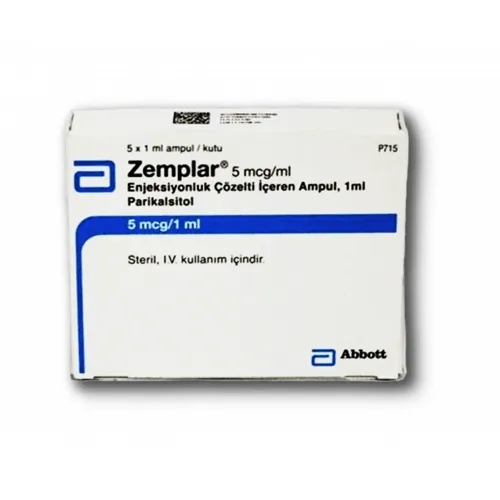
Table of Contents
- Package insert: information for the patient
- Zemplar 2 micrograms/ml injectable solution, 5 micrograms/ml injectable solution
- 1. What Zemplar is and what it is used for
- 2. What you need to know before taking Zemplar
- 3. How to take Zemplar
- 4. Possible side effects
- 5. How to store Zemplar
- 6. Package contents and other information
- Patient Information Leaflet
- Zemplar 1 microgram capsule soft, 2 microgram capsule soft
- 4. What you need to know before taking Zemplar
- 5. How to take Zemplar
- 4. Possible side effects
- 5. How to store Zemplar
- 6. Package contents and other information
PACKAGE INSERT
Package insert: information for the patient
Zemplar 2 micrograms/ml injectable solution, 5 micrograms/ml injectable solution
paricalcitol
Read this leaflet carefully before taking this medicine
because it contains important information for you.
- Keep this leaflet. You may need to read it again.
- If you have any questions, ask your doctor, pharmacist or nurse.
- If you experience any side effects, including those not listed in this
- leaflet, contact your doctor, pharmacist or nurse. See section 4.
Contents of this leaflet:
- What Zemplar is and what it is used for
- What you need to know before taking Zemplar
- How to take Zemplar
- Possible side effects
- How to store Zemplar
- Contents of the pack and other information
1. What Zemplar is and what it is used for
Zemplar contains the active substance paricalcitol, a synthetic form of active vitamin D.
Active vitamin D is necessary for the normal function of many tissues in the body, including the
parathyroid glands and bones. In people with normal kidney function, this active form of
vitamin D is naturally produced by the kidneys, but the production of active vitamin D is markedly
reduced in case of renal insufficiency. Zemplar therefore provides a source of active vitamin D when
the body does not produce enough, and helps prevent the consequences of low levels of active vitamin
D in patients with chronic kidney disease, i.e. elevated levels of parathyroid hormone which
can cause bone problems. Zemplar is indicated in adult patients with stage 5 kidney disease.
2. What you need to know before taking Zemplar
Do not take Zemplar
- if you are allergic to paricalcitol or to any of the other ingredients of this medicine (listed in section 6).
- if you have very high levels of calcium or vitamin D in your blood.
Your doctor will be able to determine whether your condition falls under any of the above-mentioned circumstances.
Warnings and precautions
Talk to your doctor or nurse before you are given Zemplar.
- before starting treatment, it is important that you limit the amount of phosphorus you consume in your diet. Examples of foods high in phosphorus include: tea, soda, beer, cheese, milk, cream, fish, chicken or beef liver, beans, peas, cereals, dried fruit, and wheat.
- phosphate binders, which prevent the absorption of phosphorus from food, may be necessary to control phosphorus levels.
- if you are taking calcium-based phosphate binders, your doctor may need to adjust your dosage.
- your doctor will order certain blood tests to monitor your treatment.
Other medicines and Zemplar
Tell your doctor, nurse, or pharmacist if you are taking, have recently taken, or might take any other medicines.
Some medicines may affect the action of this medicine, or may increase the likelihood of side effects. It is particularly important to inform your doctor if you are taking any of the following medicines:
- for treating fungal infections such as candidiasis or thrush (e.g. ketoconazole)
- for treating heart problems or high blood pressure (e.g. digoxin, diuretics)
- containing a source of phosphate (e.g. medicines to reduce calcium levels in the blood)
- containing calcium or vitamin D, including supplements and multivitamins that can be purchased without a prescription
- containing magnesium or aluminium, for example, certain medicines for digestion (antacids) and phosphate binders
- for treating high cholesterol levels (e.g. cholestyramine)
Pregnancy and breastfeeding
If you are pregnant, think you might be pregnant, or are planning to become pregnant, consult your doctor before taking this medicine.
It is not known whether the use of this medicine is safe during pregnancy; therefore, its use is not recommended during pregnancy or if pregnancy may occur.
It is not known whether paricalcitol passes into breast milk. Inform your doctor before breastfeeding while taking Zemplar.
Driving and using machines
Zemplar may cause dizziness, which could impair your ability to drive safely or operate heavy machinery.
Do not drive or operate machinery if you feel dizzy.
Zemplar contains ethanol
This medicine contains 20% v/v ethanol (alcohol). Each dose may contain up to 1.3 g of ethanol, which may be harmful for patients with alcoholism and should be taken into consideration when administering to pregnant or breastfeeding women, children, and high-risk groups such as patients with liver disease or epilepsy.
Precautions for those engaged in sports
For individuals engaged in sports, the use of medicines containing ethyl alcohol may lead to a positive result in doping tests, depending on the blood alcohol concentration limits set by certain sports federations.
3. How to take Zemplar
Your doctor will decide the appropriate starting dose for you based on laboratory test results. Once you have started treatment with Zemplar, your dose will likely be adjusted according to the results of routine laboratory tests. Based on these test results, your doctor will help you establish the correct dose of Zemplar.
Zemplar will be administered by a doctor or nurse during haemodialysis, through the tubing (bloodline) used to connect you to the machine. An injection will not be necessary, as Zemplar can be introduced directly into the tubing used for your treatment. Zemplar will be given every other day, no more than three times a week.
If you take more Zemplar than you should
A high amount of Zemplar may lead to excessively high levels of calcium in the blood, which can be harmful.
Symptoms that may occur shortly after taking a high dose of Zemplar include feeling weak and/or drowsy, headache, nausea (feeling unwell) or vomiting (being unwell), dry mouth, constipation, muscle and bone pain, and a metallic taste in the mouth.
If you have high levels of calcium in your blood after taking Zemplar, your doctor will ensure you receive appropriate treatment to restore normal calcium levels in the blood. Once your blood calcium levels return to normal, you will likely be given a lower dose of Zemplar.
Your doctor will monitor your blood levels. If you notice any of the symptoms listed above, contact a doctor immediately.
Symptoms that may develop after taking high doses of Zemplar over a long period include loss of appetite, drowsiness, weight loss, eye pain, runny nose, skin itching, feeling hot and fever, loss of libido, severe abdominal pain (due to inflamed pancreas), and kidney stones. Blood pressure may change and you may experience irregular heartbeat (palpitations). Blood and urine tests may show high levels of cholesterol, urea, nitrogen, and increased liver enzymes. Zemplar may rarely cause mental changes including confusion, drowsiness, insomnia, and nervousness.
Zemplar contains propylene glycol as an excipient (30% v/v). Isolated cases of toxic effects associated with high-dose administration of propylene glycol have been reported. Such cases are not expected to occur in haemodialysis patients, since propylene glycol is removed from the blood during the dialysis process.
If you receive too high a dose of Zemplar, or if you notice any of the symptoms listed above, contact a doctor immediately.
4. Possible side effects
Like all medicines, this medicine may cause side effects, although not everybody gets them.
Allergic reactions of various types have been reported with Zemplar. Important: Inform your doctor
or nurse immediately if you notice any of the following side effects:
- shortness of breath
- difficulty breathing or swallowing
- dyspnea
- skin rash, skin itching or hives
- swelling of the face, lips, mouth, tongue or throat
Inform your doctor or pharmacist if you notice any of the following side effects:
Common (may affect more than 1 in 10 people):
- low levels of parathyroid hormone
- high levels of calcium (nausea or feeling unwell, constipation or confusion); phosphorus in the blood (likely without symptoms, but with increased risk of fractures)
- headache
- altered taste
- skin itching
Uncommon (may affect more than 1 in 100 people):
- blood infections, pneumonia (lung infection), sore throat, vaginal infections, influenza
- breast tumour
- reduced red blood cell count (anaemia - fatigue, shortness of breath, paleness); reduced white blood cell count (increased susceptibility to infections); enlarged glands in the neck, armpit and/or groin
- high levels of parathyroid hormone
- high levels of potassium in the blood, low levels of calcium in the blood, loss of appetite
- confusion, which may sometimes be severe (delirium), personality disorders (feeling unlike oneself), agitation (feeling nervous, anxious), sleep disturbances, restlessness
- coma (deep unconscious state during which the person cannot respond to the environment), heart attack, fainting, muscle spasms in arms and legs, even during sleep, reduced tactile sensation, tingling or numbness, dizziness
- increased eye pressure, pink eye (itchy/dry eyelids)
- earache
- heart attack, irregular/rapid heartbeat
- low blood pressure (hypotension), high blood pressure (hypertension)
- fluid in the lungs, asthma, shortness of breath, difficulty breathing, nosebleeds, cough
- bleeding from the rectum, inflammation of the colon, diarrhoea, stomach ache, difficulty swallowing, constipation, nausea, vomiting, dry mouth
- skin rash with pus-filled blisters, hair loss, excessive hair growth, excessive and unpredictable sweating
- joint pain, joint stiffness, back pain, muscle cramps, muscle pain
- breast pain, erectile dysfunction
- abnormal gait, generalised or localised swelling of ankles, feet and legs, injection site pain, fever, chest pain, unusual tiredness or weakness, general malaise or discomfort, thirst
- prolonged bleeding time (blood does not clot quickly), increased liver enzyme, changes in laboratory test results, weight loss
Frequency not known (frequency cannot be estimated from the available data):
- swelling of the face, lips, mouth, tongue or throat, possibly causing difficulty in swallowing or breathing; skin itching (urticaria), gastrointestinal bleeding
You may not be able to recognize whether you are experiencing any of the above-mentioned side effects unless your doctor informs you.
If any of the side effects worsens, or if you notice any side effect not listed in this leaflet, inform your doctor, nurse or pharmacist immediately.
Reporting of side effects
If you get any side effects, including those not listed in this leaflet, talk to your doctor or pharmacist. You can also report side effects directly via the national reporting system at www.agenziafarmaco.gov.it/content/come-segnalare-una-sospetta-reazione-avversa.
By reporting side effects, you can help provide more information on the safety of this medicine.
5. How to store Zemplar
Keep this medicine out of the sight and reach of children.
This medicine does not require any special storage conditions.
Zemplar must be used immediately after opening.
Do not use this medicine after the expiry date stated on the carton after "Exp.".
Do not use this medicine if you notice the presence of particles or cloudiness.
Do not dispose of any medicine via wastewater or household waste. Ask your pharmacist how to
dispose of medicines you no longer use. This will help protect the environment.
6. Package contents and other information
What Zemplar contains
Zemplar 2 micrograms/ml injection solution
- The active substance is paricalcitol. Each ml of solution contains 2 micrograms of paricalcitol.
Zemplar 5 micrograms/ml injection solution
- The active substance is paricalcitol. Each ml of solution contains 5 micrograms of paricalcitol.
- The other components are: ethanol (alcohol), propylene glycol, and water for injections.
Description of the appearance of Zemplar and contents of the pack
Zemplar injection solution is a particle-free, aqueous, clear and colourless solution, free from visible particles. It is supplied in packs of 5 glass vials or 5 glass ampoules, each containing 1 ml or 2 ml.
Marketing Authorisation Holder and Manufacturer
Marketing Authorisation Holder:
AbbVie S.r.l.,
S.R.148 Pontina km 52 snc
04011 Campoverde di Aprilia (LT), Italy.
Manufacturer of ampoules:
AbbVie S.r.l. S.R.148 Pontina km 52 snc, 04011 Campoverde di Aprilia (LT), Italy
Manufacturer of vials:
AbbVie S.r.l. S.R.148 Pontina km 52 snc, 04011 Campoverde di Aprilia (LT), Italy
AbbVie Deutschland GmbH & Co. KG, Knollstrasse, 67061 Ludwigshafen, Germany.
This medicinal product is authorised in the European Economic Area Member States under the following names:
Austria: Zemplar 5 Mikrogramm/ml - Injektionslösung
Cyprus: Zemplar 2 mcg/ml ενέσιμο διάλυμα, Zemplar 5 mcg/ml ενέσιμο διάλυμα
Czech Republic: Zemplar 2 mcg/ml injekční roztok, Zemplar 5 mcg/ml
Finland: Zemplar 5 mikrog/ml injektioneste, liuos
Germany: Zemplar 5 Mikrogramm/ml Injektionslösung
Greece: Zemplar 2 mcg/ml ενέσιμο διάλυμα, Zemplar 5 mcg/ml ενέσιμο διάλυμα
Hungary: Zemplar 5 mikrogramm/ml oldatos injekció
Ireland: Zemplar 5 micrograms/ml solution for injection
Italy: Zemplar 2 microgrammi/ml soluzione iniettabile, Zemplar 5 microgrammi/ml soluzione iniettabile
Netherlands: Zemplar, oplossing voor injectie 5 microgram/ml
Portugal: Zemplar 2 microgramas/ml solução injetável, Zemplar 5 microgramas/ml solução injetável
Slovakia: Zemplar 5 µg/ml
Spain: Zemplar 2 microgramos/ml solución inyectable, Zemplar 5 microgramos/ml solución inyectable
Sweden: Zemplar 5 mikrogram/ml injektionsvätska, lösning
United Kingdom: Zemplar 5 micrograms/ml solution for injection
To listen to or request a copy of this package leaflet in
The following information is intended for healthcare professionals only:
Zemplar 2 micrograms/ml injection solution
Zemplar 5 micrograms/ml injection solution
Preparation of the injection solution
Zemplar 2 and 5 micrograms/ml injection solution is for single use only. As with all injectable medicinal products, the diluted solution should be visually inspected for particulate matter and cloudiness prior to administration.
Compatibility
Propylene glycol interacts with heparin and neutralises its effects. Zemplar injection solution contains propylene glycol as an excipient and must be administered through a separate access route from that used for heparin administration.
This medicinal product must not be mixed with other medicinal products.
Storage and shelf life
Parenteral medicinal products should be visually inspected for particulate matter and cloudiness prior to administration. The solution is clear and colourless.
This medicinal product does not require any special storage conditions.
The shelf life is 3 years (for vials) or 2 years (for ampoules).
Dosage, method and time of administration
Zemplar injection solution must be administered via a haemodialysis access route.
Adults
-
The initial dose should be based on baseline parathyroid hormone (PTH) levels:
The initial dose of paricalcitol should be determined according to the following formula:
Initial dose (in micrograms) = baseline level of intact PTH expressed in pmol/l
Or
= baseline level of intact PTH expressed in pg/ml
and should be administered intravenously as a bolus dose, on alternate days, at any time during a haemodialysis session.
In clinical studies, the highest safe dose administered was 40 micrograms. -
Dosage titration:
The currently accepted reference range for PTH levels in dialysis patients with end-stage chronic renal failure should not exceed 1.5 to 3 times the upper non-uraemic normal limit of 15.9–31.8 pmol/l (150–300 pg/ml) for intact PTH. To achieve physiologically appropriate outcomes, patients must be carefully monitored and individual dose titration performed. If hypercalcaemia or a persistently elevated corrected Ca x P product exceeding 5.2 mmol/l (65 mg/dl) is observed, the dose should be reduced or administration discontinued until these parameters return to normal. Paricalcitol should then be restarted at a lower dose. It may be necessary to gradually reduce the paricalcitol dose as PTH levels decrease in response to therapy.
The following table provides an example of a recommended approach for dosage titration:
| Recommended Dosing Guidelines (Dose adjustments every 2-4 weeks) | |
| Baseline iPTH Level | Paricalcitol Dose Adjustment |
| Equal or increased | Increase by 2-4 micrograms |
| Decreased by < 30% | |
| Decreased by ≥ 30%, ≤ 60% | Hold steady |
| Decreased by > 60% | Decrease by 2-4 micrograms |
| iPTH Level <15.9 pmol/l (150 pg/ml) | micrograms |
Patient Information Leaflet
Zemplar 1 microgram capsule soft, 2 microgram capsule soft
paricalcitol
Please read this entire leaflet carefully before taking this medicine, as it contains important information for you.
- Keep this leaflet. You may need to read it again.
- If you have any doubts, consult your doctor or pharmacist.
- This medicine has been prescribed for you only. Do not give it to others, even if their symptoms are the same as yours, as it could be harmful.
- If you experience any adverse reactions, including those not listed in this leaflet, consult your doctor or pharmacist. See section 4.
Contents of this leaflet
- What Zemplar is and what it is used for
- What you need to know before taking Zemplar
- How to take Zemplar
- Possible side effects
- How to store Zemplar
- Contents of the pack and other information
1. What Zemplar is and what it is used for
Zemplar contains the active substance paricalcitol, a synthetic form of active vitamin D. Active vitamin D ensures the normal functioning of various tissues in the body, including the parathyroid glands and bones. In individuals with normal kidney function, this active form of vitamin D is naturally produced by the kidneys. However, in cases of kidney insufficiency, the production of active vitamin D is significantly reduced. Therefore, Zemplar provides a source of active vitamin D when the body is unable to produce sufficient amounts on its own, helping to prevent complications arising from low levels of active vitamin D—such as elevated parathyroid hormone levels, which can lead to bone-related problems.
Zemplar is indicated for adult patients with kidney disease at Stages 3, 4, and 5, and for children aged 10 to 16 years with kidney disease at Stages 3 and 4.
4. What you need to know before taking Zemplar
Do not take Zemplar
- if you are allergic to paricalcitol or to any of the other ingredients of this medicine (listed in section 6).
- if you have high levels of calcium or vitamin D in your blood.
Your doctor will be able to determine whether your condition falls under either of the above-mentioned conditions.
Warnings and precautions
Talk to your doctor or pharmacist before taking Zemplar.
- before starting treatment, it is important that you limit the amount of phosphorus you consume in your diet.
- phosphate binders may be necessary to control phosphorus levels. If you are taking calcium-based phosphate binders, your doctor must adjust the dose accordingly.
- your doctor will prescribe certain blood tests to monitor your treatment.
- in some patients with stage 3 and 4 chronic kidney disease, an increase in blood levels of a substance called creatinine has been observed. However, this increase does not reflect a reduction in kidney function.
Other medicines and Zemplar
Inform your doctor or pharmacist if you are taking, have recently taken, or might take any other medicines.
Some medicines may affect the action of this medicine or make side effects more likely. It is particularly important to inform your doctor if you are taking any of the following medicines:
- for treating fungal infections such as candidiasis or thrush (e.g. ketoconazole)
- for treating heart problems or high blood pressure (e.g. digoxin, diuretics, or water elimination tablets)
- with high phosphate content (e.g. medicines to reduce calcium levels in the blood)
- containing calcium or vitamin D, including supplements and multivitamins that can be purchased without a prescription
- containing magnesium or aluminium (e.g. certain digestive medicines (antacids) and phosphate binders)
- to reduce cholesterol levels (e.g. cholestyramine)
Zemplar with food and drink
Zemplar can be taken with or without food.
Pregnancy, breastfeeding and fertility
If you are pregnant, suspect you may be pregnant, planning a pregnancy, or breastfeeding, consult your doctor or pharmacist before taking this medicine.
Data on the use of paricalcitol in pregnant women are lacking or limited in number.
Therefore, the potential risk is unknown, and paricalcitol should be used only if strictly necessary.
It is not known whether paricalcitol is excreted in breast milk. If you are taking Zemplar, consult your doctor before starting breastfeeding.
Driving and using machines
Zemplar does not affect the ability to drive or use machinery.
Zemplar contains ethanol (alcohol)
This medicine contains a small amount of ethanol (alcohol), less than 100 mg per capsule, which may alter or increase the effect of other medicines. This may be harmful for individuals suffering from liver disease, alcoholism, epilepsy, those who have suffered brain damage, or those with other diseases, as well as for pregnant women, breastfeeding women, and children.
Precautions for athletes
For individuals engaged in sports, the use of medicines containing ethyl alcohol may result in a positive anti-doping test, depending on the blood alcohol concentration limits set by certain sports federations.
5. How to take Zemplar
Take this medicine exactly as your doctor has told you. If you are unsure, consult your doctor or pharmacist.
Chronic Kidney Disease Stages 3 and 4
The usual starting dose for adult patients is one capsule daily or on alternate days, up to three times a week. Your doctor will determine the appropriate dose for you based on laboratory test results. After starting treatment with Zemplar, the dose will likely be adjusted depending on your response to treatment. Your doctor will help you establish the correct dose of Zemplar.
Chronic Kidney Disease Stage 5
The usual starting dose for adult patients is one capsule on alternate days, up to three times a week. Your doctor will decide the appropriate dose for you based on laboratory test results. Once treatment with Zemplar has started, the dose may need to be adjusted depending on your response to treatment. Your doctor will help you determine the correct dose of Zemplar.
Liver disease
If you have mild to moderate liver impairment, no dose adjustment is necessary. However, data are not available for patients with severe liver impairment.
Kidney transplant
The usual dose is one capsule daily or on alternate days, up to three times a week. Your doctor will determine the appropriate dose for you based on laboratory test results. After starting treatment with Zemplar, the dose may be adjusted depending on your response to treatment. Your doctor will help you determine the correct dose of Zemplar.
Use in children and adolescents
In children aged 10 to 16 years with chronic kidney disease (CKD) at Stages 3 and 4, the usual starting dose is one capsule on alternate days, up to three times a week. Your doctor will determine the appropriate dose for you based on laboratory test results. After starting treatment with Zemplar, the dose may be adjusted depending on your response to treatment. Your doctor will help you determine the correct dose of Zemplar.
The efficacy of Zemplar in children with CKD Stage 5 has not been established.
There is no information available on the use of Zemplar capsules in children under 10 years of age.
Use in the elderly
Experience with Zemplar in patients over 65 years of age is limited. Generally, no differences in efficacy and safety of the medicine have been observed between patients aged 65 years or older and younger patients.
If you take more Zemplar than you should
An overdose of Zemplar may cause abnormally high levels of calcium in the blood, which can be harmful. Symptoms occurring shortly after taking an excessive dose of Zemplar may include a feeling of weakness and/or numbness, headache, nausea (feeling unwell) or vomiting, dry mouth, constipation, muscle or bone pain, and metallic taste.
Symptoms that may occur if an excessive dose of Zemplar is taken over a longer period include: loss of appetite, drowsiness, weight loss, eye irritation, runny nose, itching, sensation of warmth and fever, loss of libido, severe abdominal pain (due to inflammation of the pancreas), and kidney stones. Blood pressure may change, and irregular heartbeat (palpitations) may occur. Blood and urine tests may show increased cholesterol, urea and nitrogen levels, and elevated liver enzymes. Zemplar may rarely cause mental disturbances including confusion, drowsiness, insomnia, or irritability.
If you take too much Zemplar or notice any of the symptoms listed above, contact a doctor immediately.
If you forget to take Zemplar
If you forget to take a dose, take it as soon as you remember. However, if it is almost time for your next dose, do not take the missed dose; simply continue taking Zemplar according to your doctor's instructions (dose and timing).
Do not take a double dose to make up for the forgotten dose.
If you stop taking Zemplar
It is important to continue taking Zemplar as directed by your doctor, unless you have been specifically instructed to stop treatment.
If you have any doubts about how to use this medicine, consult your doctor or pharmacist.
4. Possible side effects
Like all medicines, this medicine can cause side effects, although not everybody gets them.
Important: Immediately inform your doctor if you notice any of the following side effects:
- allergic reactions (such as shortness of breath, wheezing, skin rash, itching, swelling of the face and lips)
Inform your doctor or nurse if you notice any of the following side effects:
Common (may affect up to 1 in 10 people):
- increased blood levels of a substance called calcium, as well as of a substance called calcium-phosphate product derived from the amount of calcium multiplied by the amount of another substance in the blood called phosphate (in patients with significant chronic kidney disease)
- blood phosphate levels may also increase
Uncommon (may affect up to 1 in 100 people):
- pneumonia (lung infection)
- decreased blood levels of parathyroid hormone
- decreased appetite
- decreased calcium levels
- dizziness
- altered taste in the mouth
- headache
- irregular heartbeat
- stomach discomfort or pain
- constipation
- diarrhoea
- dry mouth
- heartburn (reflux or indigestion)
- nausea
- vomiting
- acne
- skin itching
- skin rash
- urticaria
- muscle cramps
- muscle pain
- breast tenderness
- weakness
- fatigue, feeling unwell
- swelling of the legs
- pain
- increased creatinine levels
- changes in liver function tests
If you experience an allergic reaction, contact your doctor immediately.
Reporting of side effects
If you get any side effects, including ones not listed in this leaflet, talk to your doctor or pharmacist.
You can also report side effects directly via the national reporting system at www.aifa.gov.it/content/segnalazioni-reazioni-avverse.
Reporting side effects can help provide more information on the safety of this medicine.
5. How to store Zemplar
Keep this medicine out of the sight and reach of children.
This medicine does not require any special storage conditions.
Do not use this medicine after the expiry date stated on the carton and label after Exp. The expiry date refers to the last day of that month.
Do not dispose of medicines via wastewater or household waste. Ask your pharmacist how to dispose of medicines you no longer use. This will help protect the environment.
6. Package contents and other information
What Zemplar contains
Zemplar 1 microgram capsule
- The active substance is paricalcitol. Each soft capsule contains 1 microgram of paricalcitol.
- The other ingredients are: medium-chain triglycerides, ethanol, butylhydroxytoluene.
- The capsule shell contains: gelatin, glycerol, water, titanium dioxide (E171), black iron oxide (E172).
- The printing ink contains: propylene glycol, black iron oxide (E172), polyvinyl acetate phthalate, Macrogol 400, ammonium hydroxide.
Zemplar 2 microgram capsules
- The active substance is paricalcitol. Each soft capsule contains 2 micrograms of paricalcitol.
- The other ingredients are: medium-chain triglycerides, ethanol, butylhydroxytoluene.
- The capsule shell contains: gelatin, glycerol, water, titanium dioxide (E171), red iron oxide (E172) and yellow iron oxide (E172).
- The printing ink contains: propylene glycol, black iron oxide (E172), polyvinyl acetate phthalate, Macrogol 400, ammonium hydroxide.
Description of the appearance of Zemplar and contents of the pack
Zemplar 1 microgram capsule
Zemplar 1 microgram capsule is a grey, oval soft capsule marked with the code ZA.
Each box contains 1 or 4 blisters. Each blister contains 7 capsules.
Zemplar 2 microgram capsules
Zemplar 2 microgram capsule is an orange-brown, oval soft capsule marked with the code ZF.
Each box contains 1 or 4 blisters. Each blister contains 7 capsules.
Marketing Authorisation Holder and Manufacturer
AbbVie S.r.l.
S.R. 148 Pontina km 52 snc
04011 Campoverde di Aprilia (LT)
Manufacturer: Aesica Queenborough Limited, Queenborough, Kent ME11 5EL, United Kingdom
Manufacturer: AbbVie Deutschland GmbH & Co. KG, Knollstrasse, 67061 Ludwigshafen, Germany
This product is authorised in the European Economic Area Member States under the following names:
Czech Republic: Zemplar
Estonia: Zemplar, 1 mikrogramm pehmekapslid, Zemplar, 2 mikrogrammi pehmekapslid
Germany: Zemplar 1 Mikrogramm Weichkapseln, Zemplar 2 Mikrogramm Weichkapseln
Greece: Zemplar 1 μικρογραμμάριο καψάκια, μαλακά, Zemplar 2 μικρογραμμάρια καψάκια, μαλακά
Hungary: Zemplar 1 mikrogramm lágy kapszula, Zemplar 2 mikrogramm lágy kapszula
Ireland: Zemplar 1 microgram capsules, soft, Zemplar 2 micrograms capsules, soft
Italy: Zemplar 1 microgrammo capsule molli, Zemplar 2 microgrammi capsule molli
Latvia: Zemplar 1 mikrograma mīkstās kapsulas, Zemplar 2 mikrogramu mīkstās kapsulas
Lithuania: Zemplar 1 mikrogramas minkštosios kapsulės, Zemplar 2 mikrogramai minkštosios kapsulės
Netherlands: Zemplar 1 microgram capsules, zacht
Portugal: Zemplar 1 micrograma cápsulas moles, Zemplar 2 microgramas cápsulas moles
Romania: Zemplar 1 microgram, capsule moi, Zemplar 2 micrograme, capsule moi
Slovakia: Zemplar 1 mikrogram mäkké kapsuly, Zemplar 2 mikrogramy mäkké kapsuly
Slovenia: Zemplar 1 mikrogram mehke kapsule, Zemplar 2 mikrograma mehke kapsule
Spain: Zemplar 1 microgramo cápsulas blandas, Zemplar 2 microgramos cápsulas blandas
Sweden: Zemplar 1 mikrogram kapsel, mjuk, Zemplar 2 mikrogram kapsel, mjuk
United Kingdom: Zemplar 1 microgram capsules, soft, Zemplar 2 micrograms capsules, soft
Other sources of information
To listen to or request a copy of this package leaflet in ,