Xeomin
Italy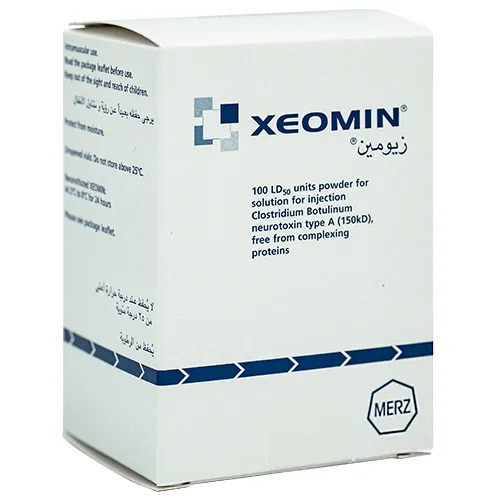
Table of Contents
Package leaflet: Information for the user
XEOMIN
50 units powder for solution for injection
100 units powder for solution for injection
200 units powder for solution for injection
Clostridium Botulinum type A neurotoxin (150 kD), free from complexing proteins
Please read all of this leaflet carefully before you are given this medicine because it
contains important information for you.
- Keep this leaflet. You may need to read it again.
- If you have any questions, ask your doctor, pharmacist or nurse.
- If you get any side effects, talk to your doctor, pharmacist or nurse. This includes any possible side effects not listed in this leaflet. See section 4.
Contents of this leaflet:
- What XEOMIN is and what it is used for.
- What you need to know before XEOMIN is used.
- How to use XEOMIN.
- Possible side effects.
- How to store XEOMIN.
- Contents of the pack and other information.
1 What XEOMIN is and what it is used for
XEOMIN is a medicine that contains the active substance Clostridium Botulinum type A neurotoxin, which relaxes the injected muscles or reduces salivary flow at the respective injection site.
XEOMIN is used for the treatment of the following conditions in adults:
- eyelid spasm (blepharospasm).
- cervical dystonia (spasmodic torticollis).
- increased muscle tension/uncontrollable muscle stiffness in the shoulders, arms and/or hands (upper limb spasticity).
- chronic drooling (sialorrhea) due to neurological disorders.
XEOMIN is used in children and adolescents aged 2 to 17 years and weighing ≥ 12 kg for the treatment of
- chronic drooling (sialorrhea) due to neurological disorders and/or intellectual disability.
2 What you need to know before XEOMIN is used
Do not use XEOMIN
- if you are allergic to botulinum toxin type A or to any of the excipients of XEOMIN (listed in section 6).
- if you suffer from a generalized disorder of muscle activity (e.g. myasthenia gravis, Lambert-Eaton syndrome).
- if you have an infection or inflammation at the proposed injection site.
Warnings and precautions
Undesirable effects may occur following injections of botulinum toxin type A into inappropriate injection sites, which may temporarily paralyse surrounding muscle groups. Very rare cases of undesirable effects possibly related to toxin spread away from the injection site have been reported, leading to botulism with symptoms consistent with the effects of botulinum toxin type A (e.g. double vision, blurred vision and/or drooping eyelids, difficulty speaking or breathing, excessive muscle weakness, difficulty swallowing or accidental aspiration of food or liquids into the airways). Patients treated with recommended doses may develop excessive muscle weakness.
If the dose is too high or injections are too frequent, the risk of antibody formation may increase. Antibody formation may lead to treatment failure with botulinum toxin type A, regardless of the reason for its use.
Talk to your doctor or pharmacist before using XEOMIN:
- if you suffer from any type of bleeding.
- if you are taking substances that prevent blood from clotting (e.g. coumarin, heparin, acetylsalicylic acid, clopidogrel).
- if you suffer from marked weakness or reduced muscle volume in the muscle where the injection will be administered.
- if you suffer from amyotrophic lateral sclerosis (ALS), which may lead to generalized muscle reduction.
- if you suffer from other diseases affecting nerve-muscle interaction in skeletal muscles (peripheral neuromuscular dysfunction).
- if you have or have had difficulty swallowing.
- if you suffer from or have suffered from epilepsy.
- if you previously experienced problems with botulinum toxin type A injections.
- if you are scheduled for surgery.
Contact your doctor and seek immediate medical advice if any of the following symptoms occur:
- difficulty breathing, swallowing or speaking.
- hives, swelling, including swelling of the face or throat, wheezing, feeling faint, shortness of breath (possible symptoms of severe allergic reactions).
Repeated injections of XEOMIN
If you have received repeated injections of XEOMIN, the effect may increase or decrease. Possible reasons for this are:
- the doctor may follow a different procedure when preparing the injectable solution.
- differences in treatment intervals.
- injections into different muscles.
- slight variability in the efficacy of the active substance in XEOMIN.
- lack of response/treatment failure during treatment.
Eyelid spasm (blepharospasm)
Talk to your doctor before using XEOMIN if:
- you have had eye surgery. Your doctor will take special precautions.
- you are at risk of developing a condition called narrow-angle glaucoma. This condition may cause increased pressure inside the eye and may damage the optic nerve. Your doctor knows whether this risk exists.
During treatment, small haemorrhages may appear in the soft tissues of the eyelid. The doctor may minimise their extent by immediately and gently pressing on the injection site.
After injection of XEOMIN into the eye muscle, a reduction in blinking may occur. This may lead to prolonged exposure of the transparent front part of the eye (cornea), which in turn may cause surface damage and inflammation (corneal ulceration).
Cervical dystonia (spasmodic torticollis)
After injection, mild to severe difficulty swallowing may occur. This may lead to breathing difficulties and an increased risk of inhaling solids or liquids. Foreign substances in the lungs may cause inflammation or infection (pneumonia). Your doctor will provide specific treatment if necessary (e.g. artificial feeding).
Difficulty swallowing may persist for up to two to three weeks after injection. One case has been reported in which it lasted up to five months.
If your lifestyle has been very sedentary, any type of physical activity should be started gradually after XEOMIN injection.
Increased muscle tension/uncontrollable muscle stiffness
XEOMIN may be used to treat increased muscle tension/uncontrollable muscle stiffness in parts of your upper limb, e.g. the arm or hand. XEOMIN is effective in combination with standard treatment methods. XEOMIN should be used together with these other methods.
It is unlikely that this medicine will improve the range of joint mobility in joints whose adjacent muscle has lost its ability to stretch.
If your lifestyle has been very sedentary, any type of physical activity should be started gradually after XEOMIN injection.
Chronic drooling (sialorrhea)
Some medicines (e.g. clozapine, aripiprazole, pyridostigmine) may cause excessive saliva production. Before using XEOMIN to treat drooling, consideration should first be given to replacing, reducing or even discontinuing the medicine causing it. The use of XEOMIN to reduce medication-induced drooling has not been studied.
If dry mouth develops in association with XEOMIN administration, your doctor will consider reducing the dose.
When saliva flow is reduced by XEOMIN, oral health problems such as dental caries may develop or existing problems may worsen. Contact a dentist when starting XEOMIN treatment for chronic drooling. The dentist may decide to take preventive measures against caries if necessary.
Children and adolescents
Do not administer this medicine to children under 2 years of age, to children weighing less than 12 kg, or to children and adolescents for conditions other than chronic drooling, as the use of XEOMIN has not been established in these populations and is therefore not recommended.
Other medicines and XEOMIN
Tell your doctor or pharmacist if you are taking, have recently taken or might take any other medicines.
The effect of XEOMIN may be increased:
- by medicines used to treat certain infections (spectinomycin or aminoglycoside antibiotics [e.g. neomycin, kanamycin, tobramycin]).
- by other medicines that relax muscles (e.g. tubocurarine-type muscle relaxants). These medicines are used, for example, during general anaesthesia. Before undergoing surgery, inform the anaesthetist if you have been treated with XEOMIN.
- when used to treat chronic drooling: by other medicines that themselves reduce salivary flow (e.g. anticholinergics such as atropine, glycopyrronium or scopolamine) or by therapeutic irradiation of the head and neck, including the salivary glands. Inform your doctor if you are undergoing or are scheduled for radiotherapy.
In these cases, XEOMIN should be used with caution.
The effect of XEOMIN may be reduced by certain medicines for malaria and rheumatism (known as aminoquinolines).
Pregnancy, breast-feeding and fertility
If you are pregnant, breast-feeding, think you may be pregnant or are planning to become pregnant, ask your doctor or pharmacist for advice before being given this medicine.
XEOMIN must not be used during pregnancy unless your doctor decides that the need for and potential benefit of treatment justifies the possible risk to the foetus.
XEOMIN is not recommended if you are breast-feeding.
Driving and using machines
You must not drive or engage in potentially hazardous activities if you experience drooping eyelids, weakness (asthenia), muscle weakness, dizziness or vision disturbances.
If in doubt, ask your doctor.
3 How to use XEOMIN
XEOMIN may only be administered by doctors with adequate specialist knowledge of treatment with botulinum toxin type A.
The optimal dose, frequency and number of injection sites must be individually determined by your doctor. The results of initial treatment with XEOMIN must be evaluated and may lead to dose adjustment until the desired therapeutic effect is achieved. Treatment intervals will be determined by your doctor based on your actual clinical needs.
If you feel that the effect of XEOMIN is too strong or too weak, inform your doctor.
If no therapeutic effect occurs, alternative therapies should be considered.
Eyelid spasm (blepharospasm)
The recommended starting dose is up to 25 units per eye, and the recommended total dose per follow-up treatment session is up to 100 units per session. Onset of effect is generally observed within four days after injection. The effect of each treatment generally lasts about 3 months, although it may last significantly longer or shorter. Treatment may be repeated if necessary.
Generally, no additional benefit is achieved by repeating treatment more frequently than once every three months.
Cervical dystonia (spasmodic torticollis)
The recommended dose per injection site is up to 50 units, and the maximum dose for the first treatment session is 200 units. Your doctor may administer doses up to 300 units in subsequent cycles depending on response. Onset of effect is generally observed within seven days after injection. The effect of each treatment generally lasts about 3–4 months, although it may last significantly longer or shorter. Treatment intervals shorter than ten weeks are not recommended.
Increased muscle tension/uncontrollable muscle stiffness in the shoulders, arms or hands
(upper limb spasticity)
The recommended dose is up to 500 units per treatment session, and no more than 250 units should be administered into shoulder muscles. Patients have reported onset of effects four days after treatment. Improvement in muscle tone was perceived within four weeks. Generally, the effect of treatment lasted twelve weeks, although its duration may be much longer or shorter. The interval between each treatment session must be at least twelve weeks.
Chronic drooling (sialorrhea, adults)
The recommended dose is 100 units per treatment session. This maximum dose must not be exceeded. The interval between each treatment session must be at least sixteen weeks.
Chronic drooling (sialorrhea, children/adolescents)
The recommended dose per treatment session depends on body weight. The maximum dose must not exceed 75 units. The interval between each treatment session must be at least sixteen weeks.
Method of administration
Reconstituted XEOMIN is intended for injection into muscles (intramuscular use) and into salivary glands (intraglandular use) (see information for healthcare professionals at the end of this leaflet).
For localisation of salivary glands in adults, anatomical landmarks or ultrasound guidance may be used; however, for reasons of efficacy, ultrasound guidance should be preferred.
Before injection, local anaesthetic (e.g. local anaesthetic cream), sedative or anaesthetic in combination with a sedative may be administered to children and adolescents.
If you are given more XEOMIN than you need
Symptoms of overdose
Symptoms of overdose are not immediately evident after injection; they include generalised weakness, drooping eyelid, double vision, difficulty breathing, difficulty speaking, respiratory muscle paralysis and difficulty swallowing, which may lead to pneumonia.
MEASURES IN CASE OF OVERDOSE
If you experience symptoms of overdose, contact a medical emergency service immediately or ask your family to do so and to have you admitted to hospital. Medical supervision for several days and assisted ventilation may be necessary.
If you have any questions about the use of this medicine, talk to your doctor, pharmacist or nurse.
4 Possible side effects
Like all medicines, this medicine can cause side effects, although not everybody gets them.
Generally, side effects are observed within the first week after treatment and are temporary in nature. Side effects may be related to the medicine, the injection technique or both. Side effects may be confined to the area around the injection site (e.g., localised muscle weakness, local pain, inflammation, tingling (paraesthesia), reduced sense of touch (hypoesthesia), tenderness, swelling (general), soft tissue swelling (oedema), skin redness (erythema), itching, localised infection, bruising, bleeding and/or discoloration).
Needle injection may cause pain. This pain or anxiety about the needle may lead to fainting, nausea, tinnitus (ringing in the ears) or low blood pressure.
Side effects such as excessive muscle weakness or difficulty swallowing may be caused by relaxation of muscles distant from the XEOMIN injection site. Difficulty swallowing may lead to aspiration of foreign bodies causing lung inflammation and, in some cases, death.
An allergic reaction may occur with XEOMIN. Rarely, severe and/or immediate allergic reactions (anaphylaxis) or serum reactions to the product (serum sickness) have been reported, causing, for example, difficulty breathing (dyspnoea), hives or soft tissue swelling (oedema). Some of these reactions have been observed following the use of a traditional botulinum toxin type A complex. They occurred when the toxin was administered alone or in combination with other medicines known to cause similar reactions.
An allergic reaction may cause the following symptoms:
- difficulty breathing, swallowing or speaking due to swelling of the face, lips, mouth or throat.
- swelling of the hands, feet or ankles.
If you notice any of these side effects, inform your doctor immediately or ask your family to do so or go to the emergency department of the nearest hospital.
The following side effects have been observed with XEOMIN:
Eyelid spasm (blepharospasm)
Very common (may affect more than 1 in 10 people):
Drooping eyelid (ptosis).
Common (may affect up to 1 in 10 people):
Dry eyes, blurred vision, visual disturbance, dry mouth, injection site pain.
Uncommon (may affect up to 1 in 100 people):
Headache, facial muscle weakness (facial paresis), double vision (diplopia), increased tearing, difficulty swallowing (dysphagia), fatigue, muscle weakness, rash.
Cervical dystonia (spasmodic torticollis)
Very common (may affect more than 1 in 10 people):
Difficulty swallowing (dysphagia).
Common (may affect up to 1 in 10 people):
Neck pain, muscle weakness, musculoskeletal pain (myalgia), musculoskeletal stiffness, muscle spasms, headache, dizziness, injection site pain, weakness (asthenia), dry mouth, nausea, increased sweating (hyperhidrosis), upper respiratory tract infection, feeling faint (presyncope).
Uncommon (may affect up to 1 in 100 people):
Speech disorders (dysphonia), shortness of breath (dyspnoea), rash.
Treatment of cervical dystonia may cause difficulty swallowing of varying degrees of severity. This may lead to aspiration of foreign bodies, which may require medical intervention. Difficulty swallowing may persist for two to three weeks after injection, but one case has been described in which it lasted five months.
Difficulty swallowing appears to be dose-dependent.
Increased muscle tension/uncontrollable muscle stiffness in the shoulders, arms or hands
(upper limb spasticity)
Common (may affect up to 1 in 10 people):
Dry mouth
Uncommon (may affect up to 1 in 100 people):
Headache, reduced sense of touch (hypoesthesia), muscle weakness, limb pain, weakness (asthenia), muscle pain (myalgia), difficulty swallowing (dysphagia), nausea.
Not known (frequency cannot be estimated from available data):
Pain at injection site.
Chronic drooling (sialorrhea) in adults
Common (may affect up to 1 in 10 people):
Dry mouth, difficulty swallowing (dysphagia), tingling sensation (paraesthesia).
Uncommon (may affect up to 1 in 100 people):
Thicker saliva, speech disorders, taste disturbances (dysgeusia).
Cases of persistent dry mouth (>110 days) of severe intensity have been reported, which may cause further complications such as gum inflammation (gingivitis), difficulty swallowing and dental caries.
Chronic drooling (sialorrhea) in children/adolescents
Uncommon (may affect up to 1 in 100 people):
Difficulty swallowing (dysphagia).
Not known (frequency cannot be estimated from available data):
Dry mouth, thicker saliva, mouth pain, dental caries.
Post-marketing experience
With the use of XEOMIN, the following side effects have been reported with unknown frequency since market launch, regardless of treatment area:
influenza-like symptoms, contraction of the injected muscle and hypersensitivity reactions such as swelling, soft tissue swelling (oedema, even distant from injection site), redness, itching, rash (local and generalised) and dyspnoea.
Reporting of side effects
If you get any side effects, talk to your doctor, pharmacist or nurse. This includes any possible side effects not listed in this leaflet.
You can also report side effects directly via the national reporting system at www.aifa.gov.it/content/segnalazioni-reazioni-avverse.
By reporting side effects, you can help provide more information on the safety of this medicine.
5 How to store XEOMIN
Keep this medicine out of the sight and reach of children.
Do not use this medicine after the expiry date which is stated on the carton and on the label of the vial after “EXP.”.
The expiry date refers to the last day of that month.
Unopened vial: do not store above 25°C.
Reconstituted solution: chemical and physical in-use stability has been demonstrated for 24 hours at a temperature between 2 and 8°C.
From a microbiological point of view, the product should be used immediately. If not used immediately, in-use storage times and conditions prior to use are the responsibility of the user and normally should not exceed 24 hours at 2–8°C, unless reconstitution has been carried out under controlled and validated aseptic conditions.
The doctor must not use XEOMIN if the solution appears cloudy or contains visible particles.
For instructions on disposal, see information for healthcare professionals at the end of this package leaflet.
6 Contents of the pack and other information
What XEOMIN contains
- The active substance is Clostridium Botulinum type A neurotoxin (150 kD), free from complexing proteins.
XEOMIN 50 units powder for solution for injection
One vial contains 50 units of Clostridium Botulinum type A neurotoxin (150 kD), free from complexing proteins*.
XEOMIN 100 units powder for solution for injection
One vial contains 100 units of Clostridium Botulinum type A neurotoxin (150 kD), free from complexing proteins*.
XEOMIN 200 units powder for solution for injection
One vial contains 200 units of Clostridium Botulinum type A neurotoxin (150 kD), free from complexing proteins*.
.
- The excipients are: Human albumin, sucrose.
Description of XEOMIN and contents of the pack
XEOMIN is a white powder for solution for injection.
Reconstitution of the powder produces a clear, colourless solution.
XEOMIN 50 units powder for solution for injection: packs of 1, 2, 3 or 6 vials.
XEOMIN 100 units powder for solution for injection: packs of 1, 2, 3, 4 or 6 vials.
XEOMIN 200 units powder for solution for injection: packs of 1, 2, 3, 4 or 6 vials.
Not all pack sizes may be marketed.
Marketing Authorisation Holder
Merz Pharmaceuticals GmbH
Eckenheimer Landstraße 100
60318 Frankfurt/Main
Germany
P.O. Box 11 13 53
60048 Frankfurt/Main
Germany
Telephone: +49-69/15 03-1
Fax: +49-69/15 03-200
Manufacturer
Merz Pharma GmbH & Co. KGaA
Eckenheimer Landstraße 100
D-60318 Frankfurt/Main
Germany
Telephone: +49-69/15 03-1
Fax: +49-69/15 03-200
This medicine is authorised in the European Economic Area countries under the following names:
XEOMIN: Austria, Bulgaria, Cyprus, Croatia, Denmark, Estonia, Germany, Greece, Finland, France,
Ireland, Iceland, Italy, Latvia, Liechtenstein, Lithuania, Luxembourg, Malta, Netherlands,
Norway, Poland, Portugal, Czech Republic, Romania, Slovakia, Slovenia, Spain,
Sweden, Hungary.
XEOMEEN: Belgium
This leaflet was last updated on
The following information is intended exclusively for healthcare professionals:
Instructions for reconstitution of the injectable solution:
XEOMIN must be reconstituted before use with 9 mg/ml (0.9%) sodium chloride solution for injection.
XEOMIN may only be used for its intended purpose to treat a single patient per session.
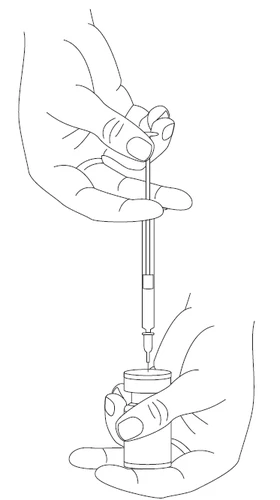
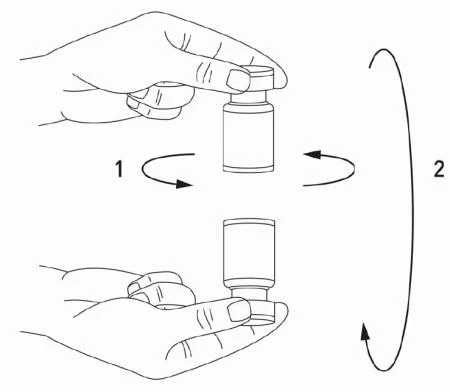
It is good practice to reconstitute the vial contents and prepare the syringe over plastic-lined paper towels to collect any spills. An appropriate amount of sodium chloride (see dilution table) should be drawn into a syringe. A short, blunt 20–27 G needle is recommended for reconstitution. After vertical insertion of the needle through the rubber stopper, the solvent should be injected gently into the vial to avoid foaming. Discard the vial if vacuum prevents solvent from entering. Remove the syringe from the vial and mix XEOMIN with the solvent by gently rotating and inverting the vial – do not shake vigorously. If necessary, the needle used for reconstitution should remain in the vial and the required amount of solution should be drawn up with a new sterile syringe suitable for injections.
Reconstituted XEOMIN is a clear, colourless solution.
XEOMIN must not be used if the reconstituted solution (prepared as above) appears cloudy or contains flaky or particulate matter.
Care must be taken to use the correct volume of solvent for the chosen presentation to prevent overdose. If different XEOMIN vial sizes are used for a single injection, care must be taken to use the correct amount of solvent when reconstituting a specific number of units per 0.1 ml. The amount of solvent varies between XEOMIN 50 units, XEOMIN 100 units and XEOMIN 200 units. Each syringe must be labelled accordingly.
The possible concentrations for XEOMIN 50, 100 and 200 units are shown in the table below:
| Resulting dose (in units per 0.1 ml) | Solvent added (injectable solution of sodium chloride 9 mg/ml (0.9%)) | ||
| 50-unit vial | 100-unit vial | 200-unit vial | |
| 20 units | 0.25 ml | 0.5 ml | 1 ml |
| 10 units | 0.5 ml | 1 ml | 2 ml |
| 8 units | 0.625 ml | 1.25 ml | 2.5 ml |
| 5 units | 1 ml | 2 ml | 4 ml |
| 4 units | 1.25 ml | 2.5 ml | 5 ml |
| 2.5 units | 2 ml | 4 ml | Not applicable |
| 2 units | 2.5 ml | 5 ml | Not applicable |
| 1.25 units | 4 ml | Not applicable | Not applicable |
Instructions for Disposal
Any injectable solution that has been stored for more than 24 hours and/or any unused injectable solution must be discarded.
Procedure for safe disposal of vials, syringes, and used materials
Any unused vial, residual solution in the vial, and/or syringes must be autoclaved. Alternatively, the remaining XEOMIN can be inactivated by adding one of the following solutions: 70% ethanol, 50% isopropanol, 0.1% SDS (anionic detergent), diluted sodium hydroxide solution (0.1 N NaOH), or sodium hypochlorite solution (at least 0.1% NaOCl).
After inactivation, vials, syringes, and used materials must not be emptied and should be placed in designated containers and disposed of according to local regulations.
Recommendations in case of accidents during handling of botulinum toxin type A
- Any product spillage must be dried using absorbent material soaked with one of the solutions listed above, in case of powder, or with dry absorbent material in case of reconstituted product.
- Contaminated surfaces must be cleaned using absorbent material soaked with one of the solutions listed above, then dried.
- If a vial breaks, proceed as described above, carefully collecting broken glass fragments and drying the product, taking care to avoid skin injuries.
- If the product comes into contact with the skin, rinse the affected area thoroughly with abundant water.
- If the product gets into the eyes, rinse carefully with abundant water or an ophthalmic eye wash solution.
- If the product comes into contact with a wound, cut, or damaged skin, rinse thoroughly with abundant water and take appropriate medical measures based on the injected dose.
These instructions for handling and disposal must be strictly followed.