Xenetix
Italy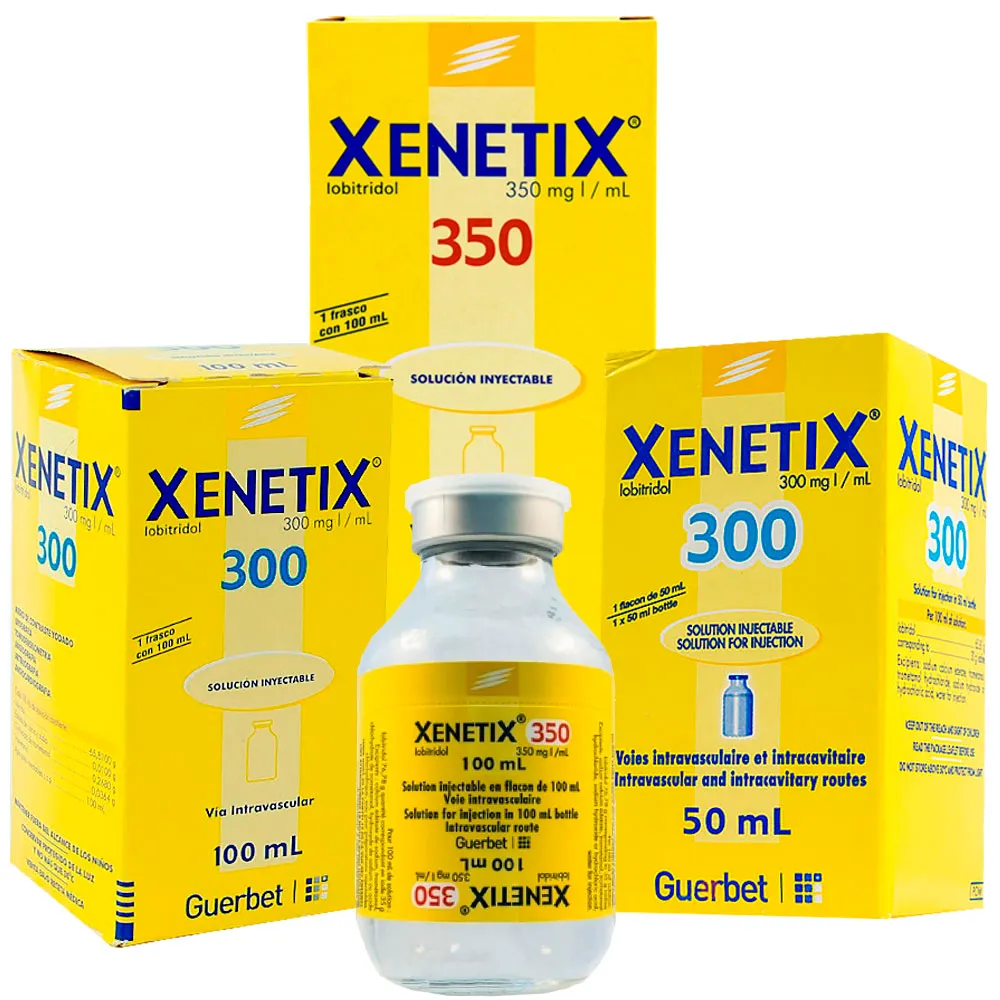
Table of Contents
- Package leaflet: Information for the user
- XENETIX 300 mgI/ml injectable solution
- 1. What XENETIX is and what it is used for
- 2. What you need to know before using XENETIX
- 3. How to use XENETIX
- 4. Possible side effects
- 5. How to store XENETIX
- 6. Package contents and other information
- Package leaflet: information for the user
- XENETIX 350 mgI/ml injectable solution
- 1. What XENETIX is and what it is used for
- 2. What you should know before using XENETIX
- 3. How to use XENETIX
- 4. Possible side effects
- 5. How to store XENETIX
- 6. Package contents and other information
- Package leaflet: information for the user
- XENETIX 250 mg/ml injectable solution
- 1. What XENETIX is and what it is used for
- 2. What you should know before using XENETIX
- 3. How to use XENETIX
- 4. Possible side effects
- 5. How to store XENETIX
- 6. Package contents and other information
Package leaflet: Information for the user
XENETIX 300 mgI/ml injectable solution
Iobitridol
Please read all of this leaflet carefully before you use this medicine because it contains important information for you.
- Keep this leaflet. You may need to read it again.
- If you have any questions, ask your doctor, pharmacist or nurse.
- This medicine has been prescribed for you only. Do not give it to other people, even if their symptoms are the same as yours, as it may be harmful.
- If you get any side effects, including those not listed in this leaflet, tell your doctor or nurse. See section 4.
Contents of this leaflet:
- What XENETIX is and what it is used for
- What you need to know before you use XENETIX
- How to use XENETIX
- Possible side effects
- How to store XENETIX
- Contents of the pack and other information
1. What XENETIX is and what it is used for
XENETIX contains the active substance iobitridol, which belongs to the group of water-soluble, nephrotropic, low-osmolar radiological contrast media.
XENETIX is used in adults and children undergoing the following radiological examinations:
- intravenous urography (to visualise the urinary tract)
- computed tomography (CT) of the head and body
- intravenous digital subtraction angiography (DSA) (to visualise blood vessels by subtracting X-ray images with contrast medium)
- arteriography (to visualise arteries)
- angiocardiography (to visualise heart circulation)
- arthrography (for joint analysis)
- hysterosalpingography (to visualise the uterus and fallopian tubes)
- contrast-enhanced mammography to identify known or suspected breast lesions in patients with dense breasts who cannot undergo contrast-enhanced magnetic resonance imaging.
Diagnostic use only.
2. What you need to know before using XENETIX
Do not use XENETIX
- If you are allergic to iobitridol or to any of the other ingredients of this medicine (listed in section 6).
- If you have previously developed severe skin rash, skin peeling, skin rash with blisters and/or mouth ulcers after taking Xenetix.
- If you are pregnant (see section “Pregnancy and breastfeeding”).
- If you have a history of a significant immediate reaction (acute allergy) or delayed skin reaction (allergy occurring several hours after administration) following injection of XENETIX (see section “Possible side effects”).
- If you have overt thyrotoxicosis (i.e. excessive levels of thyroid hormones).
- During hysterosalpingography if pregnant. XENETIX is not indicated for myelography (radiological examination of the spinal cord).
Warnings and precautions
Talk to your doctor or pharmacist before using XENETIX.
As with all iodine-based contrast media, regardless of the route of administration or dose, adverse effects may occur that can be mild or even fatal. These effects may occur within one hour of administration or up to seven days afterwards. Such reactions are often unpredictable. The risk of their occurrence increases if you have previously experienced a reaction following administration of an iodine-based contrast agent. In this case, you are considered a high-risk patient (see section 4 “Possible side effects”).
Exercise particular caution with Xenetix:
Severe skin reactions, including drug reaction with eosinophilia and systemic symptoms (DRESS), Stevens-Johnson syndrome (SJS), toxic epidermal necrolysis (Lyell syndrome or TEN), and acute generalized exanthematous pustulosis (AGEP), potentially life-threatening, have been reported in association with the use of Xenetix.
If you develop a severe skin rash or any of these other skin symptoms, consult your doctor or seek immediate medical assistance.
These reactions occur more frequently in patients with a history of allergies (urticaria, asthma, allergic rhinitis, eczema (skin inflammation), food or drug allergies).
In these patients, screening with iodine allergy tests or any other currently available test is not possible.
Due to the risk of significant reactions, it is essential to have immediately available all equipment required for emergency resuscitation procedures.
The occurrence of such reactions may be due to various mechanisms:
- Direct toxicity affecting the vascular endothelium (cells lining the circulatory system) and tissue proteins.
- Pharmacological action altering the concentration of certain endogenous factors (internal to the body), such as histamine, complement factors, and inflammatory mediators, observed more frequently with hyperosmolar contrast agents (with internal pressure higher than plasma).
- Immediate allergic reactions mediated by IgE antibodies (class E antibodies) to the XENETIX contrast agent (anaphylaxis).
- Allergic reactions due to a cellular-type mechanism (delayed skin reactions).
Extravasation
Extravasation is a not uncommon complication (from 0.04% to 0.9%) of intravenous injections of contrast media. More frequent with high-osmolarity products (contrast medium internal pressure higher than plasma), most lesions are mild; however, severe injuries such as skin ulceration, tissue necrosis, and compartment syndrome (increased pressure within a confined body space) may occur with any iodine-based contrast agent. Risk and/or severity factors are related to the patient (compromised or fragile vascular conditions) and to the technique (use of electric injectors, high volumes). It is important to identify these factors, optimize the injection site and technique accordingly, and monitor the patient before, during, and after XENETIX injection.
Inform your doctor if you are in any of the following situations:
-
If you have previously developed a severe skin rash, skin peeling, skin rash with blisters and/or mouth ulcers after taking Xenetix or other iodine-containing contrast agents.
-
If you have intolerance to iodine-containing contrast agents:
Before the examination: -
Your doctor should identify at-risk patients by carefully collecting your medical history. Corticosteroids and H1-type antihistamines are indicated as premedication in patients at high risk of intolerance reactions (history of intolerance to an iodine-based contrast agent). However, these drugs do not prevent severe or fatal anaphylactic shock from occurring.
During the procedure, take the following precautionary measures: -
Medical supervision.
-
Permanent venous access.
After the examination: -
After administration of the contrast agent, the patient must be monitored for at least 30 minutes, as the most serious adverse effects occur within this timeframe.
-
The patient must be informed about the possibility of delayed reactions (up to seven days) (see section “Possible side effects”).
-
If you have impaired renal function (renal insufficiency): Iodine-based contrast agents may cause transient alteration of kidney function or worsen pre-existing renal insufficiency.
Preventive measures include: -
Identifying at-risk patients, i.e. those who are dehydrated or have renal insufficiency, diabetes, severe heart failure, monoclonal gammopathy (multiple myeloma, Waldenström’s macroglobulinemia), history of renal insufficiency following contrast agent administration, children under one year of age, and elderly patients with atheroma (fibrous plaque within arteries).
-
Hydration as needed with saline solution.
-
Avoid combining with nephrotoxic drugs (toxic to the kidneys). If this is unavoidable, intensified monitoring of renal function through laboratory tests is required. Medications involved include aminoglycosides (antibiotics), platinum coordination compounds, high doses of methotrexate (an anticancer drug), pentamidine (an antibiotic), foscarnet (an antiviral), certain antiviral agents (acyclovir, ganciclovir, valacyclovir, adefovir, cidofovir, tenofovir), vancomycin (an antibiotic), amphotericin B (an antifungal), immunosuppressants such as cyclosporine or tacrolimus (anti-rejection drugs in organ transplant recipients), and ifosfamide (an anticancer drug).
-
Allow at least 48 hours between two radiological examinations involving contrast agent injection, or delay any further examination until renal function returns to normal.
-
Prevent lactic acidosis (increased blood acidity) in diabetic patients treated with metformin by monitoring serum creatinine levels.
Normal renal function: Treatment with metformin should be suspended before contrast agent injection and for at least 48 hours afterwards, or until normal renal function is restored.
Abnormal renal function: Metformin is contraindicated. In emergencies: if the examination is mandatory, precautions must be taken, namely suspension of metformin, hydration, monitoring of renal function, and detection of signs of lactic acidosis. Iodine-based contrast agents may be used in patients undergoing hemodialysis, as they are eliminated through dialysis. Approval from the hemodialysis unit must be obtained. -
If you have impaired renal and hepatic function (renal and hepatic insufficiency): Particular caution is required in patients with both renal and hepatic insufficiency, as the risk of contrast agent retention is increased in such cases.
-
If you have asthma: It is recommended to stabilize asthma before injecting an iodine-based contrast agent. Due to an increased risk of bronchospasm (contraction of the muscles lining the airways, making breathing difficult), particular caution is required in patients who have experienced an asthma attack within the previous eight days before the examination.
-
If you have thyroid dysfunction: Following injection of an iodine-based contrast agent, particularly in patients with goiter or a history of thyroid dysfunction (altered thyroid function), there is a risk of hyperthyroidism exacerbation (increased thyroid function) or development of hypothyroidism (reduced thyroid function). There is also a risk of hypothyroidism in newborns who have received, or whose mothers have received, an iodine-based contrast agent.
-
If you have heart problems (heart failure) or any other heart or blood vessel disease: In patients with heart disease (such as those with early or overt coronary artery disease, pulmonary hypertension, i.e. increased pressure in the pulmonary circulation, valvular heart disease, cardiac arrhythmias, i.e. altered heart rhythm), the risk of cardiovascular reactions increases following administration of an iodine-based contrast agent. Intravascular injection of the contrast agent may cause pulmonary edema (accumulation of fluid in the lungs) in patients with manifest or incipient (early) heart failure, whereas administration in cases of pulmonary hypertension and heart valve disorders may lead to marked changes in hemodynamics. The frequency and severity appear correlated with the severity of cardiac impairment. In cases of severe and chronic hypertension, the risk of kidney damage due to contrast agent administration and catheterization itself may be increased. Ischemic changes on ECG (electrocardiogram) and severe rhythm disturbances are more frequently observed in elderly and cardiac patients. Outside the context of hypersensitivity reactions, very rare cases of ventricular fibrillation, a serious heart rhythm disturbance, have been reported immediately after contrast agent administration.
In such patients, the risk/benefit ratio must be carefully evaluated. -
if you have high blood sugar levels (diabetes);
-
if you have pancreatic disorders (acute pancreatitis);
-
If you have disorders of the central nervous system: For example:
-
if you have epilepsy;
-
if you have had a stroke or cerebral hemorrhage (intracranial hemorrhage);
-
if you have increased fluid in the brain (cerebral edema);
-
if you consume large amounts of alcohol or use drugs; In this case, the risk/benefit ratio must be evaluated on a case-by-case basis:
-
due to the risk of worsening neurological symptoms in patients with transient ischemic attack (temporary blockage of a cerebral artery), acute cerebral infarction (permanent blockage of a cerebral artery), recent intracranial hemorrhage (rupture of a cerebral artery), cerebral edema, or idiopathic or secondary epilepsy (tumor, scars).
-
when the intra-arterial route is used in patients with alcoholism (acute or chronic) or other drug users.
-
If you have pheochromocytoma: Patients with pheochromocytoma (a tumor of the adrenal glands causing excessive production of hormones leading to high blood pressure) may develop a hypertensive crisis following intravascular administration of a contrast agent and must be monitored before the examination.
-
If you have myasthenia: Administration of a contrast agent may worsen symptoms of severe myasthenia (a serious muscle disorder).
-
If you suffer from anxiety, nervousness, or pain: There may be an intensification of adverse effects. Adverse effects related to iodine-based contrast agents may increase in patients who show pronounced agitation, anxiety, or pain. Adequate management, such as sedation, may be necessary.
-
If you are scheduled for hysterosalpingography (an examination showing the uterus and fallopian tubes): Precautions for intrauterine use: Hysterosalpingography is contraindicated during pregnancy (see section “Do not use XENETIX”). In women of childbearing age, the possibility of pregnancy must be excluded through appropriate procedures. Exposure of the female genital tract to X-rays must be carefully evaluated in terms of risk/benefit ratio. In case of acute pelvic inflammation or infection, hysterosalpingography should only be performed after careful risk/benefit assessment.
-
If you have a scheduled thyroid examination or treatment with radioactive iodine (see also section on Thyroid Dysfunction): Before administering a contrast agent, it is important to ensure that the patient does not have a scheduled scintigraphy, laboratory tests involving the thyroid, or planned therapeutic use of radioactive iodine.
Administration of contrast agents by any route alters hormone concentrations and iodine uptake by the thyroid or by metastases of a thyroid tumor until iodine levels return to normal.
- If you have a bone marrow disorder (myeloma, monoclonal gammopathy, multiple myeloma, Waldenström’s macroglobulinemia);
- If you have any other illness.
Other medicines and XENETIX
Inform your doctor or pharmacist if you are taking, have recently taken, or might take any other medicines.
In particular:
- Metformin: In diabetic patients, lactic acidosis (increased blood acidity) has been reported, facilitated by functional renal insufficiency, following radiological examination with contrast agent administration (see section “Warnings and Precautions – Renal insufficiency”).
- Radiopharmaceuticals (see section “Warnings and Precautions”): Iodine-based contrast agents alter the uptake of radioactive iodine by the thyroid for several weeks, which may result in reduced uptake during thyroid scintigraphy and reduced effectiveness of treatment with iodine-131. In patients scheduled for renal scintigraphy with injection of a radiopharmaceutical excreted by renal tubules, it is preferable to perform this examination before injecting the iodine-based contrast agent.
- Beta-blockers, vasoactive substances, angiotensin-converting enzyme inhibitors, angiotensin receptor antagonists (drugs that lower blood pressure). These medicines reduce the effectiveness of cardiovascular compensatory mechanisms occurring during hemodynamic disturbances. The doctor must be aware of this before injecting the iodine-based contrast agent and must have all necessary equipment available for potential intensive care interventions.
- Diuretics (drugs that increase urine production): Due to the risk of dehydration caused by diuretics, there is an increased risk of acute renal failure, especially when high doses of iodinated contrast agents are used; therefore, rehydration with water and electrolytes should be performed before the examination to limit the risk of acute renal failure.
- Interleukin-2: The risk of developing a reaction to contrast agents increases if the patient has recently received treatment with interleukin-2 (used intravenously in some cancers), i.e. skin rash (appearance of red spots on the skin) or, more rarely, hypotension (low blood pressure), oliguria (reduced urine output), or even renal failure. High concentrations of iodine-based contrast agents in plasma and urine may interfere with in vitro determination of bilirubin, proteins, and inorganic substances (iron, copper, calcium, and phosphate). Such determinations should not be performed within 24 hours after the examination. There is a risk of allergic reactions regardless of the route of administration. The risk of allergic reactions associated with locally administered drugs for opacification of organ cavities is not well defined:
Administration via certain specific routes (intra-articular, intrauterine, etc.) results in varying degrees of systemic distribution (distribution via the bloodstream), meaning systemic effects (affecting various organs) may occur.
However, the immune mechanism regulating allergies is not dose-dependent, and immuno-allergic reactions can occur at any time, regardless of the route of administration.
XENETIX with food, drinks, and alcohol
Ask your doctor or nurse whether you need to avoid food or drinks before the examination.
Inform your doctor if you regularly consume large amounts of alcohol (see section 2 “Warnings and precautions”).
Pregnancy, breastfeeding, and fertility
If you are pregnant, suspect you may be pregnant, are planning a pregnancy, or are breastfeeding, consult your doctor or pharmacist before using this medicine.
Pregnancy
During pregnancy, exposure to X-rays should be avoided, and the decision to perform a radiological examination must be based on a careful risk/benefit assessment.
You must never take XENETIX if you are pregnant or think you might be, and if you have a scheduled examination of the uterus and fallopian tubes (tubes connecting the uterus to the ovaries).
Confirmed or suspected pregnancy is a contraindication for the use of XENETIX in hysterosalpingography (see section “Do not use XENETIX”).
If the medicine is administered to a pregnant woman or a newborn, the doctor must monitor the child's thyroid function, as the child's thyroid gland may become temporarily underactive (hypothyroidism).
Fetotoxicity
The transient iodine overload following maternal administration may induce thyroid dysfunction in the fetus if the examination is performed after more than 14 weeks of amenorrhea. However, given the reversibility of this effect and the expected benefit for the mother, a single administration of an iodine-based contrast agent may be justified if the indication for radiological examination in a pregnant woman has been carefully evaluated.
Mutagenicity
This medicine has not shown mutagenic effects (does not alter genetic code) under the conditions used in testing.
Breastfeeding
Breastfeeding must be interrupted before administration and must not be resumed for at least 24 hours after administration.
Fertility
No data are available regarding reproductive function.
Driving and use of machines
Not applicable.
XENETIX contains sodium
This medicine contains less than 1 mmol of sodium (23 mg) per 100 ml, therefore it is essentially "sodium-free".
3. How to use XENETIX
Use this medicine exactly as instructed by your doctor. If you have any doubts, consult your doctor or pharmacist.
The dose must be individually adjusted depending on the type of examination, the body region to be studied, body weight, and renal function, especially in children.
Urography with:
- Rapid intravenous injection: Recommended dose: 1.2 ml/kg Total volume (minimum/maximum): 50–100 ml
- Slow intravenous injection: Average dose: 1.6 ml/kg Total volume (minimum/maximum): 100 ml
CT:
- CT head: Recommended dose: 1.4 ml/kg Total volume (minimum/maximum): 20–100 ml
- CT body: Recommended dose: 1.9 ml/kg Total volume (minimum/maximum): 20–150 ml
Intra-arterial DSA (Digital Subtraction Angiography): to visualize images of injected vessels:
Recommended dose: 1.7 ml/kg Total volume (min/max): 40–270 ml
Arteriography:
- Cerebral arteriography: Recommended dose: 1.8 ml/kg Total volume (minimum/maximum): 45–210 ml
- Lower limb arteriography: Recommended dose: 2.8 ml/kg Total volume (minimum/maximum): 85–300 ml
Angiography:
Recommended dose: 1.1 ml/kg Total volume (minimum/maximum): 70–125 ml
Recommended doses for intracavitary use are as follows:
Arthrography
Recommended dose: 5–20 ml, depending on the joint to be examined
Hysterosalpingography
Recommended dose: 5–20 ml, depending on uterine volume
Contrast-enhanced mammography*
Recommended dose: 1.5 ml/kg Total volume (minimum/maximum): 50–150 ml
* Recommendations for intravenous administration in contrast-enhanced mammography
Xenetix should be administered as an intravenous bolus injection of 1.5 ml/kg body weight, preferably using a power injector, at a rate of approximately 3 mL/sec in adults. Image acquisition is generally started 2 minutes after administration of the iodinated contrast agent.
Method of administration
Before performing the examination, your doctor will inject the medicine into a blood vessel (intravascular route) or into a body cavity (intra-articular or intrauterine route).
To avoid risks of incompatibility, do not use the same syringe for administering other medications.
Specific precautions for using the 500 ml vial:
After piercing the vial stopper, it is recommended to withdraw the contrast agent using an appropriate infusion device designed to fill either a manual syringe or one attached to an automated injector.
Generally, the infusion device should be equipped with a spike, air filter, and Luer-type connector, preferably extended with plastic tubing and a protective cap.
The specific instructions for use provided by the manufacturers of infusion devices must be strictly followed.
At the end of the day, any vial containing unused residual contrast agent must be discarded together with the connected infusion device.
If you use more XENETIX than you should
In case of accidental overdose, the medicine can be removed from the body by hemodialysis (a procedure that cleans the blood). Any loss of fluids and electrolytes should be corrected with adequate rehydration. Renal function should be monitored for at least 3 days after the overdose.
If you have any questions about how to use this medicine, ask your doctor, pharmacist, or nurse.
4. Possible side effects
Like all medicines, this medicine can cause side effects, although not everyone experiences them.
Cardiovascular collapse of variable severity without warning signs may occur
immediately or may complicate cardiovascular manifestations that can arise
after administration of XENETIX.
In clinical studies involving 905 patients, 11% of patients experienced an adverse reaction related to XENETIX administration (excluding the sensation of warmth), the most common being pain, injection site pain, bad taste, and nausea.
In general, adverse reactions associated with the use of XENETIX are mild to moderate in intensity and transient in nature.
The adverse reactions reported most frequently during post-marketing use of XENETIX include sensation of warmth, pain, and swelling at the injection site.
Hypersensitivity reactions are usually immediate (during or within one hour after the start of injection) but may occasionally be delayed (from one hour to several days after injection), presenting as skin-related adverse reactions.
Delayed skin reactions, such as red pimples (macular or papular rash), and, in rare cases, severe widespread skin lesions with blistering (Lyell syndrome or Stevens-Johnson syndrome), widespread scaly red rash with subcutaneous pimples and blisters accompanied by fever at the beginning of treatment (generalized acute exanthematous pustulosis), or widespread rash, high body temperature, elevated liver enzymes, blood abnormalities (eosinophilia), swollen lymph nodes, and involvement of other organs (drug reaction with eosinophilia and systemic symptoms, also known as DRESS or drug-induced hypersensitivity syndrome). See also section 2.
Immediate reactions involve one or more consecutive or concomitant effects, usually including skin reactions, respiratory and/or cardiovascular disturbances, which may represent the initial signs of shock, rarely fatal.
Serious cardiac rhythm disturbances, including ventricular fibrillation (a severe irregularity in the heart's rhythm), have been reported very rarely in patients with heart disease, both within and outside the context of hypersensitivity (see section “Warnings and precautions”).
Uncommon side effects (affecting 1 in 10 to 1 in 1,000 patients treated)
Nausea
Hot flushes
Rare side effects (affecting 1 in 10 to 1 in 10,000 patients treated)
Hypersensitivity
Presyncope (vasovagal reaction), i.e., feeling faint
Tremor*
Paresthesia* (altered sensation)
Dizziness
Effects on heart and blood vessels, including increased or decreased heart rate
Hypotension (lowering of blood pressure within the arteries)
Hypertension (increase in blood pressure)
Dyspnea (feeling of needing more air)
Cough
Throat tightness
Sneezing
Vomiting
Angioedema (sudden swelling of the skin or mucous membranes)
Urticaria (localized or widespread) (appearance of red, raised patches on the skin)
Erythema (redness of the skin)
Pruritus (itching)
Facial edema (swelling of the face)
Malaise
Chills
Pain at injection site
Very rare side effects (affecting fewer than 1 in 10,000 patients treated)
Anaphylactic shock
Anaphylactic reaction, anaphylactoid reaction
Thyroid disorders
Coma*
Seizures* (muscle contractions)
Confusion*
Visual disturbances*
Amnesia* (loss of memory)
Photophobia* (increased sensitivity to light)
Transient blindness*
Somnolence*
Restlessness*
Feeling of agitation*
Headache
Hearing impairment
Cardiac arrest
Myocardial infarction (more frequent following intracoronary injection)
Arrhythmia (irregular heart rhythm)
Ventricular fibrillation (severe irregularity in the heartbeat)
Angina pectoris (chest pain due to coronary artery blockage, the arteries supplying the heart)
Impairment of heart and blood vessel function
Respiratory arrest (cessation of breathing)
Pulmonary edema (accumulation of fluid in the lungs)
Bronchospasm
Laryngospasm (sudden contraction of the vocal cords)
Laryngeal edema (swelling of the vocal cords)
Abdominal pain
Generalized acute exanthematous pustulosis, Stevens-Johnson syndrome, Lyell syndrome, eczema, maculopapular rash (skin diseases) (all delayed hypersensitivity reactions)
Acute renal failure
Anuria (absence of urine production)
Necrosis (cell death) at the injection site following extravasation
Inflammation at the injection site following extravasation (leakage into surrounding tissues)
Edema at the injection site (swelling)
Increased creatinine levels in blood
Severe cardiac arrhythmia (torsade de pointes)
Transient discomfort or pain due to temporary spasm (constriction) in one or more coronary arteries (coronary arteriospasm)
* Adverse reactions observed in procedures where the concentration of iodine-based contrast medium in cerebral arterial blood is high.
Not known (frequency cannot be estimated from available data):
Transient neonatal hypothyroidism
The following adverse reactions have been reported with other water-soluble iodine-containing contrast media:
- Paralysis, paresis, hallucinations, speech disorders (language disturbances).
- Acute pancreatitis (following ERCP, a procedure to visualize the bile ducts and pancreas), abdominal pain, diarrhea, parotid gland enlargement, hypersalivation, dysgeusia (altered or impaired ability to taste food).
- Erythema multiforme (appearance of skin lesions of various shapes and colors).
- Thrombophlebitis (inflammation and blockage of veins).
- Abnormal electroencephalogram, increased blood amylase levels. Abdominal pain and diarrhea, not reported for XENETIX, are mainly associated with oral or rectal administration routes. Local pain or edema (swelling) at the injection site may occur without extravasation (leakage) of the injected product and are benign and transient (short-lived). During intra-arterial administration, the sensation of pain at the injection site depends on the osmolarity of the injected product.
Side effects related to specific procedures:
Arthrography: Arthralgia (joint pain) has been frequently reported in clinical studies (4%).
Hysterosalpingography: Pelvic pain (below the navel) has been frequently reported in clinical studies (3%).
Additional adverse reactions in children
The expected nature of adverse reactions associated with XENETIX is the same as those reported in adults. Their frequency cannot be determined based on available data.
Reporting of adverse reactions
If you experience any adverse reaction, including those not listed in this leaflet, please inform your doctor, pharmacist, or nurse. You may also report adverse reactions directly via the national reporting system at https://www.aifa.gov.it/content/segnalazioni-reazioni-avverse. By reporting adverse reactions, you can help provide more information on the safety of this medicine.
5. How to store XENETIX
Keep this medicine out of the sight and reach of children.
Do not use this medicine after the expiry date stated on the packaging after
Exp. The expiry date refers to the product in its original, unopened packaging,
when stored correctly.
Do not store above 30°C.
Protect the medicine from light.
Do not use this medicine if you notice any visible signs of deterioration.
Do not dispose of any medicine via wastewater or household waste. Ask your pharmacist
how to dispose of medicines no longer required. This will help protect the environment.
6. Package contents and other information
What XENETIX contains
- The active substance is: iobitridol. 1 ml of solution contains 658.1 mg of iobitridol, equivalent to 300 mg of iodine.
- The other components are: calcium disodium edetate, trometamol hydrochloride, trometamol, hydrochloric acid, sodium hydroxide, water for injections.
Description of the appearance of XENETIX and contents of the pack
Injectable solution in glass vials and polypropylene bags.
Pack sizes:
- 1 vial of 20 ml
- 1 vial of 50 ml
- 1 vial of 60 ml
- 1 vial of 100 ml
- 1 vial of 150 ml
- 1 vial of 200 ml
- 1 vial of 500 ml
- 1 vial of 50 ml with a plastic syringe based on polypropylene, an intravenous catheter made of plastic (polyvinyl chloride), and a plastic extension set (polyvinyl chloride).
- 1 vial of 60 ml with a plastic syringe based on polypropylene, an intravenous catheter made of plastic (polyvinyl chloride), and a plastic extension set (polyvinyl chloride).
- 10 bags of 100 ml
- 10 bags of 150 ml
- 10 bags of 200 ml
- 10 bags of 500 ml
Marketing Authorisation Holder and Manufacturer
GUERBET
BP 57400
F-95943 Roissy CdG Cedex
FRANCE
Package leaflet: information for the user
XENETIX 350 mgI/ml injectable solution
Iobitridol
Please read this leaflet carefully before using this medicine because it contains important information for you.
- Keep this leaflet. You may need to read it again.
- If you have any questions, consult your doctor, pharmacist, or nurse.
- This medicine has been prescribed for you only. Do not give it to others, even if their symptoms are the same as yours, as it could be harmful.
- If you experience any side effect, including those not listed in this leaflet, consult your doctor or nurse. See section 4.
Contents of this leaflet:
- What XENETIX is and what it is used for
- What you need to know before using XENETIX
- How to use XENETIX
- Possible side effects
- How to store XENETIX
- Contents of the pack and other information
1. What XENETIX is and what it is used for
XENETIX contains the active substance iobitridol, which belongs to the group of water-soluble, nephrotropic, low-osmolar radiological contrast media.
XENETIX is used in adults and children undergoing:
- intravenous urography (to visualise the urinary tract)
- computed tomography (CT) of the head and body
- intravenous digital subtraction angiography (DSA) (to visualise blood vessels by subtracting X-ray images with contrast medium)
- arteriography (to visualise arteries)
- angiocardiography (to visualise heart circulation)
- contrast-enhanced mammography to identify known or suspected breast lesions in patients with dense breasts who cannot undergo contrast-enhanced magnetic resonance imaging.
This medicinal product is for diagnostic use only.
2. What you should know before using XENETIX
Do not use XENETIX
- if you are allergic to iobitridol or to any of the other ingredients of this medicine (listed in section 6).
- if you have previously developed severe skin rash, skin peeling, skin rash with blisters and/or mouth ulcers after taking Xenetix
- if you are pregnant (see section “Pregnancy and breastfeeding”)
- if you have a history of a significant immediate reaction (acute allergy) or delayed skin reaction (allergy occurring several hours after administration) following injection of Xenetix
- if you have manifest thyrotoxicosis (i.e. excessive levels of thyroid hormones). XENETIX is not indicated for myelography (radiological examination of the spinal cord)
Warnings and precautions
Talk to your doctor or pharmacist before using XENETIX.
As with all iodine-containing contrast agents, regardless of the route of administration or dose, adverse effects may occur, which can be mild but also potentially fatal. These effects may occur within one hour after administration or up to seven days later. These are often unpredictable reactions. The risk of such reactions increases if you have previously experienced a reaction after administration of an iodine-based contrast agent.
In this case, you are considered a high-risk patient. (See section 4 “Possible side effects”).
Exercise particular caution with Xenetix:
Severe skin reactions, including drug reaction with eosinophilia and systemic symptoms (DRESS), Stevens-Johnson syndrome (SJS), toxic epidermal necrolysis (Lyell syndrome or TEN), and acute generalized exanthematous pustulosis (AGEP), which may be life-threatening, have been reported in association with the use of Xenetix. If you develop a severe skin rash or any of these other skin symptoms, consult your doctor or seek immediate medical attention. These reactions occur more frequently in patients with a history of allergies (such as urticaria, asthma, allergic rhinitis, eczema (skin inflammation), or food or drug allergies). In these patients, screening with iodine reaction tests or any other currently available test cannot be performed. Due to the risk of significant reactions, emergency resuscitation equipment must be immediately available. The onset of such reactions may be due to various mechanisms:
- Direct toxicity affecting the vascular endothelium (cells lining the circulatory system) and tissue proteins.
- Pharmacological action altering the concentration of certain endogenous (internal) factors such as histamine, complement factors, and inflammatory mediators, observed more frequently with hyperosmolar contrast agents (with internal pressure higher than plasma).
- Immediate allergic reactions mediated by IgE (class E antibodies) to the contrast agent Xenetix (anaphylaxis).
- Allergic reactions due to a cell-mediated mechanism (delayed skin reactions).
Extravasation
Extravasation is a not uncommon complication (0.04% to 0.9%) of intravenous injections of contrast agents. More frequent with high-osmolarity products (contrast fluid internal pressure higher than plasma), most injuries are mild; however, severe injuries such as skin ulceration, tissue necrosis, and compartment syndrome (increased pressure within a confined body space) may occur with any iodine-based contrast agent. Risk and/or severity factors are related to the patient (compromised or fragile vascular condition) and to the technique (use of power injectors, high volumes). It is important to identify these factors, optimize the injection site and technique accordingly, and monitor the patient before, during, and after XENETIX injection.
Inform your doctor if you are in any of the following situations:
-
you previously developed a severe skin rash, skin peeling, skin rash with blisters and/or mouth ulcers after taking Xenetix or other iodine-based contrast agents.
-
you have intolerance to iodine-based contrast agents:
Before the examination: -
Your doctor should identify at-risk patients through careful screening of the patient’s medical history. Corticosteroids and H1 antihistamines are indicated as premedication in patients at high risk of intolerance reactions (clinical history of intolerance to an iodine-based contrast agent). However, these medications do not prevent severe or fatal anaphylactic shock. During the procedure, take the following precautionary measures:
-
Medical supervision.
-
Permanent venous access. After the examination:
-
After administration of the contrast agent, the patient must be monitored for at least 30 minutes, as the most serious adverse effects occur within this timeframe.
-
The patient must be informed about the possibility of delayed reactions (up to seven days) (see section “Possible side effects”).
-
if you have impaired renal function (renal insufficiency): Iodine-based contrast agents may cause transient alteration of renal function or worsen pre-existing renal insufficiency.
Preventive measures include: -
Identifying at-risk patients, i.e., those who are dehydrated or have renal insufficiency, diabetes, severe heart failure, monoclonal gammopathy (multiple myeloma, Waldenström’s macroglobulinemia), history of renal insufficiency following administration of a contrast agent, children under one year of age, and elderly patients with atheroma (fibrous plaque within arteries).
-
Hydration as needed with saline solution.
-
Avoid combining with nephrotoxic drugs (toxic to the kidneys). If this is unavoidable, intensified monitoring of renal function through laboratory tests is required. Such drugs include aminoglycosides (antibiotics), platinum coordination compounds, high doses of methotrexate (an anticancer drug), pentamidine (an antibiotic), foscarnet (an antiviral), certain antiviral agents (acyclovir, ganciclovir, valacyclovir, adefovir, cidofovir, tenofovir), vancomycin (an antibiotic), amphotericin B (an antifungal), immunosuppressants such as cyclosporine or tacrolimus (anti-rejection drugs in organ transplantation), and ifosfamide (an anticancer drug).
-
Allow at least 48 hours between two radiological examinations involving contrast agent injection, or delay any new examination until renal function returns to normal.
-
Prevent lactic acidosis (increased blood acidity) in diabetic patients treated with metformin by monitoring serum creatinine levels.
Normal renal function:
Metformin treatment must be suspended before contrast agent injection and for at least 48 hours afterward, or until normal renal function is restored.
Abnormal renal function:
Metformin is contraindicated. In an emergency: if the examination is mandatory, precautions must be taken, namely suspension of metformin, hydration, monitoring of renal function, and detection of signs of lactic acidosis.
Iodine-based contrast agents may be used in patients undergoing hemodialysis, as they are eliminated through dialysis. Approval from the hemodialysis unit must be obtained. -
if you have impaired renal and hepatic function (renal and hepatic insufficiency): Particular caution is required in patients with both renal and hepatic insufficiency, as the risk of contrast agent retention is increased in such cases.
-
if you have asthma: It is recommended to stabilize asthma before injecting an iodine-based contrast agent. Due to an increased risk of bronchospasm (contraction of the airway muscle causing breathing difficulty), special caution is required in patients who have had an asthma attack within the previous eight days before the examination.
-
if you have thyroid disorders: Following injection of an iodine-based contrast agent, particularly in patients with goiter or a history of thyroid dysfunction, there is a risk of hyperthyroidism exacerbation (increased thyroid function) or development of hypothyroidism (reduced thyroid function). There is also a risk of hypothyroidism in newborns who have received, or whose mothers have received, an iodine-based contrast agent.
-
if you have heart problems (heart failure) or any other heart or blood vessel disease: In patients with heart disease (such as those with early or manifest heart failure, coronary artery disease, pulmonary hypertension, i.e., increased pressure in the pulmonary circulation, valvular heart disease, cardiac arrhythmias, i.e., irregular heartbeat), the risk of cardiovascular reactions increases after administration of an iodine-based contrast agent. Intravascular injection of the contrast agent may cause pulmonary edema (fluid accumulation in the lungs) in patients with manifest or incipient (early) heart failure. Administration in cases of pulmonary hypertension and heart valve disorders may lead to significant hemodynamic changes. The frequency and severity appear correlated with the severity of cardiac impairment. In cases of severe chronic hypertension, the risk of kidney damage due to contrast agent administration and catheterization itself may be increased. Ischemic changes on ECG (electrocardiogram) and severe rhythm disturbances are more frequently observed in elderly and cardiac patients. Outside the context of hypersensitivity reactions, very rare cases of ventricular fibrillation, a serious heart rhythm disturbance, have been reported immediately after contrast agent administration. In such patients, the risk-benefit ratio must be carefully evaluated.
-
if you have high blood sugar levels (diabetes);
-
if you have pancreatic disorders (acute pancreatitis);
-
if you have disorders of the central nervous system: For example:
-
if you suffer from epilepsy;
-
if you have had a stroke or cerebral hemorrhage (intracranial hemorrhage);
-
if you have increased fluid in the brain (cerebral edema);
-
if you consume large amounts of alcohol or use drugs; In this case, the risk-benefit ratio must be evaluated on a case-by-case basis:
-
due to the risk of worsening neurological symptoms in patients with transient ischemic attack (temporary blockage of a cerebral artery), acute cerebral infarction, recent intracranial hemorrhage (rupture of a cerebral artery), cerebral edema, or idiopathic or secondary epilepsy (tumor, scars).
-
when the intra-arterial route is used in patients with alcoholism (acute or chronic) or in those using other drugs.
-
if you have pheochromocytoma: Patients with pheochromocytoma (a tumor of the adrenal glands causing excessive production of hormones leading to high blood pressure) may develop a hypertensive crisis following intravascular administration of a contrast agent and must be monitored before the examination.
-
if you have myasthenia: Administration of a contrast agent may worsen symptoms of severe myasthenia (a serious muscle disorder).
-
if you have anxiety-related disorders, nervousness, or pain: There may be an intensification of adverse effects. Adverse effects related to iodine-based contrast agents may increase in patients experiencing pronounced agitation, anxiety, or pain. Appropriate management, such as sedation, may be necessary.
-
if you have a scheduled thyroid examination or treatment with radioactive iodine (see also the section on Thyroid disorders): Before administering a contrast agent, it is important to ensure the patient does not have a scheduled scintigraphy, thyroid-related laboratory tests, or planned therapeutic use of radioactive iodine. Administration of contrast agents by any route alters thyroid hormone concentrations and iodine uptake by the thyroid or thyroid tumor metastases until iodine levels return to normal.
-
if you have bone marrow disorders (myeloma, monoclonal gammopathy, multiple myeloma, Waldenström’s macroglobulinemia);
-
if you have any other illness.
Other medicines and Xenetix
Inform your doctor or pharmacist if you are taking, have recently taken, or might take any other medicines. In particular:
-
Metformin: In diabetic patients, lactic acidosis (increased blood acidity) has been reported, facilitated by functional renal insufficiency, following radiological examination with contrast agent administration. See section “Warnings and Precautions – renal insufficiency”.
-
Radiopharmaceuticals (see section “Warnings and Precautions”) Iodine-based contrast agents alter the uptake of radioactive iodine by the thyroid for several weeks, which may on one hand reduce uptake in thyroid scintigraphy and on the other reduce the effectiveness of treatment with iodine-131. In patients scheduled for renal scintigraphy with a radiopharmaceutical excreted by the renal tubules, it is preferable to perform this examination before injecting the iodine-based contrast agent.
-
Beta-blockers, vasoactive substances, angiotensin-converting enzyme inhibitors, angiotensin receptor antagonists (drugs that lower blood pressure). These medications reduce the effectiveness of cardiovascular compensatory mechanisms occurring in hemodynamic disturbances. The doctor must be aware of this before injecting the iodine-based contrast agent and must have all necessary equipment available for potential intensive care interventions.
-
Diuretics (drugs that increase urine production): Due to the risk of dehydration caused by diuretics, there is an increased risk of acute renal failure, especially when high doses of iodinated contrast agents are used. Therefore, rehydration with water and electrolytes should be performed before the examination to limit the risk of acute renal failure.
-
Interleukin-2: The risk of developing a reaction to contrast agents increases if the patient has recently received interleukin-2 treatment (used in some cancers, administered intravenously), i.e., skin rash (appearance of red spots on the skin) or, more rarely, hypotension (low blood pressure), oliguria (reduced urine output), or even renal failure.
High plasma and urine concentrations of iodine-based contrast agents may interfere with in vitro determination of bilirubin, proteins, and inorganic substances (iron, copper, calcium, and phosphate). Such determinations are not recommended within 24 hours after the examination.
Xenetix with food, drinks, and alcohol
Ask your doctor or nurse whether you need to avoid food or drinks before the examination.
Inform your doctor if you regularly consume large amounts of alcohol (see section 2 “Warnings and precautions”).
Pregnancy, breastfeeding, and fertility
If you are pregnant, suspect you may be pregnant, are planning a pregnancy, or are breastfeeding, consult your doctor or pharmacist before using this medicine.
Pregnancy
During pregnancy, exposure to X-rays should be avoided, and the decision to perform a radiological examination should be based on a careful risk-benefit assessment.
You must never take Xenetix if you are pregnant or planning a pregnancy, and if you are scheduled for an examination of the uterus and fallopian tubes (tubes connecting the uterus to the ovaries).
If this medicine is administered to a pregnant woman or a newborn, the doctor should monitor the child's thyroid function, as the child's thyroid gland may be temporarily underactive (hypothyroidism).
Fetotoxicity
Transient iodine overload following maternal administration may induce thyroid dysfunction (altered thyroid function) in the fetus if the examination is performed after more than 14 weeks of amenorrhea. However, given the reversibility of this effect and the expected benefit for the mother, a single administration of an iodine-based contrast agent may be justified if the indication for radiological examination in a pregnant woman has been carefully evaluated.
Mutagenicity
This medicine was not found to be mutagenic (does not alter genetic code) under the conditions used in testing.
Breastfeeding
Breastfeeding must be discontinued before administration and not resumed for at least 24 hours after administration.
Fertility
There are no data regarding reproductive function.
Driving and using machines
Not applicable.
Xenetix contains sodium
This medicine contains less than 1 mmol of sodium (23 mg) per 100 ml, therefore it is essentially "sodium-free".
3. How to use XENETIX
Use this medicinal product exactly as your doctor has told you. If you have any doubts,
consult your doctor or pharmacist.
The dose must be individually adjusted depending on the type of examination, the body region to be studied, body weight, and renal function, especially in children.
Intravenous urography:
Recommended dose: 1 ml/kg
Total volume (minimum/maximum): 50–100 ml
CT:
-
Cranial CT
Recommended dose: 1 ml/kg
Total volume (minimum/maximum): 40–100 ml -
Body CT
Recommended dose: 1.8 ml/kg
Total volume (min/max): 90–180 ml
Digital subtraction intravenous angiography (a procedure used to visualize blood vessels against a bony or soft tissue background):
Recommended dose: 2.1 ml/kg
Total volume (minimum/maximum): 95–250 ml
Arteriography:
-
Peripheral arteriography
Recommended dose: 2.2 ml/kg
Total volume (minimum/maximum): 105–205 ml -
Arteriography of lower limbs
Recommended dose: 1.8 ml/kg
Total volume (minimum/maximum): 80–190 ml -
Abdominal arteriography
Recommended dose: 3.6 ml/kg
Total volume (minimum/maximum): 155–330 ml
Angiocardiography
-
Adults
Recommended dose: 1.9 ml/kg
Total volume (minimum/maximum): 65–270 ml -
Children
Recommended dose: 4.6 ml/kg
Total volume (minimum/maximum): 10–130 ml
Contrast-enhanced mammography*
Recommended dose: 1.3 ml/kg
Total volume (minimum/maximum): 45–130 ml
* Administration recommendations for intravenous use in contrast-enhanced mammography
XENETIX should be administered as an intravenous bolus injection of 1.3 ml/kg body weight, preferably using a power injector, at a rate of approximately 3 mL/sec in adults. Image acquisition is generally started 2 minutes after administration of the iodinated contrast agent.
Method of administration
Prior to the examination, your doctor will inject the medicinal product into a blood vessel (intravascular route) or into a body cavity (intra-articular or intrauterine route). To avoid risks of incompatibility, do not use the same syringe for administering other medications.
Specific precautions for using the 500 ml vial:
After piercing the vial stopper, it is recommended to withdraw the contrast agent using an appropriate infusion set designed for filling either a manual syringe or one attached to an automatic injector. Generally, the infusion set should be equipped with a spike, an air filter, and a Luer-type connector, preferably extended with plastic extension tubing and a protective cap. The specific instructions for use provided by the manufacturers of infusion devices must be strictly followed. At the end of the day, any vial containing unused residual contrast agent must be discarded together with the connected infusion device.
If you use more XENETIX than you should
In case of accidental overdose, the medicinal product can be removed from the body by haemodialysis (a procedure that cleans the blood). Any loss of fluids and electrolytes should be corrected by adequate rehydration. Renal function should be monitored for at least 3 days following overdose.
If you have any doubts about how to use this medicinal product, consult your doctor, pharmacist, or nurse.
4. Possible side effects
Like all medicines, this medicine can cause side effects, although not everyone gets them.
Cardiovascular collapse of varying severity, without warning signs, may occur
immediately or may complicate cardiovascular manifestations occurring after administration of Xenetix.
In clinical studies involving 905 patients, 11% of patients experienced an adverse reaction related to Xenetix administration (excluding the sensation of warmth), the most common being pain, injection site pain, bad taste, and nausea.
In general, adverse reactions associated with the use of Xenetix are mild to moderate in intensity and transient in nature.
The most frequently reported adverse reactions during administration of Xenetix since marketing are sensation of warmth, pain, and swelling at the injection site.
Hypersensitivity reactions are usually immediate (during or within one hour after the start of injection) or occasionally delayed (from one hour up to several days after injection), and thus may present as cutaneous adverse effects.
Delayed skin reactions, such as red pimples (macular or papular rash), and in rare cases, severe widespread skin lesions with blistering (Lyell syndrome or Stevens-Johnson syndrome), widespread scaly red rash with subcutaneous pimples and blisters accompanied by fever at the beginning of treatment (acute generalized exanthematous pustulosis), or widespread rash, high body temperature, elevated liver enzymes, blood abnormalities (eosinophilia), swollen lymph nodes, and involvement of other organs (drug reaction with eosinophilia and systemic symptoms, also known as DRESS or drug-induced hypersensitivity syndrome). See also section 2.
Immediate reactions involve one or more consecutive or concomitant effects, usually including skin reactions, respiratory and/or cardiovascular disturbances, which may represent the initial signs of shock, rarely fatal.
Serious cardiac rhythm disturbances, including ventricular fibrillation (a severe alteration in the heart's rhythm), have been reported very rarely in patients with heart disease, both within and outside the context of hypersensitivity (see section “Warnings and precautions”).
Uncommon side effects (affecting 1 in 10 to 1 in 100 patients treated)
Nausea
Hot flushes
Rare side effects (affecting 1 in 10 to 1 in 10,000 patients treated)
Hypersensitivity
Presyncope (vasovagal reaction), i.e., feeling faint
Tremor*
Paresthesia* (altered sensation)
Dizziness
Effects on heart and blood vessels, including increased or decreased heart rate
Hypotension (lowering of arterial blood pressure)
Hypertension (elevated blood pressure)
Dyspnea (feeling of breathlessness)
Cough
Throat tightness
Sneezing
Vomiting
Angioedema (sudden swelling of skin or mucous membranes)
Urticaria (localized or widespread) (appearance of red, raised skin patches)
Erythema (redness of the skin)
Pruritus (itching)
Facial edema (swelling of the face)
Malaise
Chills
Pain at injection site
Very rare side effects (affecting fewer than 1 in 10,000 patients treated)
Anaphylactic shock
Anaphylactic reaction, anaphylactoid reaction
Thyroid disorders
Coma*
Convulsions* (muscle contractions)
Confusion*
Visual disturbances*
Amnesia* (loss of memory)
Photophobia* (increased sensitivity to light)
Transient blindness*
Somnolence*
Restlessness*
Feeling of agitation*
Headache
Hearing impairment
Cardiac arrest
Myocardial infarction (more frequent following intracoronary injection)
Arrhythmia (irregular heart rhythm)
Ventricular fibrillation (severe disturbance in heart rhythm)
Angina pectoris (chest pain due to coronary artery blockage, the arteries supplying the heart)
Cardiovascular dysfunction
Respiratory arrest (cessation of breathing)
Pulmonary edema (fluid accumulation in the lungs)
Bronchospasm
Laryngospasm (sudden contraction of the vocal cords)
Laryngeal edema (swelling of the vocal cords)
Abdominal pain
Acute generalized exanthematous pustulosis, Stevens-Johnson syndrome, Lyell syndrome, eczema, maculopapular rash (skin disorders) (all delayed hypersensitivity reactions)
Acute renal failure
Anuria (absence of urine output)
Necrosis (cell death) at the injection site following extravasation
Inflammation at the injection site following extravasation (leakage into surrounding tissues)
Edema at the injection site (swelling)
Increased creatininemia
Severe cardiac arrhythmia (torsade de pointes)
Transient discomfort or pain due to temporary spasm (constriction) in one or more coronary arteries (coronary arteriopathy)
* Adverse effects observed in procedures where the concentration of iodinated contrast medium in cerebral arterial blood is high.
Not known (frequency cannot be estimated from available data):
Transient neonatal hypothyroidism
The following adverse reactions have been reported with other water-soluble iodine-containing contrast media:
- Paralysis, paresis, hallucinations, speech disorders (language disturbances)
- Acute pancreatitis (following ERCP, a procedure to visualize the biliary tract and pancreas), abdominal pain, diarrhea, parotid gland enlargement, hypersalivation, dysgeusia (altered or impaired taste perception)
- Erythema multiforme (appearance of skin lesions of various shapes and colors)
- Thrombophlebitis (inflammation and blockage of veins)
- Abnormal electroencephalogram, increased blood amylase levels. Abdominal pain and diarrhea, not reported for Xenetix, are mainly associated with oral or rectal administration routes. Local pain or edema (swelling) at the injection site may occur without extravasation (leakage) of the injected product and are benign and transient (short-lived). During intra-arterial administration, the sensation of pain at the injection site depends on the osmolarity of the injected product.
Additional side effects in children
The expected nature of adverse reactions related to Xenetix is the same as those reported in adults. Their frequency cannot be estimated from the available data.
Reporting of side effects
If you experience any side effect, including those not listed in this leaflet, talk to your doctor, pharmacist, or nurse.
You can also report side effects directly via the national reporting system at:
https://www.aifa.gov.it/content/segnalazioni-reazioni-avverse.
By reporting side effects, you can help provide more information on the safety of this medicine.
5. How to store XENETIX
Keep this medicine out of the sight and reach of children.
Do not use this medicine after the expiry date stated on the pack following
Exp. The expiry date refers to the product stored in its original intact packaging.
Do not store above 30°C.
Protect the medicine from light.
Do not use this medicine if you notice any visible signs of deterioration.
Do not dispose of any medicine via wastewater or household waste. Ask your pharmacist
how to dispose of medicines you no longer use. This will help protect the environment.
6. Package contents and other information
What XENETIX contains
- The active substance is: iobitridol. 1 ml of solution contains 767.8 mg of iobitridol, equivalent to 350 mg of iodine.
- The other components are: calcium disodium edetate, trometamol hydrochloride, trometamol, hydrochloric acid, sodium hydroxide, water for injections.
Description of the appearance of XENETIX and package contents
Injectable solution in glass vials and polypropylene bags.
Packaging:
- 1 vial of 20 ml
- 1 vial of 50 ml
- 1 vial of 60 ml
- 1 vial of 100 ml
- 1 vial of 150 ml
- 1 vial of 200 ml
- 1 vial of 500 ml
- 1 vial of 50 ml with a plastic syringe based on polypropylene, intravenous catheter in plastic (polyvinyl chloride), and plastic extension set (polyvinyl chloride).
- 1 vial of 60 ml with a plastic syringe based on polypropylene, intravenous catheter in plastic (polyvinyl chloride), and plastic extension set (polyvinyl chloride).
- 10 bags of 100 ml
- 10 bags of 150 ml
- 10 bags of 200 ml
- 10 bags of 500 ml.
Marketing Authorization Holder and Manufacturer
GUERBET
BP 57400
F-95943 Roissy CdG Cedex
FRANCE
Package leaflet: information for the user
XENETIX 250 mg/ml injectable solution
Iobitridol
Please read this leaflet carefully before using this medicine as it contains
important information for you.
- Keep this leaflet. You may need to read it again.
- If you have any questions, ask your doctor, pharmacist or nurse.
- This medicine has been prescribed for you only. Do not give it to others, even if their symptoms are the same as yours, as it could be harmful.
- If you experience any side effect, including those not listed in this leaflet, talk to your doctor, pharmacist or nurse. See section 4.
Contents of this leaflet:
- What XENETIX is and what it is used for
- What you need to know before using XENETIX
- How to use XENETIX
- Possible side effects
- How to store XENETIX
- Package contents and other information
1. What XENETIX is and what it is used for
XENETIX contains the active substance iobitridol, which belongs to the group of water-soluble, low-osmolar, nephrotropic radiological contrast media.
XENETIX is used in adults and children undergoing:
- phlebography
- computed tomography (CT) of the body
- intra-arterial digital subtraction angiography (D.S.A.) (to visualise arteries by subtracting X-rays with contrast medium)
Medicinal product for diagnostic use only.
2. What you should know before using XENETIX
Do not use XENETIX
- If you have previously developed a severe skin rash, skin peeling, skin rash with blisters and/or mouth ulcers after taking Xenetix
- if you are allergic to iobitridol or to any of the other ingredients of this medicine (listed in section 6).
- If you are pregnant (see section “Pregnancy and breastfeeding”)
- If you have a history of a significant immediate reaction (acute allergy) or delayed skin reaction (allergy occurring several hours after administration) following injection of Xenetix (see section “Possible side effects”)
- If you have overt thyrotoxicosis (i.e. excessive levels of thyroid hormones).
XENETIX is not indicated for myelography (radiological examination of the spinal cord).
Warnings and precautions
Talk to your doctor or pharmacist before using XENETIX.
As with all iodine-based contrast agents, regardless of the route of administration and
dose, adverse effects may occur, which can be mild but also potentially fatal. These effects may occur within one hour of administration or up to seven days
afterwards. These are often unpredictable reactions. The risk of such reactions increases if you have previously experienced a reaction after administration of an iodine-based contrast agent. In this case, you are considered a high-risk patient (see section 4 “Possible side effects”).
Exercise particular caution with Xenetix:
Severe skin reactions including drug reaction with eosinophilia and systemic symptoms (DRESS), Stevens-Johnson syndrome (SJS), toxic epidermal necrolysis (Lyell syndrome or TEN), and acute generalized exanthematous pustulosis (AGEP), potentially fatal, have been reported in association with the use of Xenetix.
If you develop a severe skin rash or any of these other skin symptoms, consult your doctor or seek immediate medical attention.
These reactions also occur more frequently in patients with a history of allergies (urticaria, asthma, allergic rhinitis, eczema (skin inflammation), food or drug allergies).
In these patients, screening with iodine allergy tests or any other currently available test is not feasible.
Due to the risk of serious reactions, emergency resuscitation equipment must be immediately available.
The occurrence of such reactions may be due to several mechanisms:
- Direct toxicity affecting the vascular endothelium (cells lining the circulatory system) and tissue proteins.
- Pharmacological action altering the concentration of certain endogenous factors (internal to the body) such as histamine, complement factors, inflammatory mediators, more frequently observed with hyperosmolar contrast agents (with internal pressure higher than plasma).
- Immediate allergic reactions mediated by IgE (class E antibodies) to the Xenetix contrast agent (anaphylaxis).
- Allergic reactions due to a cell-mediated mechanism (delayed skin reactions).
Extravasation
Extravasation is a non-uncommon complication (from 0.04% to 0.9%) of intravenous injections of contrast agents. More frequent with high-osmolarity products (contrast fluid internal pressure higher than plasma), most injuries are mild; however, severe injuries such as skin ulceration, tissue necrosis, and compartment syndrome (increased pressure within a confined body space) may occur with any iodine-based contrast agent. Risk and/or severity factors are related to the patient (compromised or fragile vascular condition) and technique (use of electric injectors, high volumes). It is important to identify these factors, optimize the injection site and technique accordingly, and monitor the patient before, during, and after injection of XENETIX.
Inform your doctor if you are in any of the following situations:
- If you have previously developed a severe skin rash, skin peeling, skin rash with blisters and/or mouth ulcers after taking Xenetix or other iodine-containing contrast agents.
- If you have intolerance to iodine-containing contrast agents: Before the examination:
- Your doctor must identify at-risk patients through careful screening of your medical history. Corticosteroids and H1-type antihistamines are indicated as premedication in patients at high risk of intolerance reactions (clinical history of intolerance to an iodine-based contrast agent). However, these drugs do not prevent severe or fatal anaphylactic shock.
During the procedure, take the following precautionary measures:
- Medical supervision
- Permanent venous access
After the examination:
- After administration of the contrast agent, the patient must be monitored for at least 30 minutes, as the most serious adverse effects occur within this timeframe.
- The patient must be informed about the possibility of delayed reactions (up to seven days) (see section “Possible side effects”).
- If you have impaired kidney function (renal insufficiency): Iodine-based contrast agents may induce a transient alteration in kidney function or worsen pre-existing renal insufficiency.
Preventive measures include:
-
Identification of at-risk patients, i.e. dehydrated patients or those with renal insufficiency, diabetes, severe heart failure, monoclonal gammopathy (multiple myeloma, Waldenström's macroglobulinemia), history of renal insufficiency following administration of a contrast agent, infants under one year of age, and elderly patients with atheroma (fibrous plaque within the arteries).
-
Hydration as needed with saline solution.
-
Avoid combinations with nephrotoxic drugs (toxic to the kidneys). If this is not possible, monitoring of kidney function through laboratory tests must be intensified. Affected drugs include aminoglycosides (antibiotics), platinum coordination compounds, high doses of methotrexate (an anticancer drug), pentamidine (an antibiotic), foscarnet (an antiviral), certain antiviral agents (acyclovir, ganciclovir, valacyclovir, adefovir, cidofovir, tenofovir), vancomycin (an antibiotic), amphotericin B (an antifungal), immunosuppressants such as cyclosporine or tacrolimus (anti-rejection drugs in organ transplantation), and ifosfamide (an anticancer drug).
-
Allow at least 48 hours between two radiological examinations involving injection of contrast agents, or postpone any new examination until kidney function returns to normal.
-
Prevent lactic acidosis (increased blood acidity) in diabetic patients treated with metformin by monitoring serum creatinine levels.
Normal kidney function:
Metformin treatment must be suspended before contrast agent injection and for at least 48 hours afterwards, or until normal kidney function is restored.
Abnormal kidney function:
Metformin is contraindicated. In an emergency: if the examination is mandatory, precautions must be taken, namely suspension of metformin, hydration, monitoring of kidney function, and detection of signs of lactic acidosis.
Iodine-based contrast agents may be used in patients undergoing hemodialysis as they are eliminated through dialysis. Approval from the hemodialysis unit must be obtained.
-
If you have impaired kidney and liver function (renal and hepatic insufficiency): Particular attention is required in patients with both renal and hepatic insufficiency, as the risk of retaining the contrast agent is increased in such cases.
-
If you have asthma: Stabilization of asthma is recommended before injection of an iodine-based contrast agent. Due to an increased risk of bronchospasm (contraction of the airway muscles making breathing difficult), special caution is required in patients who have experienced an asthma attack within the eight days preceding the examination.
-
If you have thyroid dysfunction: After injection of an iodine-based contrast agent, particularly in patients with goiter or a history of thyroid dysfunction, there is a risk of hyperthyroidism exacerbation (increased thyroid function) or development of hypothyroidism (reduced thyroid function). There is also a risk of hypothyroidism in newborns who have been administered, or whose mothers have been administered, an iodine-based contrast agent.
-
If you have heart problems (heart failure) or any other heart or blood vessel disease: In patients with heart disease (such as those with early or overt coronary artery disease, i.e. heart artery disease, pulmonary hypertension, i.e. increased pressure in the pulmonary circulation, valvular heart disease, i.e. heart valve disorders, cardiac arrhythmias, i.e. irregular heartbeat rhythm), the risk of cardiovascular reactions increases following administration of an iodine-based contrast agent. Intravascular injection of the contrast agent may cause pulmonary edema (i.e. fluid accumulation in the lungs) in patients with overt or incipient (early) heart failure, whereas administration in cases of pulmonary hypertension and heart valve disorders may lead to significant changes in hemodynamics. The frequency and severity appear correlated with the severity of cardiac impairment. In cases of severe chronic hypertension, the risk of kidney damage due to contrast agent administration and catheterization itself may be increased. Ischemic changes on ECG (electrocardiogram) and severe rhythm disturbances are more frequently observed in elderly and cardiac patients. Very rare cases of ventricular fibrillation, a serious heart rhythm disorder, have been reported immediately after contrast agent administration, outside the context of hypersensitivity reactions. In such patients, the risk-benefit ratio must be carefully evaluated.
-
if you have high blood sugar levels (diabetes);
-
if you have pancreatic disorders (acute pancreatitis);
-
If you have disorders of the central nervous system: For example:
-
if you suffer from epilepsy;
-
if you have had a stroke or cerebral hemorrhage (intracranial hemorrhage);
-
if you have increased fluid in the brain (cerebral edema);
-
if you consume large amounts of alcohol or use drugs; In this case, the risk-benefit ratio must be evaluated on a case-by-case basis:
-
due to the risk of worsening neurological symptoms in patients with transient ischemic attack (temporary blockage of a cerebral artery), acute cerebral infarction (permanent blockage of a cerebral artery), recent intracranial hemorrhage (rupture of a cerebral artery), cerebral edema, or idiopathic or secondary epilepsy (tumor, scars).
-
when the intra-arterial route is used in patients with alcoholism (acute or chronic) or other drug users.
-
If you have pheochromocytoma: Patients with pheochromocytoma (a tumor of the adrenal glands causing excessive production of hormones leading to high blood pressure) may develop a hypertensive crisis following intravascular administration of a contrast agent and must be monitored before the examination.
-
If you have myasthenia: Administration of a contrast agent may worsen symptoms of severe myasthenia (a serious muscle disorder).
-
If you have conditions related to anxiety, nervousness, or pain: There may be an intensification of adverse effects. Adverse effects related to administration of iodine-based contrast agents may increase in patients experiencing pronounced agitation, anxiety, or pain. Appropriate management such as sedation may be necessary.
-
If you have a scheduled thyroid examination or treatment with radioactive iodine (see also the section on Thyroid Dysfunction): Before administration of a contrast agent, it is important to ensure that the patient does not have a scheduled scintigraphy, thyroid-related laboratory tests, or therapeutic use of radioactive iodine. Administration of contrast agents by any route alters thyroid hormone concentrations and iodine uptake by the thyroid or by metastases of a thyroid tumor until iodine levels return to normal.
-
If you have bone marrow disorders (myeloma, monoclonal gammopathy, multiple myeloma, Waldenström's macroglobulinemia);
-
If you have any other illness.
Other medicines and Xenetix
Inform your doctor or pharmacist if you are taking, have recently taken, or might take any other medicines.
In particular:
- Metformin: In diabetic patients, lactic acidosis (increased blood acidity) has been reported, facilitated by functional renal insufficiency, following radiological examination with contrast agent administration; see section “Warnings and Precautions – Renal Insufficiency”.
- Radiopharmaceuticals (see section “Warnings and Precautions”)
Iodine-based contrast agents alter the uptake of radioactive iodine by the thyroid for several weeks, which on one hand may reduce uptake in thyroid scintigraphy and on the other reduce the effectiveness of treatment with iodine-131. In patients scheduled for renal scintigraphy with injection of a radiopharmaceutical excreted by the renal tubules, it is preferable to perform this examination before injecting the iodine-based contrast agent.
- Beta-blockers, vasoactive substances, angiotensin-converting enzyme inhibitors, angiotensin receptor antagonists (drugs that lower blood pressure). These medicines reduce the effectiveness of cardiovascular compensatory mechanisms occurring in hemodynamic disturbances. The doctor must be fully aware of this before injecting the iodine-based contrast agent and must have all necessary equipment available for potential intensive care interventions.
- Diuretics (drugs that increase urine production): Due to the risk of dehydration caused by diuretics, there is an increased risk of acute renal failure, especially when high doses of iodinated contrast agents are used; therefore, rehydration with water and electrolytes should be performed before the examination to limit the risk of acute renal failure.
- Interleukin-2: The risk of developing a reaction to contrast agents increases if the patient has recently received treatment with interleukin-2, used in certain cancers (intravenous), i.e. skin rash (appearance of red spots on the skin) or, more rarely, hypotension (low blood pressure), oliguria (reduced urine output), or even renal failure. High concentrations of iodine-based contrast agents in plasma and urine may interfere with in vitro determination of bilirubin, proteins, and inorganic substances (iron, copper, calcium, and phosphate). Such determinations are not recommended within 24 hours after the examination.
Xenetix with food, drinks, and alcohol
Ask your doctor or nurse whether you need to avoid food or drinks before the examination.
Inform your doctor if you regularly consume large amounts of alcohol (see section 2. “Warnings and precautions”).
Pregnancy, breastfeeding, and fertility
Pregnancy
During pregnancy, exposure to X-rays should be avoided, and the decision whether or not to perform a radiological examination must be based on a careful assessment of the risk-benefit ratio.
You must never take Xenetix if you are pregnant or think you might be pregnant, especially if you are scheduled for an examination of the uterus and fallopian tubes (tubes connecting the uterus to the ovaries).
If the medicine is administered to a pregnant woman or a newborn, the doctor should monitor the child's thyroid function, as the child's thyroid gland may be temporarily underactive (hypothyroidism).
Fetotoxicity
Transient iodine overload in the mother following administration may induce thyroid dysfunction in the fetus if the examination is performed after more than 14 weeks of amenorrhea. However, given the reversibility of this effect and the expected benefit for the mother, a single administration of an iodine-based contrast agent may be justified if the indication for radiological examination in a pregnant woman has been carefully evaluated.
Breastfeeding
Breastfeeding must be discontinued before administration and must not be resumed for at least 24 hours after administration.
Fertility
This medicine has not shown mutagenic properties (does not alter genetic code) under the conditions used in testing.
There are no data regarding reproductive function.
If you are pregnant, suspect you may be pregnant, plan to become pregnant, or are breastfeeding, consult your doctor or pharmacist before using this medicine.
Driving and using machines
No specific risks are known.
If you do not feel well after the examination, do not drive or operate machinery.
Xenetix contains sodium
This medicine contains less than 1 mmol of sodium (23 mg) per 100 ml, therefore it is essentially "sodium-free".
3. How to use XENETIX
Use this medicine exactly as instructed by your doctor. If you have any doubts, consult your doctor or pharmacist.
The dose must be individually adjusted according to the type of examination, the body region to be studied, body weight, and renal function, especially in children.
The recommended doses are as follows:
Phlebography:
Average dose: 2.6 ml/kg
Total volume (minimum/maximum): 150–220 ml
Chest CT:
Average dose: 2.0 ml/kg
Total volume (minimum/maximum): 95–170 ml
Intra-arterial DSA (Digital Subtraction Angiography):
Average dose: 3.1 ml/kg
Total volume (minimum/maximum): 75–360 ml
Method of administration
Before performing the examination, your doctor will inject the medicine into a blood vessel (intravascular route) or into a body cavity (intra-articular or intrauterine route).
To avoid risks of incompatibility, do not use the syringe to administer other medicines.
Specific precautions for using the 500 ml vial:
After piercing the vial stopper, it is recommended to withdraw the contrast agent using an appropriate infusion device for filling either a manual syringe or one attached to an automatic injector.
Generally, the infusion device should be equipped with a spike, an air filter, and a Luer connector, preferably extended with plastic extension tubing and a protective cap.
The specific instructions for use provided by the manufacturers of infusion devices must be strictly followed.
At the end of the day, any vial containing unused residual contrast medium must be discarded together with the connected infusion device.
If you use more XENETIX than you should
In case of accidental overdose, the medicine can be removed from the body by hemodialysis (a procedure that cleans the blood). Any resulting loss of fluids and electrolytes should be corrected by adequate rehydration. Renal function should be monitored for at least 3 days following overdose.
If you have any doubts about how to use this medicine, consult your doctor, pharmacist, or nurse.
4. Possible side effects
Like all medicines, this medicine can cause side effects, although not everyone gets them.
Cardiovascular collapse of varying severity, without warning signs, may occur
immediately or may complicate cardiovascular manifestations that can arise
after administration of Xenetix.
In clinical studies involving 905 patients, 11% of patients experienced an adverse reaction related to Xenetix administration (excluding the sensation of warmth), the most common being pain, injection site pain, bad taste, and nausea.
In general, adverse reactions associated with the use of Xenetix are mild to moderate in intensity and transient in nature.
The most frequently reported adverse reactions during Xenetix administration since marketing are sensation of warmth, pain and swelling (edema) at the injection site.
Hypersensitivity reactions are usually immediate (during or within one hour after the start of injection) but may occasionally be delayed (from one hour to several days after injection), presenting as skin-related adverse reactions.
Delayed skin reactions include red pimples (macular or papular rash), and in very rare cases, severe widespread skin lesions with blistering (Lyell syndrome or Stevens-Johnson syndrome), widespread red, scaly rash with subcutaneous pimples and blisters accompanied by fever at the beginning of treatment (acute generalized exanthematous pustulosis), or widespread rash, high body temperature, elevated liver enzymes, blood abnormalities (eosinophilia), swollen lymph nodes, and involvement of other organs (drug reaction with eosinophilia and systemic symptoms, also known as DRESS or drug-induced hypersensitivity syndrome). See also section 2.
Immediate reactions involve one or more subsequent or concomitant effects, usually including skin reactions, respiratory and/or cardiovascular disturbances, which may represent early signs of shock, rarely fatal.
Serious cardiac rhythm disturbances, including ventricular fibrillation (a severe disturbance in the heart's rhythm), have been reported very rarely in patients with heart disease, both within and outside the context of hypersensitivity (see section "Warnings and precautions").
Uncommon side effects (affecting 1 in 10 to 1 in 1,000 patients treated)
Nausea
Hot flushes
Rare side effects (affecting 1 in 10 to 1 in 10,000 patients treated)
Hypersensitivity
Presyncope (vasovagal reaction), i.e. feeling faint
Tremor*
Paresthesia* (altered sensation)
Dizziness
Effects on heart and blood vessels, including increased or decreased heart rate
Hypotension (lowered blood pressure in the arteries)
Hypertension (increased blood pressure)
Dyspnea (feeling of breathlessness)
Cough
Throat tightness
Sneezing
Vomiting
Angioedema (sudden swelling of skin or mucosa)
Urticaria (localized or widespread) (appearance of red, raised patches on the skin)
Erythema (redness of the skin)
Pruritus (itching)
Facial edema (swelling of the face)
Malaise
Chills
Pain at injection site
Very rare side effects (affecting fewer than 1 in 10,000 patients treated)
Anaphylactic shock
Anaphylactic reaction, anaphylactoid reaction
Thyroid disorders
Coma*
Convulsions* (muscle contractions)
Confusion*
Visual disturbances*
Amnesia* (loss of memory)
Photophobia* (increased sensitivity to light)
Transient blindness*
Somnolence*
Restlessness*
Feeling of agitation*
Headache
Hearing impairment
Cardiac arrest
Myocardial infarction (more frequent following intracoronary injection)
Arrhythmia (abnormal heart rhythm)
Ventricular fibrillation (severe disturbance in heart rhythm)
Angina pectoris (chest pain due to coronary artery blockage, the arteries supplying the heart)
Impairment of heart and blood vessel function
Respiratory arrest (cessation of breathing)
Pulmonary edema (fluid accumulation in the lungs)
Bronchospasm
Laryngospasm (sudden contraction of the vocal cords)
Laryngeal edema (swelling of the vocal cords)
Abdominal pain
Acute generalized exanthematous pustulosis, Stevens-Johnson syndrome, Lyell syndrome, eczema, maculopapular rash (skin diseases) (all delayed hypersensitivity reactions)
Acute renal failure
Anuria (absence of urine production)
Necrosis (cell death) at injection site following extravasation
Inflammation at injection site following extravasation (leakage into surrounding tissues)
Edema at injection site (swelling)
Increased creatinine levels in blood
Severe cardiac arrhythmia (torsade de pointes)
Temporary discomfort or pain due to transient spasm (constriction) in one or more coronary arteries (coronary artery spasm)
* Adverse reactions observed during procedures where the concentration of iodine-based contrast medium in cerebral arterial blood is high.
Frequency not known (frequency cannot be estimated from available data):
Transient neonatal hypothyroidism
The following adverse reactions have been reported with other water-soluble iodine-containing contrast media:
- Paralysis, paresis, hallucinations, speech disorders (language disturbances).
- Acute pancreatitis (following ERCP, a procedure to visualize bile ducts and pancreas), abdominal pain, diarrhea, parotid gland enlargement, increased salivary secretion, dysgeusia (altered or impaired taste perception).
- Erythema multiforme (appearance of skin lesions of various shapes and colors)
- Thrombophlebitis (inflammation and blockage of veins).
- Abnormal electroencephalogram (EEG), increased blood amylase levels.
Abdominal pain and diarrhea, not reported for Xenetix, are mainly associated with oral or rectal administration routes.
Local pain or edema (swelling) at the injection site may occur without extravasation of the injected product and are benign and transient (temporary).
During intra-arterial administration, the sensation of pain at the injection site depends on the osmolarity of the injected product.
Additional adverse effects in children
The expected nature of adverse reactions related to Xenetix is the same as those reported in adults. Their frequency cannot be determined based on available data.
Reporting of adverse effects
If you experience any adverse effect, including those not listed in this leaflet, talk to your doctor, pharmacist, or nurse. You may also report adverse effects directly via the national reporting system at https://www.aifa.gov.it/content/segnalazioni-reazioni-avverse.
By reporting adverse effects, you can help provide more information on the safety of this medicine.
5. How to store XENETIX
Keep this medicine out of the sight and reach of children.
Do not use this medicine after the expiry date stated on the packaging after
Exp. The expiry date refers to the product in its original packaging,
when stored correctly.
Do not store above 30°C.
Protect the medicine from light.
Do not use this medicine if you notice any visible signs of deterioration.
Do not dispose of medicines via wastewater or household waste. Ask your pharmacist
how to dispose of medicines you no longer use. This will help protect the environment.
6. Package contents and other information
What XENETIX contains
- The active substance is: iobitridol. 1 ml of solution contains 548.4 mg of iobitridol, equivalent to 250 mg of iodine.
- The other components are: calcium disodium edetate, trometamol hydrochloride, trometamol, hydrochloric acid, sodium hydroxide, water for injections.
Description of the appearance of XENETIX and contents of the pack
Injectable solution in glass vials.
Pack sizes:
- 1 vial of 50 ml,
- 1 vial of 100 ml,
- 1 vial of 200 ml,
- 1 vial of 500 ml,
- 1 vial of 50 ml with a plastic syringe based on polypropylene, a plastic intravenous catheter (polyvinyl chloride), and a plastic extension set (polyvinyl chloride).
Marketing Authorisation Holder and Manufacturer
GUERBET
BP 57400
F-95943 Roissy CdG Cedex
FRANCE