Xarelto
Italy
Table of Contents
- Package leaflet: Information for the user
- Xarelto 2.5 mg film-coated tablets
- 1. What Xarelto is and what it is used for
- 2. What you should know before taking Xarelto
- 3. How to take Xarelto
- 4. Possible side effects
- 5. How to store Xarelto
- 6. Package contents and other information
- Package leaflet: Information for the user
- Xarelto 10 mg film-coated tablets
- 1. What Xarelto is and what it is used for
- 2. What you should know before taking Xarelto
- 3. How to take Xarelto
- 4. Possible side effects
- 5. How to store Xarelto
- 6. Package contents and other information
- Package leaflet: information for the user
- Xarelto 15 mg film-coated tablets, 20 mg film-coated tablets
- 1. What is Xarelto and what is it used for?
- 2. What you should know before taking Xarelto
- 3. How to take Xarelto
- 4. Possible side effects
- 5. How to store Xarelto
- 6. Package contents and other information
- Package leaflet: information for the user
- Xarelto 15 mg film-coated tablets, 20 mg film-coated tablets
- 1. What Xarelto is and what it is used for
- 2. What you should know before taking Xarelto
- 3. How to take Xarelto
- 4. Possible side effects
- 5. How to store Xarelto
- 6. Package contents and other information
- Package leaflet: Information for the user
- 1. What Xarelto is and what it is used for
- 2. What you should know before taking or giving Xarelto
- 3. How to take or give Xarelto
- 4. Possible side effects
- 5. How to store Xarelto
- 6. Package contents and other information
- Instructions for Use (IFU)
- Instructions for use
- Xarelto 1 mg/mL
- 1. Preparation of the oral suspension
- 2. Setting the prescribed dose with each new blue syringe
- 3. Administration of the oral suspension
- 4. Cleaning and storage
- 5. Disposal
- 6. Damage/Malfunctions
- Instructions for use (IFU)
- Instructions for use
- Xarelto 1 mg/mL
- 1. Preparation of the oral suspension
- 2. Setting the prescribed dose with each new blue syringe
- 3. Administration of the oral suspension
- 4. Cleaning and storage
- 5. Disposal
- 6. Damage/Malfunctions
Package leaflet: Information for the user
Xarelto 2.5 mg film-coated tablets
rivaroxaban
Please read this leaflet carefully before taking this medicine because it contains important information for you.
- Keep this leaflet. You may need to read it again.
- If you have any questions, ask your doctor or pharmacist.
- This medicine has been prescribed for you only. Do not give it to other people, even if they have the same symptoms as yours, because it may be harmful.
- If you experience any side effect, including those not listed in this leaflet, talk to your doctor or pharmacist. See section 4.
Contents of this leaflet
- What Xarelto is and what it is used for
- What you need to know before taking Xarelto
- How to take Xarelto
- Possible side effects
- How to store Xarelto
- Contents of the pack and other information
1. What Xarelto is and what it is used for
Xarelto has been prescribed to you because
- you have been diagnosed with acute coronary syndrome (a group of conditions that includes heart attack and unstable angina, a severe form of chest pain) and an increase in certain cardiac markers has been detected in blood tests. In adults, Xarelto reduces the risk of another heart attack or the risk of dying from a disease related to the heart or blood vessels. Xarelto will not be given to you alone. Your doctor will also prescribe:
- acetylsalicylic acid, or
- acetylsalicylic acid plus clopidogrel or ticlopidine.
or
- you have been diagnosed with a high risk of developing blood clots due to coronary artery disease or peripheral artery disease causing symptoms. In adults, Xarelto reduces the risk of clot formation (atherothrombotic events). Xarelto will not be given to you alone. Your doctor will also prescribe acetylsalicylic acid. In some cases, if you are taking Xarelto following a procedure used to widen a narrowed or blocked artery in the leg to restore blood flow, your doctor may also prescribe clopidogrel, which you will need to take for a short period in combination with acetylsalicylic acid.
Xarelto contains the active substance rivaroxaban and belongs to a group of medicines called antithrombotic agents. It works by blocking a clotting factor (factor Xa), resulting in reduced tendency of the blood to clot.
2. What you should know before taking Xarelto
Do not take Xarelto
- if you are allergic to rivaroxaban or to any of the other ingredients of this medicine (listed in section 6)
- if you have excessive bleeding
- if you have a disease or condition in any part of the body that increases the risk of serious bleeding (e.g. stomach ulcers, wounds or bleeding in the brain, recent brain or eye surgery)
- if you are taking medicines to prevent blood clotting (e.g. warfarin, dabigatran, apixaban, or heparins), except when switching anticoagulant therapy or when receiving heparins through a venous or arterial catheter to keep it open
- if you have acute coronary syndrome and have previously had bleeding or a blood clot in the brain (stroke)
- if you have coronary artery disease or peripheral artery disease and have previously had a brain bleed (stroke), or if you have had a blockage of the small arteries supplying deep brain tissue (lacunar stroke) or a blood clot in the brain (non-lacunar ischemic stroke) within the previous month
- if you have a liver disease that increases the risk of bleeding
- during pregnancy or breastfeeding. Do not take Xarelto and inform your doctor if any of the conditions described above apply to you.
Warnings and precautions
Talk to your doctor or pharmacist before taking Xarelto.
Xarelto must not be used in combination with certain medicines that reduce blood clotting, such as prasugrel or ticagrelor, except for acetylsalicylic acid and clopidogrel/ticlopidine.
Exercise particular caution with Xarelto
- if you have an increased risk of bleeding, such as in the following cases:
- severe kidney disease, because kidney function may affect the amount of active medicine in your body
- if you are taking other medicines to prevent blood clotting (e.g. warfarin, dabigatran, apixaban, or heparin), when switching anticoagulant therapy or when receiving heparins through a venous or arterial catheter to keep it open (see section “Other medicines and Xarelto”)
- coagulation disorders
- very high blood pressure not controlled by medication
- stomach or intestinal diseases that may cause bleeding, for example inflammation of the intestine or stomach, or inflammation of the esophagus (e.g. due to gastroesophageal reflux disease [a condition in which stomach acid flows back into the esophagus]), or tumors in the stomach, intestine, genital tract, or urinary tract
- a blood vessel disorder in the back of the eye (retinopathy)
- a lung disease with dilated bronchi filled with pus (bronchiectasis), or a history of lung bleeding
- if you are over 75 years old
- if you weigh less than 60 kg
- if you suffer from coronary artery disease with severe symptomatic heart failure
- if you have a prosthetic heart valve
- if you know you have a condition called antiphospholipid syndrome (an immune system disorder that increases the risk of blood clots), inform your doctor, who will decide whether a change in therapy is necessary.
If any of the conditions described above apply to you, inform your doctor before taking Xarelto. Your doctor will decide whether you should be treated with this medicine and whether you need to be closely monitored.
If you are scheduled for surgery
- it is very important to take Xarelto before and after surgery exactly as directed by your doctor.
- If your surgery involves the use of a catheter or an injection into the spine (e.g. for epidural or spinal anesthesia for pain relief):
- it is very important to take Xarelto before and after the injection or catheter removal exactly as directed by your doctor
- inform your doctor immediately if you experience numbness or weakness in your legs or bowel or bladder problems after anesthesia, as urgent intervention may be required.
Children and adolescents
Xarelto 2.5 mg tablets are not recommended for people under 18 years of age. There is insufficient information available on its use in children and adolescents.
Other medicines and Xarelto
Tell your doctor or pharmacist if you are taking, have recently taken, or might take any other medicines, including those without a prescription.
- If you are taking
- certain antifungal medicines (e.g. fluconazole, itraconazole, voriconazole, posaconazole), unless they are applied only to the skin
- ketoconazole tablets (used to treat Cushing's syndrome, in which the body produces too much cortisol)
- certain antibacterial medicines (e.g. clarithromycin, erythromycin)
- certain antiviral medicines for HIV/AIDS (e.g. ritonavir)
- other medicines used to inhibit blood clotting (e.g. enoxaparin, clopidogrel, or vitamin K antagonists such as warfarin and acenocoumarol, prasugrel and ticagrelor (see section “Warnings and precautions”))
- anti-inflammatory and pain-relieving medicines (e.g. naproxen or acetylsalicylic acid)
- dronedarone, a medicine used to treat atrial fibrillation
- certain medicines used to treat depression (selective serotonin reuptake inhibitors [SSRIs] or serotonin-norepinephrine reuptake inhibitors [SNRIs])
If any of the conditions described above apply to you, inform your doctor before taking Xarelto, as the effect of Xarelto may be enhanced. Your doctor will decide whether you should be treated with this medicine and whether you need to be closely monitored.
If your doctor believes you have an increased risk of developing stomach or intestinal ulcers, they may prescribe preventive ulcer treatment.
- If you are taking
- certain medicines for epilepsy (phenytoin, carbamazepine, phenobarbital)
- St. John’s wort (Hypericum perforatum), a herbal medicine used for depression
- rifampicin, an antibiotic
If any of the conditions described above apply to you, inform your doctor before taking Xarelto, as the effect of Xarelto may be reduced. Your doctor will decide whether you should be treated with Xarelto and whether you need to be closely monitored.
Pregnancy and breastfeeding
Do not take Xarelto during pregnancy or breastfeeding. If there is a possibility you could become pregnant, use a reliable method of contraception while taking Xarelto. If you become pregnant while taking this medicine, inform your doctor immediately, who will decide how to proceed with your treatment.
Driving and using machines
Xarelto may cause dizziness (a common side effect) or fainting (an uncommon side effect) (see section 4, “Possible side effects”). If you experience these symptoms, do not drive, ride a bicycle, or use tools or machines.
Xarelto contains lactose and sodium
If your doctor has diagnosed you with an intolerance to certain sugars, contact them before taking this medicine.
This medicine contains less than 1 mmol (23 mg) of sodium per tablet, i.e. essentially “sodium-free”.
3. How to take Xarelto
Take this medicine exactly as your doctor has told you. If you are unsure, consult your doctor or pharmacist.
What dose to take
The recommended dose is one 2.5 mg tablet twice daily. Take Xarelto at the same times each day (for example, one tablet in the morning and one in the evening). This medicine can be taken with or without food.
If you have difficulty swallowing the tablet whole, ask your doctor how to take Xarelto in another way. The tablet can be crushed and mixed with a small amount of water or apple puree immediately before taking it.
If necessary, your doctor may administer crushed Xarelto tablets through a tube inserted into the stomach.
Xarelto will not be given to you alone.
Your doctor will also prescribe acetylsalicylic acid for you.
If you are taking Xarelto following an acute coronary syndrome, your doctor may also prescribe clopidogrel or ticlopidine.
If you are taking Xarelto after a procedure used to widen a narrowed or blocked leg artery to restore blood flow, your doctor may also prescribe clopidogrel, which you will take for a short period in combination with acetylsalicylic acid.
Your doctor will prescribe the correct dose of these medicines (usually 75 to 100 mg of acetylsalicylic acid per day, or a daily dose of 75–100 mg acetylsalicylic acid plus a daily dose of 75 mg clopidogrel, or a standard daily dose of ticlopidine).
When to start Xarelto
Treatment with Xarelto after an acute coronary syndrome should begin as soon as possible after stabilization of the acute coronary syndrome, but not earlier than 24 hours after hospital admission and at the time when parenteral anticoagulant therapy (by injection) would normally be discontinued.
If you have been diagnosed with coronary artery disease or peripheral artery disease, your doctor will tell you when to start treatment with Xarelto.
Your doctor will decide how long your treatment should continue.
If you take more Xarelto than you should
Contact your doctor immediately if you have taken too many Xarelto tablets. If you have taken an excessive amount of Xarelto, your risk of bleeding increases.
If you forget to take Xarelto
Do not take a double dose to make up for the forgotten dose. If you forget a dose, take the next dose at your usual time.
If you stop taking Xarelto
Take Xarelto regularly for the entire duration prescribed by your doctor.
Do not stop taking Xarelto without first talking to your doctor. If you stop taking this medicine, your risk of having another heart attack, stroke, or of dying from heart or blood vessel disease may increase.
If you have any doubts about how to use this medicine, consult your doctor or pharmacist.
4. Possible side effects
Like all medicines, Xarelto can cause side effects, although not everybody gets them.
Like other similar medicines used to reduce blood clot formation, Xarelto can cause bleeding which
may potentially be life-threatening. Massive bleeding can cause a sudden drop
in blood pressure (shock). In some cases, bleeding may not be obvious.
Inform your doctor immediately if you notice any of the following side effects:
- Signs of bleeding
- bleeding in the brain or skull (symptoms may include headache, weakness on one side, vomiting, seizures, reduced level of consciousness, and neck stiffness. A serious medical emergency. Seek immediate medical help!)
- prolonged or excessive blood loss
- unusual weakness, fatigue, paleness, dizziness, headache, unexplained swelling, shortness of breath, chest pain or angina pectoris. Your doctor may decide to monitor you closely or change your treatment.
- Signs of severe skin reactions
- widespread and intense rash, blisters or mucosal lesions, for example in the mouth or eyes (Stevens-Johnson syndrome/toxic epidermal necrolysis).
- a drug reaction causing rash, fever, inflammation of internal organs, blood abnormalities, and systemic illness (DRESS syndrome). The frequency of these side effects is very rare (may occur in up to 1 in 10,000 people).
- Signs of severe allergic reactions
- swelling of the face, lips, mouth, tongue or throat; difficulty swallowing; hives and breathing difficulties; sudden drop in blood pressure. The frequencies of severe allergic reactions are very rare (anaphylactic reactions, including anaphylactic shock; may occur in up to 1 in 10,000 people) and uncommon (angioedema and allergic edema; may occur in up to 1 in 100 people).
Complete list of possible side effects
Common (may occur in up to 1 in 10 people)
- reduction in red blood cells, which may cause pale skin, weakness or shortness of breath
- bleeding in the stomach or intestines, urogenital bleeding (including blood in urine and heavy menstrual bleeding), nosebleeds, bleeding gums
- bleeding in the eye (including bleeding in the white of the eye)
- bleeding into tissues or body cavities (haematoma, bruising)
- coughing up blood
- bleeding from or under the skin
- bleeding after surgery
- blood or fluid leakage from surgical wound
- swelling of limbs
- limb pain
- kidney dysfunction (may be detected through tests performed by your doctor)
- fever
- stomach ache, indigestion, feeling unwell, constipation, diarrhoea
- low blood pressure (symptoms include dizziness or fainting when standing)
- general loss of strength and energy (weakness, fatigue), headache, dizziness
- rash, itchy skin
- increased liver enzymes in blood tests
Uncommon (may occur in up to 1 in 100 people)
- bleeding in the brain or within the skull (see above, signs of bleeding)
- joint bleeding, causing pain and swelling
- thrombocytopenia (reduction in platelet count; platelets are blood cells that help blood to clot)
- allergic reactions, including allergic skin reactions
- liver dysfunction (may be detected through tests performed by your doctor)
- blood tests may show increased bilirubin, increased pancreatic or liver enzymes, or increased platelet count
- fainting
- feeling unwell
- rapid heartbeat
- dry mouth
- hives
Rare (may occur in up to 1 in 1,000 people)
- muscle bleeding
- cholestasis (reduced flow of bile, a substance produced by the liver), hepatitis, including hepatocellular injury (liver inflammation including liver damage)
- yellowing of the skin and eyes (jaundice)
- localized swelling, formation of a blood collection (haematoma) in the groin as a complication of a heart procedure involving insertion of a catheter into the leg artery (pseudoaneurysm)
Very rare (may occur in up to 1 in 10,000 people)
accumulation of eosinophils, a type of granulocytic white blood cells causing lung inflammation
(eosinophilic pneumonia)
Frequency not known (frequency cannot be estimated from available data)
- kidney failure following severe bleeding
- kidney bleeding sometimes with blood in the urine leading to kidney dysfunction (Anticoagulant-related nephropathy)
- increased pressure in the muscles of the arms or legs after bleeding, causing pain, swelling, altered sensation, numbness or paralysis (compartment syndrome following bleeding)
Reporting of side effects
If you experience any side effect, including those not listed in this leaflet, talk to your
doctor or pharmacist. You can also report side effects directly via the national reporting system
detailed in Annex V. Reporting side effects can help provide more information on the safety of this medicine.
5. How to store Xarelto
Keep this medicine out of the sight and reach of children.
Do not use this medicine after the expiry date which is stated on the carton and on each blister or bottle after "Exp./EXP". The expiry date refers to the last day of that month.
This medicine does not require any special storage conditions.
Crushed tablets
Crushed tablets are stable in water or apple puree for up to 4 hours.
Do not dispose of medicines via wastewater or household waste. Ask your pharmacist how to dispose of medicines no longer required. This will help protect the environment.
6. Package contents and other information
What Xarelto contains
- The active substance is rivaroxaban. Each tablet contains 2.5 mg of rivaroxaban.
- The other components are: Tablet core: microcrystalline cellulose, croscarmellose sodium, monohydrate lactose, hypromellose (2910), sodium lauryl sulfate, magnesium stearate. See section 2 “Xarelto contains lactose and sodium”. Film coating of the tablet: macrogol (3350), hypromellose (2910), titanium dioxide (E 171), yellow iron oxide (E 172).
Description of the appearance of Xarelto and package contents
The 2.5 mg film-coated tablets of Xarelto are light yellow, round, biconvex, with the BAYER cross imprint on one side and “2.5” and a triangle on the other side.
The tablets are supplied:
- in blisters in packs of 14, 20, 28, 30, 56, 60, 98, 168 or 196 film-coated tablets, or
- in unit-dose divisible blisters in packs of 10 x 1 or 100 x 1 film-coated tablets, or
- in multiple packs comprising 10 packs each containing 10 x 1 film-coated tablets, or
- in bottles of 100 film-coated tablets.
Not all pack sizes may be marketed.
Marketing Authorization Holder
Bayer AG
51368 Leverkusen
Germany
Manufacturer
The manufacturer can be identified by the batch number printed on the side of the packaging and on each blister or bottle.
- If the first and second characters are BX, the manufacturer is Bayer AG, Kaiser-Wilhelm-Allee, 51368 Leverkusen, Germany
- If the first and second characters are IT, the manufacturer is Bayer HealthCare Manufacturing S.r.l., Via delle Groane, 126, 20024 Garbagnate Milanese, Italy
- If the first and second characters are BT, the manufacturer is Bayer Bitterfeld GmbH, Ortsteil Greppin, Salegaster Chaussee 1, 06803 Bitterfeld-Wolfen, Germany
For further information about this medicinal product, please contact the local representative of the Marketing Authorization Holder.
België / Belgique / Belgien Lietuva
Bayer SA-NV UAB Bayer
Tél/Tel: +32-(0)2-535 63 11 Tel: +370-5-233 68 68
България Luxembourg / Luxemburg
Байер България ЕООД Bayer SA-NV
Тел: +359-(0)2-424 72 80 Tél/Tel: +32-(0)2-535 63 11
Česká republika Magyarország
Bayer s.r.o. Bayer Hungária KFT
Tel: +420-266 101 111 Tel: +36-1-487 4100
Danmark Malta
Bayer A/S Alfred Gera and Sons Ltd.
Tlf: +45-45 235 000 Tel: +356-21 44 62 05
Deutschland Nederland
Bayer Vital GmbH Bayer B.V.
Tel: +49-(0)214-30 513 48 Tel: +31-23-799 1000
Eesti Norge
Bayer OÜ Bayer AS
Tel: +372-655 85 65 Tlf: +47-23 13 05 00
Ελλάδα Österreich
Bayer Ελλάς ΑΒΕΕ Bayer Austria Ges. m. b. H.
Τηλ: +30-210-618 75 00 Tel: +43-(0)1-711 460
España Polska
Bayer Hispania S.L. Bayer Sp. z o.o.
Tel: +34-93-495 65 00 Tel: +48-22-572 35 00
France Portugal
Bayer HealthCare Bayer Portugal, Lda
Tél (N° vert): +33-(0)800 87 54 54 Tel: +351-21-416 42 00
Hrvatska România
Bayer d.o.o. SC Bayer SRL
Tel: +385-(0)1-6599 900 Tel: +40-(0)21-529 59 00
Ireland Slovenija
Bayer Limited Bayer d. o. o.
Tel: +353 1 216 3300 Tel: +386-(0)1-58 14 400
Ísland Slovenská republika
Icepharma hf. Bayer, spol. s r.o.
Sími: +354-540 80 00 Tel: +421-(0)2-59 21 31 11
Italia Suomi/Finland
Bayer S.p.A. Bayer Oy
Tel: +39-02-3978 1 Puh/Tel: +358-(0)20-78521
Κύπρος Sverige
NOVAGEM Limited Bayer AB
Τηλ: +357-22-48 38 58 Tel: +46-(0)8-580 223 00
Latvija United Kingdom (Northern Ireland)
SIA Bayer Bayer AG
Tel: +371-67 84 55 63 Tel: +44-(0)118 206 3000
More detailed information on this medicinal product is available on the website of the European Medicines Agency: http://www.ema.europa.eu/
Package leaflet: Information for the user
Xarelto 10 mg film-coated tablets
rivaroxaban
Please read this leaflet carefully before taking this medicine because it contains important information for you.
- Keep this leaflet. You may need to read it again.
- If you have any questions, ask your doctor or pharmacist.
- This medicine has been prescribed for you only. Do not give it to other people, even if their symptoms are the same as yours, as it may be harmful.
- If you experience any side effect, including those not listed in this leaflet, talk to your doctor or pharmacist. See section 4.
Contents of this leaflet:
- What Xarelto is and what it is used for
- What you need to know before taking Xarelto
- How to take Xarelto
- Possible side effects
- How to store Xarelto
- Contents of the pack and other information
1. What Xarelto is and what it is used for
Xarelto contains the active substance rivaroxaban and is used in adults to
- prevent the formation of blood clots in the veins after hip or knee replacement surgery. Your doctor has prescribed this medicine because, after surgery, there is an increased risk of blood clots forming.
- treat blood clots in the veins of the legs (deep vein thrombosis) and in the blood vessels of the lungs (pulmonary embolism), and to prevent the recurrence of blood clots in the blood vessels of the legs and/or the lungs.
Xarelto belongs to a group of medicines called antithrombotic agents. It works by blocking
a blood clotting factor (factor Xa), thereby reducing the tendency of the blood to clot.
2. What you should know before taking Xarelto
Do not take Xarelto
- if you are allergic to rivaroxaban or to any of the other ingredients of this medicine (listed in section 6)
- if you have excessive bleeding
- if you have a disease or condition in any part of the body that increases the risk of serious bleeding (e.g. stomach ulcers, wounds or bleeding in the brain, recent brain or eye surgery)
- if you are taking medicines to prevent blood clotting (e.g. warfarin, dabigatran, apixaban, or heparins), except when switching anticoagulant therapy or when receiving heparin through a venous or arterial catheter to keep it open
- if you have a liver disease that increases the risk of bleeding
- during pregnancy or breastfeeding Do not take Xarelto and inform your doctor if any of the conditions described above apply to you.
Warnings and precautions
Talk to your doctor or pharmacist before taking Xarelto.
Be especially careful with Xarelto
- if you have a high risk of bleeding, which may occur in situations such as:
- moderate or severe kidney disease, because kidney function can affect the amount of active medicine in your body
- if you are taking other medicines to prevent blood clotting (e.g. warfarin, dabigatran, apixaban, or heparin), if you are switching anticoagulant therapy, or while receiving heparin through a venous or arterial catheter to keep it open (see section “Other medicines and Xarelto”)
- disorders of blood coagulation
- very high blood pressure that is not controlled with medication
- diseases of the stomach or intestines that may cause bleeding, for example inflammation of the intestine or stomach, or inflammation of the esophagus, such as caused by gastroesophageal reflux disease (a condition in which stomach acid flows back into the esophagus), or tumors located in the stomach, intestine, genital tract, or urinary tract
- a blood vessel disorder at the back of the eye (retinopathy)
- a lung disease with dilated bronchi filled with pus (bronchiectasis), or a history of bleeding from your lungs
- if you have a prosthetic heart valve
- if you know you have a condition called antiphospholipid syndrome (an immune system disorder that increases the risk of blood clots), inform your doctor, who will decide whether a change in therapy is needed
- if your doctor finds that your blood pressure is unstable or if another treatment or surgical procedure to remove blood clots from the lungs is planned.
If any of the conditions described above apply to you, inform your doctor before taking Xarelto. Your doctor will decide whether you should be treated with this medicine and whether you need to be closely monitored.
If you are scheduled for surgery
- it is very important to take Xarelto exactly as directed by your doctor before and after surgery.
- If the surgical procedure involves the use of a catheter or an injection into the spinal column (e.g. for epidural or spinal anesthesia for pain relief):
- it is very important to take Xarelto exactly as directed by your doctor
- inform your doctor immediately if you experience numbness or weakness in your legs or bowel or bladder problems after the anesthesia, as urgent medical intervention may be required.
Children and adolescents
Xarelto 10 mg tablets are not recommended for patients under 18 years of age. There is insufficient information available on its use in children and adolescents.
Other medicines and Xarelto
Inform your doctor or pharmacist if you are taking, have recently taken, or might take any other medicines, including those without a prescription.
- If you are taking
- certain antifungal medicines (e.g. fluconazole, itraconazole, voriconazole, posaconazole), unless they are applied only to the skin
- ketoconazole tablets (used to treat Cushing's syndrome, in which the body produces too much cortisol)
- certain antibacterial medicines (e.g. clarithromycin, erythromycin)
- certain antiviral medicines for HIV/AIDS (e.g. ritonavir)
- other medicines used to inhibit blood clotting (e.g. enoxaparin, clopidogrel, or vitamin K antagonists such as warfarin and acenocoumarol)
- anti-inflammatory and pain-relieving medicines (e.g. naproxen or acetylsalicylic acid)
- dronedarone, a medicine used to treat atrial fibrillation
- certain medicines for the treatment of depression (selective serotonin reuptake inhibitors (SSRIs) or serotonin-norepinephrine reuptake inhibitors (SNRIs))
If any of the conditions described above apply to you, inform your doctor before taking Xarelto, because the effect of Xarelto may be enhanced. Your doctor will decide whether you should be treated with this medicine and whether you need to be closely monitored.
If your doctor considers that you have an increased risk of developing stomach or intestinal ulcers, they may prescribe preventive ulcer treatment.
- If you are taking
- certain medicines for epilepsy (phenytoin, carbamazepine, phenobarbital)
- St. John’s wort ( Hypericum perforatum ), a herbal remedy for depression
- rifampicin, an antibiotic
If any of the conditions described above apply to you, inform your doctor before taking Xarelto, as the effect of Xarelto may be reduced. Your doctor will decide whether you should be treated with Xarelto and whether you need to be closely monitored.
Pregnancy and breastfeeding
Do not take Xarelto during pregnancy or breastfeeding. If you could become pregnant, use a reliable method of contraception while taking Xarelto. If you become pregnant while taking this medicine, inform your doctor immediately, who will decide how to proceed with treatment.
Driving and using machines
Xarelto may cause dizziness (a common side effect) and fainting (an uncommon side effect) (see section 4, “Possible side effects”). If you experience these symptoms, do not drive, ride a bicycle, or operate tools or machinery.
Xarelto contains lactose and sodium
If your doctor has diagnosed you with an intolerance to certain sugars, contact them before taking this medicine.
This medicine contains less than 1 mmol (23 mg) of sodium per tablet, i.e. essentially “sodium-free”.
3. How to take Xarelto
Take this medicine exactly as your doctor has instructed you. If you have any doubts, consult your doctor or pharmacist.
What dose to take
- To prevent blood clots in veins after hip or knee replacement surgery: The recommended dose is one 10 mg Xarelto tablet once daily.
- To treat blood clots in the leg veins and in the blood vessels of the lungs, and to prevent recurrence of clots: After at least 6 months of treatment for blood clots, the recommended dose is either one 10 mg tablet once daily or one 20 mg tablet once daily. Your doctor has prescribed Xarelto 10 mg once daily.
Swallow the tablet preferably with some water.
Xarelto can be taken regardless of meals.
If you have difficulty swallowing the tablet whole, ask your doctor how to take Xarelto in another way. The tablet can be crushed and mixed with water or apple puree immediately before administration.
If necessary, your doctor may administer crushed Xarelto tablets through a tube inserted into the stomach.
When to take Xarelto
Take the tablet every day until your doctor tells you to stop.
Try to take the tablets at the same time each day, to help you remember.
Your doctor will decide how long your treatment should continue.
To prevent blood clots in veins after hip or knee replacement surgery:
Take the first tablet 6–10 hours after surgery.
If you had major hip surgery, you will generally need to take the tablets for 5 weeks.
If you had major knee surgery, you will generally need to take the tablets for 2 weeks.
If you take more Xarelto than you should
Contact your doctor immediately if you have taken too many Xarelto tablets. If you have taken an excessive amount of Xarelto, your risk of bleeding increases.
If you forget to take Xarelto
If you forget a dose, take it as soon as you remember. Take the next tablet the following day, and then continue taking one tablet per day as before.
Do not take a double dose to make up for a forgotten tablet.
If you stop taking Xarelto
Do not stop taking Xarelto without first talking to your doctor, because Xarelto helps prevent serious conditions from occurring.
If you have any questions about the use of this medicine, consult your doctor or pharmacist.
4. Possible side effects
Like all medicines, Xarelto can cause side effects, although not everyone experiences them.
As with other similar medicines used to reduce blood clot formation, Xarelto may cause bleeding, which
can potentially be life-threatening. Severe bleeding can cause a sudden drop in blood pressure (shock).
In some cases, bleeding may not be obvious.
Contact your doctor immediately if you notice any of the following side effects:
- Signs of bleeding
- bleeding in the brain or skull (symptoms may include headache, weakness on one side of the body, vomiting, seizures, reduced level of consciousness, and neck stiffness. This is a serious medical emergency. Seek immediate medical help!)
- prolonged or excessive blood loss
- unusual weakness, fatigue, paleness, dizziness, headache, unexplained swelling, shortness of breath, chest pain or angina pectoris. Your doctor may decide to monitor you closely or change your treatment.
- Signs of severe skin reactions
- widespread and intense rash, blisters or mucosal lesions, for example in the mouth or eyes (Stevens-Johnson syndrome/toxic epidermal necrolysis).
- a drug reaction causing rash, fever, internal organ inflammation, blood abnormalities, and systemic illness (DRESS syndrome). The frequency of these side effects is very rare (may occur in up to 1 in 10,000 people).
- Signs of severe allergic reactions
- swelling of the face, lips, mouth, tongue or throat; difficulty swallowing; hives; breathing difficulties; sudden drop in blood pressure. The frequencies of severe allergic reactions are very rare (anaphylactic reactions, including anaphylactic shock; may occur in up to 1 in 10,000 people) and not common (angioedema and allergic edema; may occur in up to 1 in 100 people).
Complete list of possible side effects
Common (may affect up to 1 in 10 people)
- reduction in red blood cells, which may cause pale skin, weakness or shortness of breath
- bleeding in the stomach or intestines, urogenital bleeding (including blood in urine and heavy menstrual bleeding), nosebleeds, bleeding gums
- bleeding in the eye (including bleeding in the white part of the eye)
- bleeding into tissues or body cavities (haematoma, bruising)
- coughing up blood
- bleeding from or under the skin
- bleeding after surgery
- blood or fluid leakage from the surgical wound
- swelling in limbs
- limb pain
- kidney dysfunction (can be detected by blood tests performed by your doctor)
- fever
- stomach pain, indigestion, feeling unwell, constipation, diarrhoea
- low blood pressure (symptoms include dizziness or fainting when standing up)
- general loss of strength and energy (weakness, fatigue), headache, dizziness
- skin rash, itchy skin
- increased levels of certain liver enzymes in blood tests
Uncommon (may affect up to 1 in 100 people)
- bleeding in the brain or within the skull (see above, signs of bleeding)
- joint bleeding, causing pain and swelling
- thrombocytopenia (reduced platelet count; platelets are blood cells that help blood to clot)
- allergic reactions, including allergic skin reactions
- liver dysfunction (can be detected by blood tests performed by your doctor)
- blood tests may show increased bilirubin, increased levels of certain pancreatic or liver enzymes, or increased platelet count
- fainting
- feeling unwell
- rapid heartbeat
- dry mouth
- hives
Rare (may affect up to 1 in 1,000 people)
- muscle bleeding
- cholestasis (reduced flow of bile, a substance produced by the liver), hepatitis including hepatocellular injury (liver inflammation including liver damage)
- yellowing of the skin and eyes (jaundice)
- localized swelling
- formation of a blood collection (haematoma) in the groin as a complication of a heart procedure involving insertion of a catheter into the leg artery (pseudoaneurysm)
Very rare (may affect up to 1 in 10,000 people)
accumulation of eosinophils, a type of granulocyte white blood cell causing lung inflammation (eosinophilic pneumonia)
Frequency not known (frequency cannot be estimated from the available data)
- kidney impairment following severe bleeding
- kidney bleeding sometimes with blood in the urine leading to kidney dysfunction (Anticoagulant-related nephropathy)
- increased pressure in the muscles of the arms or legs after bleeding, causing pain, swelling, altered sensation, numbness or paralysis (compartment syndrome following bleeding)
Reporting of side effects
If you experience any side effect, including those not listed in this leaflet, talk to your doctor or pharmacist.
You can also report side effects directly via the national reporting system listed in Annex V. By reporting side effects, you can help provide more information on the safety of this medicine.
5. How to store Xarelto
Keep this medicine out of the sight and reach of children.
Do not use this medicine after the expiry date stated on the carton and on each blister or bottle after Exp./EXP. The expiry date refers to the last day of that month.
This medicine does not require any special storage conditions.
Crushed tablets
Crushed tablets are stable in water or apple puree for up to 4 hours.
Do not dispose of any medicine via wastewater or household waste. Ask your pharmacist how to dispose of medicines you no longer use. This will help protect the environment.
6. Package contents and other information
What Xarelto contains
- The active substance is rivaroxaban. Each tablet contains 10 mg of rivaroxaban.
- Other components are: Tablet core: microcrystalline cellulose, croscarmellose sodium, lactose monohydrate, hypromellose (2910), sodium lauryl sulfate, magnesium stearate. See section 2 “Xarelto contains lactose and sodium”.
Film coating: macrogol (3350), hypromellose (2910), titanium dioxide (E 171), iron oxide red (E 172).
Description of the appearance of Xarelto and contents of the pack
The 10 mg film-coated tablets of Xarelto are round, biconvex, light red in colour, with the BAYER cross imprinted on one side and “10” and a triangle on the other side.
The tablets are supplied:
- in blisters in packs of 5, 10, 14, 28, 30 or 98 film-coated tablets, or
- in unit-dose divisible blisters in packs of 10 x 1 or 100 x 1 film-coated tablets, or
- in multiple packs comprising 10 packs each containing 10 x 1 film-coated tablets, or
- in bottles containing 100 film-coated tablets.
Not all pack sizes may be marketed.
Marketing Authorisation Holder
Bayer AG
51368 Leverkusen
Germany
Manufacturer
The manufacturer can be identified by the batch number printed on the side of the packaging and on each blister or bottle.
- If the first and second characters are BX, the manufacturer is Bayer AG Kaiser-Wilhelm-Allee 51368 Leverkusen Germany
- If the first and second characters are IT, the manufacturer is Bayer HealthCare Manufacturing S.r.l. Via delle Groane, 126 20024 Garbagnate Milanese Italy
- If the first and second characters are BT, the manufacturer is Bayer Bitterfeld GmbH Ortsteil Greppin, Salegaster Chaussee 1 06803 Bitterfeld-Wolfen Germany
For further information on this medicinal product, please contact the local representative of the Marketing Authorisation Holder.
België / Belgique / Belgien Lietuva
Bayer SA-NV UAB Bayer
Tél/Tel: +32-(0)2-535 63 11 Tel: +370-5-233 68 68
България Luxembourg / Luxemburg
Байер България ЕООД Bayer SA-NV
Тел: +359-(0)2-424 72 80 Tél/Tel: +32-(0)2-535 63 11
Česká republika Magyarország
Bayer s.r.o. Bayer Hungária KFT
Tel: +420-266 101 111 Tel: +36-1-487 4100
Danmark Malta
Bayer A/S Alfred Gera and Sons Ltd.
Tlf: +45-45 235 000 Tel: +356-21 44 62 05
Deutschland Nederland
Bayer Vital GmbH Bayer B.V.
Tel: +49-(0)214-30 513 48 Tel: +31-23-799 1000
Eesti Norge
Bayer OÜ Bayer AS
Tel: +372-655 85 65 Tlf: +47-23 13 05 00
Ελλάδα Österreich
Bayer Ελλάς ΑΒΕΕ Bayer Austria Ges. m. b. H.
Τηλ: +30-210-618 75 00 Tel: +43-(0)1-711 460
España Polska
Bayer Hispania S.L. Bayer Sp. z o.o.
Tel: +34-93-495 65 00 Tel: +48-22-572 35 00
France Portugal
Bayer HealthCare Bayer Portugal, Lda
Tél (N° vert): +33-(0)800 87 54 54 Tel: +351-21-416 42 00
Hrvatska România
Bayer d.o.o. SC Bayer SRL
Tel: +385-(0)1-6599 900 Tel: +40-(0)21-529 59 00
Ireland Slovenija
Bayer Limited Bayer d. o. o.
Tel: +353 1 216 3300 Tel: +386-(0)1-58 14 400
Ísland Slovenská republika
Icepharmahf. Bayer, spol. s r.o.
Sími: +354-540 80 00 Tel: +421-(0)2-59 21 31 11
Italia Suomi/Finland
Bayer S.p.A. Bayer Oy
Tel: +39-02-3978 1 Puh/Tel: +358-(0)20-78521
Κύπρος Sverige
NOVAGEM Limited Bayer AB
Τηλ: +357-22-48 38 58 Tel: +46-(0)8-580 223 00
Latvija United Kingdom (Northern Ireland)
SIA Bayer Bayer AG
Tel: +371-67 84 55 63 Tel: +44-(0)118 206 3000
More detailed information on this medicinal product is available on the European Medicines Agency website: http://www.ema.europa.eu/
Package leaflet: information for the user
Xarelto 15 mg film-coated tablets, 20 mg film-coated tablets
rivaroxaban
Please read this leaflet carefully before taking this medicine because it contains important information for you.
- Keep this leaflet. You may need to read it again.
- If you have any questions, ask your doctor or pharmacist.
- This medicine has been prescribed for you only. Do not give it to other people, even if they have the same symptoms as you, because it may be harmful.
- If you experience any side effect, including those not listed in this leaflet, talk to your doctor or pharmacist. See section 4.
Contents of this leaflet:
- What Xarelto is and what it is used for
- What you need to know before taking Xarelto
- How to take Xarelto
- Possible side effects
- How to store Xarelto
- Contents of the pack and other information
1. What is Xarelto and what is it used for?
Xarelto contains the active substance rivaroxaban.
Xarelto is used in adults to:
- prevent the formation of blood clots in the brain (stroke) and in other blood vessels of the body if you have a type of irregular heartbeat called non-valvular atrial fibrillation.
- treat blood clots in the veins of the legs (deep vein thrombosis) and in the blood vessels of the lungs (pulmonary embolism), and to prevent recurrence of blood clots in the blood vessels of the legs and/or lungs.
Xarelto is used in children and adolescents under 18 years of age and with body weight equal to or greater than 30 kg to:
- treat blood clots and prevent their recurrence in the veins or in the blood vessels of the lungs, following an initial treatment of at least 5 days with injectable medicines used to treat blood clots.
Xarelto belongs to a group of medicines called antithrombotic agents. Its action is due to
inhibition of a clotting factor (factor Xa), resulting in reduced tendency of the blood to form
clots.
2. What you should know before taking Xarelto
Do not take Xarelto
- if you are allergic to rivaroxaban or to any of the other ingredients of this medicine (listed in section 6)
- if you have excessive bleeding
- if you have a disease or condition in any part of the body that increases the risk of serious bleeding (e.g. stomach ulcers, wounds or bleeding in the brain, recent brain or eye surgery)
- if you are taking medicines to prevent blood clotting (e.g. warfarin, dabigatran, apixaban or heparins), except when switching anticoagulant therapy or when receiving heparin through a venous or arterial catheter to keep it open
- if you have a liver disease that increases the risk of bleeding
- during pregnancy or breastfeeding Do not take Xarelto and inform your doctor if any of the conditions described above apply to you.
Warnings and precautions
Talk to your doctor or pharmacist before taking Xarelto.
Be especially careful with Xarelto
- if you have an increased risk of bleeding, such as:
- severe kidney disease in adults or moderate to severe kidney disease in children and adolescents, because kidney function can affect the amount of active medicine in your body
- if you are taking other medicines to prevent blood clotting (e.g. warfarin, dabigatran, apixaban or heparin), if you are switching anticoagulant therapy, or while receiving heparin through a venous or arterial catheter to keep it open (see section “Other medicines and Xarelto”)
- disorders of blood clotting
- very high blood pressure not controlled with medication
- stomach or intestinal diseases that may cause bleeding, such as inflammation of the intestine or stomach, or inflammation of the esophagus, for example due to gastroesophageal reflux disease (a condition in which stomach acid flows back into the esophagus), or tumors in the stomach, intestine, genital tract, or urinary tract
- a blood vessel disorder in the back of the eye (retinopathy)
- a lung disease with dilated bronchi filled with pus (bronchiectasis), or a history of bleeding from the lungs
- if you have a prosthetic heart valve
- if you know you have a condition called antiphospholipid syndrome (an immune system disorder that increases the risk of blood clots), inform your doctor, who will decide whether therapy adjustment is needed
- if your doctor finds that your blood pressure is unstable or if another treatment or surgical procedure to remove blood clots from the lungs is planned
If any of the conditions described above apply to you, inform your doctor before taking Xarelto. Your doctor will decide whether you should be treated with this medicine and whether you need to be closely monitored.
If you are scheduled for surgery:
- it is very important to take Xarelto exactly at the times indicated by your doctor, both before and after surgery.
- If the surgery involves using a catheter or an injection into the spinal column (e.g. for epidural or spinal anesthesia for pain relief):
- it is very important to take Xarelto exactly at the times indicated by your doctor, both before and after the injection or catheter removal
- inform your doctor immediately if you experience numbness or weakness in your legs or bowel or bladder problems after anesthesia, as urgent medical intervention may be required.
Children and adolescents
Xarelto tablets are not recommended for children weighing less than 30 kg. There is insufficient information on the use of Xarelto in children and adolescents for the adult indications.
Other medicines and Xarelto
Tell your doctor or pharmacist if you are taking, have recently taken, or might take any other medicines, including those without a prescription.
- If you are taking
- certain antifungal medicines (e.g. fluconazole, itraconazole, voriconazole, posaconazole), unless they are applied only to the skin
- ketoconazole tablets (used to treat Cushing's syndrome, in which the body produces too much cortisol)
- certain antibiotics (e.g. clarithromycin, erythromycin)
- certain antiviral medicines for HIV/AIDS (e.g. ritonavir)
- other medicines used to prevent blood clotting (e.g. enoxaparin, clopidogrel, or vitamin K antagonists such as warfarin and acenocoumarol)
- anti-inflammatory and pain-relieving medicines (e.g. naproxen or acetylsalicylic acid)
- dronedarone, a medicine used to treat atrial fibrillation
- certain antidepressants (selective serotonin reuptake inhibitors (SSRIs) or serotonin-norepinephrine reuptake inhibitors (SNRIs))
If any of the conditions described above apply to you, inform your doctor before taking Xarelto, as the effect of Xarelto may be enhanced. Your doctor will decide whether you should be treated with this medicine and whether you need to be closely monitored.
If your doctor believes you have an increased risk of developing stomach or intestinal ulcers, they may prescribe preventive treatment for ulcers.
- If you are taking
- certain medicines for epilepsy (phenytoin, carbamazepine, phenobarbital)
- St. John’s wort (Hypericum perforatum), a herbal medicine used for depression
- rifampicin, an antibiotic
If any of the conditions described above apply to you, inform your doctor before taking Xarelto, as the effect of Xarelto may be reduced. Your doctor will decide whether you should be treated with Xarelto and whether you need to be closely monitored.
Pregnancy and breastfeeding
Do not take Xarelto during pregnancy or breastfeeding. If you could become pregnant, use a reliable method of contraception while taking Xarelto. If you become pregnant while taking this medicine, inform your doctor immediately, who will decide how to proceed with treatment.
Driving and using machines
Xarelto may cause dizziness (a common side effect) or fainting (an uncommon side effect) (see section 4, “Possible side effects”). If you experience these symptoms, do not drive, ride a bicycle, or operate tools or machinery.
Xarelto contains lactose and sodium
If your doctor has diagnosed you with an intolerance to certain sugars, contact them before taking this medicine.
This medicine contains less than 1 mmol (23 mg) of sodium per tablet, i.e. essentially “sodium-free”.
3. How to take Xarelto
Take this medicine exactly as directed by your doctor. If you have any doubts, consult your doctor or pharmacist.
Xarelto should be taken with food.
Swallow the tablet or tablets preferably with some water.
If you have difficulty swallowing the tablet whole, ask your doctor how to take Xarelto in another way. The tablet may be crushed and mixed with water or apple puree immediately before taking. The mixture should be followed immediately by eating food.
If necessary, your doctor may administer crushed Xarelto tablets through a tube inserted into the stomach.
What dose to take
Adults
o To prevent blood clots in the brain (stroke) and in other blood vessels of the body
The recommended dose is one 20 mg Xarelto tablet once daily.
If you have kidney problems, the dose may be reduced to one 15 mg Xarelto tablet once daily.
If you need to undergo a procedure to treat blocked blood vessels in your heart (called PCI – Percutaneous Coronary Intervention with stent placement), there is limited evidence supporting dose reduction to one 15 mg Xarelto tablet once daily (or one 10 mg Xarelto tablet if your kidneys are not functioning properly), in addition to an antiplatelet medicine such as clopidogrel.
o To treat blood clots in the veins of the legs and in the blood vessels of the lungs, and to prevent recurrence of clots
The recommended dose is one 15 mg Xarelto tablet twice daily for the first 3 weeks. After 3 weeks, the recommended dose is one 20 mg Xarelto tablet once daily.
After at least 6 months of treatment for blood clots, your doctor may decide to continue treatment with either one 10 mg tablet once daily or one 20 mg tablet once daily.
If you have kidney problems and are taking one 20 mg Xarelto tablet once daily, your doctor may decide to reduce the dose after 3 weeks to one 15 mg Xarelto tablet once daily if the risk of bleeding is greater than the risk of developing a new blood clot.
Children and adolescents
The dose of Xarelto depends on body weight and will be calculated by your doctor.
- The recommended dose for children and adolescents with a body weight between 30 kg and 50 kg is one 15 mg Xarelto tablet once daily.
- The recommended dose for children and adolescents with a body weight equal to or greater than 50 kg is one 20 mg Xarelto tablet once daily. Take each dose of Xarelto with a drink (e.g. water or juice) during a meal. Take the tablets at approximately the same time each day. Consider setting an alarm to remind yourself. For parents or caregivers: please observe the child to ensure the entire dose is taken.
Since the dose of Xarelto is based on body weight, it is important to attend scheduled appointments with your doctor, as the dose may need to be adjusted as weight changes.
Never adjust the dose of Xarelto on your own. If adjustment is needed, your doctor will do so.
Do not split the tablet in an attempt to divide the dose. If a lower dose is required, use the alternative formulation of Xarelto granules for oral suspension.
For children and adolescents who cannot swallow whole tablets, use Xarelto granules for oral suspension.
If the oral suspension is not available, the Xarelto tablet may be crushed and mixed with water or apple puree immediately before administration. After taking this mixture, eat food. If necessary, your doctor may also administer crushed Xarelto tablets via a gastric tube.
If you spit out the dose or vomit
- Less than 30 minutes after taking Xarelto, take a new dose.
- More than 30 minutes after taking Xarelto, do not take a new dose. In this case, take your next dose of Xarelto at the usual time.
Contact your doctor if you spit out the dose or vomit repeatedly after taking Xarelto.
When to take Xarelto
Take the tablet or tablets every day until your doctor tells you to stop.
Try to take the tablet or tablets at the same time each day to help you remember.
Your doctor will decide how long your treatment should continue.
To prevent formation of clots in the brain (stroke) and in other blood vessels in the body:
If your heartbeat is to be restored to normal through a procedure called cardioversion, take Xarelto exactly as your doctor has instructed.
If you forget to take Xarelto
Adults, children and adolescents:
If you are taking one 20 mg tablet or one 15 mg tablet once daily and have missed a dose, take it as soon as you remember. Do not take more than one tablet in one day to make up for the missed dose. Take the next tablet the following day and continue with one tablet once daily.
Adults:
If you are taking one 15 mg tablet twice daily and have missed a dose, take it as soon as you remember. Do not take more than two 15 mg tablets in one day. If you miss a dose, you may take two 15 mg tablets together to achieve a total of two tablets (30 mg) in one day. The following day, continue with one 15 mg tablet twice daily.
If you take more Xarelto than you should
Contact your doctor immediately if you have taken too many Xarelto tablets. If you have taken an excessive amount of Xarelto, your risk of bleeding increases.
If you stop taking Xarelto
Do not stop taking Xarelto without first talking to your doctor, as Xarelto treats serious conditions and helps prevent their occurrence.
If you have any questions about the use of this medicine, consult your doctor or pharmacist.
4. Possible side effects
Like all medicines, Xarelto can cause side effects, although not everybody gets them.
Like other similar medicines used to reduce blood clot formation, Xarelto can cause bleeding which
may potentially be life-threatening. Major bleeding can cause a sudden drop
in blood pressure (shock). In some cases, bleeding may not be obvious.
Contact your doctor immediately if you notice any of the following side effects:
- Signs of bleeding
- bleeding in the brain or skull (symptoms may include headache, weakness on one side of the body, vomiting, seizures, reduced level of consciousness, and neck stiffness. A serious medical emergency. Seek immediate medical help!)
- prolonged or excessive bleeding
- unusual weakness, fatigue, paleness, dizziness, headache, unexplained swelling, shortness of breath, chest pain or angina pectoris. Your doctor may decide to monitor you closely or change your treatment.
- Signs of serious skin reactions
- widespread and severe rash, blisters or mucosal lesions, for example in the mouth or eyes (Stevens-Johnson syndrome/toxic epidermal necrolysis).
- a drug reaction causing rash, fever, internal organ inflammation, blood abnormalities, and systemic illness (DRESS syndrome). The frequency of these side effects is very rare (may occur in up to 1 in 10,000 people).
- Signs of serious allergic reactions
- swelling of the face, lips, mouth, tongue or throat; difficulty swallowing; hives and breathing difficulties; sudden drop in blood pressure. The frequencies of severe allergic reactions are very rare (anaphylactic reactions, including anaphylactic shock; may occur in up to 1 in 10,000 people) and uncommon (angioedema and allergic edema; may occur in up to 1 in 100 people).
Complete list of possible side effects observed in adults, children and adolescents
Common (may affect up to 1 in 10 people)
- reduced number of red blood cells, which may cause pale skin, weakness or shortness of breath
- bleeding in the stomach or intestines, urogenital bleeding (including blood in urine and heavy menstrual bleeding), nosebleeds, bleeding from the gums
- bleeding in the eye (including bleeding in the white part of the eye)
- bleeding into tissues or body cavities (haematoma, bruising)
- coughing up blood
- bleeding from or under the skin
- bleeding after surgery
- blood or fluid leaking from the surgical wound
- swelling of limbs
- limb pain
- kidney dysfunction (can be detected by tests performed by your doctor)
- fever
- stomach ache, indigestion, feeling unwell, constipation, diarrhoea
- low blood pressure (symptoms include dizziness or fainting when standing up)
- general loss of strength and energy (weakness, fatigue), headache, dizziness
- skin rash, itchy skin
- increased levels of certain liver enzymes in blood tests
Uncommon (may affect up to 1 in 100 people)
- bleeding in the brain or within the skull (see above, signs of bleeding)
- joint bleeding, causing pain and swelling
- thrombocytopenia (reduced number of platelets, which are the cells that help blood to clot)
- allergic reactions, including allergic skin reactions
- liver dysfunction (can be detected by tests performed by your doctor)
- blood tests may show increased bilirubin, increased levels of certain pancreatic or liver enzymes, or increased platelet count
- fainting
- feeling unwell
- rapid heartbeat
- dry mouth
- hives
Rare (may affect up to 1 in 1,000 people)
- muscle bleeding
- cholestasis (reduced flow of bile, a substance produced by the liver), hepatitis including hepatocellular injury (liver inflammation including liver damage)
- yellowing of the skin and eyes (jaundice)
- localized swelling, formation of a blood collection (haematoma) in the groin as a complication of a heart procedure involving insertion of a catheter into the leg artery (pseudoaneurysm)
Very rare (may affect up to 1 in 10,000 people)
accumulation of eosinophils, a type of granulocyte white blood cell causing lung inflammation
(eosinophilic pneumonia)
Frequency not known (frequency cannot be estimated from the available data):
- kidney failure following severe bleeding
- kidney bleeding sometimes with blood in the urine leading to kidney dysfunction (Anticoagulant-related nephropathy)
- increased pressure in the muscles of the arms or legs after bleeding, causing pain, swelling, altered sensation, numbness or paralysis (compartment syndrome following bleeding)
Side effects in children and adolescents
In general, the side effects observed in children and adolescents treated with Xarelto have been
similar to those observed in adults and have mainly been mild to moderate in severity.
Side effects observed more frequently in children and adolescents:
Very common (may affect more than 1 in 10 people)
- headache
- fever
- nosebleeds
- vomiting
Common (may affect up to 1 in 10 people) - increased heart rate
- blood tests may show increased bilirubin (bile pigment)
- thrombocytopenia (reduced platelets, which are the cells that help blood to clot)
- heavy menstrual periods
Uncommon (may affect up to 1 in 100 people) - blood tests may show increased levels of a subcategory of bilirubin (direct bilirubin, bile pigment)
Reporting of side effects
If you get any side effects, including ones not listed in this leaflet, talk to your doctor or pharmacist.
You can also report side effects directly via the national reporting system listed in Annex V.
By reporting side effects, you can help provide more information on the safety of this medicine.
5. How to store Xarelto
Keep this medicine out of the sight and reach of children.
Do not use this medicine after the expiry date stated on the carton and on each blister or bottle
after Exp./EXP.
The expiry date refers to the last day of that month.
This medicine does not require any special storage conditions.
Crushed tablets
Crushed tablets are stable in water or apple puree for up to 4 hours.
Do not dispose of any medicine via wastewater or household waste. Ask your pharmacist how to dispose of
medicines you no longer use. This will help protect the environment.
6. Package contents and other information
What Xarelto contains
- The active substance is rivaroxaban. Each tablet contains 15 mg or 20 mg of rivaroxaban.
- The other components are: Tablet core: microcrystalline cellulose, croscarmellose sodium, lactose monohydrate, hypromellose (2910), sodium lauryl sulfate, magnesium stearate. See section 2 “Xarelto contains lactose and sodium”. Film coating of the tablet: macrogol (3350), hypromellose (2910), titanium dioxide (E 171), red iron oxide (E 172).
Description of the appearance of Xarelto and package contents
Xarelto 15 mg film-coated tablets are red, round, biconvex, with the BAYER cross imprinted on one side and “15” and a triangle on the other side.
The tablets are supplied
- in blisters in packs of 10, 14, 28, 42 or 98 film-coated tablets or
- in unit-dose divisible blisters in packs of 10 x 1 or 100 x 1 film-coated tablets or
- in multiple packs containing 10 packs each with 10 x 1 film-coated tablets or
- in bottles of 100 film-coated tablets.
Xarelto 20 mg film-coated tablets are red-brown, round, biconvex, with the BAYER cross imprinted on one side and “20” and a triangle on the other side.
The tablets are supplied
- in blisters in packs of 10, 14, 28 or 98 film-coated tablets or
- in unit-dose divisible blisters in packs of 10 x 1 or 100 x 1 film-coated tablets or
- in multiple packs containing 10 packs each with 10 x 1 film-coated tablets or
- in bottles of 100 film-coated tablets.
Not all pack sizes may be marketed.
Marketing Authorization Holder
Bayer AG
51368 Leverkusen
Germany
Manufacturer
The manufacturer can be identified by the batch number printed on the side of the packaging and on each blister or bottle.
- If the first and second characters are BX, the manufacturer is Bayer AG Kaiser-Wilhelm-Allee 51368 Leverkusen Germany
- If the first and second characters are IT, the manufacturer is Bayer HealthCare Manufacturing S.r.l. Via delle Groane, 126 20024 Garbagnate Milanese Italy
- If the first and second characters are BT, the manufacturer is Bayer Bitterfeld GmbH Ortsteil Greppin, Salegaster Chaussee 1 06803 Bitterfeld-Wolfen Germany
For further information on this medicinal product, please contact the local representative of the Marketing Authorization Holder.
België / Belgique / Belgien Lietuva
Bayer SA-NV UAB Bayer
Tél/Tel: +32-(0)2-535 63 11 Tel: +370-5-233 68 68
България Luxembourg / Luxemburg
Байер България ЕООД Bayer SA-NV
Тел: +359-(0)2-424 72 80 Tél/Tel: +32-(0)2-535 63 11
Česká republika Magyarország
Bayer s.r.o. Bayer Hungária KFT
Tel: +420-266 101 111 Tel: +36-1-487 4100
Danmark Malta
Bayer A/S Alfred Gera and Sons Ltd.
Tlf: +45-45 235 000 Tel: +356-21 44 62 05
Deutschland Nederland
Bayer Vital GmbH Bayer B.V.
Tel: +49-(0)214-30 513 48 Tel: +31-23-799 1000
Eesti Norge
Bayer OÜ Bayer AS
Tel: +372-655 85 65 Tlf: +47-23 13 05 00
Ελλάδα Österreich
Bayer Ελλάς ΑΒΕΕ Bayer Austria Ges. m. b. H.
Τηλ: +30-210-618 75 00 Tel: +43-(0)1-711 460
España Polska
Bayer Hispania S.L. Bayer Sp. z o.o.
Tel: +34-93-495 65 00 Tel: +48-22-572 35 00
France Portugal
Bayer HealthCare Bayer Portugal, Lda.
Tél (N° vert): +33-(0)800 87 54 54 Tel: +351-21-416 42 00
Hrvatska România
Bayer d.o.o. SC Bayer SRL
Tel: + 385-(0)1-6599 900 Tel: +40-(0)21-529 59 00
Ireland Slovenija
Bayer Limited Bayer d. o. o.
Tel: +353 1 216 3300 Tel: +386-(0)1-58 14 400
Ísland Slovenská republika
Icepharma hf. Bayer, spol. s r.o.
Sími: +354-540 80 00 Tel: +421-(0)2-59 21 31 11
Italia Suomi/Finland
Bayer S.p.A. Bayer Oy
Tel: +39-02-3978 1 Puh/Tel: +358-(0)20-78521
Κύπρος Sverige
NOVAGEM Limited Bayer AB
Τηλ: +357-22-48 38 58 Tel: +46-(0)8-580 223 00
Latvija United Kingdom (Northern Ireland)
SIA Bayer Bayer AG
Tel: +371-67 84 55 63 Tel: +44-(0)118 206 3000
More detailed information on this medicinal product is available on the website of the European Medicines Agency: http://www.ema.europa.eu/
Package leaflet: information for the user
Xarelto 15 mg film-coated tablets, 20 mg film-coated tablets
Starting treatment pack
Not for use in children
rivaroxaban
Please read this leaflet carefully before taking this medicine because it contains important information for you.
- Keep this leaflet. You may need to read it again.
- If you have any questions, ask your doctor or pharmacist.
- This medicine has been prescribed for you only. Do not give it to other people, even if their symptoms are the same as yours, as it may be harmful.
- If you experience any side effects, including those not listed in this leaflet, talk to your doctor or pharmacist. See section 4.
Contents of this leaflet:
- What Xarelto is and what it is used for
- What you need to know before taking Xarelto
- How to take Xarelto
- Possible side effects
- How to store Xarelto
- Contents of the pack and other information
1. What Xarelto is and what it is used for
Xarelto contains the active substance rivaroxaban and is used in adults to:
- treat blood clots in the veins of the legs (deep vein thrombosis) and in the blood vessels of the lungs (pulmonary embolism), and to prevent the recurrence of blood clots in the blood vessels of the legs and/or lungs.
Xarelto belongs to a group of medicines called antithrombotic agents. It works by blocking
a clotting factor (factor Xa), resulting in reduced tendency of the blood to form
clots.
2. What you should know before taking Xarelto
Do not take Xarelto
- if you are allergic to rivaroxaban or to any of the other ingredients of this medicine (listed in section 6)
- if you have excessive bleeding
- if you have a disease or condition in any part of the body that increases the risk of serious bleeding (e.g. stomach ulcers, wounds or bleeding in the brain, recent brain or eye surgery)
- if you are taking medicines to prevent blood clotting (e.g. warfarin, dabigatran, apixaban or heparins), except when switching anticoagulant therapy or when receiving heparin through a venous or arterial catheter to keep it open.
- if you have a liver disease that increases the risk of bleeding
- during pregnancy or breastfeeding Do not take Xarelto and inform your doctor if any of the conditions described above apply to you.
Warnings and precautions
Talk to your doctor or pharmacist before taking Xarelto.
Be especially careful with Xarelto
- if you have an increased risk of bleeding, such as:
- severe kidney disease, because kidney function may affect the amount of active medicine in your body
- if you are taking other medicines to prevent blood clotting (e.g. warfarin, dabigatran, apixaban or heparin), if you are switching anticoagulant therapy, or while receiving heparin through a venous or arterial catheter to keep it open (see section “Other medicines and Xarelto”)
- coagulation disorders
- very high, uncontrolled blood pressure
- stomach or intestinal diseases that may cause bleeding, such as inflammation of the intestine or stomach, or inflammation of the esophagus, for example caused by gastroesophageal reflux disease (a condition in which stomach acid flows back into the esophagus), or tumors in the stomach, intestine, genital tract, or urinary tract
- a blood vessel disorder in the back of the eye (retinopathy)
- a lung disease with dilated bronchi filled with pus (bronchiectasis), or a history of lung bleeding
- if you have a prosthetic heart valve
- if you know you have a condition called antiphospholipid syndrome (an immune system disorder that increases the risk of blood clots), inform your doctor, who will decide whether a change in therapy is needed
- if your doctor finds that your blood pressure is unstable or if another treatment or surgical procedure to remove blood clots from the lungs is planned
If any of the conditions described above apply to you, inform your doctor before taking Xarelto. Your doctor will decide whether you should be treated with this medicine and whether you need to be closely monitored.
If you are scheduled for surgery
- it is very important to take Xarelto exactly at the times indicated by your doctor, both before and after surgery.
- If the surgery involves using a catheter or an injection into the spine (e.g. for epidural or spinal anesthesia for pain relief):
- it is very important to take Xarelto exactly at the times indicated by your doctor, both before and after the injection or removal of the catheter
- inform your doctor immediately if you experience numbness or weakness in your legs or bowel or bladder problems after the anesthesia, as urgent medical intervention may be required.
Children and adolescents
The Xarelto starter pack is not recommended for people under 18 years of age, as it is specifically designed for initiating treatment in adult patients and is not suitable for use in children and adolescents.
Other medicines and Xarelto
Tell your doctor or pharmacist if you are taking, have recently taken, or might take any other medicines, including those without a prescription.
- If you are taking
- certain antifungal medicines (e.g. fluconazole, itraconazole, voriconazole, posaconazole), unless they are applied only to the skin
- ketoconazole tablets (used to treat Cushing's syndrome, in which the body produces too much cortisol)
- certain antibiotics (e.g. clarithromycin, erythromycin)
- certain antiviral medicines for HIV/AIDS (e.g. ritonavir)
- other medicines used to prevent blood clotting (e.g. enoxaparin, clopidogrel, or vitamin K antagonists such as warfarin and acenocoumarol)
- anti-inflammatory and pain-relieving medicines (e.g. naproxen or acetylsalicylic acid)
- dronedarone, a medicine used to treat atrial fibrillation
- certain medicines used to treat depression (selective serotonin reuptake inhibitors (SSRIs) or serotonin-norepinephrine reuptake inhibitors (SNRIs))
If any of the conditions described above apply to you, inform your doctor before taking Xarelto, as the effect of Xarelto may be increased. Your doctor will decide whether you should be treated with this medicine and whether you need to be closely monitored.
If your doctor believes you have an increased risk of developing stomach or intestinal ulcers, they may prescribe preventive treatment for ulcers.
- If you are taking
- certain medicines for epilepsy (phenytoin, carbamazepine, phenobarbital)
- St. John's wort (Hypericum perforatum), a herbal medicine used for depression
- rifampicin, an antibiotic
If any of the conditions described above apply to you, inform your doctor before taking Xarelto, as the effect of Xarelto may be reduced. Your doctor will decide whether you should be treated with Xarelto and whether you need to be closely monitored.
Pregnancy and breastfeeding
Do not take Xarelto during pregnancy or breastfeeding. If you may become pregnant, use a reliable method of contraception while taking Xarelto. If you become pregnant while taking this medicine, inform your doctor immediately, who will decide how to proceed with treatment.
Driving and using machines
Xarelto may cause dizziness (a common side effect) or fainting (an uncommon side effect) (see section 4, “Possible side effects”). If you experience these symptoms, do not drive, ride a bicycle, or operate tools or machinery.
Xarelto contains lactose and sodium
If your doctor has diagnosed you with an intolerance to certain sugars, contact them before taking this medicine.
This medicine contains less than 1 mmol (23 mg) of sodium per tablet, i.e. essentially “sodium-free”.
3. How to take Xarelto
Take this medicine exactly as your doctor has told you. If you are not sure, ask your doctor or pharmacist.
Xarelto should be taken with food.
Swallow the tablet or tablets with some water.
If you have difficulty swallowing the tablet whole, ask your doctor how to take Xarelto in another way. The tablet may be crushed and mixed with water or apple puree immediately before administration. After taking the mixture, food should be taken immediately.
If necessary, your doctor may administer crushed Xarelto tablets through a tube inserted into the stomach.
What dose to take
The recommended dose is one 15 mg Xarelto tablet twice daily for the first 3 weeks.
After 3 weeks, the recommended dose is one 20 mg Xarelto tablet once daily.
This starter pack containing 15 mg and 20 mg Xarelto tablets is intended for use only during the first 4 weeks of treatment. Once this pack is finished, treatment will continue with Xarelto 20 mg once daily, as instructed by your doctor.
If you have kidney problems, your doctor may decide to reduce the dose after 3 weeks to one 15 mg Xarelto tablet once daily, if your risk of bleeding is greater than your risk of developing a new blood clot.
When to take Xarelto
Take the tablet or tablets every day until your doctor tells you to stop.
Try to take the tablet or tablets at the same time each day to help you remember.
Your doctor will decide how long your treatment should continue.
If you take more Xarelto than you should
Contact your doctor immediately if you have taken too many Xarelto tablets. If you have taken an excessive amount of Xarelto, your risk of bleeding increases.
If you forget to take Xarelto
If you are taking one 15 mg tablet twice daily and you miss a dose, take it as soon as you remember. Do not take more than two 15 mg tablets in one day. If you miss a dose, you may take two 15 mg tablets together to achieve a total of two tablets (30 mg) in one day. On the following day, continue with one 15 mg tablet twice daily.
If you are taking one 20 mg tablet once daily and you miss a dose, take it as soon as you remember. Do not take more than one tablet in one day to make up for the missed dose. Take your next tablet the following day and then continue with one tablet once daily.
If you stop taking Xarelto
Do not stop taking Xarelto without first talking to your doctor, because Xarelto treats serious conditions and helps prevent them from occurring.
If you have any questions about how to use this medicine, ask your doctor or pharmacist.
4. Possible side effects
Like all medicines, Xarelto can cause side effects, although not everybody gets them.
Like other similar medicines used to reduce blood clot formation, Xarelto can cause bleeding which
may potentially be life-threatening. Severe bleeding can cause a sudden drop in
arterial pressure (shock). In some cases, bleeding may not be obvious.
Contact your doctor immediately if you notice any of the following side effects:
- Signs of bleeding
- bleeding in the brain or skull (symptoms may include headache, weakness on one side of the body, vomiting, seizures, reduced level of consciousness, and neck stiffness. This is a serious medical emergency. Seek immediate medical help!)
- prolonged or excessive blood loss
- unusual weakness, fatigue, paleness, dizziness, headache, unexplained swelling, shortness of breath, chest pain or angina pectoris. Your doctor may decide to monitor you closely or modify your treatment.
- Signs of severe skin reactions
- widespread and intense rash, blisters or mucosal lesions, for example in the mouth or eyes (Stevens-Johnson syndrome/toxic epidermal necrolysis).
- a drug reaction causing rash, fever, internal organ inflammation, blood abnormalities, and systemic illness (DRESS syndrome). The frequency of these side effects is very rare (may occur in up to 1 in 10,000 people).
- Signs of severe allergic reactions
- swelling of the face, lips, mouth, tongue or throat; difficulty swallowing; hives; breathing difficulties; sudden drop in blood pressure. The frequencies of severe allergic reactions are very rare (anaphylactic reactions, including anaphylactic shock; may occur in up to 1 in 10,000 people) and uncommon (angioedema and allergic edema; may occur in up to 1 in 100 people).
Complete list of possible side effects:
Common (may occur in up to 1 in 10 people):
- reduction in red blood cells, which may cause pale skin, weakness or shortness of breath
- bleeding in the stomach or intestines, urogenital bleeding (including blood in urine and heavy menstrual bleeding), nosebleeds, bleeding gums
- bleeding in the eye (including bleeding into the white part of the eye)
- bleeding into tissues or body cavities (hematoma, bruising)
- coughing up blood
- bleeding from or under the skin
- bleeding after surgery
- loss of blood or fluid from the surgical wound
- swelling of limbs
- limb pain
- kidney dysfunction (may be detected by blood tests performed by your doctor)
- fever
- stomach pain, indigestion, feeling unwell, constipation, diarrhoea
- low blood pressure (symptoms include dizziness or fainting when standing)
- general decrease in strength and energy (weakness, fatigue), headache, dizziness
- rash, itchy skin
- increased levels of certain liver enzymes in blood tests
Uncommon (may occur in up to 1 in 100 people):
- bleeding in the brain or within the skull (see above, signs of bleeding)
- joint bleeding, causing pain and swelling
- thrombocytopenia (reduction in platelet count; platelets are cells that help blood to clot)
- allergic reactions, including allergic skin reactions
- liver dysfunction (may be detected by blood tests performed by your doctor)
- blood tests may show increased bilirubin, increased levels of certain pancreatic or liver enzymes, or increased platelet count
- fainting
- feeling unwell
- rapid heartbeat
- dry mouth
- hives
Rare (may occur in up to 1 in 1,000 people):
- muscle bleeding
- cholestasis (reduced flow of bile, a substance produced by the liver), hepatitis including hepatocellular injury (liver inflammation including liver damage)
- yellowing of the skin and eyes (jaundice)
- localized swelling with formation of a blood collection (hematoma) in the groin as a complication of a heart procedure involving insertion of a catheter into the leg artery (pseudoaneurysm)
Very rare (may occur in up to 1 in 10,000 people):
accumulation of eosinophils, a type of granulocytic white blood cell, causing lung inflammation
(eosinophilic pneumonia)
Frequency not known (frequency cannot be estimated from the available data):
- kidney failure following severe bleeding
- kidney bleeding sometimes with blood in the urine leading to kidney dysfunction (Anticoagulant nephropathy)
- increased pressure in the muscles of the arms or legs after bleeding, causing pain, swelling, altered sensation, numbness or paralysis (compartment syndrome following bleeding)
Reporting of side effects
If you get any side effects, including those not listed in this leaflet, talk to your
doctor or pharmacist. You can also report side effects directly via the national
reporting system detailed in Annex V. By reporting side effects, you can help provide
more information on the safety of this medicine.
5. How to store Xarelto
Keep this medicine out of the sight and reach of children.
Do not use this medicine after the expiry date which is stated on the carton and on each blister or wallet container after Scad./EXP.
The expiry date refers to the last day of that month.
This medicine does not require any special storage conditions.
Crushed tablets
Crushed tablets are stable in water and apple puree for up to 4 hours.
Do not dispose of any medicine via wastewater or household waste. Ask your pharmacist how to dispose of medicines you no longer use. This will help protect the environment.
6. Package contents and other information
What Xarelto contains
- The active substance is rivaroxaban. Each tablet contains either 15 mg or 20 mg of rivaroxaban.
- The other components are:
Tablet core: microcrystalline cellulose, croscarmellose sodium, monohydrate lactose,
hypromellose (2910), sodium lauryl sulfate, magnesium stearate. See section 2 “Xarelto contains
lactose and sodium”.
Film coating of the tablet: macrogol (3350), hypromellose (2910), titanium dioxide
(E 171), iron oxide red (E 172).
Description of the appearance of Xarelto and contents of the pack
Xarelto 15 mg film-coated tablets are red, round, biconvex, with the BAYER cross imprinted on one side and “15” and a triangle on the other side.
Xarelto 20 mg film-coated tablets are red-brown, round, biconvex, with the BAYER cross imprinted on one side and “20” and a triangle on the other side.
Starter pack for the first 4 weeks of treatment: each pack containing 49 film-coated tablets for the first 4 weeks of treatment includes:
42 film-coated tablets containing 15 mg of rivaroxaban and 7 film-coated tablets containing 20 mg of rivaroxaban, in a wallet-style container.
Marketing Authorization Holder
Bayer AG
51368 Leverkusen
Germany
Manufacturer
The manufacturer can be identified by the batch number printed on the side of the package and on each blister or bottle.
- If the first and second characters are BX, the manufacturer is Bayer AG Kaiser-Wilhelm-Allee 51368 Leverkusen Germany
- If the first and second characters are IT, the manufacturer is Bayer HealthCare Manufacturing S.r.l. Via delle Groane, 126 20024 Garbagnate Milanese Italy
- If the first and second characters are BT, the manufacturer is Bayer Bitterfeld GmbH Ortsteil Greppin, Salegaster Chaussee 1 06803 Bitterfeld-Wolfen Germany
For further information about this medicinal product, please contact the local representative of the Marketing Authorization Holder.
België / Belgique / Belgien Lietuva
Bayer SA-NV UAB Bayer
Tél/Tel: +32-(0)2-535 63 11 Tel: +370-5-233 68 68
България Luxembourg / Luxemburg
Байер България ЕООД Bayer SA-NV
Тел: +359-(0)2-424 72 80 Tél/Tel: +32-(0)2-535 63 11
Česká republika Magyarország
Bayer s.r.o. Bayer Hungária KFT
Tel: +420-266 101 111 Tel: +36-1-487 4100
Danmark Malta
Bayer A/S Alfred Gera and Sons Ltd.
Tlf: +45-45 235 000 Tel: +356-21 44 62 05
Deutschland Nederland
Bayer Vital GmbH Bayer B.V.
Tel: +49-(0)214-30 513 48 Tel: +31-23-799 1000
Eesti Norge
Bayer OÜ Bayer AS
Tel: +372-655 85 65 Tlf: +47-23 13 05 00
Ελλάδα Österreich
Bayer Ελλάς ΑΒΕΕ Bayer Austria Ges. m. b. H.
Τηλ: +30-210-618 75 00 Tel: +43-(0)1-711 460
España Polska
Bayer Hispania S.L. Bayer Sp. z o.o.
Tel: +34-93-495 65 00 Tel: +48-22-572 35 00
France Portugal
Bayer HealthCare Bayer Portugal, Lda.
Tél (N° vert): +33-(0)800 87 54 54 Tel: +351-21-416 42 00
Hrvatska România
Bayer d.o.o. SC Bayer SRL
Tel: +385-(0)1-6599 900 Tel: +40-(0)21-529 59 00
Ireland Slovenija
Bayer Limited Bayer d. o. o.
Tel: +353 1 216 3300 Tel: +386-(0)1-58 14 400
Ísland Slovenská republika
Icepharma hf. Bayer, spol. s r.o.
Sími: +354-540 80 00 Tel: +421-(0)2-59 21 31 11
Italia Suomi/Finland
Bayer S.p.A. Bayer Oy
Tel: +39-02-3978 1 Puh/Tel: +358-(0)20-78521
Κύπρος Sverige
NOVAGEM Limited Bayer AB
Τηλ: +357-22-48 38 58 Tel: +46-(0)8-580 223 00
Latvija United Kingdom (Northern Ireland)
SIA Bayer Bayer AG
Tel: +371-67 84 55 63 Tel: +44-(0) 118 206 3000
More detailed information on this medicinal product is available on the website of the European Medicines Agency: http://www.ema.europa.eu/
Package leaflet: Information for the user
Xarelto 1 mg/mL oral suspension granules
rivaroxaban
Please read this leaflet carefully before taking this medicine because it contains important information. This leaflet is intended for the patient ("you") and for the parent or caregiver who will administer the medicine to the child.
- Keep this leaflet. You may need to read it again.
- If you have any questions, consult your doctor or pharmacist.
- This medicine has been prescribed for you or for the child only. Do not give it to other people, even if they have the same symptoms, as it could be harmful.
- If you notice any adverse reactions, including those not listed in this leaflet, contact your doctor or pharmacist. See section 4.
Contents of this leaflet:
- What Xarelto is and what it is used for
- What you need to know before taking or giving Xarelto
- How to take or give Xarelto
- Possible side effects
- How to store Xarelto
- Contents of the pack and other information
1. What Xarelto is and what it is used for
Xarelto contains the active substance rivaroxaban.
Xarelto belongs to a group of medicines called antithrombotic agents. Its action is due to the inhibition
of a clotting factor (factor Xa), resulting in reduced tendency of the blood to form clots.
Xarelto is used in full-term neonates, infants and young children, children and adolescents under
18 years of age for:
- treating blood clots and preventing their recurrence in the veins or blood vessels of the lungs, following an initial treatment of at least 5 days with injectable medicines used to treat blood clots.
Read and follow the Instructions for Use provided with this medicine, as they will show you how to prepare, take, or administer Xarelto oral suspension.
2. What you should know before taking or giving Xarelto
Do not take or give Xarelto if you or the child
- are allergic to rivaroxaban or to any of the other ingredients of this medicine (listed in section 6)
- have excessive bleeding
- have a disease or condition in any part of the body that increases the risk of serious bleeding (e.g. stomach ulcers, wounds or bleeding in the brain, recent brain or eye surgery)
- are taking medicines to prevent blood clotting (e.g. warfarin, dabigatran, apixaban, or heparins), except
- in case of switching from one anticoagulant therapy to another, or
- when receiving heparin through a venous or arterial catheter to keep it open
- have liver disease associated with an increased risk of bleeding
- are pregnant or breastfeeding Do not take or give Xarelto and inform your doctor if any of the conditions described above apply to you or the child.
Warnings and precautions
Talk to your doctor or pharmacist before using Xarelto if:
- you or the child have an increased risk of bleeding. This may be the case in situations such as:
- moderate or severe kidney disease, because kidney function can affect the amount of active medicine in the body
- you or the child are taking other medicines to prevent blood clotting (e.g. warfarin, dabigatran, apixaban, or heparin), if these are absolutely necessary (see section "Do not take or give Xarelto")
- coagulation disorders
- very high blood pressure not controlled by medication
- stomach or intestinal diseases that may cause bleeding, for example inflammation of the intestine or stomach, or inflammation of the esophagus caused by a condition in which stomach acid flows back into the esophagus, or tumors located in the stomach, intestine, genital tract, or urinary tract
- a blood vessel disorder at the back of the eye (retinopathy)
- a lung disease with dilated bronchi filled with pus (bronchiectasis), or a history of bleeding from the lungs
- you or the child have a prosthetic heart valve
- you or the child have a condition called antiphospholipid syndrome (an immune system disorder that increases the risk of blood clots)
- if your or the child’s blood pressure is unstable
- if another treatment or surgical procedure to remove blood clots from the lungs is planned
If any of the conditions described above apply to you or the child, inform your doctor before taking or giving Xarelto. Your doctor will decide whether you or the child should be treated with this medicine and whether close monitoring is required.
Do not give Xarelto to children under 6 months of age who
- were born before 37 weeks of gestation, or
- weigh less than 2.6 kg, or
- have been breastfed or formula-fed for less than 10 days
In these cases, the dose of Xarelto cannot be reliably determined and has not been studied in these children.
If you or the child need to undergo surgery:
- It is very important to take or give Xarelto at exactly the times indicated by the doctor, both before and after surgery.
- If the surgery involves the use of a catheter or an injection into the spinal column (e.g. for epidural or spinal anaesthesia or for pain relief):
- it is very important to take or give Xarelto at exactly the times indicated by the doctor, both before and after the injection or removal of the catheter
- inform your doctor immediately if you or the child experience numbness or weakness in the legs, or bowel or bladder problems after the anaesthesia. In such cases, urgent medical intervention is required.
Children and adolescents
Xarelto oral suspension should be used in patients under 18 years of age for the treatment of blood clots and to prevent their recurrence in veins or blood vessels of the lungs. There is insufficient information on its use in children and adolescents for other indications.
Other medicines and Xarelto
Tell your doctor or pharmacist if you or the child are taking, have recently taken, or might take any other medicines, including those without a prescription.
- If you or the child are taking:
- certain antifungal medicines (e.g. fluconazole, itraconazole, voriconazole, posaconazole), unless they are applied only to the skin
- ketoconazole tablets (used to treat Cushing's syndrome, in which the body produces too much cortisol)
- certain antibiotics (e.g. clarithromycin, erythromycin)
- certain medicines for HIV/AIDS (e.g. ritonavir)
- other medicines used to inhibit blood clotting (e.g. enoxaparin, clopidogrel, or vitamin K antagonists such as warfarin and acenocoumarol)
- medicines to relieve inflammation and pain (e.g. naproxen or acetylsalicylic acid)
- dronedarone, a medicine used in the treatment of atrial fibrillation
- certain antidepressants (selective serotonin reuptake inhibitors (SSRIs) or serotonin-norepinephrine reuptake inhibitors (SNRIs))
If any of the conditions described above apply to you or the child, inform your doctor before taking or giving Xarelto, as the effect of Xarelto may be enhanced. Your doctor will decide whether you or the child should be treated with this medicine and whether close monitoring is required.
If your doctor believes you or the child have an increased risk of developing stomach or intestinal ulcers, preventive ulcer treatment may be necessary.
- If you or the child are taking:
- certain medicines for epilepsy (phenytoin, carbamazepine, phenobarbital)
- St John's wort (Hypericum perforatum), a herbal medicine used for depression
- rifampicin, an antibiotic
If any of the conditions described above apply to you or the child, inform your doctor before taking or giving Xarelto, as the effect of Xarelto may be reduced. Your doctor will decide whether you or the child should be treated with Xarelto and whether close monitoring is required.
Pregnancy and breastfeeding
- If you or the adolescent is pregnant or breastfeeding with breast milk, do not take or give Xarelto.
- If there is a possibility that you or the adolescent could become pregnant, a reliable contraceptive method must be used during treatment with Xarelto.
- If you or the adolescent becomes pregnant while taking this medicine, inform your doctor immediately. The doctor will decide how to proceed with treatment.
Driving and using machines
Xarelto may cause dizziness or fainting. If these symptoms occur, you or the child should not drive, ride a bicycle, or operate tools or machinery.
Xarelto contains sodium benzoate and sodium
This medicine contains 1.8 mg of sodium benzoate (E 211) in each mL of oral suspension. Sodium benzoate (E 211) may increase jaundice (yellowing of the skin and eyes) in newborns (under 4 weeks of age).
This medicine contains less than 1 mmol (23 mg) of sodium per millilitre and is therefore essentially "sodium-free".
3. How to take or give Xarelto
Take this medicine or give this medicine to the child exactly as directed by the
physician. If in doubt, consult the doctor or pharmacist.
Ensure that the correct information regarding how much and how often to take or give Xarelto is
recorded in the designated area on the box. If this information is missing, ask the pharmacist or physician to
provide the relevant details.
Instructions for use
To learn how to prepare and take or give oral Xarelto suspension:
- Refer to the Instructions for Use leaflet included in the package, and
- Watch the educational video accessible via the QR code on the Patient Card provided with the medicine.
How to take or give
Take or give Xarelto oral suspension with a feed (breast milk or formula milk) or with a meal.
Each dose of Xarelto should be swallowed together with a typical portion of liquid (e.g. 20 mL in children under 6 months of age, up to 240 mL in adolescents). This typical portion may include the usual amount of the drink used for feeding (e.g. breast milk, infant formula, nutritional drink).
The physician may also administer the oral suspension via a gastric tube.
How much to take or give
The dose of Xarelto depends on the patient's body weight. It will be calculated by the physician as a quantity (volume) in millilitres (mL) of oral suspension. This volume must be measured using the blue syringe (either 1 mL, 5 mL, or 10 mL syringe – see Table 1) provided with the medicine. The physician will prescribe the required volume and the specific syringe to use.
The physician will inform you of the amount of oral suspension you or the child should take.
Below is the table the physician will use. Do not adjust the dose yourself.
All materials necessary for preparing and administering the oral suspension are supplied with the medicine
(except drinking water). Use only non-carbonated water to avoid bubbles. Use only the syringe provided to administer Xarelto to ensure accurate dosing. Do not use any other method to administer the solution, such as another syringe, spoon, etc.
Since the Xarelto dose is based on body weight, it is important to attend scheduled medical appointments so the dose can be adjusted as weight changes, especially in children weighing less than 12 kg. This ensures the child receives the correct dose of Xarelto.
Table 1: Recommended dose of Xarelto in children
Frequency of Daily dose Appropriate blue
Body weight Single dose*
administration Total daily dose*
[kg]
administration
from 2.6 to less than 3 0.8 mL 2.4 mL
1 mL
from 3 to less than 4 0.9 mL 2.7 mL
from 4 to less than 5 1.4 mL 4.2 mL
from 5 to less than 7 1.6 mL 3 times 4.8 mL
from 7 to less than 8 1.8 mL 5.4 mL
5 mL
from 8 to less than 9 2.4 mL 7.2 mL
from 9 to less than 10 2.8 mL 8.4 mL
from 10 to less than 12 3.0 mL 9.0 mL
from 12 to less than 30 5.0 mL 2 times 10.0 mL 5 mL or 10 mL
from 30 to less than 50 15.0 mL 15.0 mL
once 10 mL
50 or more 20.0 mL 20.0 mL
* 1 mL of oral suspension corresponds to 1 mg of rivaroxaban.
The physician may also prescribe tablets if you or the child are able to swallow them and weigh at least 30 kg.
When to take or give Xarelto
Take or give the oral suspension every day as instructed, until the physician tells you to stop.
Take or give the oral suspension at the same time each day to help you remember. Consider setting an alarm to remind you.
Please observe the child to ensure the full dose has been taken.
If the physician has instructed you to take or give Xarelto:
- once daily, take or give it approximately 24 hours apart
- twice daily, take or give it approximately 12 hours apart
- three times daily, take or give it approximately 8 hours apart
The physician will decide how long you or the child should continue treatment.
If you or the child spits out the dose or vomits
- less than 30 minutes after taking Xarelto, take or give a new dose.
- more than 30 minutes after taking Xarelto, do not take or give a new dose. Continue taking or giving the next scheduled dose of Xarelto at the usual time.
Contact the physician if you or the child repeatedly spits out the dose or vomits after taking Xarelto.
If you forget to take or give Xarelto
- If you are taking or giving Xarelto once daily, take or give the missed dose as soon as you remember on the same day. If this is not possible, skip the dose. Then take or give the next dose the following day. Do not take or give more than one dose per day.
- If you are taking or giving Xarelto twice daily:
- Missed morning dose: take or give the missed dose as soon as you remember. You may take or give it together with the evening dose.
- Missed evening dose: you may take or give the missed dose only on the same evening. Do not take or give two doses the next morning.
- If you are taking or giving Xarelto three times daily, do not make up for the missed dose. Continue with the next scheduled dose (every 8 hours).
The day after a missed dose, continue as prescribed by the physician—once, twice, or three times daily.
If you take or give more Xarelto than you should
Contact the physician immediately if you have taken or given too much Xarelto oral suspension. Taking or giving an excessive amount of Xarelto increases the risk of bleeding.
If you stop taking or giving Xarelto
Do not stop taking or giving Xarelto without first discussing it with the physician, as Xarelto treats serious conditions and prevents their occurrence.
If you have any questions about the use of this medicine, consult the physician or pharmacist.
4. Possible side effects
Like all medicines, this medicine can cause side effects, although not everybody gets them.
Like other similar medicines that reduce blood clot formation, Xarelto can cause bleeding, which may potentially be life-threatening. Massive bleeding can cause a sudden drop in blood pressure (shock). In some cases, bleeding may not be obvious.
Tell your doctor immediately if you or your child experience any of the following side effects:
- Signs of bleeding
- bleeding in the brain or skull (symptoms may include headache, weakness on one side of the body, vomiting, seizures, reduced level of consciousness, and neck stiffness. This is a serious medical emergency. Seek immediate medical help!)
- prolonged or excessive bleeding
- unusual weakness, fatigue, paleness, shortness of breath, chest pain or angina pectoris. Your doctor may decide to monitor you or your child closely or modify the treatment.
- Signs of serious skin reactions
- widespread and severe rash, blisters or mucosal lesions, for example in the mouth or eyes (Stevens-Johnson syndrome/toxic epidermal necrolysis)
- a drug reaction causing rash, fever, internal organ inflammation, blood abnormalities, and systemic illness (DRESS syndrome). The frequency of these side effects is very rare (may occur in up to 1 in 10,000 people).
- Signs of serious allergic reactions
- swelling of the face, lips, mouth, tongue or throat; difficulty swallowing; hives and breathing difficulties; sudden drop in blood pressure. The frequencies of serious allergic reactions are very rare (anaphylactic reactions, including anaphylactic shock; may occur in up to 1 in 10,000 people) and uncommon (angioedema and allergic edema; may occur in up to 1 in 100 people).
Complete list of possible side effects reported in adults, children and adolescents:
Common (may occur in up to 1 in 10 people)
- reduced number of red blood cells, which may cause pale skin, weakness or shortness of breath
- bleeding in the stomach or intestines, urogenital bleeding (including blood in urine and heavy menstrual bleeding), nosebleeds, bleeding gums
- bleeding in the eye (including bleeding in the white of the eye)
- bleeding into tissues or body cavities (haematoma, bruising)
- coughing up blood
- bleeding from or under the skin
- bleeding after surgery
- loss of blood or fluid from the surgical wound
- swelling of limbs
- limb pain
- reduced kidney function (can be detected by blood tests performed by the doctor)
- fever
- stomach ache, indigestion, feeling unwell, constipation, diarrhoea
- low blood pressure (symptoms include dizziness or fainting when standing up)
- general decrease in strength and energy (weakness, fatigue), headache, dizziness
- rash, itchy skin
- increased liver enzymes in blood tests
Uncommon (may occur in up to 1 in 100 people):
- bleeding in the brain or inside the skull (see above, possible side effects that may indicate bleeding)
- joint bleeding, causing pain and swelling
- thrombocytopenia (reduced number of platelets, which are cells that help blood to clot)
- allergic reactions, including allergic skin reactions
- liver dysfunction (can be detected by blood tests performed by the doctor)
- blood tests may show increased bilirubin, increased pancreatic or liver enzymes, or increased number of platelets
- fainting
- feeling unwell
- rapid heartbeat
- dry mouth
- hives
Rare (may occur in up to 1 in 1,000 people):
- muscle bleeding
- cholestasis (reduced flow of bile, a substance produced by the liver), hepatitis including hepatocellular injury (liver inflammation including liver damage)
- yellowing of the skin and eyes (jaundice)
- localized swelling and formation of a blood collection (haematoma) in the groin as a complication of a heart procedure involving insertion of a catheter into the leg artery (pseudoaneurysm)
Very rare (may occur in up to 1 in 10,000 people):
accumulation of eosinophils, a type of granulocyte white blood cells causing lung inflammation (eosinophilic pneumonia)
Frequency not known (frequency cannot be estimated from the available data):
- kidney failure following severe bleeding
- renal bleeding sometimes with blood in the urine leading to kidney dysfunction (Anticoagulant-related nephropathy)
- increased pressure in the muscles of the legs or arms after bleeding, causing pain, swelling, altered sensation, numbness or paralysis (compartment syndrome following bleeding)
Side effects in children and adolescents
In general, side effects observed in children and adolescents treated with Xarelto have been similar to those observed in adults and have mainly been mild to moderate in severity.
Side effects observed more frequently in children and adolescents:
Very common (may occur in more than 1 in 10 people)
- Headache
- fever
- nosebleeds
- vomiting
Common (may occur in up to 1 in 10 people) - increased heart rate
- blood tests may show increased bilirubin (bile pigment)
- thrombocytopenia (reduced platelets, which are cells that help blood to clot)
- heavy menstrual bleeding
Uncommon (may occur in up to 1 in 100 people) - blood tests may show increased levels of a subcategory of bilirubin (direct bilirubin, bile pigment)
Reporting of side effects
If you or your child experience any side effect, including those not listed in this leaflet, talk to your doctor or pharmacist. You can also report side effects directly via the national reporting system detailed in Annex V. By reporting side effects, you can help provide more information on the safety of this medicine.
5. How to store Xarelto
Keep this medicine out of the sight and reach of children.
Do not use this medicine after the expiry date which is stated on the carton and bottle after "Exp.".
The expiry date refers to the last day of that month.
After preparation, the suspension is valid for 14 days at room temperature.
Do not store above 30 °C.
Do not freeze. Store the prepared suspension in an upright position.
Do not dispose of any medicine via wastewater or household waste. Ask your pharmacist how to dispose of medicines you no longer use. This will help protect the environment.
6. Package contents and other information
What Xarelto contains
- The active substance is rivaroxaban. A glass vial contains
- or 51.7 mg of rivaroxaban for 50 mL of water to be added
- or 103.4 mg of rivaroxaban for 100 mL of water to be added. After preparation, each mL of the suspension contains 1 mg of rivaroxaban.
- The other components are: citric acid, anhydrous (E 330), hypromellose (2910), mannitol (E 421), microcrystalline cellulose, sodium carboxymethylcellulose, sodium benzoate (E 211) (see section 2 “Xarelto contains sodium benzoate and sodium”), sucralose (E 955), xanthan gum (E 415), sweet and creamy flavour (composed of flavourings, maltodextrin (from maize), propylene glycol (E 1520) and acacia gum (E 414)).
Description of the appearance of Xarelto and package contents
Xarelto oral suspension granules are white granules contained in a glass bottle with a child-resistant screw cap.
Pack sizes
- For children weighing less than 4 kg: Carton containing one brown glass vial with 2.625 g of granules (equivalent to 51.7 mg of rivaroxaban), two blue 1 mL syringes, one 50 mL water syringe and one adapter.
- For children weighing 4 kg or more: Carton containing one brown glass vial with 5.25 g of granules (equivalent to 103.4 mg of rivaroxaban), two blue 5 mL syringes and two 10 mL syringes, one 100 mL water syringe and one adapter.
Not all pack sizes may be marketed.
The volume and frequency of weight-adjusted single doses must be specified by the prescriber.
These must be recorded on the outer carton provided to parents, caregivers or patients.
Carefully follow the Instructions for Use leaflet supplied with each package.
Watch the educational video accessible via the QR code on the Patient Card provided with this medicine.
Marketing Authorisation Holder and Manufacturer
Bayer AG
51368 Leverkusen
Germany
For further information about this medicinal product, contact the local representative of the Marketing Authorisation Holder.
België / Belgique / Belgien Lietuva
Bayer SA-NV UAB Bayer
Tél/Tel: +32-(0)2-535 63 11 Tel: +370-5-233 68 68
България Luxembourg / Luxemburg
Байер България ЕООД Bayer SA-NV
Тел: +359-(0)2-424 72 80 Tél/Tel: +32-(0)2-535 63 11
Česká republika Magyarország
Bayer s.r.o. Bayer Hungária KFT
Tel: +420-266 101 111 Tel: +36-1-487 4100
Danmark Malta
Bayer A/S Alfred Gera and Sons Ltd.
Tlf: +45-45 235 000 Tel: +356-21 44 62 05
Deutschland Nederland
Bayer Vital GmbH Bayer B.V.
Tel: +49-(0)214-30 513 48 Tel: +31-23-799 1000
Eesti Norge
Bayer OÜ Bayer AS
Tel: +372-655 85 65 Tlf: +47-23 13 05 00
Ελλάδα Österreich
Bayer Ελλάς ΑΒΕΕ Bayer Austria Ges. m. b. H.
Τηλ: +30-210-618 75 00 Tel: +43-(0)1-711 460
España Polska
Bayer Hispania S.L. Bayer Sp. z o.o.
Tel: +34-93-495 65 00 Tel: +48-22-572 35 00
France Portugal
Bayer HealthCare Bayer Portugal, Lda.
Tél (N° vert): +33-(0)800 87 54 54 Tel: +351-21-416 42 00
Hrvatska România
Bayer d.o.o. SC Bayer SRL
Tel: +385-(0)1-6599 900 Tel: +40-(0)21-529 59 00
Ireland Slovenija
Bayer Limited Bayer d. o. o.
Tel: +353 1 216 3300 Tel: +386-(0)1-58 14 400
Ísland Slovenská republika
Icepharmahf. Bayer, spol. s r.o.
Sími: +354-540 80 00 Tel: +421-(0)2-59 21 31 11
Italia Suomi/Finland
Bayer S.p.A. Bayer Oy
Tel: +39-02-3978 1 Puh/Tel: +358-(0)20-78521
Κύπρος Sverige
NOVAGEM Limited Bayer AB
Tel: +357-22-48 38 58 Tel: +46-(0)8-580 223 00
Latvija United Kingdom (Northern Ireland)
SIA Bayer Bayer AG
Tel: +371-67 84 55 63 Tel: +44-(0)118 206 3000
More detailed information on this medicinal product is available on the website of the European Medicines Agency: http://www.ema.europa.eu/
Instructions for Use (IFU)
Instructions for use
Xarelto 1 mg/mL
Bottle with 2.625 g of granules for the preparation of an oral suspension
Active substance: Rivaroxaban
Preparation and administration of the oral suspension (granules-water mixture)
Glossary and symbols
- Granules: powder (supplied in the bottle) containing the active substance
- Water syringe: 50 mL syringe used to measure and add 50 mL of water to the bottle containing Xarelto granules
- Suspension: granules-water mixture (for oral use)
- Blue syringe: blue-plunger syringe used to withdraw and orally administer Xarelto

Caution: refer to the Instructions for Use for information on warnings and precautions.

Refer to the Instructions for Use (IFU).

Protect from sunlight

Keep dry

Manufacturer

Date of manufacture
Expiry date
Catalog number
Batch number

For oral use only
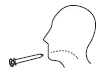
Blue syringe – Single patient, multiple use
Water syringe – Single use only

and do not reuse

Do not use if packaging is damaged

Medical Device

CE conformity mark
Before starting
- Read all sections of the Instructions for Use carefully before using Xarelto for the first time and before administering each dose.
- Watch the educational video accessible via the QR code on the Patient Card provided with this medicine.
- Make sure you understand the instructions before starting. If not, consult your doctor.
- Further information on Xarelto is provided in the Package Leaflet.
Pack contents
Each Xarelto box contains the following components:
1 bottle with child-resistant screw cap containing the granules of
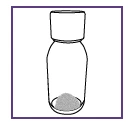
Xarelto
1 packaged syringe for water (single use only)
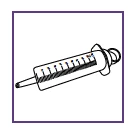
1 packaged bottle adapter
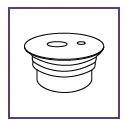
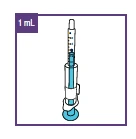
2 packaged 1 mL blue syringes

1 Instructions for Use (IFU) (this document)

1 Package Leaflet
Provides important information about Xarelto.
1 Patient Card
Important information in case of emergency.
Keep it with the patient at all times and present it to every doctor or dentist before treatment.
Caution:
Do not remove individual components from the packaging until instructed to do so.
Do not use Xarelto if any part has been opened or damaged.
Do not use Xarelto after the expiry date stated on the box.
Warnings and precautions
- Use only still drinking water to prepare the suspension, to avoid bubbles. This means you may use either
- fresh tap water or
- still (non-carbonated) mineral water
- It is very important that the exact amount of water is added to the granules in the bottle to ensure the correct concentration of Xarelto.
- Use the water syringe to measure 50 mL of water; see below for further information.
- Measure the amount of water to be added to the bottle very carefully.
- After preparation, the suspension can be used for 14 days if stored at room temperature. Be sure to record the suspension expiry date (preparation date plus 14 days) in the designated field on the bottle label.
- Do not store the suspension above 30 °C. Do not freeze. If the suspension has been refrigerated, allow it to reach room temperature before drawing up the required dose.
- Shake the suspension for initial preparation for at least 60 seconds.
- Shake the suspension in the bottle for at least 10 seconds before each administration.
- It is very important that the prescribed dose of Xarelto is administered.
- Make sure you know the prescribed dose and frequency of administration. Ask your doctor or pharmacist if you are unsure of the prescribed dose and frequency.
- Carefully adjust the blue syringe to the prescribed volume.
- Administer the prescribed dose using the blue syringe. Follow your doctor’s instructions regarding how often the dose should be administered each day.
- Check that there are no air bubbles in the blue syringe before administering the oral suspension.
- If the child repeatedly fails to take the full required dose or spits out part of it, consult your doctor for advice.
- Between administrations, store the oral suspension out of sight and reach of children.
- Keep the Instructions for Use available for reference during continued use of Xarelto.
Use of Xarelto
- Xarelto suspension is for oral use only.
- The volume and frequency of Xarelto administration depend on the child’s body weight and may therefore change if the child receives Xarelto for a prolonged period.
- The child’s doctor will inform you of the correct dose.
- Do not change the dose yourself. Always use the volume prescribed by the child’s doctor and follow the correct dosing instructions recorded in the designated field on the outer box. If this information is not provided, ask the child’s doctor or pharmacist for the relevant details.
- Follow the detailed Instructions for Use provided in the following sections. Adhere strictly to the administration instructions (read the Package Leaflet).
1. Preparation of the oral suspension
Step 1.1: Preparation – Getting ready
The preparation of the suspension must be carried out with each new package.
Before preparing the suspension:
a. Wash hands thoroughly with soap and dry them immediately afterwards.
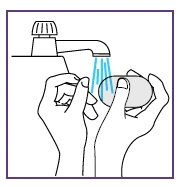
b. Check the expiry date on the label of the carton.
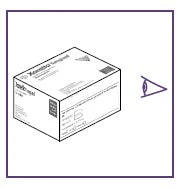
Do not use the medicine if it has expired.
c. Gather the following additional items:
- A container with at least 150 mL of water:
- Either fresh tap water or still (non-carbonated) mineral water
- Water must be at room temperature
- A cloth to wipe off excess water
Step 1.2: Filling with the required volume of water
Each time a new package is started, use only new materials from the new package.
a. Remove the water syringe from its packaging.
b. Immerse the opening of the water syringe into the
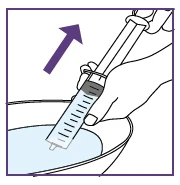
container of water.
c. Draw up more than 50 mL of water.
To do this, pull the plunger towards yourself, making sure
that the opening of the water syringe remains below the water level
at all times. This will prevent air bubbles from entering the
syringe.
d. Remove the syringe from the water.
e. Turn the water syringe so that its opening points
upwards.
→ Any air bubbles will rise to the top when the syringe is held vertically.
Tap the syringe gently with your fingers to help move any air bubbles further upwards.
f. Push the plunger until its upper ring aligns exactly with the 50 mL mark.
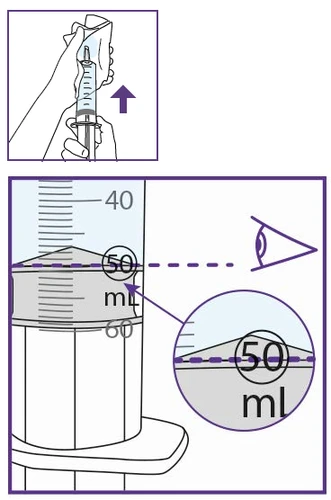
→ When pressing the plunger, water may leak from the tip of the syringe. This water can be wiped off with a cloth.
Caution:
The upper ring of the black plunger must be
precisely aligned with the 50 mL mark to achieve
the correct concentration of the suspension.
g. Keep holding the water syringe with the opening pointing
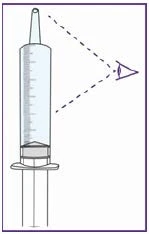
upwards and carefully check the water in the syringe:
- for the correct volume,
- for air bubbles. Small air bubbles are not a problem, but large air bubbles are critical. See below for further instructions on what to do.
h. If the syringe was not filled correctly or
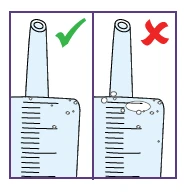
contains too much air:
- Empty the water syringe
- Repeat steps b. through h.
Step 1.3: Adding water to the granules
a. If the granules in the bottle have formed clumps:
- Gently tap the bottle on your hand.
- Be careful as the bottle is made of glass.
b. Unscrew the child-resistant cap from the bottle (press down and turn counterclockwise).
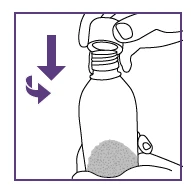
c. Place the water-filled syringe onto the top rim of the bottle opening.
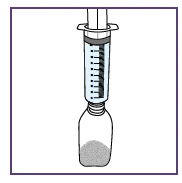
d. Hold the bottle firmly.
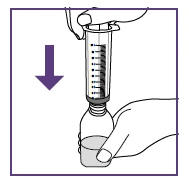
e. Slowly press the plunger down.
The entire volume of water must be transferred into the bottle.
f. Dispose of the water syringe in household waste.
Step 1.4: Inserting the adapter and mixing the oral suspension
The adapter is used to fill the blue syringe with the suspension.
a. Remove the bottle adapter from its packaging.
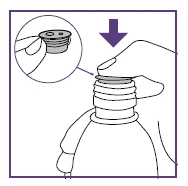
b. Push the adapter fully onto the neck of the bottle.
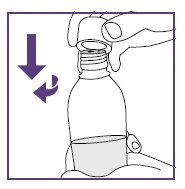
c. Close the bottle securely with the screw cap.
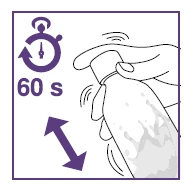
d. Gently shake the bottle for at least 60 seconds.
→ The goal is to create a well-mixed suspension.
e. Check whether the suspension is well mixed:
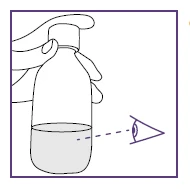
- no clumps
- no sediment. Caution:
For the dose to be accurate, the suspension must not contain
any clumps or sediment.
f. If clumps or sediment are present, repeat steps d. through f.
→ When no clumps or sediment remain, the suspension is ready for use.
Do not add more water to the bottle.
The suspension is stable for 14 days at room temperature.
g. Record the expiry date of the freshly prepared suspension
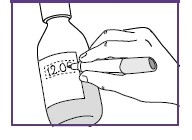
on the label of the bottle.
Date of preparation + 14 days
The image shown is for illustrative purposes only.
2. Setting the prescribed dose with each new blue syringe
An accurate dose of suspension is required to prevent overdose or underdose.
Before drawing the first dose from the vial, the provided blue syringe must be set to the dose
prescribed by the child’s doctor. This information is indicated in the designated area on the carton. If this
information has not been entered, please verify with the child’s doctor or pharmacist.
Once the dose has been set, the same blue syringe can be used for all administrations from the suspension vial
prepared in step 1.
Once the dose has been set on the blue syringe, it can no longer be changed.
The blue syringe is equipped with a scale (mL).
The scale on the 1 mL blue syringe starts at 0.2 mL.
Measurement marks are placed every 0.1 mL.
Note:
Do not remove the removable label until instructed to do so in the
Instructions for Use.
The blue syringe is equipped with a red button to adjust the
volume. This button is initially covered by a removable label.
Pressing the red button sets the syringe volume, which can only be done once.
Do not press the red button until instructed by the Instructions for Use.
Once the red button has been pressed, the volume can no longer be adjusted.
a. Check the dose indicated in the designated field on the outer
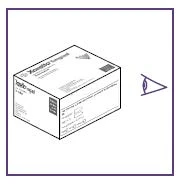
carton.
b. If this information is not available:
Ask the pharmacist or doctor to provide it.
c. Hold the blue syringe with the opening facing upwards.
d. Slowly push the plunger until the upper edge
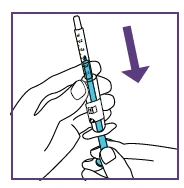
reaches the mark corresponding to the required administration volume.
→ As you move the plunger, you may hear a "click" at each adjustable volume interval.
Caution:
The upper edge of the plunger must be exactly aligned with the correct mark for the required volume.
The figure shown is for illustrative purposes only. The volume may be
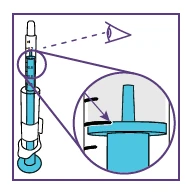
different.
Be careful not to pull the plunger beyond the required volume.
Be careful not to press the label while pulling the plunger.
e. Completely remove the label from the blue syringe.
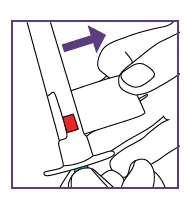
→ The red button for setting the volume is now visible.
f. Check the plunger position again. Ensure that the upper edge of the plunger is exactly aligned with the correct mark for the required volume.
g. If the position of the blue plunger does not match the
required volume:
Adjust it accordingly.
h. If the position of the blue plunger matches the required volume,
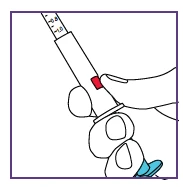
press the red button to lock in the setting.
→ The required dose is now set.
→ A second click will be heard when the red button is pressed.
No further clicks should be heard afterwards.
Caution:
If it is noticed that the wrong dose has been selected (the red button was pressed when the plunger was in the wrong position), use the appropriate spare blue syringe.
Repeat steps a. to h. using a new blue syringe.
i. Push the plunger fully upwards into the blue syringe.
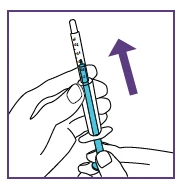
The blue syringe is now ready for use.
3. Administration of the oral suspension
Follow the steps described below each time a dose needs to be administered.
Step 3.1: Mixing the oral suspension
Caution:
Allow the suspension to reach room temperature if it has been stored in the refrigerator.
a. Gently shake the bottle for at least 10 seconds before
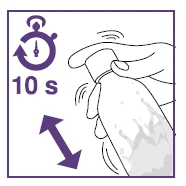
each administration.
→ This is intended to create a well-mixed suspension.
b. Check whether the suspension is well mixed, i.e.:
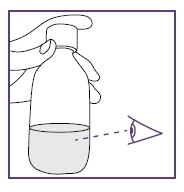
- there are no lumps
- there are no deposits.
c. If lumps or deposits are present: Repeat steps a. and b.
d. Shaking may cause foam to form.
Let the bottle stand until the foam has dissolved.
e. Unscrew the cap, but keep the adapter on the top of the
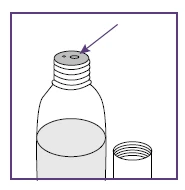
bottle.
Note:
The wider opening visible on the adapter is used to attach the
blue syringe.
The surface of the bottle adapter must be free of
liquid.
f. If there is liquid on the adapter:
Remove the liquid with a clean cloth.
Step 3.2: Drawing up the required dose
a. Keep the bottle upright. Insert the tip of the blue syringe
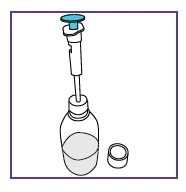
fully into the large opening of the adapter.
b. Invert the bottle.
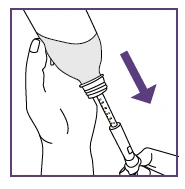
c. Slowly pull back the blue plunger until it stops (i.e., until the prescribed dose has been drawn up).
d. Carefully check that no air is present in the blue syringe.
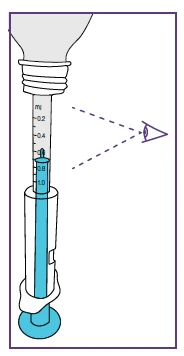
Small air bubbles are not a problem.
e. If larger air bubbles are present:
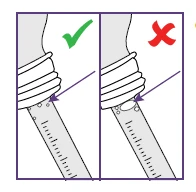
- Return the suspension to the bottle by pushing the plunger back as far as possible into the blue syringe.
- Repeat steps b. to e.
f. Return the bottle to an upright position.
g. Carefully remove the blue syringe from the adapter.
h. Hold the blue syringe upright and check:
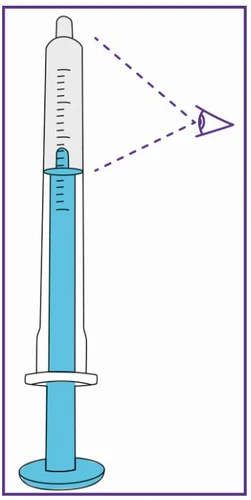
- that the tip of the blue syringe is full
- that the correct dose has been drawn into the blue syringe
- that no large air bubbles are present.
i. If large air bubbles or air are present in the tip:
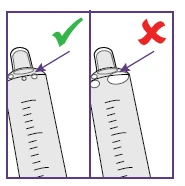
- Reinsert the tip of the blue syringe fully into the large opening of the adapter.
- Return the suspension to the bottle by pushing the plunger back as far as possible into the blue syringe.
- Repeat steps b. to h. until no larger air bubbles are visible.
j. Close the bottle with the screw cap.
Administer the suspension immediately after filling the
blue syringe (Step 3.3).
Step 3.3: Administration of the prescribed dose
a. Place the blue syringe into the patient's mouth.
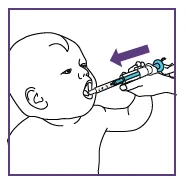
b. Direct the tip toward the cheek to allow for natural swallowing.
c. Push the plunger slowly until it stops (the blue syringe is completely empty).
d. Ensure that the patient swallows the entire dose.
Caution:
The patient must swallow the entire dose of the medicine.
If the dose is not completely swallowed repeatedly, or if the patient vomits, contact the doctor for further instructions.
e. Encourage the patient to drink a typical volume of liquid.
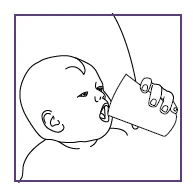
- For a 6-month-old infant, for example, this may be 20 mL.
- This may also include breastfeeding.
4. Cleaning and storage
The blue syringe must be cleaned after each administration.
Follow the steps described below to clean the device. A total of three washing cycles are required to ensure adequate cleaning.
Before starting, for step 4.1 the following materials are needed:
- Two containers (such as a cup or bowl), one filled with drinking water and the other empty
Step 4.1: Cleaning
a. Immerse the tip of the blue syringe into the container with water.
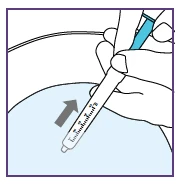
b. Draw water into the syringe until the plunger stops.
c. Empty the blue syringe into the empty container prepared earlier.
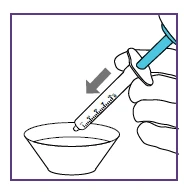
d. Repeat steps a. to c. two more times.
e. After cleaning is complete, push the plunger back until it stops.
f. Wipe the outer surface of the syringe with a clean cloth.
Caution:
- Do not wash the blue syringe in a dishwasher.
- Never boil the blue syringe.
Step 4.2: Storage
Store the blue syringe in a clean and dry place until next use, for example, keep it in the Xarelto box provided.
Keep it protected from sunlight.
Caution:
The blue syringe can be used for up to 14 days.
Store the suspension at a temperature below 30 °C.
Caution:
Do not freeze the suspension.
The prepared suspension is stable for up to 14 days at room temperature (date of preparation plus 14 days).
Keep Xarelto out of the sight and reach of children.
Store the prepared suspension in an upright position.
5. Disposal
Unused medicine and waste materials, such as syringes and adapter, must be disposed of in accordance with local regulations.
6. Damage/Malfunctions
Any serious incident occurring in connection with the product must be reported to the manufacturer and to the competent authority of the country.
Instructions for use (IFU)
Instructions for use
Xarelto 1 mg/mL
Bottle with 5.25 g of granules for the preparation of an oral suspension
Active substance: Rivaroxaban
Preparation and administration of the oral suspension (granules-water mixture)
Glossary and symbols
- Granules: powder (supplied in the bottle) containing the active substance
- Water syringe: 100 mL syringe used to measure and add 100 mL of water to the bottle containing Xarelto granules.
- Suspension: granules-water mixture (for oral use)
- Blue syringe: syringe with blue plunger for withdrawing and administering Xarelto orally.

Caution: refer to the Instructions for Use for information on warnings and precautions.

Refer to the Instructions for Use (IFU).

Protect from sunlight

Keep dry

Manufacturer

Date of manufacture
Expiry date
Catalogue number

Batch number
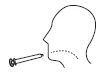
For oral use only
Blue syringe – Single patient, multiple use
Water syringe – single use only

and do not reuse

Do not use if packaging is damaged

Medical Device

CE conformity mark
Before starting
- Read all sections of the Instructions for Use carefully before using Xarelto for the first time and before administering each dose.
- Watch the educational video accessible via the QR code on the Patient Card provided with this medicine.
- Make sure you understand the instructions before starting. If not, consult your doctor.
- Further information about Xarelto is provided in the Package Leaflet.
Pack contents
Each Xarelto box contains the following components:
1 bottle with child-resistant screw cap containing the granules of
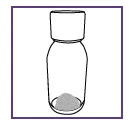
Xarelto.
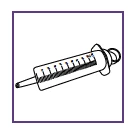
1 packaged syringe for water (single use only)
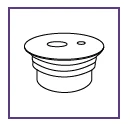
1 packaged bottle adapter
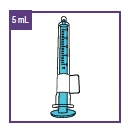
2 packaged 5 mL blue syringes
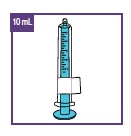
2 packaged 10 mL blue syringes

1 Instructions for Use (IFU) (this document)

1 Package Leaflet
Provides important information about Xarelto.
1 Patient Card
Important information in case of emergency.
Keep it with the patient at all times and present it to every doctor or dentist before treatment.
Caution:
Do not remove individual components from their packaging until instructed to do so.
Do not use Xarelto if any part has been opened or damaged.
Do not use Xarelto after the expiry date stated on the box.
Warnings and precautions
- Use only still drinking water to prepare the suspension to avoid bubbles. This means you may use either
- fresh tap water or
- still mineral water
- It is very important that the exact amount of water is added to the granules in the bottle to ensure the correct concentration of Xarelto.
- Use the water syringe to measure 100 mL of water; see below for further information.
- Measure the amount of water to be added to the bottle very carefully.
- After preparation, the suspension can be used for 14 days if stored at room temperature. Be sure to record the suspension's expiry date (date of preparation plus 14 days) in the designated space on the bottle label.
- Do not store the suspension at temperatures above 30 °C. Do not freeze. If the suspension has been refrigerated, allow it to reach room temperature before drawing up the required dose.
- Shake the suspension for initial preparation for at least 60 seconds.
- Shake the suspension in the bottle for at least 10 seconds before each administration.
- It is very important that the prescribed dose of Xarelto is administered.
- Make sure you know the prescribed dose and dosing frequency. Ask your doctor or pharmacist if you are unsure of the prescribed dose and frequency.
- Carefully adjust the blue syringe to the prescribed volume.
- Administer the prescribed dose using the blue syringe. Follow your doctor’s instructions regarding how often the dose should be administered each day.
- Check that there are no air bubbles in the blue syringe before administering the oral suspension.
- If the child repeatedly fails to take the full required dose or spits out part of it, consult your doctor for advice.
- Between doses, store the oral suspension out of sight and reach of children.
- Keep the Instructions for Use available for reference during continued use of Xarelto.
Use of Xarelto
- Xarelto suspension is for oral use only.
- The volume and frequency of Xarelto administration depend on the child’s weight and may therefore change if the child receives Xarelto for a prolonged period.
- The child’s doctor will inform you of the correct dose and dosing frequency.
- Do not change the dose on your own.
- Always use the volume prescribed by the child’s doctor and follow the correct dose and dosing frequency stated in the designated field on the outer box. If this information is not provided, ask the child’s pharmacist or doctor for the relevant details.
- Follow the detailed Instructions for Use provided in the following sections. Adhere strictly to the administration instructions (read the package leaflet).
1. Preparation of the oral suspension
Step 1.1: Preparation – Getting ready
The preparation of the suspension must be performed with each new package.
Before preparing the suspension:
a. Wash your hands thoroughly with soap and dry them immediately afterwards.
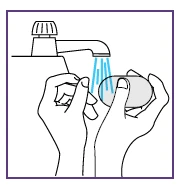
b. Check the expiry date on the label of the carton.
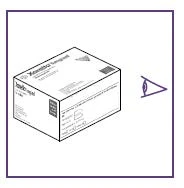
Do not use the medicine if it has expired.
c. Gather the following additional items:
- A container with at least 150 mL of water:
- Either fresh tap water or still (non-carbonated) mineral water
- The water must be at room temperature
- A cloth to wipe off excess water
Step 1.2: Filling with the required volume of water
Each time a new package is started, use only new materials provided in the new package.
a. Remove the water syringe from its packaging.
b. Immerse the tip of the water syringe into the
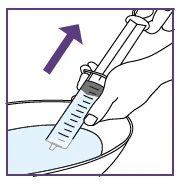
container of water.
c. Draw up more than 100 mL of water.
To do this, pull the plunger towards yourself, and ensure that the tip of the water syringe remains under the water surface at all times. This will prevent air bubbles from entering the syringe.
d. Remove the syringe from the water.
e. Turn the water syringe so that the tip points upward.
→ Any air bubbles will rise to the top when the syringe is held vertically.
Tap the syringe gently with your fingers to help any air bubbles move further upwards.
f. Push the plunger until the upper edge of the black plunger
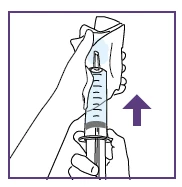
aligns with the 100 mL mark.
→ When pressing the plunger, water may escape from the tip of the syringe. This water can be wiped off with a cloth.
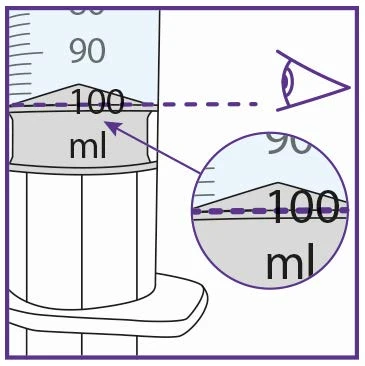
Caution:
The upper edge of the black plunger must be exactly aligned with the 100 mL mark to achieve the correct concentration of the suspension.
g. Keep holding the water syringe with the tip pointing upward and carefully check the water in the syringe:
- for the correct volume,
- for air bubbles. Small air bubbles are not a problem, but large air bubbles are critical. See below for further instructions on what to do.
h. If the syringe has not been filled correctly or
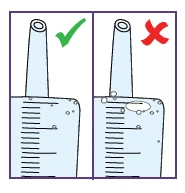
contains too much air:
- Empty the water from the syringe
- Repeat steps b. to h.
Step 1.3: Adding water to the granules
a. If the granules in the bottle have formed clumps:
- Gently tap the bottle on your hand.
- Be careful as the bottle is made of glass.
b. Unscrew the child-resistant cap of the bottle (press down and turn counterclockwise).
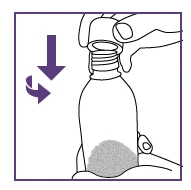
c. Place the syringe filled with water onto the top rim of the bottle opening.
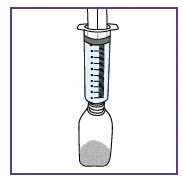
d. Hold the bottle firmly.
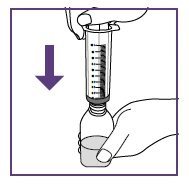
e. Slowly push the plunger down.
The entire volume of water must be transferred into the bottle.
f. Dispose of the water syringe in household waste.
Step 1.4: Inserting the adapter and mixing the oral suspension
The adapter is used to fill the blue syringe with the suspension.
a. Remove the bottle adapter from its packaging.
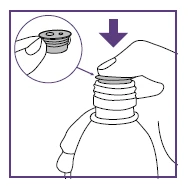
b. Fully push the adapter into the neck of the bottle.
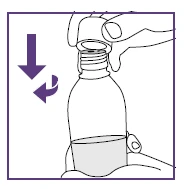
c. Close the bottle securely with the screw cap.
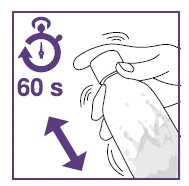
d. Gently shake the bottle for at least 60 seconds.
→ The goal is to create a well-mixed suspension.
e. Check whether the suspension is well mixed:
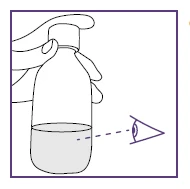
- no clumps
- no sediment. Caution:
For the dose to be accurate, the suspension must not contain any clumps or sediment.
f. If there are clumps or sediment, repeat steps d. to f.
→ When no clumps or sediment remain, the suspension is ready for use.
Do not add any more water to the bottle.
The suspension is stable for 14 days at room temperature.
g. Record the expiry date of the freshly prepared suspension
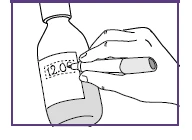
on the label of the bottle:
Date of preparation + 14 days
The image shown is for illustrative purposes only.
2. Setting the prescribed dose with each new blue syringe
An accurate dose of suspension is required to prevent overdose or underdose.
Before drawing the first dose from the vial, the provided blue syringe must be set to the dose
prescribed by the child’s doctor. This information is indicated in the designated area on the carton. If this
information has not been entered, please check with the child’s doctor or pharmacist.
After setting the dose, the same blue syringe can be used for all administrations from the suspension vial
prepared in Step 1.
Once the dose has been set on the blue syringe, it cannot be changed.
Step 2.1: Selecting the appropriate blue syringe
This package contains administration devices with different capacities:
5 mL blue syringes for doses from 1 mL to 5 mL
10 mL blue syringes for doses from 5 mL to 10 mL
a. Select the appropriate blue syringe based on the dose prescribed by
the child’s doctor.
Other blue syringes are not needed.
b. Remove the blue syringe from its packaging.
Note:
Do not remove the removable label until instructed to do so in the Instructions for Use.
The blue syringe is equipped with a red button to adjust the volume.
This button is initially covered by the removable label.
Pressing the red button sets the syringe volume, which can only be done once.
Do not press the red button until instructed by the Instructions for Use.
Once the red button has been pressed, the volume can no longer be adjusted.
Step 2.2: Setting the required dose on a new blue syringe
The blue syringe is equipped with a scale (mL).
The scale on the 5 mL blue syringe starts at 1 mL. Graduations are marked every 0.2 mL.
The scale on the 10 mL blue syringe starts at 2 mL. Graduations are marked every 0.5 mL.
a. Check the dose indicated in the designated field on the outside of the carton.
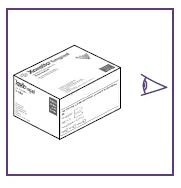
Note:
Use the 10 mL blue syringe for prescribed doses greater than 10 mL as follows:
Dose of 15 mL: blue syringe 2 x 7.5 mL
Dose of 20 mL: blue syringe 2 x 10 mL
b. If this information is not available:
Ask the pharmacist or doctor to provide it.
c. Hold the blue syringe with the opening facing upwards.
d. Push the plunger slowly until the upper edge reaches the mark corresponding to the required dose volume.
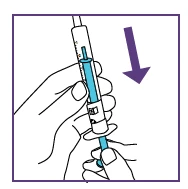
→ While moving the plunger, you may hear a "click" at each adjustable volume interval.
Caution:
The upper edge of the plunger must be exactly aligned with the correct mark for the required dose volume.
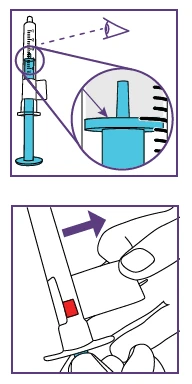
The figure shown is for illustrative purposes only. The volume may differ.
Be careful not to pull the plunger beyond the required dose volume.
Be careful not to press the label while pulling the plunger.
e. Remove the blue syringe label completely.
→ The red button for setting the volume is now visible.
f. Check the plunger position again. Ensure that the upper edge of the plunger is exactly aligned with the correct mark for the required dose volume.
g. If the blue plunger position does not match the required volume:
Adjust it accordingly.
h. If the blue plunger position matches the required volume, press the red button to lock the setting.
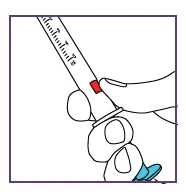
→ The required dose is now set.
→ When pressing the red button, a second click will be heard.
→ No further clicks should be heard afterwards.
Caution:
If it is noticed that the wrong dose has been selected (the red button was pressed when the plunger was in the wrong position), use the appropriate spare blue syringe.
Repeat steps a. to h. with a new blue syringe.
i. Push the plunger fully upwards into the blue syringe.
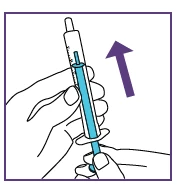
The blue syringe is now ready for use.
3. Administration of the oral suspension
Follow the steps described below every time a dose is to be administered.
Step 3.1: Mixing the oral suspension
Caution:
Allow the suspension to reach room temperature if it has been stored in the refrigerator.
a. Gently shake the bottle for at least 10 seconds before
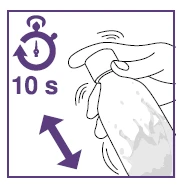
each administration.
→ This is intended to create a well-mixed suspension.
b. Check whether the suspension is well mixed, i.e.:
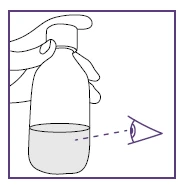
- there are no lumps
- there are no deposits. c. If lumps or deposits are present: Repeat steps a. and b.
d. Shaking may cause foam to form.
Let the bottle stand until the foam has dissolved.
e. Unscrew the bottle cap, but keep the adapter on the top
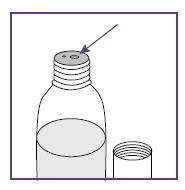
of the bottle.
Note:
The wider opening visible on the adapter is used to attach the
blue syringe.
The surface of the bottle adapter must be free of liquid.
f. If liquid is present on the adapter:
Remove the liquid with a clean cloth.
Step 3.2: Aspirating the required dose
a. Keep the bottle in an upright position. Insert the tip of the blue syringe fully into the large opening of the adapter
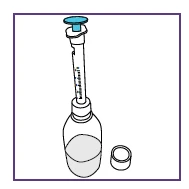
b. Invert the bottle.
c. Pull the blue plunger slowly until it stops (i.e.,
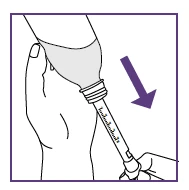
until the set dose is reached).
d. Carefully check that no air is present in the blue syringe.
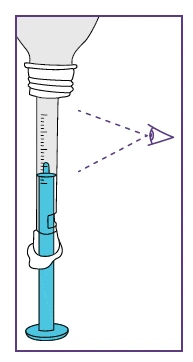
Small air bubbles are not a problem.
e. If larger air bubbles are present:
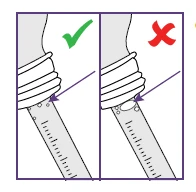
- Return the suspension to the bottle by pushing the plunger back as far as possible into the blue syringe.
- Repeat steps b. to e. f. Return the bottle to the upright position. g. Carefully remove the blue syringe from the adapter.
h. Hold the blue syringe vertically and check:
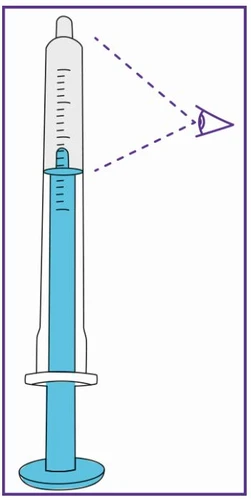
- that the tip of the blue syringe is filled
- that the correct dose has been drawn into the blue syringe
- that no large air bubbles are present.
i. If large air bubbles or air are present in the tip:
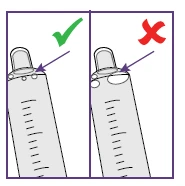
- Reinsert the tip of the blue syringe fully into the large opening of the adapter.
- Return the suspension to the bottle by pushing the plunger back as far as possible into the blue syringe.
- Repeat steps b. to h. until no more large air bubbles are visible.
j. Close the bottle with the screw cap.
Administer the suspension immediately after filling the blue syringe (step 3.3).
Step 3.3: Administration of the prescribed dose
a. Place the blue syringe into the patient’s mouth.
b. Direct the tip toward the cheek to allow natural swallowing.
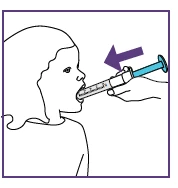
c. Push the plunger slowly until it stops (the blue syringe is
completely empty).
d. Ensure that the patient swallows the entire dose.
Caution:
The patient must swallow the entire dose of the medicine.
If the dose is not repeatedly swallowed completely, or if the
patient vomits, contact the doctor for further instructions.
e. Encourage the patient to drink a typical volume of liquid.
- For a 6-month-old infant, for example, this may be 20 mL.
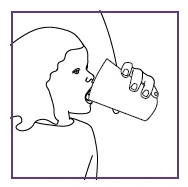
- Breastfeeding may also be used.
- For an adolescent, the volume may be up to 240 mL.
4. Cleaning and storage
The blue syringe must be cleaned after each administration.
Follow the steps described below to clean the device. A total of three washing cycles are required to
ensure adequate cleaning.
Before starting, for step 4.1 the following materials are needed:
- Two containers (such as a cup or bowl), or one container filled with drinking water, and the other container empty
Step 4.1: Cleaning
a. Immerse the tip of the blue syringe into the container of water.
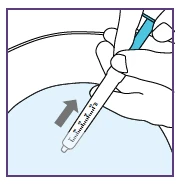
b. Draw water into the syringe until the plunger stops.
c. Empty the blue syringe into the empty container prepared.
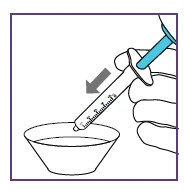
d. Repeat steps a. to c. two more times.
e. After cleaning is complete, push the plunger back until it stops.
f. Wipe the outer surface of the syringe with a clean cloth.
Caution:
- Do not wash the blue syringe in a dishwasher.
- Never boil the blue syringe.
Step 4.2: Storage
Store the blue syringe in a clean and dry place until next use, e.g., keep it in the Xarelto box provided.
Keep it protected from sunlight.
Caution:
The blue syringe can be used for up to 14 days.
Store the suspension at a temperature below 30 °C.
Caution:
Do not freeze the suspension.
The prepared suspension is stable for up to 14 days (date of preparation plus 14 days) at room temperature.
Keep Xarelto out of the sight and reach of children.
Store the prepared suspension in an upright position.
5. Disposal
Unused medicine and waste materials, such as syringes and adapter, must be disposed of in accordance with local regulations.
6. Damage/Malfunctions
Any serious incident occurring in relation to the product must be reported to the manufacturer and to the competent authority of the country.