Voltfast
Italy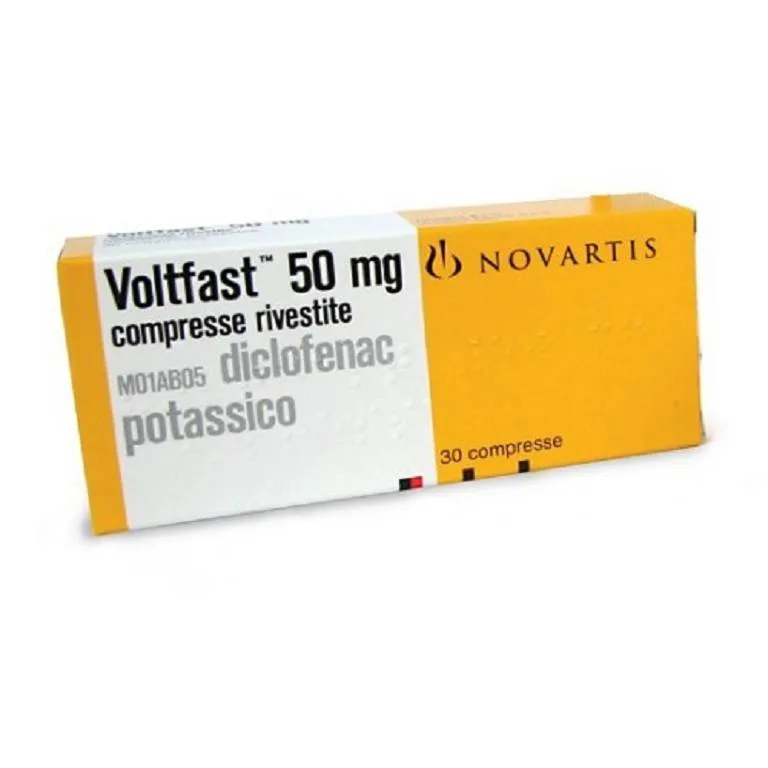
Table of Contents
- Package leaflet: Information for the patient
- Voltfast 25 mg film-coated tablets, 50 mg film-coated tablets
- 1. What Voltfast is and what it is used for
- 2. What you need to know before taking Voltfast
- 3. How to take Voltfast
- 4. Possible side effects
- 5. How to store Voltfast
- 6. Package contents and other information
- Patient Information Leaflet
- Voltfast 50 mg granules for oral solution
- 1. What Voltfast is and what it is used for
- 2. What you should know before taking Voltfast
- 3. How to take Voltfast
- 4. Possible side effects
- 5. How to store Voltfast
- 6. Package contents and other information
Package leaflet: Information for the patient
Voltfast 25 mg film-coated tablets, 50 mg film-coated tablets
diclofenac potassium
Please read all of this leaflet carefully before you start taking this medicine, as it contains important information for you.
- Keep this leaflet. You may need to read it again.
- If you have any questions, ask your doctor or pharmacist.
- This medicine has been prescribed for you only. Do not give it to other people, even if their symptoms are the same as yours, as it could be harmful.
- If you experience any side effects, including those not listed in this leaflet, inform your doctor or pharmacist. See section 4.
Contents of this leaflet:
- What Voltfast is and what it is used for
- What you need to know before taking Voltfast
- How to take Voltfast
- Possible side effects
- How to store Voltfast
- Contents of the pack and other information
1. What Voltfast is and what it is used for
Voltfast contains the active substance potassium diclofenac, which belongs to the class of medicines known as non-steroidal anti-inflammatory drugs (NSAIDs). These medicines, including potassium diclofenac, are used to reduce pain and inflammation.
Voltfast is used in adults and adolescents aged 14 years and older for:
- short-term treatment of painful conditions associated with inflammation, following surgical procedures and trauma, or pain related to menstruation
- recurrence of rheumatic-type bone and joint pain.
2. What you need to know before taking Voltfast
Do not take Voltfast
- if you are allergic (hypersensitive) to diclofenac or to any of the other ingredients of this medicine (listed in section 6)
- if you have ever had an allergic reaction after taking medicines used to treat inflammation, pain, or fever, such as acetylsalicylic acid (aspirin), diclofenac, or ibuprofen. Reactions may include: asthma, runny nose, skin redness, swelling of the face, lips, tongue, throat and/or extremities (signs of angioedema), chest pain. If you think you may be allergic, consult your doctor.
- if you have a stomach or intestinal ulcer, bleeding, or perforation
- if you currently have bleeding or a tendency to bleed
- if you have had stomach or intestinal bleeding (haemorrhage) or perforation caused by taking NSAIDs
- if you have had two or more separate episodes of stomach or duodenal ulcer, or gastrointestinal bleeding
- if you have had liver problems
- if you have severe liver problems (hepatic failure)
- if you have severe kidney problems (renal failure)
- if you suffer from heart disease (established cardiopathy) and/or cerebrovascular disease (cerebral vasculopathy), for example, if you have had a heart attack, stroke, mini-stroke (TIA), or a blockage in blood vessels supplying the heart or brain, or undergone surgery to remove or prevent such blockages
- if you have or have had problems with blood circulation in the arteries (peripheral arterial disease)
- if you have a disorder in blood cell production
- if you are taking high doses of medicines that increase urine production (diuretics) (see "Other medicines and Voltfast")
- if you are in the third trimester of pregnancy (see section "Pregnancy, breastfeeding and fertility")
- if you are breastfeeding (see section "Pregnancy, breastfeeding and fertility")
Voltfast must not be used in children and adolescents under 14 years of age.
Warnings and precautions
Talk to your doctor before taking Voltfast:
- if you have asthma
- if you have seasonal allergic rhinitis, nasal mucosa swelling (e.g. nasal polyps)
- if you have chronic obstructive pulmonary disease (COPD) or chronic respiratory tract infections
- if you have liver problems (e.g. hepatic failure, hepatitis)
- if you have hepatic porphyria
- if you have intestinal diseases such as ulcerative colitis or Crohn’s disease, as these conditions may worsen
- if you have kidney problems (e.g. renal hypoperfusion, renal failure)
- if you are using medicines that increase urine production (diuretics) or other medicines that may affect kidney function
- if you have reduced body fluid volume (e.g. before or after major surgery)
- if you are undergoing or have recently undergone major surgery
- if you have blood clotting disorders (coagulation defects)
- if you have or have had high blood pressure, heart or brain problems (e.g. congestive heart failure, established cardiopathy, peripheral arterial disease and/or stroke), or other risk factors for adverse cardiovascular events (e.g. diabetes, smoking, etc.)
- if you have stomach or intestinal problems (e.g. ulcer), or have had stomach or intestinal ulcers, bleeding, or perforation
- if you are planning a pregnancy, as Voltfast may interfere with fertility
- if you are taking medicines that may increase the risk of bleeding, ulceration, and perforation, such as acetylsalicylic acid (e.g. aspirin), oral, injectable, or rectal corticosteroids (e.g. cortisone), anticoagulants (e.g. warfarin), selective serotonin reuptake inhibitors (antidepressants) (see section "Other medicines and Voltfast").
- Inform your doctor if you have recently undergone or are about to undergo surgery on the stomach or intestinal tract before taking Voltfast, as Voltfast may occasionally impair wound healing in the intestine following surgery.
Before taking Voltfast, ensure your doctor knows:
- If you smoke
- If you have diabetes
- If you suffer from angina, blood clots, high blood pressure, high cholesterol, or high triglycerides. Side effects can be minimized by using the lowest effective dose for the shortest duration necessary (see section 3 "How to take Voltfast").
Take special care
- Medicines like Voltfast may be associated with a small increased risk of heart attack (myocardial infarction) or stroke. The risk increases with higher doses and prolonged treatment. Do not exceed the recommended dose or treatment duration.
- Avoid using diclofenac during treatment with other NSAIDs taken orally, by injection, or rectally, including selective cyclooxygenase-2 inhibitors, as this increases the likelihood of side effects.
- Voltfast is an anti-inflammatory medicine and may therefore reduce or mask symptoms of infection. Your doctor will monitor you closely and periodically reassess the need for treatment with Voltfast. Your doctor may also arrange periodic tests to evaluate your health during Voltfast treatment.
Take special care and inform your doctor if:
- At any time during treatment with NSAIDs, including diclofenac, gastrointestinal bleeding, ulceration, or perforation occurs, which may even be fatal. Your doctor will prescribe the lowest effective dose of diclofenac to reduce the risk of gastrointestinal toxicity and may also prescribe protective medicines (e.g. misoprostol or proton pump inhibitors) to protect the gastrointestinal mucosa.
- You develop skin reactions, even severe ones, as very rare but serious skin reactions, some of which have been fatal, have been reported. These include redness, blistering, and skin peeling (e.g. exfoliative dermatitis, Stevens-Johnson syndrome, and toxic epidermal necrolysis). Patients appear to be at higher risk during the early stages of therapy: such reactions usually occur within the first month of treatment.
In these cases, your doctor will assess whether to continue or discontinue treatment with Voltfast.
Stop treatment and contact your doctor if:
- You experience any unusual symptoms in your stomach or intestines, especially at the beginning of treatment with Voltfast
- You develop a skin rash, mucosal lesions, or any other sign of an allergic reaction (e.g. redness, itching, swelling of the face and throat, sudden drop in blood pressure).
Children and adolescents
Voltfast must not be used in children and adolescents under 14 years of age.
Elderly patients
Elderly patients have a higher likelihood of experiencing adverse reactions, especially stomach or intestinal bleeding and perforation, which are usually more severe and may be fatal.
If you are elderly, particularly if you are frail and underweight, your doctor will prescribe the lowest dose of Voltfast.
As a precaution, your doctor may monitor your kidney function and prescribe medicines that protect the gastrointestinal mucosa, such as misoprostol or proton pump inhibitors.
Inform your doctor of any unusual symptoms in your stomach or intestines, especially at the beginning of treatment with this medicine.
Other medicines and Voltfast
Inform your doctor or pharmacist if you are taking, have recently taken, or might take any other medicines.
Your doctor will monitor blood levels of the following medicines, as co-administration with Voltfast increases their blood concentrations:
- lithium (a medicine used to treat certain types of depression)
- digoxin (a medicine for heart problems)
- methotrexate (a medicine for certain types of inflammation and cancer)
- phenytoin (a medicine for epilepsy).
Your doctor will monitor you closely and carefully evaluate the co-administration of the following medicines with Voltfast, especially if you are elderly, as co-administration with Voltfast may reduce their blood pressure-lowering effects:
- diuretics (medicines that increase urine production)
- beta-blockers, angiotensin-converting enzyme (ACE) inhibitors (medicines used to lower blood pressure).
Take special care and inform your doctor if you need to take Voltfast while already taking one or more of the following medicines.
Your doctor will monitor you and may arrange tests.
- ACE inhibitors and angiotensin II antagonists (medicines to lower blood pressure) and if you have kidney problems
- medicines known as potassium-sparing agents (e.g. spironolactone) used to lower blood pressure
- other NSAIDs (anti-inflammatory medicines)
- corticosteroids (medicines used to treat inflammatory diseases and immune system disorders)
- anticoagulants (blood thinners)
- antiplatelet agents (medicines used to prevent blood clots)
- anxiolytics or antidepressants known as serotonin reuptake inhibitors
- medicines for diabetes
- cyclosporine, tacrolimus (immunosuppressants used to modify the body’s immune response)
- trimethoprim (an antibiotic)
- quinolone antibiotics (medicines used to treat certain bacterial infections)
- colestipol, cholestyramine (medicines used to lower cholesterol, treat liver problems, and Crohn’s disease), as they may delay or reduce diclofenac absorption. Your doctor will advise when to take these medicines; generally, diclofenac should be taken 1 hour before or 4–6 hours after colestipol or cholestyramine
- rifampicin (an antibiotic used to treat bacterial infections), as it may reduce diclofenac absorption
- other medicines that may increase diclofenac blood levels, e.g. sulfinpyrazone (used to treat gout) and voriconazole (used to treat fungal infections).
Pregnancy, breastfeeding and fertility
If you are pregnant, suspect you may be pregnant, planning a pregnancy, or breastfeeding, consult your doctor or pharmacist before taking this medicine.
Pregnancy
Voltfast must not be used during the first and second trimesters of pregnancy unless strictly necessary. If you wish to become pregnant or are in the first or second trimester and need to use Voltfast, your doctor will prescribe the lowest dose of diclofenac for the shortest possible time.
Do not take Voltfast during the last three months of pregnancy, as it may harm the fetus or cause problems during delivery. It may cause kidney and heart problems in the fetus. It may affect your and your baby’s tendency to bleed and delay or prolong labour beyond normal. You should not take Voltfast during the first six months of pregnancy unless absolutely necessary and under medical advice.
If treatment is required during this period or during attempts to conceive, the lowest possible dose for the shortest possible time should be used. From the 20th week of pregnancy, Voltfast may cause fetal kidney problems if taken for more than a few days, reducing the levels of amniotic fluid surrounding the baby (oligohydramnios) or causing narrowing of a blood vessel (ductus arteriosus) in the baby’s heart. If treatment is needed for more than a few days, your doctor may recommend additional monitoring.
Voltfast must not be used during the third trimester of pregnancy as it may cause serious harm to both mother and baby.
Breastfeeding
Do not use Voltfast if you are breastfeeding, as it may cause adverse effects in the breastfed infant.
Fertility
As with other NSAIDs, Voltfast may make it more difficult to conceive. Inform your doctor if you have difficulty conceiving.
Driving and using machines
Voltfast may cause visual disturbances, dizziness, vertigo, drowsiness, or other nervous system disturbances.
If you experience these symptoms, avoid driving or operating machinery.
Voltfast contains sucrose
The coated tablets contain sucrose. If your doctor has diagnosed you with an intolerance to certain sugars, contact him/her before taking this medicine.
This medicine contains less than 1 mmol (23 mg) of sodium per vial, i.e. essentially ‘sodium-free’.
3. How to take Voltfast
Take this medicine exactly as directed by your doctor or pharmacist. If you have
any doubts, consult your doctor or pharmacist.
Voltfast coated tablets should be swallowed whole with some liquid and must not be
crushed, split, or chewed.
Use in adults
Treatment of painful conditions following surgical procedures and trauma, and treatment of recurrent bone and joint pain of rheumatic type
The recommended initial dose ranges from 100 to 150 mg per day, divided into 2–3 doses taken throughout the day.
In mild cases, the recommended dose is 50–100 mg per day.
Your doctor will determine how much Voltfast you should take and for how long.
Treatment of pain associated with menstruation (dysmenorrhoea)
The recommended dose is 50–150 mg per day, but should be adjusted individually for each patient.
If necessary, the dose may be increased during subsequent menstrual cycles, up to a maximum of 200 mg per day.
Begin treatment when the first symptoms appear and continue for a few days depending on your symptoms.
Use in adolescents aged 14 years and older
Voltfast must not be used in children and adolescents under 14 years of age.
The recommended dose ranges from 50 to 100 mg per day, divided into 2–3 doses.
The maximum daily dose of 150 mg must not be exceeded.
Use in the elderly
Dosage adjustment of diclofenac is not required in the elderly.
If you take more Voltfast than you should
If you take more Voltfast than you should, you may experience the following symptoms: nausea, vomiting, gastrointestinal bleeding, diarrhoea, dizziness, tinnitus (ringing or buzzing in the ears), or seizures. In more severe cases, serious kidney and liver damage may also occur (symptoms include difficulty urinating or increased urination, muscle cramps, fatigue, swelling of the hands, feet, or face, nausea or vomiting, yellowing of the skin (jaundice)).
If you accidentally ingest an excessive dose of Voltfast, contact your doctor immediately or go to the nearest hospital, as appropriate measures may be required (e.g. activated charcoal, gastric lavage).
If you forget to take Voltfast
Do not take a double dose to make up for a missed dose.
If you have any questions about the use of this medicine, consult your doctor or pharmacist.
4. Possible side effects
Like all medicines, this medicine can cause side effects, although not everyone experiences them.
Some side effects may be serious.
Stop taking Voltfast and inform your doctor immediately if you notice:
- severe allergic reactions, including: swelling (angioedema) of the face, throat or tongue, difficulty breathing, shortness of breath, skin rash possibly with sudden drop in blood pressure (anaphylactic and anaphylactoid reactions);
- stomach or intestinal pain or burning due to ulcer or perforation;
- any symptoms of bleeding in the stomach or intestines (gastrointestinal haemorrhage), such as blood in the stool during bowel movement (haemorrhagic diarrhoea), black-coloured stools (melena), blood in vomit (haematemesis);
- severe skin rashes, redness and pain, blistering or peeling of the skin (e.g. Stevens-Johnson syndrome, toxic epidermal necrolysis, exfoliative dermatitis);
- liver problems, yellowing of the skin or whites of the eyes (jaundice), possible signs of liver failure or necrosis or hepatitis (including fulminant hepatitis);
- unusual changes in the amount and/or appearance of urine produced: presence of blood in the urine (haematuria), which may indicate serious kidney problems (papillary necrosis, nephrotic syndrome), inflammation of the kidney (interstitial nephritis), changes in kidney function (acute renal failure), loss of protein in the urine (proteinuria);
- heart attack (myocardial infarction) or stroke, high blood pressure (hypertension), reduced heart function (heart failure), palpitations, chest pain, inflammation of blood vessels (vasculitis);
- inflammation of the meninges (aseptic meningitis), presenting with neck stiffness, headache, nausea, vomiting, fever or confusion and extreme sensitivity to light;
- mild cramps and abdominal tenderness occurring shortly after starting treatment with Voltfast, followed by rectal bleeding or bloody diarrhoea usually within 24 hours of onset of abdominal pain (frequency not known, cannot be estimated from available data).
Common side effects (may affect up to 1 in 10 people)
- headache, dizziness
- vertigo
- nausea, vomiting
- diarrhoea, passing gas (flatulence)
- digestive problems (dyspepsia), abdominal pain
- loss of appetite, abnormal blood test results (increase in certain liver enzymes: transaminases)
- skin rash
Uncommon side effects (may affect up to 1 in 100 people)
- awareness of your heartbeat (palpitations), chest pain, heart problems (heart failure), heart attack
Rare side effects (may affect up to 1 in 1,000 people)
- allergic reactions (hypersensitivity), severe allergic reactions (anaphylaxis) including hypotension and collapse
- drowsiness
- asthma, difficulty breathing (dyspnoea)
- inflammation of the stomach (gastritis), bleeding from the stomach or intestines, vomiting blood, stomach or intestinal ulcer with or without bleeding and perforation
- diarrhoea accompanied by bleeding, blood in the stools
- inflammation of the liver (hepatitis), yellowing of the skin, mucous membranes and eyes (jaundice), liver disorders
- urticaria
- swelling due to fluid accumulation (oedema)
If you experience any of these side effects, inform your doctor immediately.
Very rare side effects (may affect up to 1 in 10,000 people)
- blood cell abnormalities: low platelet count (thrombocytopenia), reduced white blood cell count (leucopenia), reduced red blood cell count (anaemia, including haemolytic and aplastic anaemia), low granulocyte count (agranulocytosis), presence of blood in the urine (haematuria), presence of protein in the urine (proteinuria)
- allergic reaction with rapid swelling of the skin and mucous membranes (angioneurotic oedema), including facial oedema
- confusion, depression, insomnia, nightmares, irritability, severe mental disturbances (delirium, hallucinations)
- memory impairment, seizures, anxiety, tremors
- tingling (paraesthesia)
- taste disturbances
- cerebrovascular events
- inflammation of the membranes covering the brain (aseptic meningitis), damage to blood vessels in the brain
- vision disorders, blurred vision, double vision
- ringing or buzzing in the ears, worsening of hearing
- high blood pressure, inflammation of blood vessels (vasculitis)
- pneumonia
- inflammation of the colon (colitis), including colitis with bleeding and worsening of ulcerative colitis or Crohn's disease
- constipation
- inflammation of the mouth lining (stomatitis), including stomatitis with ulcers, inflammation of the tongue (glossitis)
- oesophageal problems, intestinal narrowing
- inflammation of the pancreas (pancreatitis)
- very severe and sudden form of hepatitis (fulminant hepatitis), liver necrosis, impaired liver function (liver failure)
- skin lesions after sun exposure (photosensitivity reaction), such as blister formation (bullous eruption), redness (eczema, erythema, erythema multiforme), or red-purple spots (purpura, allergic purpura)
- itching
- hair loss
- kidney problems such as acute renal failure, nephrotic syndrome, interstitial nephritis, renal papillary necrosis.
Side effects with frequency not known
- chest pain, which may be a sign of a potentially serious allergic reaction called Kounis syndrome
Reporting of side effects
If you experience any side effect, including those not listed in this leaflet, talk to your doctor or pharmacist. You can also report side effects directly via the national reporting system at https://www.aifa.gov.it/content/segnalazioni-reazioni-avverse .
By reporting side effects, you can help provide more information on the safety of this medicine.
5. How to store Voltfast
Keep this medicine out of the sight and reach of children.
Store below 30°C. Keep the blister in the outer packaging to protect the medicine from moisture.
Do not use this medicine after the expiry date stated on the packaging after Exp.. The expiry date refers to the last day of that month. This date applies to the product in its original, undamaged packaging and correctly stored.
Do not dispose of any medicine via wastewater or household waste. Ask your pharmacist how to dispose of medicines you no longer use. This will help protect the environment.
6. Package contents and other information
What Voltfast contains
- The active substance is potassium diclofenac. Each coated tablet contains 25 mg or 50 mg of potassium diclofenac.
- The other components are magnesium stearate, povidone, anhydrous colloidal silica, sodium carboxymethylstarch (type A), maize starch, calcium phosphate, microcrystalline cellulose, macrogols, red iron oxide, titanium dioxide, talc, sucrose.
Description of the appearance of Voltfast and package contents
Each package contains 30 coated tablets for oral use.
Marketing Authorisation Holder
Novartis Farma S.p.A.
Viale Luigi Sturzo 43
20154 Milan MI
Italy
Manufacturer
Novartis Farma S.p.A
Via Provinciale Schito 131
80058 Torre Annunziata NA
Italy
Novartis Farma S.p.A.
Viale Luigi Sturzo 43
20154 Milan MI
Italy (only for 50 mg)
Novartis Farmacéutica SA
Gran Via de les Corts Catalanes, 764
08013 Barcelona
Spain
Novartis Pharma GmbH
Roonstrasse 25
90429 Nuremberg
Germany
Patient Information Leaflet
Voltfast 50 mg granules for oral solution
diclofenac potassium
Please read this leaflet carefully before taking this medicine because it contains important information for you.
- Keep this leaflet. You may need to read it again.
- If you have any questions, ask your doctor or pharmacist.
- This medicine has been prescribed for you only. Do not give it to others, even if their symptoms are the same as yours, as it could be harmful.
- If you experience any adverse reactions, including those not listed in this leaflet, contact your doctor or pharmacist. See section 4.
Contents of this leaflet:
- What Voltfast is and what it is used for
- What you need to know before taking Voltfast
- How to take Voltfast
- Possible side effects
- How to store Voltfast
- Contents of the pack and other information
1. What Voltfast is and what it is used for
Voltfast contains the active substance diclofenac potassium, which belongs to the class of medicines known as non-steroidal anti-inflammatory drugs (NSAIDs). These medicines, including diclofenac potassium, are used to reduce pain and inflammation.
Voltfast is used in adults and adolescents aged 14 years and older for:
- short-term treatment of painful conditions associated with inflammation, following surgical procedures and trauma, or pain related to the menstrual cycle;
- recurrence of bone and joint pain of rheumatic type.
2. What you should know before taking Voltfast
Do not take Voltfast
- if you are allergic (hypersensitive) to diclofenac or to any of the other ingredients of this medicine (listed in section 6)
- if you have ever had an allergic reaction after taking medicines used to treat inflammation, pain, or fever, such as acetylsalicylic acid (aspirin), diclofenac, or ibuprofen. Reactions may include: asthma, runny nose, skin redness, swelling of the face, lips, tongue, throat and/or extremities (signs of angioedema), chest pain. If you think you may be allergic, consult your doctor.
- if you have a stomach or intestinal ulcer, bleeding, or perforation
- if you currently have bleeding or are prone to bleeding
- if you have experienced stomach or intestinal bleeding (haemorrhage) or perforation caused by taking NSAIDs
- if you have had two or more separate episodes of stomach or duodenal ulcer or gastrointestinal bleeding
- if you have liver problems
- if you have severe liver problems (hepatic failure)
- if you have severe kidney problems (renal failure)
- if you suffer from heart disease (established cardiac disease) and/or cerebrovascular disease (cerebral vascular disease), for example, if you have had a heart attack, stroke, mini-stroke (TIA), or blockage of blood vessels supplying the heart or brain, or undergone surgery to remove or prevent such blockages
- if you have or have had problems with arterial blood circulation (peripheral arterial disease)
- if you have a disorder affecting blood cell production
- if you are taking high doses of medicines that increase urine production (diuretics) (see "Other medicines and Voltfast")
- if you are in the third trimester of pregnancy (see section "Pregnancy, breastfeeding and fertility")
- if you are breastfeeding (see section "Pregnancy, breastfeeding and fertility")
- if you have phenylketonuria.
Voltfast must not be used in children and adolescents under 14 years of age.
Warnings and precautions
Talk to your doctor before taking Voltfast.
- if you have asthma
- if you have seasonal allergic rhinitis, nasal mucosa swelling (e.g. nasal polyps)
- if you have chronic obstructive pulmonary disease (COPD) or chronic respiratory tract infections
- if you have liver problems (e.g. hepatic failure, hepatitis)
- if you have hepatic porphyria
- if you have intestinal diseases such as ulcerative colitis or Crohn's disease, as these conditions may worsen
- if you have kidney problems (e.g. renal hypoperfusion, renal failure)
- if you are using medicines that increase urine production (diuretics) or other medicines that may affect kidney function
- if you have reduced body fluid volume (e.g. before or after major surgery)
- if you are undergoing or have recently undergone major surgery
- if you have blood clotting disorders (haemostasis defects)
- if you have or have had high blood pressure, heart or brain problems (e.g. congestive heart failure, established cardiac disease, peripheral arterial disease and/or stroke) or other risk factors for adverse cardiovascular events (e.g. diabetes, smoking, etc.)
- if you have stomach or intestinal problems (e.g. ulcer) or have had stomach or intestinal ulcers, bleeding, or perforation
- if you are planning a pregnancy, as Voltfast may interfere with fertility
- if you are taking medicines that may increase the risk of bleeding, ulceration, and perforation, such as acetylsalicylic acid (e.g. aspirin), corticosteroids taken orally, by injection, or rectally (e.g. cortisone), anticoagulants (e.g. warfarin), selective serotonin reuptake inhibitors (antidepressants) (see section "Other medicines and Voltfast").
- Inform your doctor if you have recently undergone or are about to undergo stomach or intestinal surgery before taking Voltfast, as Voltfast may sometimes impair wound healing in the intestine following surgery.
Before taking Voltfast, ensure your doctor knows
- if you smoke
- if you have diabetes
- if you have angina, blood clots, high blood pressure, high cholesterol, or high triglycerides. Undesirable effects can be minimized by using the lowest effective dose for the shortest necessary duration (see section 3 "How to take Voltfast").
Exercise particular caution
- Medicines like Voltfast may be associated with a modest increased risk of heart attack (myocardial infarction) or stroke. The risk increases with higher doses and prolonged treatment. Do not exceed the recommended dose or treatment duration.
- Avoid using diclofenac during treatment with other NSAIDs taken orally, by injection, or rectally, including selective COX-2 inhibitors, as this increases the likelihood of adverse effects.
- Voltfast is an anti-inflammatory medicine and may reduce or mask symptoms of infection.
Your doctor will monitor you closely and periodically reassess the need for Voltfast treatment.
Additionally, your doctor may perform regular tests to evaluate your health status during Voltfast treatment.
Exercise particular caution and inform your doctor if:
- At any time during treatment with NSAIDs, including diclofenac, gastrointestinal bleeding, ulceration, or perforation occurs, which may even be fatal. Your doctor will prescribe the lowest effective dose of diclofenac to reduce gastrointestinal toxicity and may also prescribe protective medicines (e.g. misoprostol or proton pump inhibitors) to protect the gastrointestinal mucosa.
- You develop skin reactions, even severe ones, as rare but serious skin reactions, some of which are fatal, have been reported, manifesting as redness, blistering, and skin peeling (e.g. exfoliative dermatitis, Stevens-Johnson syndrome, and toxic epidermal necrolysis). Patients appear to be at higher risk during the initial stages of therapy: such reactions occur mostly within the first month of treatment.
In these cases, your doctor will assess whether to continue or discontinue Voltfast treatment.
Stop treatment and contact your doctor if:
- You experience any unusual stomach or intestinal symptoms, especially at the beginning of Voltfast treatment
- You develop a skin rash, mucosal lesions, or any other sign of an allergic reaction (e.g. redness, itching, swelling of the face and throat, sudden drop in blood pressure).
Children and adolescents
Voltfast must not be used in children and adolescents under 14 years of age.
Elderly patients
Elderly patients are more likely to experience adverse reactions, particularly stomach or intestinal bleeding and perforation, which are usually more severe and may be fatal.
If you are elderly, especially if frail and underweight, your doctor will prescribe the lowest dose of Voltfast.
As a precaution, your doctor may check your kidney function and prescribe medicines that protect the gastrointestinal mucosa, such as misoprostol or proton pump inhibitors.
Inform your doctor of any unusual stomach or intestinal symptoms, especially at the beginning of treatment with this medicine.
Other medicines and Voltfast
Inform your doctor or pharmacist if you are taking, have recently taken, or might take any other medicine.
Your doctor will monitor blood levels of the following medicines, as Voltfast administration increases their blood concentrations:
- lithium (a medicine used to treat certain types of depression)
- digoxin (a medicine for heart problems)
- methotrexate (a medicine for certain types of inflammation and cancer)
- phenytoin (a medicine for epilepsy).
Your doctor will monitor you closely and carefully evaluate co-administration of Voltfast with the following medicines, especially if you are elderly, as Voltfast reduces their blood pressure-lowering effects:
- diuretics (medicines that increase urine production)
- beta-blockers, angiotensin-converting enzyme (ACE) inhibitors (medicines used to lower blood pressure)
Exercise particular caution and inform your doctor if you need to take Voltfast while already taking one or more of the following medicines.
Your doctor will monitor you and perform tests.
- ACE inhibitors and angiotensin II antagonists (medicines to lower blood pressure), especially if you have kidney problems
- medicines known as potassium-sparing agents (e.g. spironolactone), used to lower blood pressure
- other NSAIDs (anti-inflammatory medicines)
- corticosteroids (medicines for treating inflammatory diseases and immune system disorders)
- anticoagulants (blood thinners)
- antiplatelet agents (medicines used to prevent blood clots)
- anxiolytics or antidepressants known as serotonin reuptake inhibitors
- medicines for diabetes
- cyclosporine, tacrolimus (immunosuppressants used to modify the body's immune response)
- trimethoprim (an antibiotic)
- quinolone antibiotics (medicines for treating certain bacterial infections)
- colestipol (a medicine used to lower cholesterol) and cholestyramine (a medicine used to lower cholesterol, treat liver problems, and Crohn's disease), as they may delay or reduce diclofenac absorption. Your doctor will advise when to take these medicines; generally, diclofenac should be taken 1 hour before or 4–6 hours after colestipol and cholestyramine
- rifampicin (an antibiotic used to treat bacterial infections), as it may reduce diclofenac absorption
- other medicines that may increase blood levels of diclofenac, e.g. sulfinpyrazone (a medicine used to treat gout) and voriconazole (a medicine used to treat fungal infections).
Pregnancy, breastfeeding and fertility
If you are pregnant, suspect you may be pregnant, planning pregnancy, or breastfeeding, consult your doctor or pharmacist before taking this medicine.
Pregnancy
Voltfast must not be used during the first and second trimesters of pregnancy unless strictly necessary. If you are trying to conceive or are in the first or second trimester and need to use Voltfast, your doctor will prescribe the lowest dose of diclofenac for the shortest possible time.
Do not take Voltfast during the last three months of pregnancy, as it may harm the fetus or cause complications during childbirth. It may cause kidney and heart problems in the fetus. It may affect your and your baby's tendency to bleed and delay or prolong labour beyond normal. You should not take Voltfast during the first 6 months of pregnancy unless absolutely necessary and under medical advice.
If treatment is required during this period or during attempts to conceive, the lowest possible dose for the shortest possible time should be used. From the 20th week of pregnancy, Voltfast may cause kidney problems in the fetus if taken for more than a few days, thereby reducing amniotic fluid levels surrounding the baby (oligohydramnios) or causing narrowing of a blood vessel (ductus arteriosus) in the baby's heart. If treatment is needed for more than a few days, your doctor may recommend additional monitoring.
Breastfeeding
Do not use Voltfast if you are breastfeeding, as it may cause adverse effects in the infant.
Driving and using machines
Voltfast may cause visual disturbances, dizziness, vertigo, drowsiness, or other nervous system disturbances.
If you experience these symptoms, avoid driving or operating machinery.
Voltfast contains aspartame
This medicine contains 50 mg of aspartame per dose. Aspartame is a source of phenylalanine. It may be harmful if you have phenylketonuria, a rare genetic disorder causing phenylalanine accumulation because the body cannot properly eliminate it.
This medicine contains less than 1 mmol (23 mg) of sodium per sachet, i.e. essentially ‘sodium-free’.
3. How to take Voltfast
Take this medicine exactly as directed by your doctor or pharmacist. If you have
any doubts, consult your doctor or pharmacist.
Dissolve the contents of one sachet in half a glass of plain water. Do not be concerned if the solution
appears cloudy.
Use in adults
Treatment of painful conditions following surgical procedures and trauma, and treatment of recurrent
bone and joint pain of rheumatic type
The recommended initial dose ranges from 100 to 150 mg daily, divided into 2–3 doses taken throughout
the day.
In mild cases, the recommended dose is 50–100 mg daily.
Your doctor will tell you how much Voltfast to take and for how long.
Treatment of pain associated with menstruation (dysmenorrhoea)
The recommended dose is 50–150 mg daily, but should be adjusted individually for each patient.
If necessary, the dose may be increased during subsequent menstrual cycles, up to a maximum of 200 mg
daily.
Begin treatment at the onset of the first symptoms and continue for a few days, depending on your
symptoms.
Use in adolescents aged 14 years and older
Voltfast must not be used in children and adolescents under 14 years of age.
The recommended dose ranges from 50 to 100 mg daily, divided into 2–3 doses.
The maximum daily dose of 150 mg must not be exceeded.
Use in the elderly
No reduction in the dose of diclofenac is necessary.
If you take more Voltfast than you should
If you take more Voltfast than you should, you may experience the following symptoms: nausea, vomiting,
gastrointestinal bleeding, diarrhoea, dizziness, tinnitus (ringing or buzzing in the ears), or seizures. In more
severe cases, serious kidney and liver damage may also occur (symptoms include difficulty urinating or
increased urination, muscle cramps, fatigue, swelling of the hands, feet and face, nausea or vomiting, and
yellowing of the skin (jaundice)).
If you accidentally take too much Voltfast, contact your doctor immediately or go to the nearest hospital,
as appropriate measures may be required (e.g. activated charcoal, gastric lavage).
If you forget to take Voltfast
Do not take a double dose to make up for the missed dose.
If you have any doubts about how to use this medicine, consult your doctor or pharmacist.
4. Possible side effects
Like all medicines, this medicine can cause side effects, although not everyone gets them.
Some side effects may be serious.
Stop taking Voltfast and inform your doctor immediately if you notice:
- severe allergic reactions, including: swelling (angioedema) of the face, throat or tongue, difficulty breathing, shortness of breath, skin rash possibly with sudden drop in blood pressure (anaphylactic and anaphylactoid reactions);
- stomach or intestinal pain due to ulceration or perforation;
- any symptoms of bleeding in the stomach or intestines (gastrointestinal haemorrhage), such as blood during bowel movements (haemorrhagic diarrhoea), black or tarry stools (melena), blood in vomit (haematemesis);
- severe skin rashes, redness and pain, blistering or peeling of the skin (e.g. Stevens-Johnson syndrome, toxic epidermal necrolysis, exfoliative dermatitis);
- liver problems, yellowing of the skin or whites of the eyes (jaundice), possible signs of liver failure or necrosis or hepatitis (including fulminant hepatitis);
- unusual changes in the amount and/or appearance of urine produced: presence of blood in urine (haematuria), which may indicate serious kidney problems (papillary necrosis, nephrotic syndrome), kidney inflammation (interstitial nephritis), impaired kidney function (acute renal failure), loss of protein in urine (proteinuria);
- heart attack (myocardial infarction) or stroke, high blood pressure (hypertension), reduced heart function (heart failure), palpitations, chest pain, inflammation of blood vessels (vasculitis);
- inflammation of the meninges (aseptic meningitis), presenting as neck stiffness, headache, nausea, vomiting, fever or confusion and extreme sensitivity to light;
- mild abdominal cramps and tenderness occurring shortly after starting treatment with Voltfast, followed by rectal bleeding or bloody diarrhoea usually within 24 hours of onset of abdominal pain (frequency not known, cannot be estimated from available data).
Common side effects (may affect up to 1 in 10 people)
- headache, dizziness
- vertigo
- nausea, vomiting
- diarrhoea, passing gas (flatulence)
- indigestion (dyspepsia), abdominal pain
- loss of appetite
- abnormal results in blood tests (increase in certain liver enzymes: transaminases)
- skin rash
Uncommon side effects (may affect up to 1 in 100 people)
- awareness of your heartbeat (palpitations), chest pain, heart problems (heart failure), heart attack
Rare side effects (may affect up to 1 in 1,000 people)
- allergic reactions (hypersensitivity), severe allergic reactions (anaphylaxis) including hypotension and collapse
- drowsiness
- asthma, difficulty breathing (dyspnoea)
- inflammation of the stomach (gastritis), bleeding from the stomach or intestines, vomiting blood, stomach or intestinal ulcer with or without bleeding and perforation
- diarrhoea accompanied by bleeding, blood in stools
- inflammation of the liver (hepatitis), yellowing of the skin, mucous membranes and eyes (jaundice), liver disorders
- urticaria
- swelling due to fluid accumulation (oedema). If you experience any of these side effects, inform your doctor immediately.
Very rare side effects (may affect up to 1 in 10,000 people)
- blood cell abnormalities: low platelet count (thrombocytopenia), reduced number of white blood cells (leucopenia), reduced number of red blood cells (anaemia, including haemolytic and aplastic anaemia), low granulocyte count (agranulocytosis), presence of blood in urine (haematuria), presence of protein in urine (proteinuria)
- allergic reaction with rapid swelling of the skin and mucous membranes (angioneurotic oedema), including facial oedema
- confusion, depression, insomnia, nightmares, irritability, severe mental disturbances (delirium, hallucinations)
- memory impairment, seizures, anxiety, tremors
- tingling sensations (paraesthesia)
- taste disturbances
- cerebrovascular accidents
- inflammation of the membranes covering the brain (aseptic meningitis), damage to blood vessels in the brain
- vision disorders, blurred vision, double vision
- ringing or buzzing in the ears, worsening of hearing
- high blood pressure, inflammation of blood vessels (vasculitis)
- pneumonia
- inflammation of the colon (colitis), including colitis with bleeding, worsening of ulcerative colitis or Crohn's disease
- constipation
- inflammation of the mouth lining (stomatitis), including stomatitis with ulcers, inflammation of the tongue (glossitis)
- oesophageal problems, intestinal narrowing
- inflammation of the pancreas (pancreatitis)
- very severe and sudden form of hepatitis (fulminant hepatitis), liver necrosis, impaired liver function (hepatic failure)
- skin lesions after sun exposure (photosensitivity reaction), such as blister formation (bullous eruption), redness (eczema, erythema, erythema multiforme) or red-purple spots (purpura, allergic purpura)
- itching
- hair loss
- kidney problems such as acute renal failure, nephrotic syndrome, interstitial nephritis, renal papillary necrosis.
Side effects with unknown frequency
- chest pain, which may be a sign of a potentially serious allergic reaction known as Kounis syndrome
Reporting of side effects
If you experience any side effect, including those not listed in this leaflet, talk to your doctor or pharmacist.
You can also report side effects directly via the national reporting system at: https://www.aifa.gov.it/content/segnalazioni-reazioni-avverse. By reporting side effects, you can help provide more information on the safety of this medicine.
5. How to store Voltfast
Keep this medicine out of the sight and reach of children.
Store below 25°C. Keep the sachets in the outer packaging to protect the medicine from moisture.
Do not use this medicine after the expiry date stated on the pack after "Exp.". The expiry date refers to the last day of that month. This date applies to the product in its original, undamaged packaging and properly stored.
Do not dispose of medicines via wastewater or household waste. Ask your pharmacist how to dispose of medicines you no longer use. This will help protect the environment.
6. Package contents and other information
What Voltfast contains
- The active substance is potassium diclofenac. Each sachet contains 50 mg of potassium diclofenac.
- The other components are aspartame, potassium bicarbonate, anise pulvaroma, mint pulvaroma, mannitol, sodium saccharin, glycerol dibehenate.
Description of the appearance of Voltfast and package contents
Each pack contains 30 sachets of oral granules for solution.
Marketing Authorization Holder
Novartis Farma S.p.A.
Viale Luigi Sturzo 43
20154 Milan MI
Italy
Manufacturer
Mipharm S.p.A
Via B. Quaranta, 12
20141 Milan MI
Italy
Novartis Farma S.p.A
Via Provinciale Schito 131
80058 Torre Annunziata NA
Italy
Novartis Farma S.p.A.
Viale Luigi Sturzo 43
20154 Milan MI
Italy